We may earn a commission from links on this page, at no extra cost to you. Picks are researched, not sponsored.
Depth of field is one of the most useful ideas in photography because it decides what the viewer's eye reads as the subject. A shallow depth of field isolates one face in a crowd. A deep one keeps a whole landscape or a real estate interior crisp corner to corner. Four things control it.
The four controls
Think of these as dials that all push depth of field shallower or deeper.
1. Aperture (the main one)
A wide aperture, a low f-number like f/1.8, gives a shallow depth of field. A narrow aperture, a high f-number like f/11 · f/16, gives a deep one. This is the primary control and the one you reach for first. The reason a low number is a wide opening is in what aperture and f-stop mean.
2. Focus distance
The closer you focus, the shallower the depth of field. A macro shot of a flower at a few inches has a paper-thin sharp zone even at f/8. The same lens focused across a street has a deep one. Distance to the subject matters as much as the aperture for close work.
3. Focal length
Longer lenses render a shallower-looking depth of field and stronger background blur. An 85mm portrait lens separates a subject from the background far more than a 24mm wide angle at the same aperture and framing. This feeds the prime versus zoom lens choice.
4. Sensor size
A larger sensor produces a shallower depth of field at the same aperture and framing. This is why full-frame cameras blur backgrounds more easily than phones or small sensors, and why phones fake the look with software. The full explanation is in sensor sizes explained.
Shallow versus deep, and when to use each
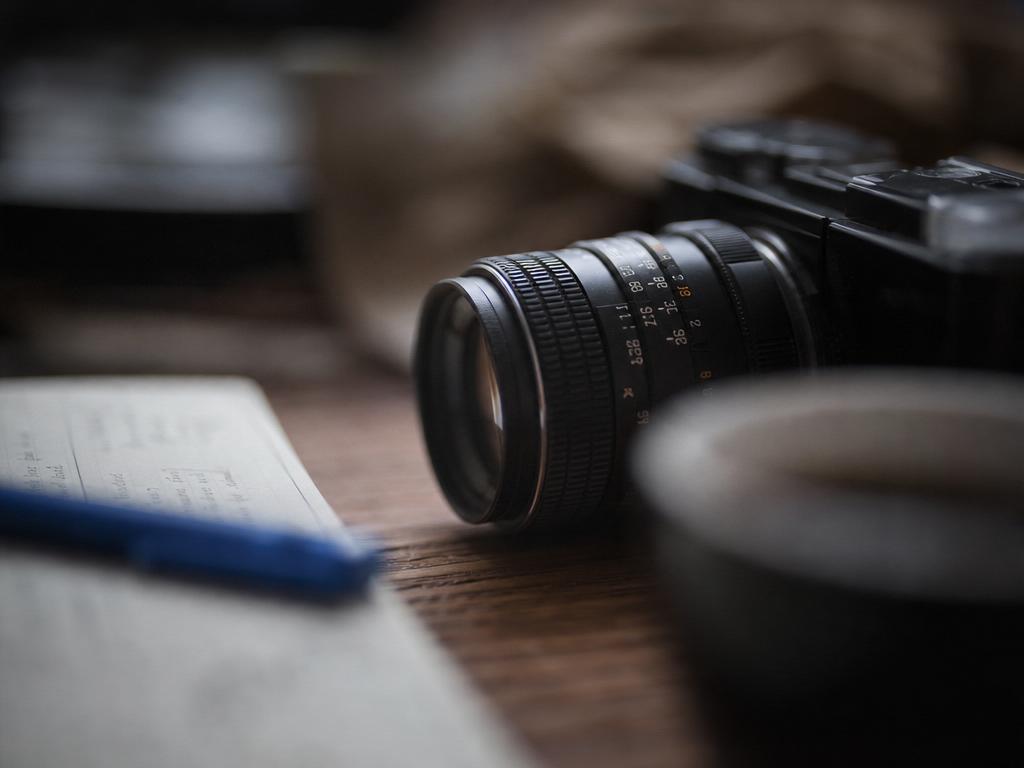
Shallow (wide aperture, close, long lens): portraits, food, products, anything where you want the subject to pop and the background to disappear. The how-to is how to get a blurry background.
Deep (narrow aperture, back up, wide lens): landscapes, architecture, real estate interiors, group photos, anything where front-to-back sharpness matters. A good starting point for "all sharp" is f/8 · f/11, focused roughly a third of the way into the scene.
A reliable everyday recipe sits in between: f/5.6 · 1/250 · ISO 200 gives enough depth for a person plus some context, while keeping the shutter fast. All of this is the give-and-take of the exposure triangle: close down for more depth and you let in less light, so you compensate with shutter or ISO.
Common mistakes
The most common mistake is shooting portraits wide open at f/1.4 and missing focus, because the sharp zone is too thin to forgive a small error. Stop down to f/2.8 for a more reliable margin while keeping plenty of blur, and focus on the near eye. Back button focus helps you place focus precisely.
The opposite mistake is shooting a landscape at f/22 to maximize depth, then losing overall sharpness to diffraction. You rarely need more than f/11 for deep focus; going further trades sharpness for very little extra depth. A third error is forgetting that backing away from your subject deepens the zone, which is sometimes the easiest fix when too little is in focus.
What aperture gives the most depth of field?
A narrow aperture, a high f-number, gives the deepest depth of field. f/11 is a strong, safe choice for landscapes and interiors. Going past f/16 adds little depth and starts to soften the whole image through diffraction.
What is the difference between depth of field and bokeh?
Depth of field is how much of the scene is in focus. Bokeh is the visual quality of the out-of-focus areas, the look of the blur itself. A shallow depth of field is what produces a large, blurred background; bokeh describes how pleasing that blur appears.
How do I get everything in focus?
Use a narrow aperture like f/8 to f/11, a wider lens, stand back from the subject, and focus about a third of the way into the scene. On smaller sensors this is easier, since they already carry more depth of field at a given aperture.
Depth of field ties together aperture, focus, and lens choice, so it rewards understanding the fundamentals together. Pair this with what aperture and f-stop mean and the full exposure triangle.
Practice this
Turn the guide into a working setup
Keep going
Next useful steps
Pick one. Each link continues the same job without starting the research over.
Related Learn guides

Content Credentials and C2PA Explained for Photographers
Content Credentials record a photo's signed provenance and edits. Learn what C2PA proves, what it cannot prove, and how capture-to-export workflows work.
Open Gate Video Explained: When 3:2 Is Worth It
Open Gate records a taller sensor area for flexible 16:9, 9:16, and square crops. See when it helps, what it costs, and how to frame it correctly.
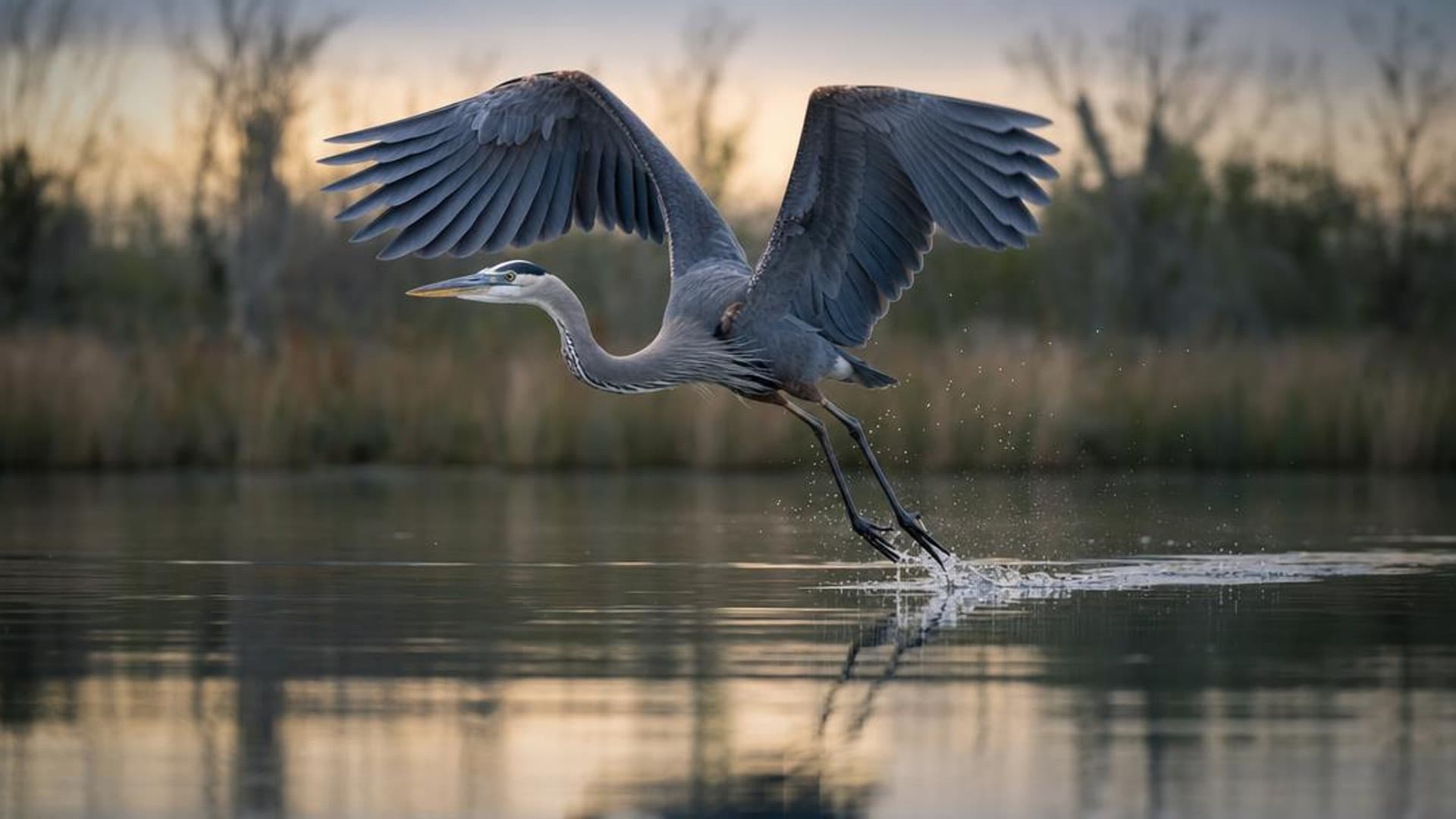
Pre-Capture Photography Explained: Get the Frame Before the Click
Pre-Capture buffers photos before the shutter is fully pressed. Learn how it works, which settings change, and when RAW, flash, or focus may be limited.
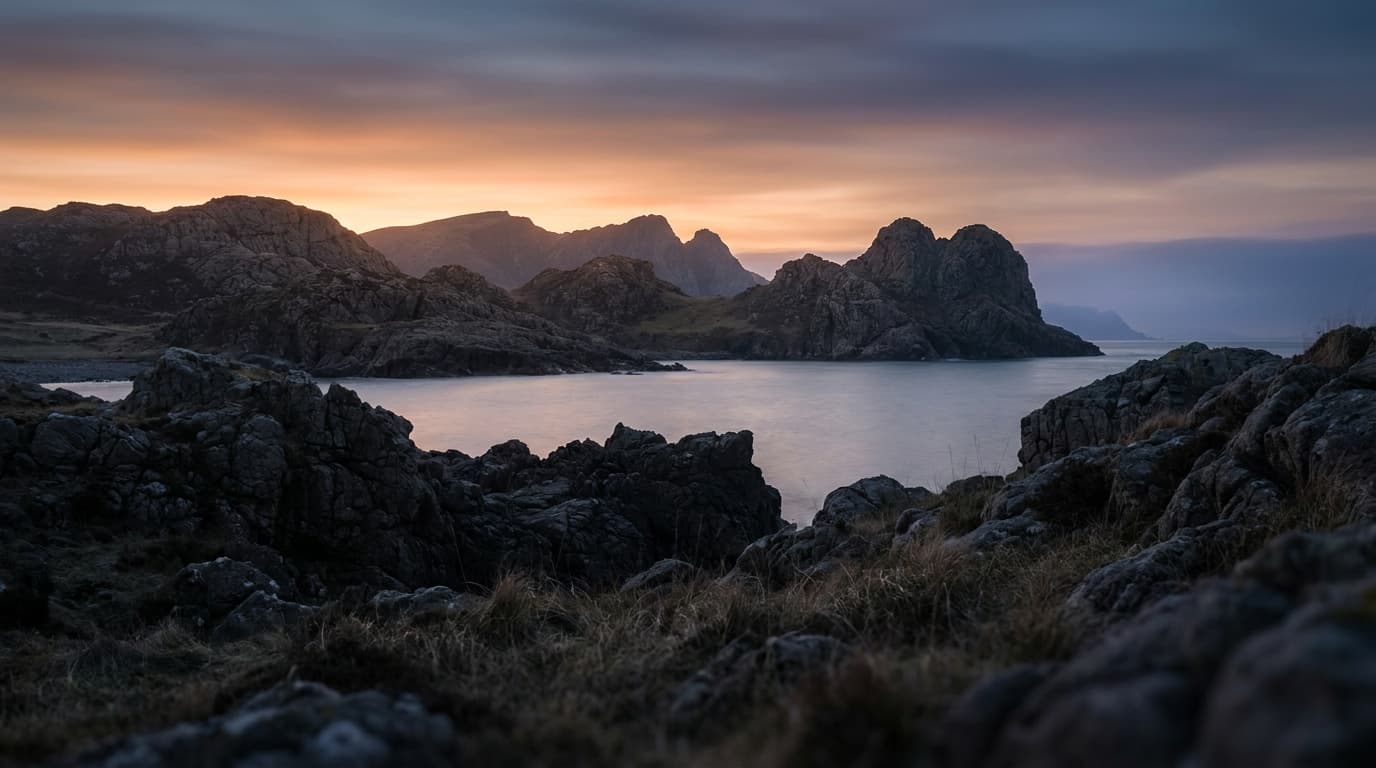
RAW vs JPEG: Which File Format Should You Shoot?
RAW keeps all your sensor data for maximum editing freedom; JPEG is smaller and ready to share. Here is how they differ and when each one is the right call.
Researched, not personally tested: picks compare specifications, available owner feedback, and established expert sources. As an Amazon Associate I earn from qualifying purchases. We may earn a commission from links here, at no extra cost to you. How we research →