We may earn a commission from links on this page, at no extra cost to you. Picks are researched, not sponsored.
Exposure decides how bright and how blurred a photo is. Autofocus decides whether the right thing is sharp. They are separate systems: you can nail the exposure triangle and still miss the shot if focus lands on the wrong spot. Autofocus has two parts to set: the focus mode and the focus area.
The focus modes
Single autofocus (AF-S / One Shot)
You half-press, the camera locks focus on the subject, and it stays locked until you release. Recompose freely once it has locked. Best for anything that is not moving: portraits, landscapes, products, architecture. If the subject moves after the lock, the shot goes soft.
Continuous autofocus (AF-C / AI Servo)
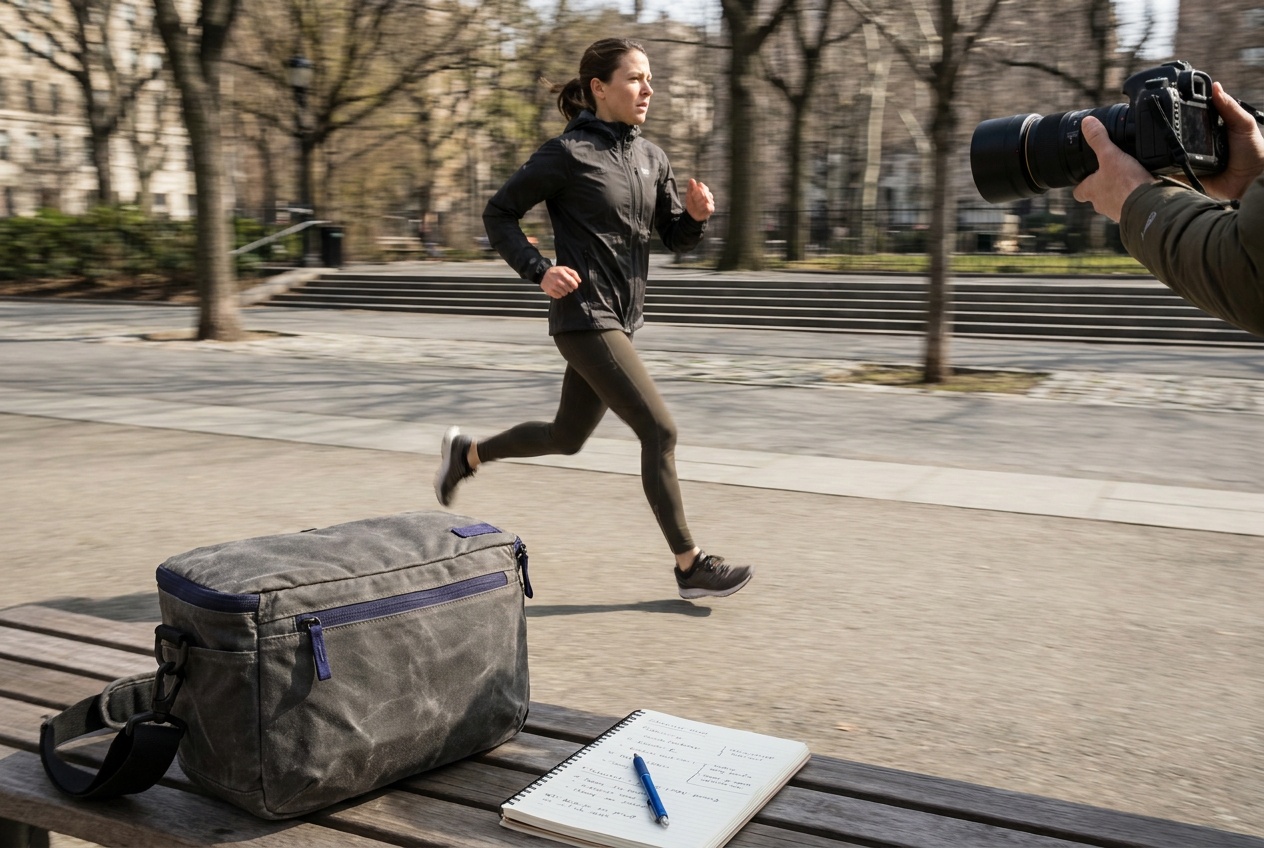
The camera keeps adjusting focus for as long as you hold the half-press, following a subject that moves toward or away from you. Best for action: sports, kids, pets, wildlife, anything unpredictable. It will not lock, so for static subjects single mode is more precise.
Automatic (AF-A / AI Focus)
The camera watches the subject and switches between single and continuous on its own. Convenient for mixed scenes, but it can hesitate at the moment a still subject starts moving. Many photographers skip it and choose the mode deliberately.
Focus area modes
The mode is only half the decision. The focus area tells the camera where in the frame to look:
- Single point: you place one small point exactly where you want sharpness. The most precise option, ideal with single autofocus for portraits (place it on the near eye).
- Zone / group: a cluster of points, easier to keep on a moving subject than a single point.
- Wide / auto area: the camera chooses the subject across the whole frame. Fast but it can lock onto the wrong thing.
- Subject or eye detection: modern cameras detect faces, eyes, and animals automatically, which pairs well with continuous focus for moving people and pets.
Matching the mode to the shot
- Portrait, person sitting still: AF-S, single point on the near eye, or eye detection.
- Kids or pets running: AF-C, zone or eye detection.
- Landscape: AF-S, single point on a feature a third of the way into the scene.
- Sports: AF-C, zone or tracking, with a fast shutter speed to match.
In low light, autofocus slows down and hunts. A wider aperture lets in more light for the focus system, and the camera's focus assist lamp can help at close range.
Common mistakes
- Using single autofocus on moving subjects. It locks on where the subject was, not where it is now. Switch to continuous for anything that moves.
- Leaving the camera on wide-area auto. It happily focuses on the background behind your subject's head. Use a single point or eye detection when it matters.
- Locking focus, then leaning in or back. Even in single mode, swaying a few inches after the lock can soften a wide-aperture portrait. Re-lock after you move.
- Blaming a lens for "soft" photos. Most soft shots are focus or motion errors, not the gear. Confirm focus mode and area before you doubt the lens.
For tricky subjects, back-button focus (moving focus off the shutter to a rear button) lets you separate focusing from shooting, though it takes practice. Once exposure and focus both feel automatic, learn how to use manual mode, test combinations in the exposure calculator, and get comfortable with the priority modes in aperture priority vs shutter priority.
What is the difference between AF-S and AF-C?
AF-S (single) locks focus once and holds it, which is best for still subjects. AF-C (continuous) keeps refocusing as the subject moves, which is best for action. Canon labels them One Shot and AI Servo.
Which autofocus mode is best for portraits?
Single autofocus with a single focus point placed on the nearest eye, or eye-detection autofocus if your camera has it. At wide apertures, precise focus on the eye is what makes a portrait look sharp.
Why does my autofocus keep hunting in low light?
Autofocus needs contrast and light to lock. In dim scenes it hunts back and forth. Open the aperture to feed the focus system more light, use the focus assist lamp, or aim at a high-contrast edge on your subject.
Keep going
Next useful steps
Pick one. Each link continues the same job without starting the research over.
Related Learn guides

Content Credentials and C2PA Explained for Photographers
Content Credentials record a photo's signed provenance and edits. Learn what C2PA proves, what it cannot prove, and how capture-to-export workflows work.
Open Gate Video Explained: When 3:2 Is Worth It
Open Gate records a taller sensor area for flexible 16:9, 9:16, and square crops. See when it helps, what it costs, and how to frame it correctly.
Pre-Capture Photography Explained: Get the Frame Before the Click
Pre-Capture buffers photos before the shutter is fully pressed. Learn how it works, which settings change, and when RAW, flash, or focus may be limited.
RAW vs JPEG: Which File Format Should You Shoot?
RAW keeps all your sensor data for maximum editing freedom; JPEG is smaller and ready to share. Here is how they differ and when each one is the right call.
Researched, not personally tested: picks compare specifications, available owner feedback, and established expert sources. As an Amazon Associate I earn from qualifying purchases. We may earn a commission from links here, at no extra cost to you. How we research →