We may earn a commission from links on this page, at no extra cost to you. Picks are researched, not sponsored.
What this means in real life
The reason on-camera flash gets a bad reputation is that the built-in pop-up fires a hard, flat blast straight at the subject from the worst possible angle, giving harsh shadows, shiny skin, and red eyes. But that is one bad way to use flash, not flash itself. A flash is simply a light you control: how bright it is, which direction it comes from, and how hard or soft it looks. Once you separate the flash from the background and learn to bounce it, a flash becomes one of the most useful tools you own, indispensable indoors, at events, and any time the available light is ugly or too dim.
The one idea that makes flash click
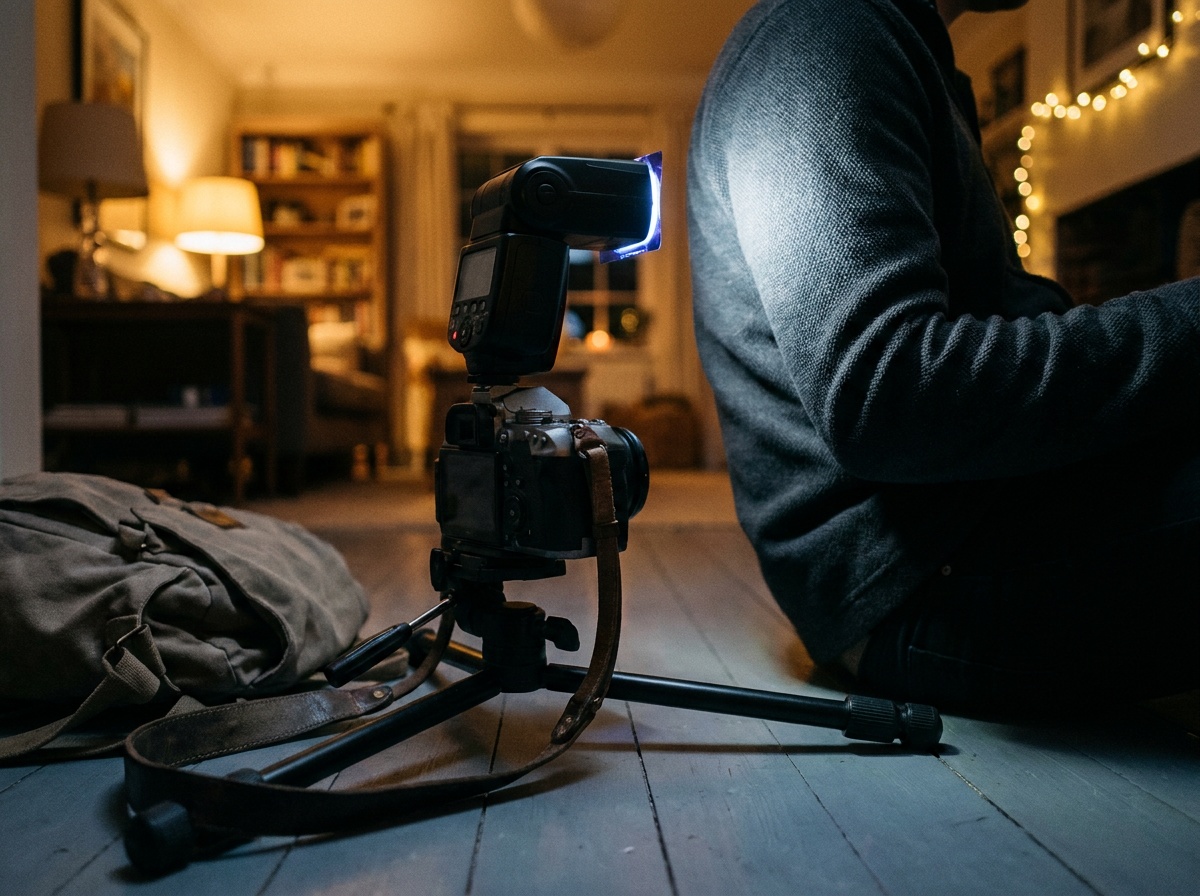
Here is the concept that changes everything: in a flash photo, two exposures happen at once. The flash burst is extremely fast, so it freezes and lights the subject, and its brightness is governed by your aperture and ISO. The ambient light, everything the flash does not reach, is governed by your shutter speed, because the shutter stays open long enough to gather it. So aperture and ISO set the flash; shutter speed sets the background. Want a darker background behind a flashed subject? Use a faster shutter. Want to let more of the room's natural light blend in? Use a slower shutter. The flash brightness barely changes either way.
The settings
Start in a controllable mode and balance flash against ambient.
Mind your camera's flash sync speed, usually around 1/200 or 1/250, which is the fastest shutter that works normally with flash; go faster without high-speed-sync and the frame gets a dark band. This is the exposure triangle with a twist: the shutter speed now controls the background separately from the flash, so the same dials behave a little differently than in natural light.
It helps to think of the two exposures as separate jobs. Set the shutter first to taste for the background: faster for a darker, moodier room, slower to let warm ambient light blend in, but never faster than sync speed. Then set the flash power so the subject is correctly lit. TTL meters this automatically frame to frame, while manual flash power holds a fixed output that is more consistent once you find it. If the subject is right but the background is wrong, change only the shutter; if the subject is wrong, change only the flash power.
Bounce, soften, and fill
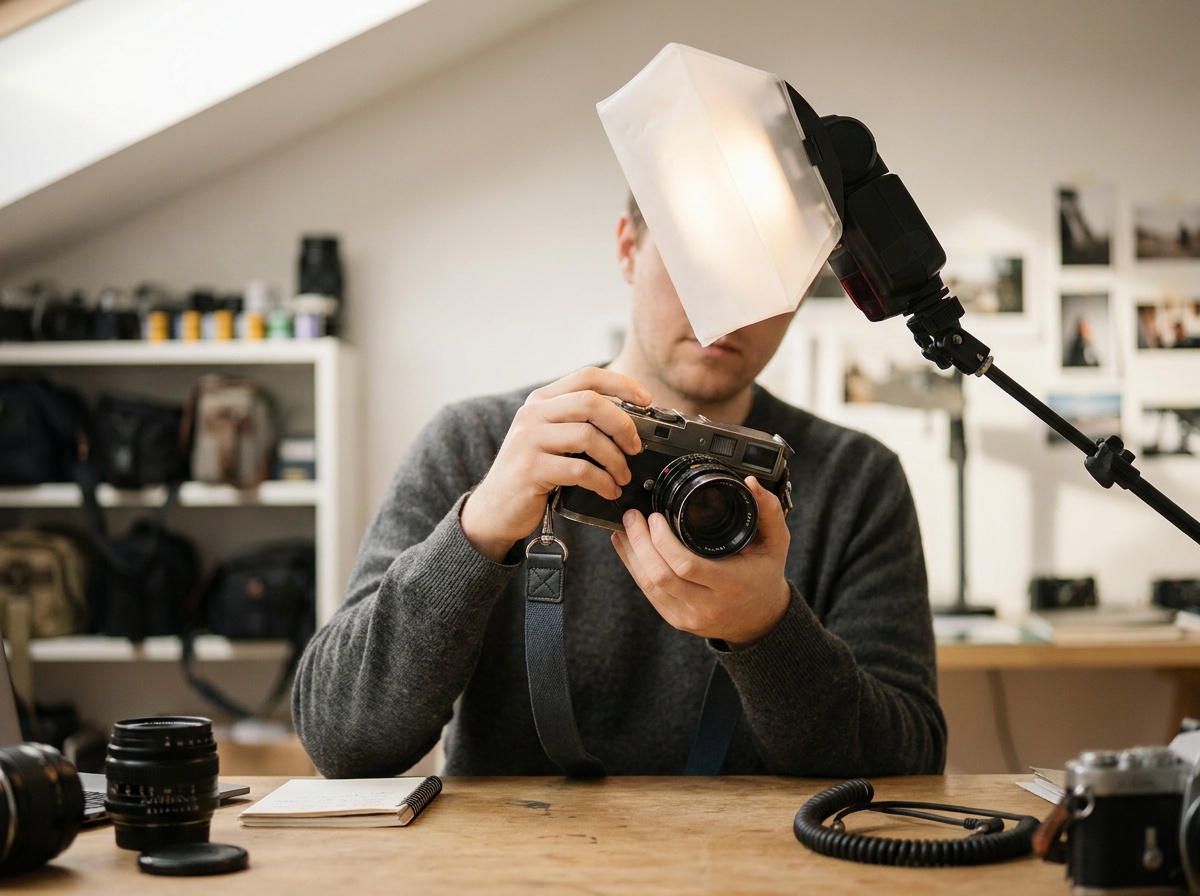
The single biggest improvement is to stop firing the flash straight ahead. Tilt the head up to bounce off a white ceiling, or swivel it to bounce off a side wall; the large bounced surface becomes a soft, flattering light source instead of a hard point. Bounce only off white or neutral surfaces, since a colored wall or ceiling tints the light and gives the subject a color cast. Outdoors in harsh midday sun, use the flash as fill: dial it down a stop or two below the ambient so it opens the dark shadows under eyes and chins without overpowering the daylight. A diffuser or a small softbox softens the light further. A capable flash or speedlight gives you the tilt, swivel, and power control to do all of this, which the built-in pop-up cannot.
Research pick
Godox TT685II
Beginners building a Godox off-camera setup who want the lowest cost of entry.
Check price at AmazonCommon mistakes
Firing the flash straight at the subject is the classic mistake and the source of that flat, harsh look; bounce it instead. Forgetting that the shutter controls the background leaves you with a brightly lit subject floating in a black void, fixed by slowing the shutter. Exceeding the sync speed without high-speed sync puts a dark band across the frame. Standing too far away means the flash cannot reach, since its power falls off quickly with distance. And cranking the flash to full power for a nearby subject gives an overexposed, deer-in-headlights result; let TTL meter it, or dial the power down.
Why do my flash photos have a black background?
The shutter controls the ambient light, and a fast shutter does not let enough of the room's light register, so the background goes dark while the flash-lit subject stays bright. Slow the shutter down, toward 1/60 or slower, to let more ambient light fill the background, and keep the camera steady or on a support.
Should I bounce my flash or point it at the subject?
Bounce it whenever you can. Firing straight at the subject gives a hard, flat light with harsh shadows. Tilting the flash up to a white ceiling or swiveling it to a wall turns that surface into a large, soft light source, which looks far more natural and flattering.
What is flash sync speed?
It is the fastest shutter speed at which the whole frame is exposed while the flash fires, usually around 1/200 or 1/250. Go faster without high-speed sync and part of the frame is blocked by the shutter, leaving a dark band. Stay at or below the sync speed for normal flash use.
Keep going
Next useful steps
Pick one. Each link continues the same job without starting the research over.
Shoot kits
Buy around the job, not the spec sheet
People work
Portrait and headshot kit
$2,936
A full-frame hybrid body, an 85mm prime, simple flash, diffusion, and grip pieces for clean portraits without a studio buildout.
Best people-first kit
Buy order: start with the first piece that makes the job possible, then add the support pieces that remove friction.
Camera: start here. If this piece does not make the shoot easier, the rest of the kit can wait.
Sandbag: add it after the core setup proves useful.
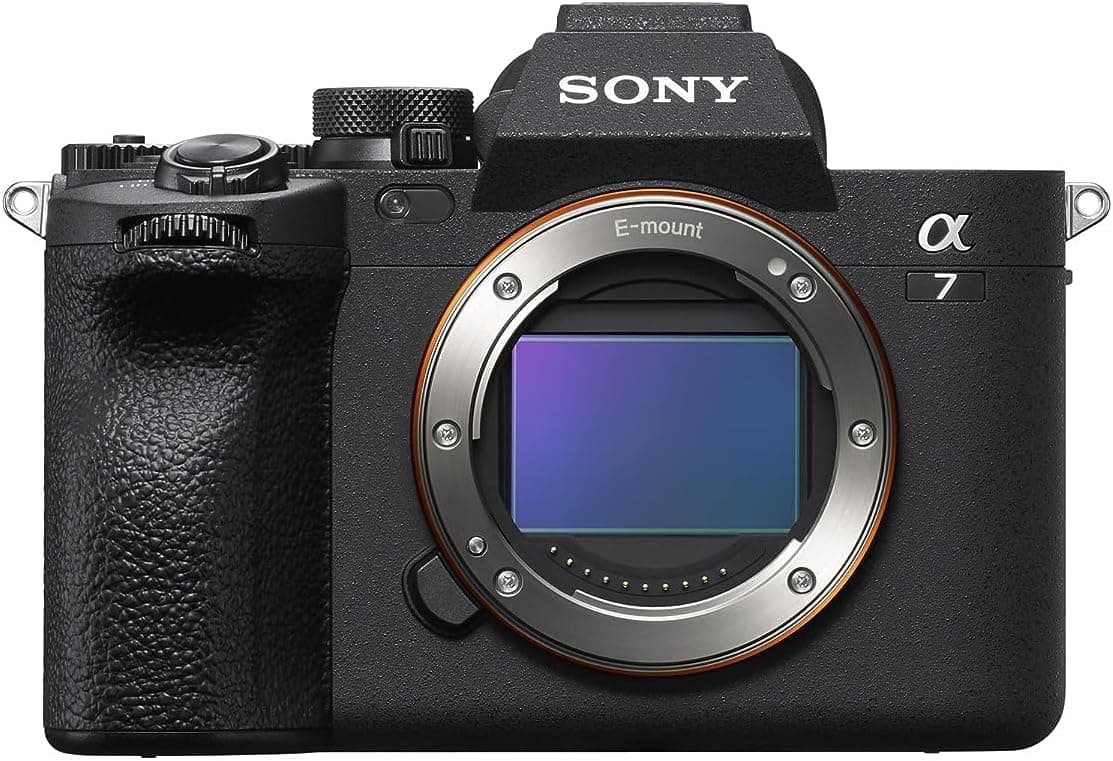
Sony a7 IV
A balanced full-frame body with reliable eye autofocus for portraits, events, and headshots.
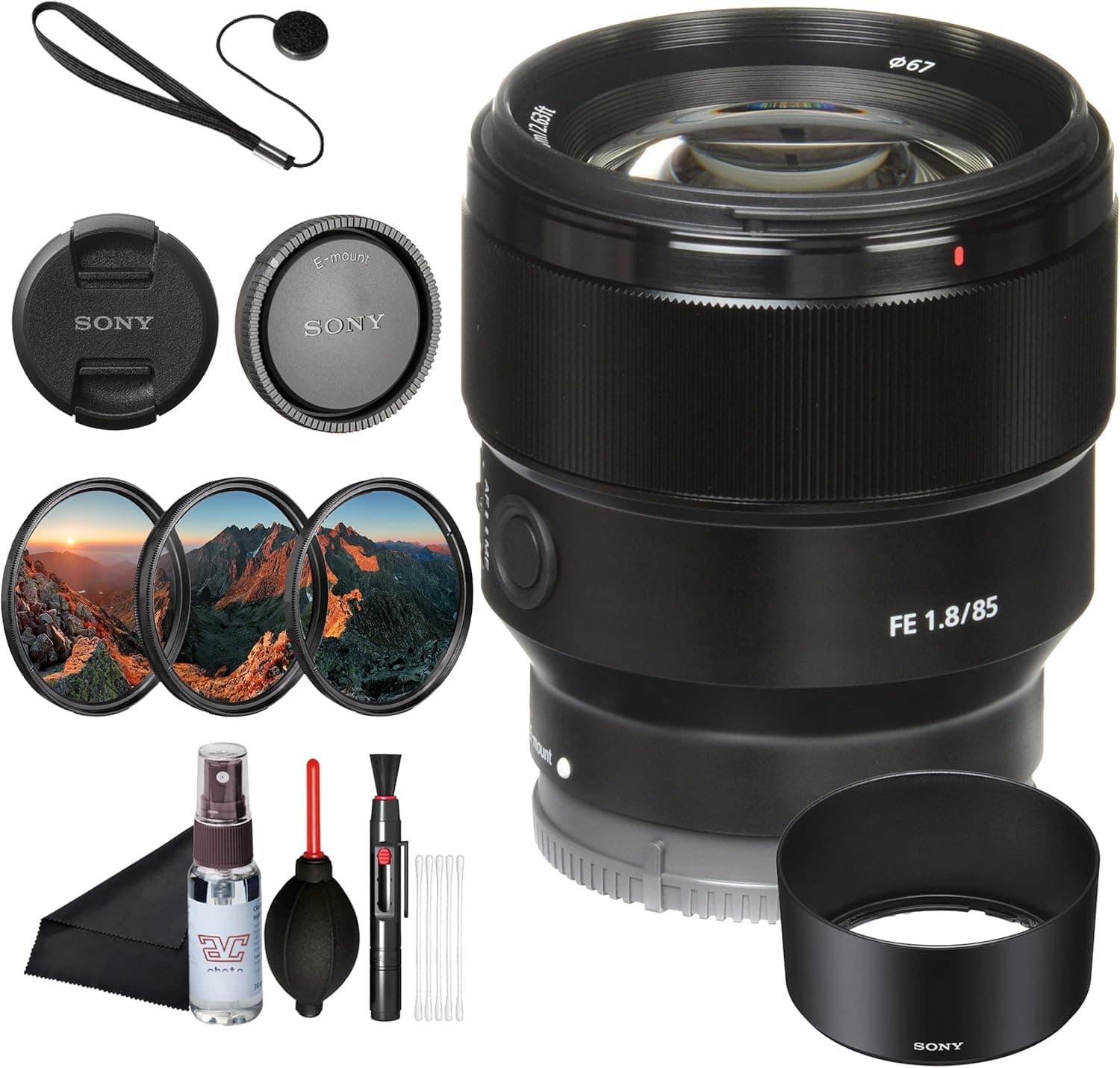
Sony FE 85mm f/1.8
Classic headshot framing, flattering compression, and a price that leaves money for light.
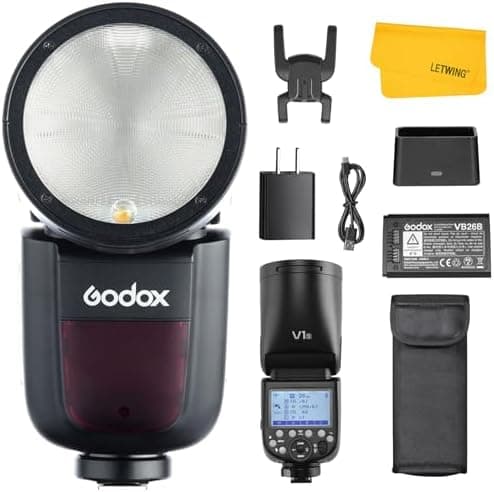
Godox V1
Round-head flash for bounce, quick portraits, and a first off-camera setup.
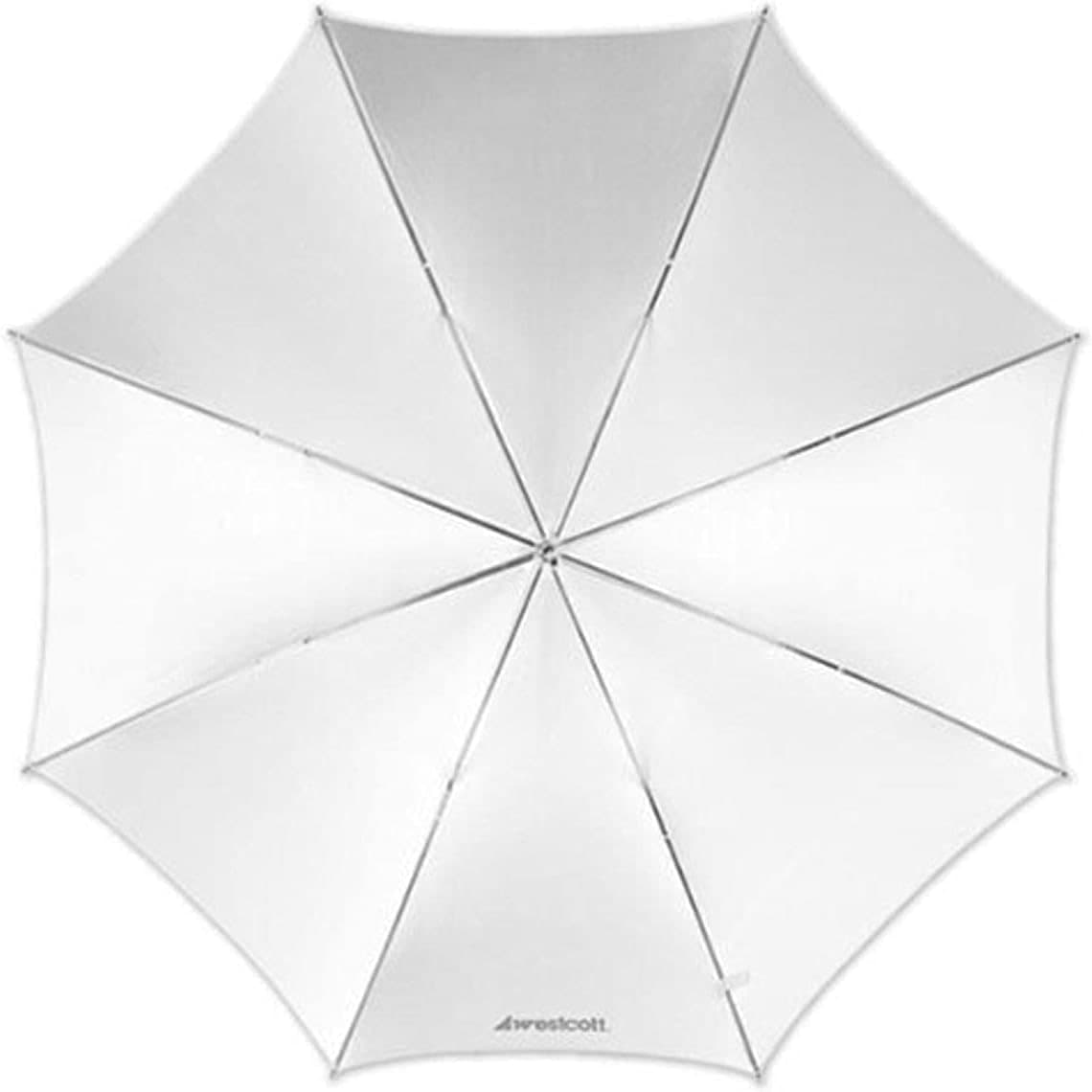
Westcott 43-inch Umbrella
Cheap, fast diffusion that makes one light look less harsh.
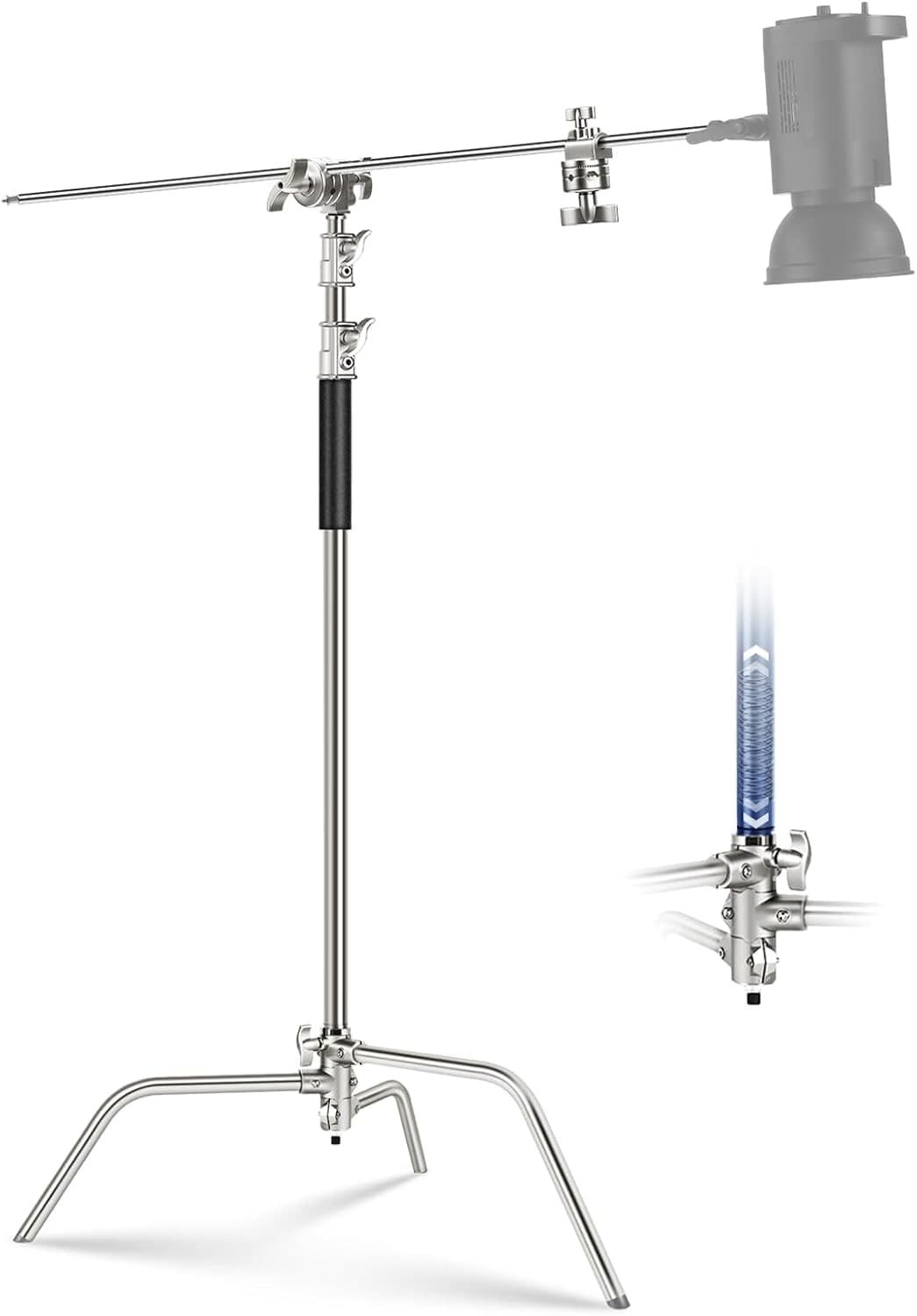
Neewer C-Stand
Keeps the light where it belongs when a small tripod would be a liability.
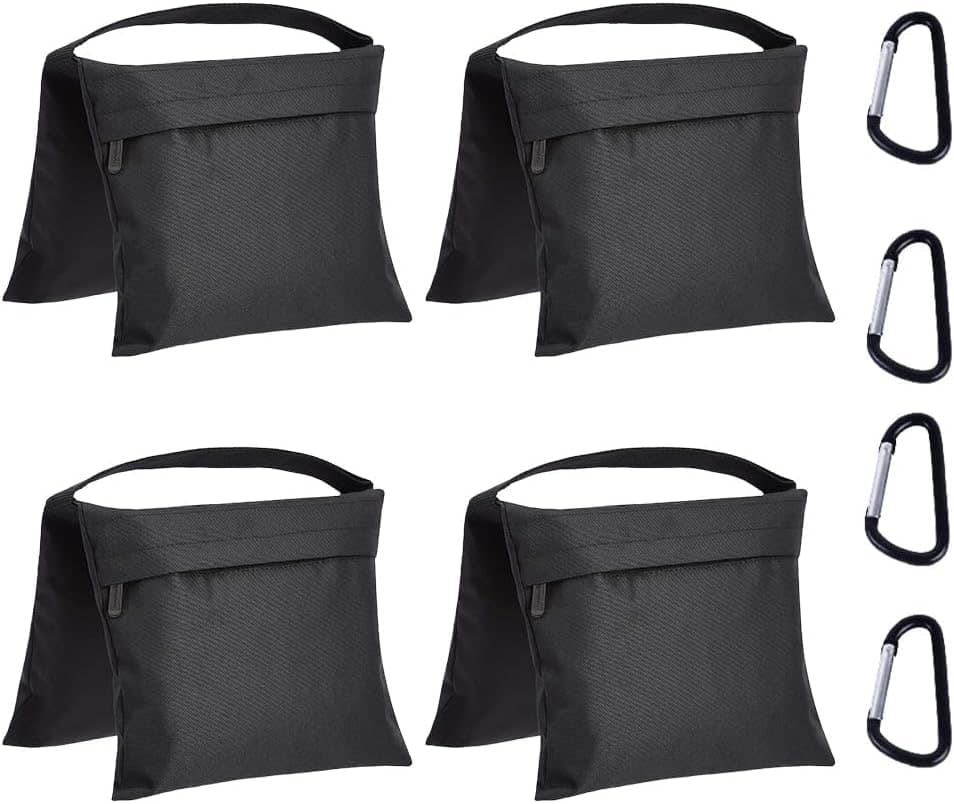
Amazon Basics Photography Sandbags (4-Pack)
The unglamorous piece that keeps a light stand from becoming expensive chaos.
Prices are rough catalog totals. Retailer prices change, and you can swap pieces to fit your system.
Related Learn guides

Content Credentials and C2PA Explained for Photographers
Content Credentials record a photo's signed provenance and edits. Learn what C2PA proves, what it cannot prove, and how capture-to-export workflows work.
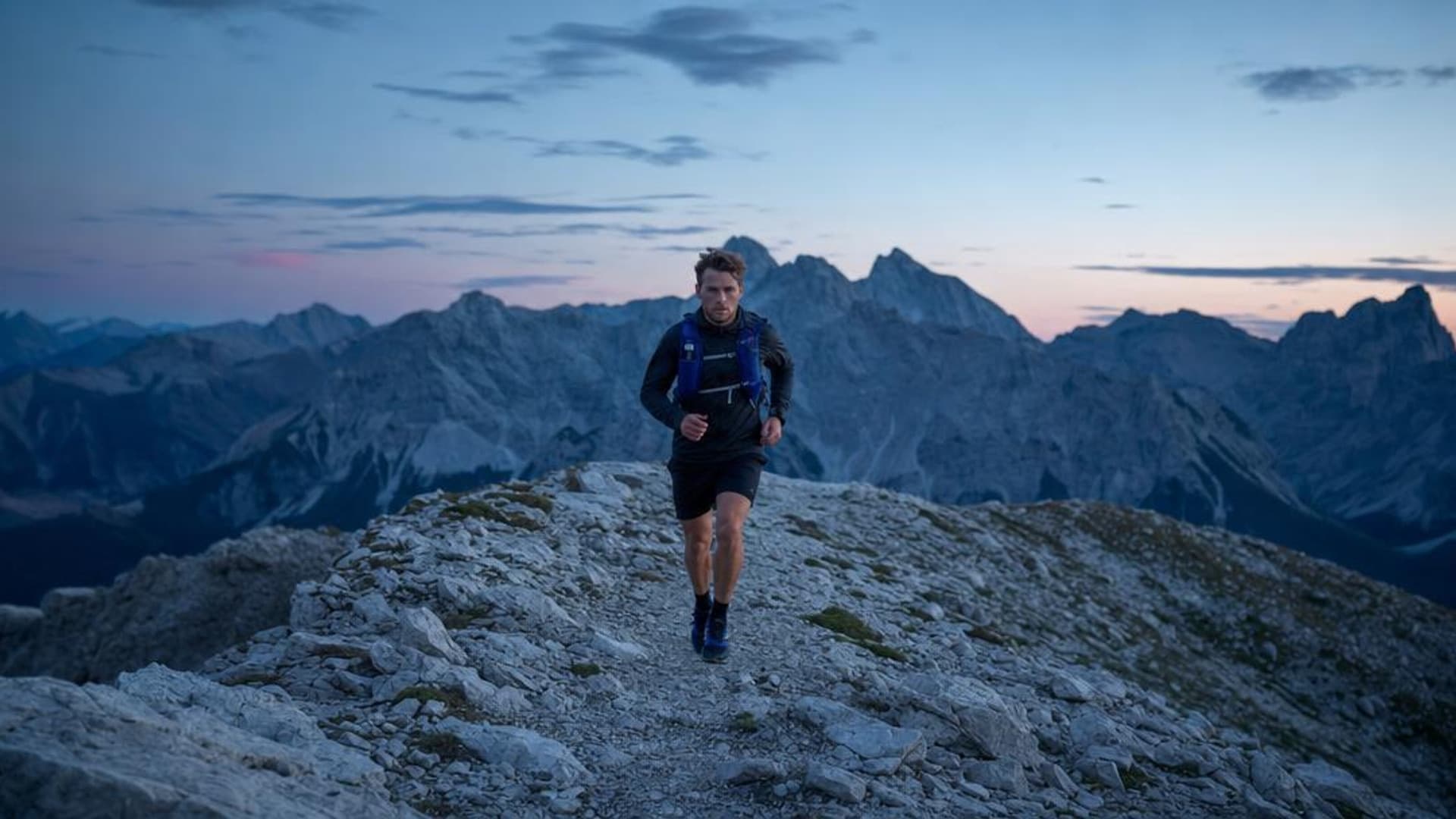
Open Gate Video Explained: When 3:2 Is Worth It
Open Gate records a taller sensor area for flexible 16:9, 9:16, and square crops. See when it helps, what it costs, and how to frame it correctly.
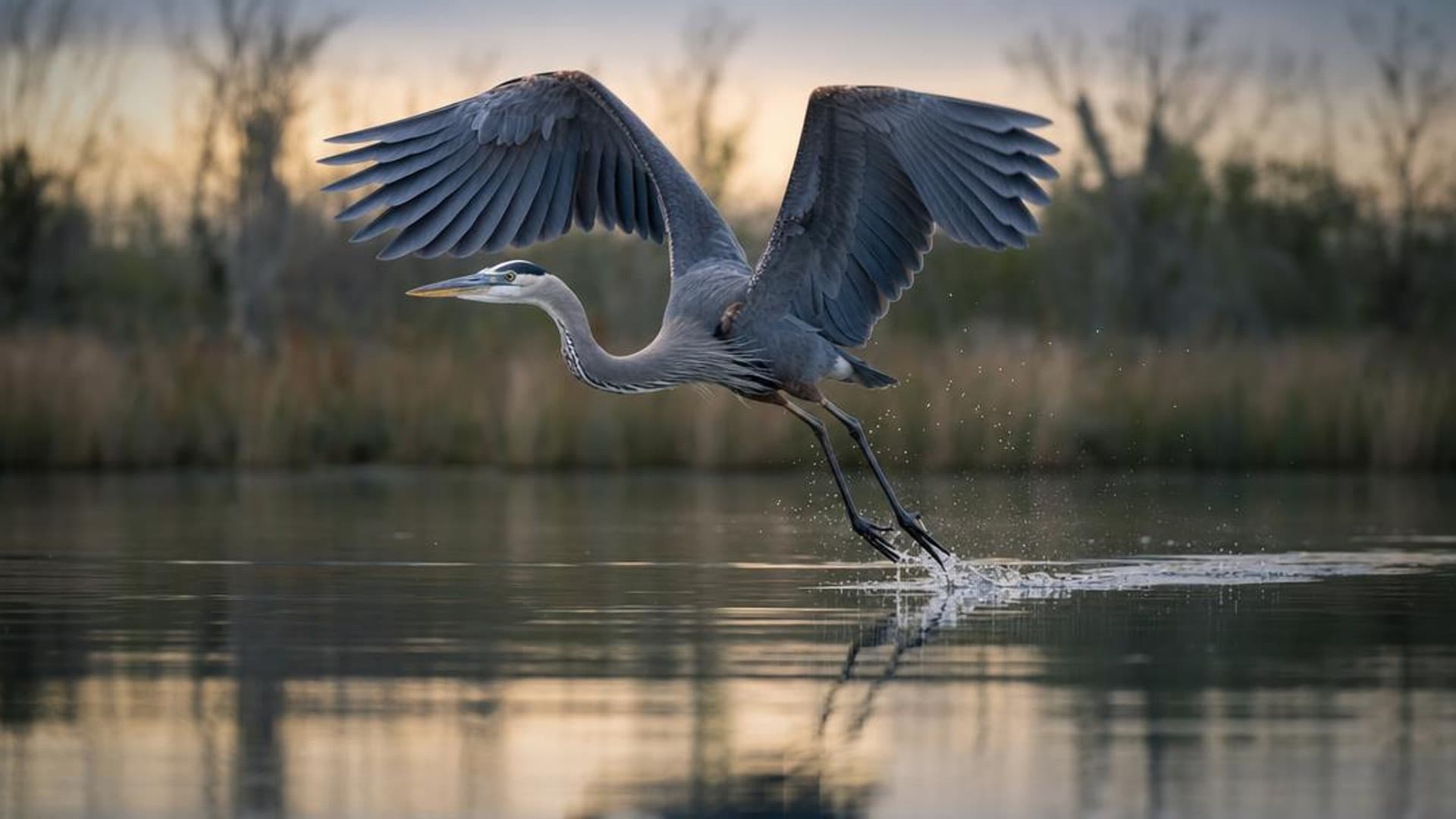
Pre-Capture Photography Explained: Get the Frame Before the Click
Pre-Capture buffers photos before the shutter is fully pressed. Learn how it works, which settings change, and when RAW, flash, or focus may be limited.
RAW vs JPEG: Which File Format Should You Shoot?
RAW keeps all your sensor data for maximum editing freedom; JPEG is smaller and ready to share. Here is how they differ and when each one is the right call.
Researched, not personally tested: picks compare specifications, available owner feedback, and established expert sources. As an Amazon Associate I earn from qualifying purchases. We may earn a commission from links here, at no extra cost to you. How we research →