We may earn a commission from links on this page, at no extra cost to you. Picks are researched, not sponsored.
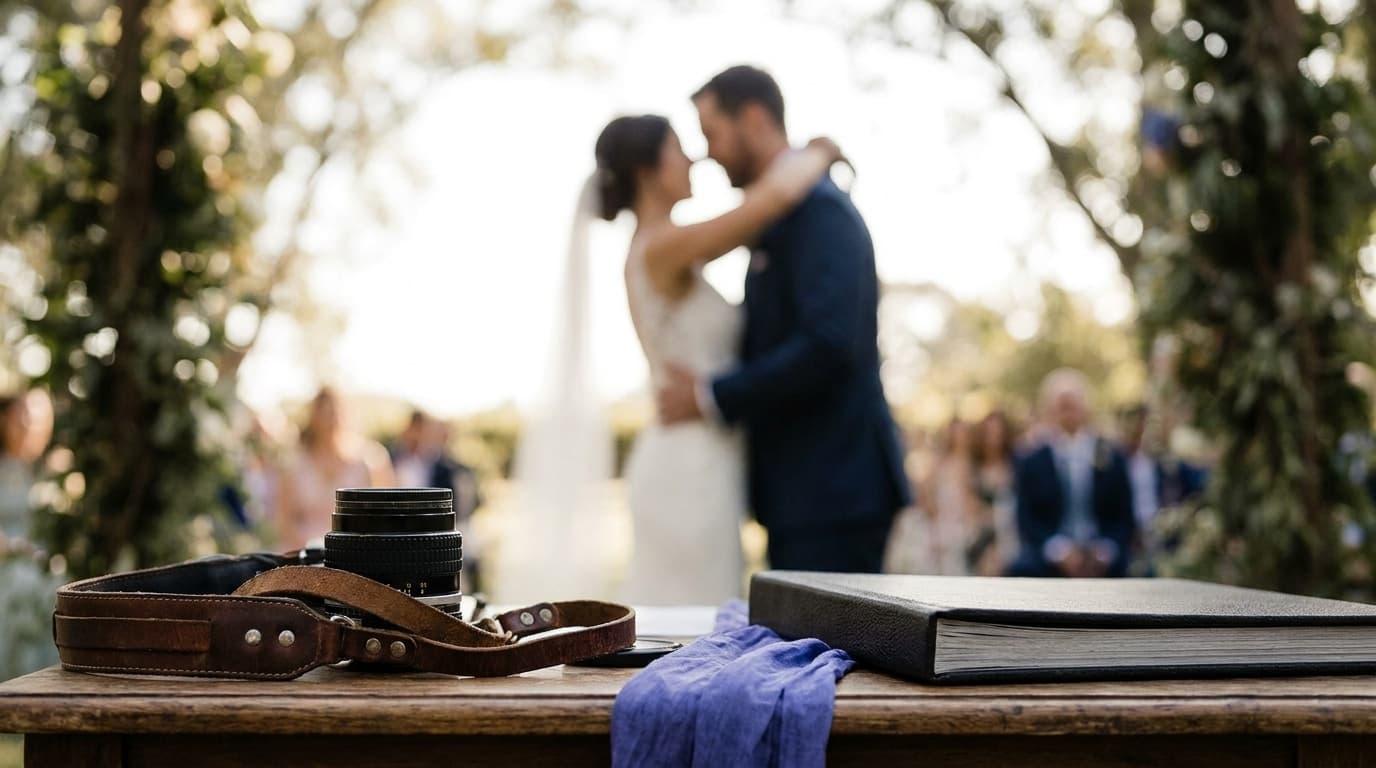
A wedding is the one job where you cannot ask for a second take. The first kiss happens once, the tears during the vows happen once, and the light is whatever the day gives you. Good wedding work is less about a clever setting and more about being ready, in the right spot, with a backup for everything.
Bring backups for everything
The defining rule of wedding gear is redundancy. If a card or a body fails and you have no spare, the day is gone.
- Two camera bodies. One on a 24 to 70mm zoom for fast, changing scenes, one on an 85mm prime for portraits and ceremony reach. Two bodies also mean you never miss a moment swapping lenses.
- A fast zoom and a fast prime. A 24 to 70mm f/2.8 covers most of the day; an 85mm gives flattering portrait compression. See best lenses for portraits and best prime lenses.
- Dual card slots and spare cards. Record to both slots at once so every frame is written twice.
- A flash for the reception. Dim halls and first dances need it. The best flashes and speedlights guide covers reliable options.
- Spare batteries. A full wedding day drains more than you expect.
Best Value
Sony FE 85mm f/1.8
Portrait shooters who want classic 85mm compression without the GM price.
Check price at AmazonIf you want the buying version, the wedding and event photography gear guide covers the bodies, lenses, flash, cards, and carry pieces worth buying first.
Settings that let you react
A wedding moves between bright gardens, dim churches, and dark dance floors, often within minutes. You want settings that adapt without slowing you down. A dependable baseline for the ceremony is f/2.8 · 1/250 · ISO auto.
A wide aperture near f/2.8 gathers light in dim venues and softens busy backgrounds. A shutter speed of 1/250 or faster freezes walking down the aisle and the nervous fidget. Let ISO float on auto so you never stop to chase changing light; the exposure triangle explains why a fast shutter in a dark church forces a higher ISO. Use continuous autofocus with eye detection, and shoot in short bursts during key moments so the peak expression is among the frames.
For the dark reception, bounce the flash off a ceiling or wall rather than firing it straight on, and keep the shutter at or under your flash sync speed, usually around 1/200, so you do not clip the flash. Drag the shutter a little, down to 1/60 with a steady hand, to let the room's ambient glow register behind the flash rather than going black. The low-light and indoor guide covers the flash basics in more depth.
Work from a shot list and a timeline
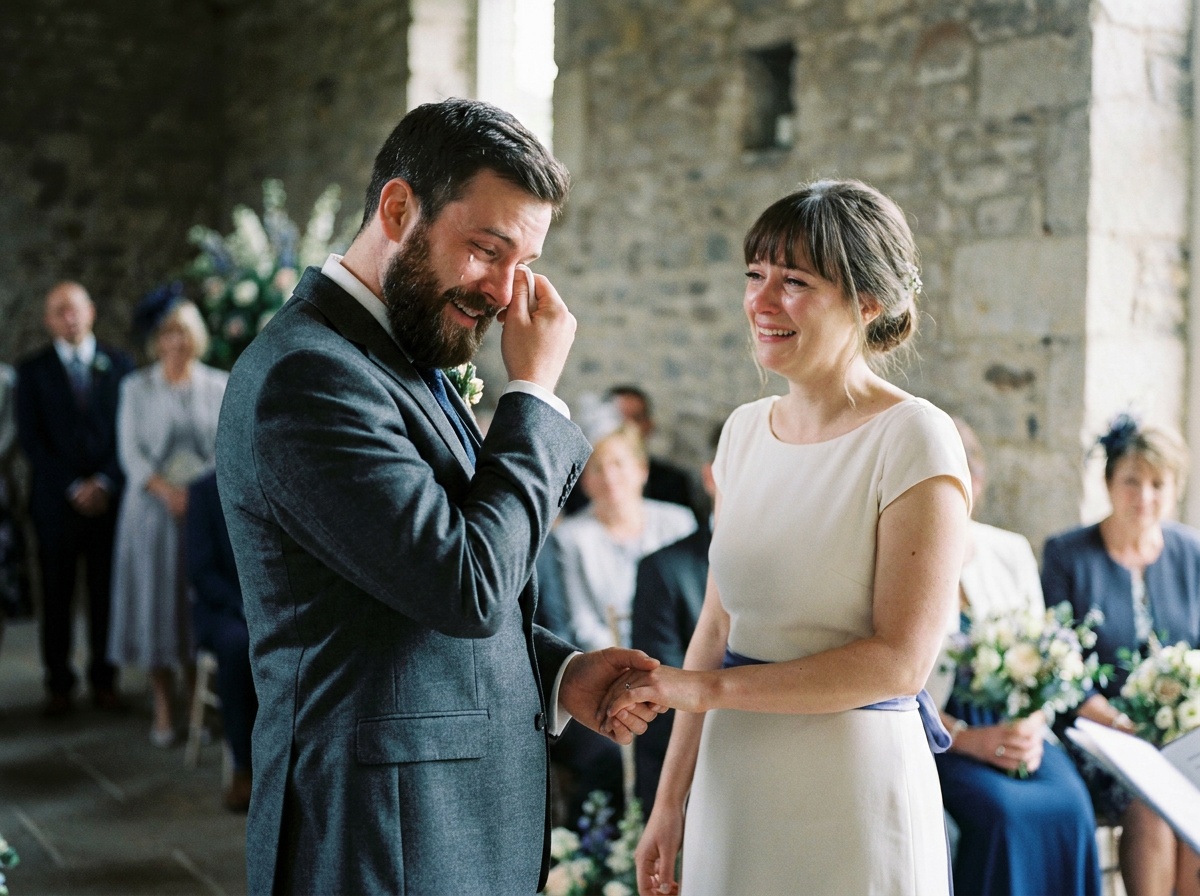
The photographers who never miss moments are the ones who planned for them. Before the day, build a written shot list and a timeline with the couple: getting ready, the first look, the ceremony beats, family groupings by name, the reception events. Knowing the order means you are already in position when the vows start rather than scrambling.
Family group photos are where time disappears. List the combinations in advance, appoint one person from each family to round people up, and run through the list quickly. The shot-list generator can help you build and organize a plan so nothing important gets forgotten in the rush.
Chase the light, then make your own
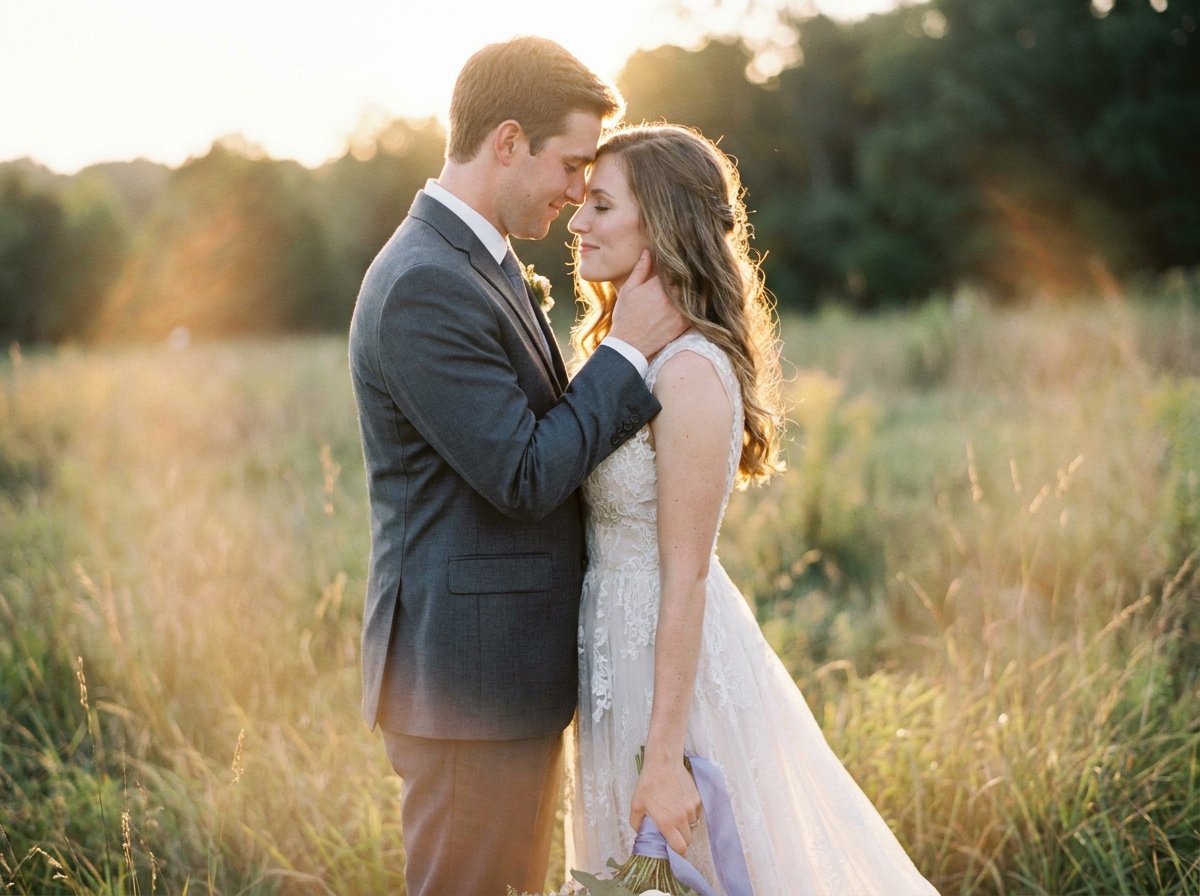
The best portraits of the day usually come at golden hour, so reserve fifteen minutes near sunset for the couple alone if the timeline allows. During the ceremony you take the light you are given; position yourself so it falls across faces rather than behind them, and watch for harsh midday sun that buries eyes in shadow. When the sun is gone and the party starts, your flash becomes the light. Bounce it, keep it subtle, and let the room's mood survive.
Common mistakes
The recurring failures are predictable. Shooting with a single body and no backup card invites disaster. Using too slow a shutter in a dim church blurs the processional. Missing family groupings because no one organized them eats your portrait time. And firing direct flash flattens every reception photo into the same harsh look. Each of these is solved before the day, not during it.
What camera settings should I use for a wedding?
A reliable default is a wide aperture near f/2.8 for low light and separation, a shutter of 1/250 or faster to freeze movement, and ISO on auto so the camera adapts as you move between bright and dim spaces. Use continuous autofocus with eye detection.
What gear do I need to photograph a wedding?
Two camera bodies for redundancy and quick lens access, a fast 24 to 70mm zoom, an 85mm portrait prime, a flash for the reception, and plenty of spare cards and batteries. Record to dual card slots so every frame is saved twice.
How do I avoid missing key moments at a wedding?
Plan. Build a written shot list and a timeline with the couple, learn the order of events, and stay in position before each moment happens. The unrepeatable beats, the vows, the first kiss, the reactions, are the ones to protect first.
Shoot kits
Buy around the job, not the spec sheet
Live coverage
Event and wedding kit
$5,967
A dependable hybrid body, fast telephoto, round-head flash, clean audio, fast card, and small carry setup for long days with no second chances.
Best paid-event base kit
Buy order: start with the first piece that makes the job possible, then add the support pieces that remove friction.
Camera: start here. If this piece does not make the shoot easier, the rest of the kit can wait.
Carry: add it after the core setup proves useful.
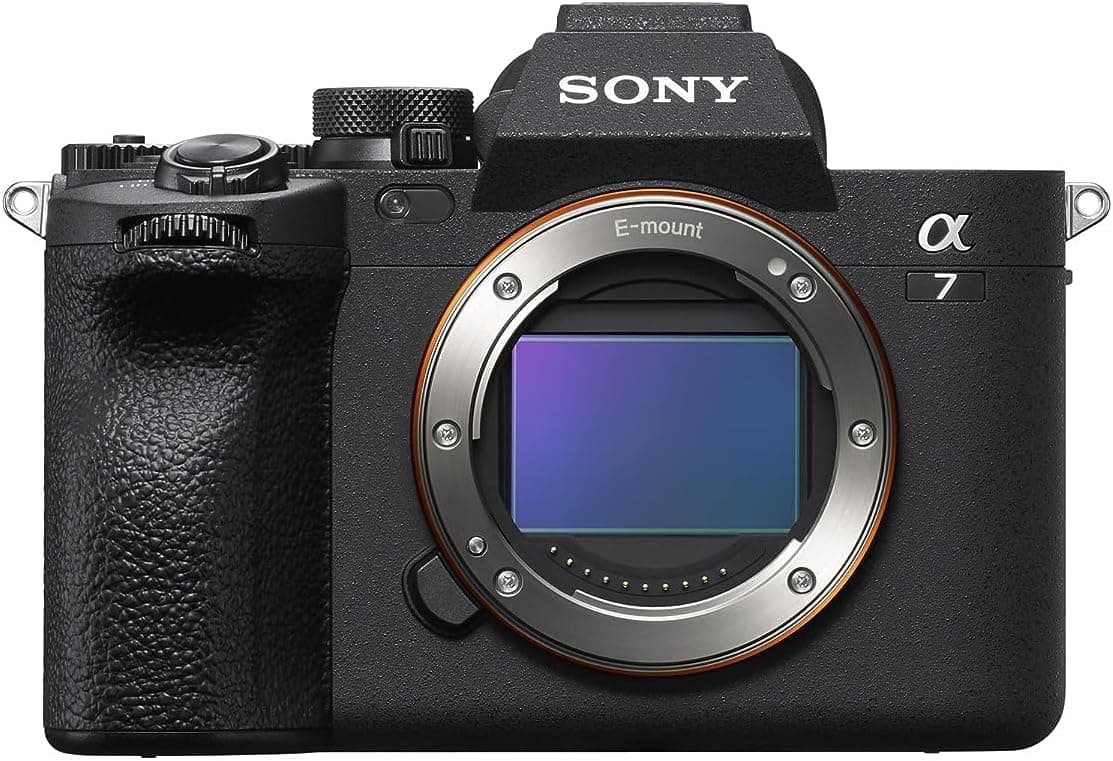
Sony a7 IV
Balanced stills and video, reliable eye autofocus, dual card slots, and enough resolution for delivery crops.
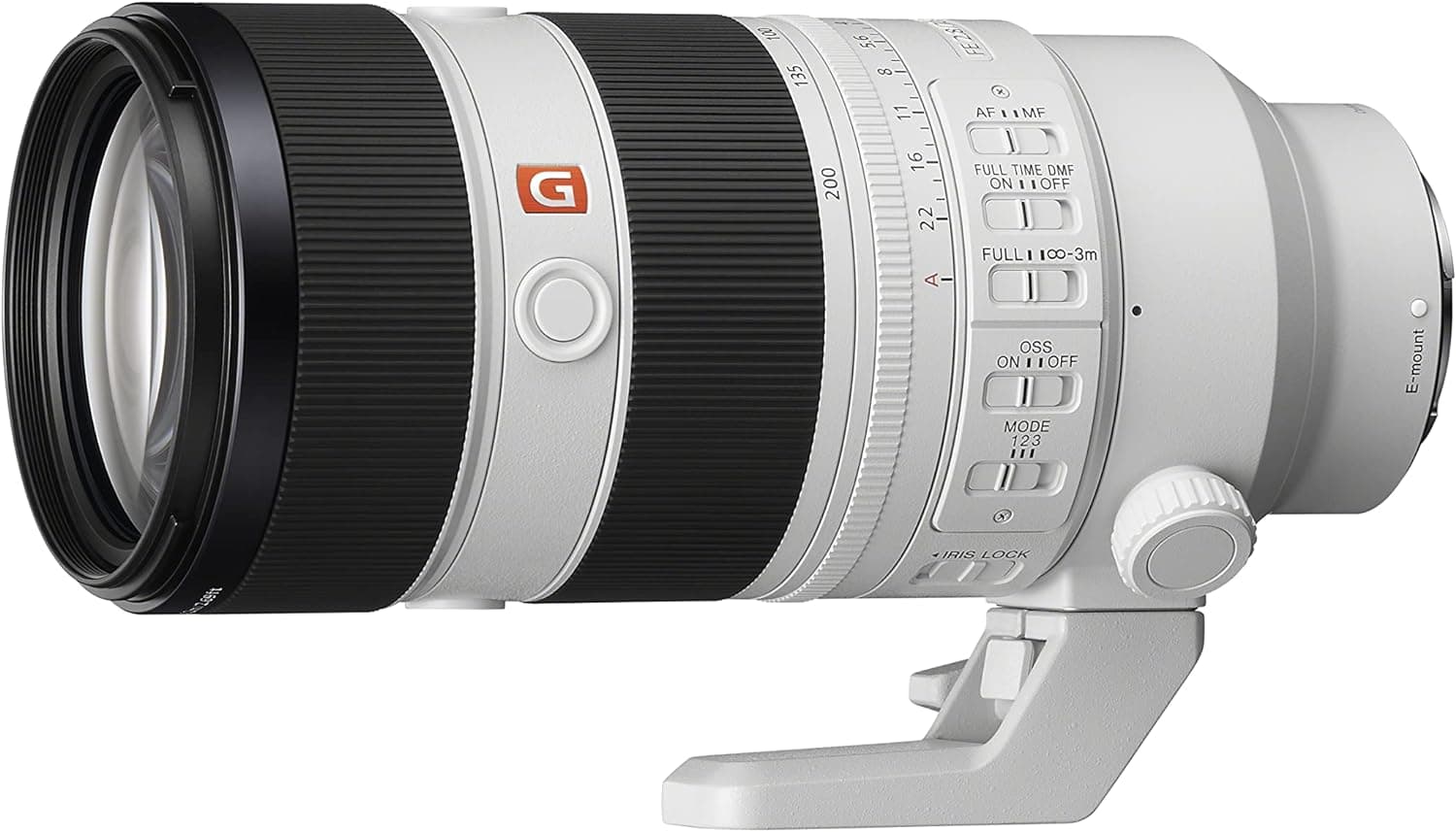
Sony FE 70-200mm f/2.8 GM OSS II
Reach and subject separation for ceremonies, speeches, stage work, and candids from across a room.
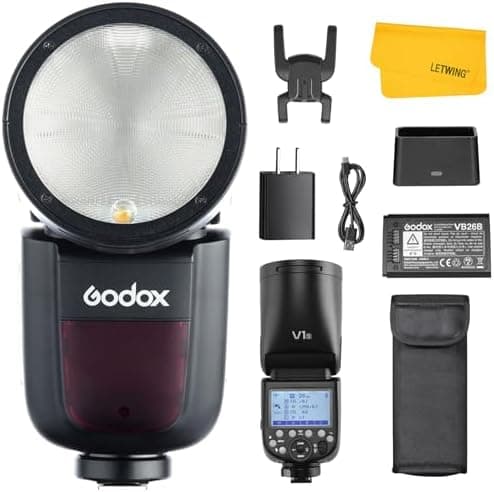
Godox V1
Soft bounce, fast recycle, and the Godox radio system for a first off-camera light.
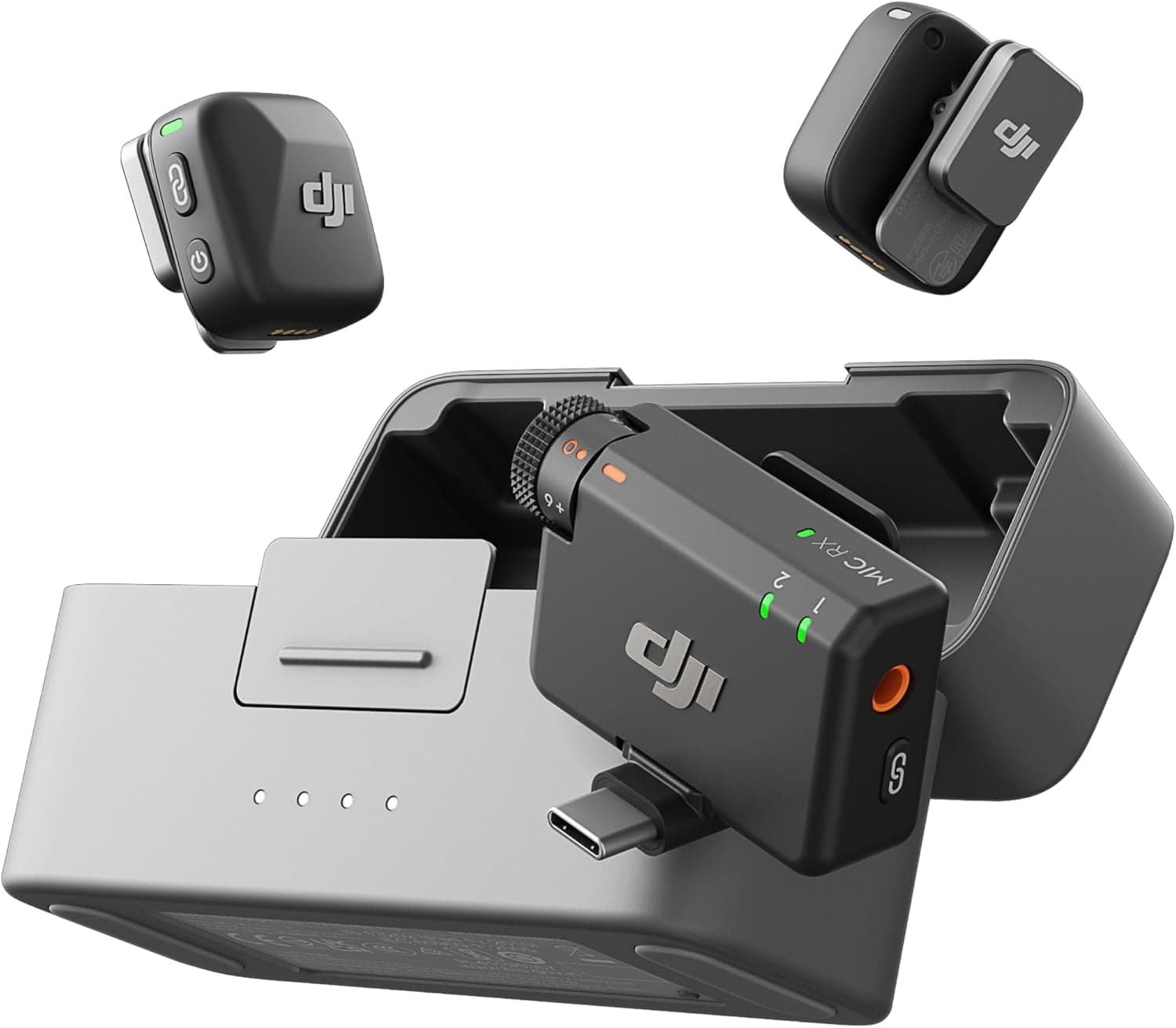
DJI Mic 2
A simple backup for vows, interviews, speeches, and behind-the-scenes clips.
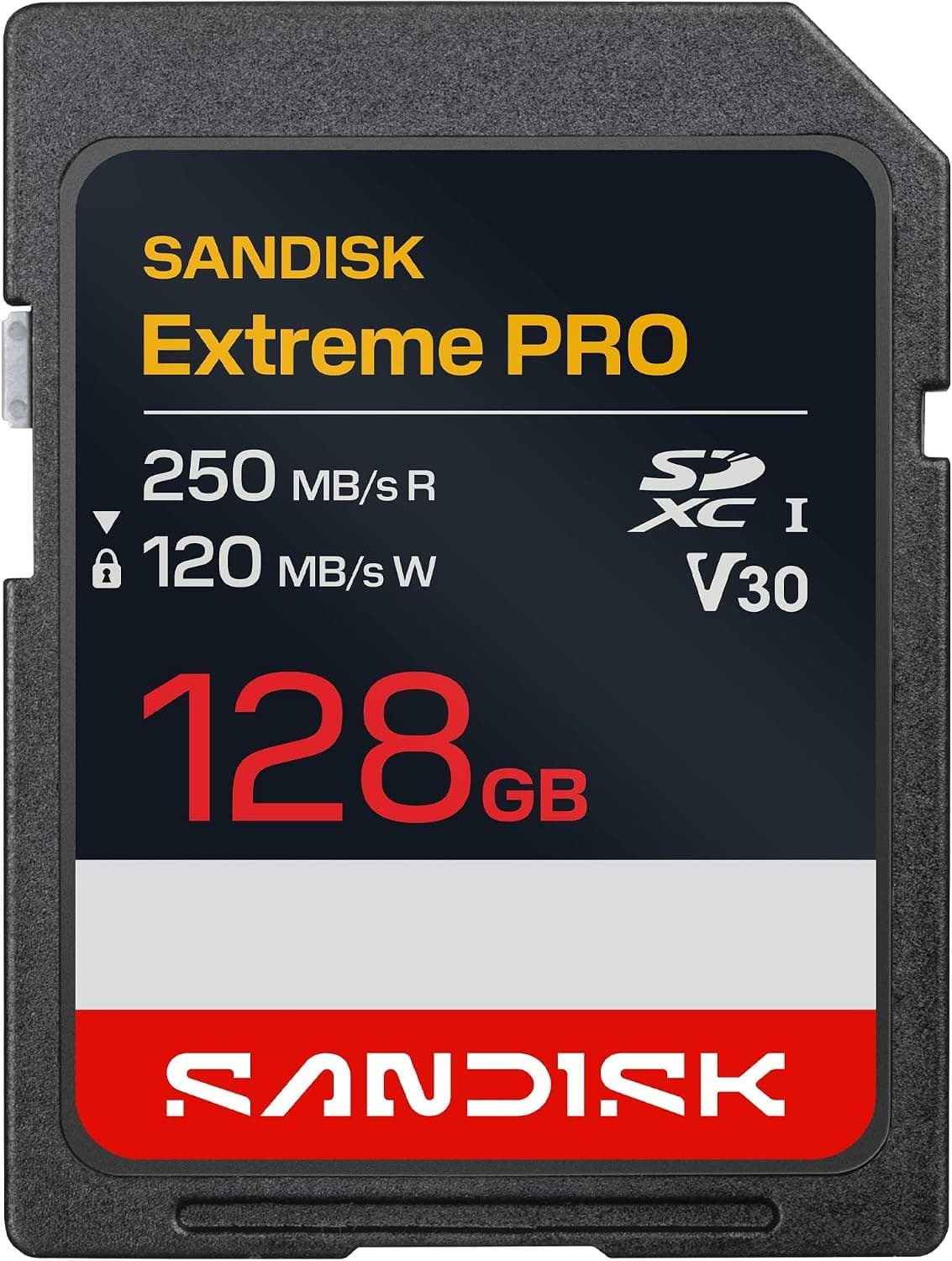
SanDisk Extreme Pro SDXC 128GB
A practical card tier for hybrid bodies shooting stills, bursts, and normal 4K capture.
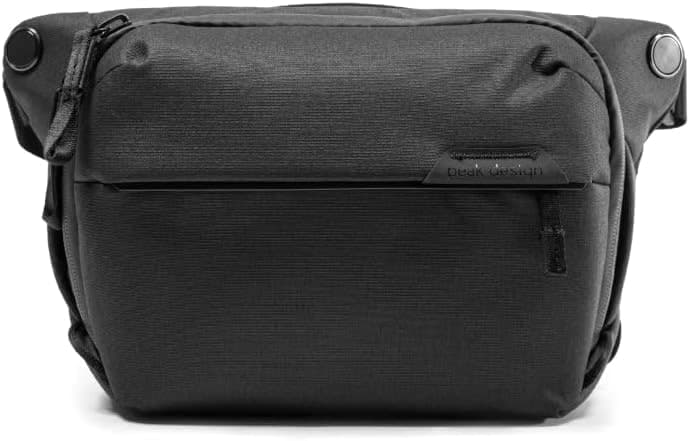
Peak Design Everyday Sling 6L V2
Keeps a body, flash, batteries, and small lens changes close without wearing a full backpack during coverage.
Prices are rough catalog totals. Retailer prices change, and you can swap pieces to fit your system.
Related Genres guides

Event Photography: Settings and Gear for Low Light and Fast Moments
Event photography means low light, candid moments, and no second takes. Here is the gear, the settings, and the mistakes to skip for sharp, well-lit frames.
Fashion Photography: Light, Posing, and the Look on a Budget
Editorial fashion images come from intentional light, confident posing, and a clear styling concept. Here is how to build the look on a budget with one light and simple gear.
Product Photography: A Simple, Repeatable Setup
Clean product photos need controlled light, a sharp aperture, and a tripod, not a studio. Here is the gear, the settings, and the lighting that gets professional results.
Real Estate Photography: The Complete Starter Guide
How to shoot a listing that sells: the gear, the settings, the room-by-room shot list, and the common mistakes. Plus the tool that builds your shot list for you.
Researched, not personally tested: picks compare specifications, available owner feedback, and established expert sources. As an Amazon Associate I earn from qualifying purchases. We may earn a commission from links here, at no extra cost to you. How we research →