We may earn a commission from links on this page, at no extra cost to you. Picks are researched, not sponsored.
The best camera under $1,000 is the one that leaves enough money for a useful lens. Start with the total kit price, then decide whether you need a viewfinder, a front-facing screen, stronger video controls, or faster bursts. Those differences will change how the camera feels every day. A small resolution difference usually will not.
Which camera fits your job?
| Camera | Best fit | Viewfinder | Main tradeoff |
|---|---|---|---|
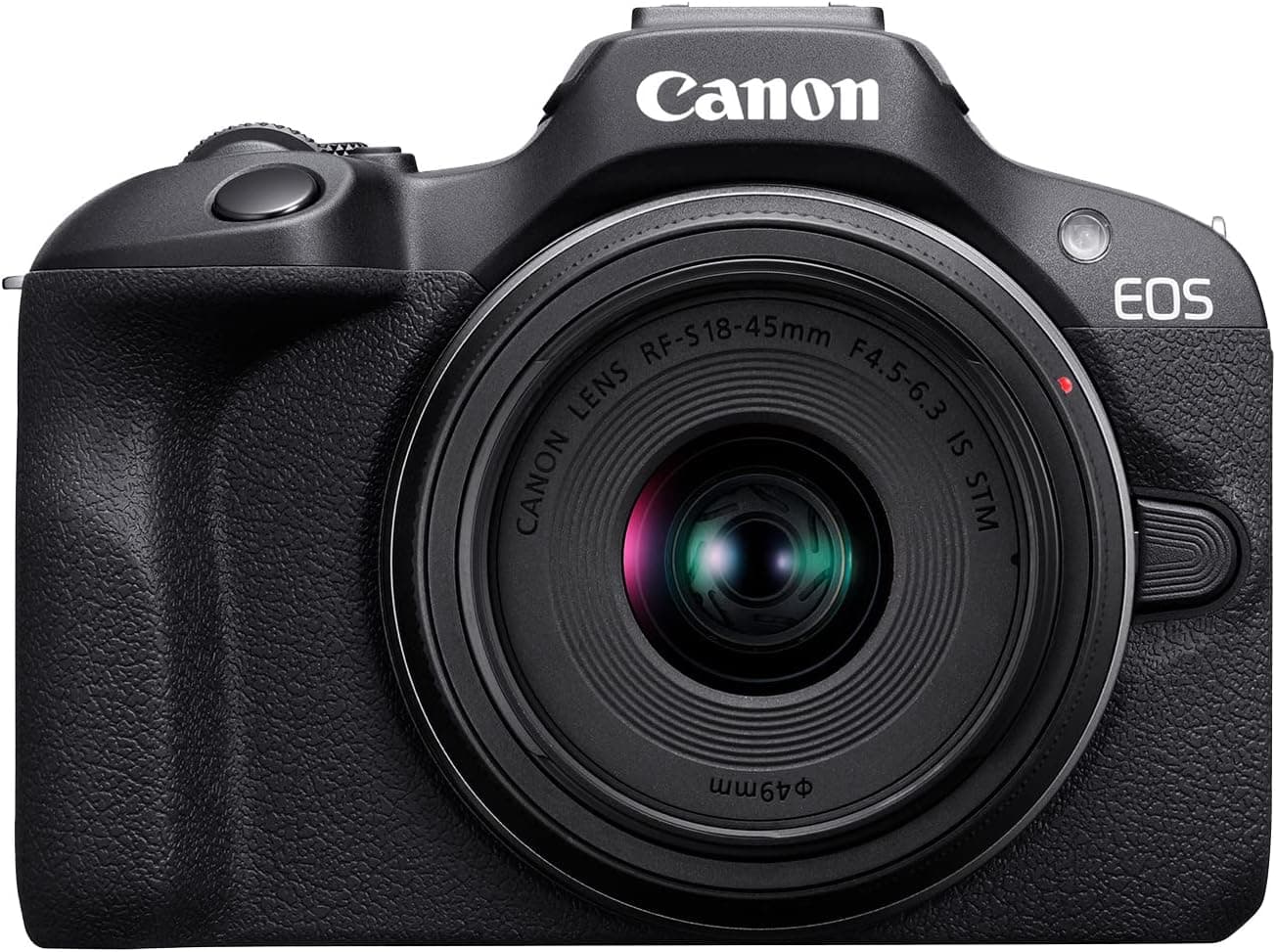
| Canon EOS R50 | First hybrid camera | Yes | Limited physical controls and no in-body stabilization |
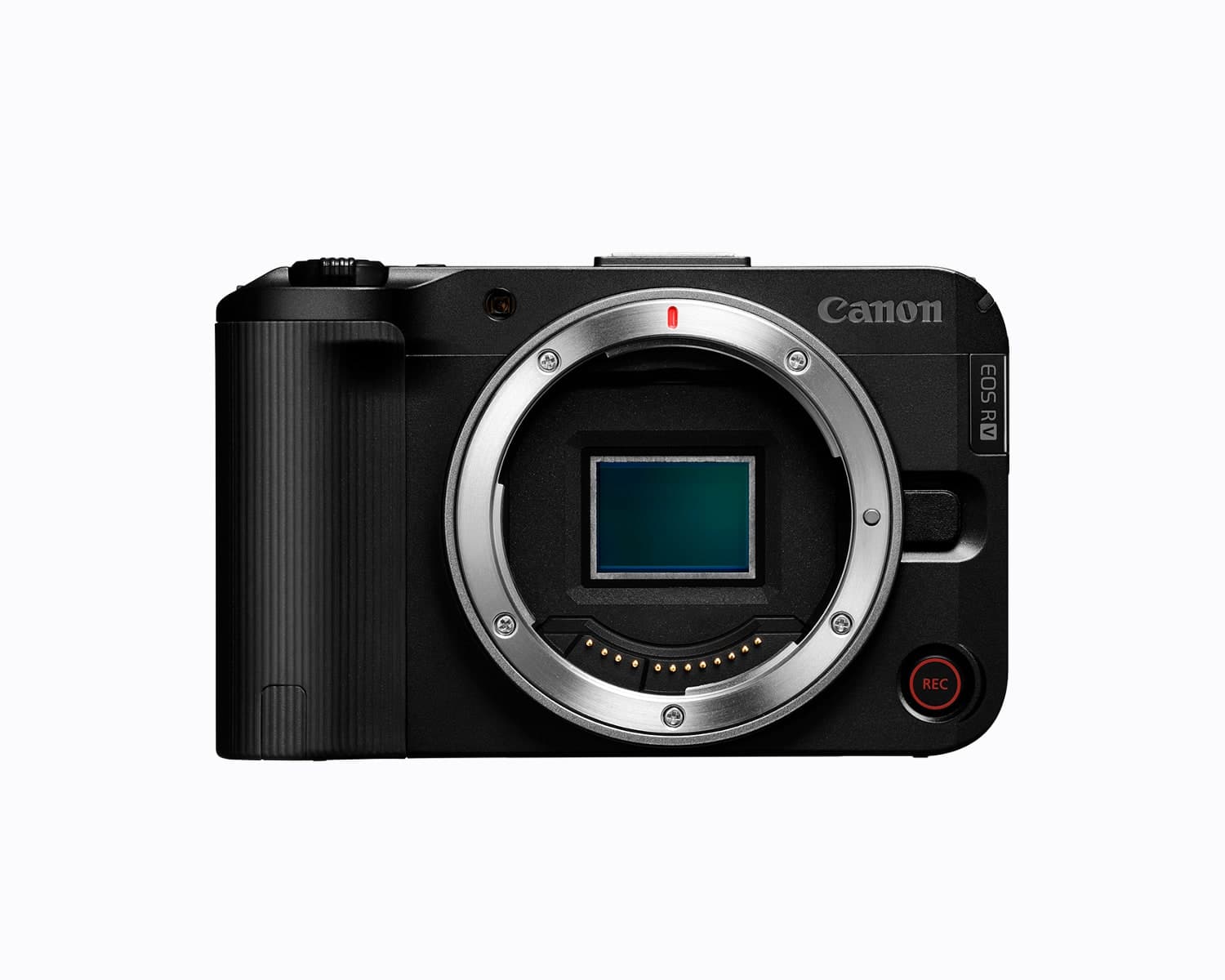
| Canon EOS R50 V | Video-first beginner | No | Cropped 4K 60p and no in-body stabilization |
| Nikon Z50 II | Stills-first handling | Yes | Small native DX lens range |
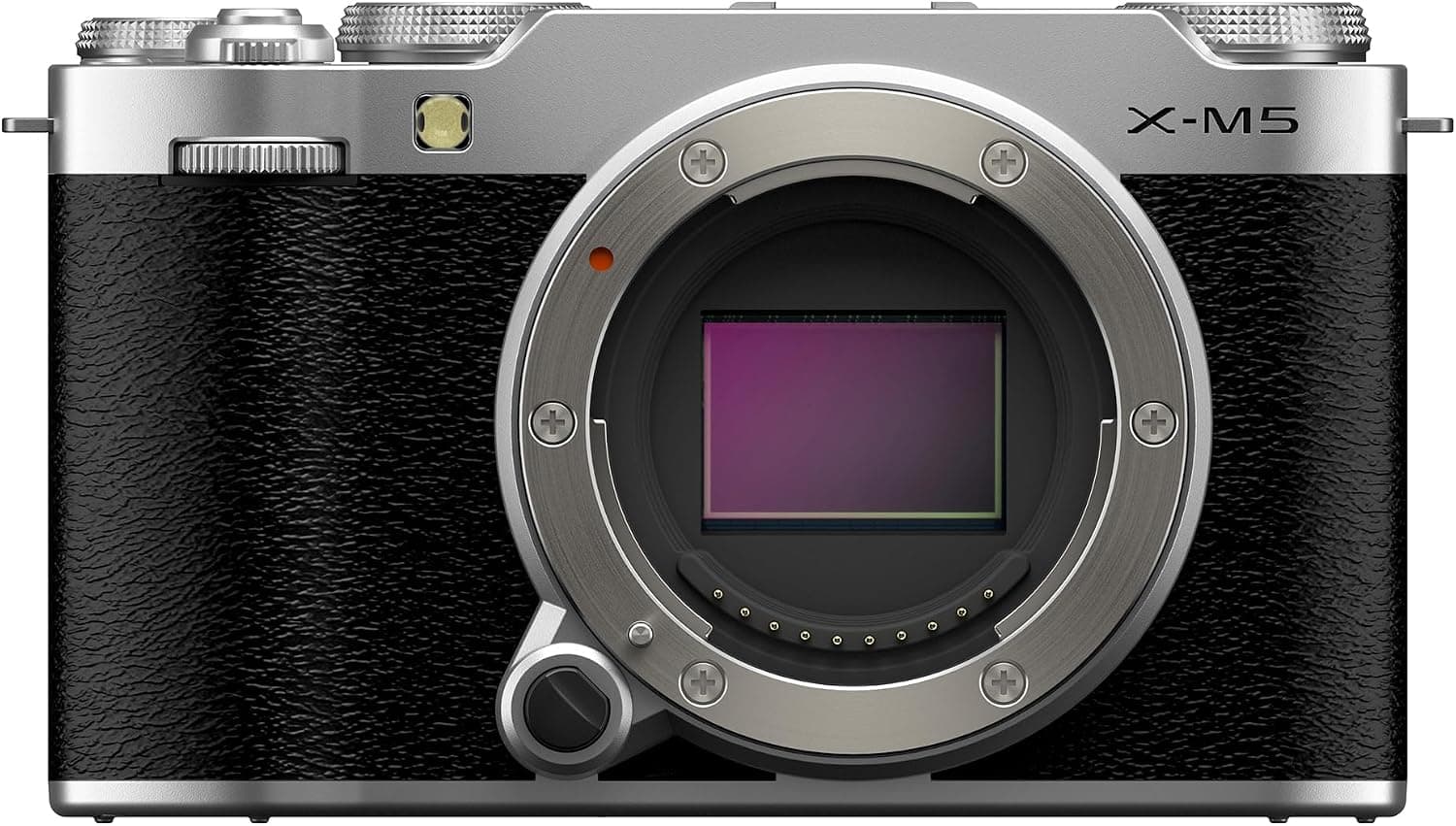
| Fujifilm X-M5 | Compact travel and social video | No | No viewfinder or in-body stabilization |
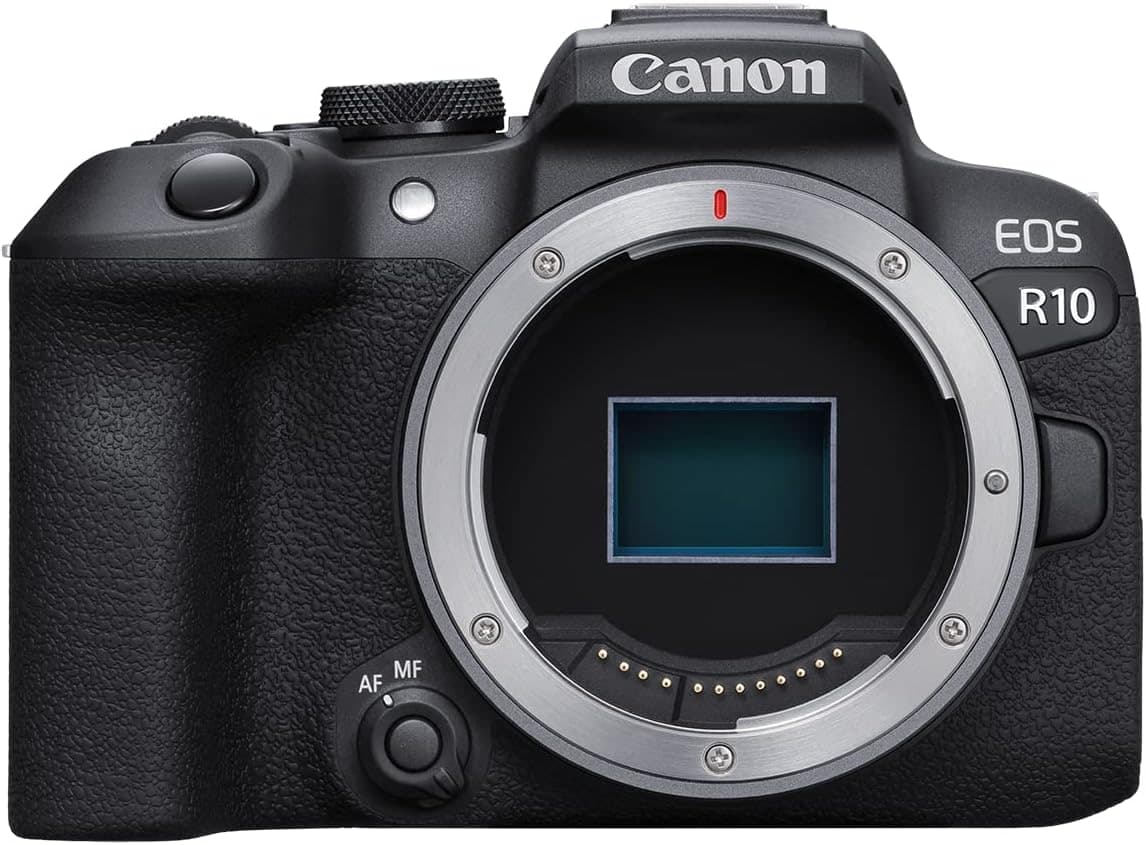
| Canon EOS R10 | Kids, sports, and moving subjects | Yes | Costs more than the R50 and R100 |
| Canon EOS R100 | Lowest-cost interchangeable-lens entry | Yes | Fixed screen and pared-back video features |

How should you divide the budget?
Price the body, lens, memory card, spare battery, and bag together. If the body consumes the full $1,000, it is not an under-$1,000 working kit. The bundled zoom is useful for learning. A small fast prime is usually the first upgrade because it adds low-light reach and background separation. Read what aperture changes before choosing that lens.
Stills or video: what changes?
A viewfinder and a deeper grip help when you shoot stills outside or track movement. A front-facing screen, headphone support, record controls, and vertical mounting help when you film yourself. The R50 V and X-M5 put video ahead of a viewfinder. The R50, Z50 II, R10, and R100 keep the traditional stills-camera shape.
The current picks
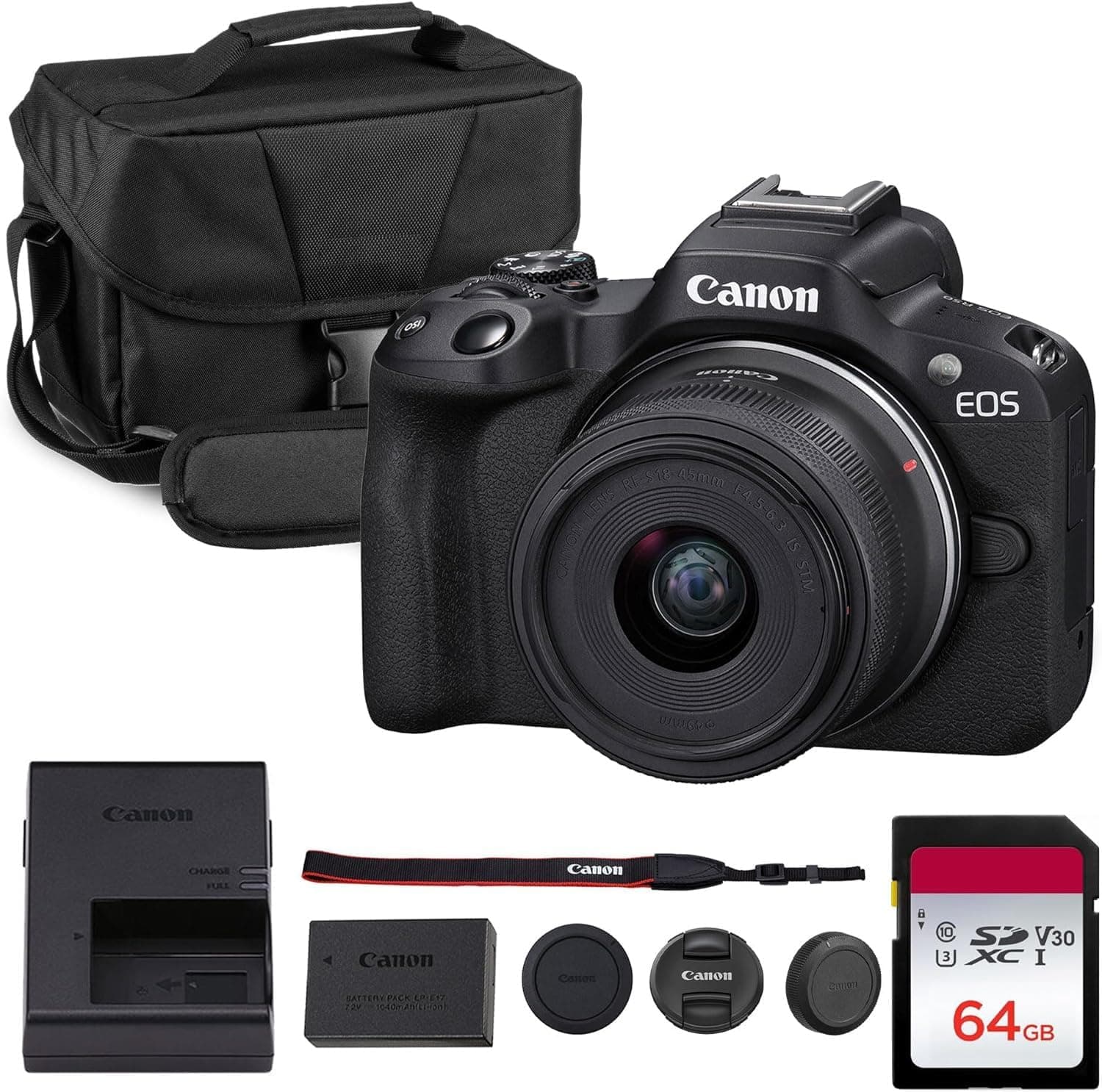
Canon EOS R50: balanced first camera
Best for Beginners
Canon EOS R50
First-time buyers stepping up from a smartphone.
Check price at AmazonThe EOS R50 combines a 24.2-megapixel APS-C sensor, subject-detection autofocus, a viewfinder, and a fully articulating screen in a small body. It is the straightforward choice for someone learning stills who also wants useful 4K video. The small grip and limited direct controls matter more to advanced users than beginners.
Canon EOS R50 V: video-first under $1,000
Best Beginner Kit
Canon EOS R50 V
New creators who want an interchangeable-lens camera with video controls that make sense immediately.
Check price at AmazonThe R50 V removes the viewfinder and reshapes the controls around video. It adds Canon Log 3, microphone and headphone connections, vertical and horizontal tripod mounts, and creator-facing record controls. Choose it for an interchangeable-lens video kit. Choose the standard R50 when still photography comes first.
Nikon Z50 II: traditional stills handling
Best Value APS-C
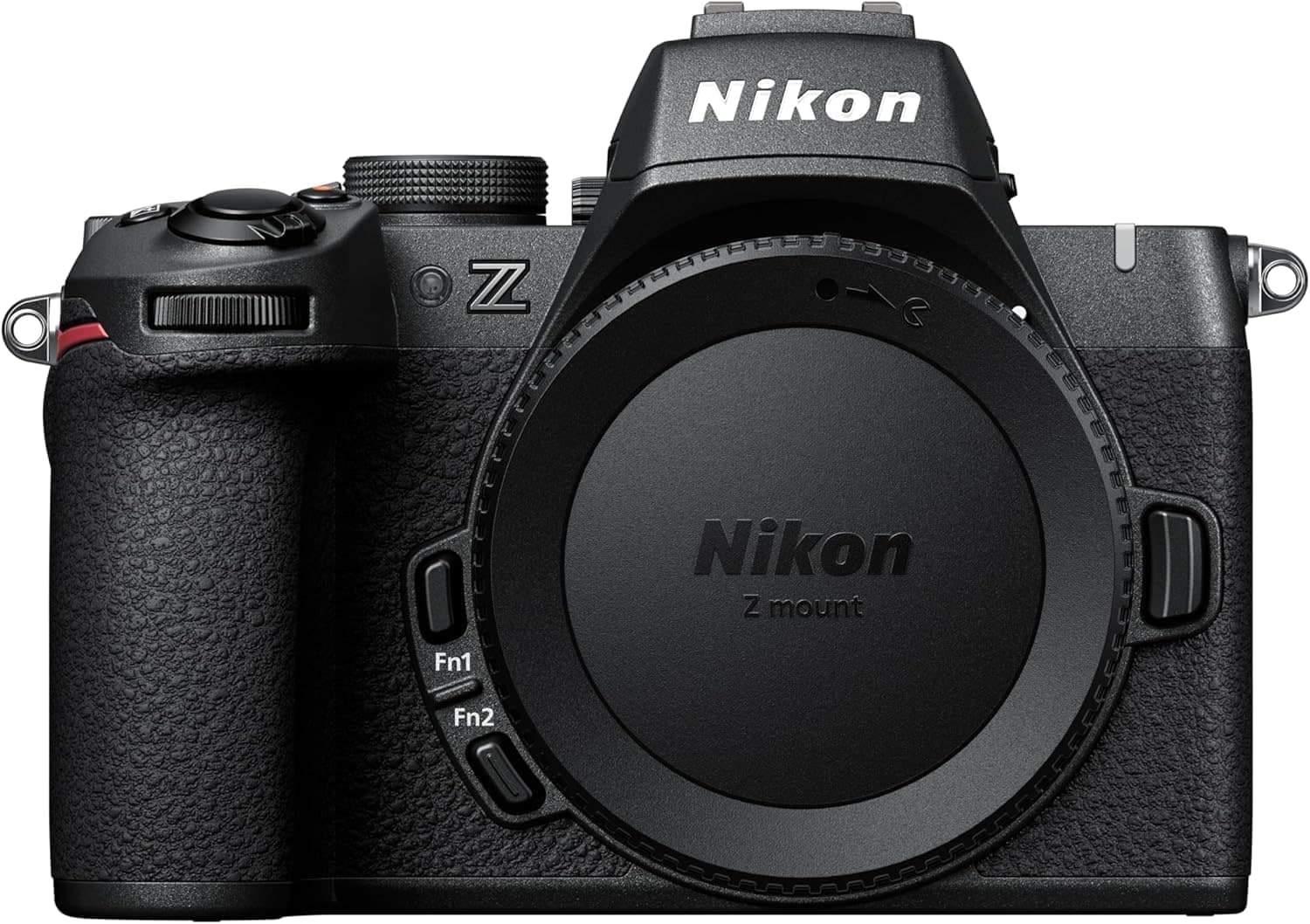
Nikon Z50 II
Enthusiasts who want strong autofocus in an affordable APS-C body.
Check price at AmazonThe Z50 II has a centered viewfinder, a substantial grip, and controls that feel closer to a larger stills camera. It suits a buyer who expects to use longer lenses or shoot outside often. Nikon's full Z mount leaves room to grow, but compare the price and size of the specific DX lenses you need before committing.
Fujifilm X-M5: compact travel option
Research pick
Fujifilm X-M5
Content creators who want Fujifilm color in a small, affordable body.
Check price at AmazonThe X-M5 is a small APS-C body with Fujifilm's film-simulation controls and a front-facing screen. It works well for travel, street photography, and short-form video when a viewfinder is not essential. The X-mount lens catalog is broad, but larger lenses can overwhelm the small body.
Canon EOS R10: faster action choice
Research pick
Canon EOS R10
Enthusiasts who want speed and reach in an affordable APS-C body.
Check price at AmazonThe EOS R10 adds faster continuous shooting and more direct control than the R50. It is the sensible step up for kids, pets, or sports when the R50's simpler body feels limiting. Price the lens you need for the subject, especially if action requires more reach than the kit zoom provides.
Canon EOS R100: lowest entry price
Research pick
Canon EOS R100
Absolute beginners who want the cheapest path into the RF system.
Check price at AmazonThe EOS R100 gets a buyer into the RF mount with a viewfinder and a low body price. Its fixed screen and older control layout are the reason it costs less. Buy it for deliberate stills on a strict budget. Spend more on the R50 if a touch screen, front-facing screen, or stronger video workflow matters.
What should you check before buying?
- Hold the body or compare its dimensions with the lens you plan to use.
- Price at least one lens beyond the kit zoom.
- Confirm whether the camera has a viewfinder, microphone input, and headphone output if you need them.
- Check the recording crop and time limits for your exact video mode.
- Leave room for a card, battery, and a returnable first lens.
Once the camera is chosen, spend time on the exposure triangle and budget lenses before adding more accessories.
Sources
Models and specifications checked Aug 20, 2026: Canon EOS R50 specifications, Canon EOS R50 V specifications, Nikon Z50 II specifications, Fujifilm X-M5 specifications, Canon EOS R10 specifications, and Canon EOS R100 specifications.
What is the best first camera under $1,000?
The Canon EOS R50 is the balanced choice when you want stills, a viewfinder, and useful video in one small body. Choose the R50 V instead when video is the clear priority and a viewfinder is unnecessary.
Should a beginner buy the kit lens?
Usually. The kit zoom covers enough focal lengths to learn what you photograph. Add a bright prime after you know which focal length you keep returning to.
APS-C or full frame for a budget kit?
APS-C keeps bodies and many lenses smaller and less expensive. Full frame can help in specific low-light or depth-of-field situations, but it is not required for serious photography and often raises the full kit cost.
Compare picks
The short version
Use this to narrow the list before opening the detailed cards.
Scores weigh fit, owner sentiment, build, and value. Affiliate links do not change pick order. Methodology
Buying order
Start with the skip note. A good deal on the wrong camera is still the wrong camera.
Compare verdictsIf you already own lenses, check the system path before buying into a new mount.
Check systemsOnce the fit makes sense, compare current deals and retailer listings.
Check current dealsCamera system shortcut
If you already own one of these systems, keep the comparison inside that ecosystem before checking out.
Simple camera paths
Stills-first Z kits
APS-C travel kits
First-time buyers stepping up from a smartphone.
Use the retailer for the current price after the tradeoff makes sense. Confirm lens mount, sensor format, battery, charger, and kit contents.
Tradeoff: No in-body stabilization
Use the retailer for the current price after the tradeoff makes sense. Confirm lens mount, sensor format, battery, charger, and kit contents.
8.6/10 Aperture Score
Use the retailer for the current price after the tradeoff makes sense. Confirm lens mount, sensor format, battery, charger, and kit contents.
$450 - $550
Use the retailer for the current price after the tradeoff makes sense. Confirm lens mount, sensor format, battery, charger, and kit contents.
Price ladder
The useful range here runs from $500 to $1,100. Start with the ceiling that matches the assignment.
- First-time buyers stepping up from a smartphone.
- Easy to learn with guided menus
- No in-body stabilization
Use the retailer for the current price after the tradeoff makes sense. Confirm lens mount, sensor format, battery, charger, and kit contents.
- New creators who want an interchangeable-lens camera with video controls that make sense immediately.
- Creator-first controls
- No in-body stabilization
Use the retailer for the current price after the tradeoff makes sense. Confirm lens mount, sensor format, battery, charger, and kit contents.
- Enthusiasts who want strong autofocus in an affordable APS-C body.
- Flagship-derived subject-detection autofocus
- No in-body stabilization
Use the retailer for the current price after the tradeoff makes sense. Confirm lens mount, sensor format, battery, charger, and kit contents.
- Content creators who want Fujifilm color in a small, affordable body.
- Strong video for the price
- No in-body stabilization
Use the retailer for the current price after the tradeoff makes sense. Confirm lens mount, sensor format, battery, charger, and kit contents.
- Enthusiasts who want speed and reach in an affordable APS-C body.
- Fast burst shooting for the price
- No in-body stabilization
Use the retailer for the current price after the tradeoff makes sense. Confirm lens mount, sensor format, battery, charger, and kit contents.
- Absolute beginners who want the cheapest path into the RF system.
- Very low price for a mirrorless body
- Fixed rear screen, no touchscreen control of menus
Use the retailer for the current price after the tradeoff makes sense. Confirm lens mount, sensor format, battery, charger, and kit contents.
| Pick | Score | Price | Verdict | Action |
|---|---|---|---|---|
| Best for BeginnersCanon EOS R50 | 8.2
| $650 - $750 | First-time buyers stepping up from a smartphone. Wins: Easy to learn with guided menus Skip: No in-body stabilization | Check Amazon · $650 - $750 Use the retailer for the current price after the tradeoff makes sense. Confirm lens mount, sensor format, battery, charger, and kit contents. |
| Best Beginner KitCanon EOS R50 V | 8.6
| $569 - $650 | New creators who want an interchangeable-lens camera with video controls that make sense immediately. Wins: Creator-first controls Skip: No in-body stabilization | Check Amazon · $569 - $650 Use the retailer for the current price after the tradeoff makes sense. Confirm lens mount, sensor format, battery, charger, and kit contents. |
| Best Value APS-CNikon Z50 II | 8.4
| $950 - $1,050 | Enthusiasts who want strong autofocus in an affordable APS-C body. Wins: Flagship-derived subject-detection autofocus Skip: No in-body stabilization | Check Amazon · $950 - $1,050 Use the retailer for the current price after the tradeoff makes sense. Confirm lens mount, sensor format, battery, charger, and kit contents. |
 PickFujifilm X-M5 PickFujifilm X-M5 | 8.2
| $800 - $900 | Content creators who want Fujifilm color in a small, affordable body. Wins: Strong video for the price Skip: No in-body stabilization | Check Amazon · $800 - $900 Use the retailer for the current price after the tradeoff makes sense. Confirm lens mount, sensor format, battery, charger, and kit contents. |
 PickCanon EOS R10 PickCanon EOS R10 | 8.3
| $1,050 - $1,150 | Enthusiasts who want speed and reach in an affordable APS-C body. Wins: Fast burst shooting for the price Skip: No in-body stabilization | Check Amazon · $1,050 - $1,150 Use the retailer for the current price after the tradeoff makes sense. Confirm lens mount, sensor format, battery, charger, and kit contents. |
| PickCanon EOS R100 | 7.2
| $450 - $550 | Absolute beginners who want the cheapest path into the RF system. Wins: Very low price for a mirrorless body Skip: Fixed rear screen, no touchscreen control of menus | Check Amazon · $450 - $550 Use the retailer for the current price after the tradeoff makes sense. Confirm lens mount, sensor format, battery, charger, and kit contents. |
Keep going
Next useful steps
Pick one. Each link continues the same job without starting the research over.
Shoot kits
Buy around the job, not the spec sheet
Beginner photo
First real camera kit
$1,068
An affordable body, a sharp prime, a reliable card, and a small carry setup that does not turn learning into a hauling problem.
Best learning kit
Buy order: start with the first piece that makes the job possible, then add the support pieces that remove friction.
Camera: start here. If this piece does not make the shoot easier, the rest of the kit can wait.
Carry: add it after the core setup proves useful.
Canon EOS R50
Small, approachable, and good enough to learn exposure, autofocus, and lens choice properly.
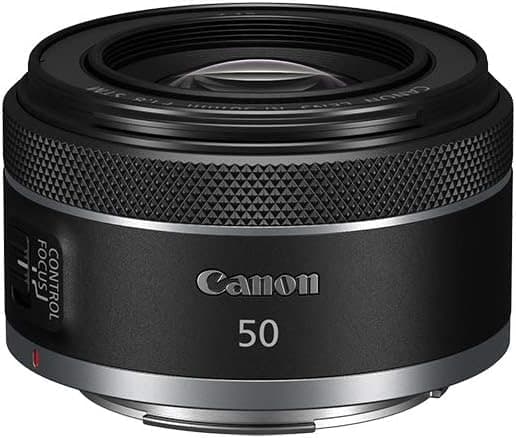
Canon RF 50mm f/1.8 STM
Cheap, bright, and useful for portraits, detail shots, and learning depth of field.
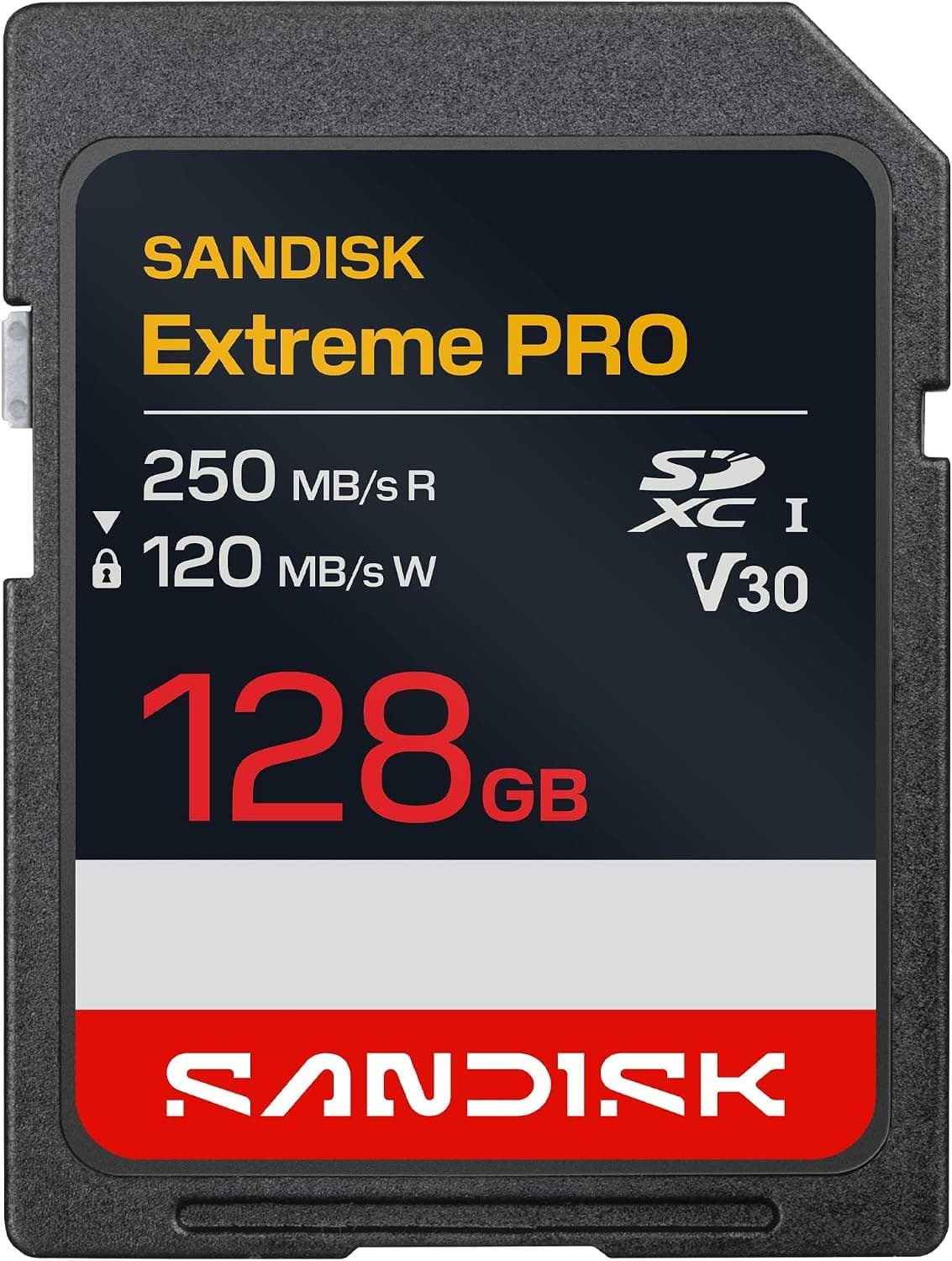
SanDisk Extreme Pro SDXC 128GB
Fast enough for normal stills and video without making storage the exciting purchase.
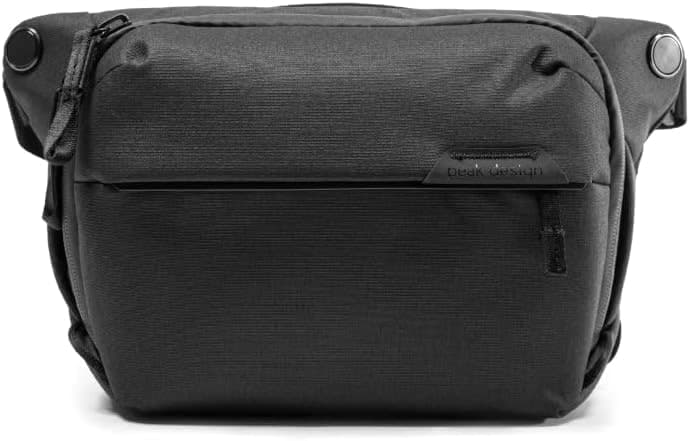
Peak Design Everyday Sling 6L V2
Room for a small body and lens without dragging a full backpack everywhere.
Prices are rough catalog totals. Retailer prices change, and you can swap pieces to fit your system.
Related Gear guides
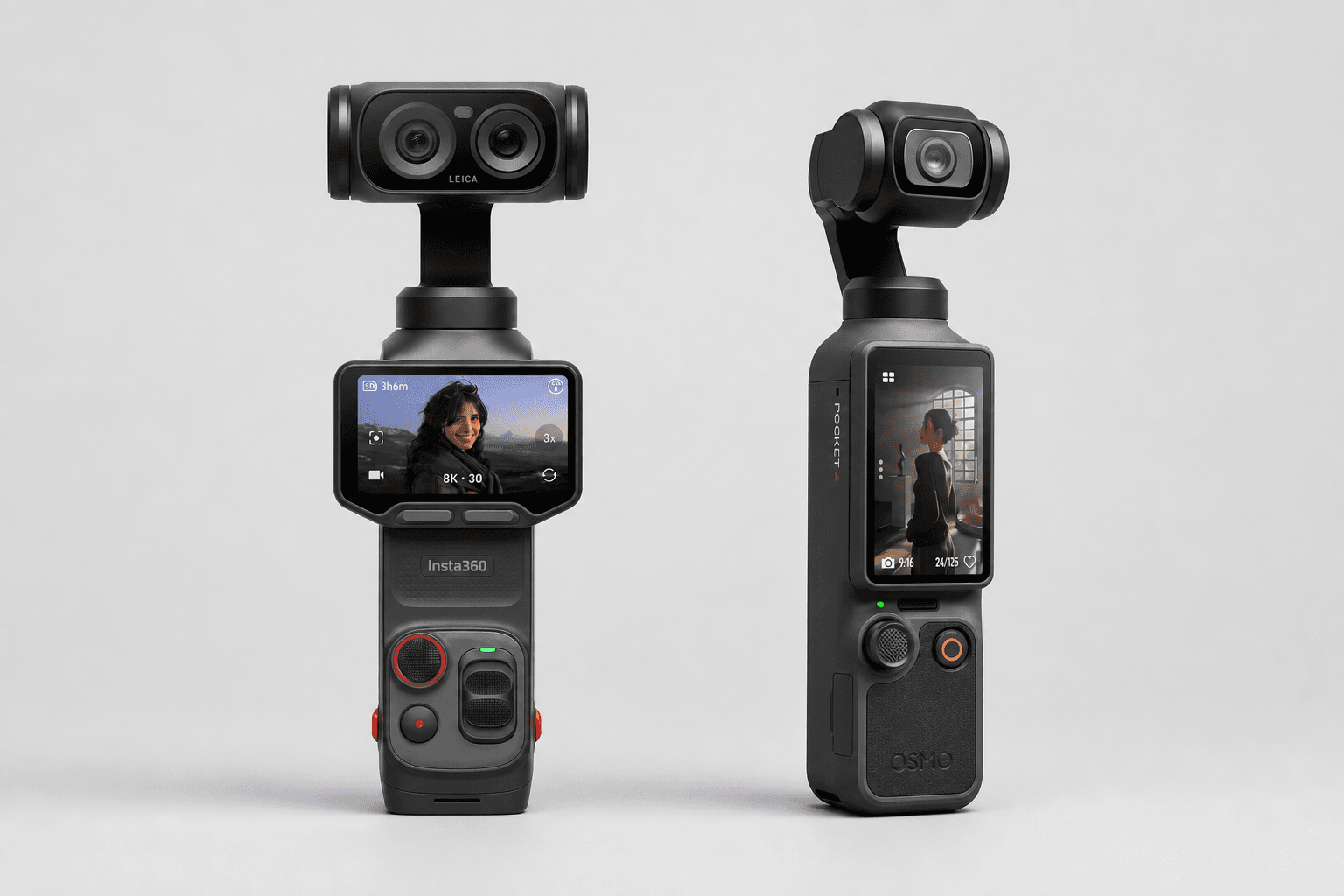
Insta360 Luna Ultra vs DJI Osmo Pocket 4: Which Pocket Gimbal Should You Buy?
Compare Luna Ultra and DJI Pocket 4 by lenses, video, Log formats, storage, U.S. availability, and the filming jobs each pocket gimbal handles best.
CFexpress 4.0 and VPG Explained: Buy the Card Your Camera Needs
CFexpress 4.0 doubles theoretical bandwidth, while VPG certifies sustained video writes. Learn Type A vs B, VPG classes, and when 4.0 is worth paying for.
Focal Length Explained: What 24mm, 50mm, 85mm, and 200mm Actually Do
What the millimeter number on a lens changes in the field: angle of view, compression, and working distance. When to reach for 24, 50, 85, or 200mm.
Canon EOS R50 V vs Sony ZV-E10 II: Which Beginner Vlogging Camera Should You Buy?
Canon EOS R50 V is the easier beginner creator kit. Sony ZV-E10 II is the deeper lens-system pick. Compare the practical tradeoffs.
Researched, not personally tested: picks compare specifications, available owner feedback, and established expert sources. As an Amazon Associate I earn from qualifying purchases. We may earn a commission from links here, at no extra cost to you. How we research →