
We may earn a commission from links on this page, at no extra cost to you. Picks are researched, not sponsored.
What it is
Symmetry is balance across an axis. A reflection in still water, a building shot straight on, a face centered and lit evenly: the left mirrors the right, or the top mirrors the bottom. Symmetrical frames feel stable and intentional, which is why they suit architecture, reflections, and formal portraits.
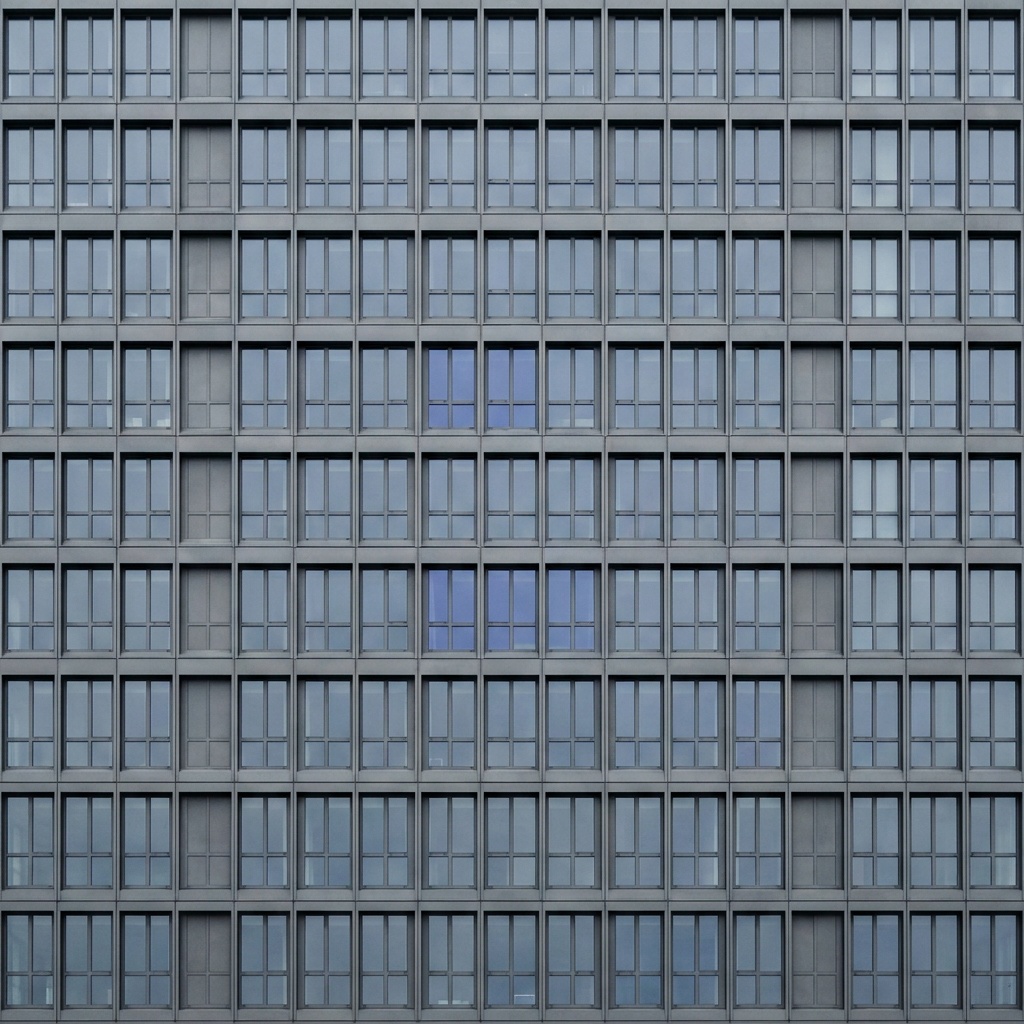
Patterns are repetition. A row of windows, a field of tulips, a stack of colorful boats, a tiled floor. When a shape or color repeats, the eye reads rhythm and the whole frame becomes the subject. Pattern works because the human eye is wired to notice repetition and, just as strongly, to notice when it breaks.

How to use it
For symmetry, get square to your subject. The effect collapses the moment you shoot off-axis, so line the camera up carefully, often with the centered subject placed dead center on purpose. This is one of the few times centering is the right call. Use a level or the in-camera grid to keep horizons and verticals true, because crooked symmetry looks worse than no symmetry.
For patterns, fill the frame and let the repetition carry the image, or use the pattern as a backdrop for a subject that sits on top of it. The strongest pattern shots usually include a break: one red boat in a row of blue ones, one person facing the wrong way. The break becomes the focal point, and the pattern becomes the context that makes it pop.

The settings that hold a pattern together
Pattern and symmetry both punish carelessness, so a few numbers help. Keep the whole repeating field sharp by stopping down to f/8 or f/11, especially when the pattern recedes away from you. Square up to a flat pattern so the rows stay parallel and do not skew; a head-on tiled wall or window grid only reads clean when the sensor is parallel to it. For symmetry, turn on the in-camera level and the grid overlay, because the mirror effect collapses at even a half-degree of tilt. A typical readout for a head-on architectural pattern is 35mm, f/8, 1/125, ISO 200, tripod-mounted and leveled.
When to break it
Perfect symmetry can feel static or sterile if there is nothing to hold interest. A break in the symmetry, a single off element, often makes the photo. The same goes for patterns: an unbroken pattern is wallpaper, while a pattern with one interruption is a photo with a subject. Break symmetry deliberately when you want energy or a clear focal point, and keep it intact only when the calm, ordered feel is the point.
Common mistakes
- Almost-symmetry. A frame that is nearly but not quite symmetrical looks like a mistake. Commit fully or compose differently. Get the camera square and level.
- Pattern with no break and no subject. Endless repetition with nothing to anchor it reads as a texture sample, not a photo. Give the eye a place to rest.
- Crooked verticals. Symmetry exposes every degree of tilt. Use the level and straighten in editing if needed.
- Forgetting to fill the frame. A pattern works when it implies it continues beyond the edges. Leaving empty borders around it weakens the rhythm.
Where this fits
Symmetry is the deliberate opposite of the rule of thirds, and knowing both lets you choose. Patterns pair well with negative space when you isolate a single broken element. Keeping a repeating pattern sharp across the frame is a depth of field decision, which comes from the exposure triangle. Symmetry shines in landscape photography reflections, while pattern breaks are a favorite move in street photography.
When should I center the subject instead of using the rule of thirds?
When the scene is symmetrical. Reflections, head-on architecture, tunnels, and formal portraits all gain power from dead-center placement because it reinforces the balance. Centering is a deliberate tool for symmetry, not a default for everything.
How do I make a pattern photo interesting?
Break the pattern. One element that differs, in color, direction, or shape, becomes the focal point, and the surrounding repetition becomes the context that makes it stand out. An unbroken pattern reads as texture, while a broken one reads as a story.
Why does my symmetrical shot look slightly off?
Almost always a small alignment error. Symmetry is unforgiving: even a degree of tilt or a half-step off-axis breaks the mirror effect. Square up to the subject, use a level, and straighten in editing if there is any residual tilt.
Keep going
Next useful steps
Pick one. Each link continues the same job without starting the research over.
Related Learn guides

Content Credentials and C2PA Explained for Photographers
Content Credentials record a photo's signed provenance and edits. Learn what C2PA proves, what it cannot prove, and how capture-to-export workflows work.

Open Gate Video Explained: When 3:2 Is Worth It
Open Gate records a taller sensor area for flexible 16:9, 9:16, and square crops. See when it helps, what it costs, and how to frame it correctly.

Pre-Capture Photography Explained: Get the Frame Before the Click
Pre-Capture buffers photos before the shutter is fully pressed. Learn how it works, which settings change, and when RAW, flash, or focus may be limited.

RAW vs JPEG: Which File Format Should You Shoot?
RAW keeps all your sensor data for maximum editing freedom; JPEG is smaller and ready to share. Here is how they differ and when each one is the right call.
Researched, not personally tested: picks compare specifications, available owner feedback, and established expert sources. As an Amazon Associate I earn from qualifying purchases. We may earn a commission from links here, at no extra cost to you. How we research →