We may earn a commission from links on this page, at no extra cost to you. Picks are researched, not sponsored.
What it is
Every photo has a subject and everything else. Negative space is the everything-else when it is kept simple: an open sky, a blank wall, a still expanse of water, a plain background. The subject itself is the positive space. When the empty area is generous and uncluttered, the eye has nowhere to wander, so it locks onto the subject.
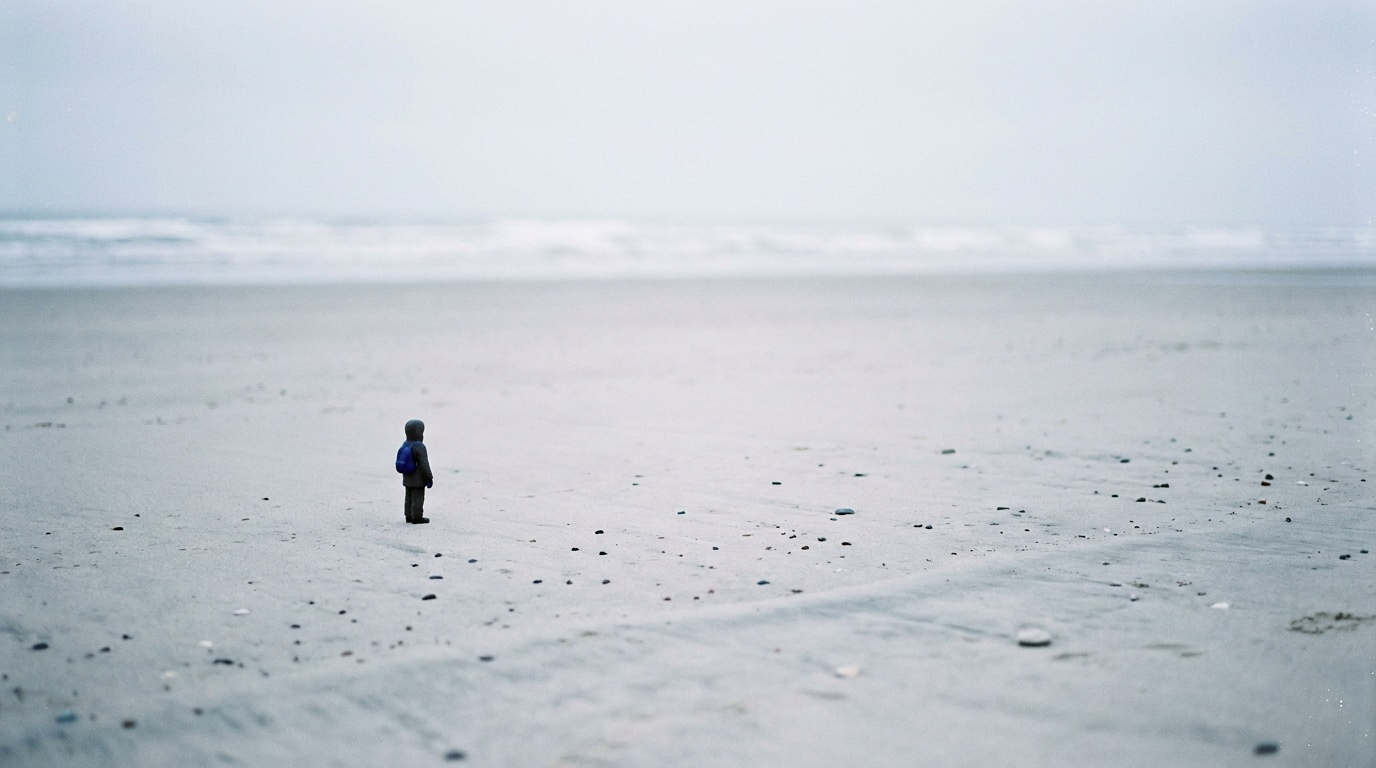
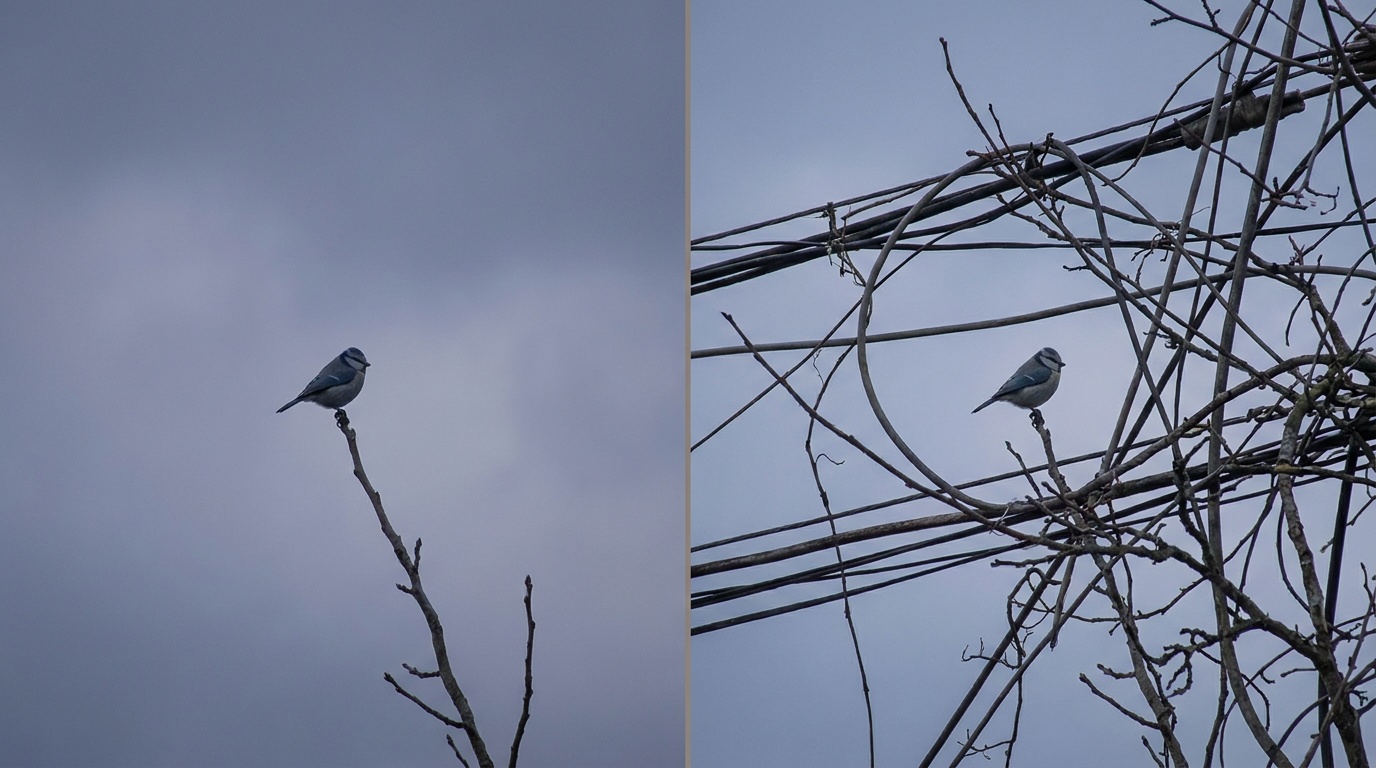
Negative space is how minimalist photos work. A single bird against a wide grey sky, a lone figure on an empty beach: the emptiness is doing the work, making the small subject feel significant precisely because it is surrounded by nothing.
How to use it
Decide how much room to give the subject and on which side. A common, reliable choice is to leave the open space in the direction the subject faces or moves, so it has somewhere to look or go. Pair this with the rule of thirds: place the subject on a third and let the negative space fill the rest.
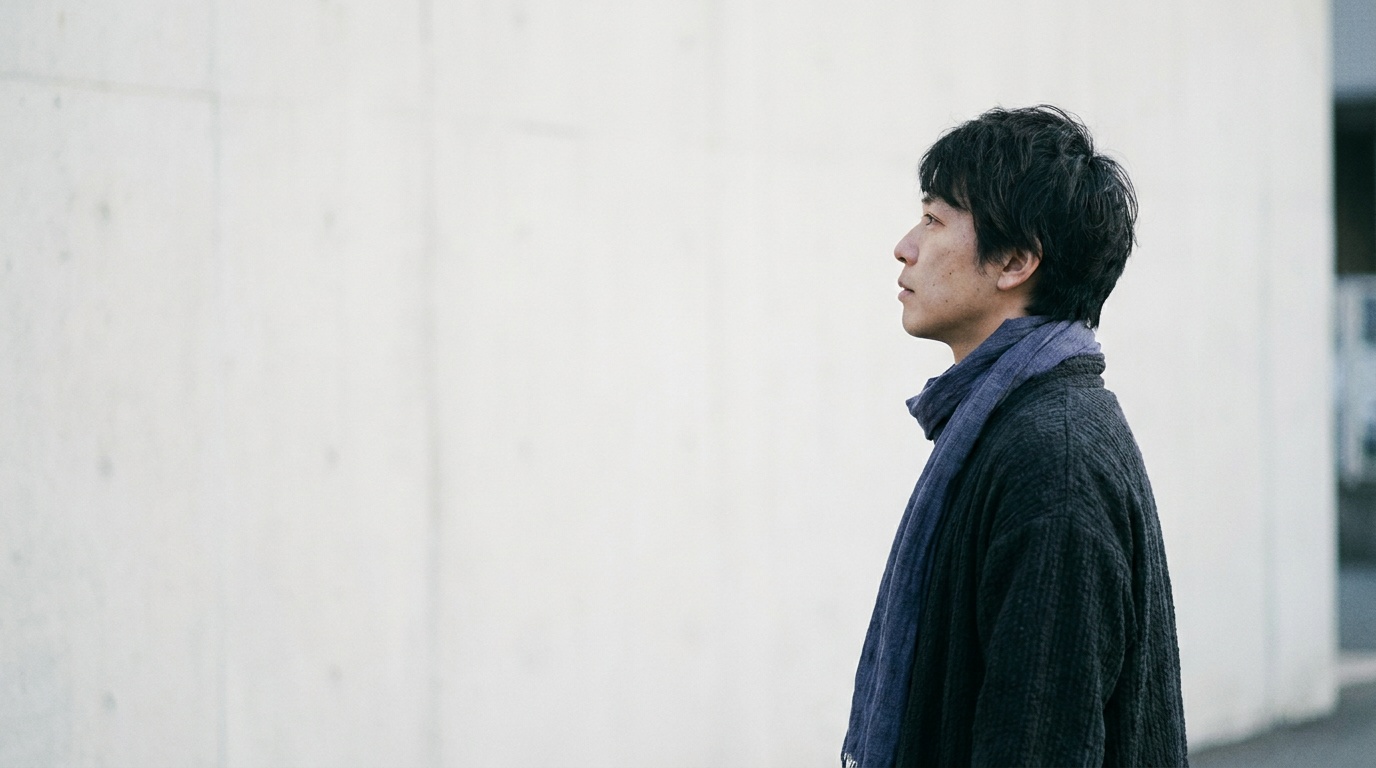
Keep the empty area genuinely empty. A clean sky, a smooth wall, soft out-of-focus tones. Anything with detail or contrast in that zone competes with the subject and breaks the effect. A wide aperture that blurs the background into a smooth wash is one way to manufacture negative space when the scene itself is busy.
The settings that manufacture empty space
When the scene is not naturally clean, you can build negative space two ways. Open the aperture wide, f/1.8 to f/2.8, so a busy background melts into a smooth wash that reads as empty even though it is full of stuff; this is the same wide-aperture move that creates bokeh. Or move so a plain backdrop sits behind the subject, a wall, the sky, still water, and let it carry the frame. A typical minimalist readout is 85mm, f/2, 1/500, ISO 100, with the subject on a third and three quarters of the frame left deliberately, almost uncomfortably, empty.
When to break it
Negative space trades information for impact. Sometimes you want the information: a rich street photography scene packed with detail, a landscape where every layer adds context, an environmental portrait where the surroundings tell the story. Fill the frame when the context is the point. Reach for negative space when the subject is the entire story and everything else is noise.
Common mistakes
- Empty space that is not actually empty. A "blank" sky with a stray cloud or a power line competing for attention is not negative space, it is clutter. Keep the empty zone clean.
- Space on the wrong side. Leaving the open area behind the subject, so it faces a tight edge, makes the frame feel cramped. Put the room in front of where the subject looks or moves.
- Too little to register. A thin margin around a subject reads as a framing error, not a deliberate choice. If you commit to negative space, give it real room, often more than feels comfortable.
- A busy background masquerading as space. If the background has texture and contrast, it is positive space too. Simplify it with a wide aperture or a different angle.
Where this fits
Negative space is the natural partner of the rule of thirds and the deliberate opposite of busy framing and foreground. Manufacturing it with a blurred background is a depth of field move, which traces back to the exposure triangle; the guide to getting a blurry background covers the settings. It is a defining tool in portrait photography, where clean space around a face keeps all the attention on the subject.
How much negative space should I leave?
More than feels natural at first. Beginners tend to fill the frame, so a deliberate negative-space shot usually means leaving half or more of the frame empty. The right amount depends on the mood: more empty space reads as calmer and more minimal, less reads as tighter and more intimate.
What if the background is too busy to be negative space?
Simplify it. Move so a plain wall, sky, or water sits behind the subject, get lower or higher to change the backdrop, or open the aperture wide to blur the background into a smooth wash. Negative space does not have to be literally empty, only clean enough that nothing competes with the subject.
Is negative space only for minimalist photos?
No. It is most obvious in minimalist work, but a touch of breathing room around a subject improves almost any frame. Even a busy scene benefits from a small clear zone near the subject so the eye has somewhere to settle.
Keep going
Next useful steps
Pick one. Each link continues the same job without starting the research over.
Related Learn guides

Content Credentials and C2PA Explained for Photographers
Content Credentials record a photo's signed provenance and edits. Learn what C2PA proves, what it cannot prove, and how capture-to-export workflows work.
Open Gate Video Explained: When 3:2 Is Worth It
Open Gate records a taller sensor area for flexible 16:9, 9:16, and square crops. See when it helps, what it costs, and how to frame it correctly.

Pre-Capture Photography Explained: Get the Frame Before the Click
Pre-Capture buffers photos before the shutter is fully pressed. Learn how it works, which settings change, and when RAW, flash, or focus may be limited.
RAW vs JPEG: Which File Format Should You Shoot?
RAW keeps all your sensor data for maximum editing freedom; JPEG is smaller and ready to share. Here is how they differ and when each one is the right call.
Researched, not personally tested: picks compare specifications, available owner feedback, and established expert sources. As an Amazon Associate I earn from qualifying purchases. We may earn a commission from links here, at no extra cost to you. How we research →