We may earn a commission from links on this page, at no extra cost to you. Picks are researched, not sponsored.
Our quick picks
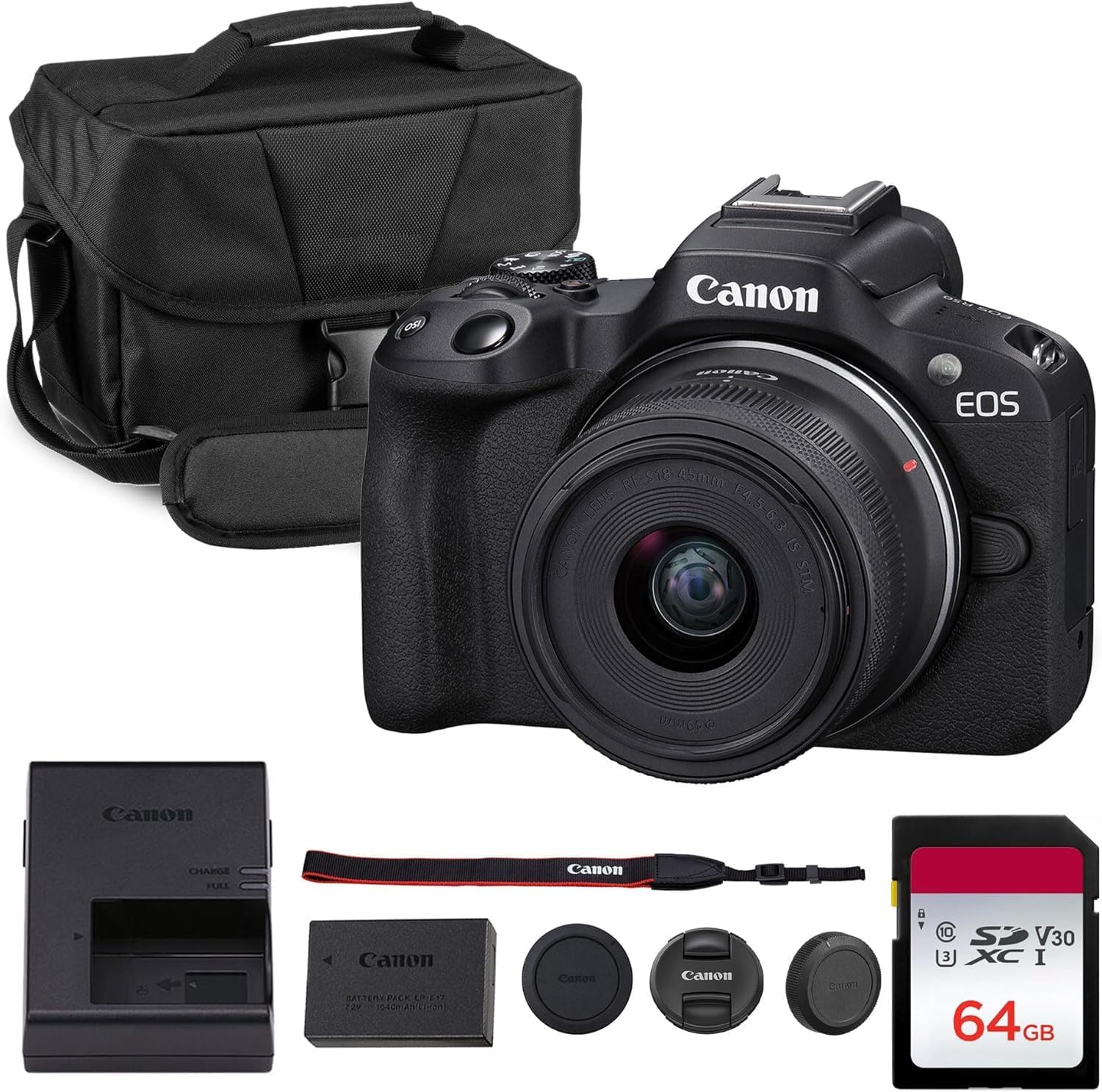
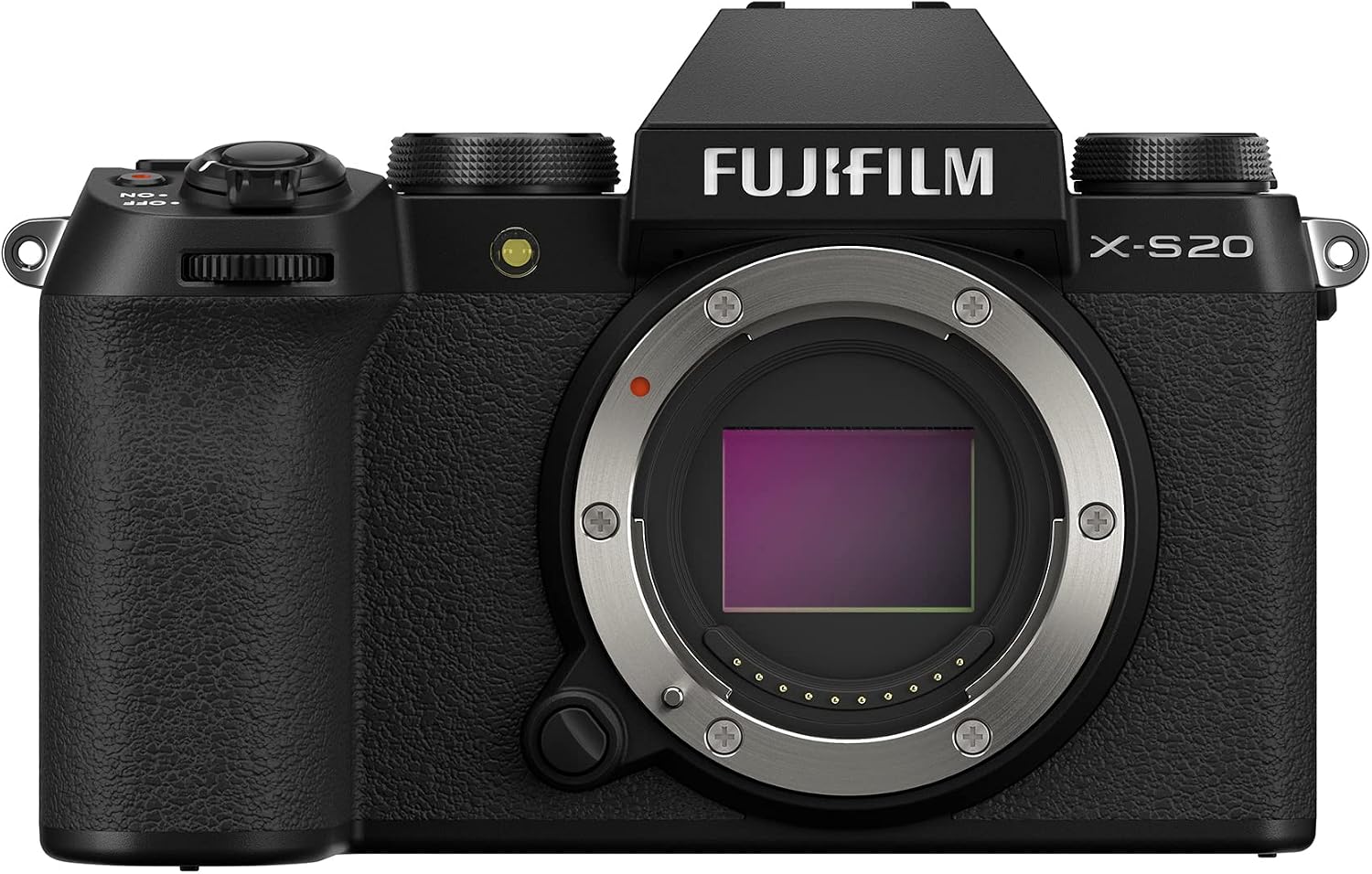
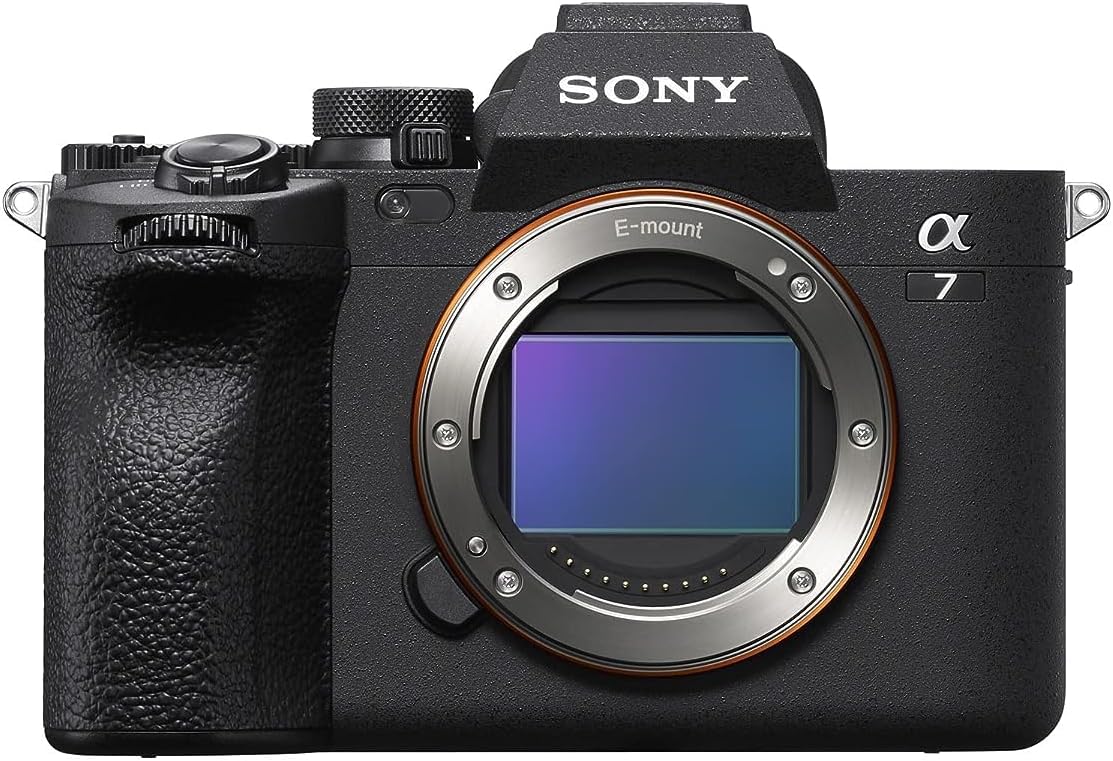
The mechanical difference is simple. A DSLR has a mirror that bounces light up into an optical viewfinder; press the shutter and the mirror flips out of the way. A mirrorless camera deletes the mirror and shows you the sensor's live feed on an electronic viewfinder (EVF) or the rear screen. That one deletion is the whole story, and by 2026 its consequences have played out completely.
Why mirrorless won
Autofocus stopped being about hardware and became about software. A DSLR focuses with a separate AF sensor that only sees a grid of fixed points. A mirrorless camera focuses on the main sensor itself, which means the camera can run subject recognition on the full frame in real time: it finds an eye, a bird, a car, and it stays locked while the subject moves anywhere in the frame. No DSLR ever shipped can do this through the viewfinder, and for moving subjects (kids, pets, sports, wildlife) the hit-rate difference is not subtle.
The EVF shows you the photo before you take it. An optical viewfinder shows you the scene; an electronic one shows the exposure, the white balance, and the depth of field you are actually about to record. Beginners learn faster because mistakes are visible before the shutter fires, not after. Reviewing the exposure triangle with a live preview in the finder is a different experience from chimping the LCD after every frame.
The lens roadmaps tell you where the money went. Canon and Nikon stopped developing new EF and F-mount lenses years ago. Every interesting optic released this decade, from both manufacturers and from Sigma and Tamron, has been for mirrorless mounts. Buying into a DSLR system today means buying into a catalog that is finished. It is a very good finished catalog, which matters below, but it is finished.
Mirrorless bodies also stabilize the sensor itself on most midrange and higher models (IBIS, explained here), shoot silently, and do dramatically better video. If you are buying new, the decision is made for you: the current field is covered in the best mirrorless cameras roundup, and the broader decision framework lives in what camera should you buy.
When a used DSLR is still the right buy
Winning the platform war does not make mirrorless the right purchase for every person and budget. Three honest cases for the old guard:
Budget. Depreciation on DSLRs has been brutal, which makes them a gift to buyers. A used Nikon D750 or Canon 6D Mark II, full-frame bodies that shot professional weddings for years, now costs less than many new APS-C mirrorless bodies. The lenses are the bigger bargain: excellent EF and F-mount glass sells used for half or a third of its mirrorless equivalent. A complete full-frame kit with two good lenses for under $1,200 is realistic. Our guide to buying used camera gear covers how to check shutter counts and inspect glass before you pay.
Battery life. An optical viewfinder draws no power, so a DSLR idles for free where a mirrorless camera is always running a screen. CIPA ratings tell the story: 900 to 1,900 shots per charge for the popular DSLRs versus 300 to 700 for most mirrorless bodies. For travel, long event days, or cold-weather shooting far from an outlet, that difference is a real logistical advantage, not nostalgia.
The optical viewfinder itself. Some photographers simply prefer looking at the world through glass: zero lag, zero blackout-simulation artifacts, no electronic rendering between you and the scene, and a finder that works with the camera off. This is a legitimate preference, and no spec sheet refutes it.
The trade you accept: last-generation autofocus, weaker video, more weight, and a system that will not grow. For static subjects, landscapes, portraits, and deliberate work, those costs are small.
What to do with EF and F-mount glass
If you already own DSLR lenses, or plan to buy them cheap, adapters make the transition unusually painless.
Canon's EF-EOS R adapter and Nikon's FTZ II are first-party, run about $100 to $250, and carry autofocus, aperture control, and lens stabilization through to the new bodies. EF glass on a Canon RF body in particular is famously good: the adapter adds no optics, just distance, and focus performance is frequently better than it was on the original DSLR because the mirrorless body's subject detection does the work.
The practical strategy this enables: buy a mirrorless body, adapt the cheap used DSLR lenses you can afford now, and replace them with native glass one at a time as budget allows. Nobody has to sell a whole system in one weekend.
DSLR lens adapter checklist
Before you buy an adapter, check four things:
- Mount pair: Canon EF to RF and Nikon F to Z are the common first-party paths. Sony, Fujifilm, Micro Four Thirds, and L-mount adapters vary much more by lens.
- Autofocus support: Modern electronic EF and F-mount lenses usually keep autofocus on first-party adapters. Older Nikon screw-drive AF lenses do not autofocus on the FTZ.
- Aperture control: Make sure the adapter passes electronic aperture control. A cheap mechanical ring is not enough for most modern DSLR lenses.
- Tripod collar and balance: Long DSLR telephotos can become front-heavy on small mirrorless bodies. Support the lens, not only the camera body.
Are DSLRs discontinued?
Mostly. Canon and Nikon have quietly ended nearly all DSLR body and lens development, and remaining stock is selling through. Nobody is announcing new models. The used market, on the other hand, is enormous and will stay serviceable for years.
Will a used DSLR hold me back as a beginner?
No. Exposure, composition, and light work identically on both. A $500 used DSLR kit teaches the same fundamentals as a $2,000 mirrorless kit. Where you would notice the gap is fast-moving subjects and video, so weigh what you actually plan to shoot.
Do adapted DSLR lenses focus slower on mirrorless bodies?
First-party adapters (Canon EF-EOS R, Nikon FTZ II) generally focus as fast or faster than the lens did on its DSLR, because the mirrorless AF system is smarter. Exceptions are old screw-drive Nikon AF lenses, which lose autofocus on the FTZ, and some early third-party lenses that adapt unpredictably.
Is mirrorless image quality actually better?
At the sensor level, barely; a 24 MP full-frame chip is a 24 MP full-frame chip. The mirrorless advantage shows up in the keeper rate: better autofocus and a preview of your exposure mean more of your frames come out the way you intended.
Shoot kits
Buy around the job, not the spec sheet
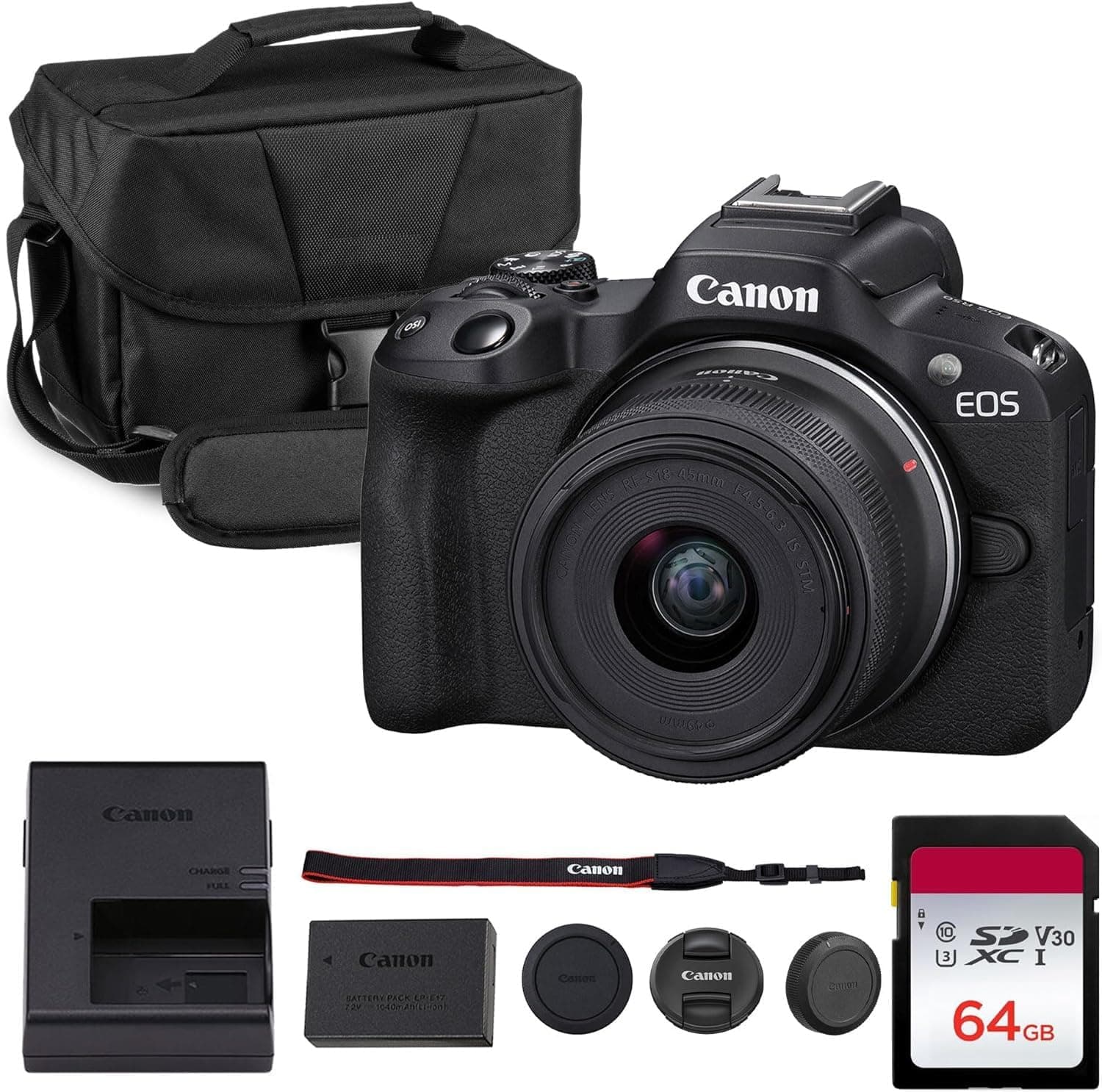
Beginner photo
First real camera kit
$1,068
An affordable body, a sharp prime, a reliable card, and a small carry setup that does not turn learning into a hauling problem.
Best learning kit
Buy order: start with the first piece that makes the job possible, then add the support pieces that remove friction.
Camera: start here. If this piece does not make the shoot easier, the rest of the kit can wait.
Carry: add it after the core setup proves useful.
Canon EOS R50
Small, approachable, and good enough to learn exposure, autofocus, and lens choice properly.
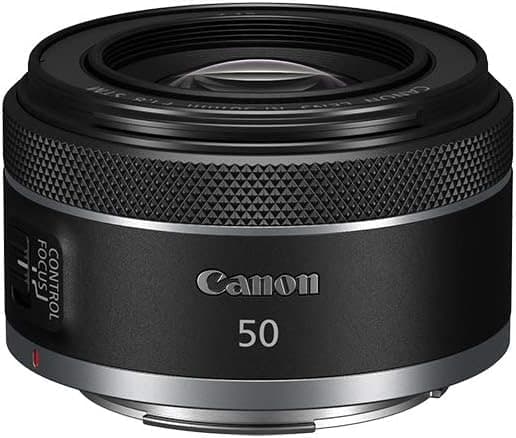
Canon RF 50mm f/1.8 STM
Cheap, bright, and useful for portraits, detail shots, and learning depth of field.
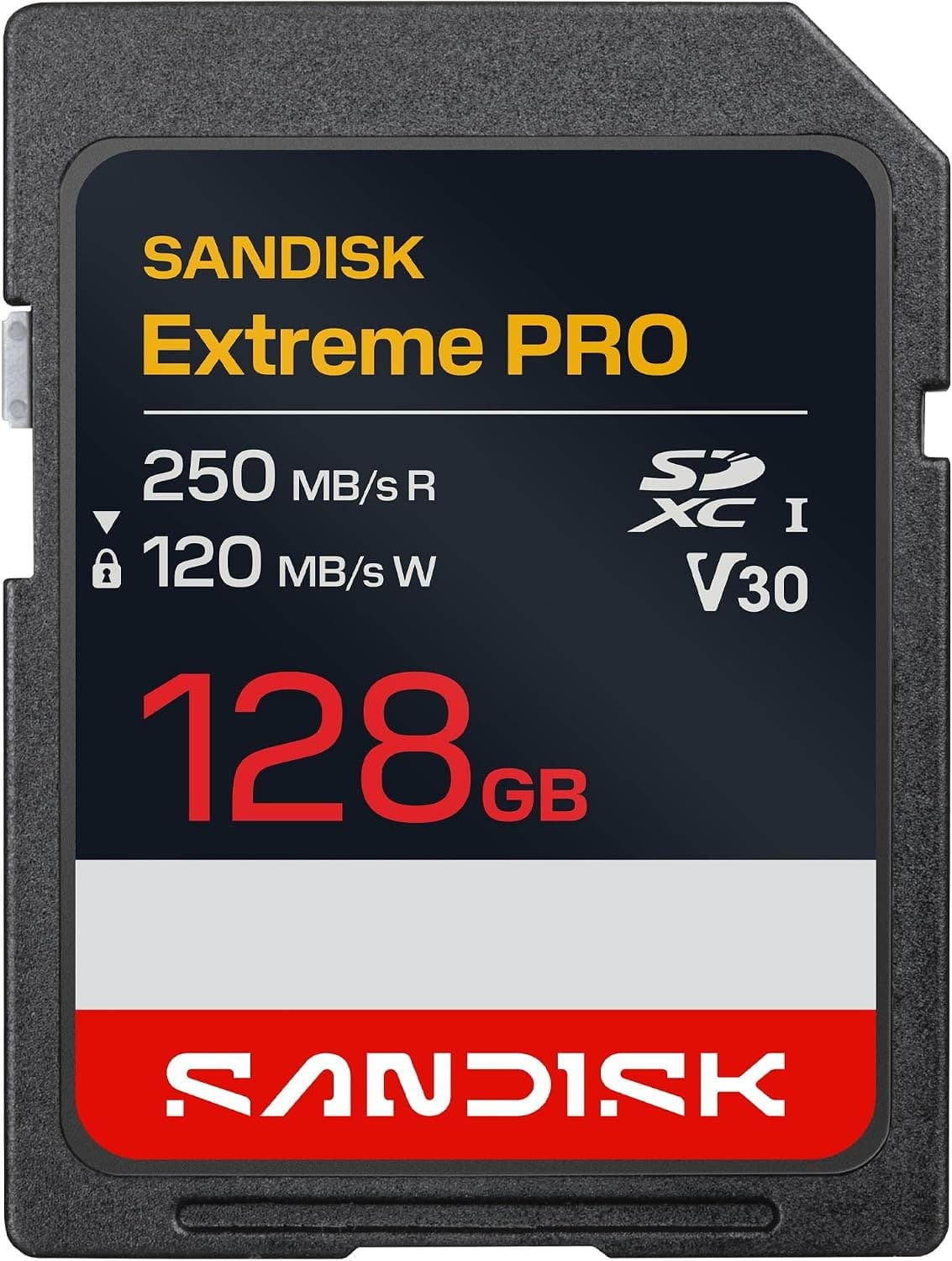
SanDisk Extreme Pro SDXC 128GB
Fast enough for normal stills and video without making storage the exciting purchase.
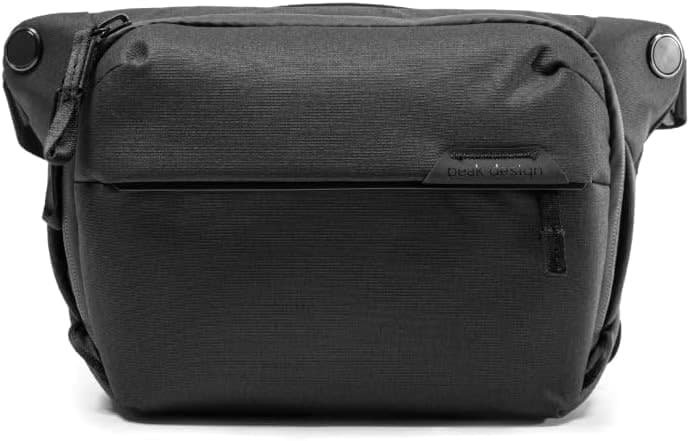
Peak Design Everyday Sling 6L V2
Room for a small body and lens without dragging a full backpack everywhere.
Prices are rough catalog totals. Retailer prices change, and you can swap pieces to fit your system.
Related Gear guides
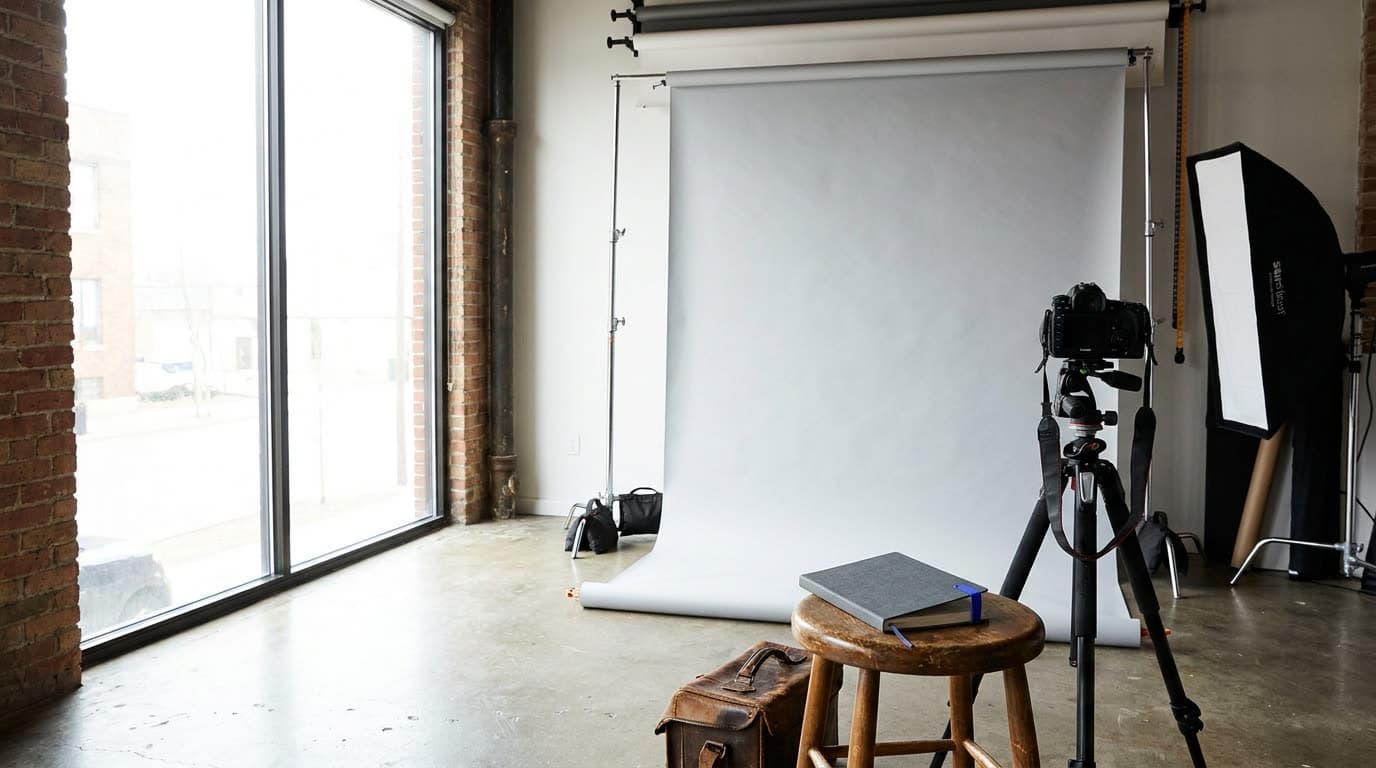
Best Backdrops and Stands in 2026: Studio Background Picks
The best backdrops and stands for home studios, with each pick's real size, height limit, and price, so you know whether it fits headshots, products, or full-length portraits.
Best Cameras for Beginners in 2026: First Interchangeable-Lens Picks
The best beginner cameras balance an easy interface, good autofocus, and room to grow. Here are six we recommend and how to pick the right first body.
Best Cameras for Video in 2026: Hybrid, Cinema, and Vlogging Picks
Panasonic Lumix S5 II is the value video pick; GH7 suits long recording, and Sony a7 IV is the hybrid choice. Compare six cameras by workflow.
Best Cameras Under $1000 in 2026: Beginner, Value, and Creator Picks
The best cameras under $1000 deliver strong autofocus and image quality without the full-frame price. Here are six picks and how to choose the right one.
Researched, not personally tested: picks compare specifications, available owner feedback, and established expert sources. As an Amazon Associate I earn from qualifying purchases. We may earn a commission from links here, at no extra cost to you. How we research →