We may earn a commission from links on this page, at no extra cost to you. Picks are researched, not sponsored.
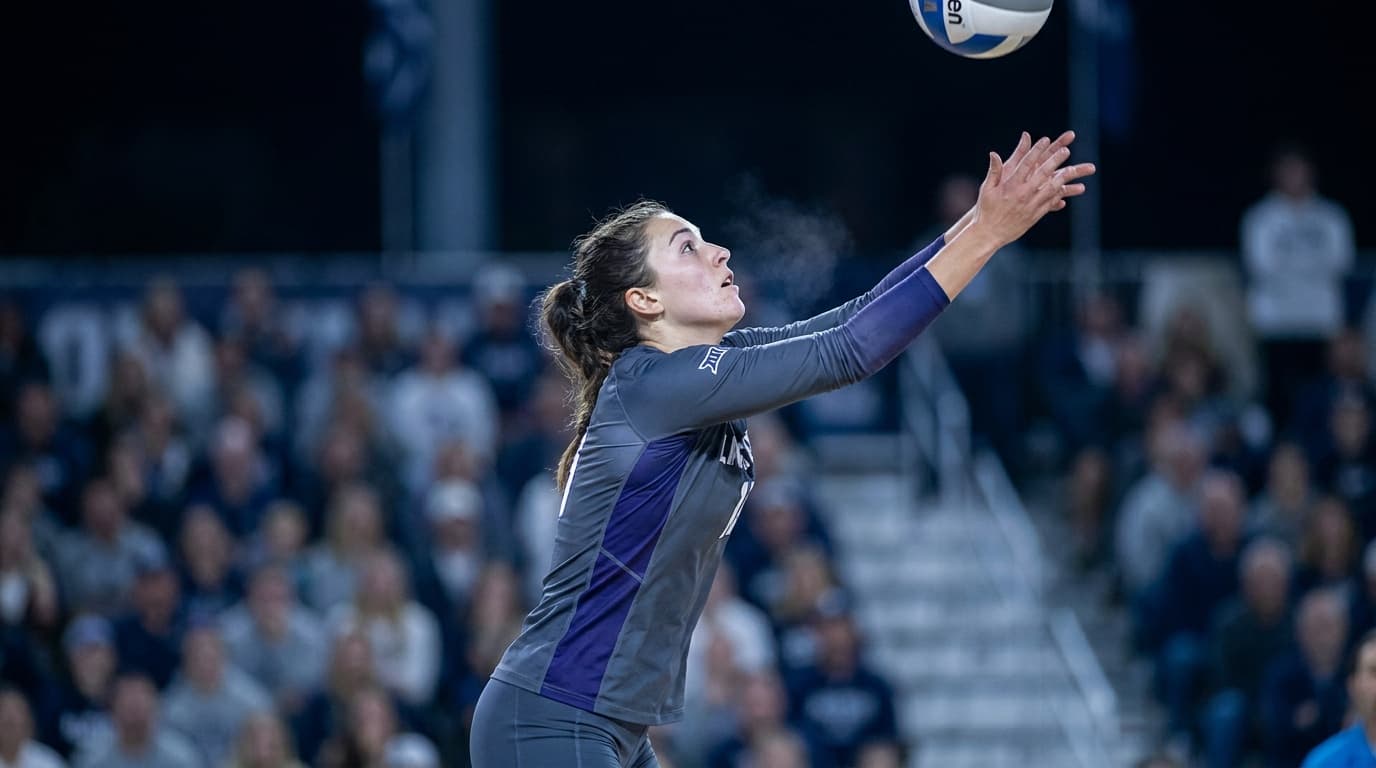
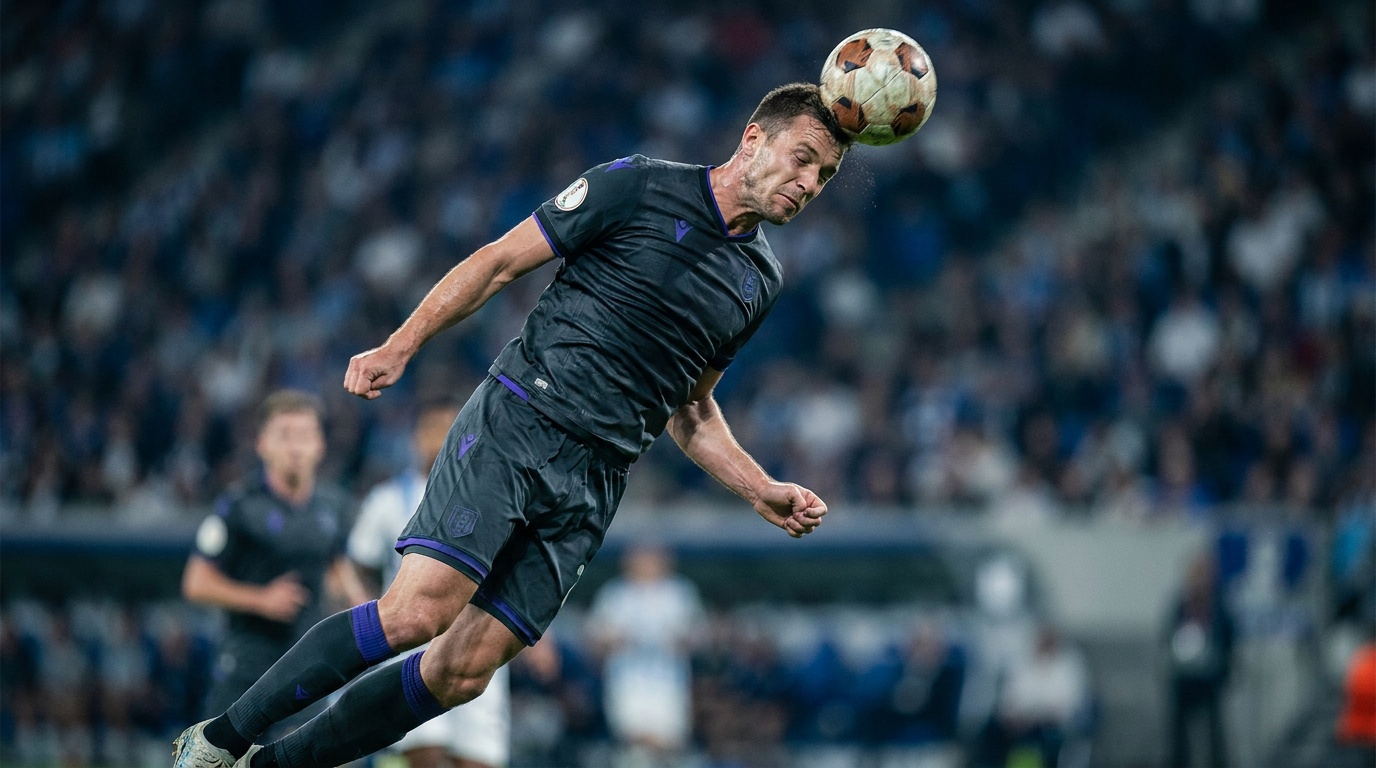
Sports photography is about speed and anticipation. The peak moment, the catch, the jump, the collision, lasts a fraction of a second, and by the time you see it through the viewfinder it is usually gone. The skill is reading the game well enough to be aimed and focused before the moment happens.
The gear
Sports demands fast, long, sharp gear:
- A telephoto lens in the 70 to 200mm range for the sideline, longer for field sports. A constant f/2.8 helps in poor light. The reach options are in best zoom lenses.
- A camera with fast continuous autofocus and a high burst rate, since you are firing sequences and tracking motion. Focus and frame rate scale with the body; see sensor sizes explained.
- A fast aperture to keep the shutter high under stadium or gym light, which is dimmer than it looks.
- A monopod for long lenses, which steadies the weight without locking you in place the way a tripod would. See the best tripods guide for monopod options.
The settings
The working sports recipe is f/2.8 · 1/1000 · ISO auto. The priority is shutter speed: 1/1000 freezes most field action, 1/1250 to 1/1600 suits running athletes, and quick or close motion like a tennis serve or a hockey slap shot wants 1/2000 or more. A wide aperture lets in light and separates the athlete from a busy crowd. Shutter priority is the simplest way to work: set the speed you need, let the camera pick the aperture, and put ISO on auto so the shutter stays high in dim arenas, accepting some noise as the cost of a sharp frame. A clean sharp shot at ISO 6400 beats a noise-free blur every time. The exposure triangle ties them together, and our how to photograph sports walkthrough covers the full game-day approach.
For focus, use continuous autofocus with subject tracking locked on the athlete. Set the camera to its continuous mode (AF-C on Nikon and Sony, AI Servo on Canon) and pick a tracking area that matches the sport: a wide or full-frame tracking mode for unpredictable, open-field movement, a tighter zone or single point when the action funnels through a known spot like a goal mouth or finish line. Cameras with subject detection can be told to recognize people or vehicles, which keeps the focus on the athlete instead of a passing referee. The autofocus modes guide explains which tracking mode suits which sport, and back button focus lets you hold a track while timing the shutter independently.
Technique and composition
Anticipate, do not react. Learn where the play is heading and pre-focus on that spot rather than chasing the ball. Shoot in short bursts around the peak moment, since the best frame often sits one or two shots into the sequence. Fill the frame with the action, leave space in the direction of movement, and try to catch faces and effort, not just backs.
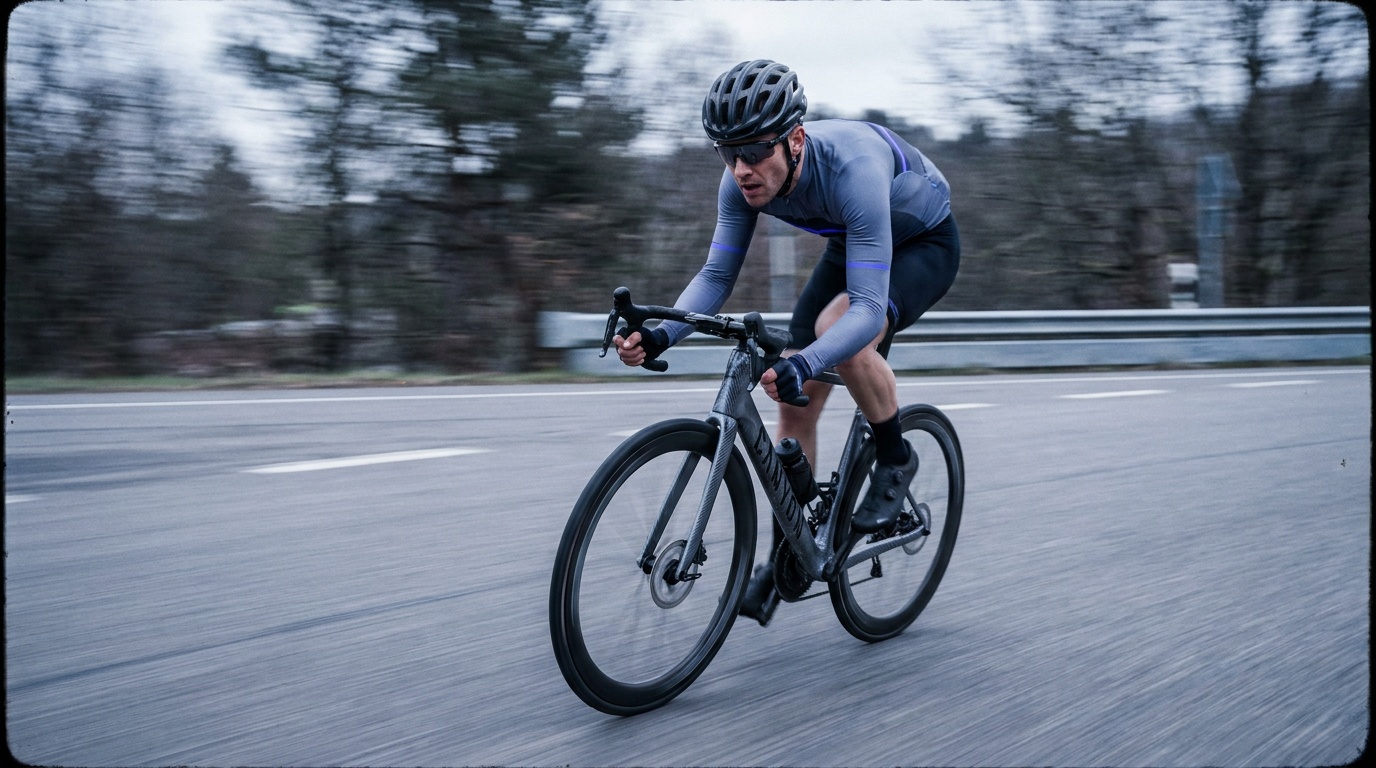
For a sense of speed instead of frozen motion, pan with the athlete at a slower shutter so the background streaks while the subject stays sharp. Drop the shutter to around 1/60 to 1/125 to start, track the subject smoothly with your whole upper body, and keep the lens moving as you fire a burst and follow through after the shutter releases. As you get the feel for it, 1/30 or even 1/15 gives a more dramatic blur but a lower hit rate, so shoot many frames and expect to keep only a few. The panning guide covers that technique in full.
Common mistakes
The frequent errors are easy to fix. A shutter under 1/500 blurs fast motion, so keep it at 1/1000 or higher and raise ISO to allow it. Single-shot autofocus cannot hold a moving athlete, so switch to continuous tracking. Reacting to the moment instead of anticipating it means you miss it, so watch the game and aim ahead of the play. And being too far back leaves you cropping into mush, so get the reach you need with a longer lens.
Know the rules
Stadiums, arenas, and many amateur leagues restrict lens length, monopods, and commercial use, and press access often needs credentials. Confirm the venue's policy before you go, and check the rules by location pillar if you are shooting somewhere with its own terms.
What shutter speed do I need for sports photography?
At least 1/1000 to freeze most field action, and 1/2000 or faster for quick or close motion. If you want a sense of speed instead, pan with the athlete at a slower shutter to blur the background while keeping them sharp.
What lens is best for sports?
A telephoto in the 70 to 200mm range covers sideline sports, with longer reach for larger fields. A constant f/2.8 aperture helps a lot under the dim light of gyms and stadiums by keeping your shutter fast.
How do I keep moving athletes in focus?
Use continuous autofocus with subject tracking and shoot in bursts. Pre-focus on where the play is heading rather than chasing it, and let the camera hold the track while you time the shutter for the peak moment.
Practice this
Turn the guide into a working setup
Shoot kits
Buy around the job, not the spec sheet
Fast subjects
Wildlife and sports kit
$9,833
A fast autofocus body, serious long zoom, weather-ready carry, and fast media for distant subjects that will not wait.
Best reach-first action kit
Buy order: start with the first piece that makes the job possible, then add the support pieces that remove friction.
Camera: start here. If this piece does not make the shoot easier, the rest of the kit can wait.
Memory: add it after the core setup proves useful.
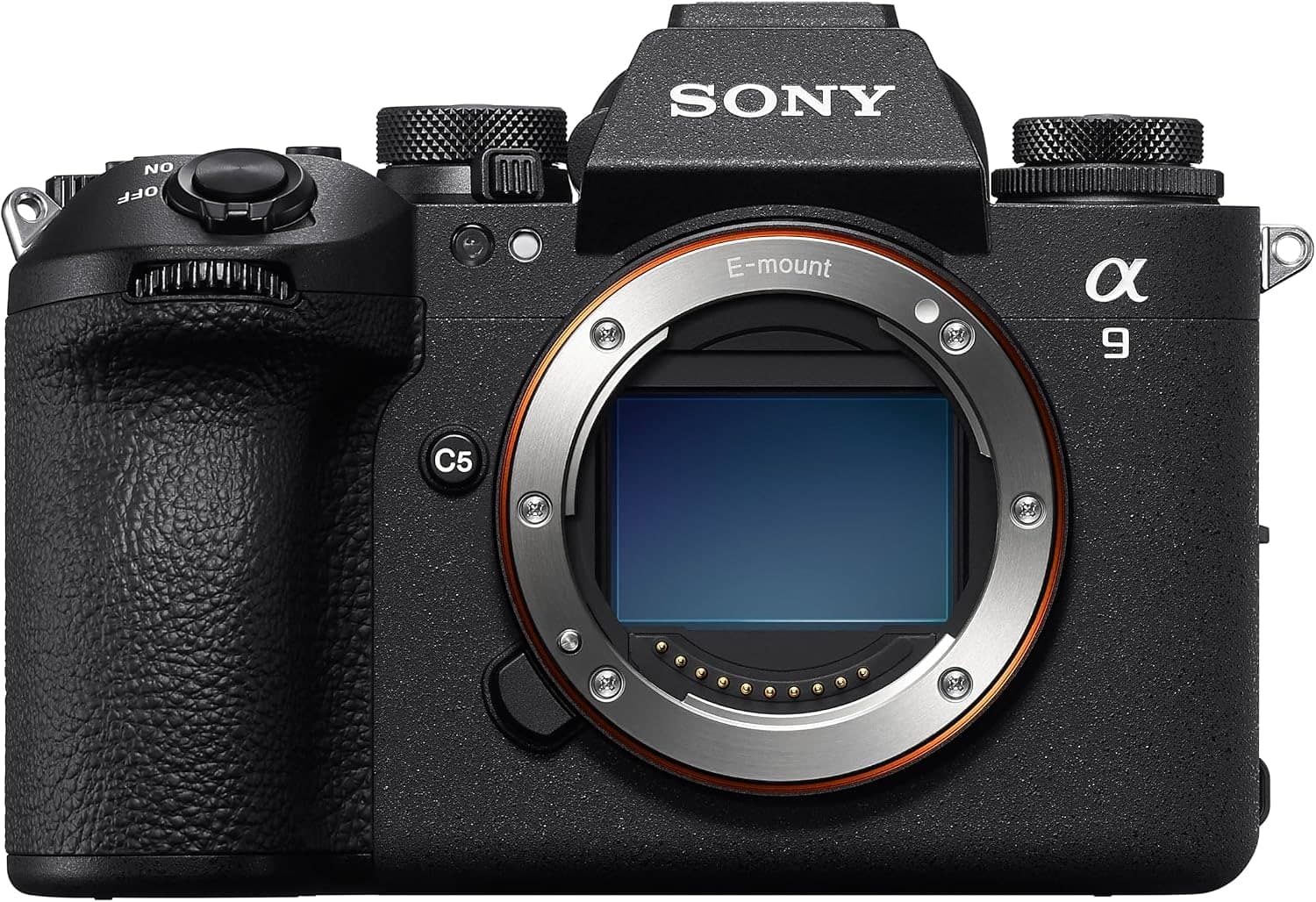
Sony a9 III
Global shutter speed, subject tracking, and high frame rates for moments that last a fraction of a second.
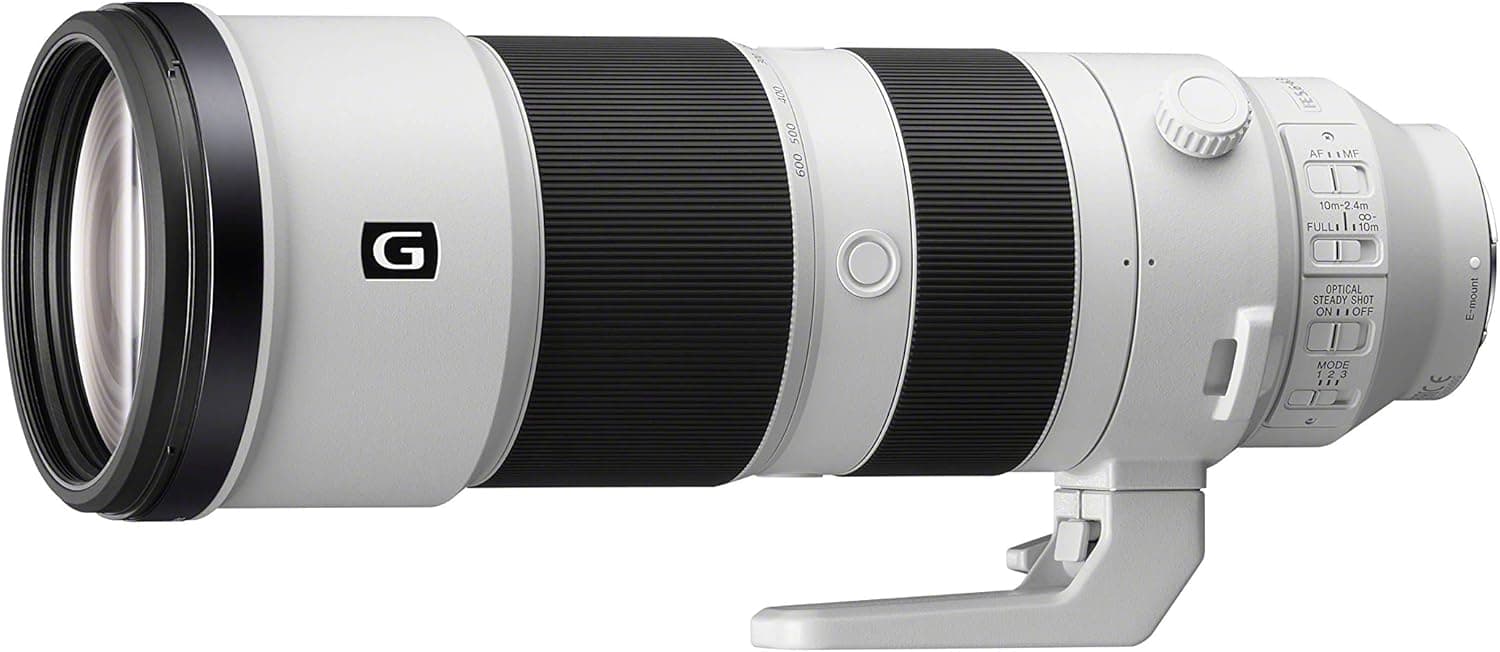
Sony FE 200-600mm f/5.6-6.3 G OSS
Reach for birds, field sports, and wildlife without jumping straight to prime-lens pricing.
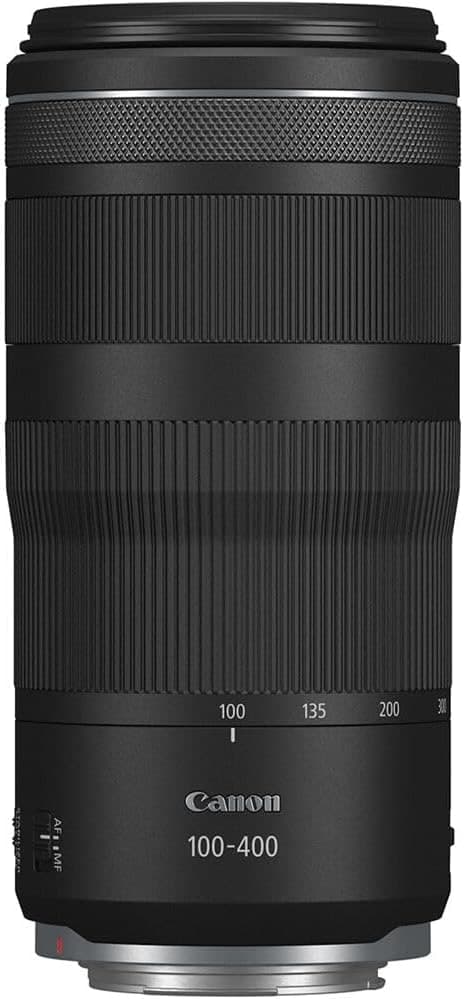
Canon RF 100-400mm f/5.6-8 IS USM
A lighter alternate path for Canon shooters who want reach before they buy a heavy super-telephoto.
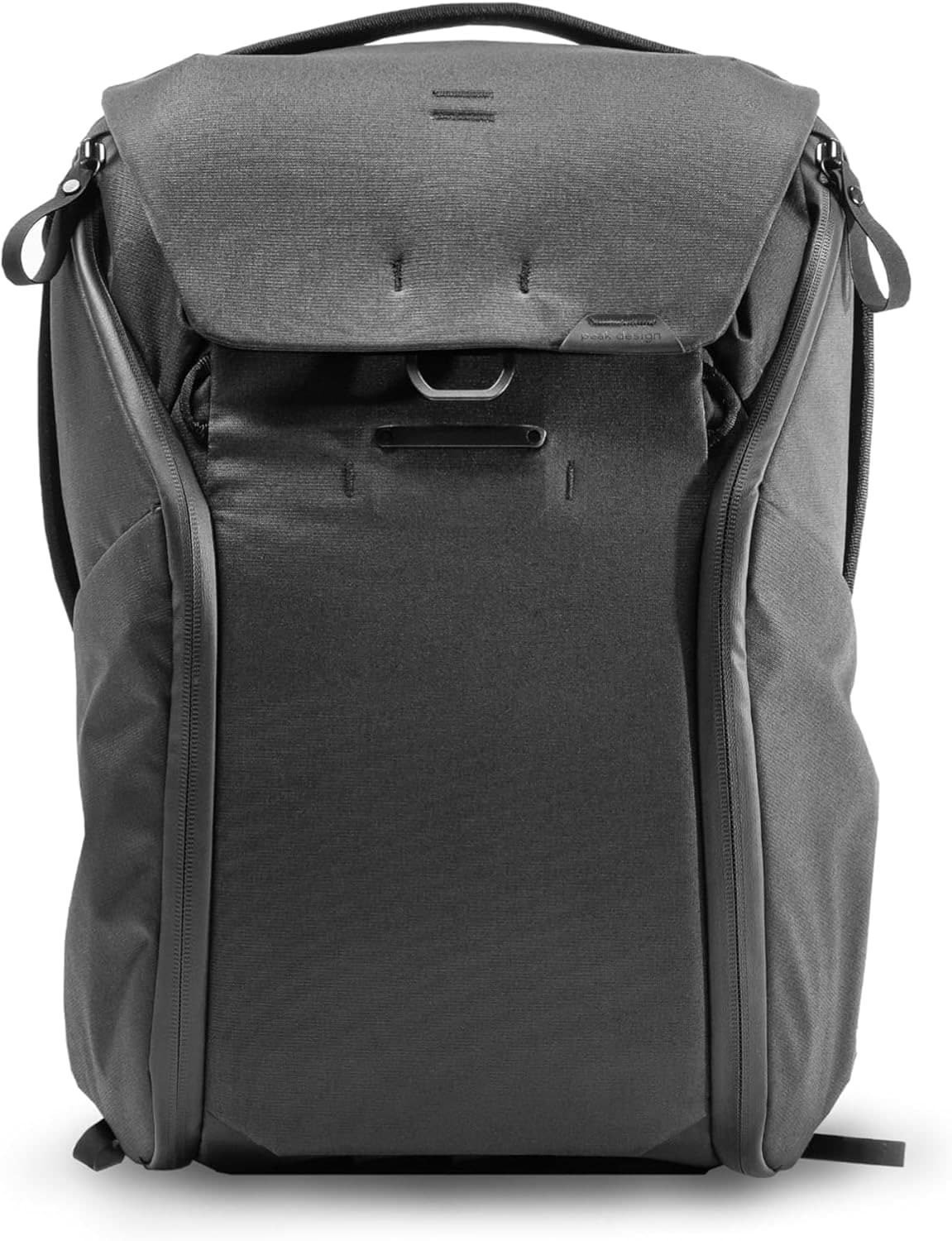
Peak Design Everyday Backpack V2 20L
Room for a long-lens kit, layers, cards, batteries, and field extras without loose gear knocking around.
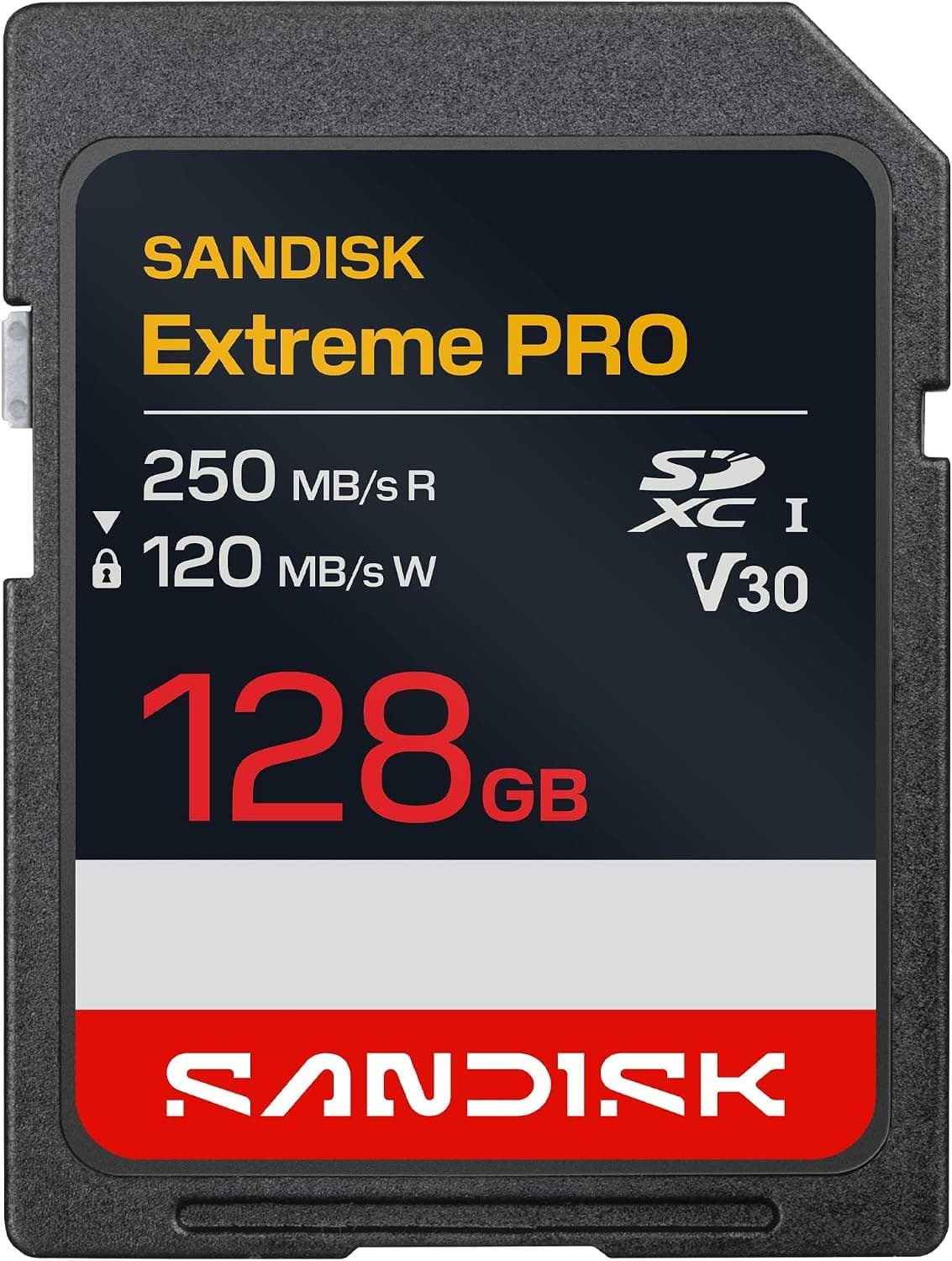
SanDisk Extreme Pro SDXC 128GB
Fast enough for heavy bursts and common video modes in bodies that still use SD media.
Prices are rough catalog totals. Retailer prices change, and you can swap pieces to fit your system.
Related Genres guides

Event Photography: Settings and Gear for Low Light and Fast Moments
Event photography means low light, candid moments, and no second takes. Here is the gear, the settings, and the mistakes to skip for sharp, well-lit frames.
Fashion Photography: Light, Posing, and the Look on a Budget
Editorial fashion images come from intentional light, confident posing, and a clear styling concept. Here is how to build the look on a budget with one light and simple gear.
Product Photography: A Simple, Repeatable Setup
Clean product photos need controlled light, a sharp aperture, and a tripod, not a studio. Here is the gear, the settings, and the lighting that gets professional results.
Real Estate Photography: The Complete Starter Guide
How to shoot a listing that sells: the gear, the settings, the room-by-room shot list, and the common mistakes. Plus the tool that builds your shot list for you.
Researched, not personally tested: picks compare specifications, available owner feedback, and established expert sources. As an Amazon Associate I earn from qualifying purchases. We may earn a commission from links here, at no extra cost to you. How we research →