We may earn a commission from links on this page, at no extra cost to you. Picks are researched, not sponsored.
What this means in real life
Athletes move fast and unpredictably. To freeze a sprinter mid-stride or a ball mid-flight you need a genuinely fast shutter, often 1/1000 of a second or quicker. To keep your subject sharp as it moves toward or away from you, the camera has to refocus continuously. Get those two right and the rest is timing and position. Get either wrong and you have a blurry frame no edit can save.
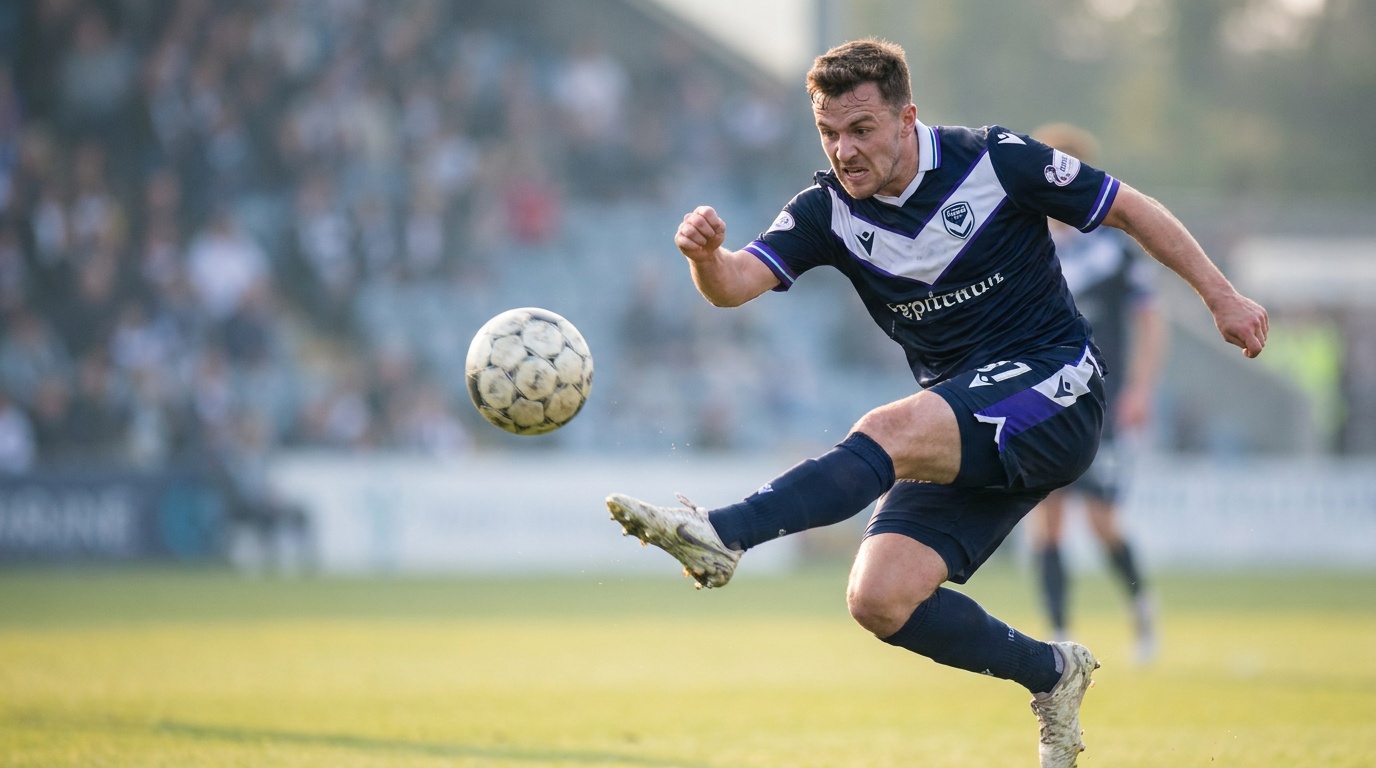
How fast is fast enough depends on the sport. A runner or a soccer player is usually held at 1/1000; a tennis serve, a hockey slapshot, or a passing race car often needs 1/2000 or beyond. The faster the subject crosses your frame, the faster the shutter has to be to stop it.
The gear
Reach matters, because you usually cannot get close to the field. A telephoto lens that opens reasonably wide lets you fill the frame and keep a fast shutter. A camera with a strong continuous-autofocus system and a high burst rate is the other half; tracking and frame rate are what separate sports bodies from general ones. A monopod helps support a long, heavy lens without locking you in place the way a tripod would. The prime vs zoom guide is worth reading, since the choice between a fast prime and a versatile telephoto zoom is the central gear decision in this genre.
The settings
The shutter speed is the anchor. Everything else exists to make a fast shutter possible.
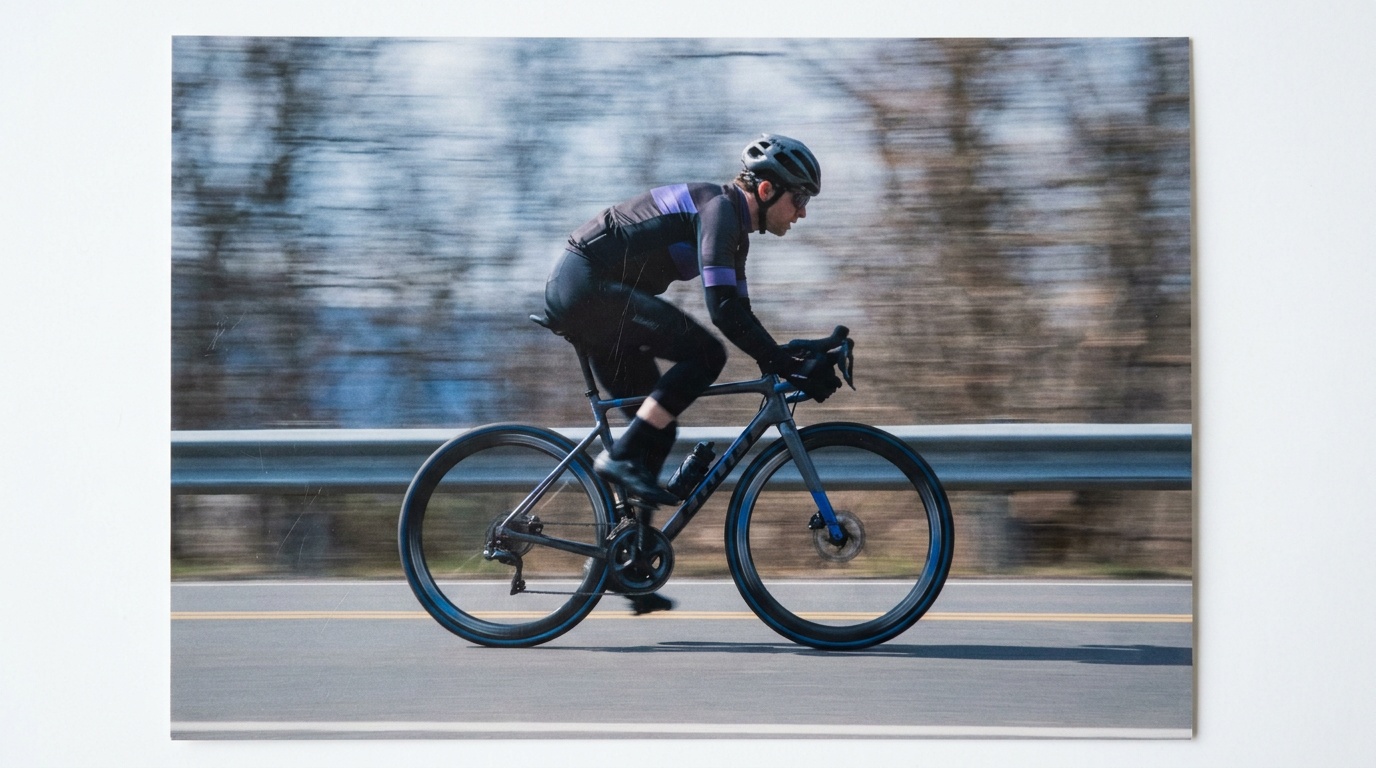
Reach is the other half of the equation. Indoor and night sports under stadium lights are a low-light fight, so a lens that opens to f/2.8 lets you hold a fast shutter without an unusable ISO. Outdoors in daylight you have more room and can stop down to f/4 or f/5.6 for a deeper margin of focus. For deliberate motion blur, a panning shot of a single fast subject, you drop the shutter way down instead, but that is a separate technique covered in the panning guide. For freezing, faster is the rule.
The technique
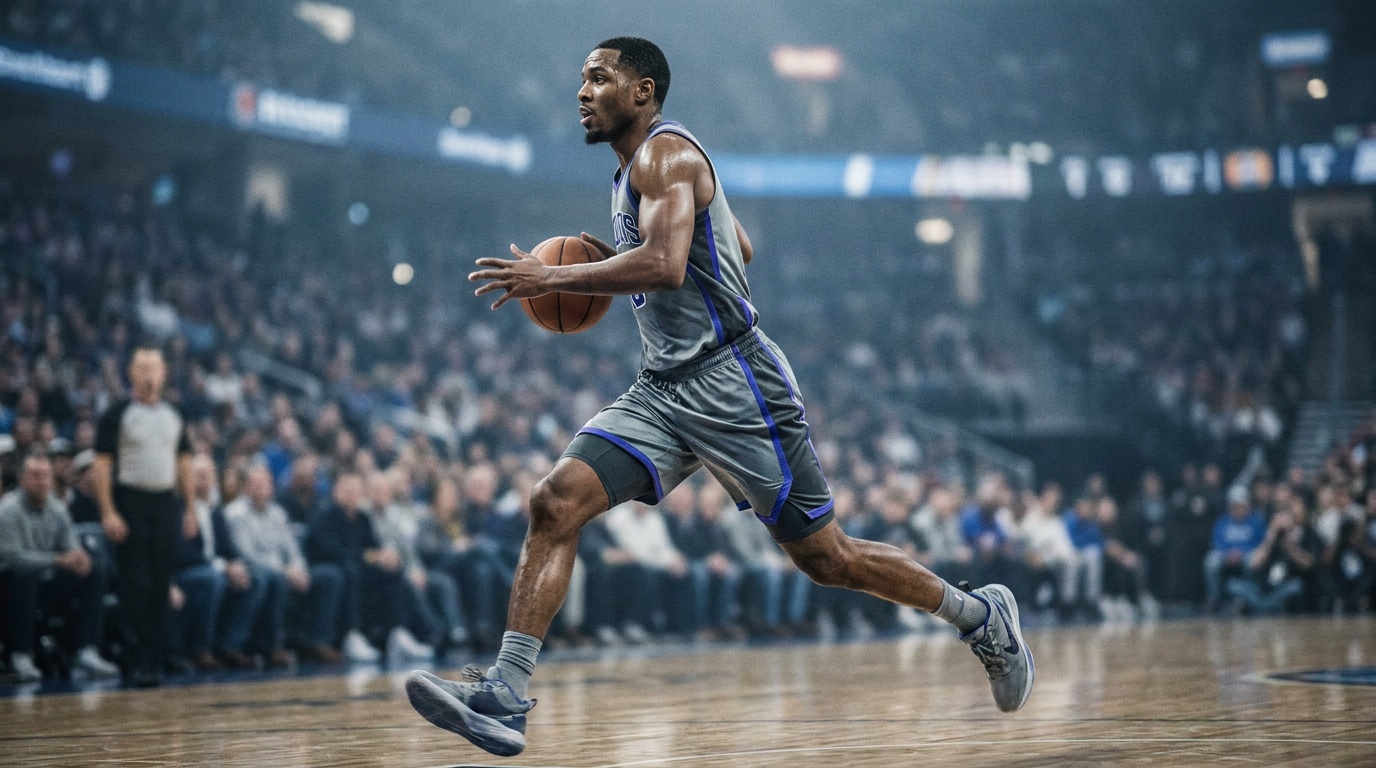
Use continuous autofocus so the camera keeps refocusing on a subject that is moving toward or away from you. Use burst mode and hold the shutter through the play; the peak moment, the catch, the jump, the collision, is a single frame inside a fast sequence, and bursts let you catch it. Learn the sport so you can anticipate where the action goes and pre-position there rather than chasing it. Keep both eyes open when you can, one in the viewfinder and one on the field, so you see the play developing before it enters the frame.
Common mistakes
The first is too slow a shutter, the most common cause of soft sports photos; when in doubt, go faster. The second is single-shot focus on a moving subject, which locks on once and then misses as the athlete moves; switch to continuous. The third is shooting single frames and missing the peak by a fraction of a second; use bursts. The fourth is poor position, shooting into the action's back instead of its front, so faces and effort never reach the camera.
What shutter speed do I need for sports?
At least 1/1000 of a second to freeze most action, and 1/2000 or faster for very fast sports like motorsport, tennis, or hockey. The faster the subject moves across the frame, the faster the shutter has to be.
What autofocus mode is best for sports?
Continuous autofocus, called AF-C on most cameras and AI Servo on Canon. It refocuses constantly as your subject moves, which single-shot focus cannot do. Pair it with subject or eye tracking if your camera offers it.
Do I need a fast lens for sports?
A moderately fast aperture helps keep the shutter speed high, especially indoors or under stadium lights. Outdoors in daylight you have more room, so reach and autofocus speed often matter more than maximum aperture.
Where this fits
Sports shares its core problem, tracking and freezing fast motion, with wildlife photography, and many of the same lenses and focus settings carry straight across. The settings above are the exposure triangle tuned around a non-negotiable shutter speed, so the more instinctive those three controls are, the more attention you can give to reading the game.
Practice this
Turn the guide into a working setup
Shoot kits
Buy around the job, not the spec sheet
Fast subjects
Wildlife and sports kit
$9,833
A fast autofocus body, serious long zoom, weather-ready carry, and fast media for distant subjects that will not wait.
Best reach-first action kit
Buy order: start with the first piece that makes the job possible, then add the support pieces that remove friction.
Camera: start here. If this piece does not make the shoot easier, the rest of the kit can wait.
Memory: add it after the core setup proves useful.
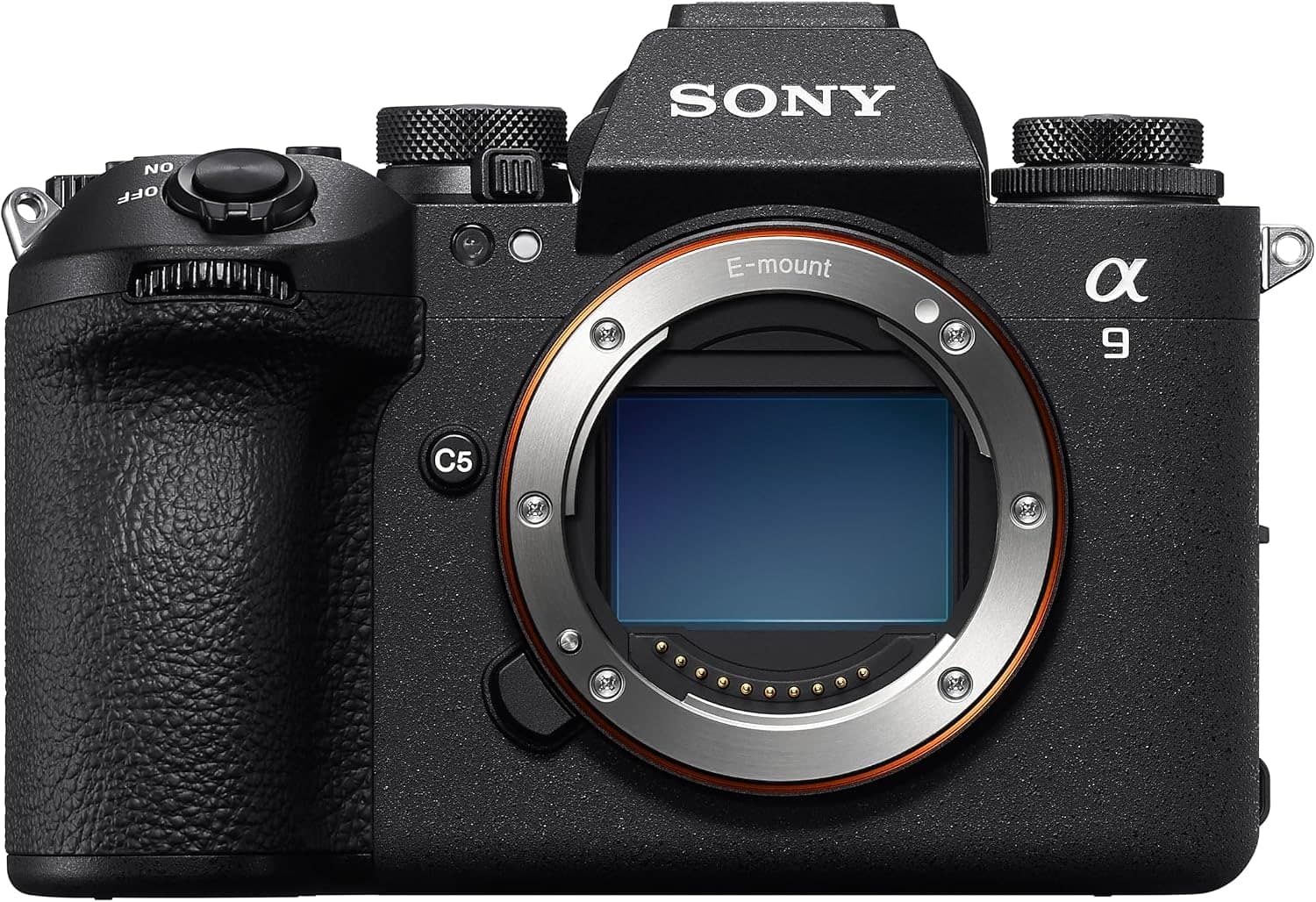
Sony a9 III
Global shutter speed, subject tracking, and high frame rates for moments that last a fraction of a second.
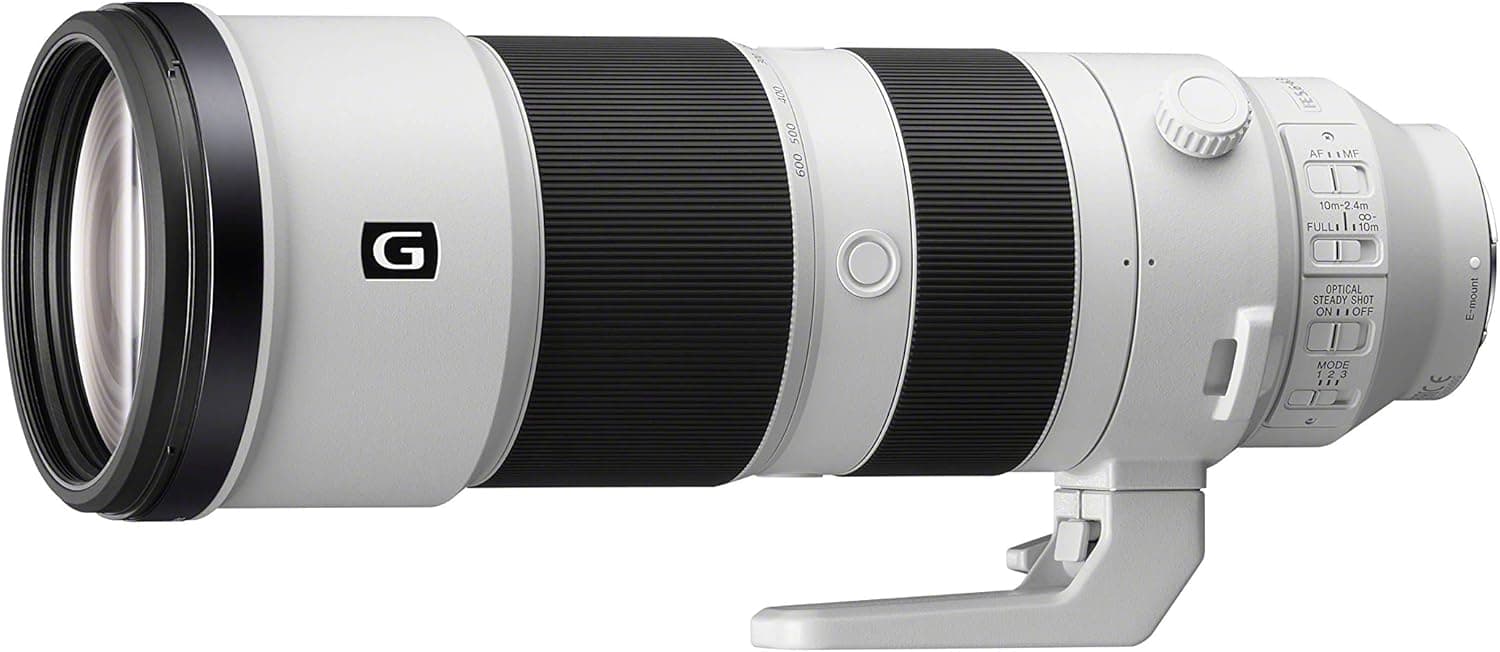
Sony FE 200-600mm f/5.6-6.3 G OSS
Reach for birds, field sports, and wildlife without jumping straight to prime-lens pricing.
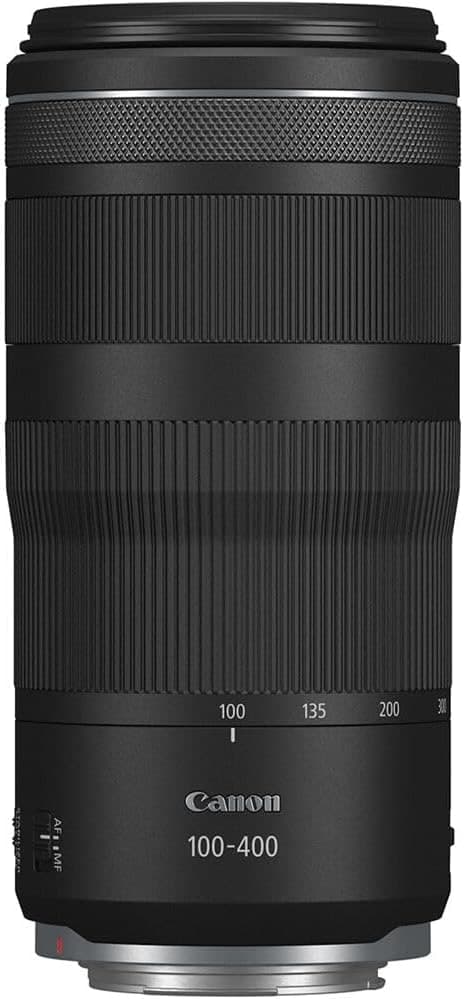
Canon RF 100-400mm f/5.6-8 IS USM
A lighter alternate path for Canon shooters who want reach before they buy a heavy super-telephoto.
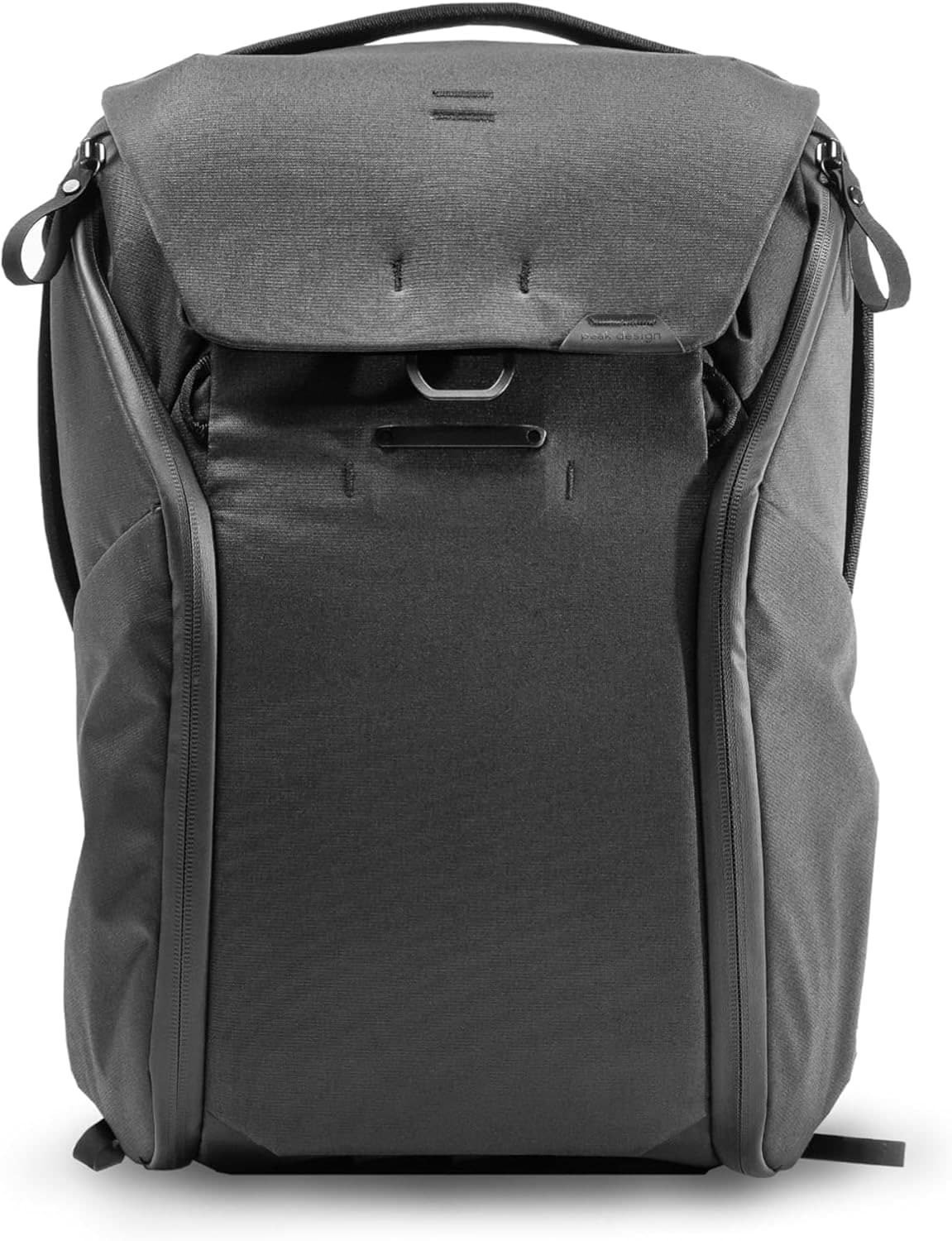
Peak Design Everyday Backpack V2 20L
Room for a long-lens kit, layers, cards, batteries, and field extras without loose gear knocking around.
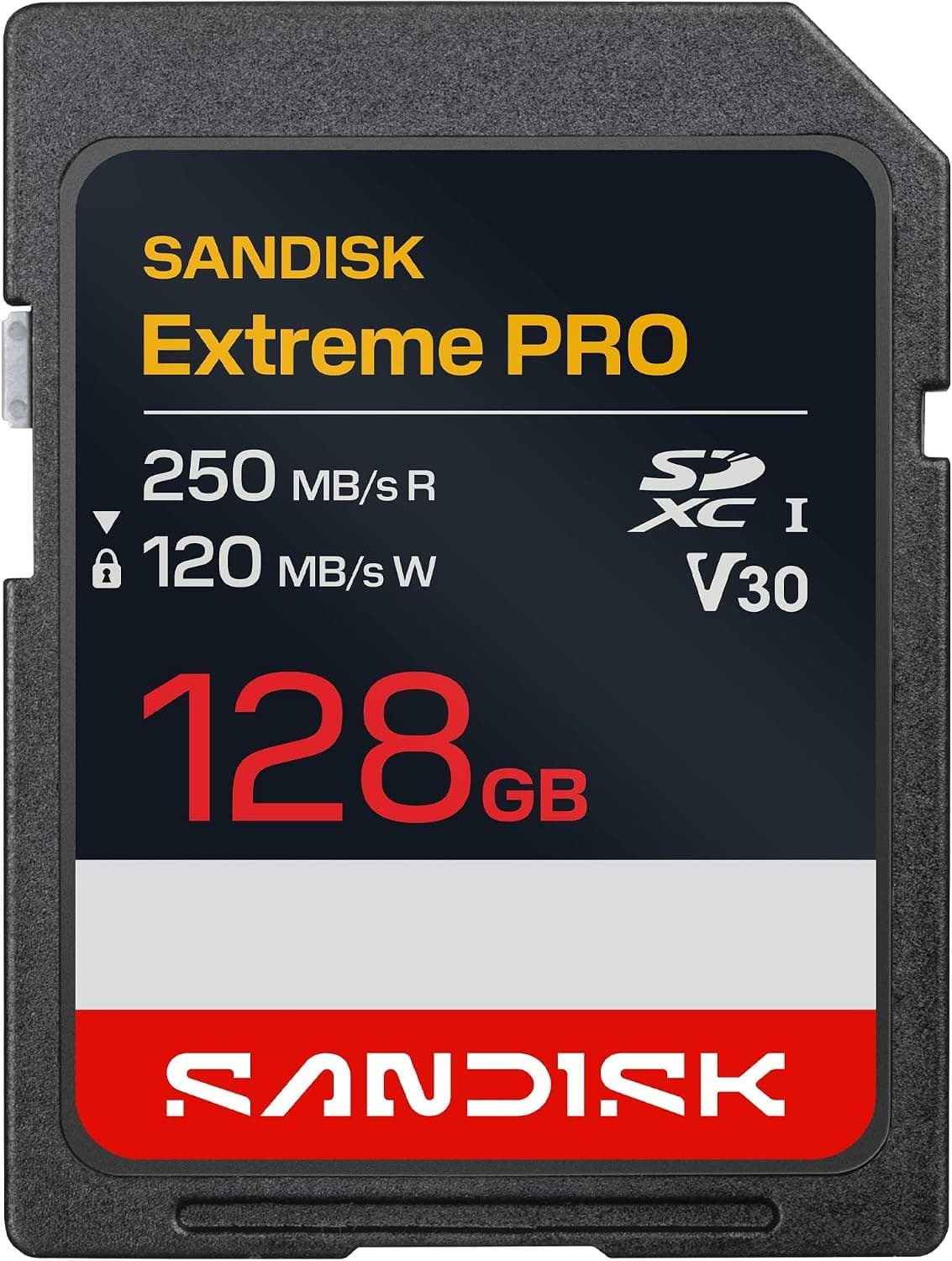
SanDisk Extreme Pro SDXC 128GB
Fast enough for heavy bursts and common video modes in bodies that still use SD media.
Prices are rough catalog totals. Retailer prices change, and you can swap pieces to fit your system.
Related Learn guides

Content Credentials and C2PA Explained for Photographers
Content Credentials record a photo's signed provenance and edits. Learn what C2PA proves, what it cannot prove, and how capture-to-export workflows work.
Open Gate Video Explained: When 3:2 Is Worth It
Open Gate records a taller sensor area for flexible 16:9, 9:16, and square crops. See when it helps, what it costs, and how to frame it correctly.
Pre-Capture Photography Explained: Get the Frame Before the Click
Pre-Capture buffers photos before the shutter is fully pressed. Learn how it works, which settings change, and when RAW, flash, or focus may be limited.
RAW vs JPEG: Which File Format Should You Shoot?
RAW keeps all your sensor data for maximum editing freedom; JPEG is smaller and ready to share. Here is how they differ and when each one is the right call.
Researched, not personally tested: picks compare specifications, available owner feedback, and established expert sources. As an Amazon Associate I earn from qualifying purchases. We may earn a commission from links here, at no extra cost to you. How we research →