We may earn a commission from links on this page, at no extra cost to you. Picks are researched, not sponsored.
Our quick picks
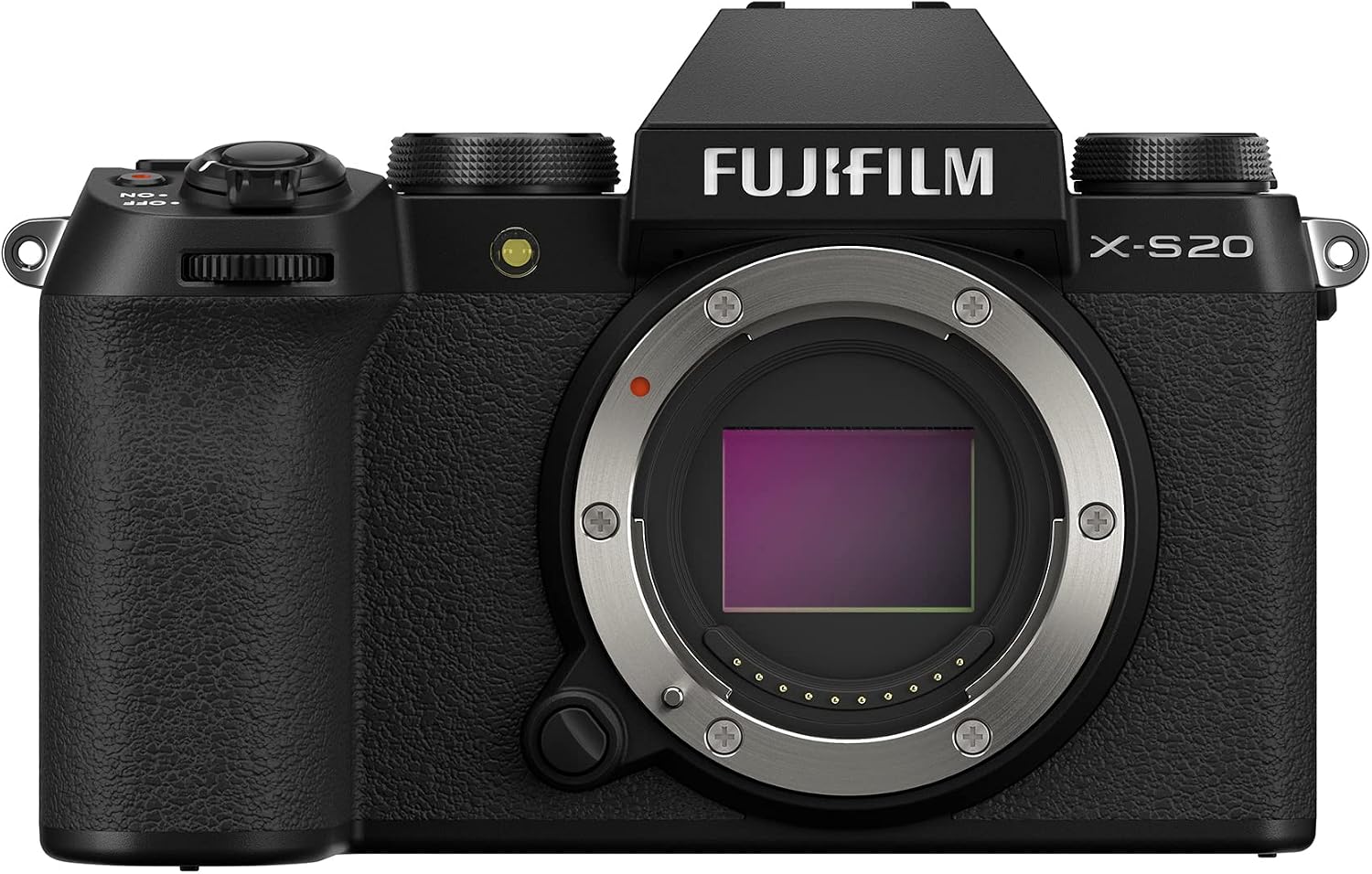
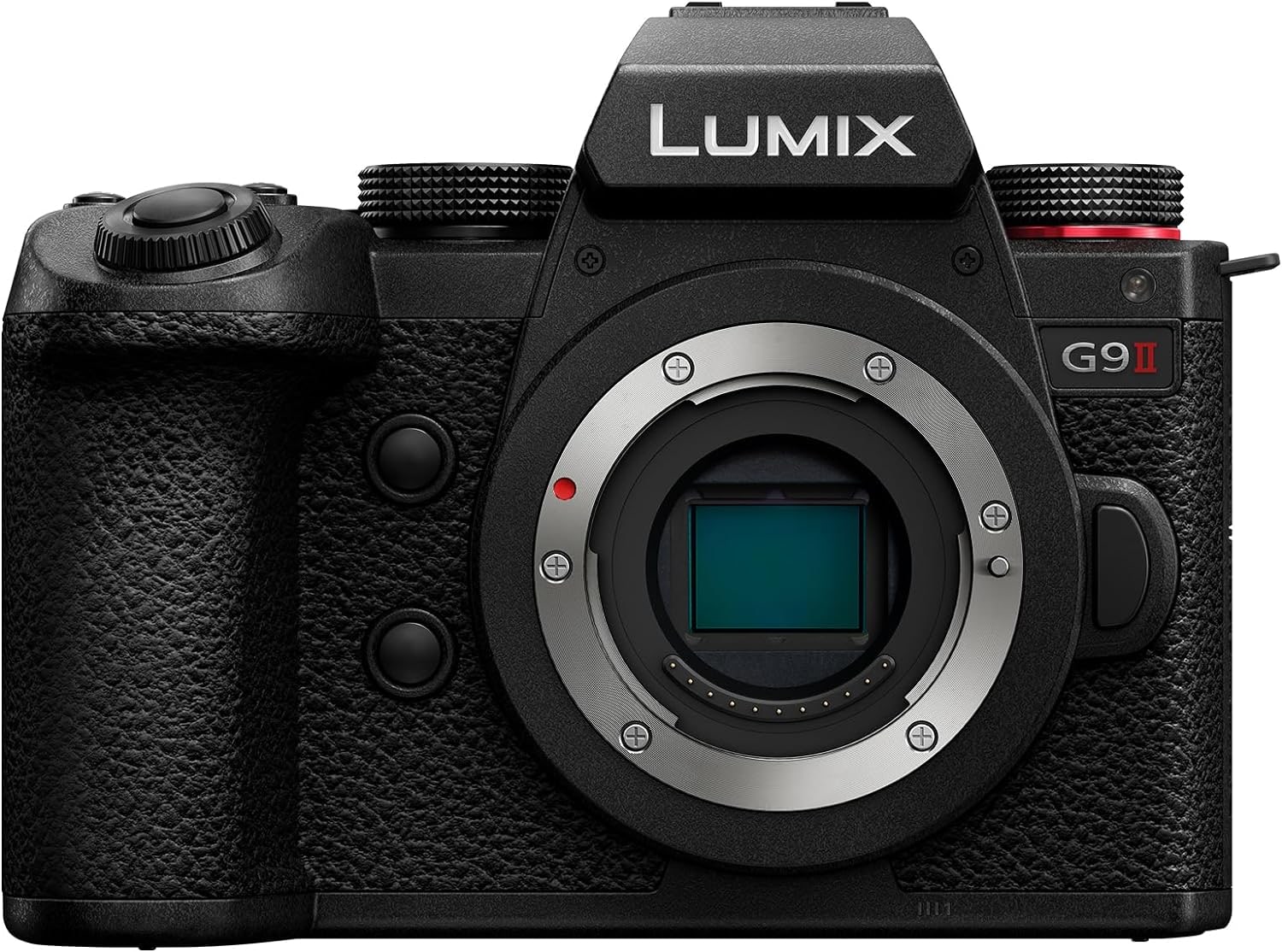
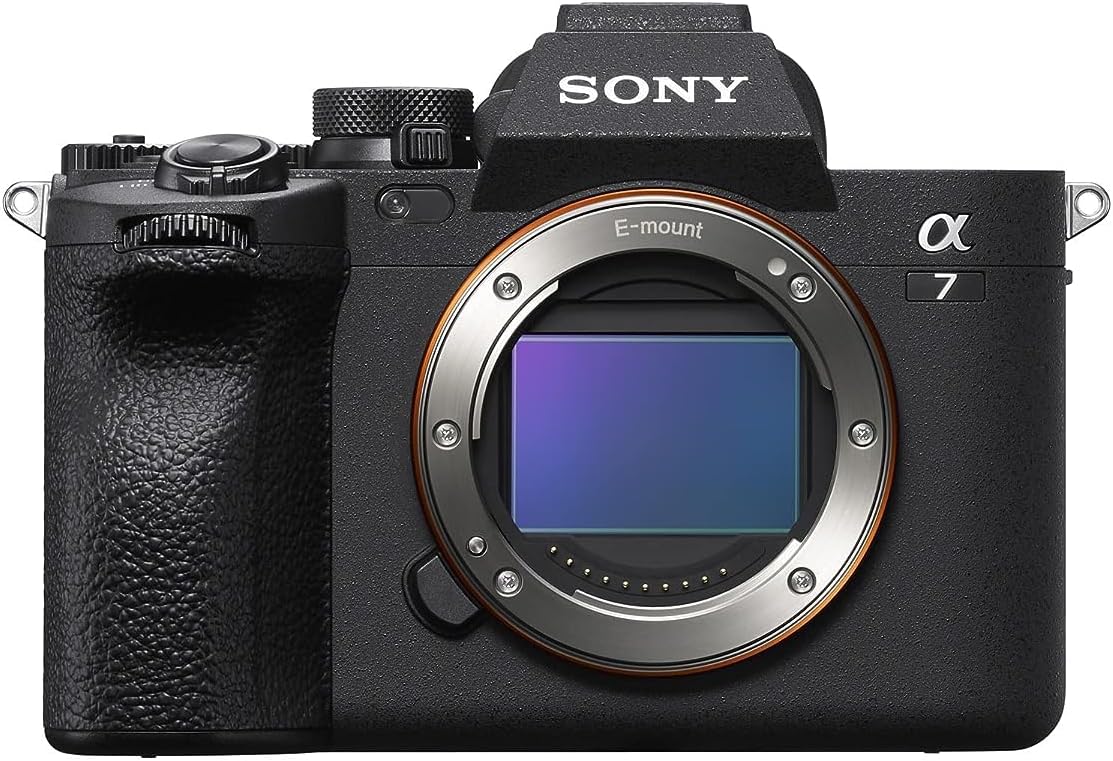
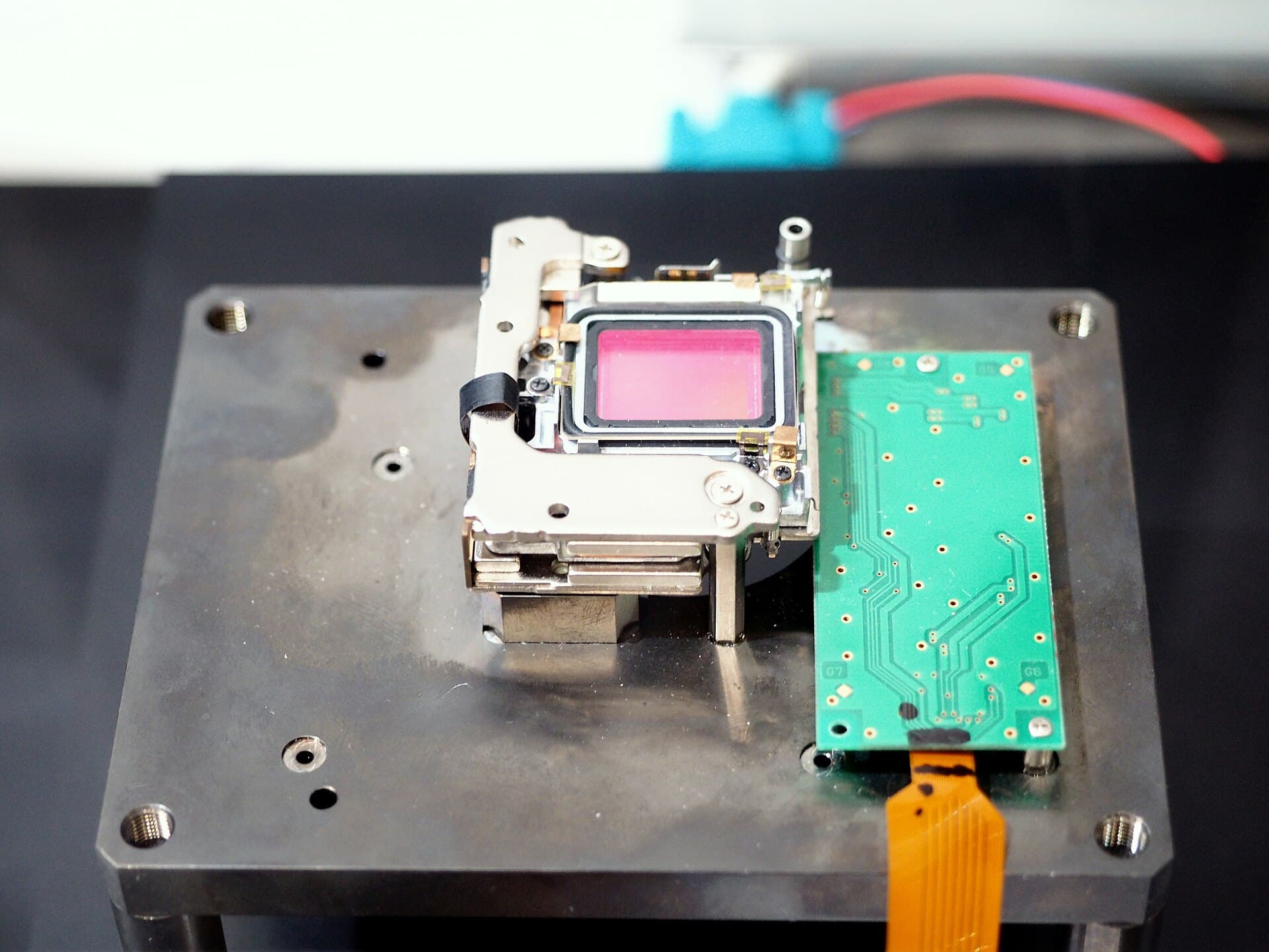
In-body image stabilization mounts the sensor on a magnetically suspended platform that shifts and rotates in real time, hundreds of times per second, opposite to the movement of your hands. Most implementations correct five axes: pitch, yaw, roll, and horizontal and vertical shift. The result is that a shutter speed that would smear at 1/15 comes out sharp, because the sensor rode along with your wobble.
That is the whole trick, and it is genuinely good. It is also routinely oversold, so here is what it does and does not buy you.
What IBIS fixes, and the thing it never will
IBIS corrects camera motion: the tremor in your hands, the shift of your breathing, the sway of standing on a boat. It cannot correct subject motion. A toddler at 1/15 of a second is blurry on the most stabilized camera ever built, because the blur comes from the toddler, not from you.
This splits your shooting into two regimes. Static subjects (buildings, landscapes at dusk, interiors, products) let IBIS replace a tripod down to surprisingly slow speeds. Moving subjects still demand a fast shutter, and the speed is set by the subject, exactly as covered in shutter speed explained. IBIS moves one wall of the exposure triangle: it lets you trade shutter speed for lower ISO in the dark, but only when nothing in the frame is moving.
If your slow-shutter photos are still soft, the diagnosis checklist in why are my photos blurry separates shake blur from subject blur and focus error.
Reading CIPA stop claims skeptically
Manufacturers advertise stabilization in stops: "8 stops of correction." The number comes from a standardized CIPA test, which is better than marketing fiction, but know what it measures: a vibration rig simulating handheld tremor, at specified focal lengths, judged on pitch and yaw. It is a best-case, repeatable lab figure.
In the field, expect meaningfully less. Real hands drift and lurch in ways the rig does not, long focal lengths magnify everything, and your own stance matters as much as the hardware. A camera rated for 8 stops might reliably give you 4 to 5 in practice, which is still remarkable: the old 1-over-focal-length handholding rule turns into full-second handheld exposures at wide angles. Treat the CIPA number as a way to compare cameras against each other, not as a promise about your Tuesday night.
Good handholding technique stacks with IBIS rather than being replaced by it; the fundamentals are in how to avoid camera shake.
IBIS vs lens OIS vs both
Optical stabilization in the lens (OIS, VR, OSS, depending on brand) does the same job by shifting a lens group instead of the sensor. The two have different strengths:
- IBIS works with every lens you mount, including old manual primes, and it corrects roll, which lens stabilization physically cannot.
- Lens OIS works better at long telephoto lengths, because small angular movements at 400mm require sensor shifts larger than the IBIS platform can travel. The correction happens in the lens, before the magnification.
- Both together is the modern answer. Current systems coordinate the two (Sync IS, coordinated control, and similar names): the lens handles the big angular corrections, the body handles roll and shift, and the combined rating exceeds either alone. When they cooperate you do not manage anything; you just leave both switched on.
One caveat: with older or third-party combinations, body and lens occasionally fight instead of cooperating. If a stabilized lens on a stabilized body gives you strange edge wobble, try disabling one system and see which pairing is sharpest.
| Stabilization type | What moves | Best at | Weak spot |
|---|---|---|---|
| IBIS | The camera sensor | Wide to normal lenses, roll correction, unstabilized primes | Very long telephoto shake |
| Lens OIS | A lens element group | Telephoto lenses and viewfinder steadiness | Roll and adapted manual lenses |
| Coordinated IBIS plus OIS | Sensor and lens together | Modern body-lens pairs that share correction duties | Older third-party combinations can behave unpredictably |
When to turn it off
On a tripod. A stabilizer looking for motion on a perfectly still platform can find its own noise and correct shake that is not there, producing a faint drift or blur on long exposures. Many recent cameras detect tripods and idle automatically, but on multi-second exposures the safe habit is to switch stabilization off once the camera is locked down. Choosing that platform is its own topic: see the best tripods roundup.
When panning, unless your lens has a panning mode. Standard stabilization tries to cancel the deliberate horizontal sweep of a panning shot. Mode 2 on most telephoto lenses stabilizes only the vertical axis so the pan stays smooth; the technique itself is covered in panning photography.
At very fast shutter speeds it simply does not matter; 1/2000 outruns your hands with or without help.
Video: what IBIS delivers and where the gimbal takes over
For video, IBIS is excellent at one thing: making a stationary handheld shot look locked off. Talking heads, product shots, standing pans, slow controlled moves. Add electronic stabilization on top (at a small crop) and static handheld footage gets very close to tripod-stable.
Walking is a different problem. IBIS smooths high-frequency jitter but cannot absorb the low-frequency bob of footsteps, so walking footage develops a floaty lurch, and hard corrections can show a jello-like wobble at the frame edges. No sensor platform with a few millimeters of travel absorbs a human stride.
That job belongs to a gimbal, which stabilizes the entire camera on motorized axes with far more travel and no crop. The two are teammates, not rivals: IBIS cleans up the fine vibration that sneaks through the gimbal motors, and the gimbal handles the gross movement IBIS cannot. If moving-camera work is where you are headed, start with the best gimbals for video, then learn the actual moves in gimbal moves and technique. For structured shoots like real estate walkthroughs, the shot-list generator lays out which shots need the gimbal and which a stabilized handheld camera covers fine.
The buying takeaway
If you shoot handheld in low light, or any video at all, IBIS is one of the few spec-sheet features that changes daily shooting, and it is worth prioritizing when choosing a camera. Weigh the rated stops comparatively, expect less than the box promises, keep it on by default, and turn it off on the tripod.
Does IBIS help in low light?
Yes, for still subjects. It lets you hold a slower shutter speed instead of raising ISO, which means cleaner files in dim rooms and at dusk. For moving subjects in low light it does not help at all; the shutter speed the subject demands is the shutter speed you need.
Can IBIS replace a gimbal for video?
For stationary and slow, careful handheld shots, largely yes. For walking, running, or any dynamic camera movement, no. Footstep motion is beyond what sensor-shift stabilization can absorb, and that is precisely the job gimbals exist for.
Should I buy a stabilized lens if my camera has IBIS?
At normal and wide focal lengths, IBIS alone is usually enough. At long telephoto lengths, lens stabilization matters more than IBIS, and a body-plus-lens pair that coordinates gives the best results of all. Check that the specific pairing supports synchronized operation.
Why do my tripod long exposures look slightly soft with IBIS on?
The stabilizer may be hunting: with no real motion to correct, it can introduce a tiny drift over a long exposure. Turn stabilization off when the camera is on a tripod and the softness should disappear.
Shoot kits
Buy around the job, not the spec sheet
Video rig
Run-and-gun video rig
$4,201
A compact cinema body, fast normal zoom, cage, monitor, gimbal, shotgun mic, and battery for paid video work.
Best upgrade path from creator kit
Buy order: start with the first piece that makes the job possible, then add the support pieces that remove friction.
Camera: start here. If this piece does not make the shoot easier, the rest of the kit can wait.
Power: add it after the core setup proves useful.
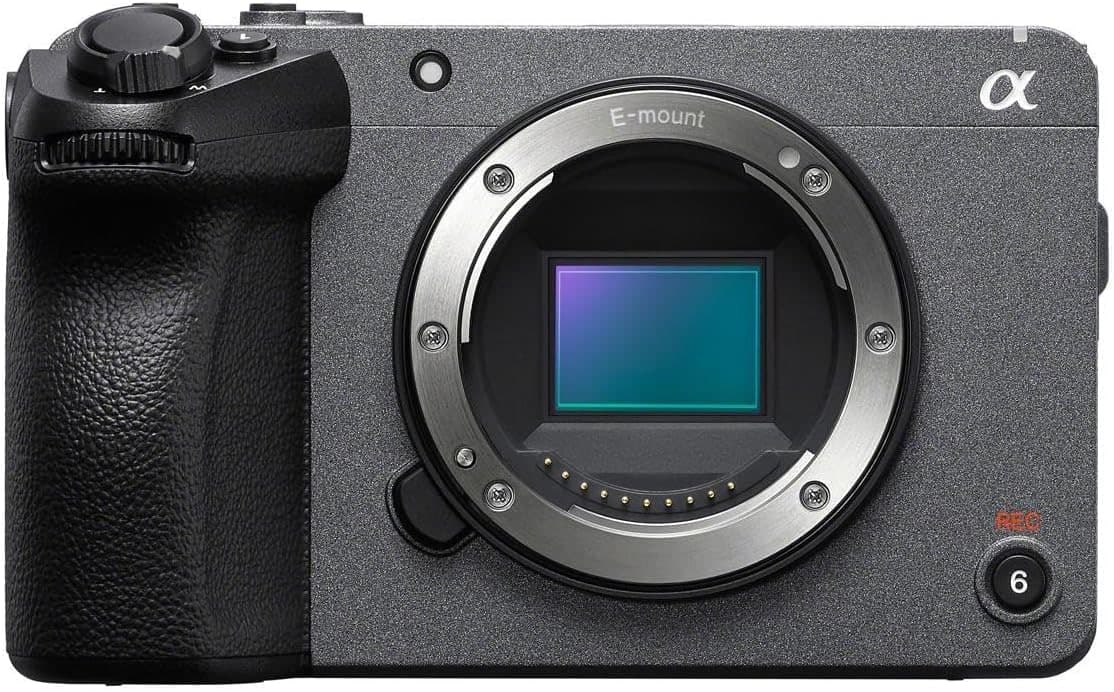
Sony FX30
Cinema-line controls, active cooling, reliable autofocus, and files that grade well without full-frame cost.
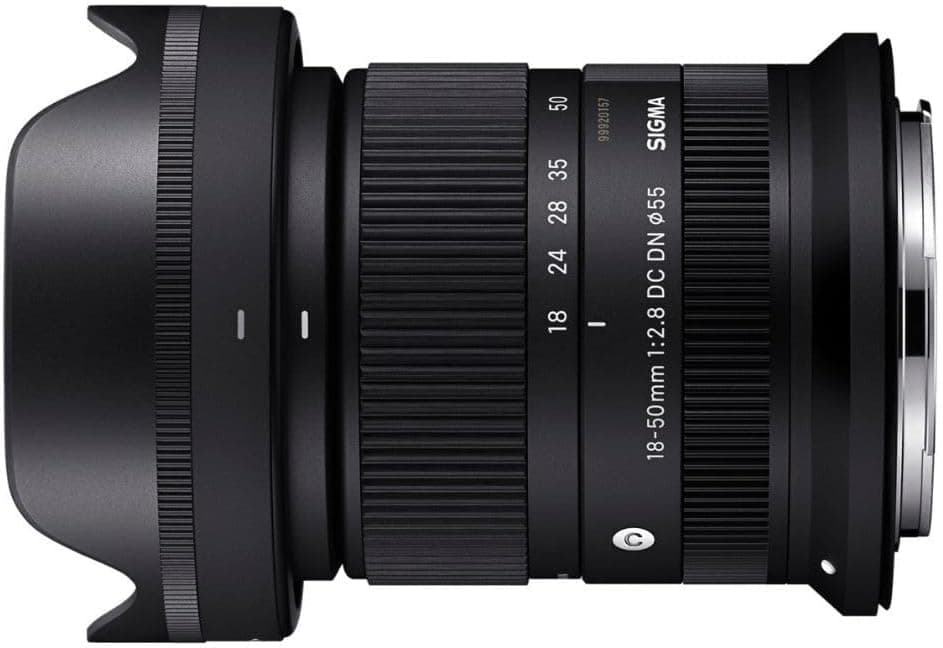
Sigma 18-50mm f/2.8 DC DN Contemporary
A small constant-aperture zoom that keeps an APS-C rig light enough to carry and balance.
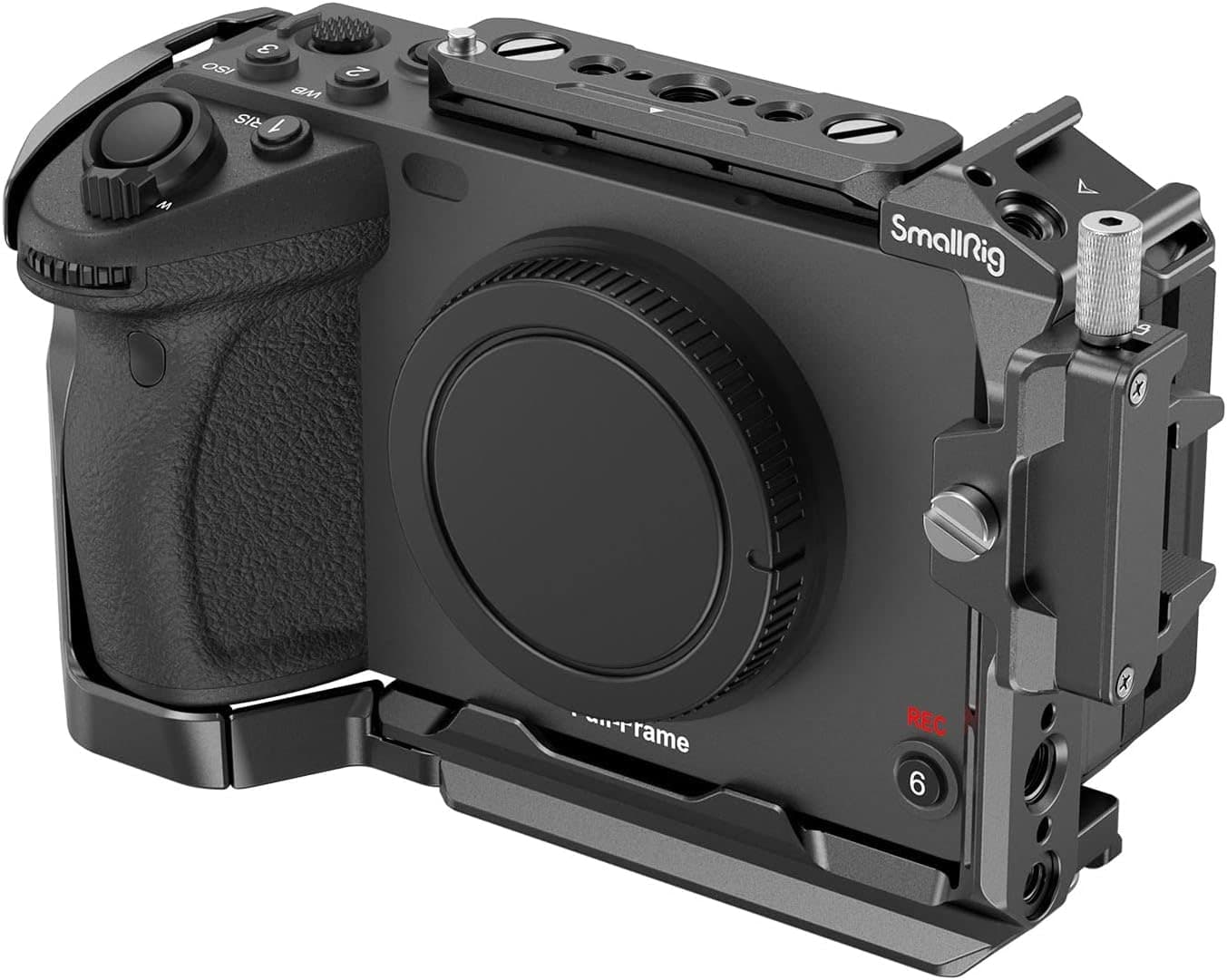
SmallRig Cage for Sony FX3 and FX30
Adds proper mounting points for handles, monitors, mics, and cables without relying on the camera body.
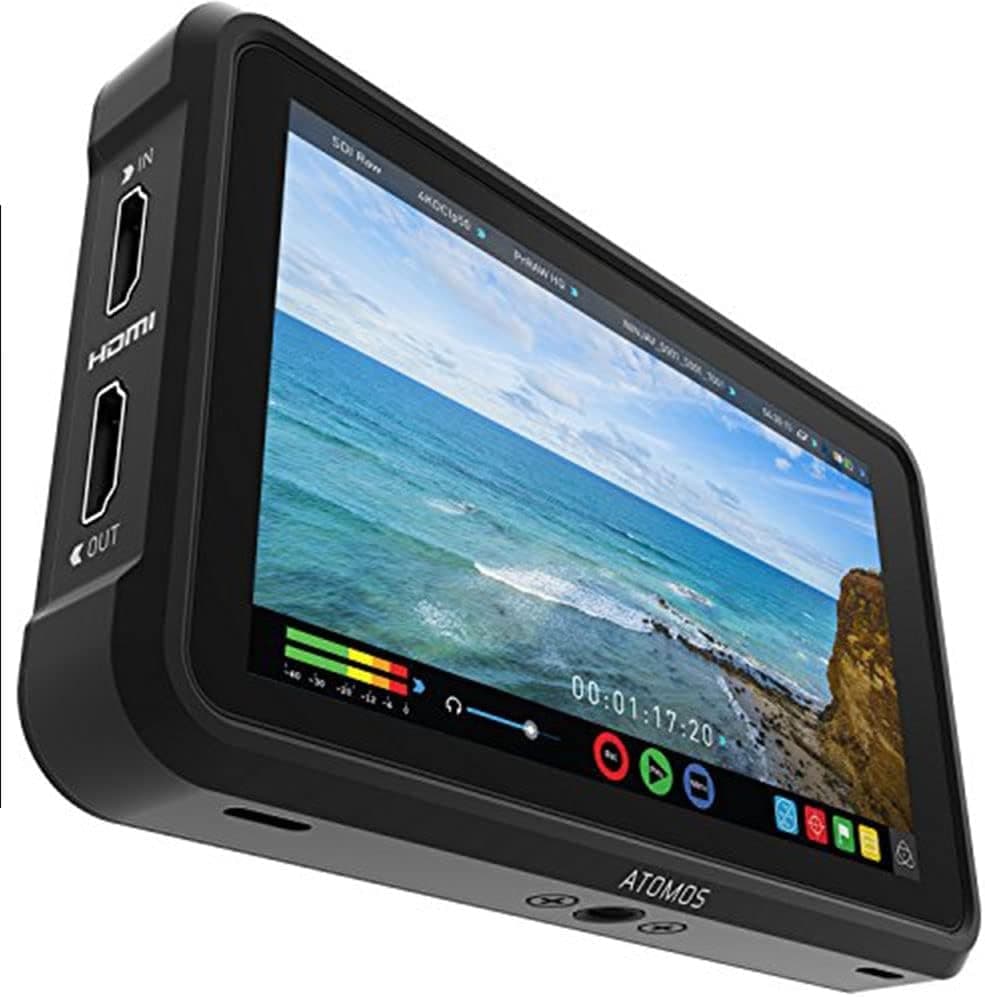
Atomos Ninja V
A bright five-inch screen for focus, exposure tools, LUT preview, and cleaner client monitoring.
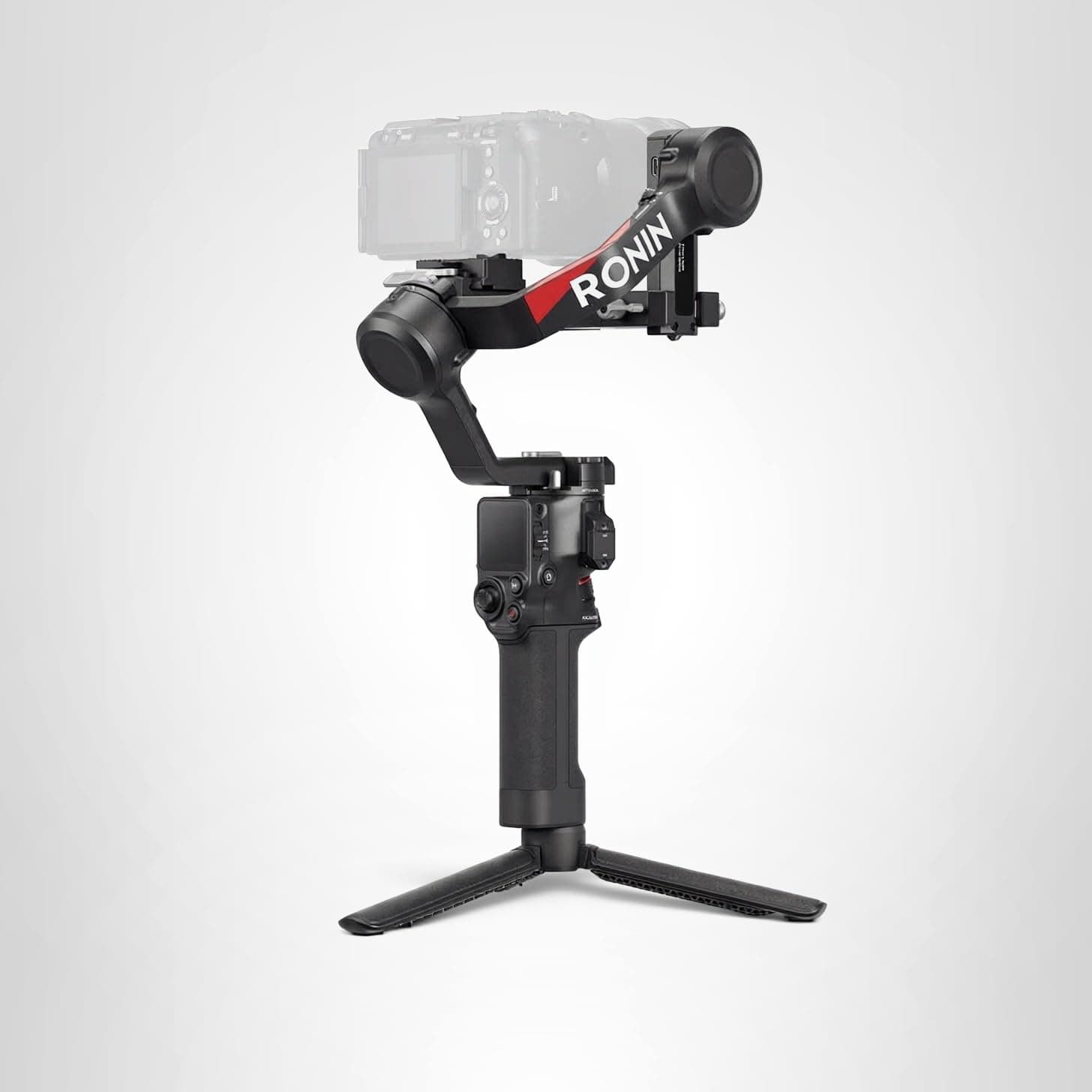
DJI RS 4
The gimbal tier that can handle a built-out mirrorless or compact cinema rig without becoming huge.
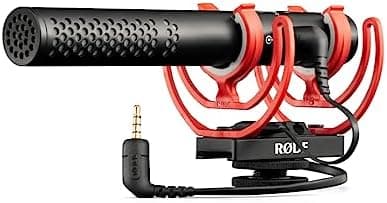
Rode VideoMic NTG
A flexible on-camera shotgun that also works as a small USB mic for quick voiceover or desk work.
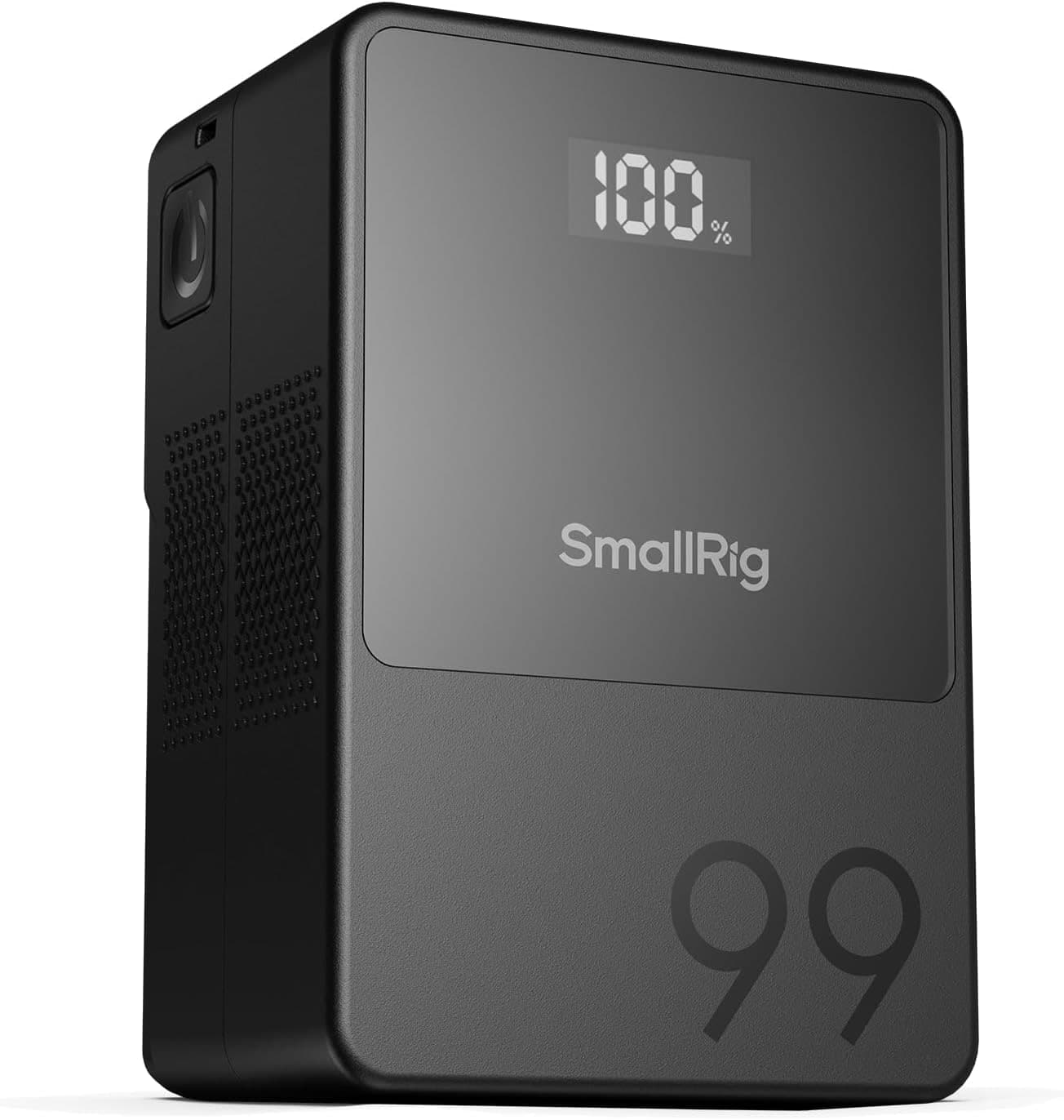
SmallRig VB99
A compact V-mount that can run monitors, lights, or cinema bodies without turning the rig into a brick.
Prices are rough catalog totals. Retailer prices change, and you can swap pieces to fit your system.
Related Gear guides
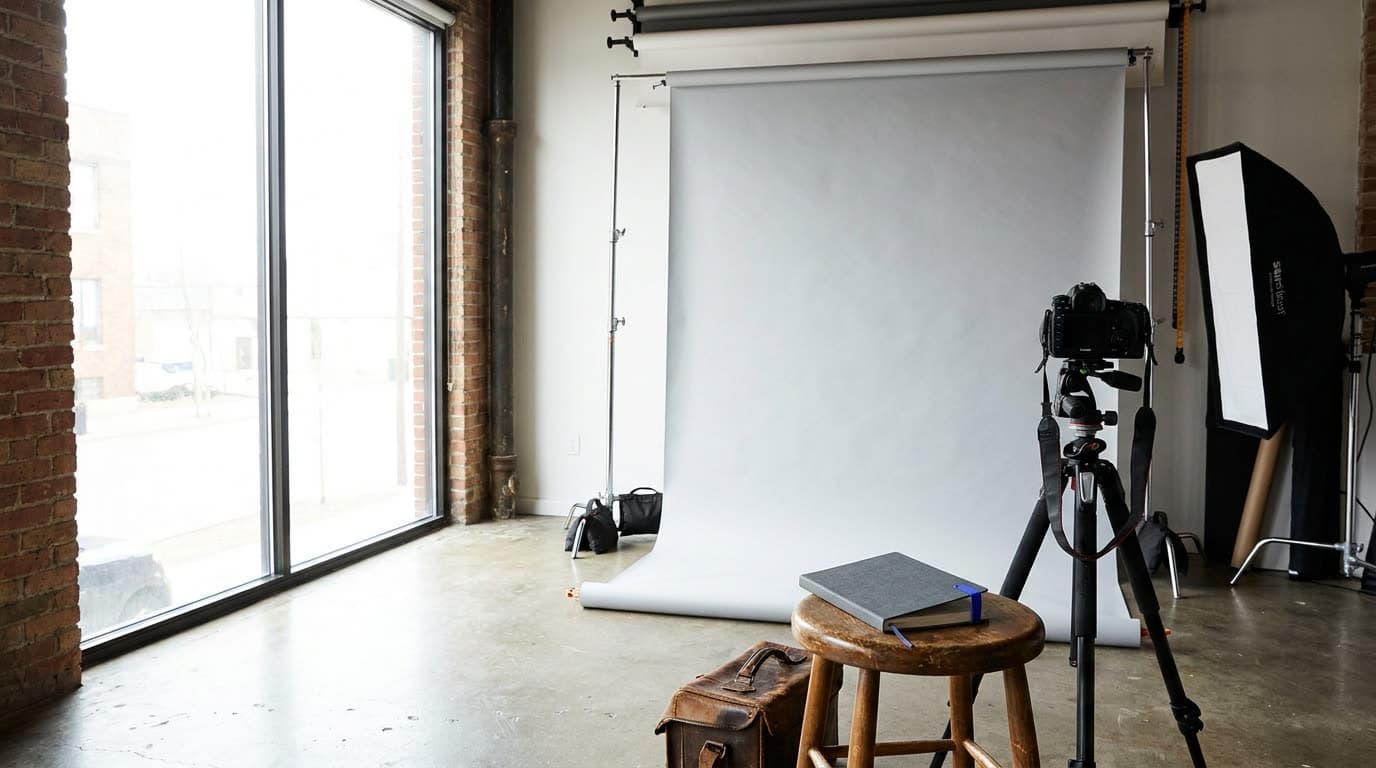
Best Backdrops and Stands in 2026: Studio Background Picks
The best backdrops and stands for home studios, with each pick's real size, height limit, and price, so you know whether it fits headshots, products, or full-length portraits.
Best Cameras for Beginners in 2026: First Interchangeable-Lens Picks
The best beginner cameras balance an easy interface, good autofocus, and room to grow. Here are six we recommend and how to pick the right first body.
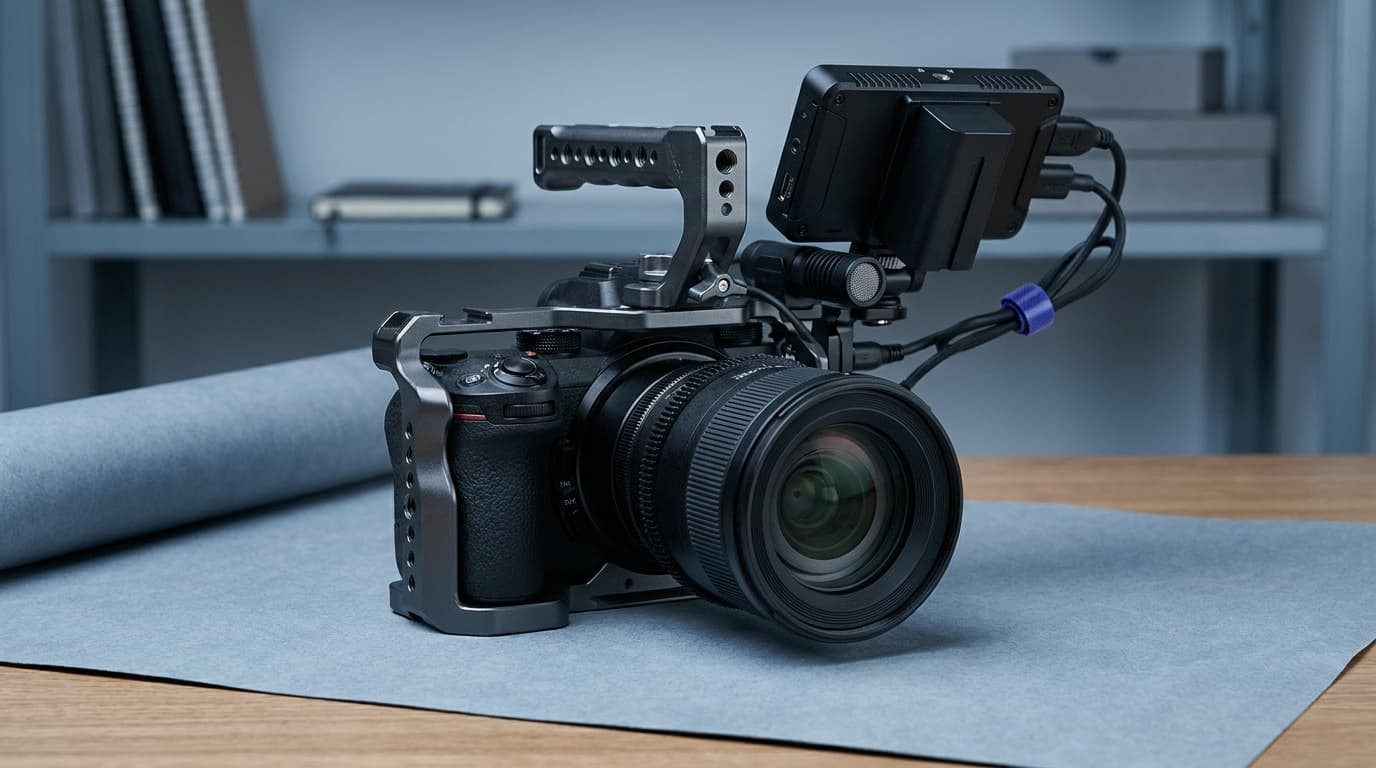
Best Cameras for Video in 2026: Hybrid, Cinema, and Vlogging Picks
Panasonic Lumix S5 II is the value video pick; GH7 suits long recording, and Sony a7 IV is the hybrid choice. Compare six cameras by workflow.
Best Cameras Under $1000 in 2026: Beginner, Value, and Creator Picks
The best cameras under $1000 deliver strong autofocus and image quality without the full-frame price. Here are six picks and how to choose the right one.
Researched, not personally tested: picks compare specifications, available owner feedback, and established expert sources. As an Amazon Associate I earn from qualifying purchases. We may earn a commission from links here, at no extra cost to you. How we research →