We may earn a commission from links on this page, at no extra cost to you. Picks are researched, not sponsored.
A travel tripod is a compromise machine. Every gram and centimeter you cut for the suitcase trades against the stability you want when the camera is on it. The trick is buying the most stable tripod that still folds small enough to bring, because the best travel tripod is the one that ends up in your bag instead of the closet. For a wider look at tripods of all sizes, see our best tripods guide.
How do you choose a travel tripod?
Three numbers decide most of it. Folded length and weight determine whether it clears a carry-on and whether you resent carrying it all day; aim for a folded length under about 45 cm to clear typical carry-on sizers, and watch the weight, since under roughly 1.5 kg is easy to carry all day. Max height should reach roughly eye level without raising the center column, since a raised column is the least stable part of any tripod. Payload is the weight it holds steady; add your body and heaviest lens, then pick a tripod rated comfortably above that, not right at the limit.
After that, material and head decide the feel. Carbon fiber costs more and weighs less and damps vibration a touch better; aluminum is cheaper and heavier and just as stiff once planted. Twist locks pack smaller, flip locks deploy faster. A ball head suits stills; if you pan during video you want a fluid head instead. Many travel tripods bundle a head, which saves the guesswork of matching one yourself.
How do the picks compare?
The table below summarizes the six picks by folded length, weight, payload, and who each one fits. The scores are editorial summaries; read the best-for notes and tradeoffs before buying.
| Tripod | Folded length | Weight | Payload | Price band | Our rating | Best for |
|---|---|---|---|---|---|---|
| Peak Design Travel Tripod (Carbon) | 39 cm | 1.27 kg | 9.1 kg | $599-699 | 9.0 | Carrying all day, smallest packed diameter |
| Manfrotto Befree Advanced | 40 cm | 1.49 kg | 8 kg | $180-220 | 8.5 | The value fundamentals |
| Sirui AM-284 | 49 cm | 1.4 kg | 12 kg | $150-190 | 8.1 | The cheapest carbon worth buying |
| Gitzo Traveler GT1545T | 42 cm | 1.05 kg | 10 kg | $800-950 | 8.7 | The premium featherweight |
| 3 Legged Thing Leo 2.0 | 36 cm | 1.4 kg | 30 kg | $280-340 | 8.4 | Small footprint with big load headroom |
| Peak Design Travel Tripod (Aluminum) | 39 cm | 1.56 kg | 9 kg | $350-400 | 8.6 | The packable design for less |
The picks
Best Overall
Peak Design Travel Tripod (Carbon)
Photographers who hike or travel and want full height in a pack-friendly form.
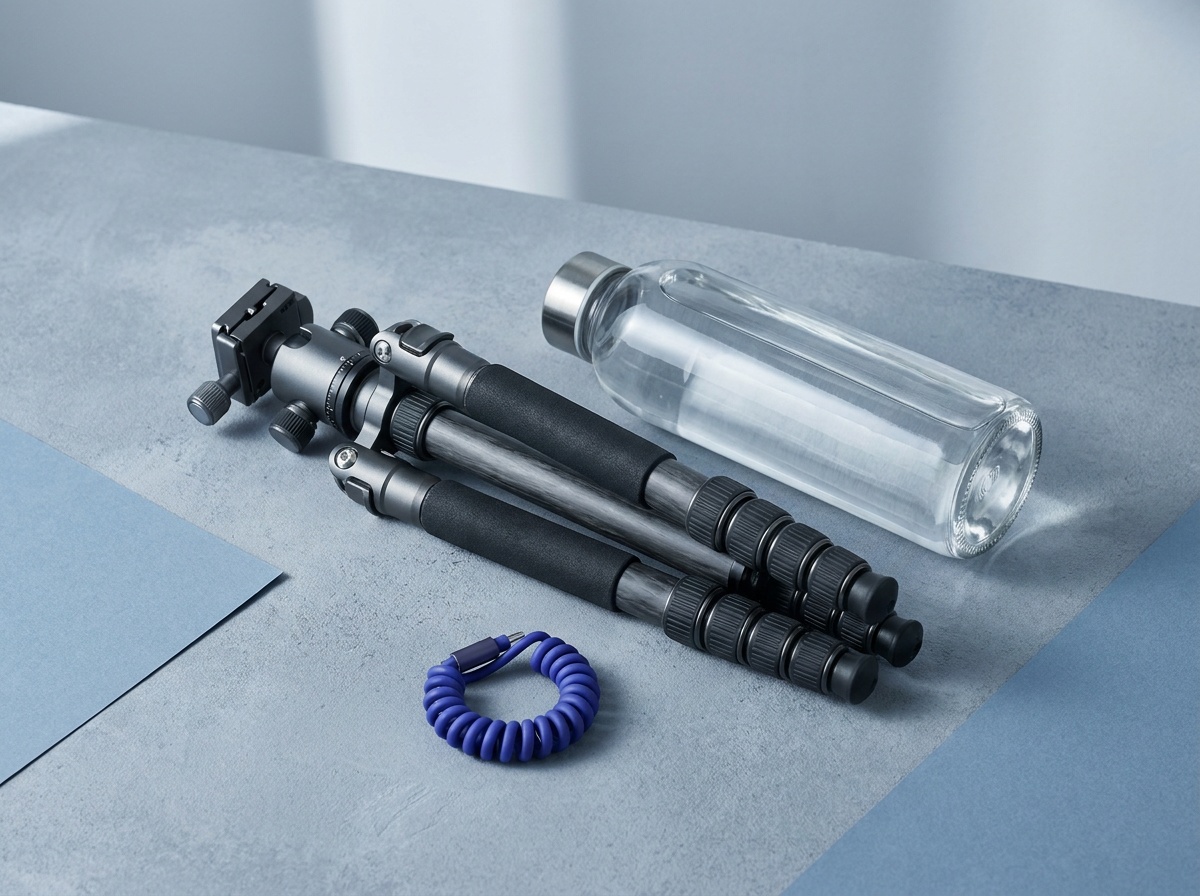
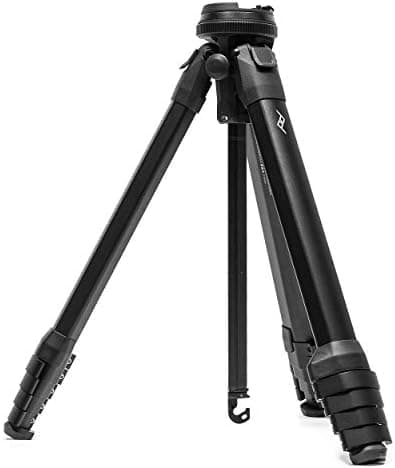
Check price at AmazonThe Peak Design Travel Tripod in carbon is the one to get if you carry a tripod all day and resent the bulk. It collapses to roughly the diameter of a water bottle, the legs deploy fast, and the carbon stays stiff at full height. The price is steep and the integrated head leans more toward photo than heavy video, but for travel and hiking the small folded footprint earns it.
Researched from: Peak Design Travel Tripod official specs, available retailer feedback, and expert coverage.
Best Value
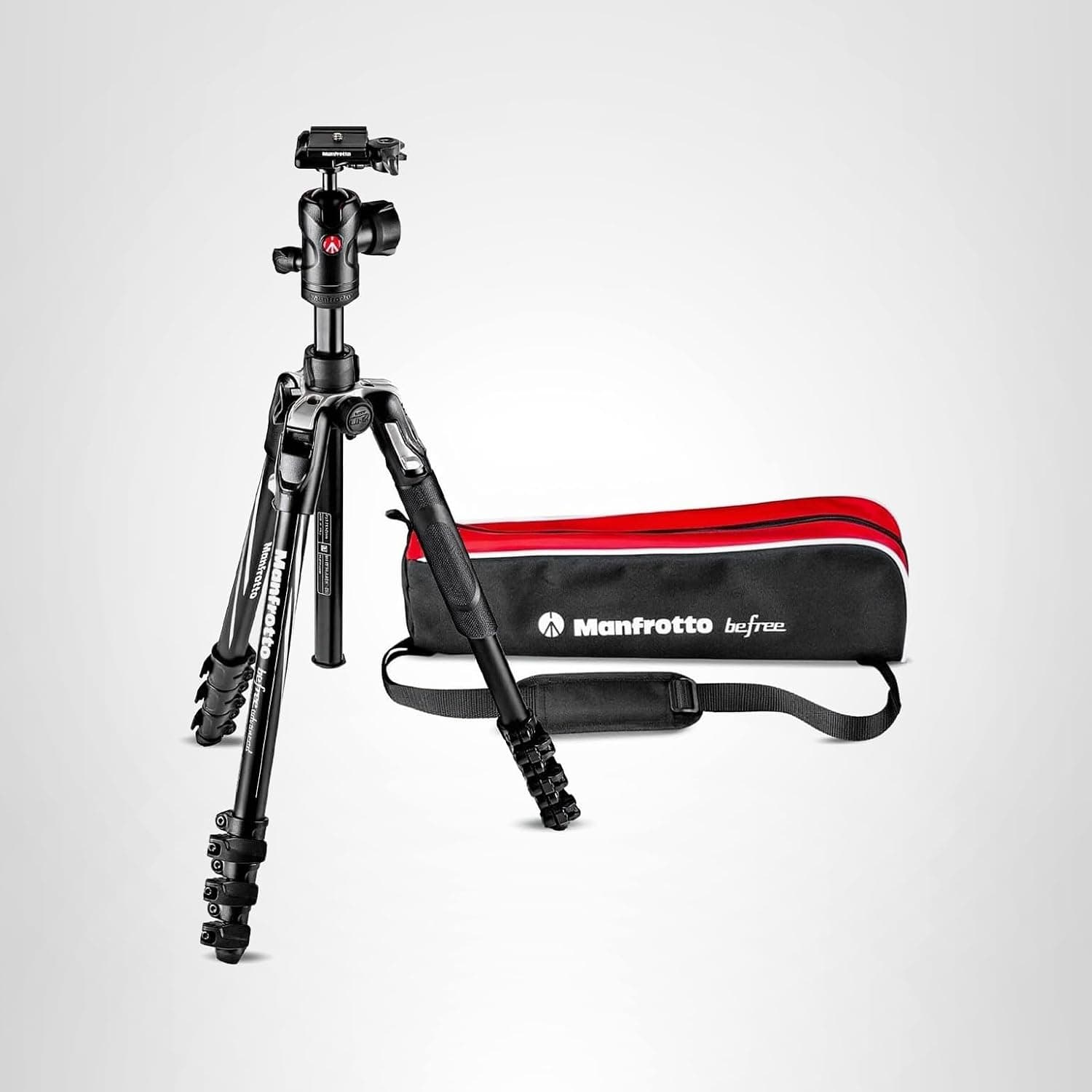
Manfrotto Befree Advanced
Beginners and travelers who want a dependable tripod without spending big.
Check price at AmazonThe Manfrotto Befree Advanced gets the fundamentals right without the premium price. The ball head is reliable, the payload handles a mirrorless body with a zoom, and it folds small enough for a day bag. It is aluminum, so it weighs a little more than carbon, but for a first serious travel tripod the value is hard to argue with.
Researched from: Manfrotto Befree Advanced official specs, available retailer feedback, and expert coverage.
Best Value Carbon
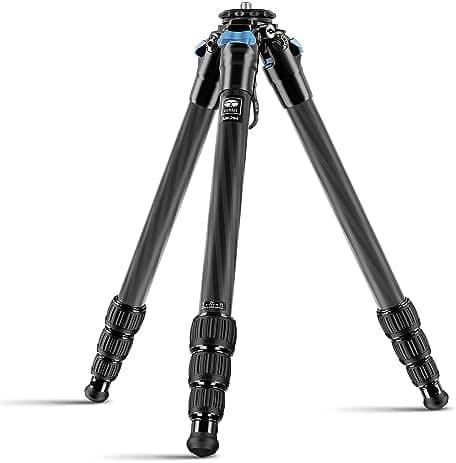
Sirui AM-284 Carbon Fiber Tripod
Budget-minded shooters who want carbon weight savings without a premium price.
Check price at AmazonThe Sirui AM-284 brings carbon weight savings to a budget price, which is unusual. The four-section legs and twist locks fold down for travel, and the removable center column lets you drop to low angles. The head is usually sold separately and the twist locks need an occasional retighten, but as the cheapest carbon tripod worth owning it is a strong value.
Researched from: Sirui AM-284 official specs, available retailer feedback, and expert coverage.
Research pick
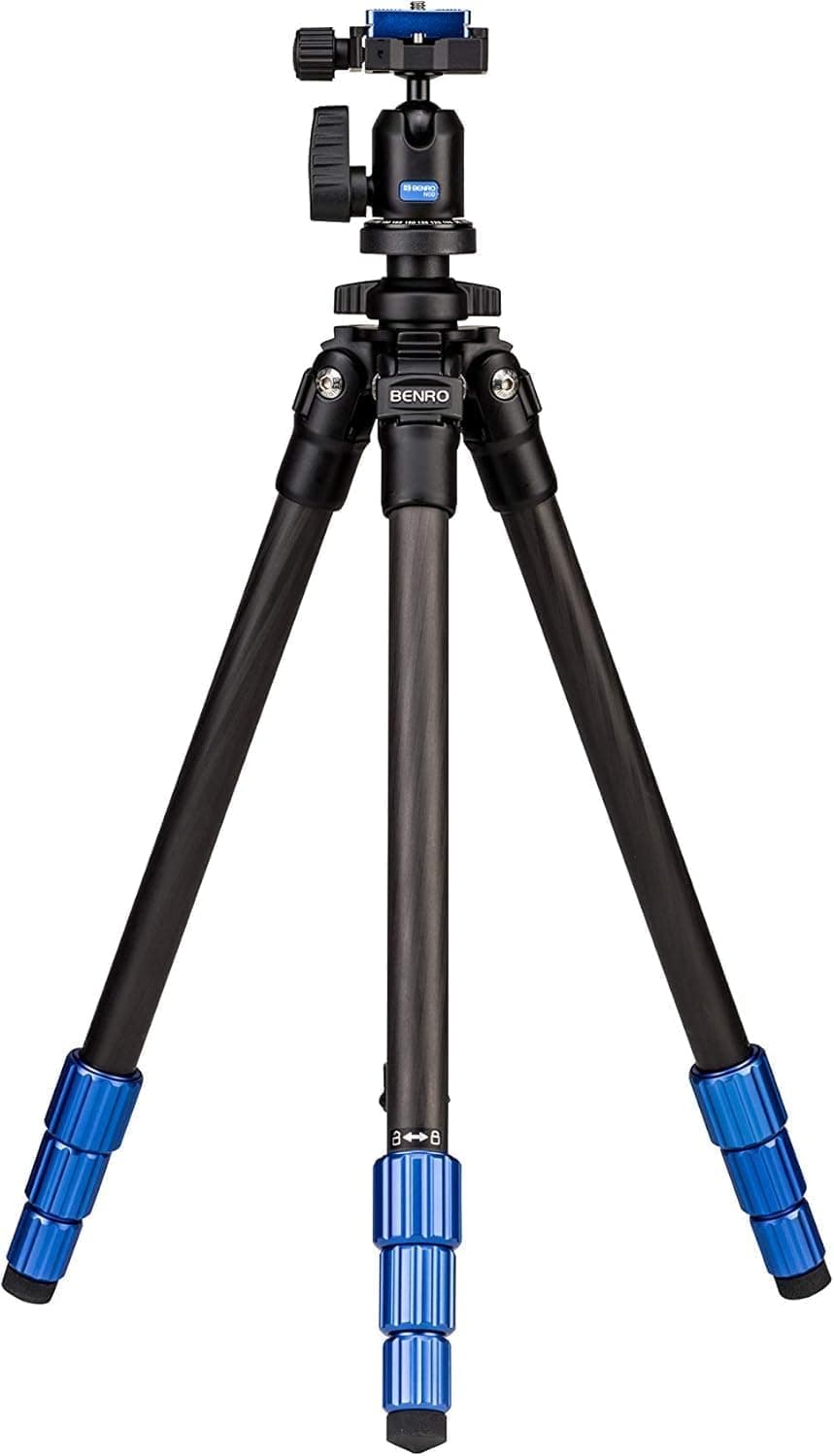
Gitzo Traveler GT1545T Carbon Tripod
Travelers who want a packable carbon tripod and accept a premium for the brand.
Check price at AmazonThe Gitzo Traveler GT1545T is the premium featherweight. The legs wrap 180 degrees around the head for a short folded length, the carbon build is excellent, and it includes a compact ball head. You pay a lot for the brand and the load rating is modest, so this is for travelers who want the lightest serious tripod and accept the cost.
Researched from: Gitzo Traveler GT1545T official specs, available retailer feedback, and expert coverage.
Research pick
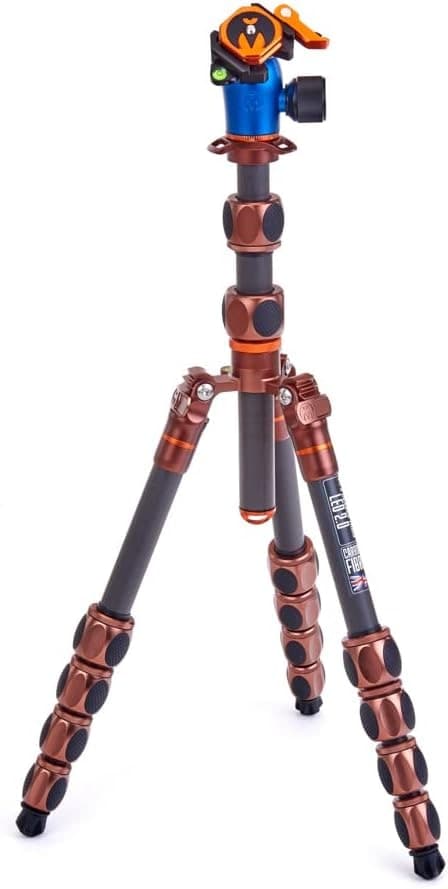
3 Legged Thing Leo 2.0 Carbon Tripod
Travelers who want a small footprint with an unusually high load rating.
Check price at AmazonThe 3 Legged Thing Leo 2.0 packs the shortest of this group and carries an unusually high load rating for its size, with a leg that detaches into a monopod. The maximum height is lower than full-size legs and the price sits at the premium end, but for travelers who want a small footprint with real stability headroom, it is a clever package.
Researched from: 3 Legged Thing Leo 2.0 official specs, available retailer feedback, and expert coverage.
Research pick
Peak Design Travel Tripod (Aluminum)
Travelers who want the packable design without paying carbon prices.
Check price at AmazonThe Peak Design Travel Tripod in aluminum offers the same packable design as the carbon version at a lower price. It folds to the same small diameter, hides a phone mount in the center column, and uses the same integrated ball head. It is heavier and feels less premium than the carbon, but it is the way onto the packable design without paying carbon money.
Researched from: Peak Design Travel Tripod official specs, available retailer feedback, and expert coverage.
What mistakes should you avoid?
The most common one is raising the center column to reach height. The column is a monopod balanced on three legs; extend it only when you must, and spread the legs wide first. The second is buying for the camera you have rather than the one you will own, then outgrowing the payload in a year. The third is chasing the smallest folded size and ending up with a tripod too short or too flimsy to use; height and stability matter as much as pack size.
A travel tripod and a gimbal cover different shots, so they pair rather than compete. If you also want stabilized movement on the road, read our gimbal moves and technique guide. And once the tripod is set up, the landscape photography guide covers what to do with those locked, still frames.
Carbon fiber or aluminum for a travel tripod?
Both are stiff once planted. Carbon is lighter and pricier and damps vibration a little better; aluminum is heavier and cheaper. Since a travel tripod gets carried for hours, the weight saving from carbon matters more here than it does for a studio tripod. If the budget allows it, carbon is worth it for travel.
Will a travel tripod fit in carry-on luggage?
Most do. Look for a folded length under about 45 cm, which clears the long dimension of typical carry-on sizers and packs inside or alongside a bag. Folding designs that wrap the legs around the head, like the Peak Design and Gitzo Traveler, fold shortest.
Do I need a head with a travel tripod, or is one included?
It depends on the model. The Peak Design tripods, the Manfrotto Befree, and the 3 Legged Thing Leo include a head. Tripods like the Sirui AM-284 are often sold as legs only, so you add a ball head to match your camera. Buying a bundle removes the guesswork of pairing one.
Compare picks
The short version
Use this to narrow the list before opening the detailed cards.
Scores weigh fit, owner sentiment, build, and value. Affiliate links do not change pick order. Methodology
Buying order
Start with the skip note. A good deal on the wrong camera is still the wrong camera.
Compare verdictsIf you already own lenses, check the system path before buying into a new mount.
Check systemsOnce the fit makes sense, compare current deals and retailer listings.
Check current deals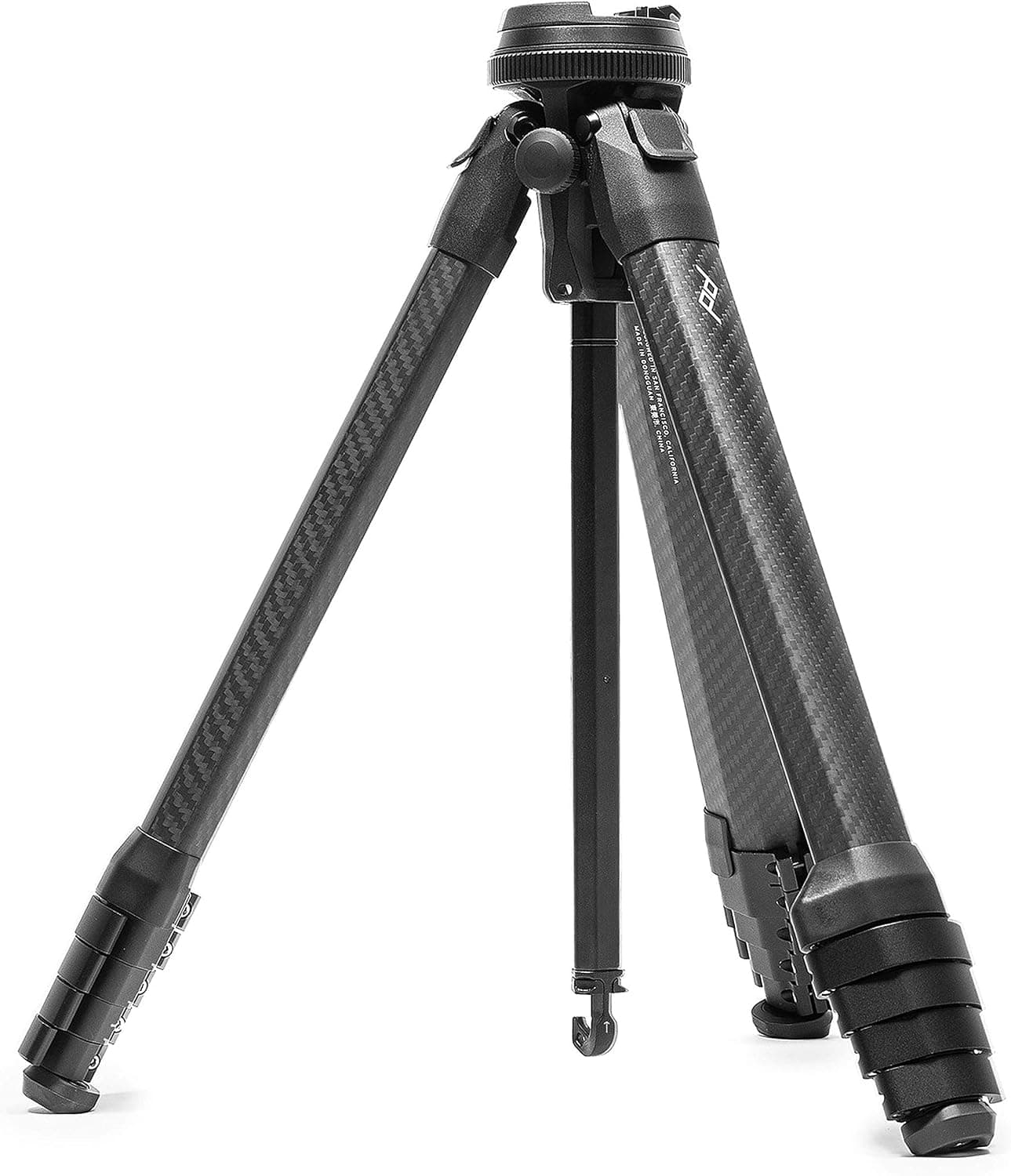
Photographers who hike or travel and want full height in a pack-friendly form.
Use the retailer for the current price after the tradeoff makes sense. Confirm payload, plate type, height, folded size, and quick-release system.
Tradeoff: Aluminum, so heavier than carbon
Use the retailer for the current price after the tradeoff makes sense. Confirm payload, plate type, height, folded size, and quick-release system.
$150 - $190
Use the retailer for the current price after the tradeoff makes sense. Confirm payload, plate type, height, folded size, and quick-release system.
Travelers who want a packable carbon tripod and accept a premium for the brand.
Use the retailer for the current price after the tradeoff makes sense. Confirm payload, plate type, height, folded size, and quick-release system.
Price ladder
The useful range here runs from $170 to $875. Start with the ceiling that matches the assignment.
- Photographers who hike or travel and want full height in a pack-friendly form.
- Packs unusually small
- Expensive
Use the retailer for the current price after the tradeoff makes sense. Confirm payload, plate type, height, folded size, and quick-release system.
- Beginners and travelers who want a dependable tripod without spending big.
- Strong payload for the size
- Aluminum, so heavier than carbon
Use the retailer for the current price after the tradeoff makes sense. Confirm payload, plate type, height, folded size, and quick-release system.
- Budget-minded shooters who want carbon weight savings without a premium price.
- Low cost for carbon fiber
- Head sold separately in most listings
Use the retailer for the current price after the tradeoff makes sense. Confirm payload, plate type, height, folded size, and quick-release system.
- Travelers who want a packable carbon tripod and accept a premium for the brand.
- Very light for a full-height tripod
- High price for the load rating
Use the retailer for the current price after the tradeoff makes sense. Confirm payload, plate type, height, folded size, and quick-release system.
- Travelers who want a small footprint with an unusually high load rating.
- Very high load rating for the size
- Lower maximum height than full-size legs
Use the retailer for the current price after the tradeoff makes sense. Confirm payload, plate type, height, folded size, and quick-release system.
- Travelers who want the packable design without paying carbon prices.
- Packs down to a very small diameter
- Heavier and cheaper-feeling than the carbon version
Use the retailer for the current price after the tradeoff makes sense. Confirm payload, plate type, height, folded size, and quick-release system.
| Pick | Score | Price | Verdict | Action |
|---|---|---|---|---|
| Best OverallPeak Design Travel Tripod (Carbon) | 9.0
| $599 - $699 | Photographers who hike or travel and want full height in a pack-friendly form. Wins: Packs unusually small Skip: Expensive | Check Amazon · $599 - $699 Use the retailer for the current price after the tradeoff makes sense. Confirm payload, plate type, height, folded size, and quick-release system. |
| Best ValueManfrotto Befree Advanced | 8.5
| $180 - $220 | Beginners and travelers who want a dependable tripod without spending big. Wins: Strong payload for the size Skip: Aluminum, so heavier than carbon | Check Amazon · $180 - $220 Use the retailer for the current price after the tradeoff makes sense. Confirm payload, plate type, height, folded size, and quick-release system. |
| Best Value CarbonSirui AM-284 Carbon Fiber Tripod | 8.1
| $150 - $190 | Budget-minded shooters who want carbon weight savings without a premium price. Wins: Low cost for carbon fiber Skip: Head sold separately in most listings | Check Amazon · $150 - $190 Use the retailer for the current price after the tradeoff makes sense. Confirm payload, plate type, height, folded size, and quick-release system. |
| PickGitzo Traveler GT1545T Carbon Tripod | 8.7
| $800 - $950 | Travelers who want a packable carbon tripod and accept a premium for the brand. Wins: Very light for a full-height tripod Skip: High price for the load rating | Check Amazon · $800 - $950 Use the retailer for the current price after the tradeoff makes sense. Confirm payload, plate type, height, folded size, and quick-release system. |
 Pick3 Legged Thing Leo 2.0 Carbon Tripod Pick3 Legged Thing Leo 2.0 Carbon Tripod | 8.4
| $365 - $415 | Travelers who want a small footprint with an unusually high load rating. Wins: Very high load rating for the size Skip: Lower maximum height than full-size legs | Check Amazon · $365 - $415 Use the retailer for the current price after the tradeoff makes sense. Confirm payload, plate type, height, folded size, and quick-release system. |
 PickPeak Design Travel Tripod (Aluminum) PickPeak Design Travel Tripod (Aluminum) | 8.6
| $350 - $400 | Travelers who want the packable design without paying carbon prices. Wins: Packs down to a very small diameter Skip: Heavier and cheaper-feeling than the carbon version | Check Amazon · $350 - $400 Use the retailer for the current price after the tradeoff makes sense. Confirm payload, plate type, height, folded size, and quick-release system. |
Keep going
Next useful steps
Pick one. Each link continues the same job without starting the research over.
Shoot kits
Buy around the job, not the spec sheet
Travel landscape
Travel landscape kit
$4,465
A light full-frame body, wide zoom, serious travel tripod, filters, and a bag that can handle rough days outside.
Light but not flimsy
Buy order: start with the first piece that makes the job possible, then add the support pieces that remove friction.
Camera: start here. If this piece does not make the shoot easier, the rest of the kit can wait.
Carry: add it after the core setup proves useful.
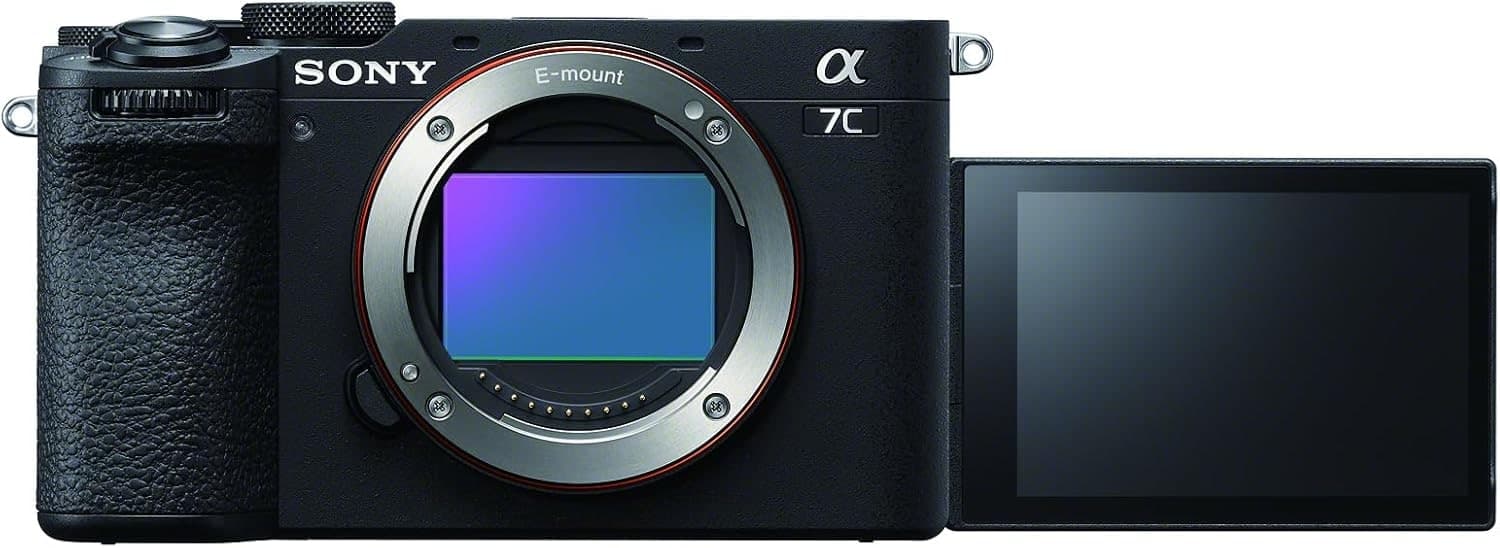
Sony a7C II
Full-frame files in a smaller body, with autofocus and stabilization that travel well.
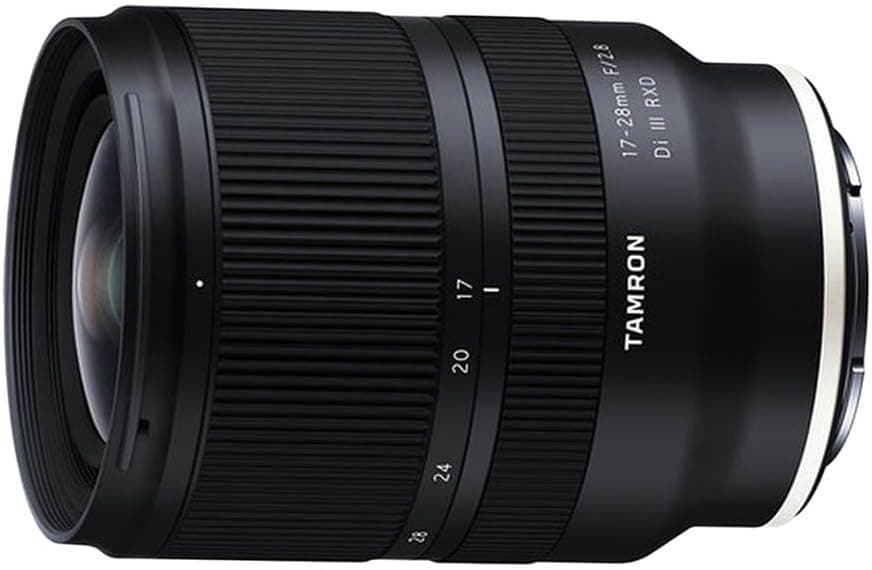
Tamron 17-28mm f/2.8 Di III RXD
Wide enough for landscapes and interiors without the size of a premium 16-35mm.
Peak Design Travel Tripod (Carbon)
The point of a travel tripod is bringing it. This one packs small and stays serious.
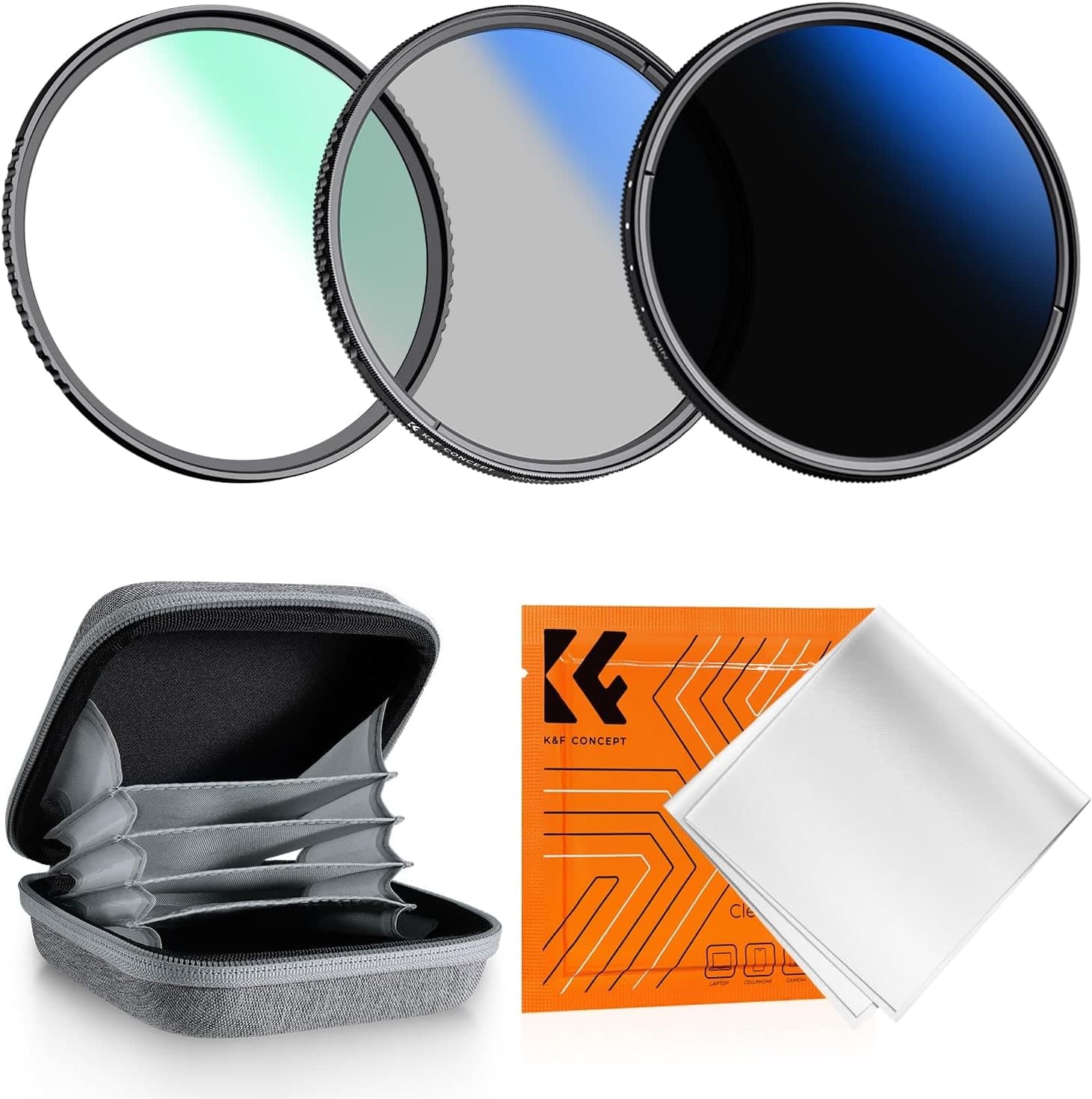
K&F Concept 77mm UV/CPL/ND2-400 Filter Kit
CPL and ND coverage for water, skies, reflections, and slower shutters.
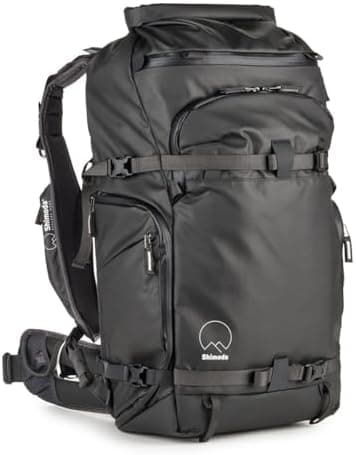
Shimoda Action X30 V2
A real harness matters once camera gear and outdoor layers share the same bag.
Prices are rough catalog totals. Retailer prices change, and you can swap pieces to fit your system.
Related Gear guides
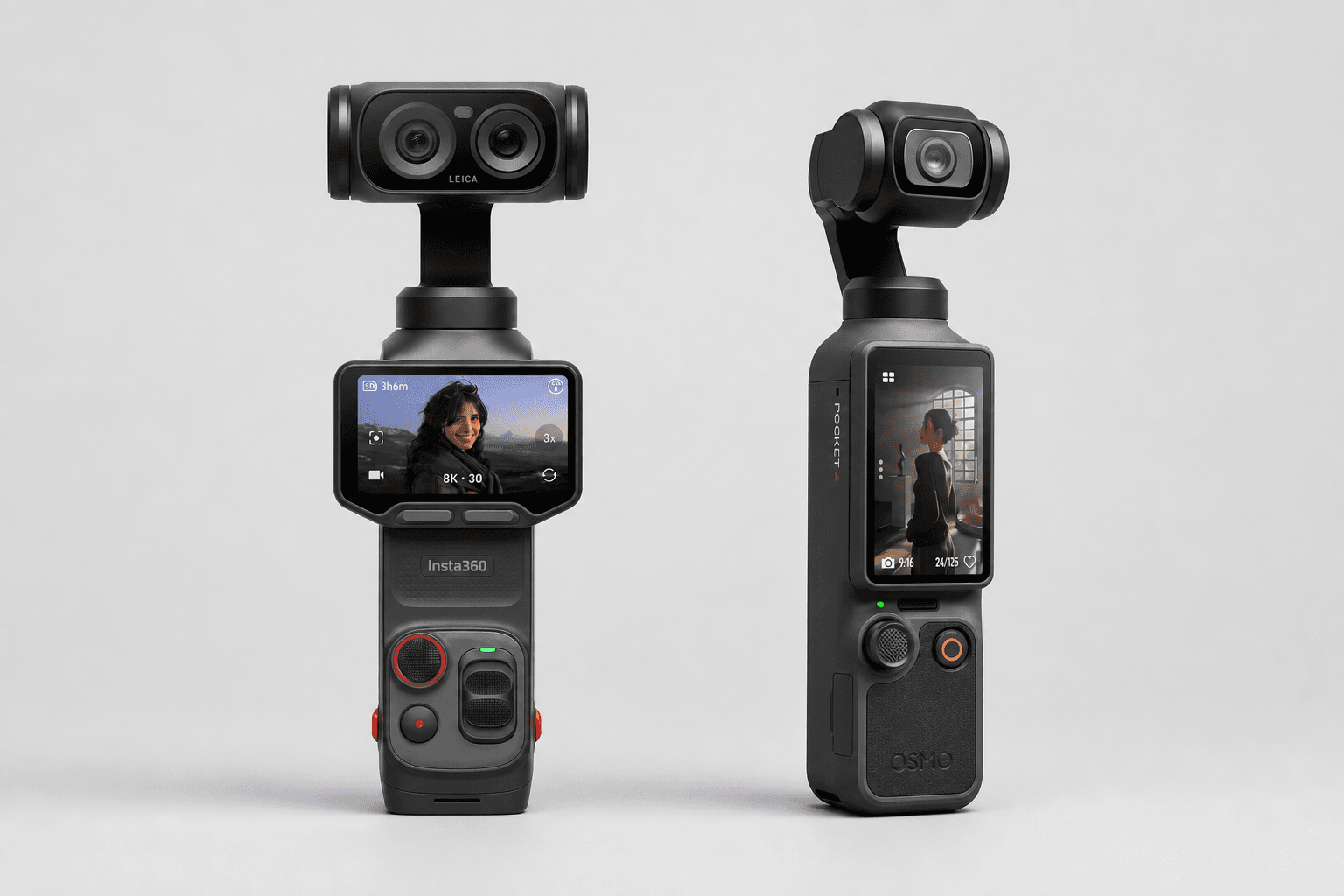
Insta360 Luna Ultra vs DJI Osmo Pocket 4: Which Pocket Gimbal Should You Buy?
Compare Luna Ultra and DJI Pocket 4 by lenses, video, Log formats, storage, U.S. availability, and the filming jobs each pocket gimbal handles best.
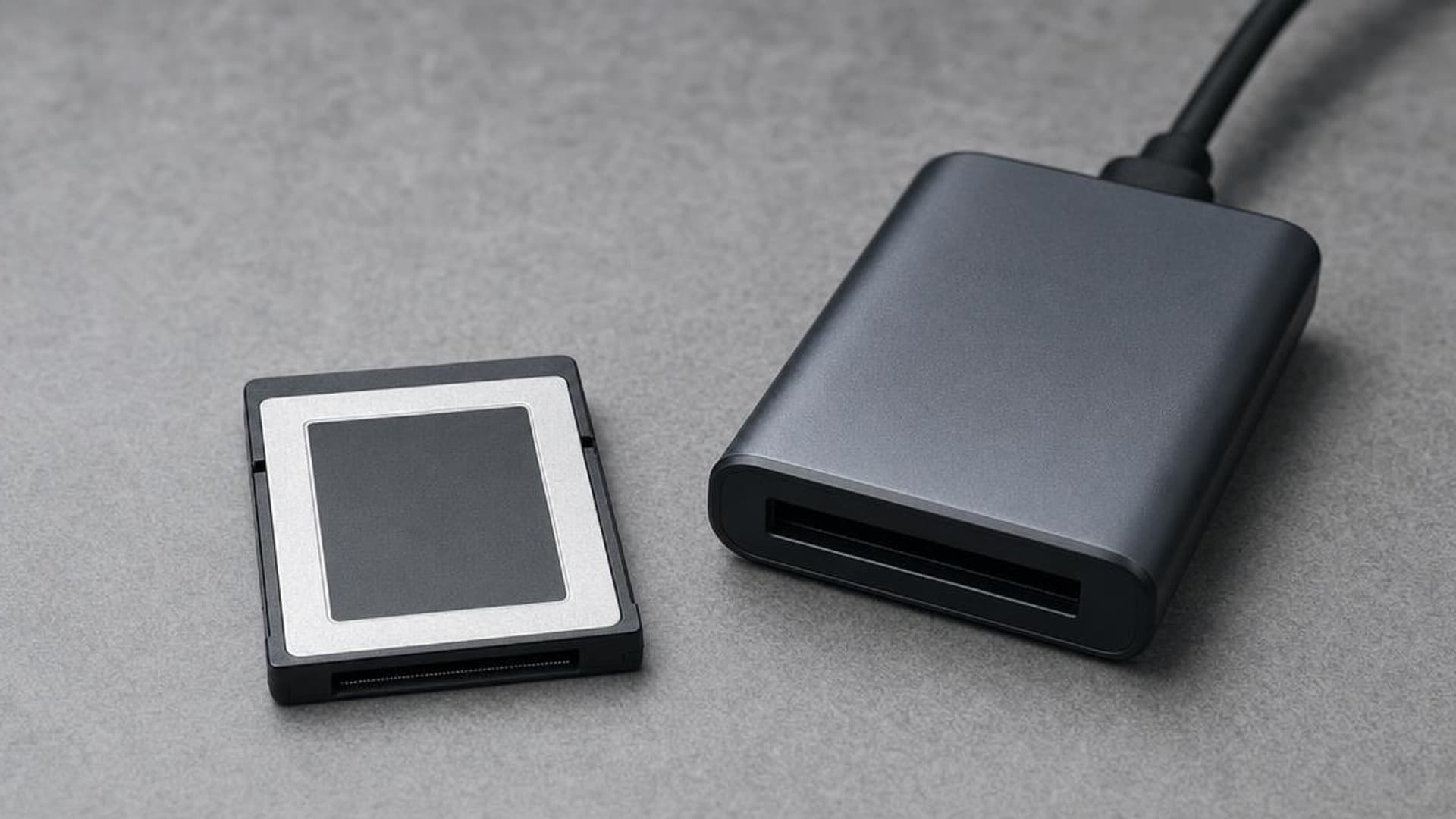
CFexpress 4.0 and VPG Explained: Buy the Card Your Camera Needs
CFexpress 4.0 doubles theoretical bandwidth, while VPG certifies sustained video writes. Learn Type A vs B, VPG classes, and when 4.0 is worth paying for.
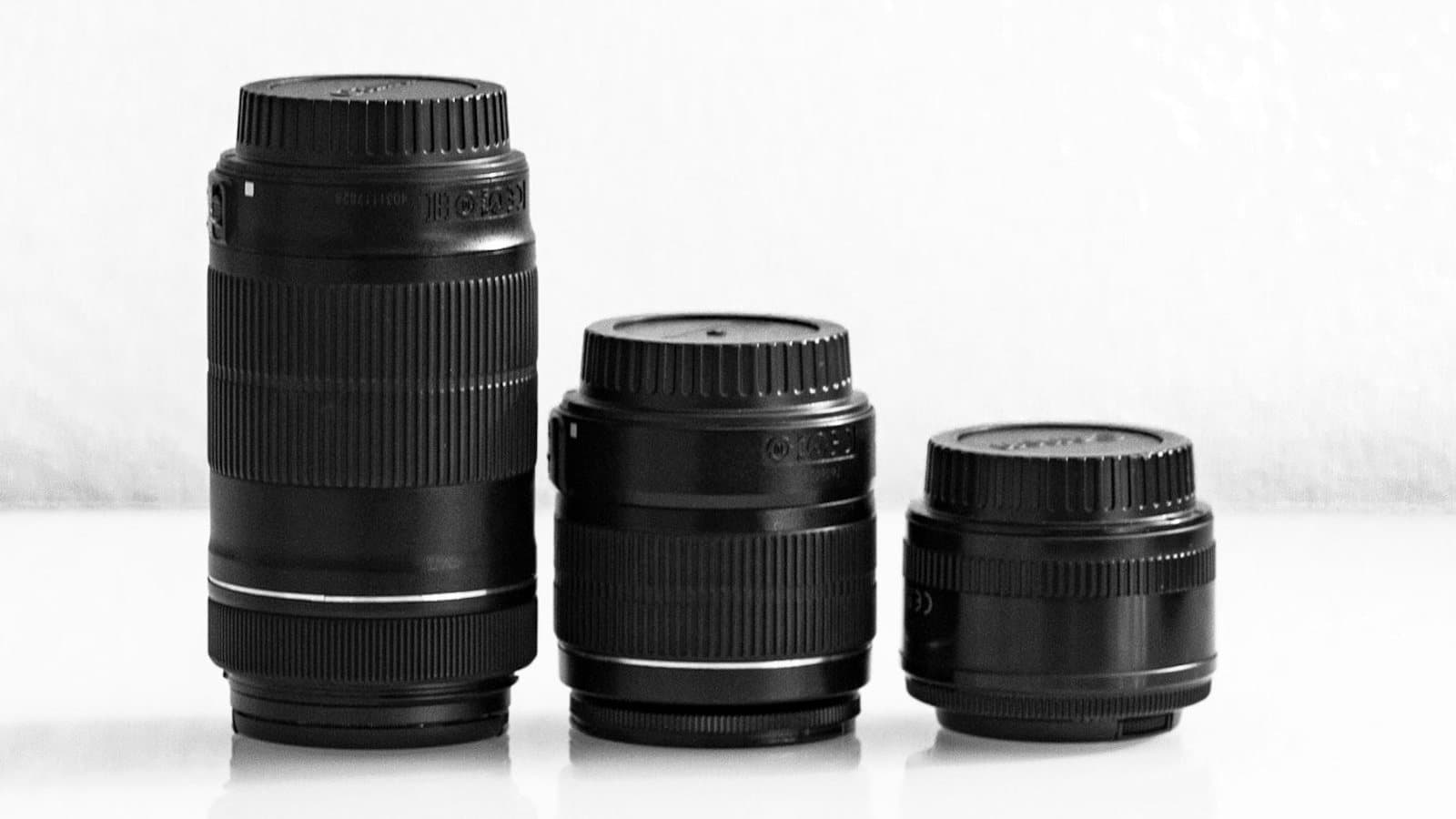
Focal Length Explained: What 24mm, 50mm, 85mm, and 200mm Actually Do
What the millimeter number on a lens changes in the field: angle of view, compression, and working distance. When to reach for 24, 50, 85, or 200mm.
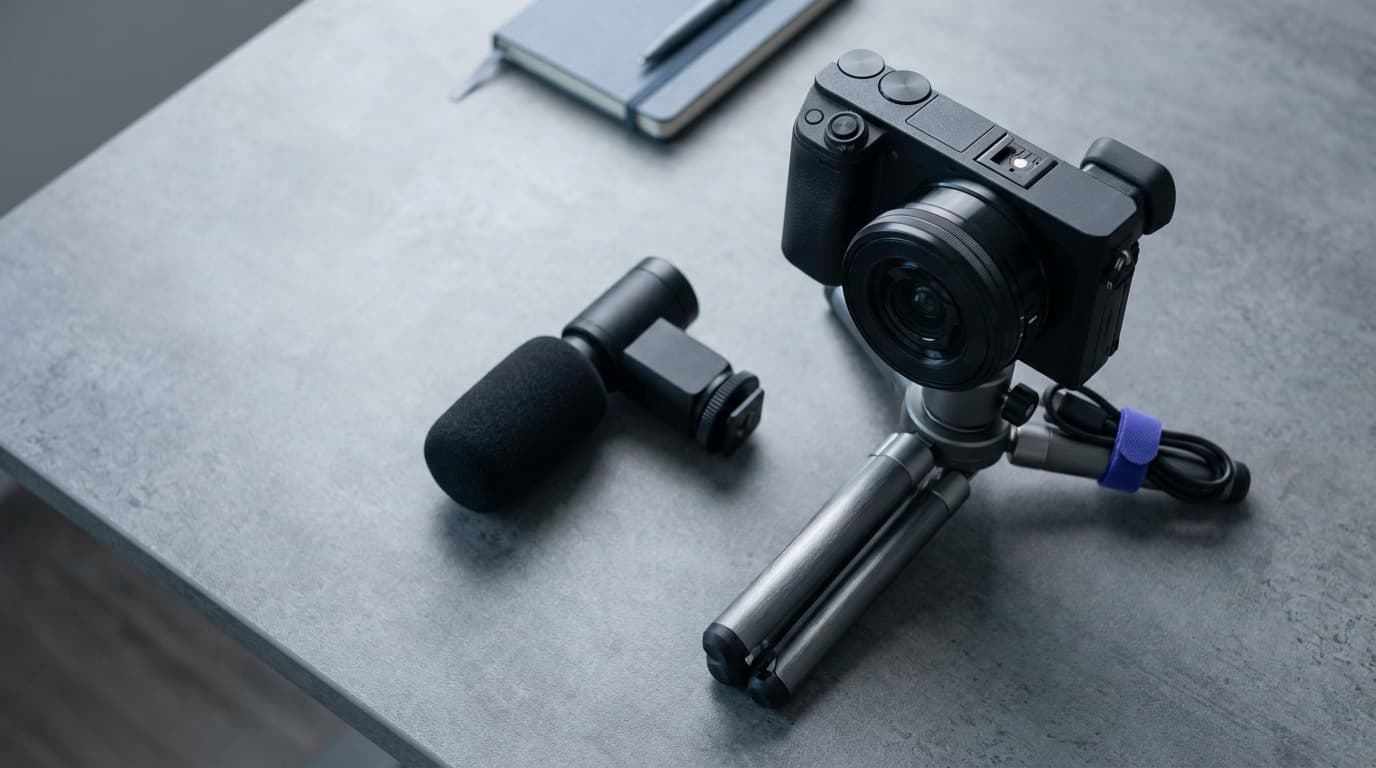
Canon EOS R50 V vs Sony ZV-E10 II: Which Beginner Vlogging Camera Should You Buy?
Canon EOS R50 V is the easier beginner creator kit. Sony ZV-E10 II is the deeper lens-system pick. Compare the practical tradeoffs.
Researched, not personally tested: picks compare specifications, available owner feedback, and established expert sources. As an Amazon Associate I earn from qualifying purchases. We may earn a commission from links here, at no extra cost to you. How we research →