We may earn a commission from links on this page, at no extra cost to you. Picks are researched, not sponsored.
An ND filter reduces light before it reaches the lens. It lets video shooters hold a chosen shutter speed and lets still photographers use a longer exposure or wider aperture in daylight. The useful question is not simply which filter is best. It is how many stops you need, whether the light changes during the shot, and which failure you can tolerate.
Which ND filter should you buy?
| Job | Type and density | Pick | Price on Amazon | Watch for |
|---|---|---|---|---|
| General daylight video | Variable, 2 to 5 stops | PolarPro PMVND Edition II | $249.99 (82mm) | Premium price; separate 6 to 9 stop version |
| Color-sensitive hybrid work | Variable, 1 to 5 stops | NiSi True Color VND | $225 (77mm) | Five stops may not cover very bright Log workflows |
| First variable ND | Variable, 1 to 5 stops | K&F Nano-X ND2-ND32 | $73.99 (77mm) | More correction may be needed in post |
| Daylight long exposure | Fixed, 10 stops | Hoya PRO ND-EX 1000 | $88.90 (77mm) | Compose and focus before attaching it |
| Moderate motion blur | Fixed, 6 stops | K&F Nano-X ND64 | $41.39 (77mm) | One density only |
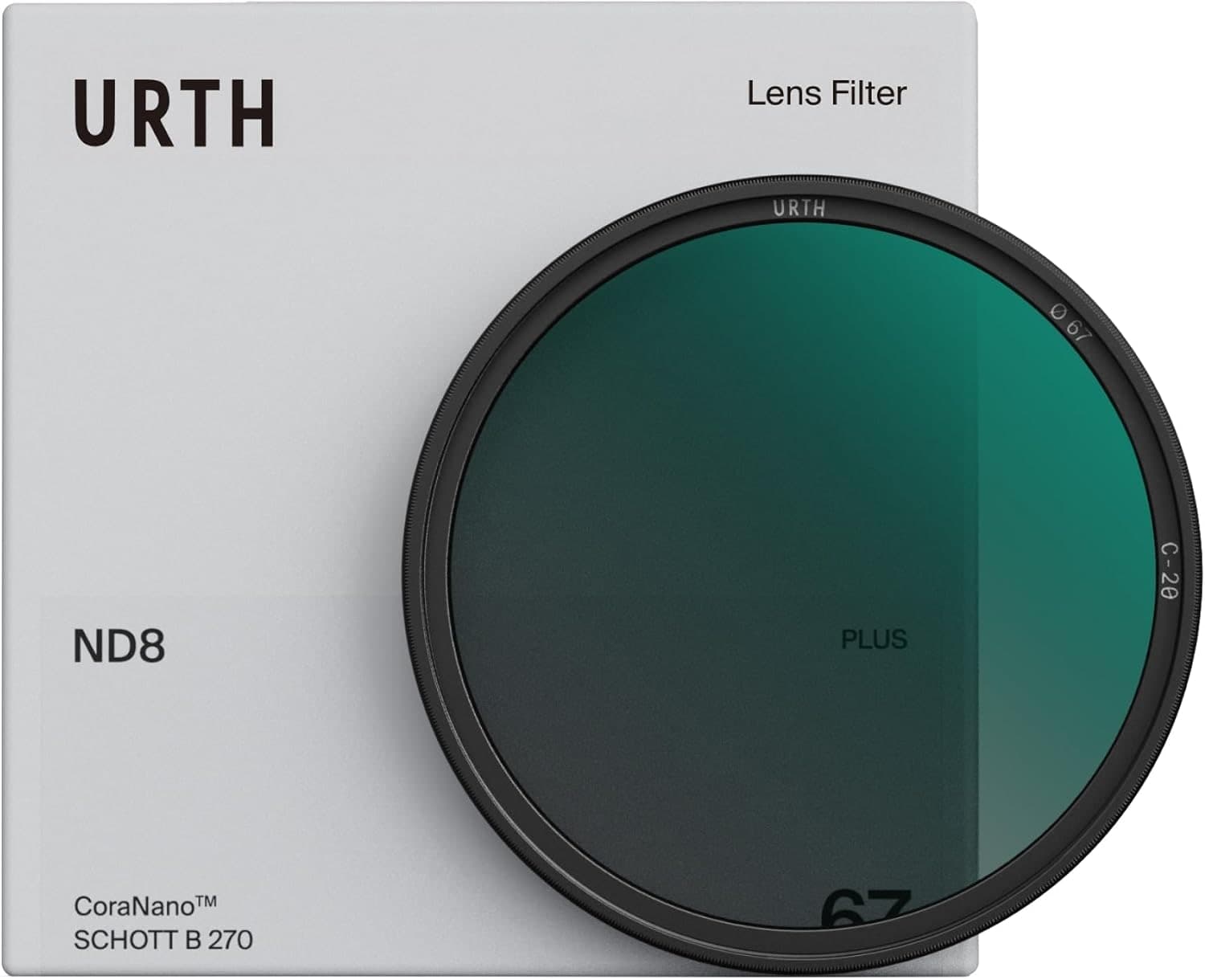
| Wide aperture in daylight | Fixed, 3 stops | Urth ND8 Plus | $75 (67mm) | Too light for long daylight exposures |
Prices are Amazon U.S. for the size shown, checked September 26, 2026; most of these filters come in several thread sizes at different prices.
Variable or fixed: which type fits the job?
A variable ND rotates through a range. It is practical for video because exposure can change without removing the filter. The risk is cross-polarization: beyond the usable range, two polarizing layers can create a dark X across the frame. Hard stops or a limit ring keep the filter inside its intended range.
A fixed ND has one strength and no variable-filter X pattern. It is the simpler choice for planned long exposures and repeatable stills. Carrying several densities is slower, but each one does exactly one job.
How many stops do you need?
Each stop halves the light. ND names describe that reduction:
| Marking | Reduction | Typical use |
|---|---|---|
| ND8 | 3 stops | Open the aperture in daylight or add slight motion blur |
| ND64 | 6 stops | Blur moving people, traffic, or water in brighter conditions |
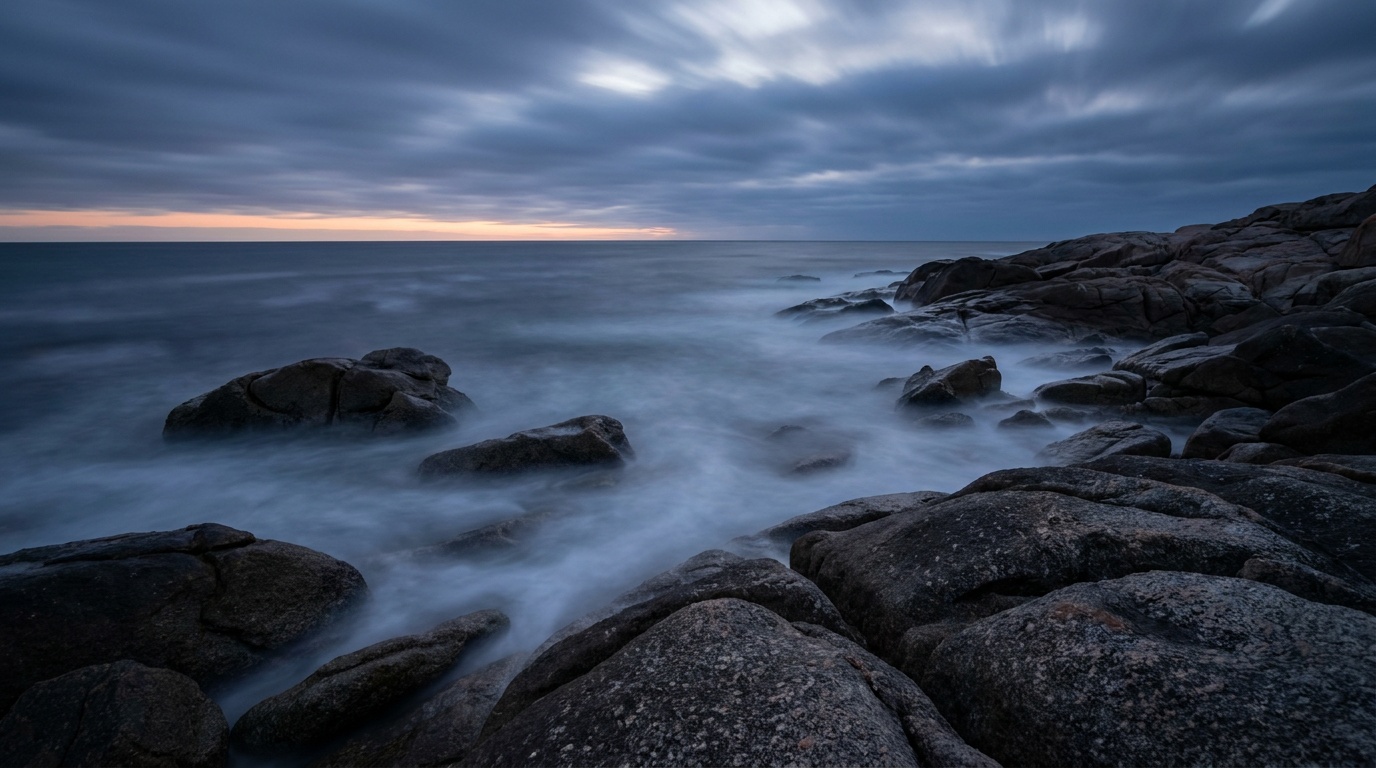
| ND1000 | 10 stops | Multi-second daylight exposures for water and clouds |
A 10-stop filter turns 1/250 second into roughly four seconds at the same aperture and ISO. Meter and focus before attaching a very dark fixed filter, then calculate the new shutter speed. For the exposure mechanics, see shutter speed explained.
The variable ND picks
PolarPro PMVND Edition II: premium video control
Best Overall
PolarPro Peter McKinnon VND II
Video shooters who want precise, repeatable exposure control.
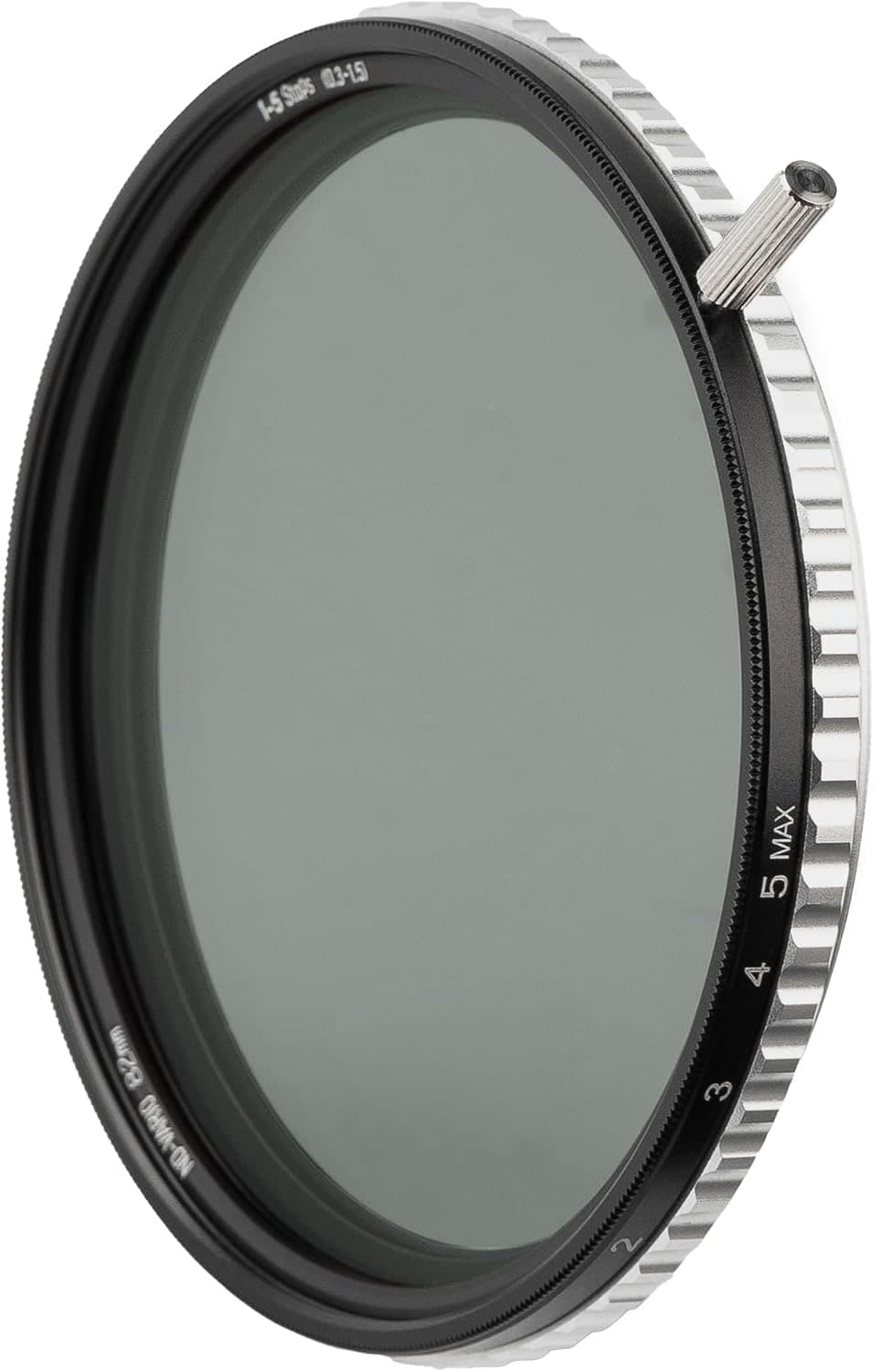
Check price at AmazonPolarPro sells PMVND Edition II in separate 2 to 5 and 6 to 9 stop ranges. Its preset stop positions prevent rotation beyond the usable range. Choose it when tactile adjustment and a defined range matter enough to justify the price. Do not stack it with a separate polarizer; PolarPro warns that the two polarizing systems interfere.
NiSi True Color: controlled 1 to 5 stop range
Research pick
NiSi True Color Vario 1 to 5 Stop Variable ND 77mm
Video and hybrid shooters who prioritize color accuracy.
Check price at AmazonNiSi's 1 to 5 stop True Color VND uses hard stops at both ends. That range covers common daylight video work without inviting the dark X caused by over-rotation. It will not replace a stronger filter for the brightest conditions or very flat Log exposure strategies.
K&F Nano-X ND2-ND32: lower-cost variable ND
Research pick
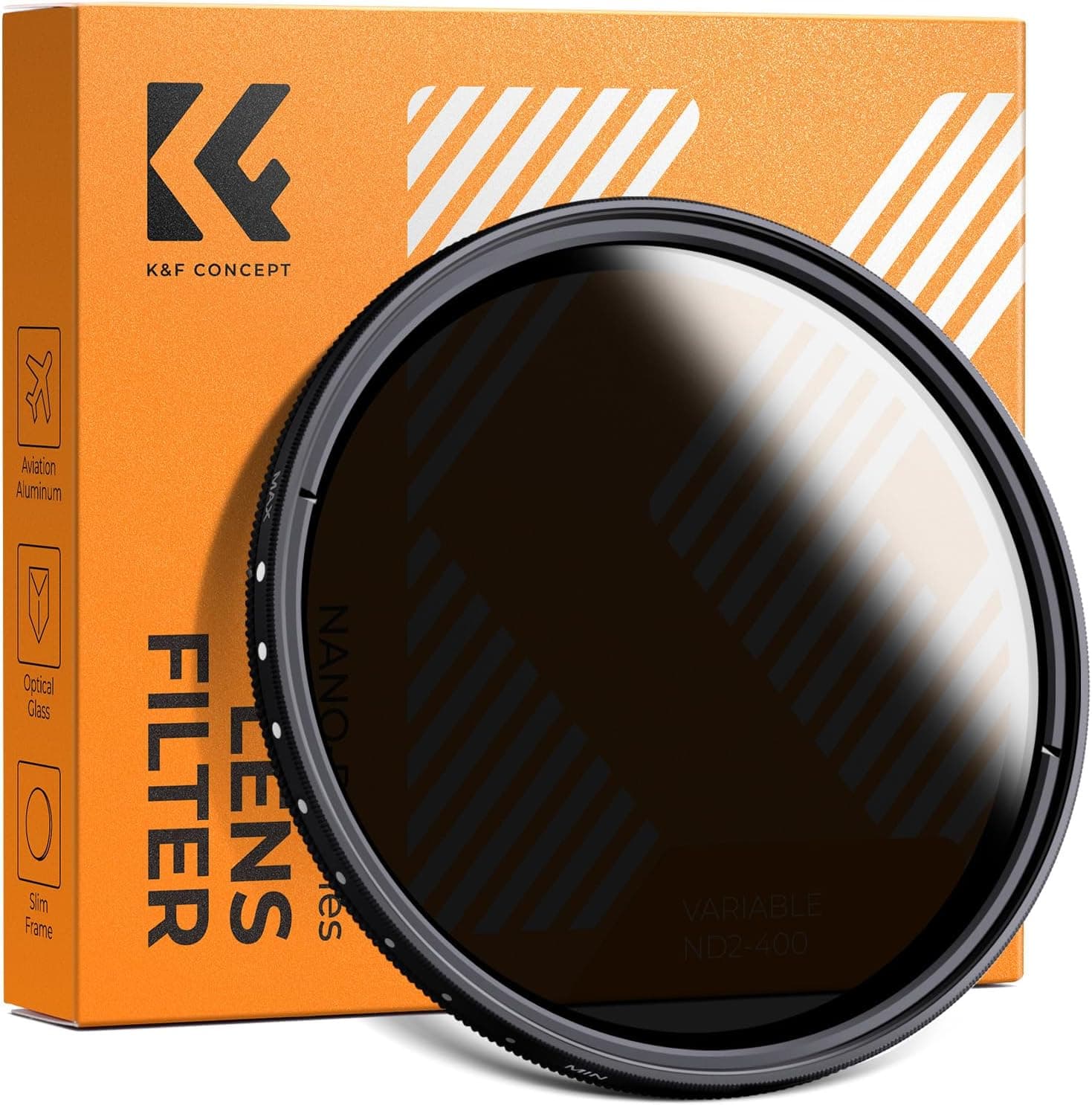
K&F Concept Nano-X Variable ND2-ND32 77mm
Beginners and budget hybrid shooters wanting a flexible ND.
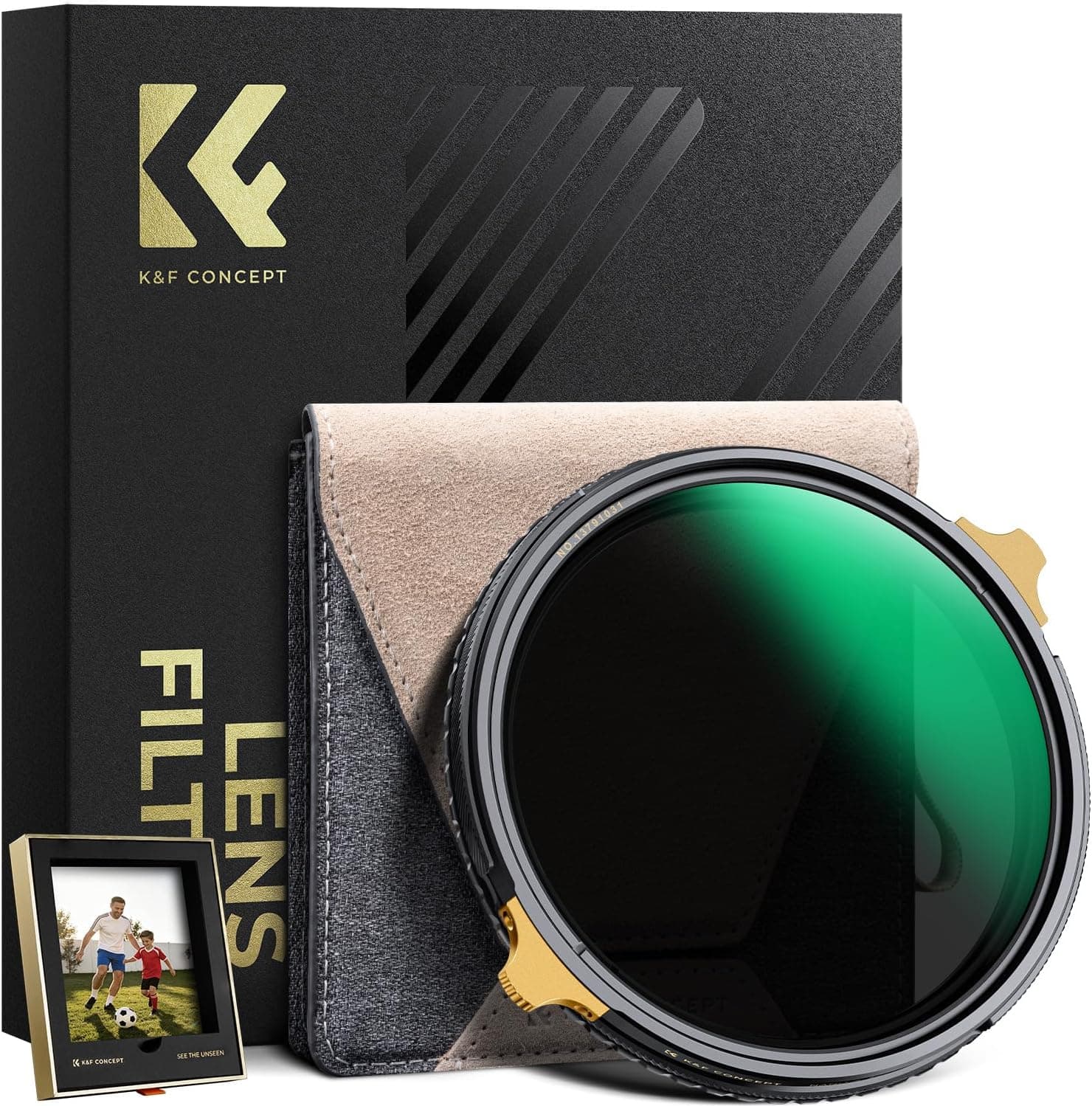
Check price at AmazonThe K&F covers 1 to 5 stops and uses a limit ring to keep the rotation within that range. It is the practical first variable ND when price matters more than the smallest possible color correction. Check the result at every focal length because wide lenses expose vignetting and uneven density most clearly.
The fixed ND picks
Hoya PRO ND-EX 1000: 10 stops for daylight long exposure
Research pick
Hoya PRO ND-EX 1000 77mm
Landscape shooters doing daylight long exposures.
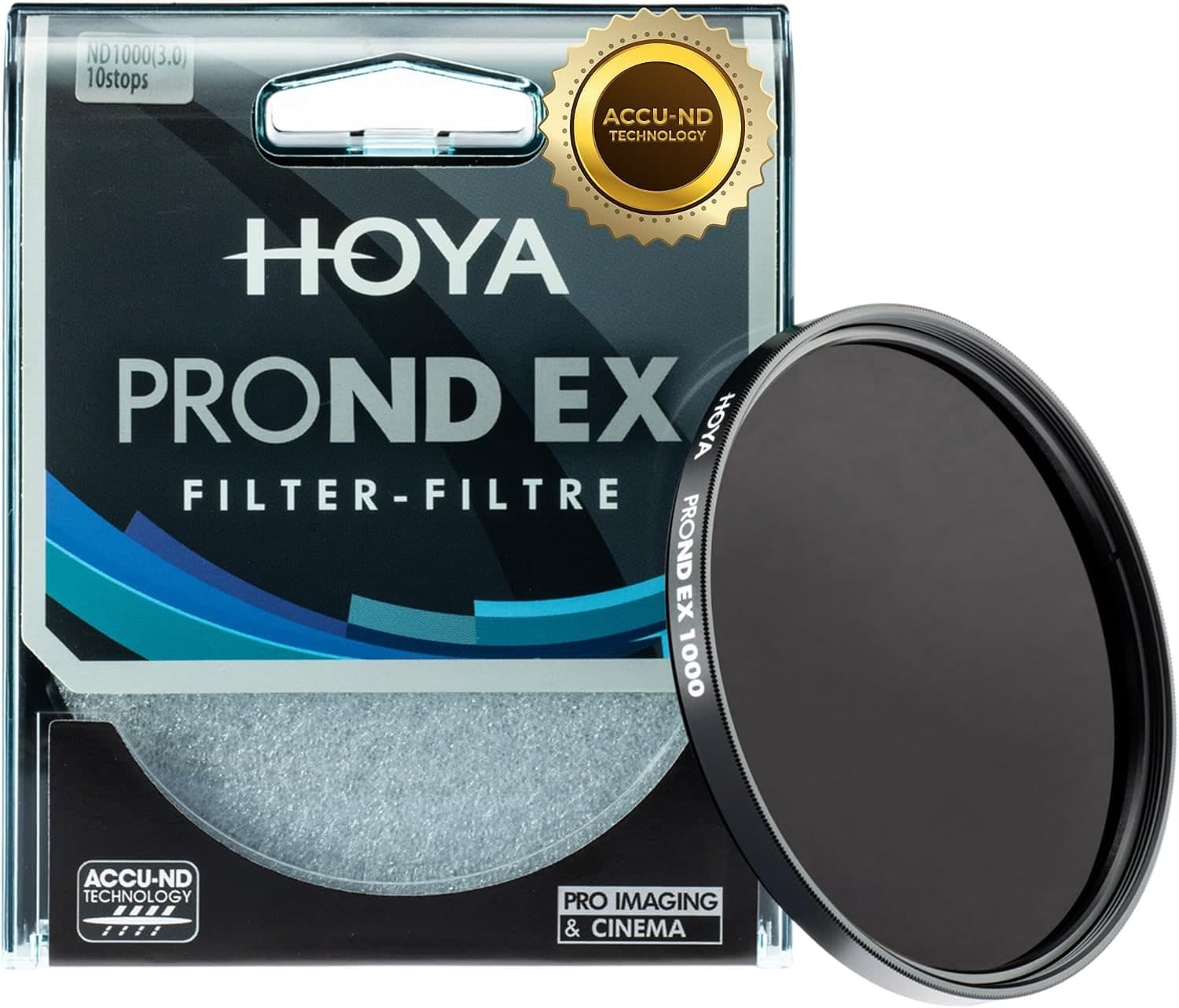
Check price at AmazonThe Hoya PRO ND-EX 1000, the current version of Hoya's ProND line, gives a fixed 10-stop reduction. Use it when the goal is several seconds of exposure in daylight, not as a general leave-on filter. A tripod, a covered viewfinder where applicable, and a clean filter surface matter because long exposures reveal vibration, flare, and dust.
K&F Nano-X ND64: moderate six-stop reduction
Research pick
K&F Concept Nano-X ND64 77mm
Budget shooters wanting daytime wide-aperture control.
Check price at AmazonSix stops sits between a mild aperture adjustment and the long-exposure extreme. It is useful for moving water, crowds, and traffic when 10 stops would make the shutter unnecessarily long.
Urth ND8 Plus: three-stop daylight control
Research pick
Urth ND8 Filter Plus Plus 67mm
Shooters wanting a modest ND for daytime wide apertures.
Check price at AmazonThe Urth ND8 Plus reduces light by three stops. That is enough to open the aperture or bring a video shutter down in moderate daylight. It is not the right purchase if the goal is silky water at noon.
Which filter diameter should you buy?
Buy the thread size of the largest lens you expect to use, then adapt it to smaller lenses with step-up rings. A 77mm filter can fit a 67mm lens with a ring; a 67mm filter cannot cover a 77mm lens. Very wide lenses may vignette with thick frames or stacked rings, so inspect the corners at the widest focal length.
Sources
Product ranges and specifications checked Aug 20, 2026, and Amazon prices checked Sep 26, 2026: PolarPro PMVND Edition II, NiSi True Color VND 1 to 5 stops, K&F Nano-X ND2-ND32, K&F Nano-X ND64, Hoya ProND EX 1000, and Urth ND8 Plus.
Long exposures also need stable support, covered in our tripod guide, and the technique is explained in landscape photography.
What causes the X pattern on a variable ND?
The two polarizing layers cross as the filter rotates beyond its usable range. A limit ring or hard stops prevent that over-rotation. Wide lenses and stronger settings make uneven density easier to see.
Do I need a variable or fixed ND?
Choose variable for video and changing light. Choose fixed for planned long exposures and a repeatable density. Many hybrid shooters carry one 2 to 5 stop variable filter and one 10-stop fixed filter.
What ND strength works for daylight long exposures?
Ten stops is the common starting point for multi-second exposures in daylight. Six stops suits shorter motion blur. Three stops mainly helps with wider apertures or moderate light reduction.
Compare picks
The short version
Use this to narrow the list before opening the detailed cards.
Scores weigh fit, owner sentiment, build, and value. Affiliate links do not change pick order. Methodology
Buying order
Start with the skip note. A good deal on the wrong camera is still the wrong camera.
Compare verdictsIf you already own lenses, check the system path before buying into a new mount.
Check systemsOnce the fit makes sense, compare current deals and retailer listings.
Check current deals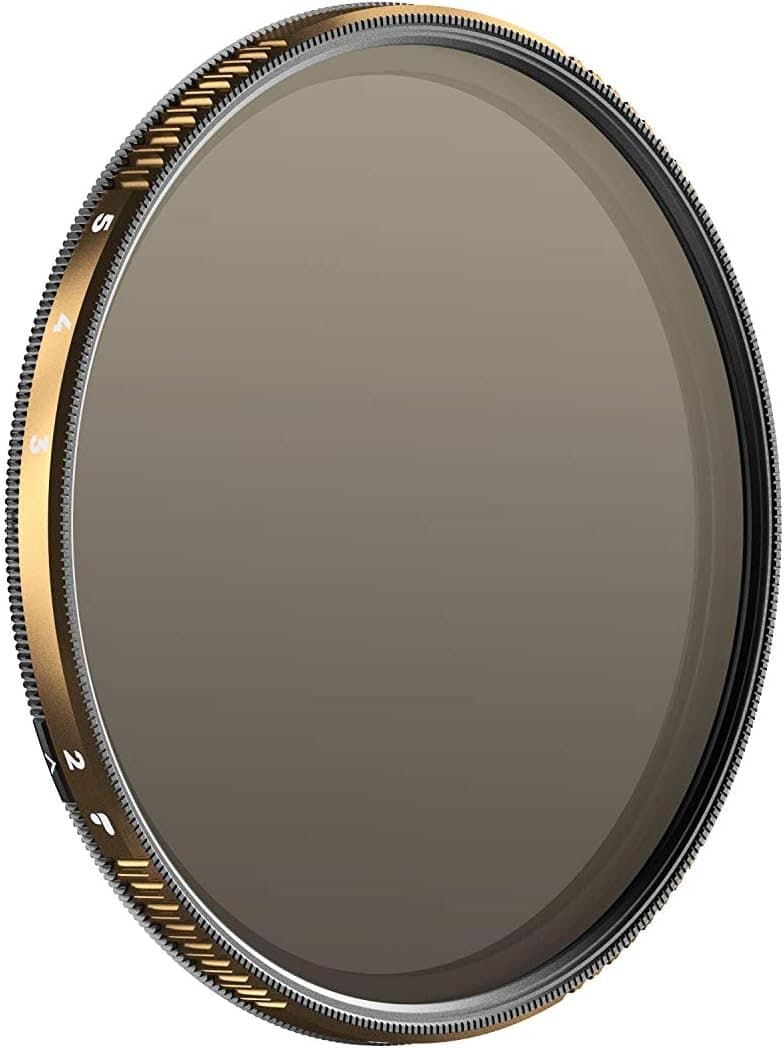
Video shooters who want precise, repeatable exposure control.
Use the retailer for the current price after the tradeoff makes sense. Confirm thread size, adapter rings, stop strength, and whether color shift matters.
Tradeoff: Minor color cast
Use the retailer for the current price after the tradeoff makes sense. Confirm thread size, adapter rings, stop strength, and whether color shift matters.
Video and hybrid shooters who prioritize color accuracy.
Use the retailer for the current price after the tradeoff makes sense. Confirm thread size, adapter rings, stop strength, and whether color shift matters.
Landscape shooters doing daylight long exposures.
Use the retailer for the current price after the tradeoff makes sense. Confirm thread size, adapter rings, stop strength, and whether color shift matters.
- Video shooters who want precise, repeatable exposure control.
- Defined click stops
- Expensive
Use the retailer for the current price after the tradeoff makes sense. Confirm thread size, adapter rings, stop strength, and whether color shift matters.
- Video and hybrid shooters who prioritize color accuracy.
- Neutral color across the range
- Pricey
Use the retailer for the current price after the tradeoff makes sense. Confirm thread size, adapter rings, stop strength, and whether color shift matters.
- Beginners and budget hybrid shooters wanting a flexible ND.
- Strong value
- More color cast than premium glass
Use the retailer for the current price after the tradeoff makes sense. Confirm thread size, adapter rings, stop strength, and whether color shift matters.
- Landscape shooters doing daylight long exposures.
- Strong 10-stop reduction
- Single fixed density
Use the retailer for the current price after the tradeoff makes sense. Confirm thread size, adapter rings, stop strength, and whether color shift matters.
- Budget shooters wanting daytime wide-aperture control.
- Affordable
- Minor color cast
Use the retailer for the current price after the tradeoff makes sense. Confirm thread size, adapter rings, stop strength, and whether color shift matters.
- Shooters wanting a modest ND for daytime wide apertures.
- Schott glass
- Only 3 stops
Use the retailer for the current price after the tradeoff makes sense. Confirm thread size, adapter rings, stop strength, and whether color shift matters.
| Pick | Score | Price | Verdict | Action |
|---|---|---|---|---|
| Best OverallPolarPro Peter McKinnon VND II | 9.0
| $229 - $279 | Video shooters who want precise, repeatable exposure control. Wins: Defined click stops Skip: Expensive | Check Amazon · $229 - $279 Use the retailer for the current price after the tradeoff makes sense. Confirm thread size, adapter rings, stop strength, and whether color shift matters. |
| PickNiSi True Color Vario 1 to 5 Stop Variable ND 77mm | 8.7
| $200 - $225 | Video and hybrid shooters who prioritize color accuracy. Wins: Neutral color across the range Skip: Pricey | Check Amazon · $200 - $225 Use the retailer for the current price after the tradeoff makes sense. Confirm thread size, adapter rings, stop strength, and whether color shift matters. |
 PickK&F Concept Nano-X Variable ND2-ND32 77mm PickK&F Concept Nano-X Variable ND2-ND32 77mm | 8.3
| $55 - $75 | Beginners and budget hybrid shooters wanting a flexible ND. Wins: Strong value Skip: More color cast than premium glass | Check Amazon · $55 - $75 Use the retailer for the current price after the tradeoff makes sense. Confirm thread size, adapter rings, stop strength, and whether color shift matters. |
| PickHoya PRO ND-EX 1000 77mm | 8.6
| $85 - $100 | Landscape shooters doing daylight long exposures. Wins: Strong 10-stop reduction Skip: Single fixed density | Check Amazon · $85 - $100 Use the retailer for the current price after the tradeoff makes sense. Confirm thread size, adapter rings, stop strength, and whether color shift matters. |
| PickK&F Concept Nano-X ND64 77mm | 8.2
| $30 - $45 | Budget shooters wanting daytime wide-aperture control. Wins: Affordable Skip: Minor color cast | Check Amazon · $30 - $45 Use the retailer for the current price after the tradeoff makes sense. Confirm thread size, adapter rings, stop strength, and whether color shift matters. |
 PickUrth ND8 Filter Plus Plus 67mm PickUrth ND8 Filter Plus Plus 67mm | 8.2
| $65 - $75 | Shooters wanting a modest ND for daytime wide apertures. Wins: Schott glass Skip: Only 3 stops | Check Amazon · $65 - $75 Use the retailer for the current price after the tradeoff makes sense. Confirm thread size, adapter rings, stop strength, and whether color shift matters. |
Keep going
Next useful steps
Pick one. Each link continues the same job without starting the research over.
Shoot kits
Buy around the job, not the spec sheet
Travel landscape
Travel landscape kit
$4,465
A light full-frame body, wide zoom, serious travel tripod, filters, and a bag that can handle rough days outside.
Light but not flimsy
Buy order: start with the first piece that makes the job possible, then add the support pieces that remove friction.
Camera: start here. If this piece does not make the shoot easier, the rest of the kit can wait.
Carry: add it after the core setup proves useful.
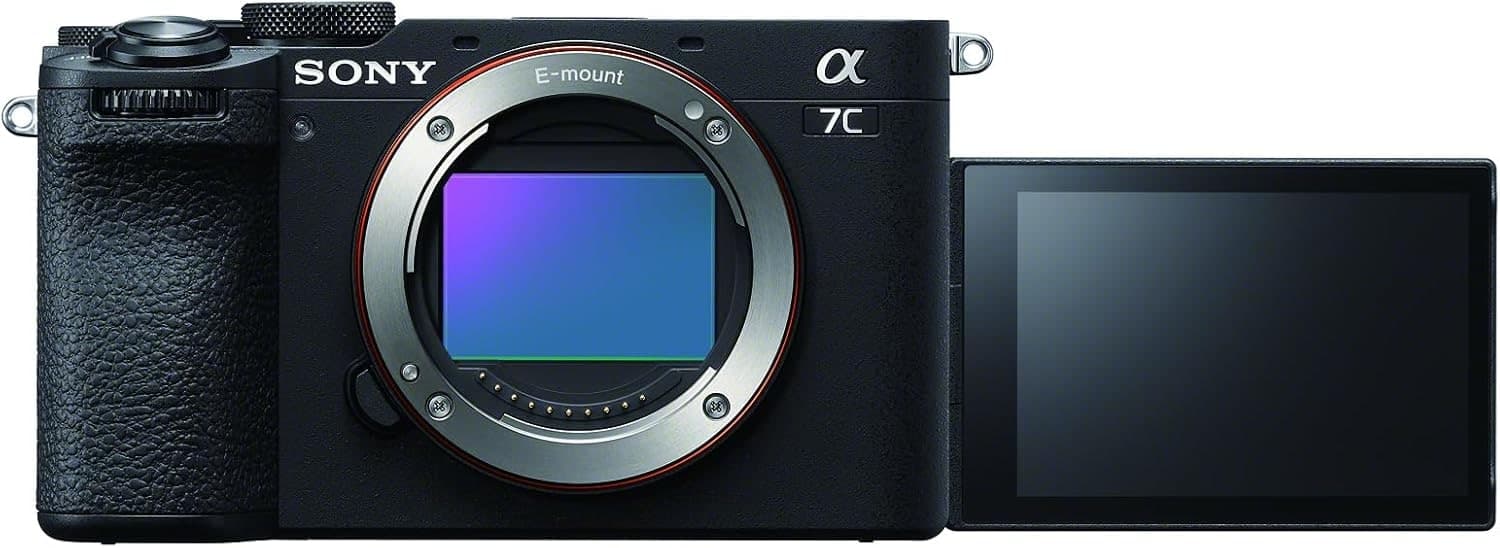
Sony a7C II
Full-frame files in a smaller body, with autofocus and stabilization that travel well.
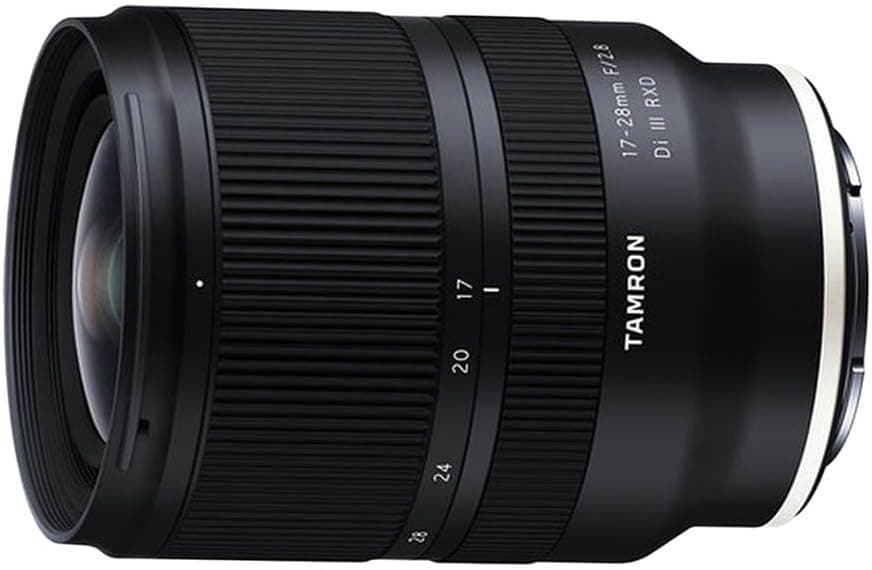
Tamron 17-28mm f/2.8 Di III RXD
Wide enough for landscapes and interiors without the size of a premium 16-35mm.
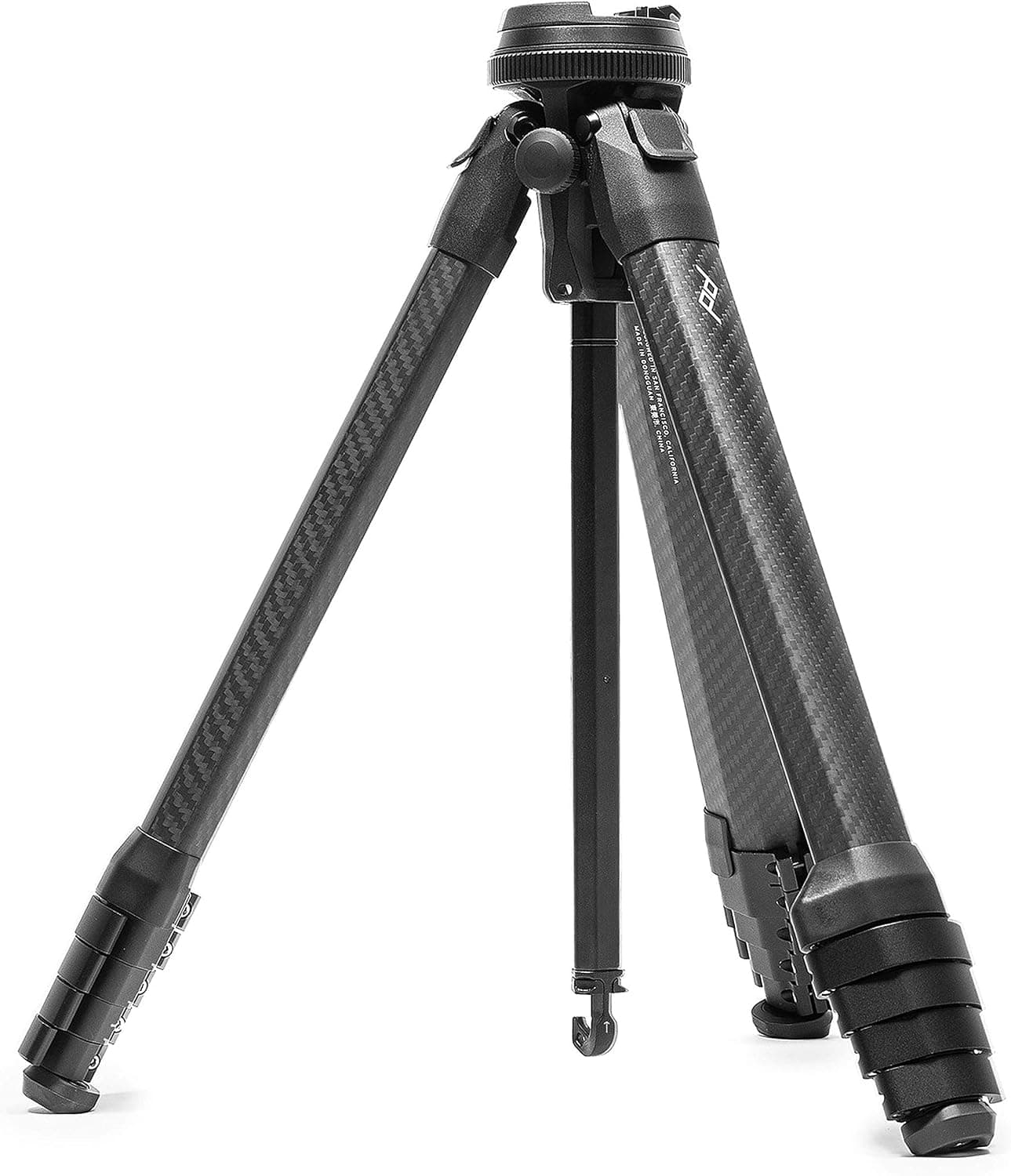
Peak Design Travel Tripod (Carbon)
The point of a travel tripod is bringing it. This one packs small and stays serious.
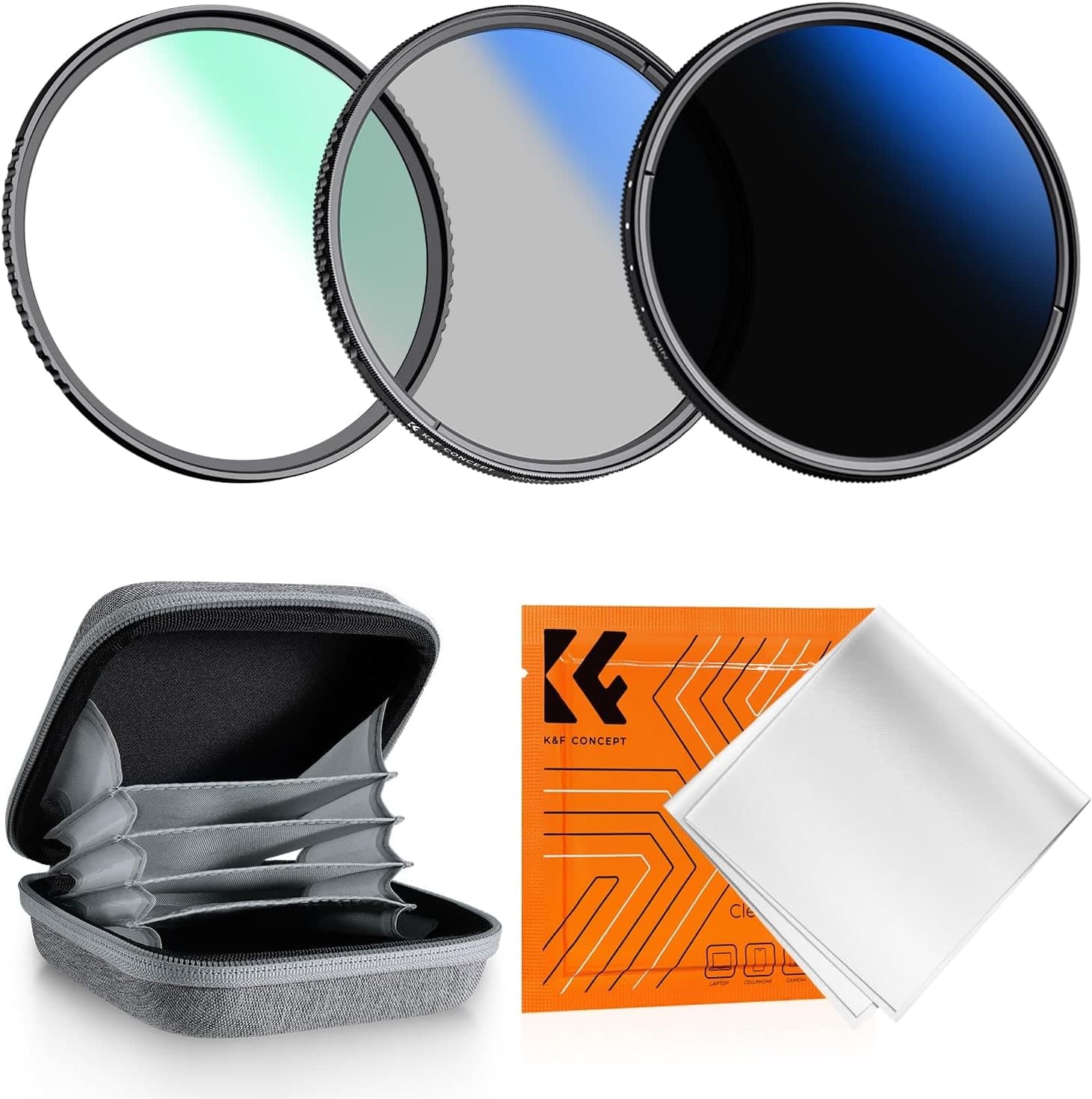
K&F Concept 77mm UV/CPL/ND2-400 Filter Kit
CPL and ND coverage for water, skies, reflections, and slower shutters.
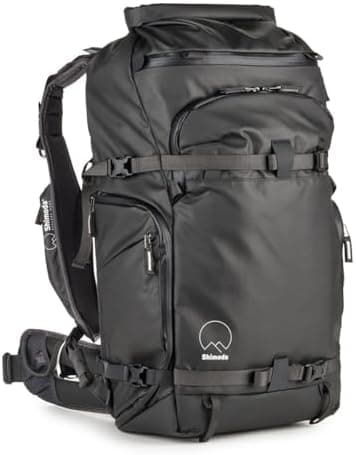
Shimoda Action X30 V2
A real harness matters once camera gear and outdoor layers share the same bag.
Prices are rough catalog totals. Retailer prices change, and you can swap pieces to fit your system.
Related Gear guides
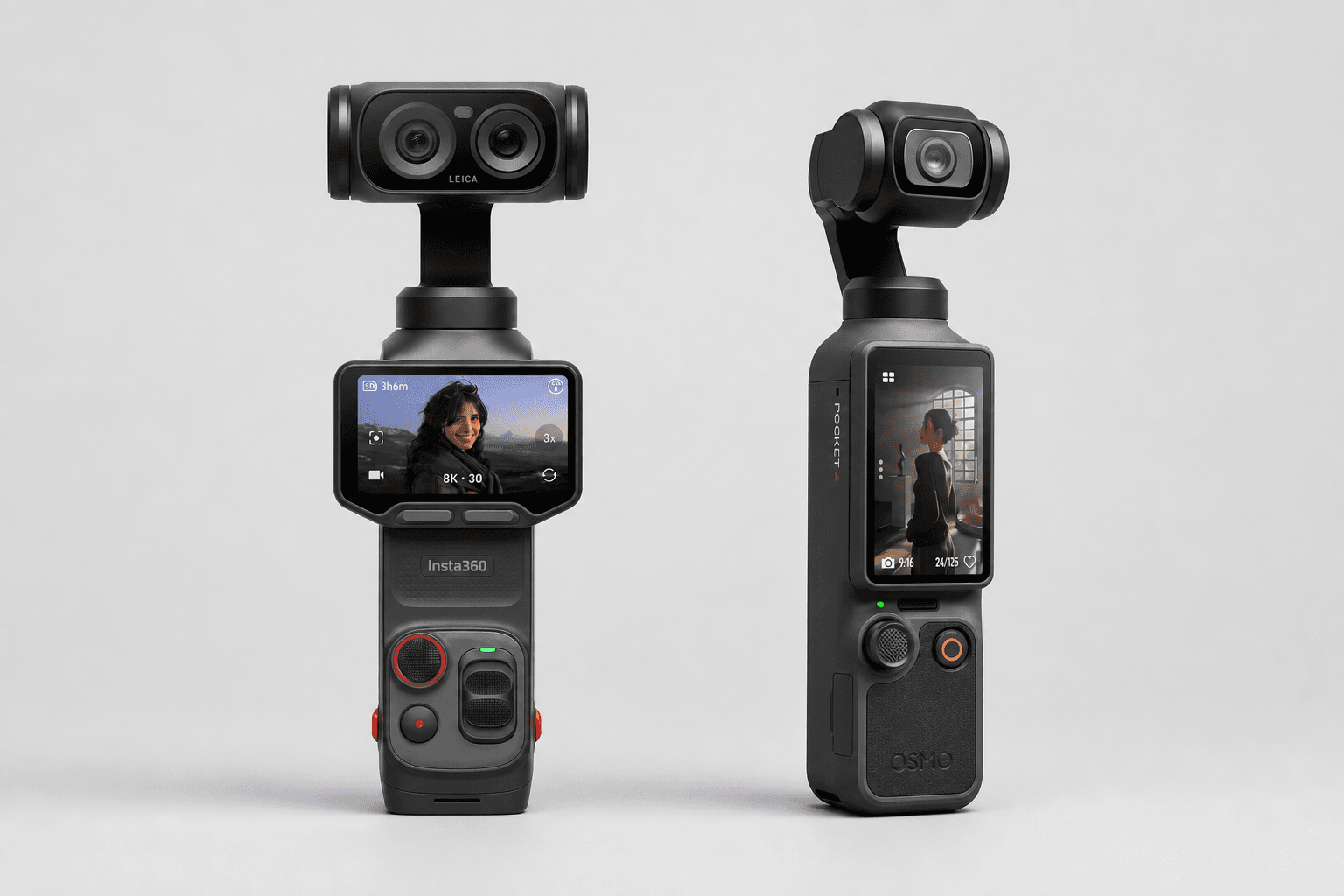
Insta360 Luna Ultra vs DJI Osmo Pocket 4: Which Pocket Gimbal Should You Buy?
Compare Luna Ultra and DJI Pocket 4 by lenses, video, Log formats, storage, U.S. availability, and the filming jobs each pocket gimbal handles best.
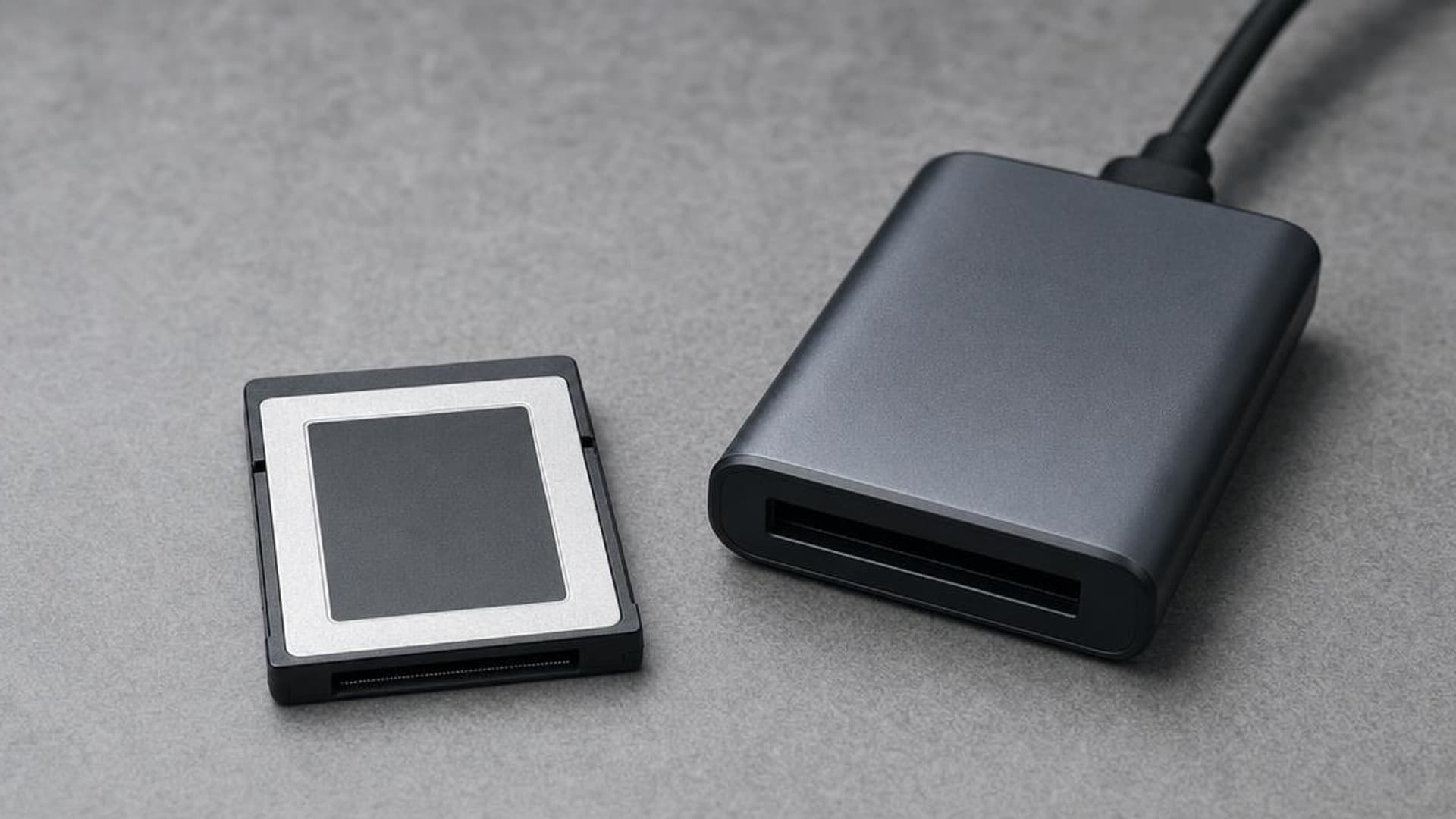
CFexpress 4.0 and VPG Explained: Buy the Card Your Camera Needs
CFexpress 4.0 doubles theoretical bandwidth, while VPG certifies sustained video writes. Learn Type A vs B, VPG classes, and when 4.0 is worth paying for.
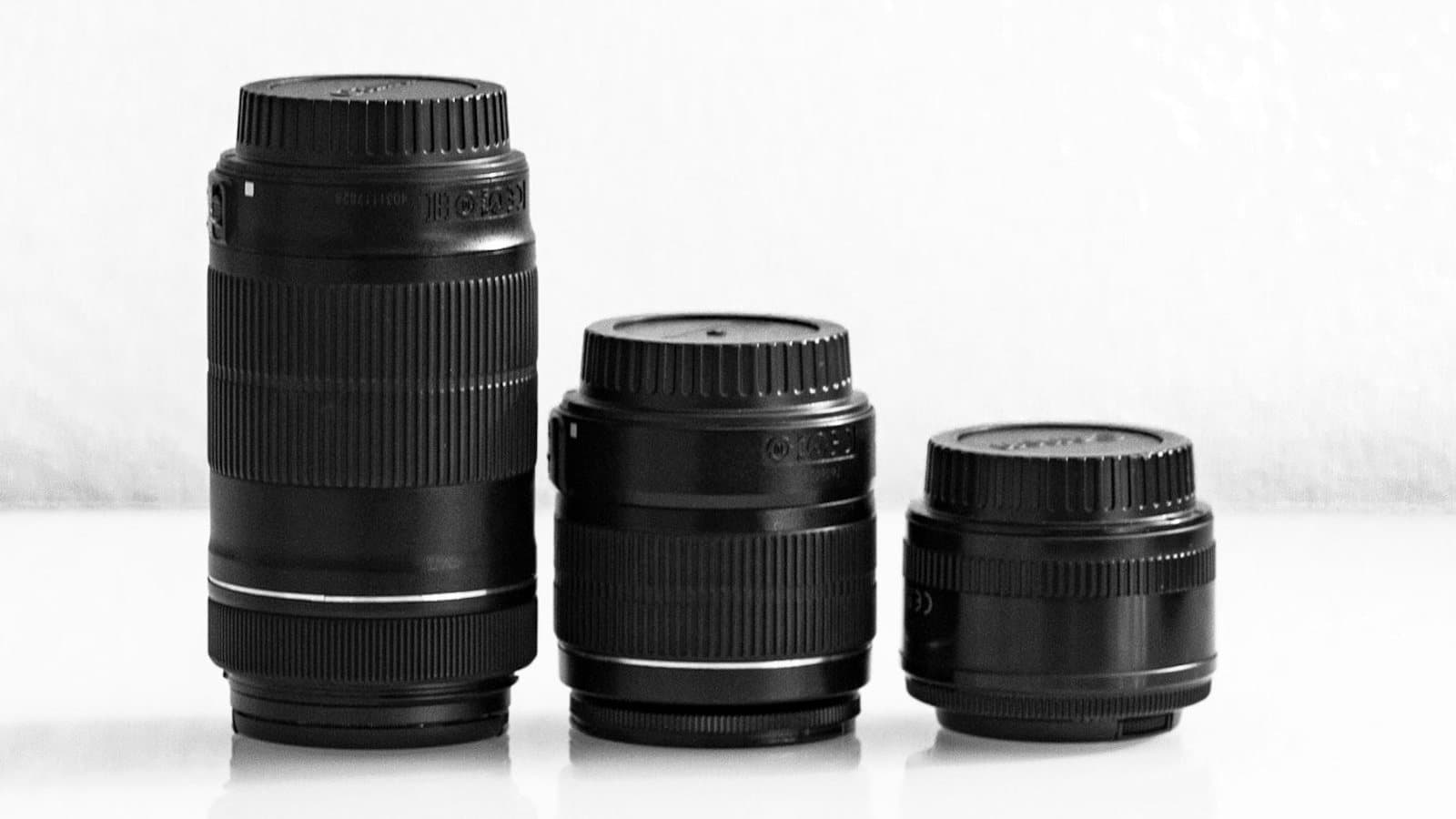
Focal Length Explained: What 24mm, 50mm, 85mm, and 200mm Actually Do
What the millimeter number on a lens changes in the field: angle of view, compression, and working distance. When to reach for 24, 50, 85, or 200mm.
Canon EOS R50 V vs Sony ZV-E10 II: Which Beginner Vlogging Camera Should You Buy?
Canon EOS R50 V is the easier beginner creator kit. Sony ZV-E10 II is the deeper lens-system pick. Compare the practical tradeoffs.
Researched, not personally tested: picks compare specifications, available owner feedback, and established expert sources. As an Amazon Associate I earn from qualifying purchases. We may earn a commission from links here, at no extra cost to you. How we research →