We may earn a commission from links on this page, at no extra cost to you. Picks are researched, not sponsored.
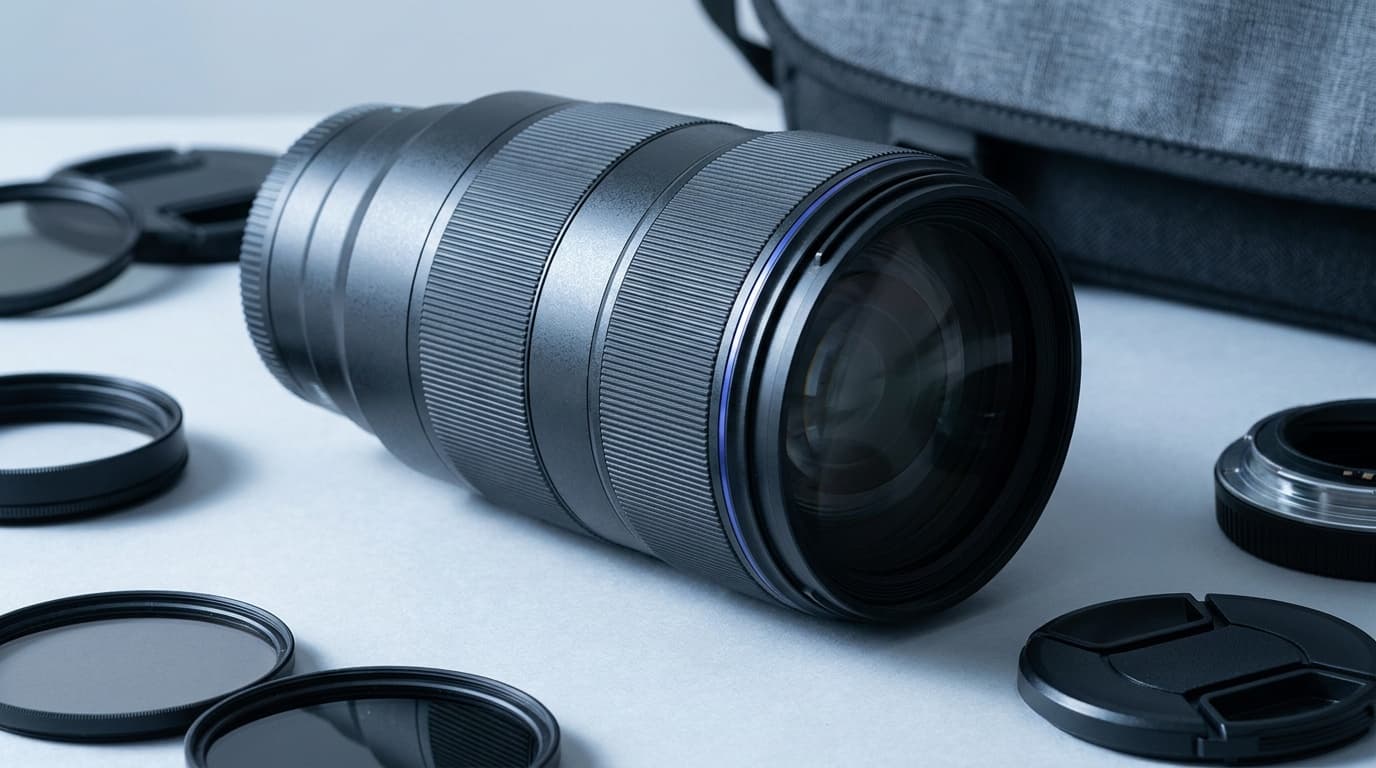
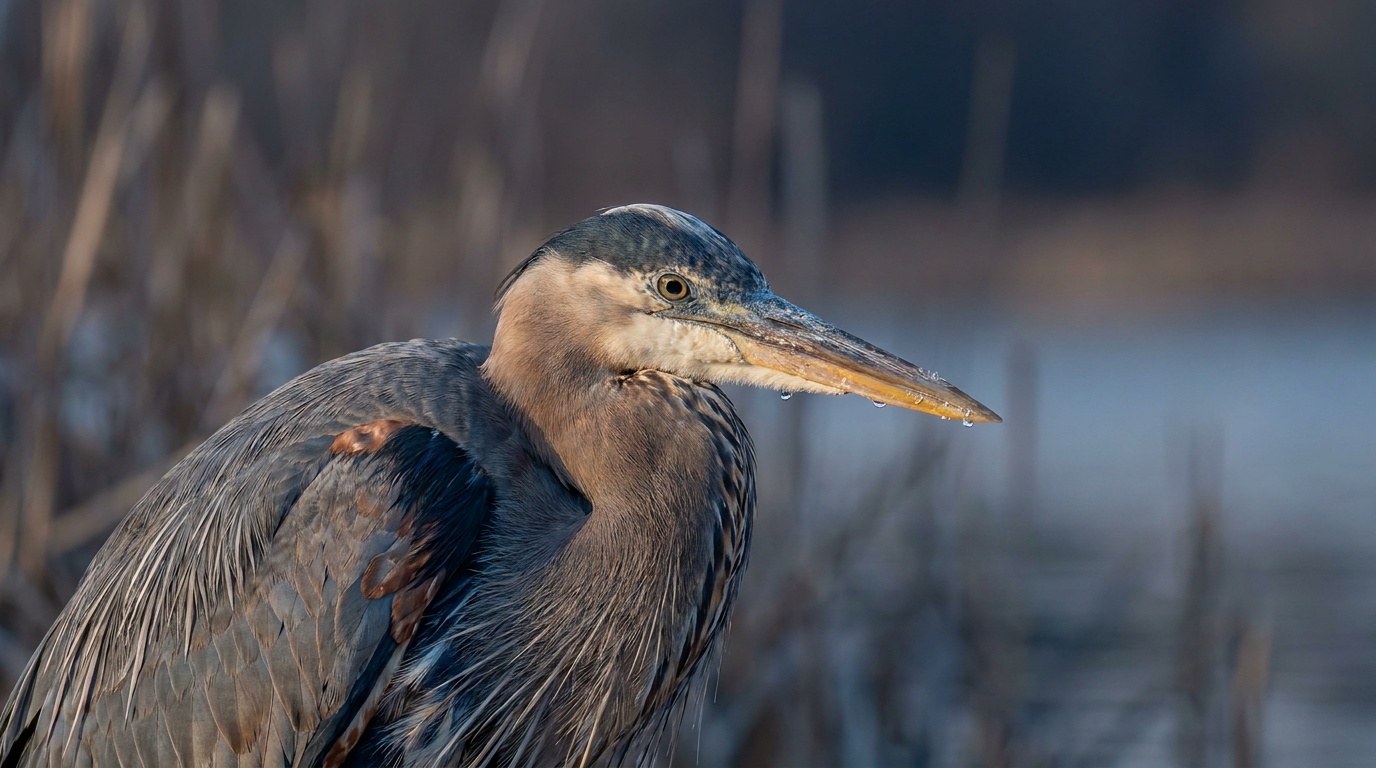
A telephoto lens does two things a standard zoom cannot: it reaches subjects you cannot walk up to, and it compresses the background into a clean, blurred wash that isolates your subject. That makes it the defining lens for wildlife photography and sports photography, where you shoot from a fixed distance and the look comes from reach plus separation.
If you are still deciding between a zoom and a fixed focal length here, our prime vs zoom lenses guide frames the trade-off, and understanding depth of field covers how focal length and aperture combine to blur a background.
How to choose
Three things decide most of it. Reach, measured in millimeters, is how much subject you fill the frame with from a given distance: 200mm covers field sports and portraits, 400mm reaches most wildlife, and 600mm gets you to small or skittish subjects. Maximum aperture sets how much light the lens gathers and how fast a shutter you can run; an f/2.8 zoom freezes indoor action and blurs harder, while an f/5.6-6.3 super telephoto trades that for reach and lower weight. Autofocus and stabilization matter more here than anywhere, because a long lens magnifies both subject motion and your own shake.
After that, weigh the size and weight honestly. A 600mm zoom is a commitment to carry, and a 70-200mm f/2.8 is dense glass. The best telephoto is the one you will actually bring to the field.
The picks
Research pick
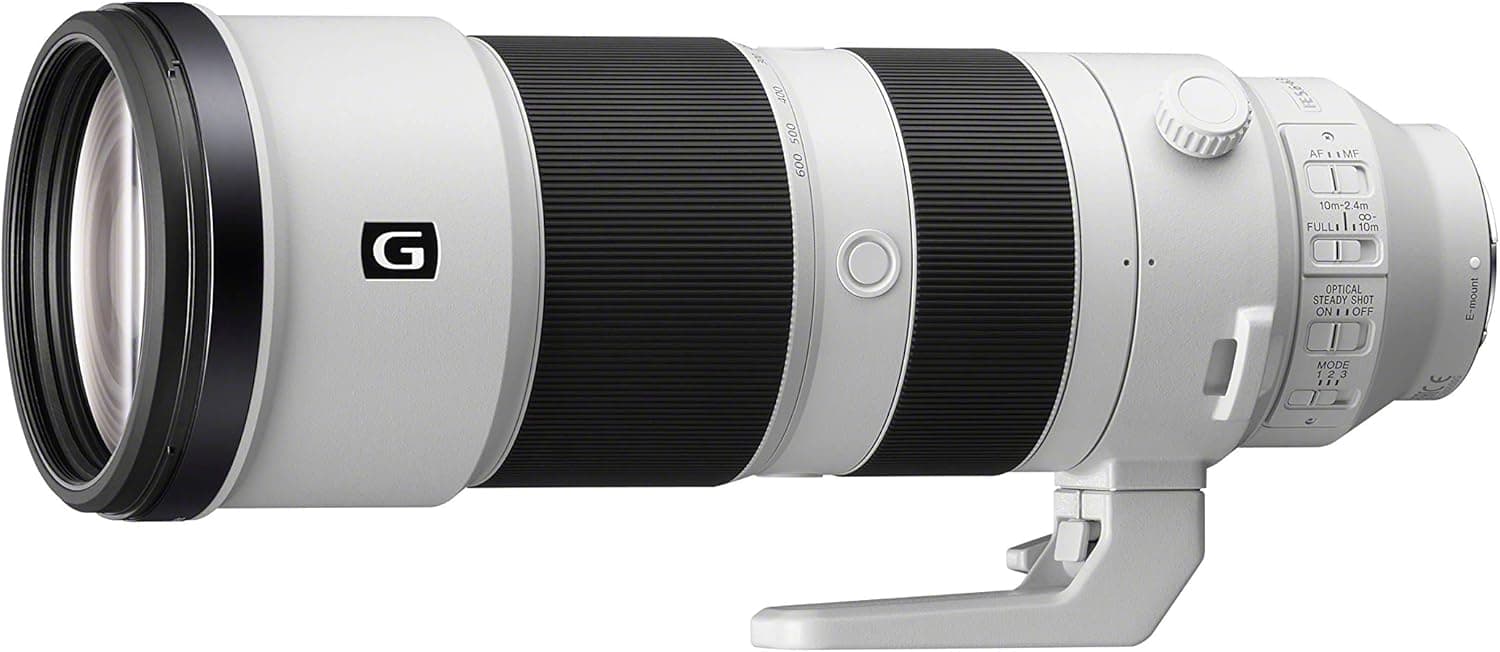
Sony FE 200-600mm f/5.6-6.3 G OSS
Wildlife and birding shooters who need affordable reach.
Check price at AmazonThe Sony FE 200-600mm is the reach pick for Sony shooters and the one most wildlife photographers land on. You get 600mm of weather-sealed reach, an internal zoom that keeps the balance steady, and autofocus quick enough for birds in flight. It is large and the aperture is modest, so it wants daylight, but for the price there is nothing else that puts a bird this big in the frame this sharply.
Research pick
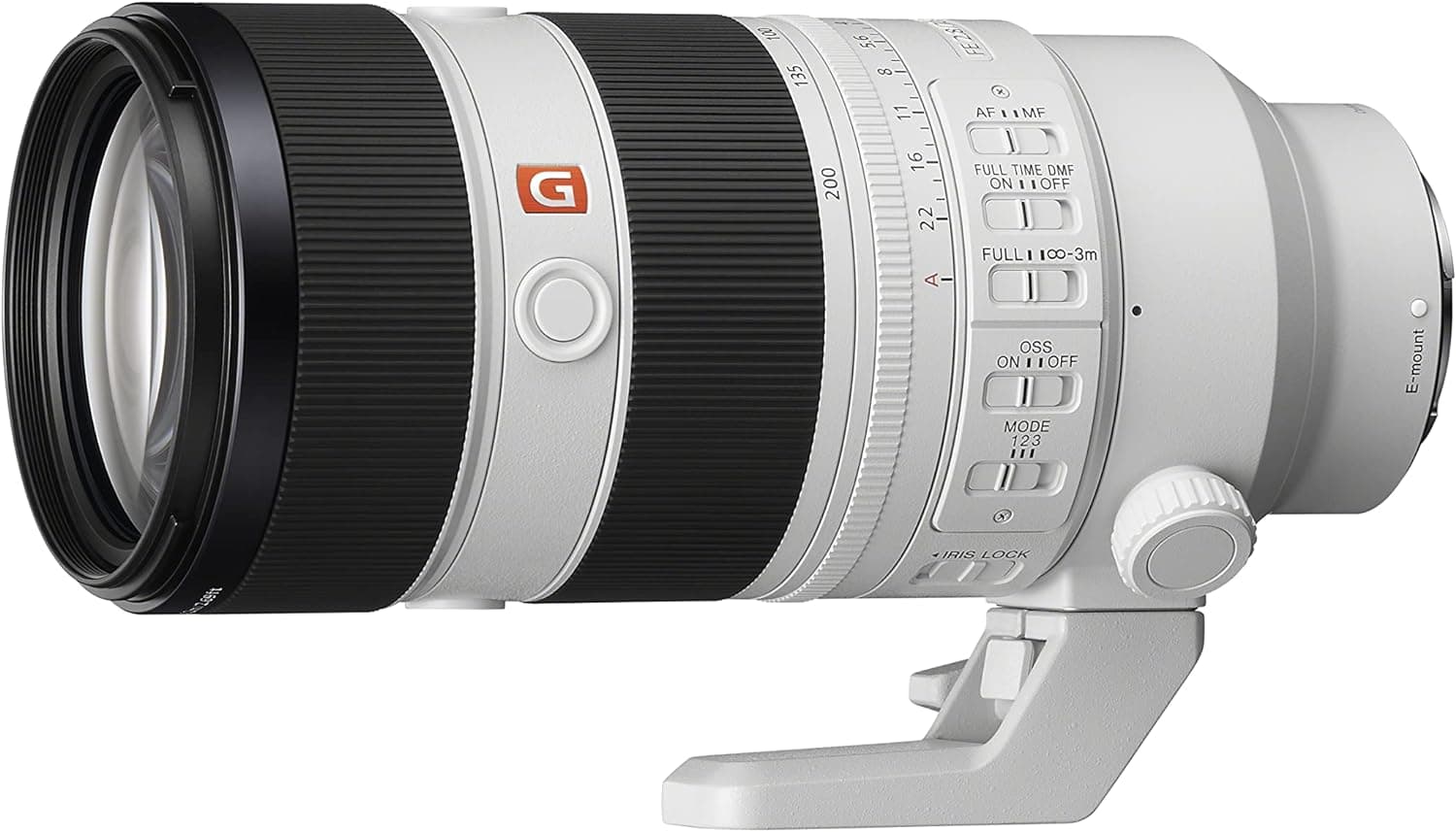
Sony FE 70-200mm f/2.8 GM OSS II
Event, sports, and portrait shooters who need reach at f/2.8.
Check price at AmazonThe Sony FE 70-200mm f/2.8 GM OSS II is the sports and events workhorse. The constant f/2.8 freezes indoor and evening action, the autofocus is fast and quiet, and the second-generation build dropped weight without losing sharpness. This is the lens you reach for at a wedding, a court-side seat, or a portrait session where you want compression and clean subject separation. It costs what pro glass costs, and it earns it.
Research pick
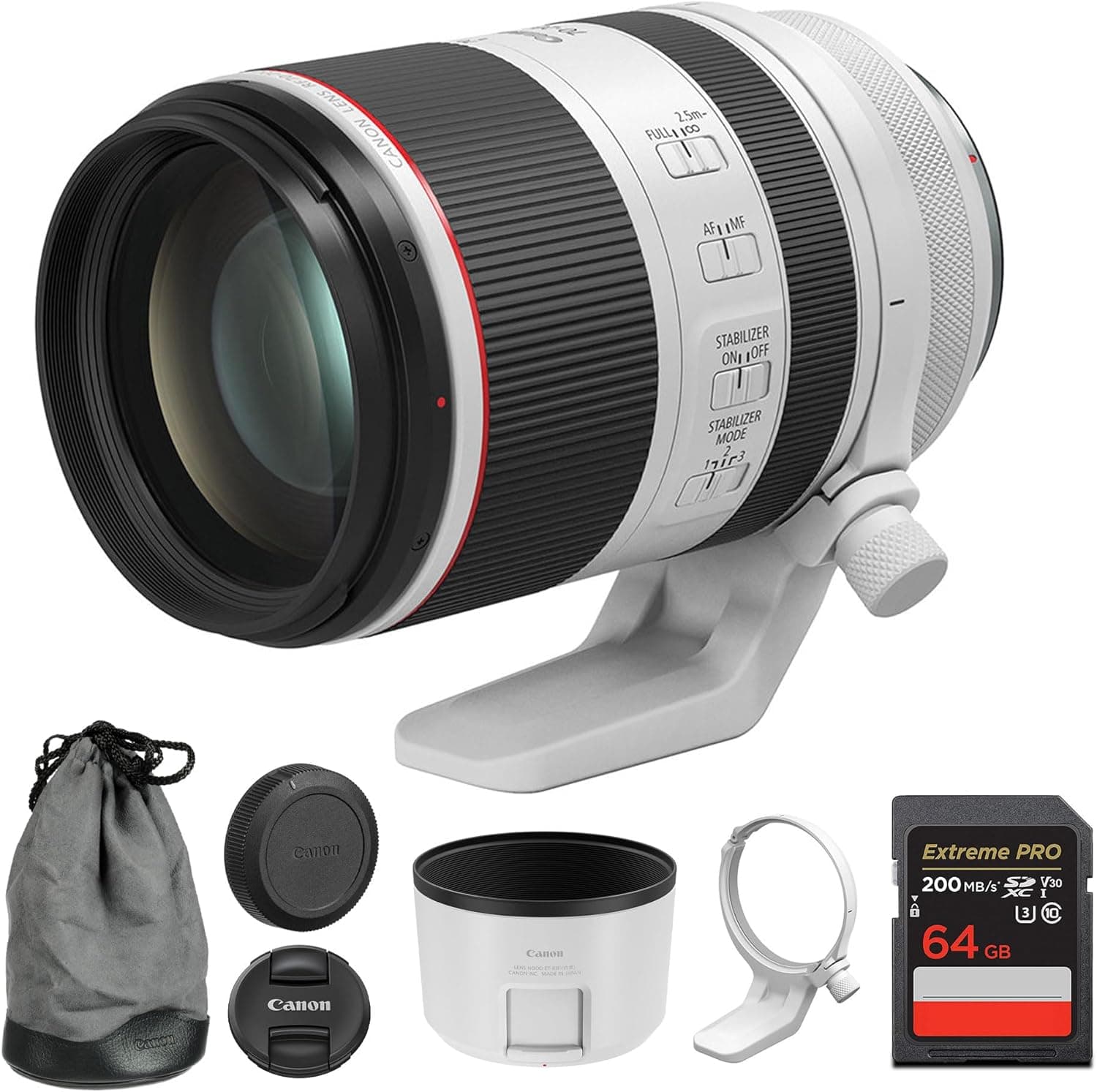
Canon RF 70-200mm f/2.8 L IS USM
Canon RF shooters needing telephoto reach in a portable body.
Check price at AmazonThe Canon RF 70-200mm f/2.8 L IS USM is Canon's answer in the same class. It collapses shorter than most rivals when retracted, which makes it surprisingly packable for an f/2.8 zoom, and the autofocus and image stabilization are excellent. If you shoot Canon RF and need one fast telephoto for events, portraits, and field sports, this is it.
Research pick
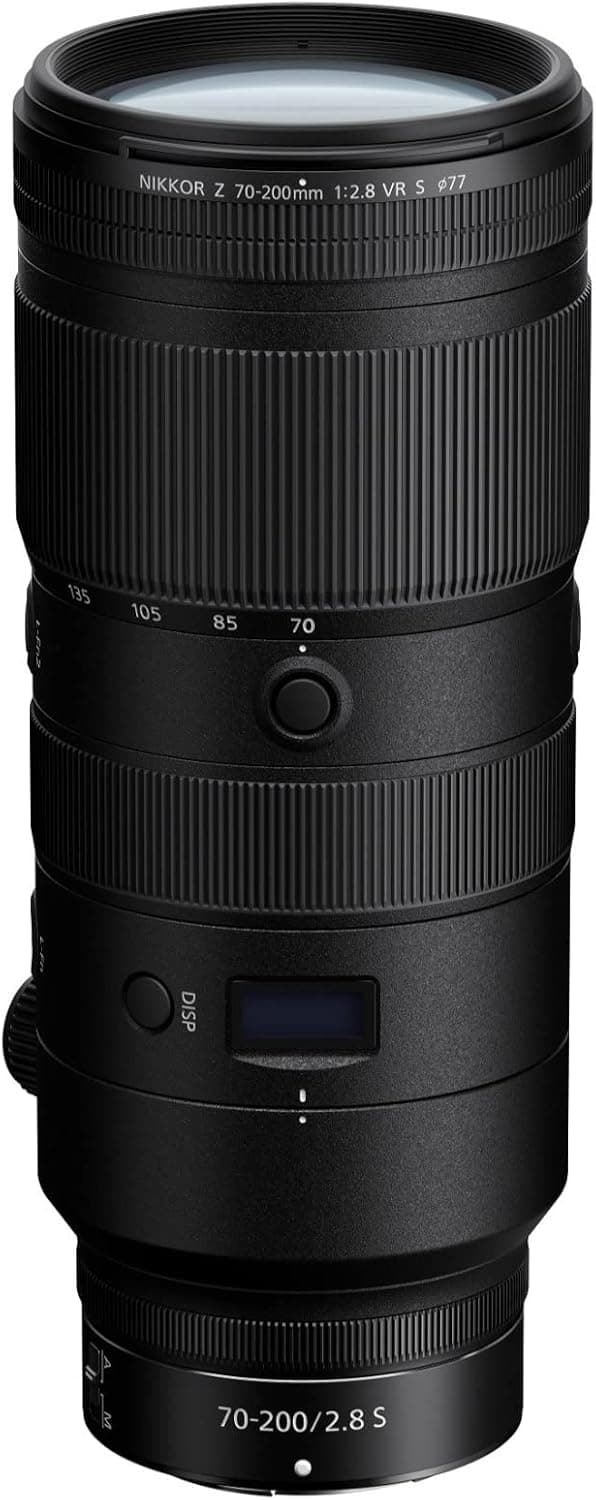
Nikon Z 70-200mm f/2.8 VR S
Nikon Z professionals shooting events, sports, and portraits.
Check price at AmazonThe Nikon Z 70-200mm f/2.8 VR S is widely regarded as one of the sharpest 70-200mm zooms made, edge to edge and wide open. Nikon Z shooters who cover weddings, events, or sports get a lens that holds detail at f/2.8 and tracks reliably. It is the natural telephoto companion to a Z body.
Best Value
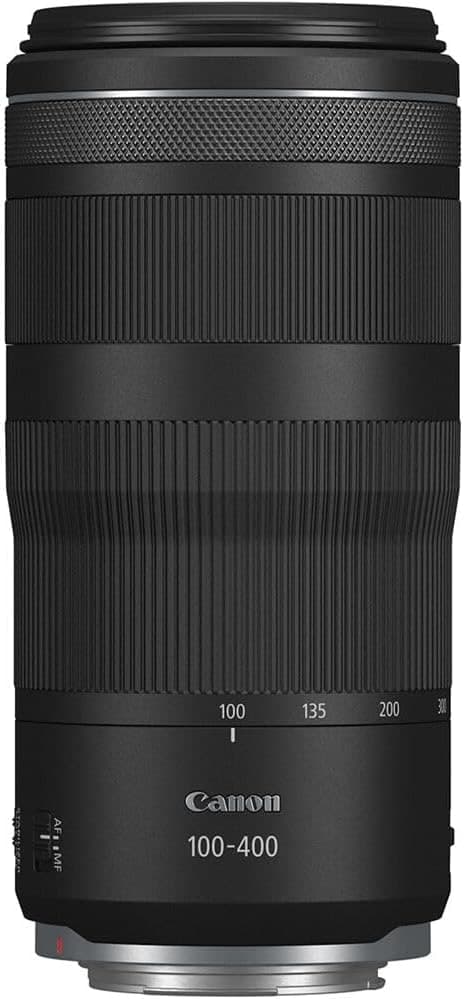
Canon RF 100-400mm f/5.6-8 IS USM
Canon RF shooters who want budget wildlife and sports reach.
Check price at AmazonThe Canon RF 100-400mm f/5.6-8 IS USM is the lightweight reach pick. It is remarkably small and affordable for 400mm, which makes it a sensible first telephoto for casual wildlife, travel, and daytime sports. The aperture is slow, so it needs good light and pairs best with a body that handles higher ISO well, but for the size and price it punches above its weight.
Research pick
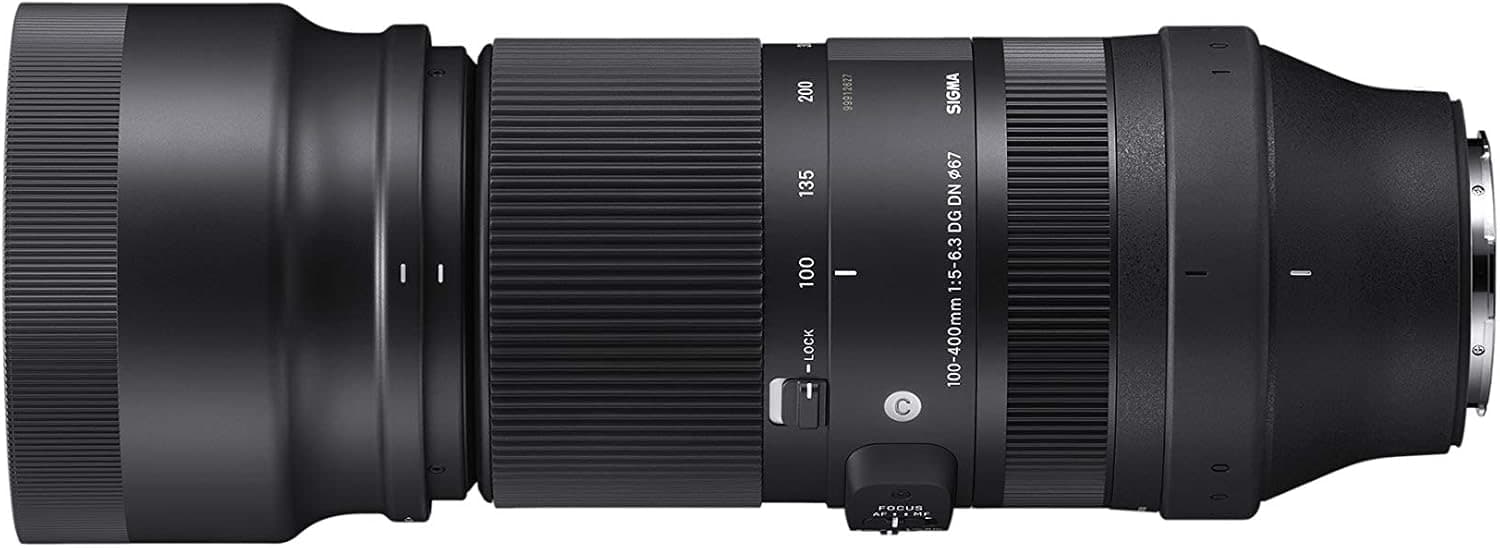
Sigma 100-400mm f/5-6.3 DG DN OS Contemporary
Sony and L mount shooters wanting affordable telephoto reach.
Check price at AmazonThe Sigma 100-400mm f/5.6-6.3 DG DN OS is the value reach option for Sony shooters. It gives you most of the 200-600mm's pull at a fraction of the weight and cost, with solid stabilization and a compact build that travels well. If 400mm is enough for your subjects and you do not want to carry a 600mm zoom, this is the smart middle ground.
Research pick
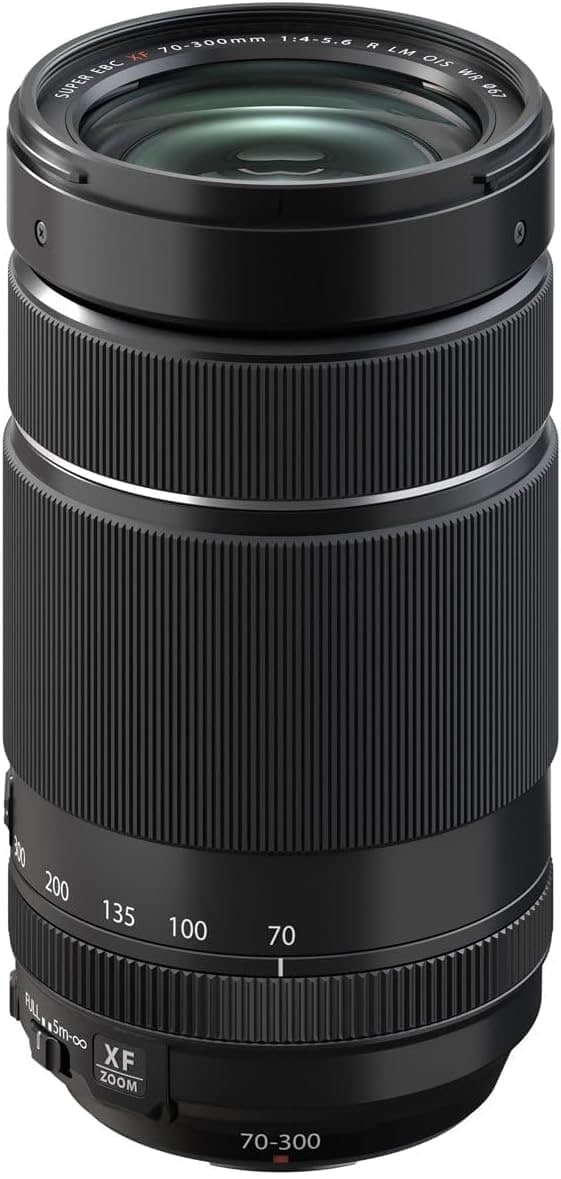
Fujifilm XF 70-300mm f/4-5.6 R LM OIS WR
Fujifilm wildlife and sports shooters who want portable reach.
Check price at AmazonThe Fujifilm XF 70-300mm f/4-5.6 R LM OIS WR is the lightweight crop-sensor reach pick. On Fujifilm X bodies it frames like roughly 107-457mm in full-frame terms, reaches 300mm without the bulk of a full-frame super-telephoto, and weighs about 580g. Optical stabilization, weather resistance, and teleconverter compatibility make it useful for travel and daytime wildlife. The f/5.6 maximum aperture at the long end still needs good light, and 300mm will not replace a 500mm or 600mm lens for small distant birds.
Researched from: Fujifilm XF 70-300mm official specifications, available retailer feedback, and expert coverage.
Research pick
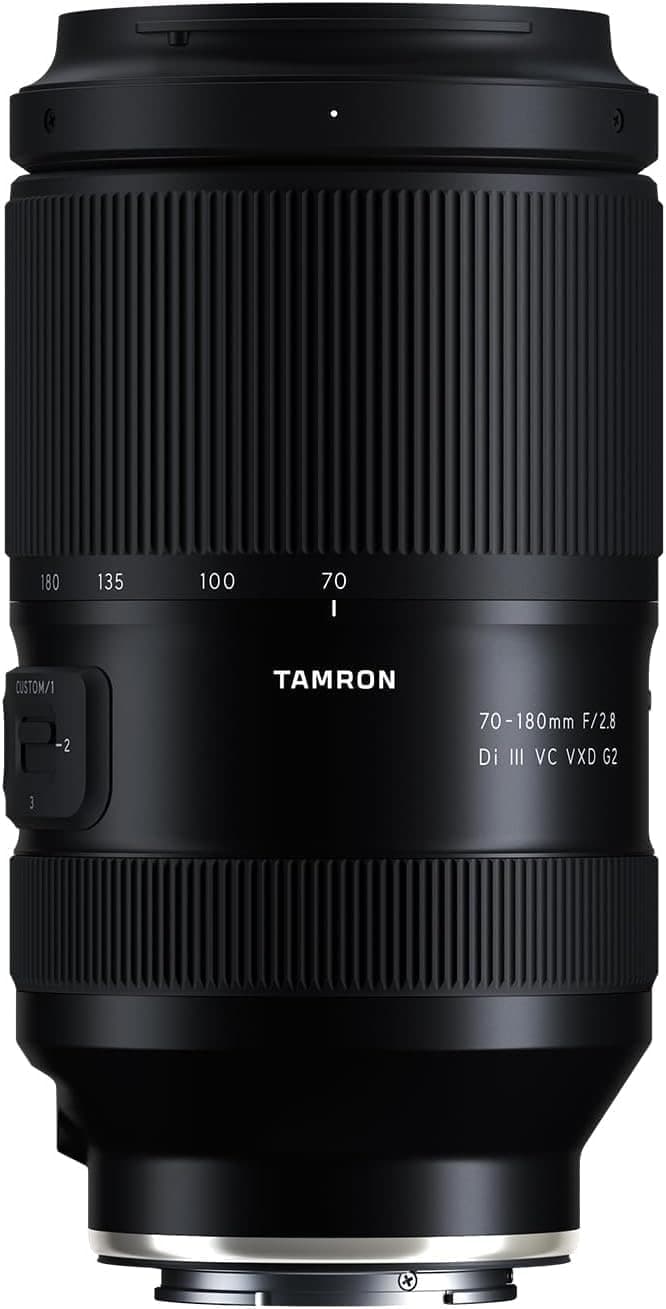
Tamron 70-180mm f/2.8 Di III VXD G2
Sony shooters who want telephoto f/2.8 in a portable package.
Check price at AmazonThe Tamron 70-180mm f/2.8 Di III VXD G2 is the compact, affordable f/2.8 telephoto. You give up the last 20mm of reach versus a 70-200mm, but you save weight and money while keeping the bright aperture that matters for events and portraits. For a hybrid shooter who wants one travel-friendly fast telephoto, it is an easy recommendation.
Common mistakes
The most common one is buying maximum reach and then never having enough light to use it. A 600mm f/6.3 lens at dawn forces high ISO and slow shutters; if you shoot in low light, a shorter, brighter lens often gets the keeper. The second is ignoring minimum shutter speed: a long lens magnifies shake, so keep the shutter fast (a rough floor is 1/focal length, faster for moving subjects) and lean on stabilization. The third is forgetting the body matters as much as the glass; reach and aperture only pay off with autofocus that can track. Our best cameras for wildlife photography and best cameras for sports photography guides cover the bodies these lenses deserve.
How much reach do I need for wildlife?
For larger and approachable animals, 400mm covers a lot. For birds and skittish or distant subjects, 600mm or more makes the difference between a frame-filling shot and a crop. If you shoot mostly birds, lean long; if you shoot a mix, 400mm with a high-resolution body you can crop into is a flexible compromise.
Is f/2.8 worth it over an f/5.6-6.3 zoom?
For indoor sports, events, and evening light, yes: the brighter aperture lets you keep shutter speeds fast without pushing ISO too far, and it blurs backgrounds harder. For daytime wildlife where you want maximum reach, the f/5.6-6.3 super telephotos make more sense because they buy length and save weight. Match the aperture to the light you shoot in.
Does APS-C give me more reach with a telephoto?
Effectively, yes. A crop sensor frames tighter, so a 400mm lens on APS-C frames like a 600mm equivalent on full-frame, which is why many wildlife shooters pair a long lens with a crop body. Our sensor sizes explained guide covers the trade-offs, including the low-light cost of the smaller sensor.
Compare picks
The short version
Use this to narrow the list before opening the detailed cards.
Scores weigh fit, owner sentiment, build, and value. Affiliate links do not change pick order. Methodology
Buying order
Start with the skip note. A good deal on the wrong camera is still the wrong camera.
Compare verdictsIf you already own lenses, check the system path before buying into a new mount.
Check systemsOnce the fit makes sense, compare current deals and retailer listings.
Check current dealsCamera system shortcut
If you already own one of these systems, keep the comparison inside that ecosystem before checking out.
Autofocus hybrid kits
Simple camera paths
Stills-first Z kits
APS-C travel kits
Wildlife and birding shooters who need affordable reach.
Use the retailer for the current price after the tradeoff makes sense. Confirm mount, focal length, filter size, and autofocus compatibility.
Tradeoff: Slow f/5.6-8 aperture
Use the retailer for the current price after the tradeoff makes sense. Confirm mount, focal length, filter size, and autofocus compatibility.
9.4/10 Aperture Score
Use the retailer for the current price after the tradeoff makes sense. Confirm mount, focal length, filter size, and autofocus compatibility.
Nikon Z professionals shooting events, sports, and portraits.
Use the retailer for the current price after the tradeoff makes sense. Confirm mount, focal length, filter size, and autofocus compatibility.
Price ladder
The useful range here runs from $700 to $3,275. Start with the ceiling that matches the assignment.
- Wildlife and birding shooters who need affordable reach.
- Long reach
- Heavy
Use the retailer for the current price after the tradeoff makes sense. Confirm mount, focal length, filter size, and autofocus compatibility.
- Event, sports, and portrait shooters who need reach at f/2.8.
- Light for the class
- Expensive
Use the retailer for the current price after the tradeoff makes sense. Confirm mount, focal length, filter size, and autofocus compatibility.
- Canon RF shooters needing telephoto reach in a portable body.
- Compact retracted design
- Extends when zooming
Use the retailer for the current price after the tradeoff makes sense. Confirm mount, focal length, filter size, and autofocus compatibility.
- Nikon Z professionals shooting events, sports, and portraits.
- Excellent sharpness
- Heavy
Use the retailer for the current price after the tradeoff makes sense. Confirm mount, focal length, filter size, and autofocus compatibility.
- Canon RF shooters who want budget wildlife and sports reach.
- Light and compact
- Slow f/5.6-8 aperture
Use the retailer for the current price after the tradeoff makes sense. Confirm mount, focal length, filter size, and autofocus compatibility.
- Sony and L mount shooters wanting affordable telephoto reach.
- Long reach at a fair price
- Slow variable aperture
Use the retailer for the current price after the tradeoff makes sense. Confirm mount, focal length, filter size, and autofocus compatibility.
- Fujifilm wildlife and sports shooters who want portable reach.
- Long reach in a small lens
- Slow variable aperture
Use the retailer for the current price after the tradeoff makes sense. Confirm mount, focal length, filter size, and autofocus compatibility.
- Sony shooters who want telephoto f/2.8 in a portable package.
- Lighter than a 70-200
- Stops at 180mm
Use the retailer for the current price after the tradeoff makes sense. Confirm mount, focal length, filter size, and autofocus compatibility.
| Pick | Score | Price | Verdict | Action |
|---|---|---|---|---|
| PickSony FE 200-600mm f/5.6-6.3 G OSS | 9.0
| $1,900 - $2,100 | Wildlife and birding shooters who need affordable reach. Wins: Long reach Skip: Heavy | Check Amazon · $1,900 - $2,100 Use the retailer for the current price after the tradeoff makes sense. Confirm mount, focal length, filter size, and autofocus compatibility. |
| PickSony FE 70-200mm f/2.8 GM OSS II | 9.4
| $3,050 - $3,500 | Event, sports, and portrait shooters who need reach at f/2.8. Wins: Light for the class Skip: Expensive | Check Amazon · $3,050 - $3,500 Use the retailer for the current price after the tradeoff makes sense. Confirm mount, focal length, filter size, and autofocus compatibility. |
 PickCanon RF 70-200mm f/2.8 L IS USM PickCanon RF 70-200mm f/2.8 L IS USM | 9.2
| $2,500 - $2,700 | Canon RF shooters needing telephoto reach in a portable body. Wins: Compact retracted design Skip: Extends when zooming | Check Amazon · $2,500 - $2,700 Use the retailer for the current price after the tradeoff makes sense. Confirm mount, focal length, filter size, and autofocus compatibility. |
| PickNikon Z 70-200mm f/2.8 VR S | 9.3
| $2,400 - $2,600 | Nikon Z professionals shooting events, sports, and portraits. Wins: Excellent sharpness Skip: Heavy | Check Amazon · $2,400 - $2,600 Use the retailer for the current price after the tradeoff makes sense. Confirm mount, focal length, filter size, and autofocus compatibility. |
| Best ValueCanon RF 100-400mm f/5.6-8 IS USM | 8.4
| $650 - $750 | Canon RF shooters who want budget wildlife and sports reach. Wins: Light and compact Skip: Slow f/5.6-8 aperture | Check Amazon · $650 - $750 Use the retailer for the current price after the tradeoff makes sense. Confirm mount, focal length, filter size, and autofocus compatibility. |
 PickSigma 100-400mm f/5-6.3 DG DN OS Contemporary PickSigma 100-400mm f/5-6.3 DG DN OS Contemporary | 8.6
| $1,020 - $1,150 | Sony and L mount shooters wanting affordable telephoto reach. Wins: Long reach at a fair price Skip: Slow variable aperture | Check Amazon · $1,020 - $1,150 Use the retailer for the current price after the tradeoff makes sense. Confirm mount, focal length, filter size, and autofocus compatibility. |
 PickFujifilm XF 70-300mm f/4-5.6 R LM OIS WR PickFujifilm XF 70-300mm f/4-5.6 R LM OIS WR | 8.7
| $940 - $1,070 | Fujifilm wildlife and sports shooters who want portable reach. Wins: Long reach in a small lens Skip: Slow variable aperture | Check Amazon · $940 - $1,070 Use the retailer for the current price after the tradeoff makes sense. Confirm mount, focal length, filter size, and autofocus compatibility. |
 PickTamron 70-180mm f/2.8 Di III VXD G2 PickTamron 70-180mm f/2.8 Di III VXD G2 | 8.9
| $990 - $1,120 | Sony shooters who want telephoto f/2.8 in a portable package. Wins: Lighter than a 70-200 Skip: Stops at 180mm | Check Amazon · $990 - $1,120 Use the retailer for the current price after the tradeoff makes sense. Confirm mount, focal length, filter size, and autofocus compatibility. |
Keep going
Next useful steps
Pick one. Each link continues the same job without starting the research over.
Shoot kits
Buy around the job, not the spec sheet
Fast subjects
Wildlife and sports kit
$9,833
A fast autofocus body, serious long zoom, weather-ready carry, and fast media for distant subjects that will not wait.
Best reach-first action kit
Buy order: start with the first piece that makes the job possible, then add the support pieces that remove friction.
Camera: start here. If this piece does not make the shoot easier, the rest of the kit can wait.
Memory: add it after the core setup proves useful.
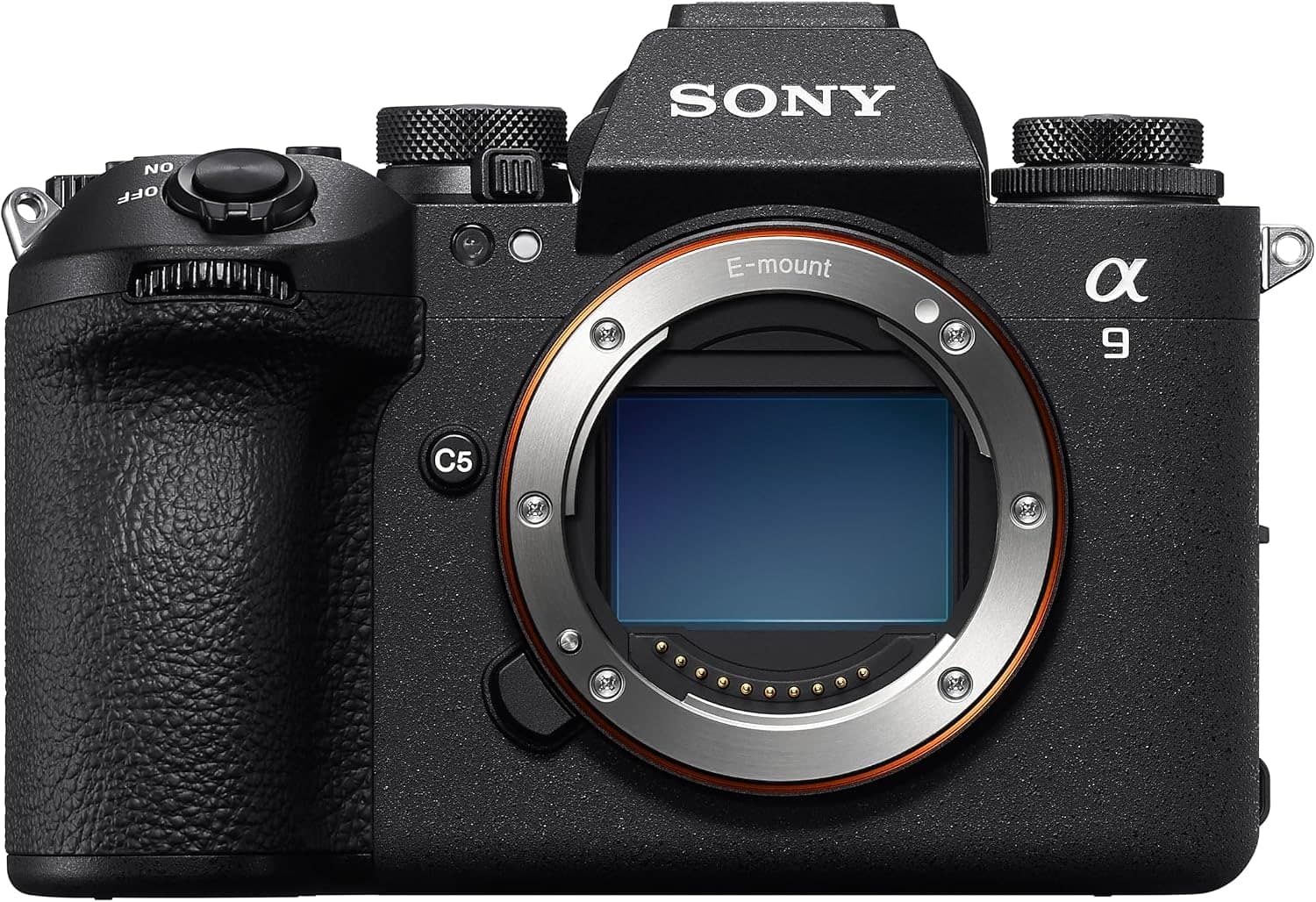
Sony a9 III
Global shutter speed, subject tracking, and high frame rates for moments that last a fraction of a second.
Sony FE 200-600mm f/5.6-6.3 G OSS
Reach for birds, field sports, and wildlife without jumping straight to prime-lens pricing.
Canon RF 100-400mm f/5.6-8 IS USM
A lighter alternate path for Canon shooters who want reach before they buy a heavy super-telephoto.
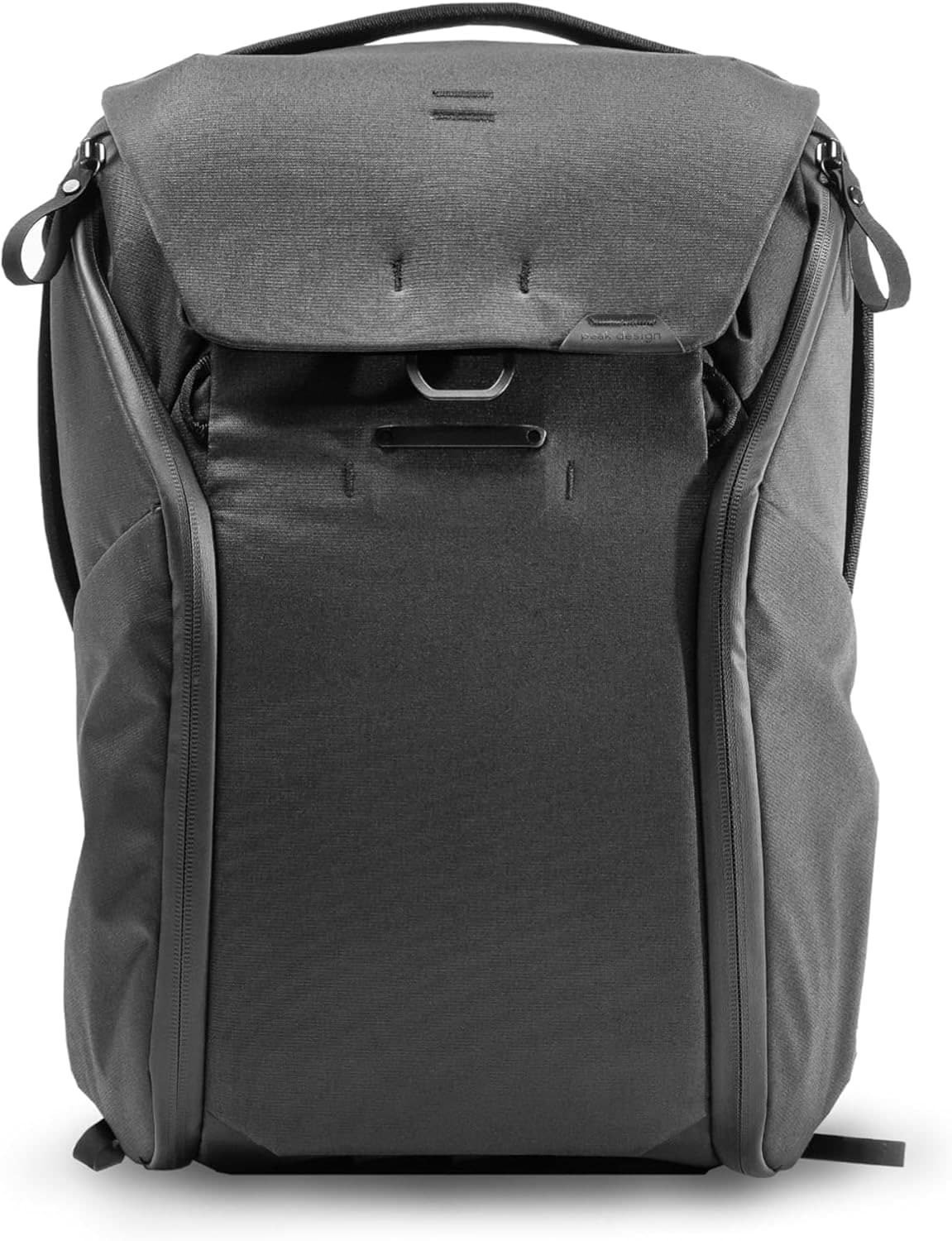
Peak Design Everyday Backpack V2 20L
Room for a long-lens kit, layers, cards, batteries, and field extras without loose gear knocking around.
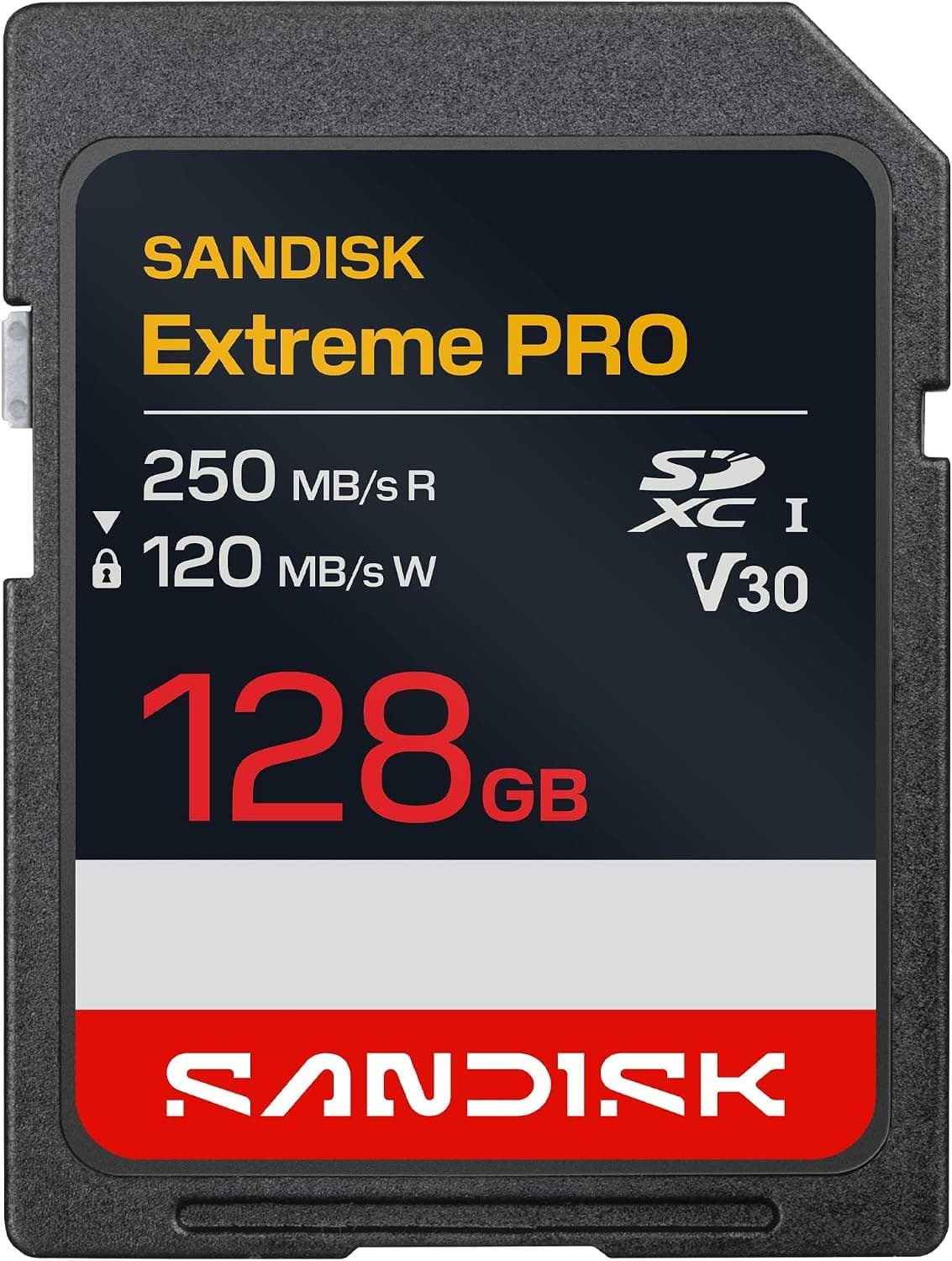
SanDisk Extreme Pro SDXC 128GB
Fast enough for heavy bursts and common video modes in bodies that still use SD media.
Prices are rough catalog totals. Retailer prices change, and you can swap pieces to fit your system.
Related Gear guides
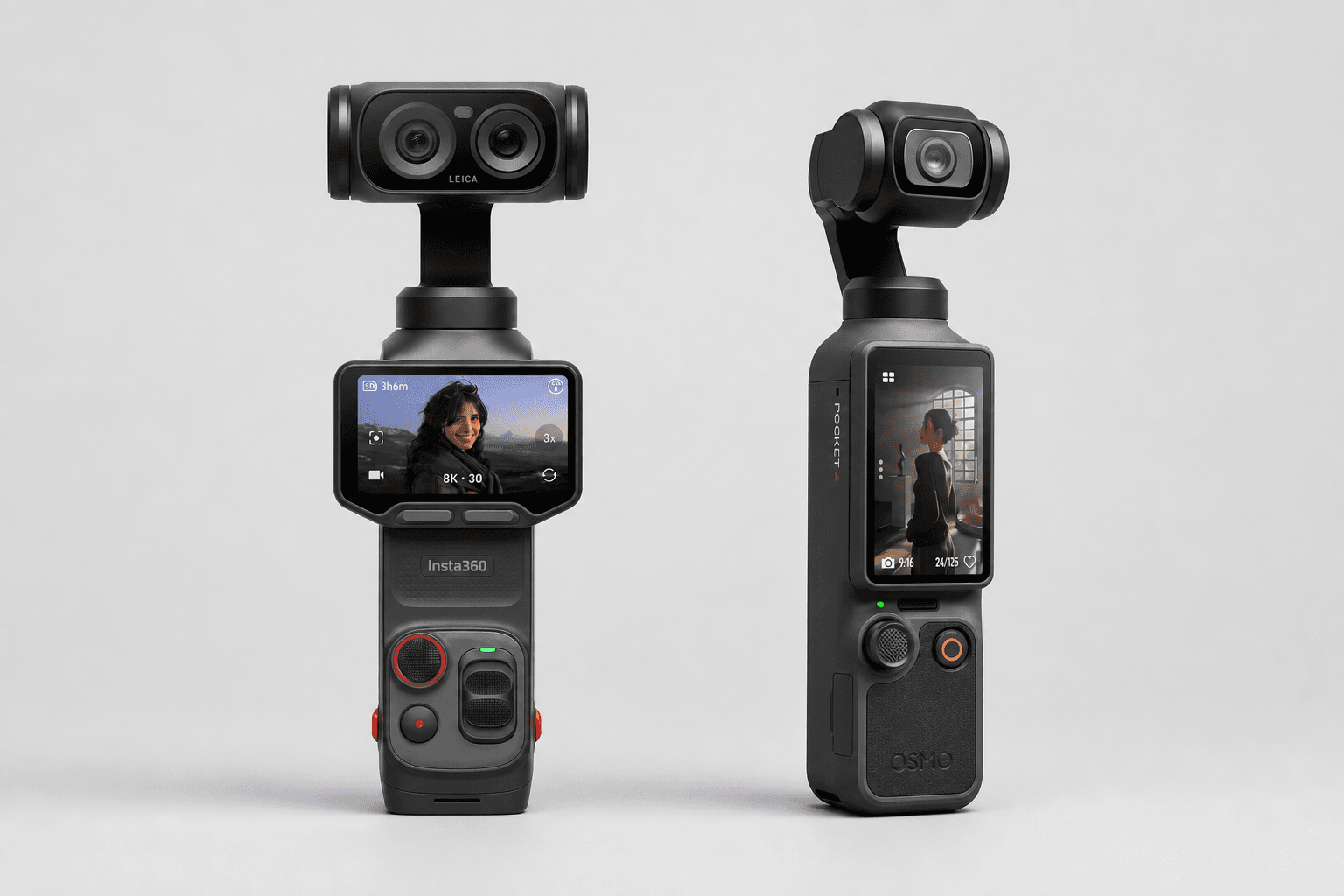
Insta360 Luna Ultra vs DJI Osmo Pocket 4: Which Pocket Gimbal Should You Buy?
Compare Luna Ultra and DJI Pocket 4 by lenses, video, Log formats, storage, U.S. availability, and the filming jobs each pocket gimbal handles best.
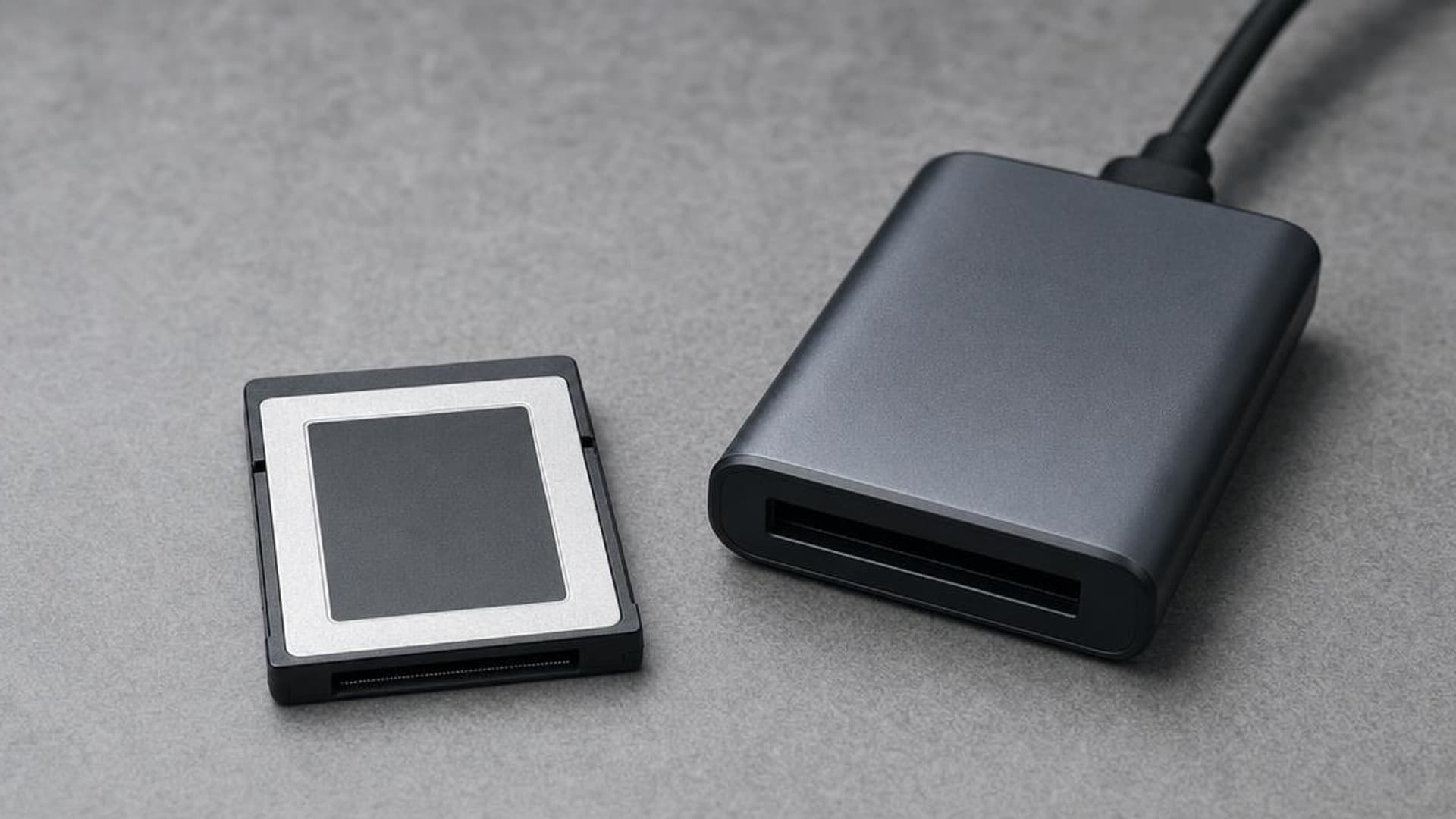
CFexpress 4.0 and VPG Explained: Buy the Card Your Camera Needs
CFexpress 4.0 doubles theoretical bandwidth, while VPG certifies sustained video writes. Learn Type A vs B, VPG classes, and when 4.0 is worth paying for.
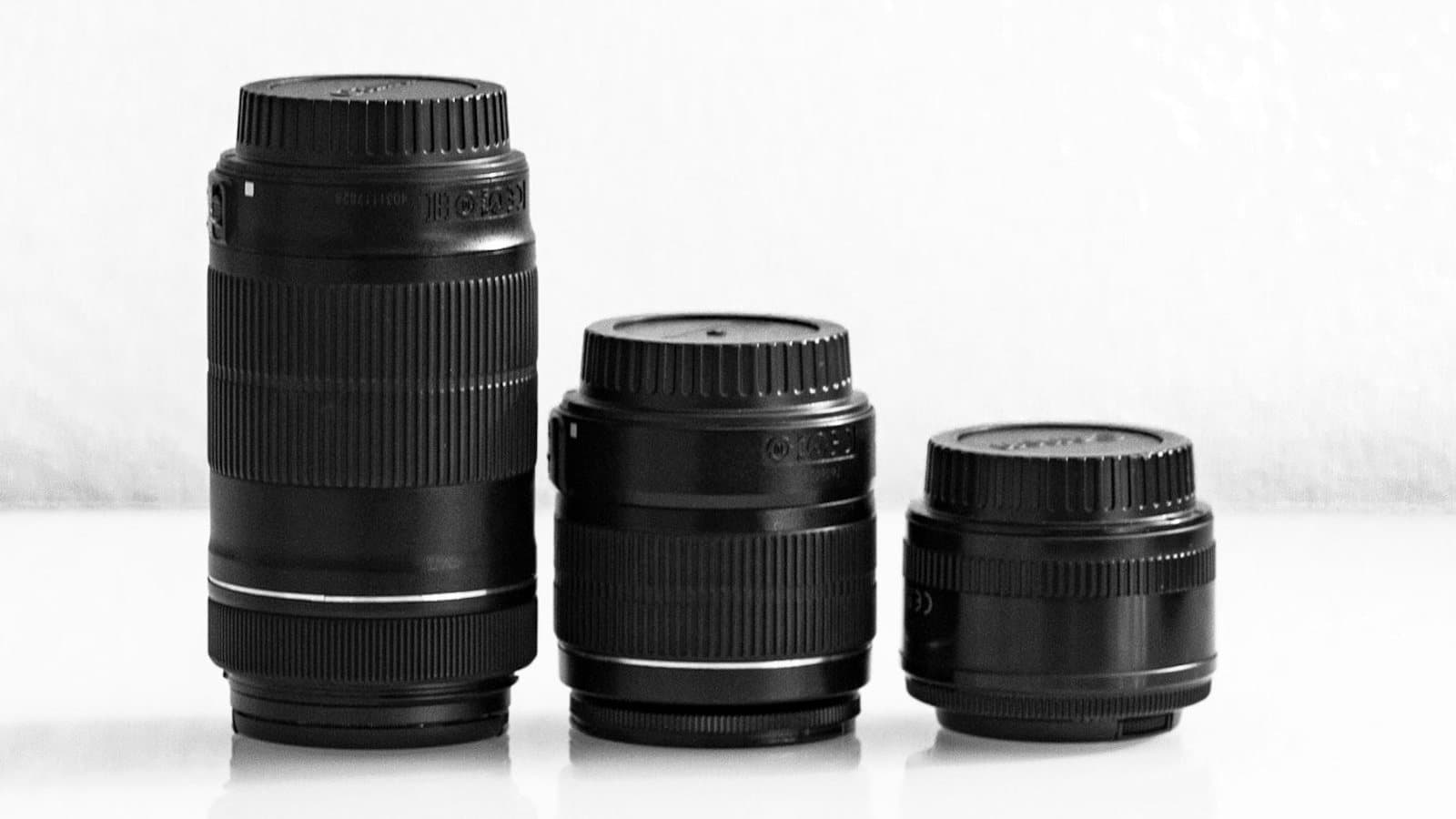
Focal Length Explained: What 24mm, 50mm, 85mm, and 200mm Actually Do
What the millimeter number on a lens changes in the field: angle of view, compression, and working distance. When to reach for 24, 50, 85, or 200mm.
Canon EOS R50 V vs Sony ZV-E10 II: Which Beginner Vlogging Camera Should You Buy?
Canon EOS R50 V is the easier beginner creator kit. Sony ZV-E10 II is the deeper lens-system pick. Compare the practical tradeoffs.
Researched, not personally tested: picks compare specifications, available owner feedback, and established expert sources. As an Amazon Associate I earn from qualifying purchases. We may earn a commission from links here, at no extra cost to you. How we research →