We may earn a commission from links on this page, at no extra cost to you. Picks are researched, not sponsored.
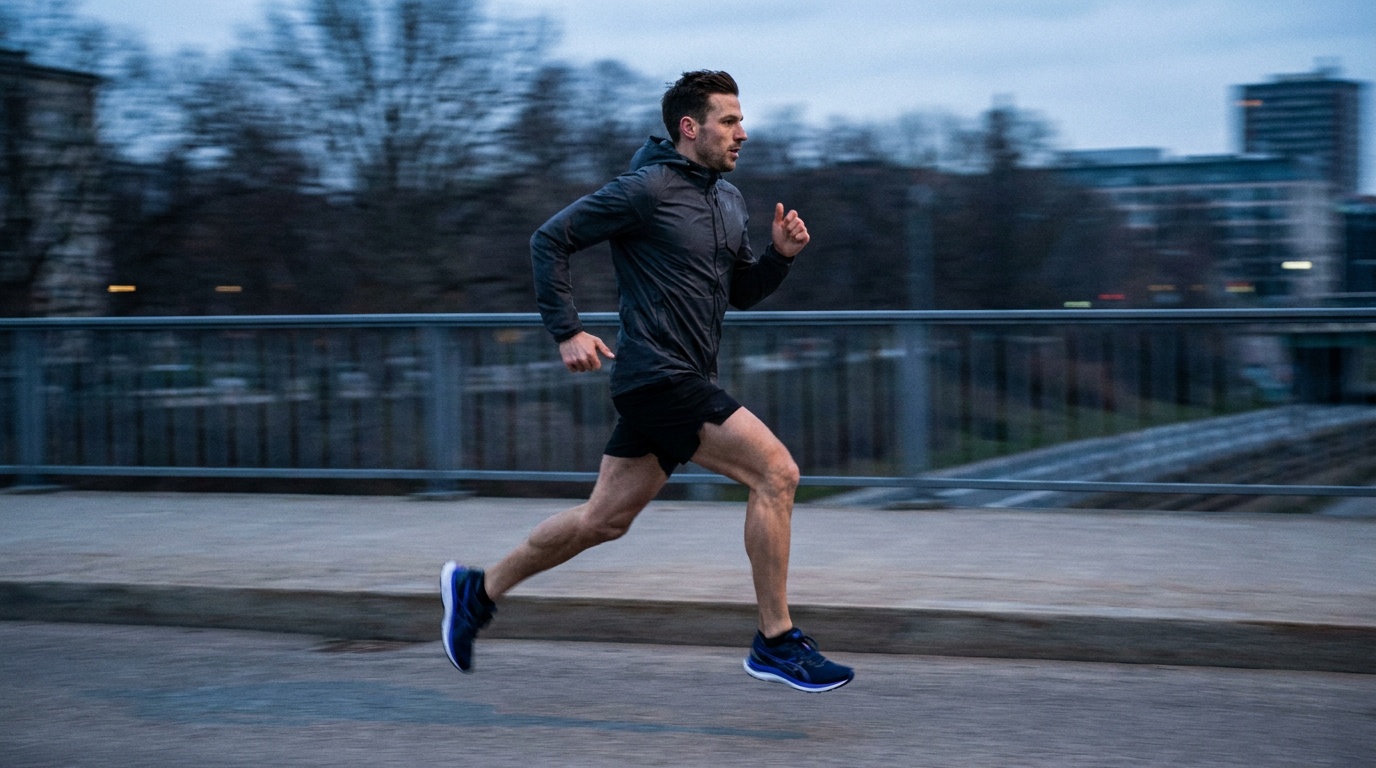
Sports photography is autofocus first, everything else second. The subject moves fast and unpredictably, often toward you, and the difference between a sharp face and a soft one is whether the camera tracked the eye through the action. After that, frame rate decides whether you caught the peak moment, and buffer depth decides whether the camera kept shooting or stalled at the worst time. Pair any of these bodies with a fast telephoto from our best telephoto lenses guide for indoor and evening events.
If you are choosing a system, our what camera should you buy guide helps, and the sports photography genre guide covers shooting technique. For the settings, the exposure triangle explains the shutter-speed-first approach action demands.

How to choose
Three specs lead for sports. Tracking autofocus, the ability to lock onto a subject and follow it through frame, occlusion, and direction changes; subject and eye detection that holds through a tackle or a sprint is the whole game. Frame rate, because the decisive instant (the bat on the ball, the foot at full extension) lasts milliseconds, and 20 fps and up catches it. Buffer depth, the number of RAW frames the camera shoots before it stalls, which matters when you hold the shutter through a long play.
After that, weigh viewfinder blackout (stacked and global-shutter sensors give a continuous view), high-ISO performance for dim arenas, and durability for the sideline. A flagship is built to keep shooting; a value body covers most of the same ground with a shallower buffer.
The picks
Research pick
Nikon Z9
Sports and wildlife professionals who need endurance and durability.
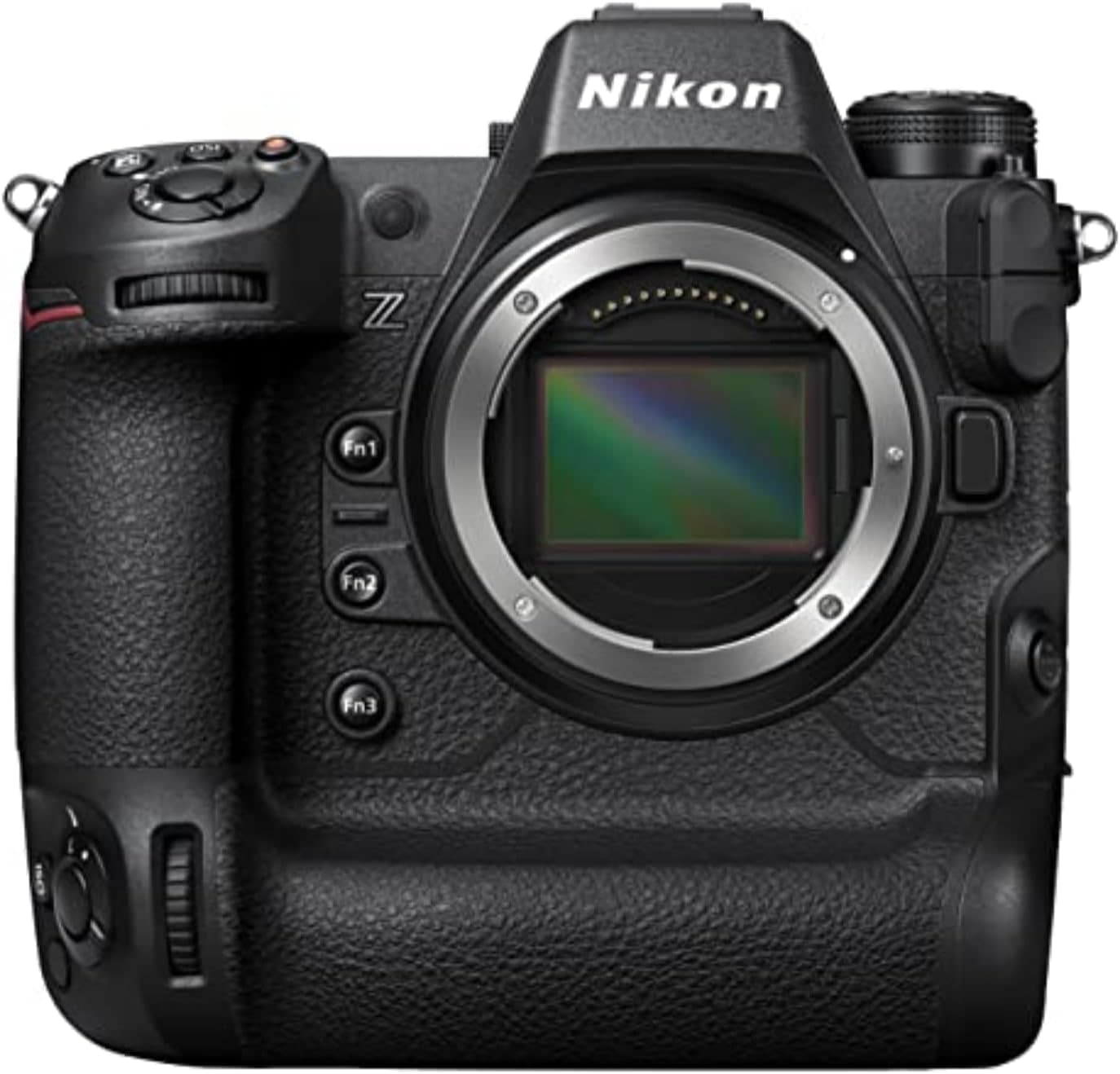
Check price at AmazonThe Nikon Z9 is a purpose-built sports flagship. Its stacked 45 MP sensor delivers blackout-free shooting, fast bursts, and a buffer deep enough to hold the shutter through an entire play, and the autofocus tracks athletes relentlessly. The integrated grip suits long lenses and long days on the sideline, and the build shrugs off weather. With 45 MP you also get room to crop a distant play. For a working sports shooter on Nikon, it is the complete tool.
Research pick
Canon EOS R3
Sports and news professionals who prioritize speed and durability.
Check price at AmazonThe Canon EOS R3 is Canon's stacked-sensor action flagship and a sideline staple. The 24 MP sensor reads out fast for high-speed, low-distortion bursts, the subject-tracking autofocus is superb, and the standout trick is Eye Control AF, which moves the focus point to wherever you look in the viewfinder, genuinely useful for fast-changing action. The integrated grip and rugged body are built for pro use. Choose it for the speed, the ergonomics, and that eye-control edge.
Best for Sports
Sony a9 III
Sports and wildlife professionals who need distortion-free high-speed capture.
Check price at AmazonThe Sony a9 III is the speed leader. Its global-shutter sensor exposes the whole frame at once, which eliminates rolling-shutter skew on fast pans and enables extreme burst rates with zero blackout and flash sync at any shutter speed. For pure action freezing it is unmatched. The trade is 24 MP resolution, so you crop less aggressively than with the higher-megapixel bodies. When capturing the exact instant cleanly is the priority, this is the camera.
Research pick
Sony a1 II
Professionals who need resolution and speed in a single body.
Check price at AmazonThe Sony a1 II is the do-everything flagship that happens to be excellent at sports. You get 50 MP with 30 fps bursts and Sony's best subject recognition, so you can shoot a wide play and crop into a single athlete and still print. It costs the most here and overlaps with the a9 III on speed, but for a photographer who shoots sports alongside wildlife, weddings, and everything else, the resolution plus speed combination is the most flexible.
Editor's Choice
Canon EOS R6 Mark II
Event, wedding, and action shooters who want speed and clean video.
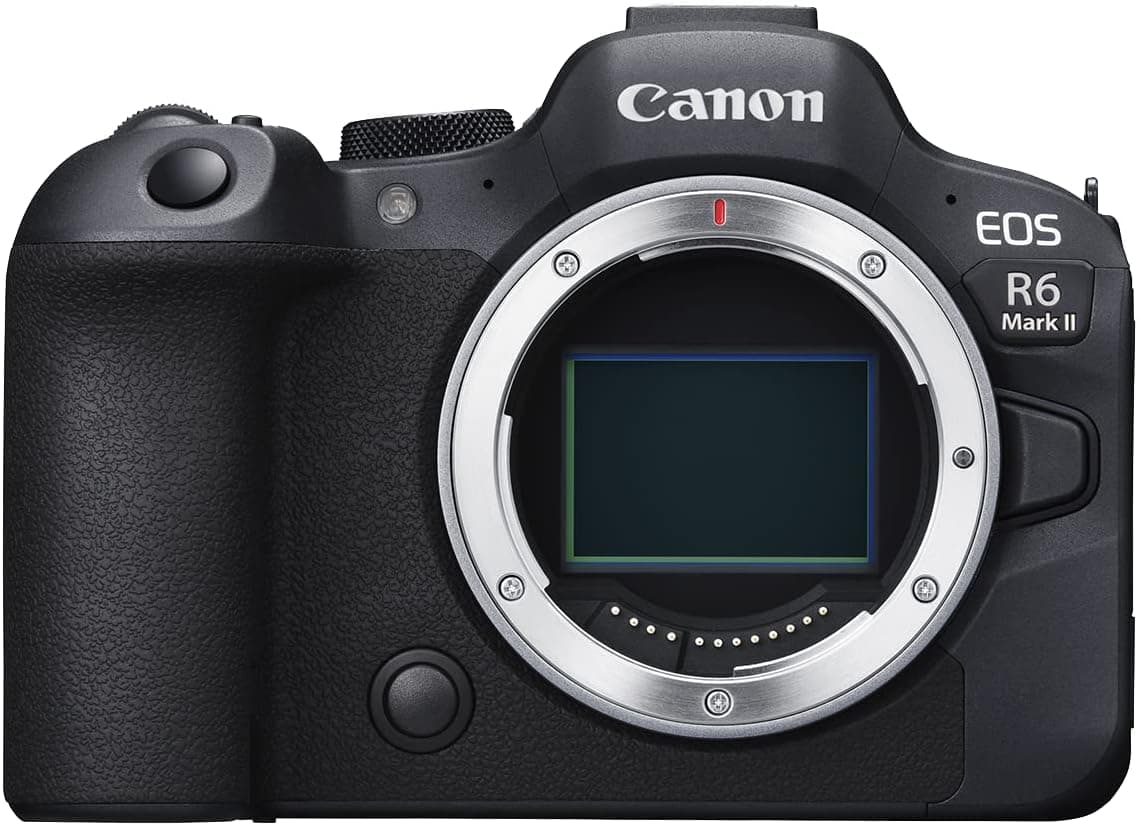
Check price at AmazonThe Canon EOS R6 Mark II is the value action body for Canon shooters. Up to 40 fps electronic bursts, strong subject-detection autofocus from the pro line, and clean 24 MP files make it more than capable for school sports, club events, and most fast subjects. The buffer is shallower than the flagships and the sensor is not stacked, so very fast pans can show some rolling-shutter skew on the electronic shutter, but for the price it covers the vast majority of action needs.
Best Hybrid
Nikon Z6 III
Hybrid shooters who want serious video alongside capable stills.
Check price at AmazonThe Nikon Z6 III is the value pick on Nikon and a strong all-rounder. Its partially stacked sensor reads out faster than a conventional one, so autofocus and bursts hold up well for action, and the handling and viewfinder are excellent. At 24 MP it keeps files manageable and low-light noise in check. For a shooter who wants serious action capability plus strong video without flagship cost, it is the sensible Nikon choice.
Common mistakes
The most common one is buying resolution over autofocus. A 50 MP file of a soft, out-of-focus athlete is worthless; tracking that holds the eye through the play is what fills the card with keepers. The second is too slow a shutter; freezing sport usually wants 1/1000 or faster, and panning shots aside, dragging the shutter for cleaner ISO just gives you motion blur. The third is overlooking buffer depth and card speed; a shallow buffer or a slow card stalls the camera mid-play, so pair a fast body with a fast card and shoot in measured bursts rather than holding the shutter down endlessly. Learn the shooting craft in the sports photography guide and the how to photograph sports walkthrough.
Do I need a flagship body for sports?
Not for most shooters. The flagships earn their cost with deeper buffers, faster sensor readout, and pro durability that matters on a paid sideline. For school sports, club events, and hobby action, a value body like the R6 Mark II or Z6 III tracks well and shoots fast enough to fill the keeper folder. Spend the difference on a fast lens, which often does more for your results.
What shutter speed freezes sports action?
As a rule, 1/1000 of a second handles most field and court sports, and faster (1/2000 and up) helps for the fastest motion like a swung bat or a kicked ball. Lower light forces a trade with ISO; a body with strong high-ISO performance lets you keep the shutter fast in a dim arena. Panning shots are the exception, where a slower shutter and a steady pan blur the background on purpose.
Is a global shutter worth it for sports?
For specific cases, yes. A global shutter eliminates the rolling-shutter skew that can bend fast-moving subjects on a quick pan, and it allows flash sync at any shutter speed, which is useful for some indoor sports. For most shooters, a stacked sensor (as in the Z9 and R3) reads out fast enough that skew is rarely a problem, so a global shutter is a specialist advantage rather than a requirement.
Compare picks
The short version
Use this to narrow the list before opening the detailed cards.
Scores weigh fit, owner sentiment, build, and value. Affiliate links do not change pick order. Methodology
Buying order
Start with the skip note. A good deal on the wrong camera is still the wrong camera.
Compare verdictsIf you already own lenses, check the system path before buying into a new mount.
Check systemsOnce the fit makes sense, compare current deals and retailer listings.
Check current dealsCamera system shortcut
If you already own one of these systems, keep the comparison inside that ecosystem before checking out.
Autofocus hybrid kits
Simple camera paths
Stills-first Z kits
Event, wedding, and action shooters who want speed and clean video.
Use the retailer for the current price after the tradeoff makes sense. Confirm lens mount, sensor format, battery, charger, and kit contents.
9.4/10 Aperture Score
Use the retailer for the current price after the tradeoff makes sense. Confirm lens mount, sensor format, battery, charger, and kit contents.
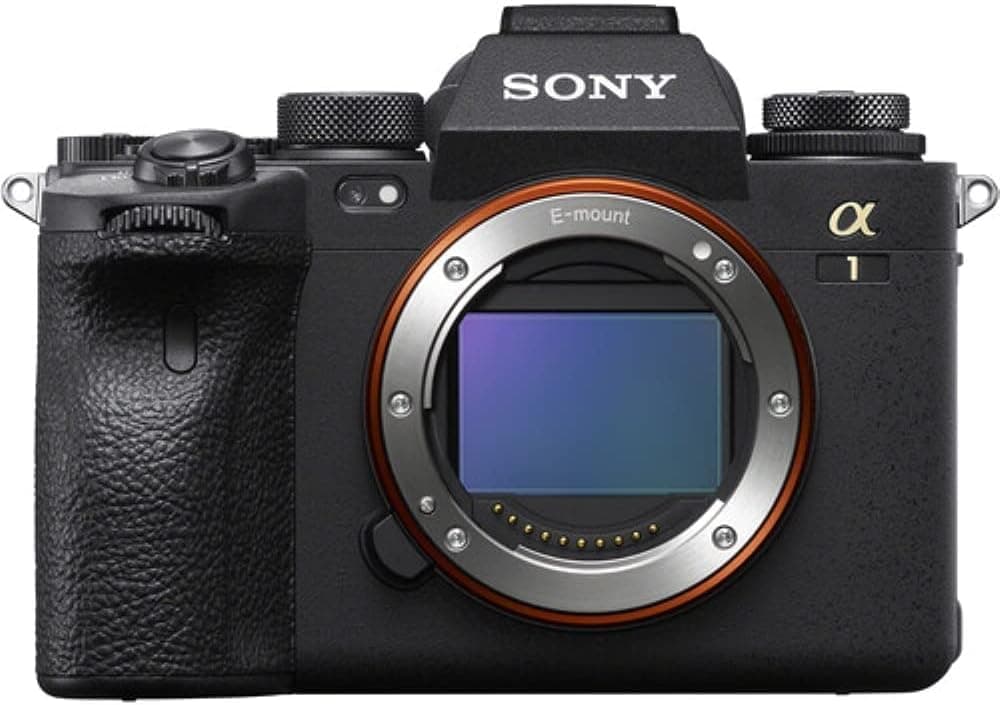
Professionals who need resolution and speed in a single body.
Use the retailer for the current price after the tradeoff makes sense. Confirm lens mount, sensor format, battery, charger, and kit contents.
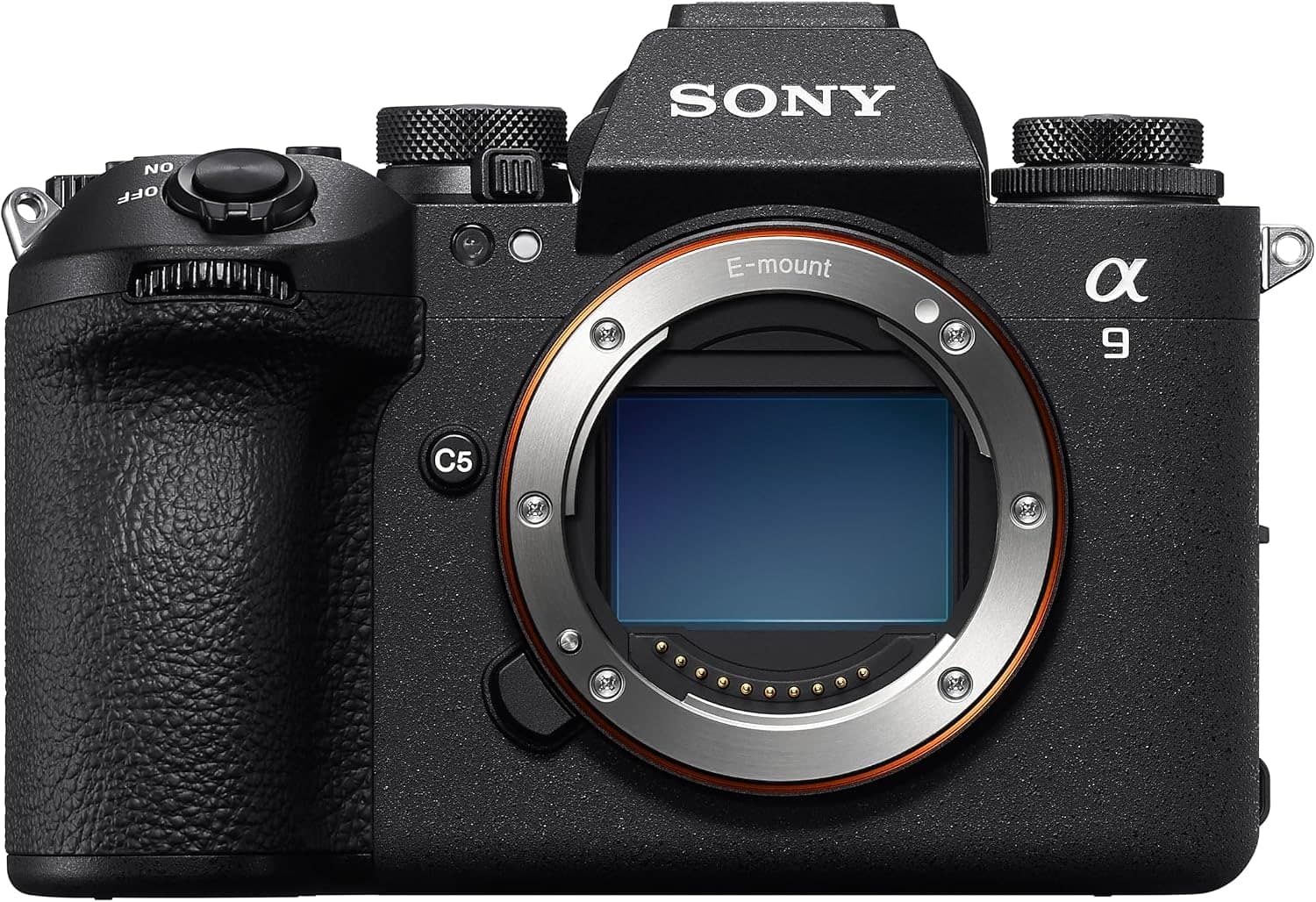
Sports and wildlife professionals who need distortion-free high-speed capture.
Use the retailer for the current price after the tradeoff makes sense. Confirm lens mount, sensor format, battery, charger, and kit contents.
Price ladder
The useful range here runs from $2,115 to $5,250. Start with the ceiling that matches the assignment.
- Sports and wildlife professionals who need endurance and durability.
- Long battery life from the integrated grip
- Large and heavy
Use the retailer for the current price after the tradeoff makes sense. Confirm lens mount, sensor format, battery, charger, and kit contents.
- Sports and news professionals who prioritize speed and durability.
- Fast stacked sensor with minimal rolling shutter
- Large and heavy
Use the retailer for the current price after the tradeoff makes sense. Confirm lens mount, sensor format, battery, charger, and kit contents.
- Sports and wildlife professionals who need distortion-free high-speed capture.
- No rolling shutter thanks to the global shutter
- High cost
Use the retailer for the current price after the tradeoff makes sense. Confirm lens mount, sensor format, battery, charger, and kit contents.
- Professionals who need resolution and speed in a single body.
- 50 MP at up to 30 fps
- Very high price
Use the retailer for the current price after the tradeoff makes sense. Confirm lens mount, sensor format, battery, charger, and kit contents.
- Event, wedding, and action shooters who want speed and clean video.
- Excellent Dual Pixel autofocus with subject detection
- 24 MP gives less crop room than higher-resolution rivals
Use the retailer for the current price after the tradeoff makes sense. Confirm lens mount, sensor format, battery, charger, and kit contents.
- Hybrid shooters who want serious video alongside capable stills.
- Internal 6K RAW video
- Slightly higher base ISO noise than some rivals
Use the retailer for the current price after the tradeoff makes sense. Confirm lens mount, sensor format, battery, charger, and kit contents.
| Pick | Score | Price | Verdict | Action |
|---|---|---|---|---|
| PickNikon Z9 | 9.4
| $5,000 - $5,500 | Sports and wildlife professionals who need endurance and durability. Wins: Long battery life from the integrated grip Skip: Large and heavy | Check Amazon · $5,000 - $5,500 Use the retailer for the current price after the tradeoff makes sense. Confirm lens mount, sensor format, battery, charger, and kit contents. |
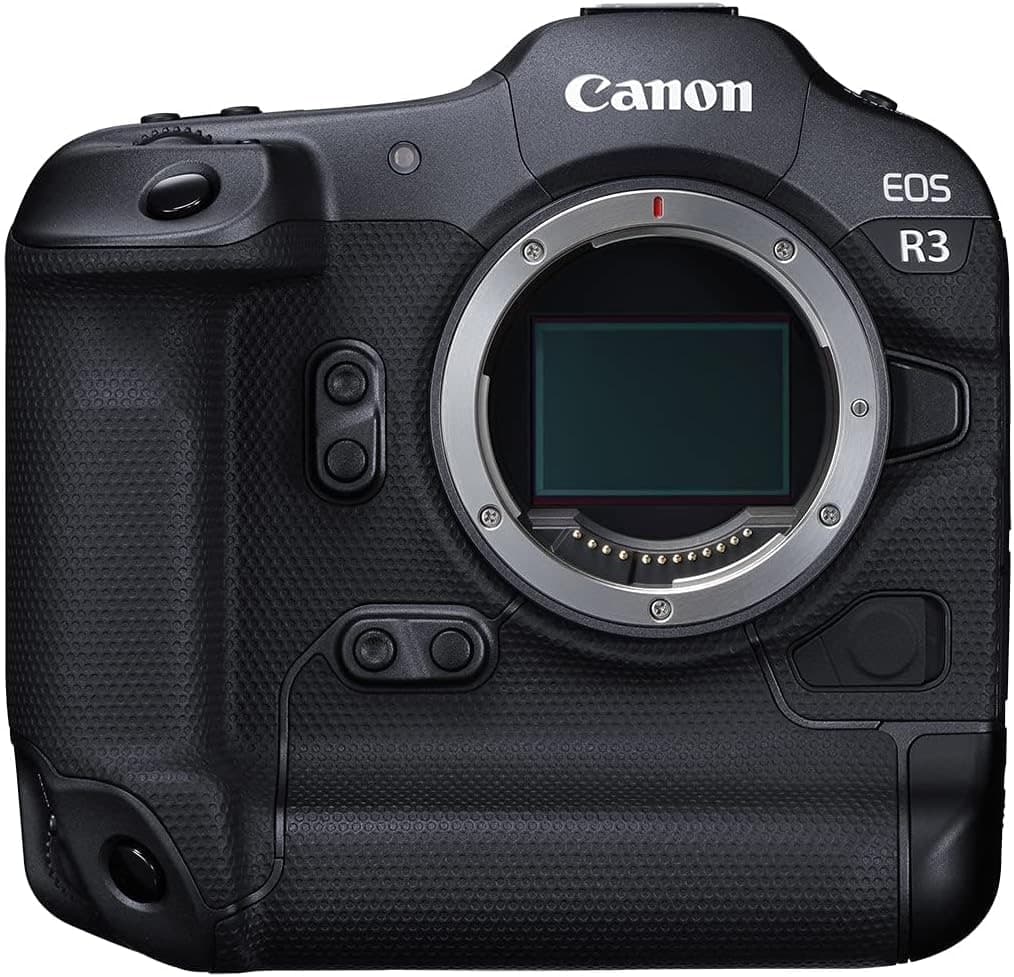 PickCanon EOS R3 PickCanon EOS R3 | 9.2
| $4,300 - $4,500 | Sports and news professionals who prioritize speed and durability. Wins: Fast stacked sensor with minimal rolling shutter Skip: Large and heavy | Check Amazon · $4,300 - $4,500 Use the retailer for the current price after the tradeoff makes sense. Confirm lens mount, sensor format, battery, charger, and kit contents. |
| Best for SportsSony a9 III | 9.3
| $6,700 - $6,900 | Sports and wildlife professionals who need distortion-free high-speed capture. Wins: No rolling shutter thanks to the global shutter Skip: High cost | Check Amazon · $6,700 - $6,900 Use the retailer for the current price after the tradeoff makes sense. Confirm lens mount, sensor format, battery, charger, and kit contents. |
| PickSony a1 II | 9.4
| $6,950 - $7,850 | Professionals who need resolution and speed in a single body. Wins: 50 MP at up to 30 fps Skip: Very high price | Check Amazon · $6,950 - $7,850 Use the retailer for the current price after the tradeoff makes sense. Confirm lens mount, sensor format, battery, charger, and kit contents. |
| Editor's ChoiceCanon EOS R6 Mark II | 9.0
| $1,990 - $2,240 | Event, wedding, and action shooters who want speed and clean video. Wins: Excellent Dual Pixel autofocus with subject detection Skip: 24 MP gives less crop room than higher-resolution rivals | Check Amazon · $1,990 - $2,240 Use the retailer for the current price after the tradeoff makes sense. Confirm lens mount, sensor format, battery, charger, and kit contents. |
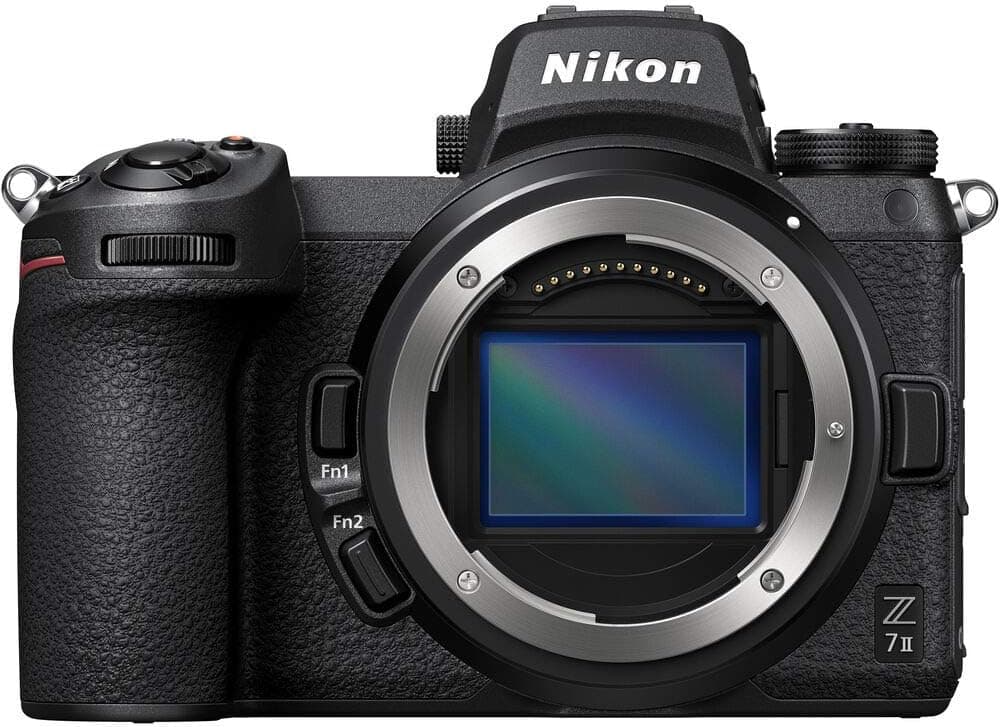 Best HybridNikon Z6 III Best HybridNikon Z6 III | 9.0
| $2,200 - $2,500 | Hybrid shooters who want serious video alongside capable stills. Wins: Internal 6K RAW video Skip: Slightly higher base ISO noise than some rivals | Check Amazon · $2,200 - $2,500 Use the retailer for the current price after the tradeoff makes sense. Confirm lens mount, sensor format, battery, charger, and kit contents. |
Keep going
Next useful steps
Pick one. Each link continues the same job without starting the research over.
Shoot kits
Buy around the job, not the spec sheet
Fast subjects
Wildlife and sports kit
$9,833
A fast autofocus body, serious long zoom, weather-ready carry, and fast media for distant subjects that will not wait.
Best reach-first action kit
Buy order: start with the first piece that makes the job possible, then add the support pieces that remove friction.
Camera: start here. If this piece does not make the shoot easier, the rest of the kit can wait.
Memory: add it after the core setup proves useful.
Sony a9 III
Global shutter speed, subject tracking, and high frame rates for moments that last a fraction of a second.
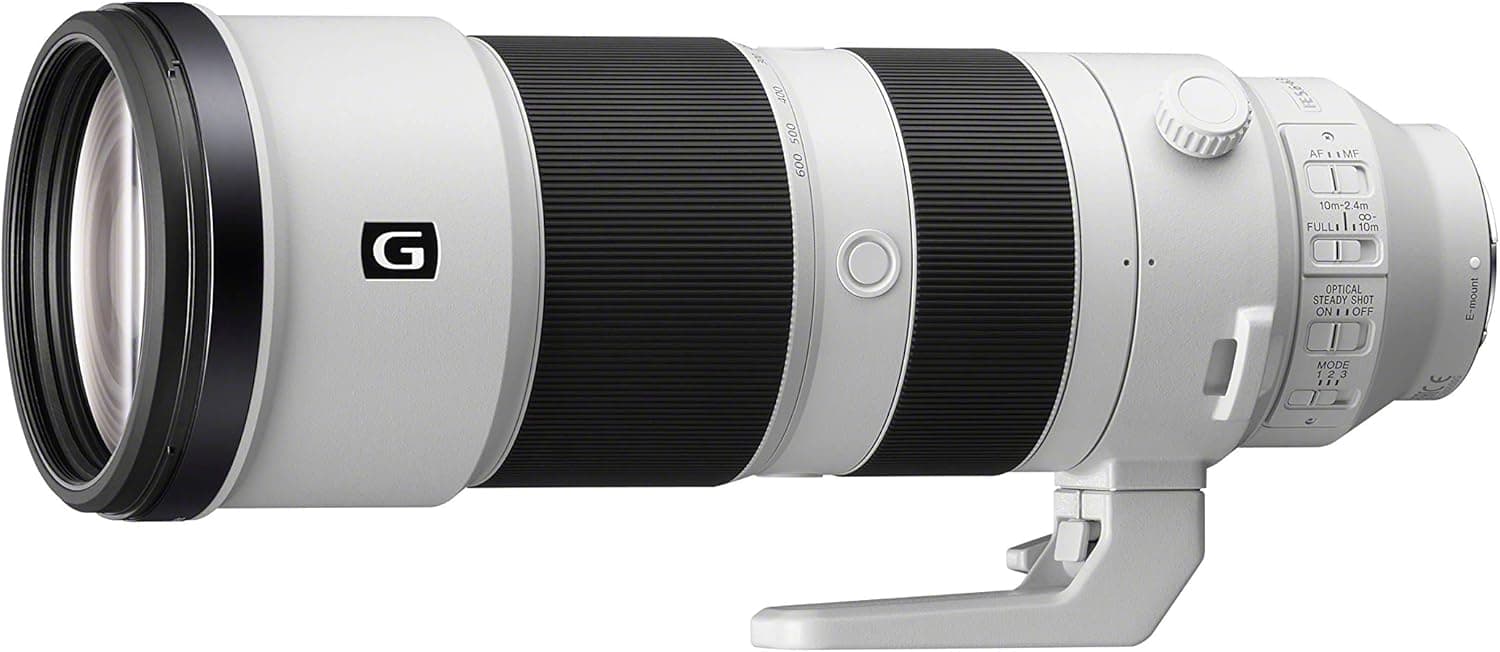
Sony FE 200-600mm f/5.6-6.3 G OSS
Reach for birds, field sports, and wildlife without jumping straight to prime-lens pricing.
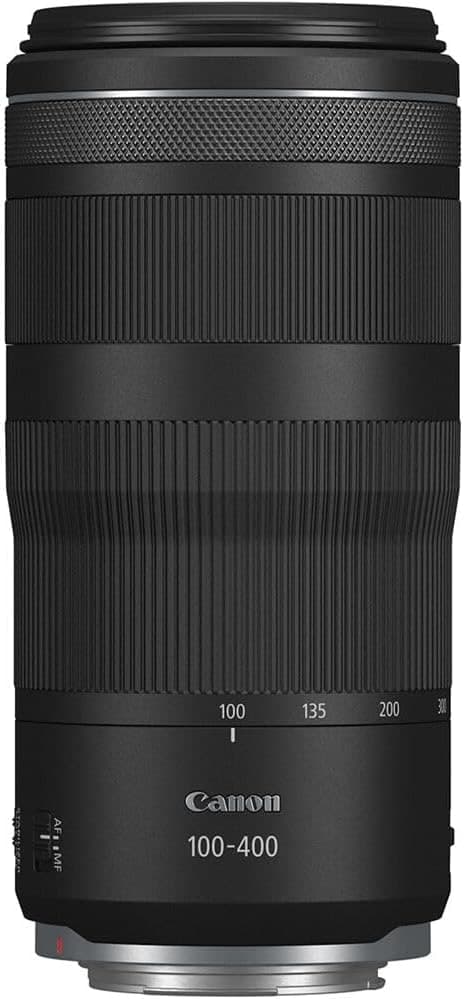
Canon RF 100-400mm f/5.6-8 IS USM
A lighter alternate path for Canon shooters who want reach before they buy a heavy super-telephoto.
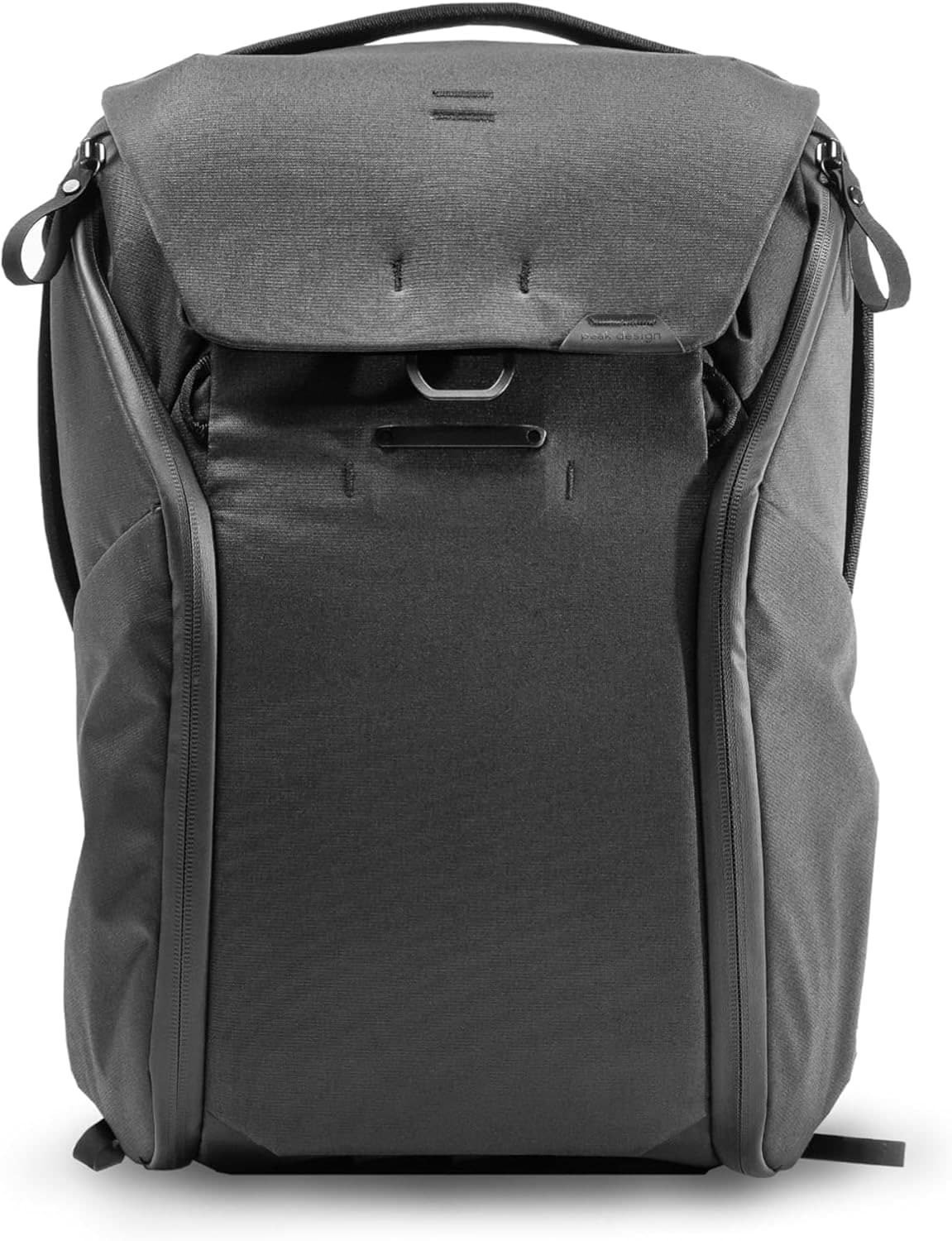
Peak Design Everyday Backpack V2 20L
Room for a long-lens kit, layers, cards, batteries, and field extras without loose gear knocking around.
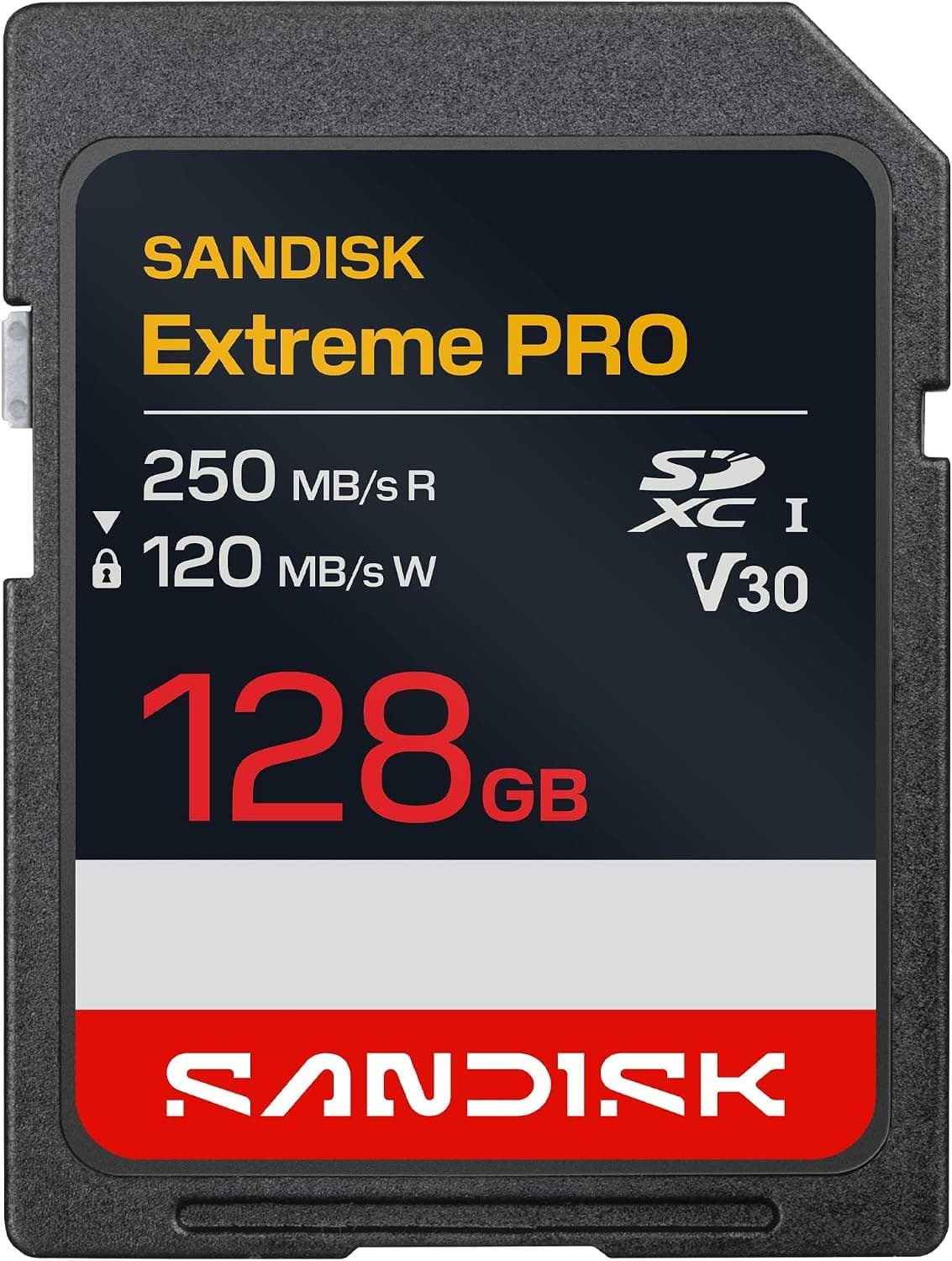
SanDisk Extreme Pro SDXC 128GB
Fast enough for heavy bursts and common video modes in bodies that still use SD media.
Prices are rough catalog totals. Retailer prices change, and you can swap pieces to fit your system.
Related Gear guides
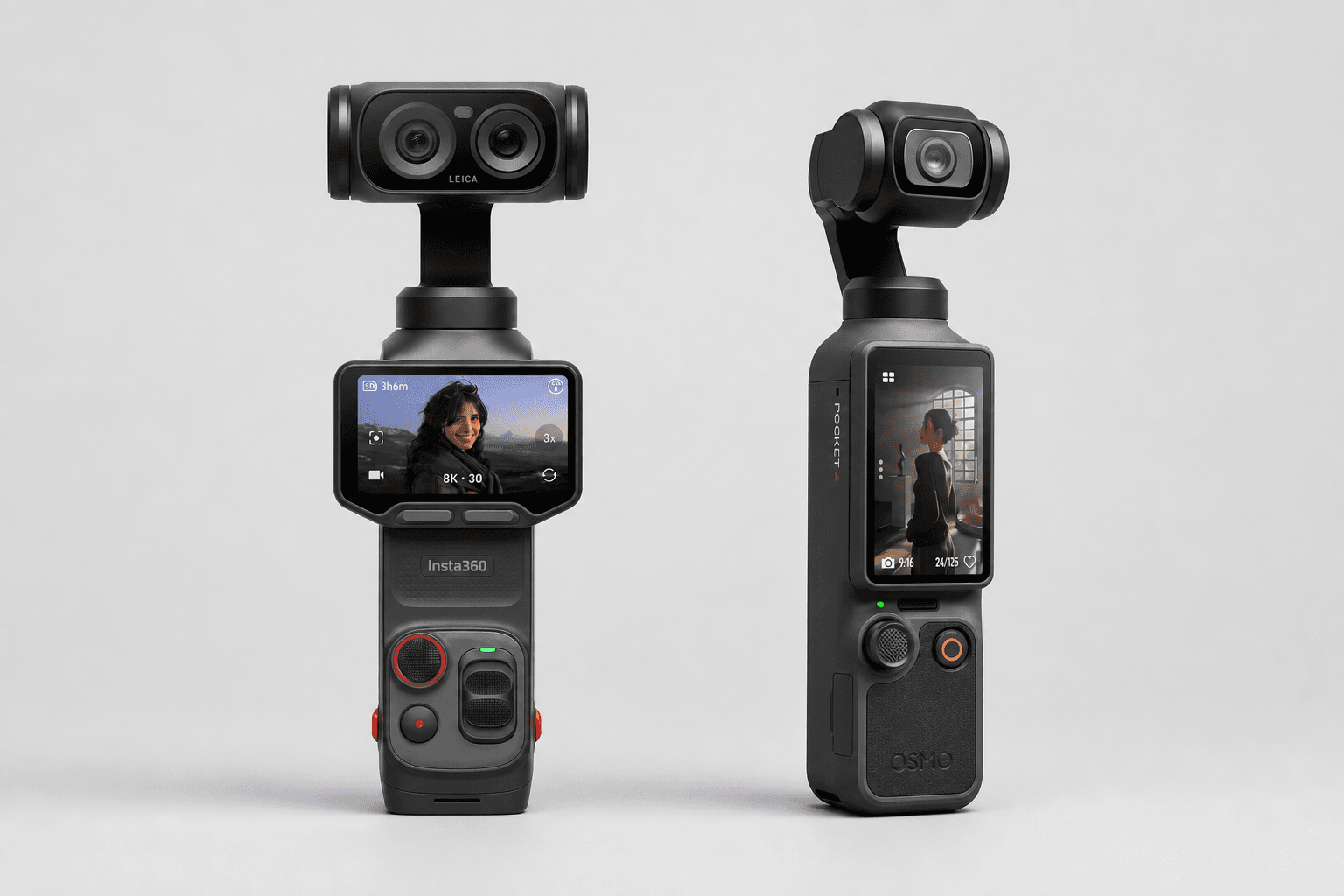
Insta360 Luna Ultra vs DJI Osmo Pocket 4: Which Pocket Gimbal Should You Buy?
Compare Luna Ultra and DJI Pocket 4 by lenses, video, Log formats, storage, U.S. availability, and the filming jobs each pocket gimbal handles best.
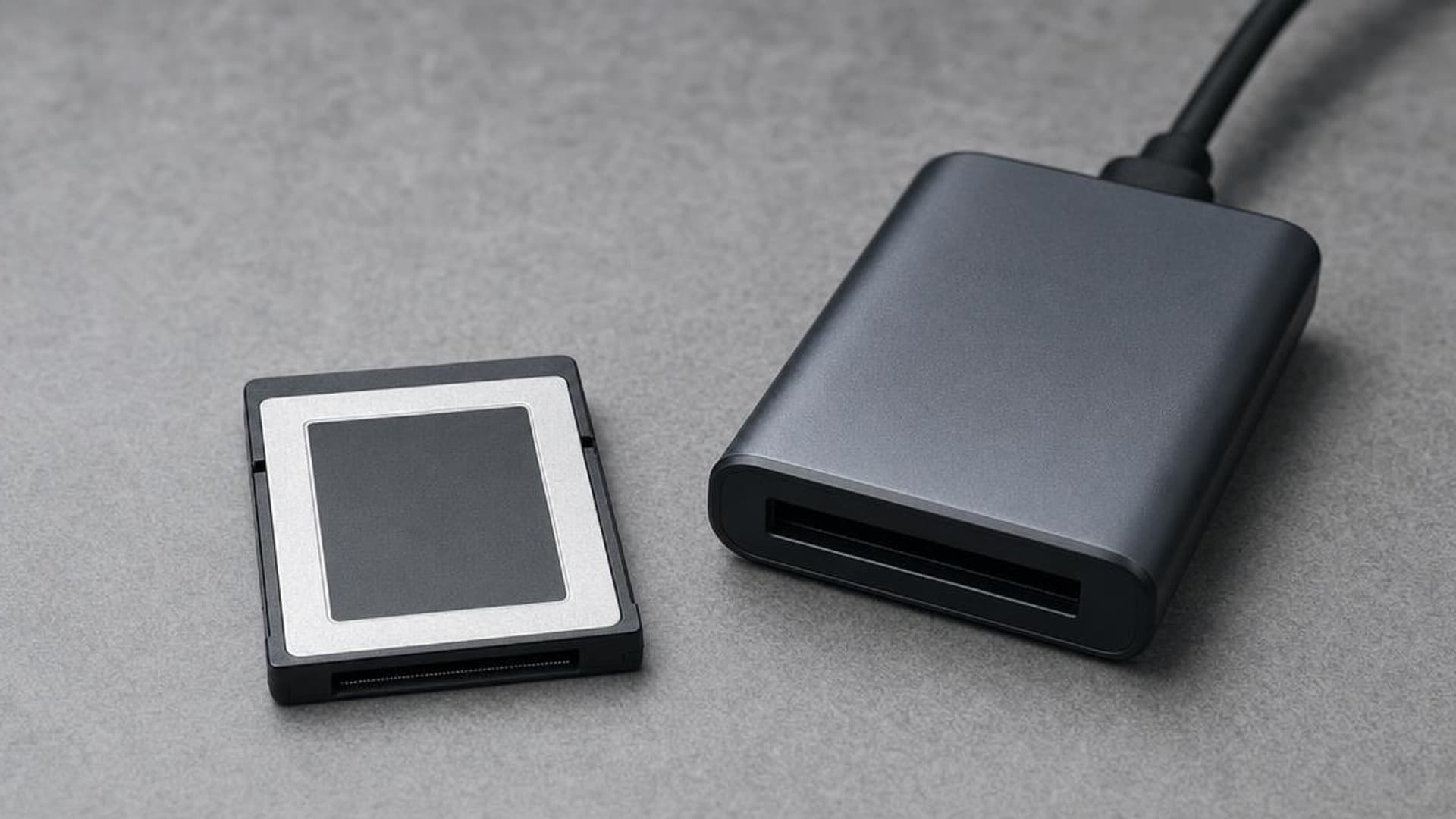
CFexpress 4.0 and VPG Explained: Buy the Card Your Camera Needs
CFexpress 4.0 doubles theoretical bandwidth, while VPG certifies sustained video writes. Learn Type A vs B, VPG classes, and when 4.0 is worth paying for.
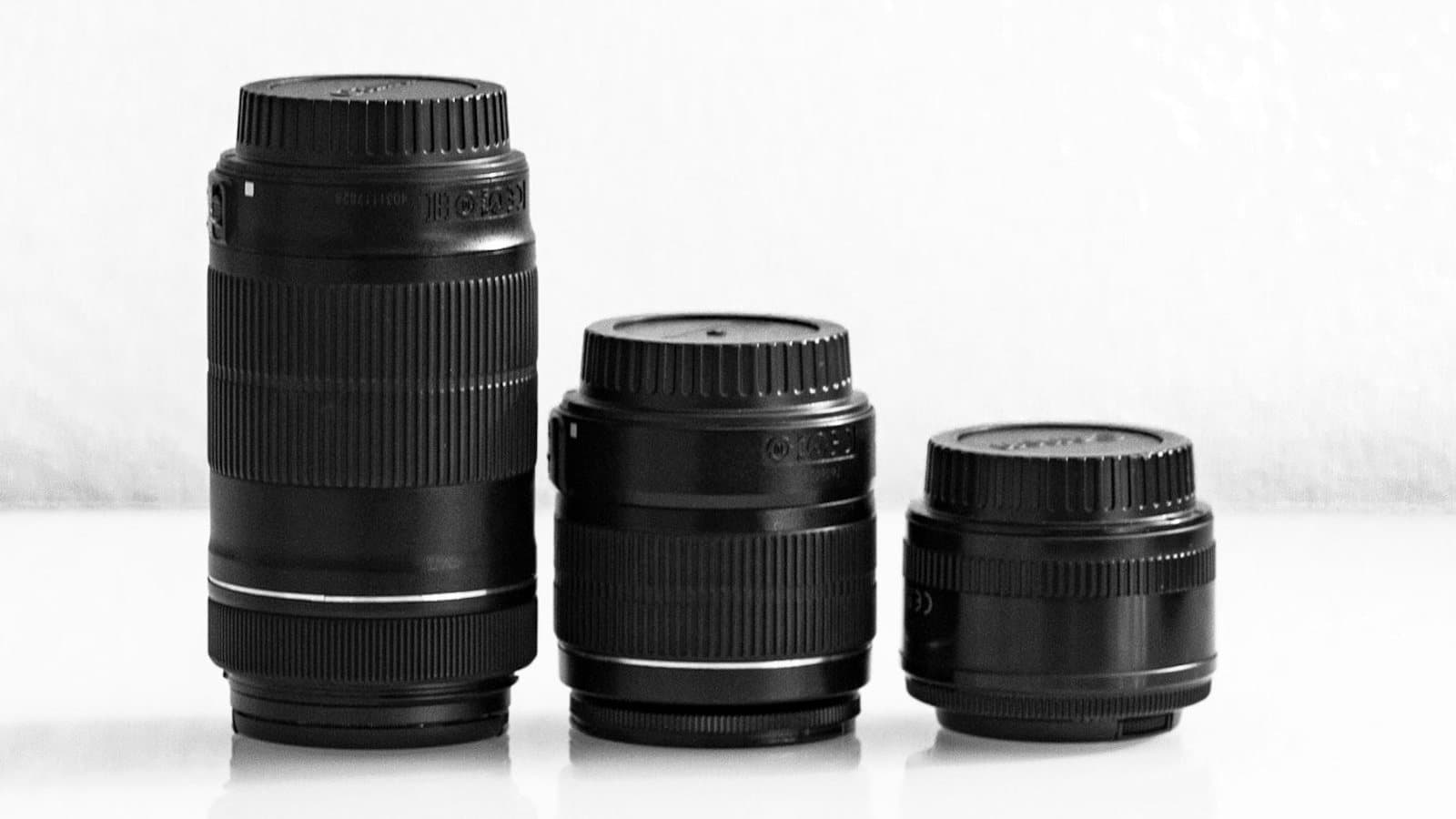
Focal Length Explained: What 24mm, 50mm, 85mm, and 200mm Actually Do
What the millimeter number on a lens changes in the field: angle of view, compression, and working distance. When to reach for 24, 50, 85, or 200mm.
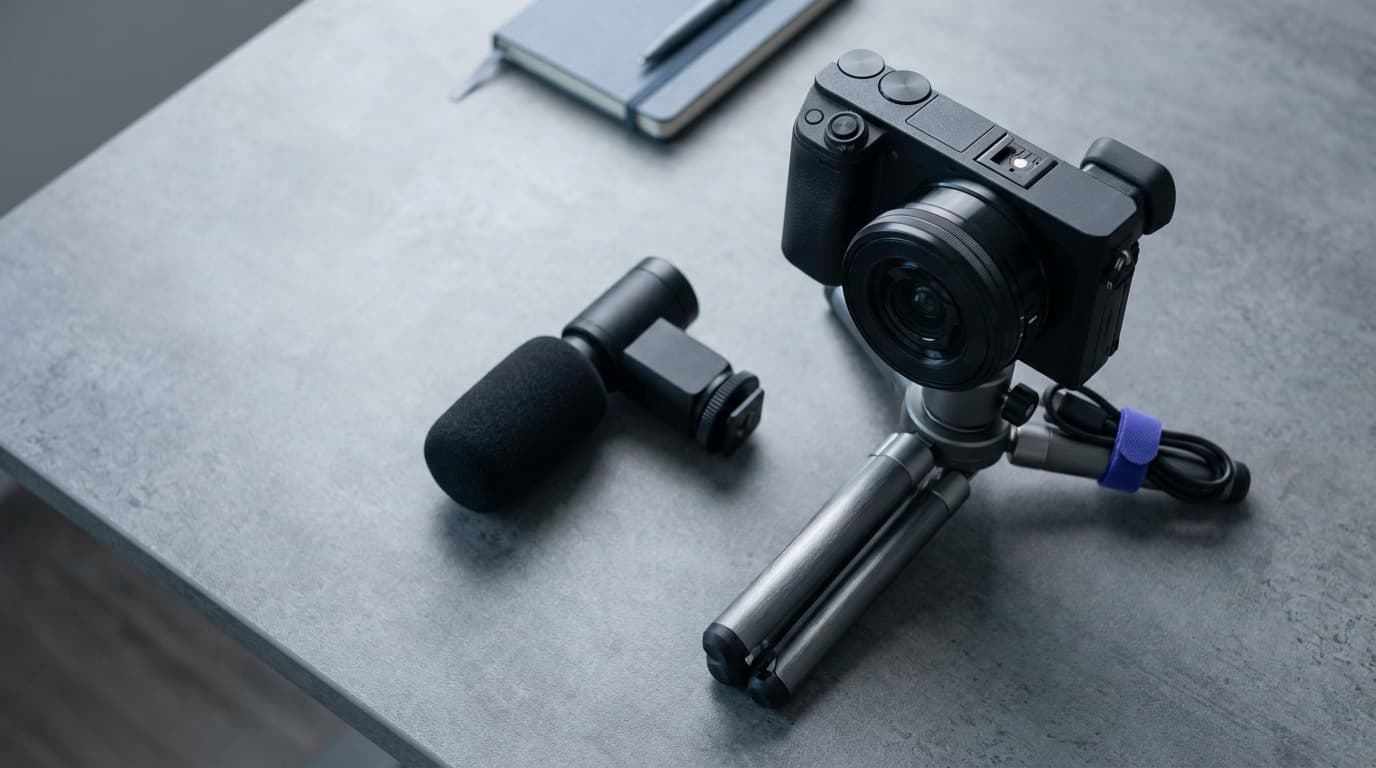
Canon EOS R50 V vs Sony ZV-E10 II: Which Beginner Vlogging Camera Should You Buy?
Canon EOS R50 V is the easier beginner creator kit. Sony ZV-E10 II is the deeper lens-system pick. Compare the practical tradeoffs.
Researched, not personally tested: picks compare specifications, available owner feedback, and established expert sources. As an Amazon Associate I earn from qualifying purchases. We may earn a commission from links here, at no extra cost to you. How we research →