We may earn a commission from links on this page, at no extra cost to you. Picks are researched, not sponsored.
Wildlife photography is a contest against motion and distance. The animal will not pose, the light is often poor, and you shoot from as close as it lets you, which is rarely close enough. That puts three things first in a body: autofocus that locks onto an eye and holds it, a frame rate that catches the peak of the action, and enough resolution (or a crop sensor) to give you reach. Pair any of these with a long lens from our best telephoto lenses guide and you have a working kit.
If you are choosing a system from scratch, our what camera should you buy guide frames the decision, and the wildlife photography genre guide covers field technique.
How to choose
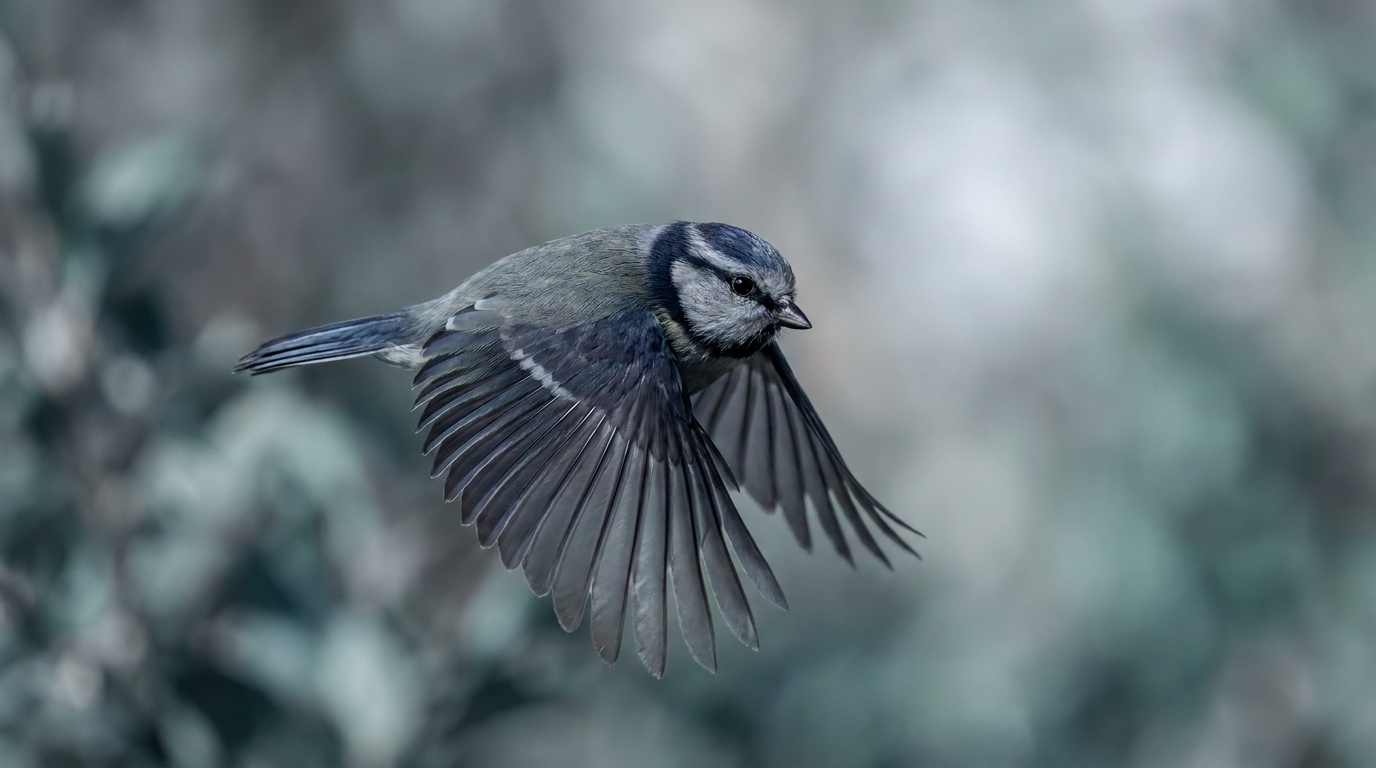
Three specs carry the most weight. Subject-detection autofocus is the headline feature now: animal and bird eye detection that finds and tracks the eye through branches and motion is what separates a keeper rate of 1-in-20 from 1-in-3. Frame rate, because wing positions and decisive moments happen in fractions of a second; 20 fps and up gives you the frame you wanted. Reach, which comes from resolution you can crop into or from a crop sensor that frames tighter than full-frame. Pre-Capture can also save frames from just before the full shutter press, which is useful for an unpredictable takeoff, but its file and shutter restrictions vary by body. Sony, for example, documents a selectable 0.005 to 1.0 second interval for the a9 III.
After that, weigh buffer depth (how many RAW frames before the camera stalls), weather sealing for the field, and battery life for long sessions away from power. Our sensor sizes explained guide covers the crop-versus-full-frame reach trade-off in depth.
The picks
Best for Professionals
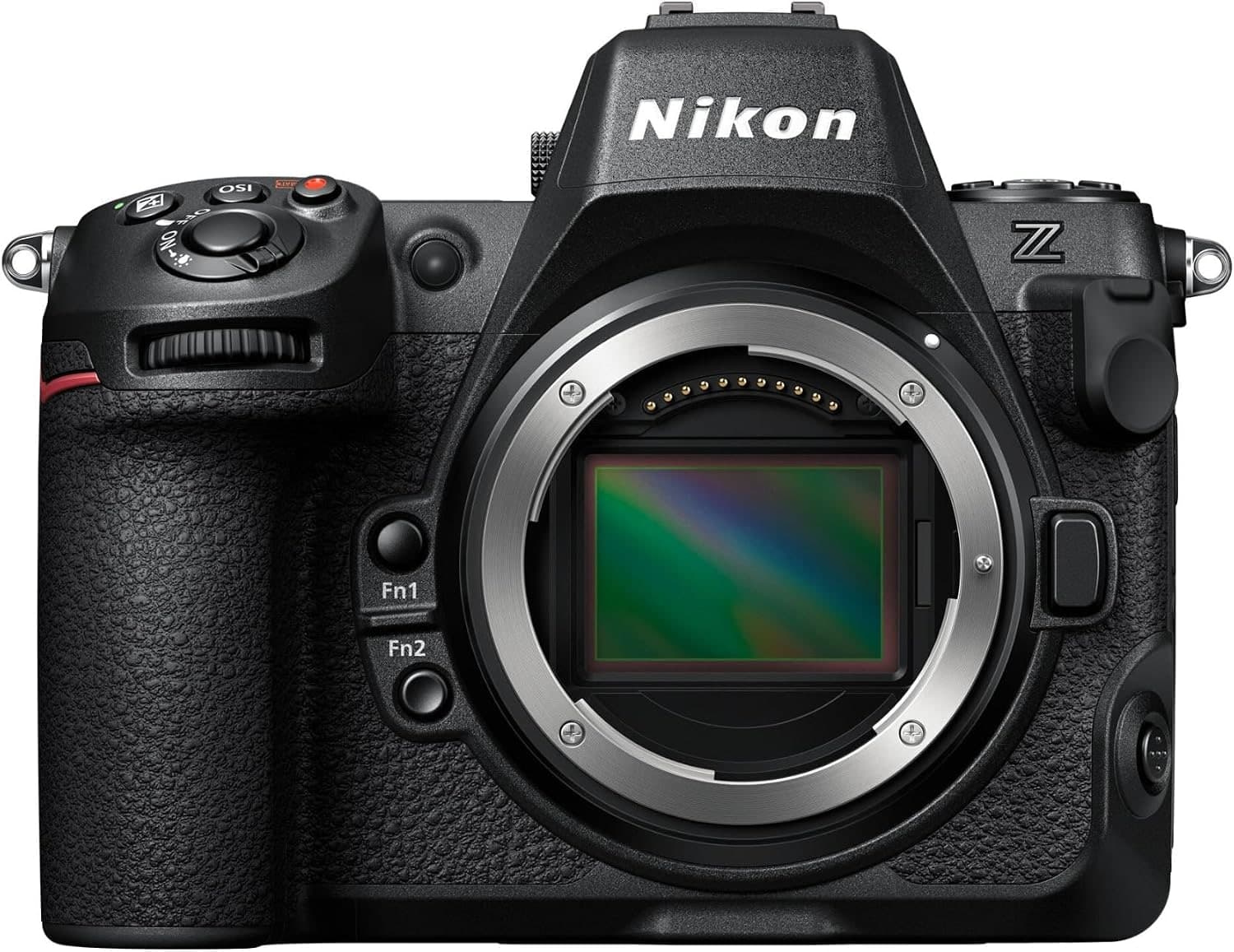
Nikon Z8
Professionals who want Z9 performance in a more portable body.
Check price at AmazonThe Nikon Z8 is the best all-around wildlife body for most people. Its stacked 45 MP sensor reads out fast enough for blackout-free shooting and rapid bursts, the autofocus locks onto bird and animal eyes tenaciously, and the 45 MP gives you room to crop hard and still print. It is essentially a Z9 in a smaller body, weather-sealed and built for the field. If you want one camera that does wildlife at a near-flagship level without the flagship size, this is it.
Research pick
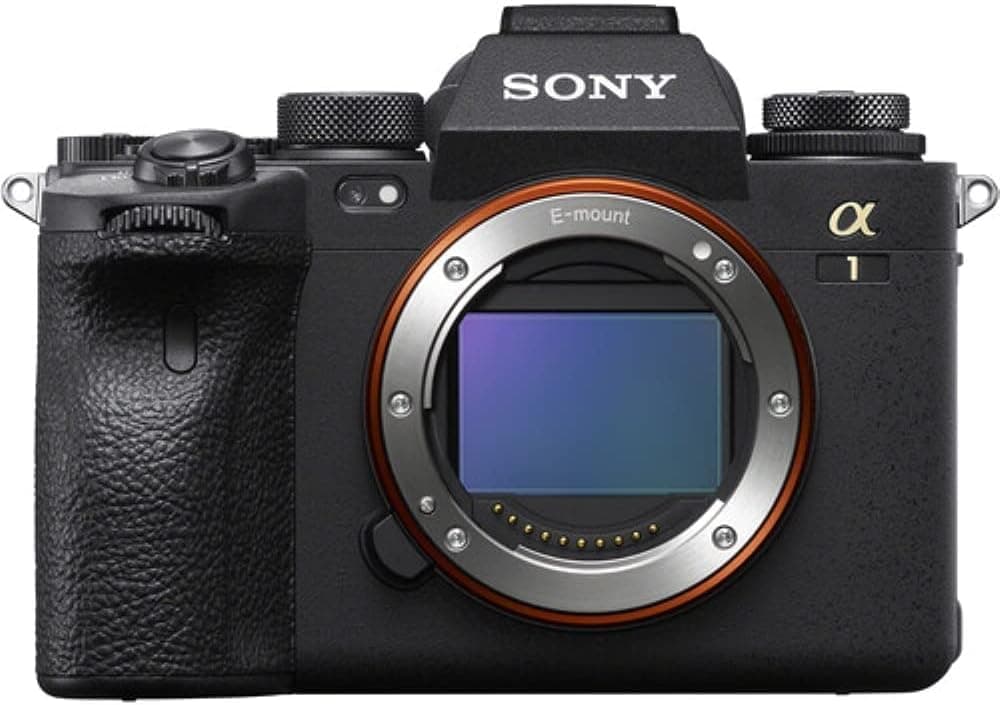
Sony a1 II
Professionals who need resolution and speed in a single body.
Check price at AmazonThe Sony a1 II is the no-compromise hybrid flagship. It combines 50 MP resolution with 30 fps bursts and Sony's latest AI-driven subject recognition, so you get reach, speed, and tracking in one body. It is expensive, and you pay for capability you may not always use, but for a professional who shoots wildlife alongside everything else, nothing covers more ground. Paired with the 200-600mm it is a complete birding rig.
Best for Sports
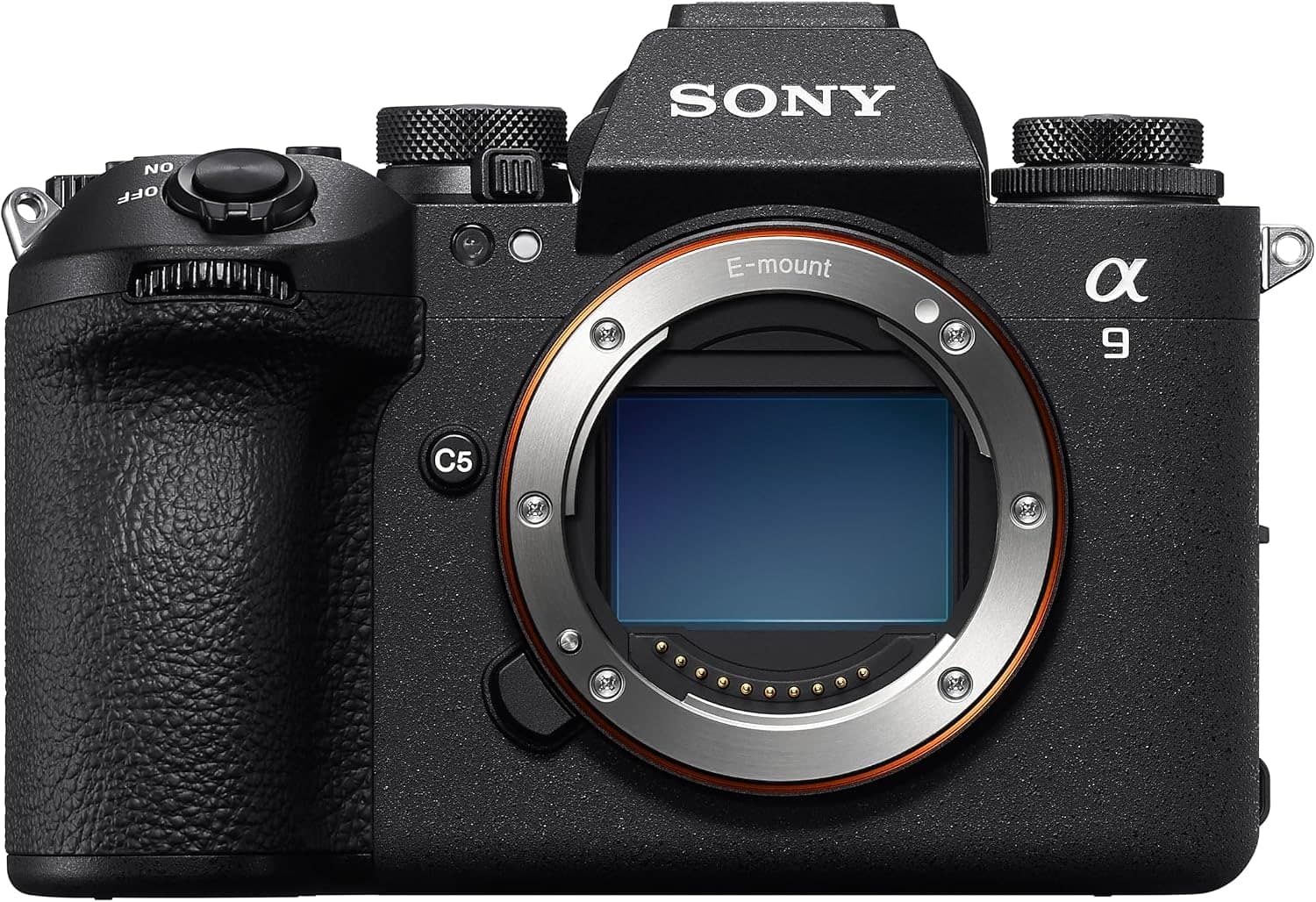
Sony a9 III
Sports and wildlife professionals who need distortion-free high-speed capture.
Check price at AmazonThe Sony a9 III is the speed specialist. Its global-shutter sensor reads the entire frame at once, eliminating rolling-shutter distortion and enabling blistering burst rates with no viewfinder blackout. For fast, erratic action (birds in flight, animals at a run) the freeze-frame precision is unmatched. The trade is lower resolution than the a1 II, so you have less room to crop. Choose it when capturing the instant matters more than pixel count.
Research pick
OM System OM-1 Mark II
Wildlife and outdoor photographers who want reach, speed, and durability.
Check price at AmazonThe OM System OM-1 Mark II is the reach-and-weather champion, and the lightweight pick. Its Micro Four Thirds sensor doubles the effective reach of every lens, so a compact 300mm frames like 600mm, and the whole kit weighs a fraction of a full-frame super-telephoto rig. Add class-leading weather sealing, strong in-body stabilization, and computational features like handheld high-res, and it is the body for shooters who hike far and travel light. The smaller sensor gives up some high-ISO headroom, which is the fair trade for the portability.
Research pick
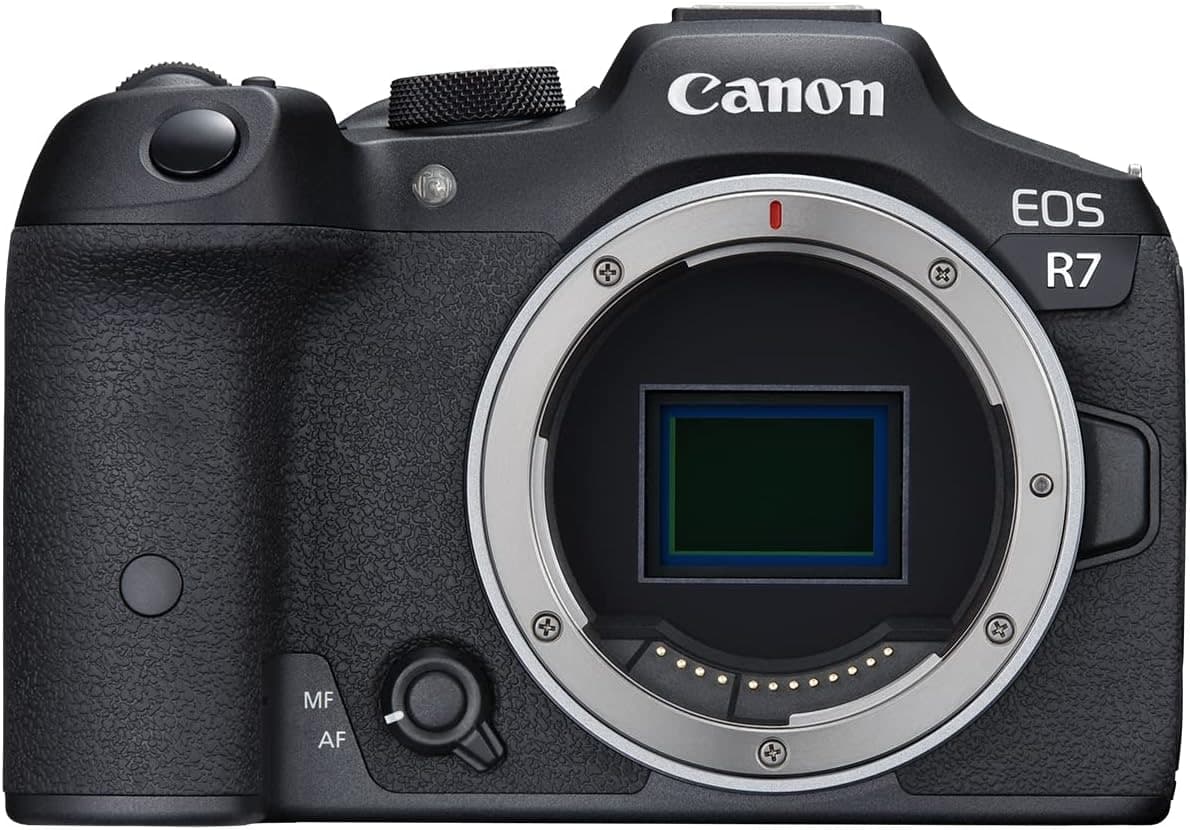
Canon EOS R7
Wildlife and sports shooters who want reach without full-frame cost.
Check price at AmazonThe Canon EOS R7 is the value reach pick. Its 33 MP APS-C sensor frames 1.6x tighter than full-frame, so an affordable telephoto reaches like a much longer lens, and it shoots fast bursts with capable subject-detection autofocus inherited from Canon's pro line. For a shooter on a budget who wants serious reach without buying a 600mm lens or a flagship body, it is the most camera for the money here. High-ISO performance trails the full-frame options, so it is happiest in good light.
Common mistakes
The most common one is buying reach and forgetting autofocus. A 600mm lens on a body that cannot track an eye gives you sharp branches and a soft bird; subject detection is what fills the keeper folder. The second is shooting too slow a shutter for the subject; wings and running legs need 1/2000 or faster, even when the light tempts you to drag it. The third is ignoring the crop-sensor reach advantage out of full-frame snobbery; for many wildlife shooters a crop body plus a moderate lens beats full-frame plus a heavier, pricier one. Match the body to a long lens from the best telephoto lenses guide and learn the field craft in the wildlife photography guide.
Is a crop sensor better for wildlife?
Often, yes. A crop sensor frames tighter, so it stretches the reach of every lens, which is exactly what wildlife shooters want, and crop bodies and lenses cost less and weigh less. The trade is worse high-ISO performance, which matters at dawn and dusk. If you shoot mostly in daylight and want reach on a budget, a crop body is a smart choice; if you shoot in low light often, full-frame with resolution to crop is the alternative.
How important is animal eye autofocus?
It is the single most valuable feature for wildlife now. A body that finds and holds the eye through motion and clutter raises your keeper rate dramatically compared with older systems where you placed a focus point by hand. Every camera on this list has strong subject-detection autofocus; it is the first thing to prioritize.
What frame rate do I need for birds in flight?
For erratic flight, faster is better: 20 fps and up gives you a real chance at the ideal wing position, and the global-shutter and stacked-sensor bodies here reach much higher. That said, technique matters as much as raw speed; tracking the bird smoothly and keeping the shutter fast enough to freeze the wings will fill the keeper folder more than chasing the highest possible burst rate.
Compare picks
The short version
Use this to narrow the list before opening the detailed cards.
Scores weigh fit, owner sentiment, build, and value. Affiliate links do not change pick order. Methodology
Buying order
Start with the skip note. A good deal on the wrong camera is still the wrong camera.
Compare verdictsIf you already own lenses, check the system path before buying into a new mount.
Check systemsOnce the fit makes sense, compare current deals and retailer listings.
Check current dealsCamera system shortcut
If you already own one of these systems, keep the comparison inside that ecosystem before checking out.
Autofocus hybrid kits
Simple camera paths
Stills-first Z kits
Professionals who want Z9 performance in a more portable body.
Use the retailer for the current price after the tradeoff makes sense. Confirm lens mount, sensor format, battery, charger, and kit contents.
Tradeoff: Rolling shutter in electronic mode
Use the retailer for the current price after the tradeoff makes sense. Confirm lens mount, sensor format, battery, charger, and kit contents.
Professionals who need resolution and speed in a single body.
Use the retailer for the current price after the tradeoff makes sense. Confirm lens mount, sensor format, battery, charger, and kit contents.
Sports and wildlife professionals who need distortion-free high-speed capture.
Use the retailer for the current price after the tradeoff makes sense. Confirm lens mount, sensor format, battery, charger, and kit contents.
Price ladder
The useful range here runs from $1,625 to $7,400. Start with the ceiling that matches the assignment.
- Professionals who want Z9 performance in a more portable body.
- 45.7 MP stacked sensor with fast readout
- Heavier than entry full-frame bodies
Use the retailer for the current price after the tradeoff makes sense. Confirm lens mount, sensor format, battery, charger, and kit contents.
- Professionals who need resolution and speed in a single body.
- 50 MP at up to 30 fps
- Very high price
Use the retailer for the current price after the tradeoff makes sense. Confirm lens mount, sensor format, battery, charger, and kit contents.
- Sports and wildlife professionals who need distortion-free high-speed capture.
- No rolling shutter thanks to the global shutter
- High cost
Use the retailer for the current price after the tradeoff makes sense. Confirm lens mount, sensor format, battery, charger, and kit contents.
- Wildlife and outdoor photographers who want reach, speed, and durability.
- Best-in-class in-body stabilization
- Smaller sensor trails full frame in low light
Use the retailer for the current price after the tradeoff makes sense. Confirm lens mount, sensor format, battery, charger, and kit contents.
- Wildlife and sports shooters who want reach without full-frame cost.
- 32.5 MP gives detail and reach
- Rolling shutter in electronic mode
Use the retailer for the current price after the tradeoff makes sense. Confirm lens mount, sensor format, battery, charger, and kit contents.
| Pick | Score | Price | Verdict | Action |
|---|---|---|---|---|
| Best for ProfessionalsNikon Z8 | 9.4
| $3,550 - $4,050 | Professionals who want Z9 performance in a more portable body. Wins: 45.7 MP stacked sensor with fast readout Skip: Heavier than entry full-frame bodies | Check Amazon · $3,550 - $4,050 Use the retailer for the current price after the tradeoff makes sense. Confirm lens mount, sensor format, battery, charger, and kit contents. |
| PickSony a1 II | 9.4
| $6,950 - $7,850 | Professionals who need resolution and speed in a single body. Wins: 50 MP at up to 30 fps Skip: Very high price | Check Amazon · $6,950 - $7,850 Use the retailer for the current price after the tradeoff makes sense. Confirm lens mount, sensor format, battery, charger, and kit contents. |
| Best for SportsSony a9 III | 9.3
| $6,700 - $6,900 | Sports and wildlife professionals who need distortion-free high-speed capture. Wins: No rolling shutter thanks to the global shutter Skip: High cost | Check Amazon · $6,700 - $6,900 Use the retailer for the current price after the tradeoff makes sense. Confirm lens mount, sensor format, battery, charger, and kit contents. |
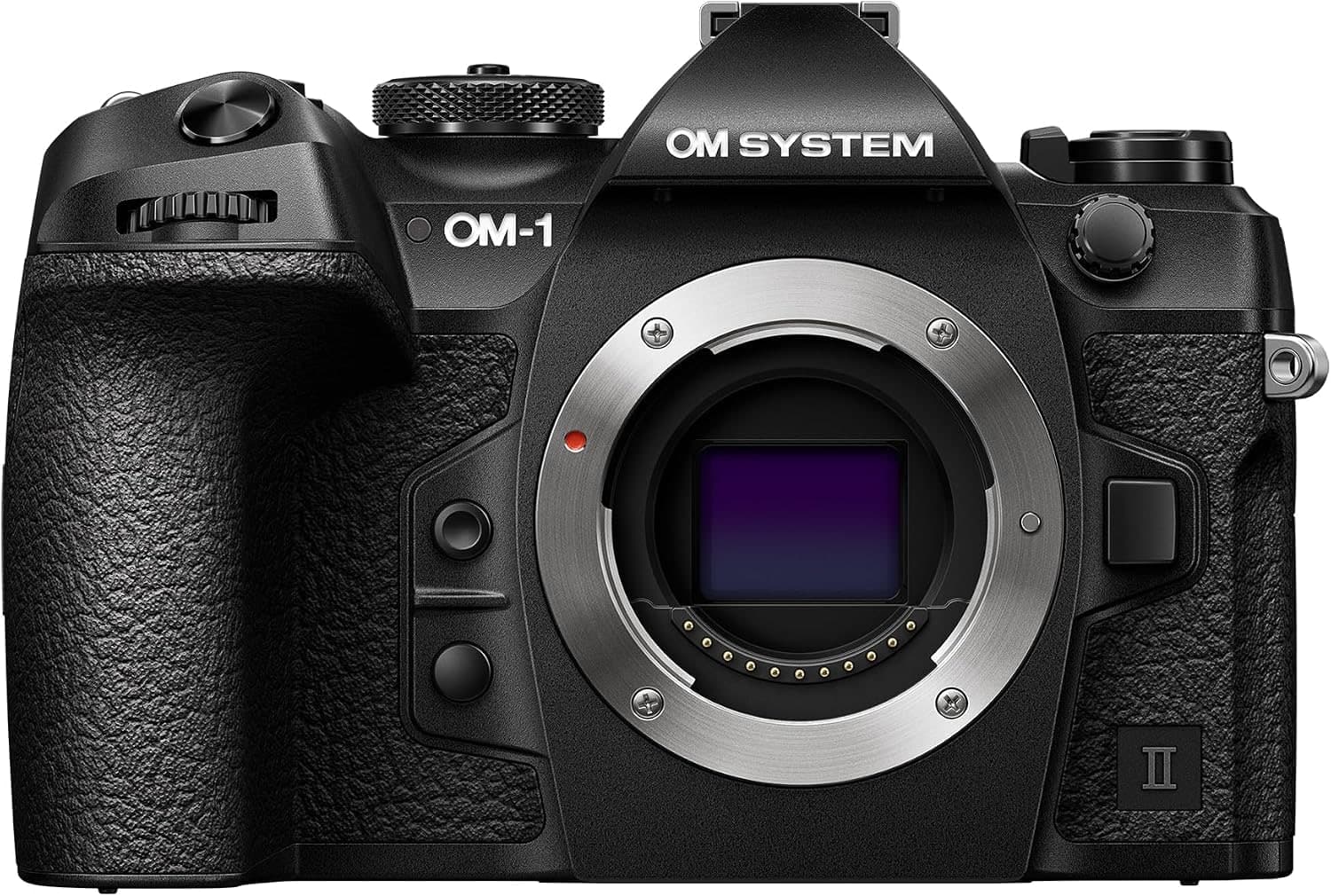 PickOM System OM-1 Mark II PickOM System OM-1 Mark II | 8.9
| $1,950 - $2,050 | Wildlife and outdoor photographers who want reach, speed, and durability. Wins: Best-in-class in-body stabilization Skip: Smaller sensor trails full frame in low light | Check Amazon · $1,950 - $2,050 Use the retailer for the current price after the tradeoff makes sense. Confirm lens mount, sensor format, battery, charger, and kit contents. |
| PickCanon EOS R7 | 8.6
| $1,550 - $1,700 | Wildlife and sports shooters who want reach without full-frame cost. Wins: 32.5 MP gives detail and reach Skip: Rolling shutter in electronic mode | Check Amazon · $1,550 - $1,700 Use the retailer for the current price after the tradeoff makes sense. Confirm lens mount, sensor format, battery, charger, and kit contents. |
Keep going
Next useful steps
Pick one. Each link continues the same job without starting the research over.
Shoot kits
Buy around the job, not the spec sheet
Fast subjects
Wildlife and sports kit
$9,833
A fast autofocus body, serious long zoom, weather-ready carry, and fast media for distant subjects that will not wait.
Best reach-first action kit
Buy order: start with the first piece that makes the job possible, then add the support pieces that remove friction.
Camera: start here. If this piece does not make the shoot easier, the rest of the kit can wait.
Memory: add it after the core setup proves useful.
Sony a9 III
Global shutter speed, subject tracking, and high frame rates for moments that last a fraction of a second.
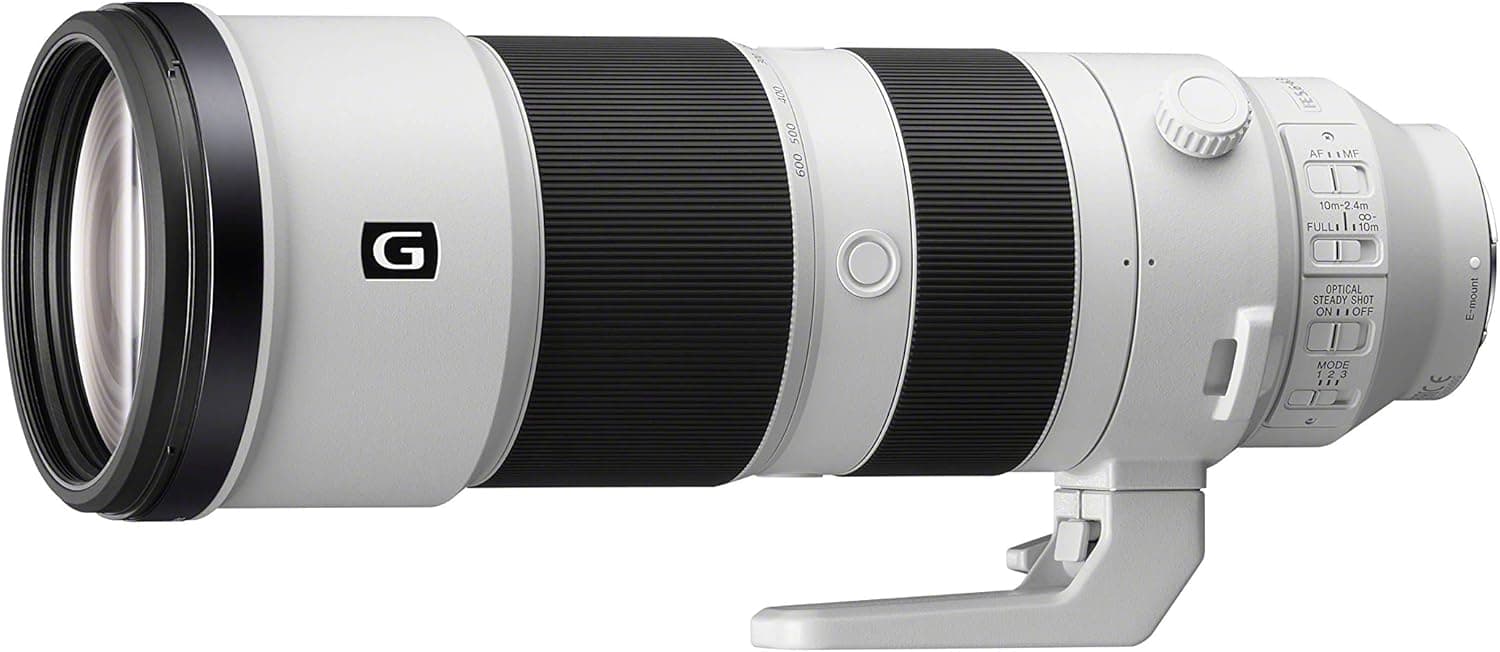
Sony FE 200-600mm f/5.6-6.3 G OSS
Reach for birds, field sports, and wildlife without jumping straight to prime-lens pricing.
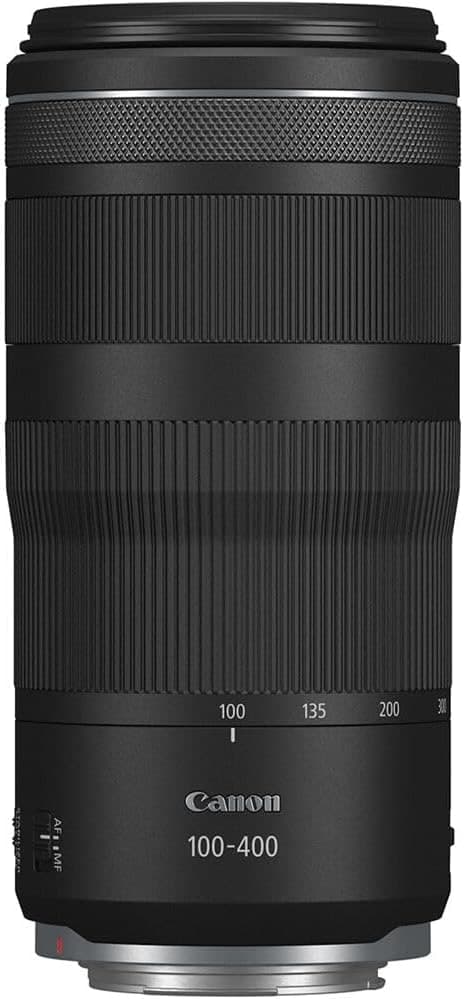
Canon RF 100-400mm f/5.6-8 IS USM
A lighter alternate path for Canon shooters who want reach before they buy a heavy super-telephoto.
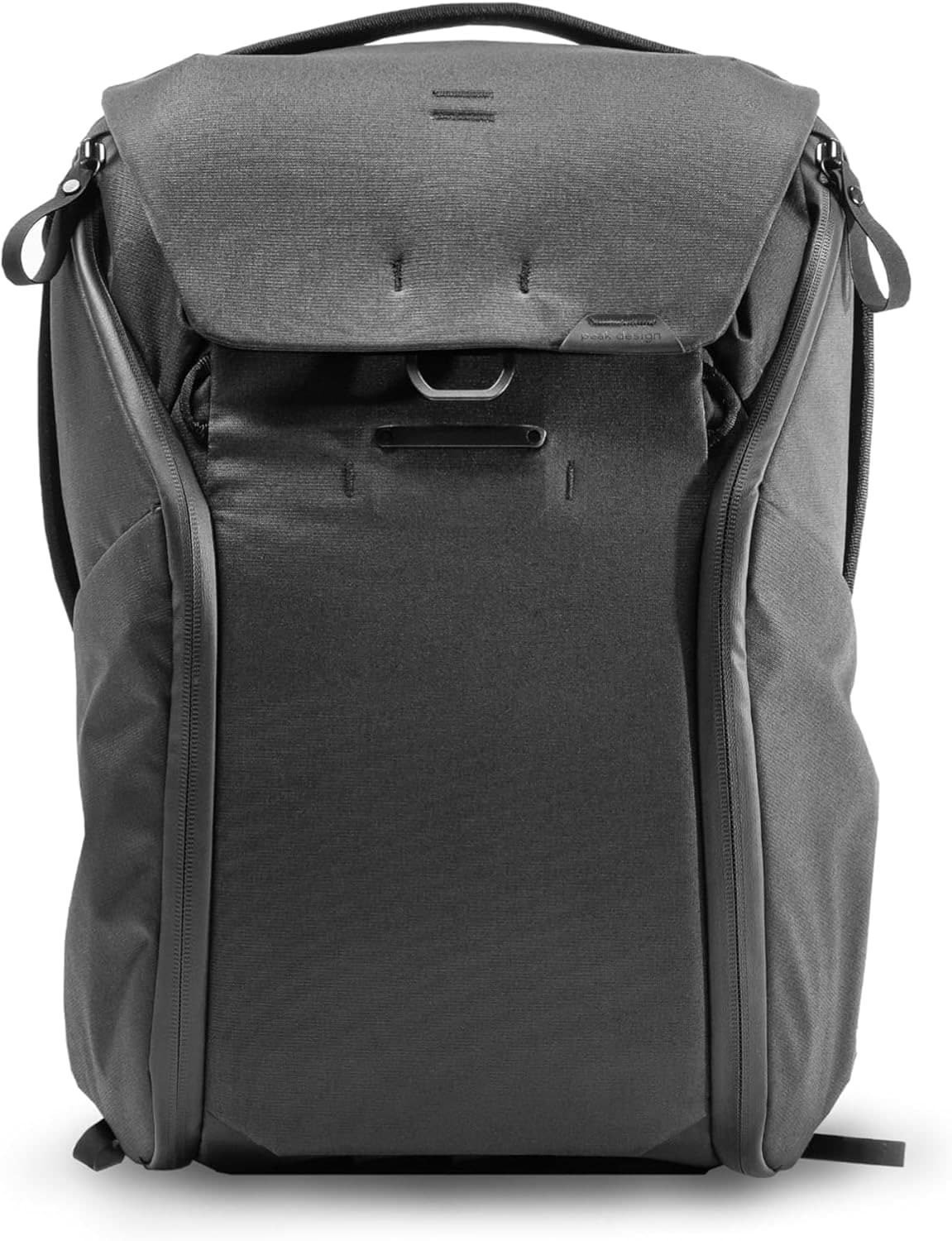
Peak Design Everyday Backpack V2 20L
Room for a long-lens kit, layers, cards, batteries, and field extras without loose gear knocking around.
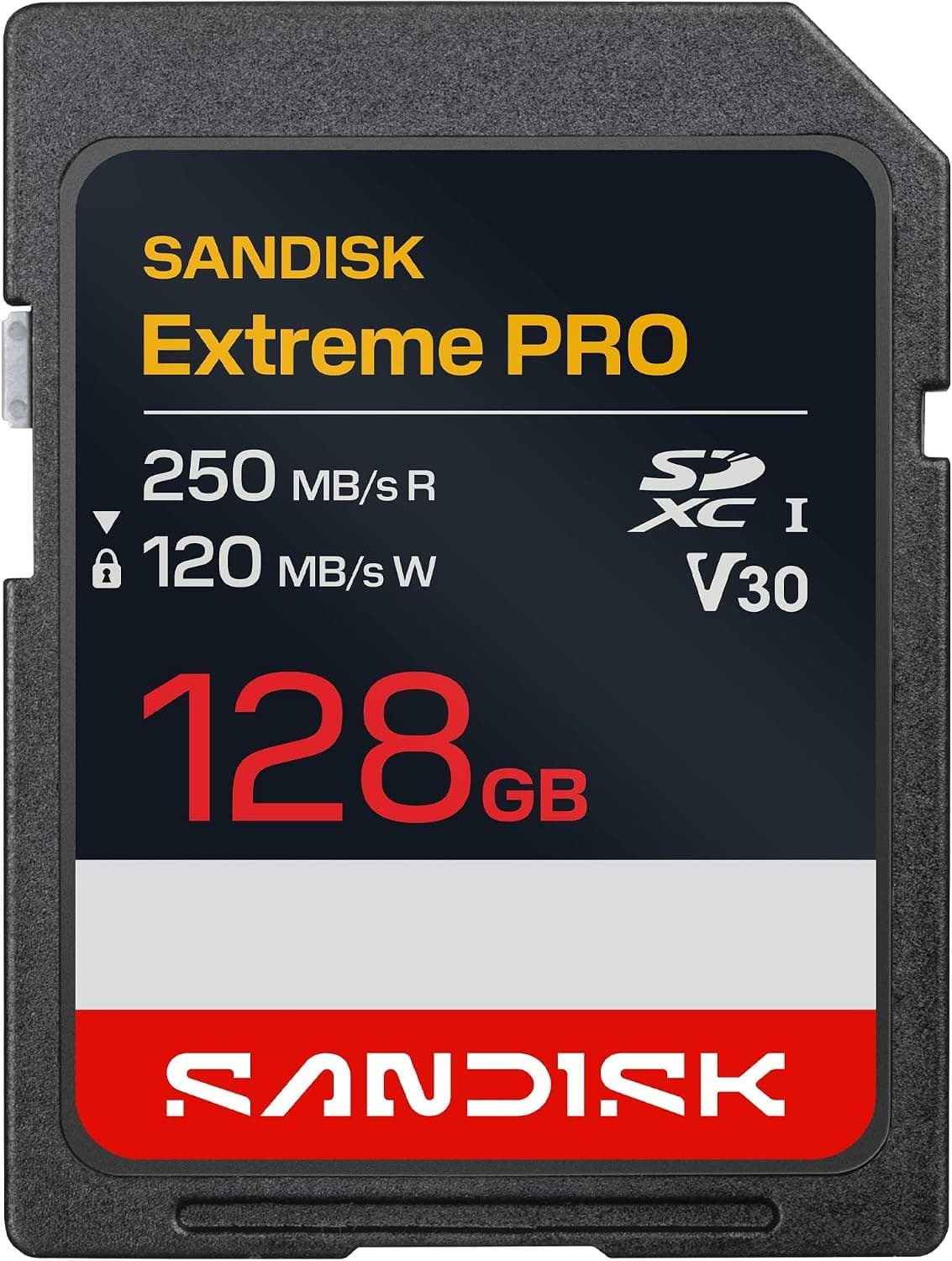
SanDisk Extreme Pro SDXC 128GB
Fast enough for heavy bursts and common video modes in bodies that still use SD media.
Prices are rough catalog totals. Retailer prices change, and you can swap pieces to fit your system.
Related Gear guides
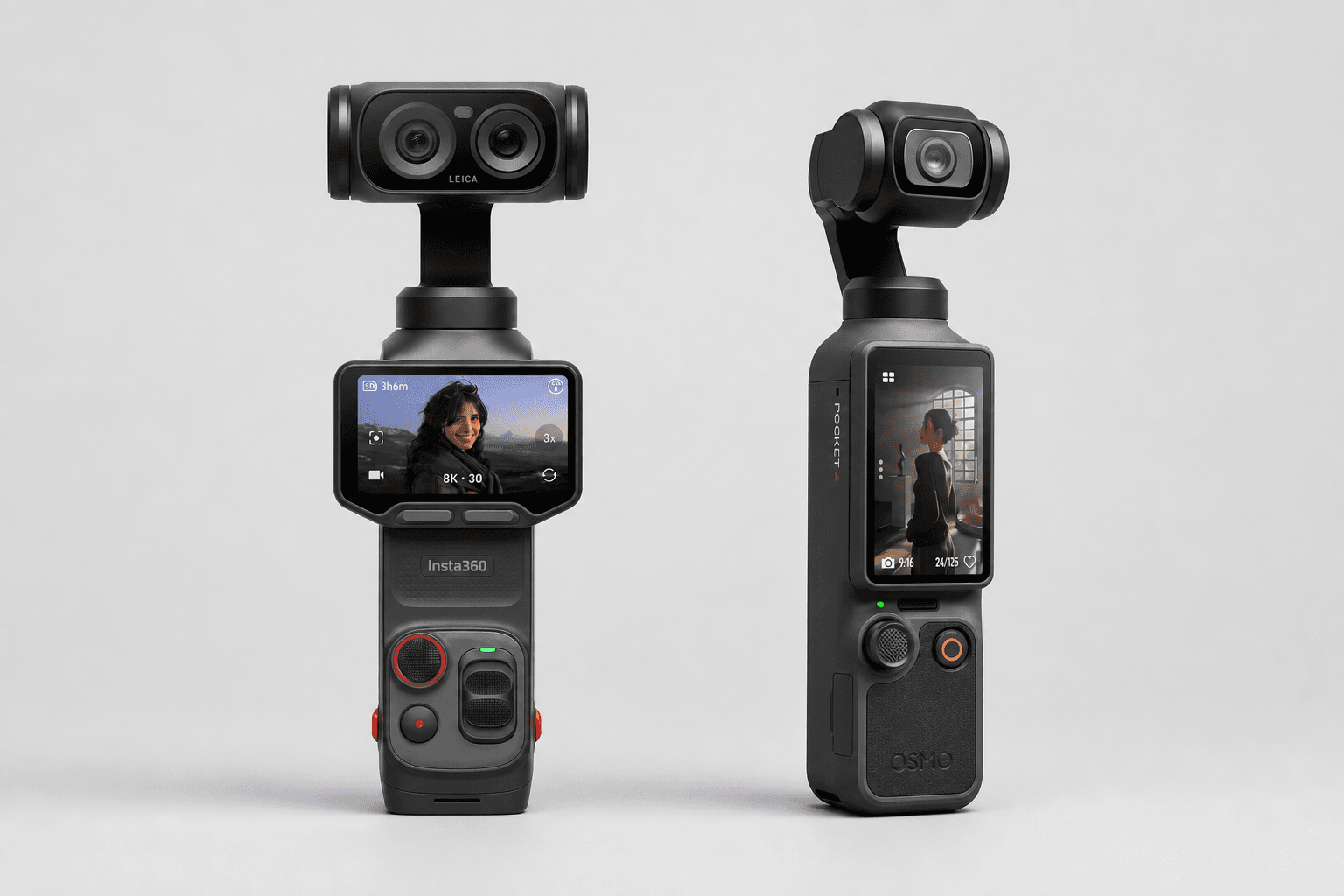
Insta360 Luna Ultra vs DJI Osmo Pocket 4: Which Pocket Gimbal Should You Buy?
Compare Luna Ultra and DJI Pocket 4 by lenses, video, Log formats, storage, U.S. availability, and the filming jobs each pocket gimbal handles best.
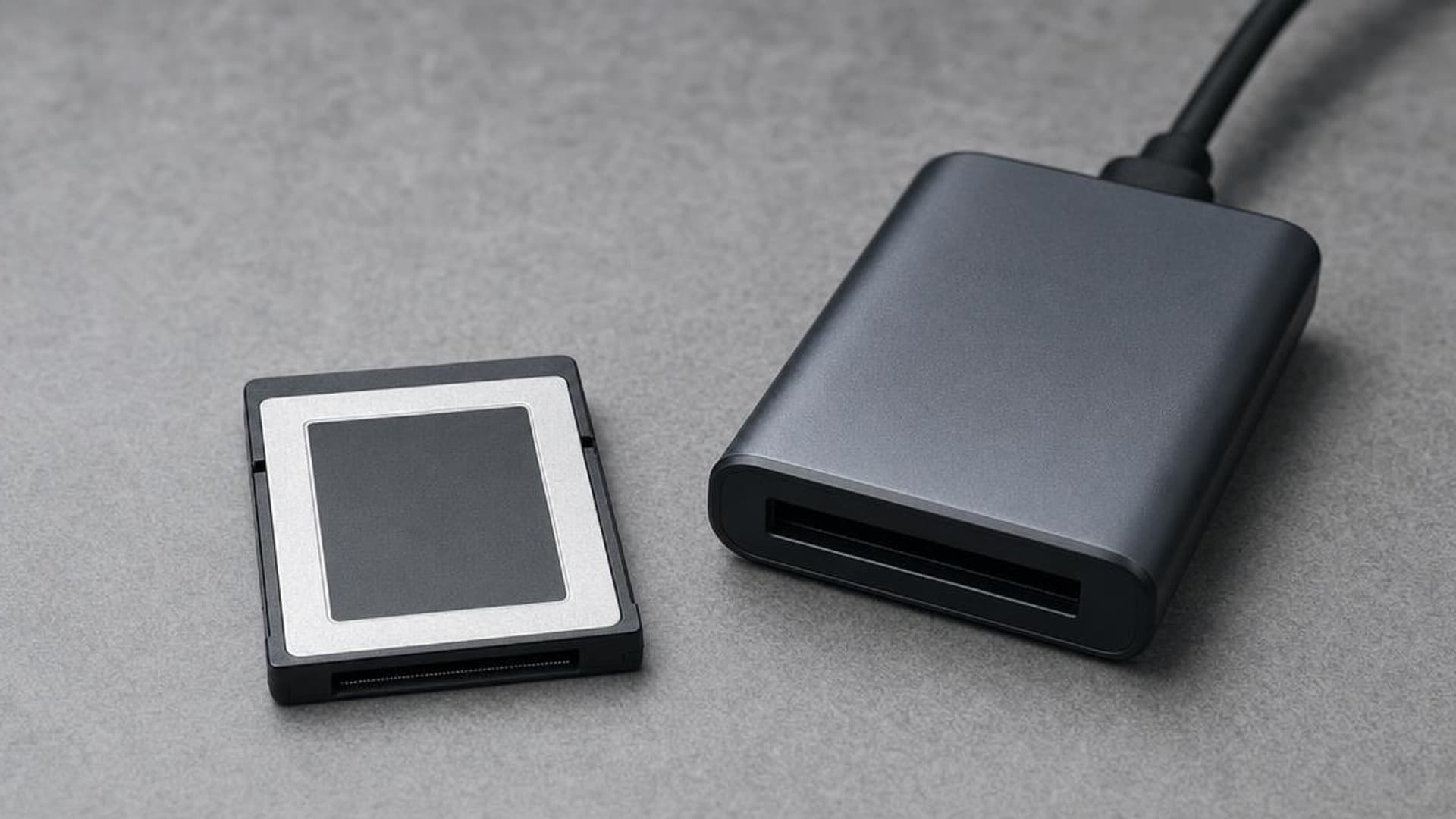
CFexpress 4.0 and VPG Explained: Buy the Card Your Camera Needs
CFexpress 4.0 doubles theoretical bandwidth, while VPG certifies sustained video writes. Learn Type A vs B, VPG classes, and when 4.0 is worth paying for.
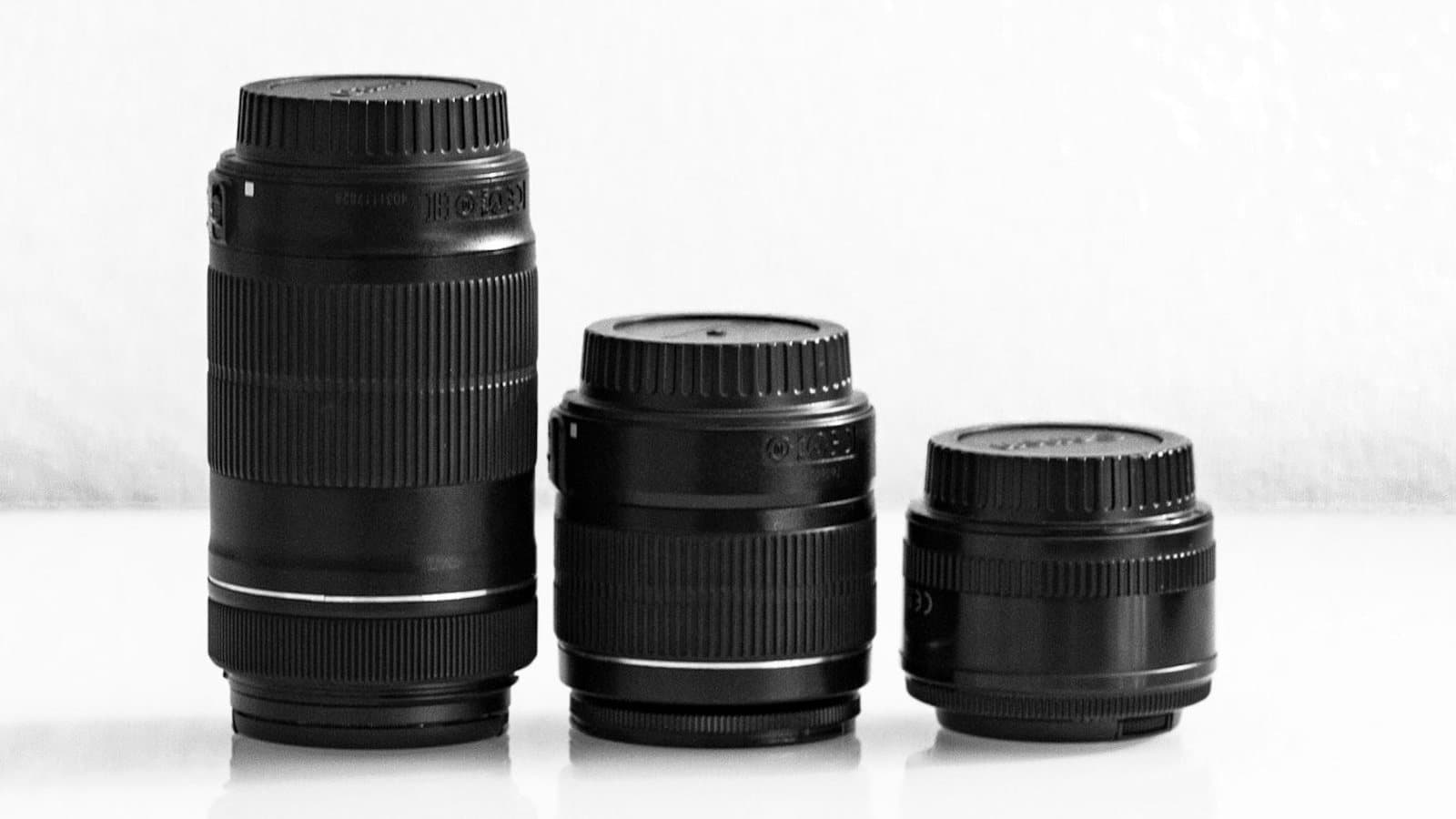
Focal Length Explained: What 24mm, 50mm, 85mm, and 200mm Actually Do
What the millimeter number on a lens changes in the field: angle of view, compression, and working distance. When to reach for 24, 50, 85, or 200mm.
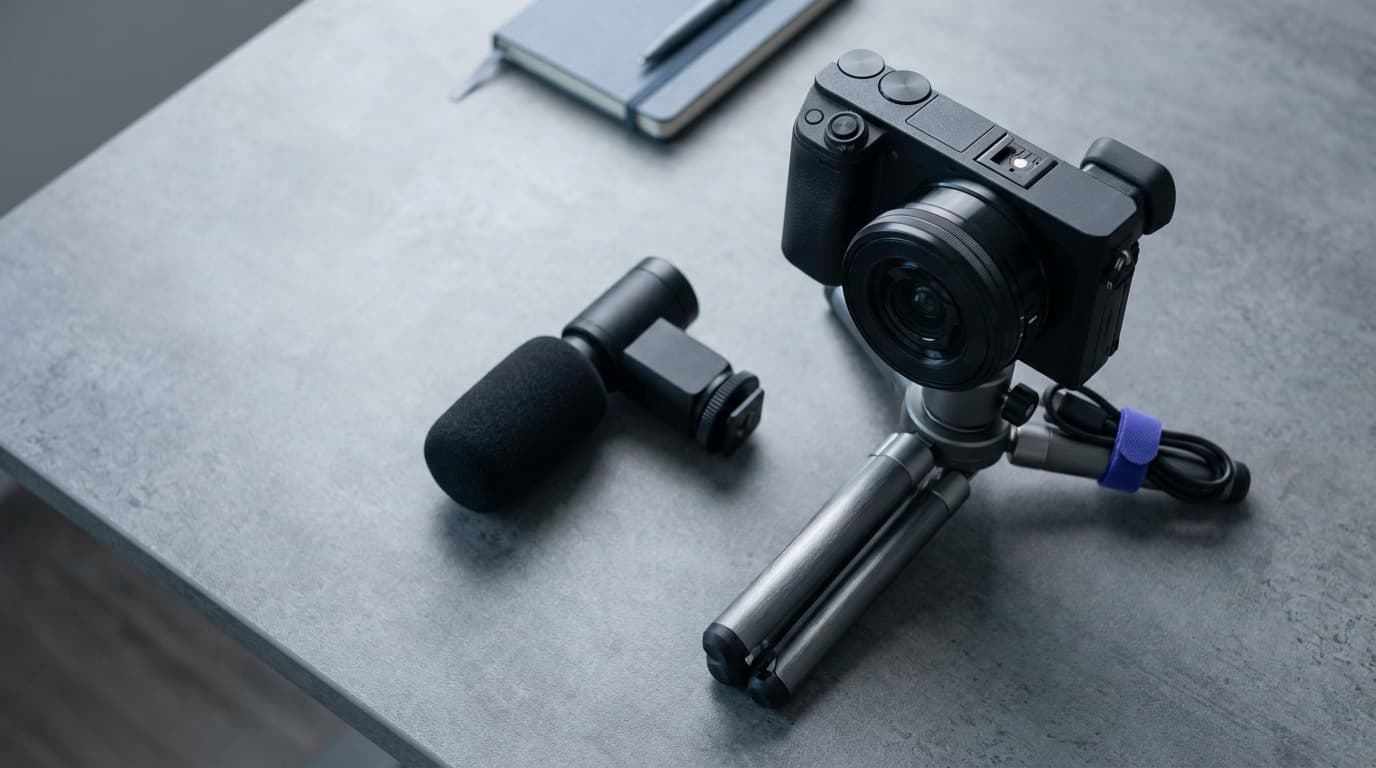
Canon EOS R50 V vs Sony ZV-E10 II: Which Beginner Vlogging Camera Should You Buy?
Canon EOS R50 V is the easier beginner creator kit. Sony ZV-E10 II is the deeper lens-system pick. Compare the practical tradeoffs.
Researched, not personally tested: picks compare specifications, available owner feedback, and established expert sources. As an Amazon Associate I earn from qualifying purchases. We may earn a commission from links here, at no extra cost to you. How we research →