We may earn a commission from links on this page, at no extra cost to you. Picks are researched, not sponsored.
Product photography is a controlled problem. The product is still. The background can be simple. The camera can sit on a tripod. That means the gear should remove variables: light direction, background clutter, shaky framing, close-focus limits, and color inconsistency.
Use the product photography guide for the shooting workflow. This guide is the buying side: what to buy first, what can wait, and which pieces make a home table feel like a repeatable small studio.
Our quick picks

What should you buy first?
If you already own a camera, start with the lens, light, modifier, and background. Most modern mirrorless bodies are more than sharp enough for product photos. The bad product-photo look usually comes from hard light, mixed color, a messy background, or a lens that cannot focus close enough.
If you are building from zero, buy a capable body only after the setup pieces are covered. Product photography rewards consistency more than speed. A tripod, one repeatable light source, and a clean sweep are not glamorous, but they are the pieces that make a store page look professional.
The picks
Research pick
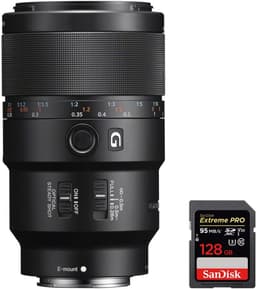
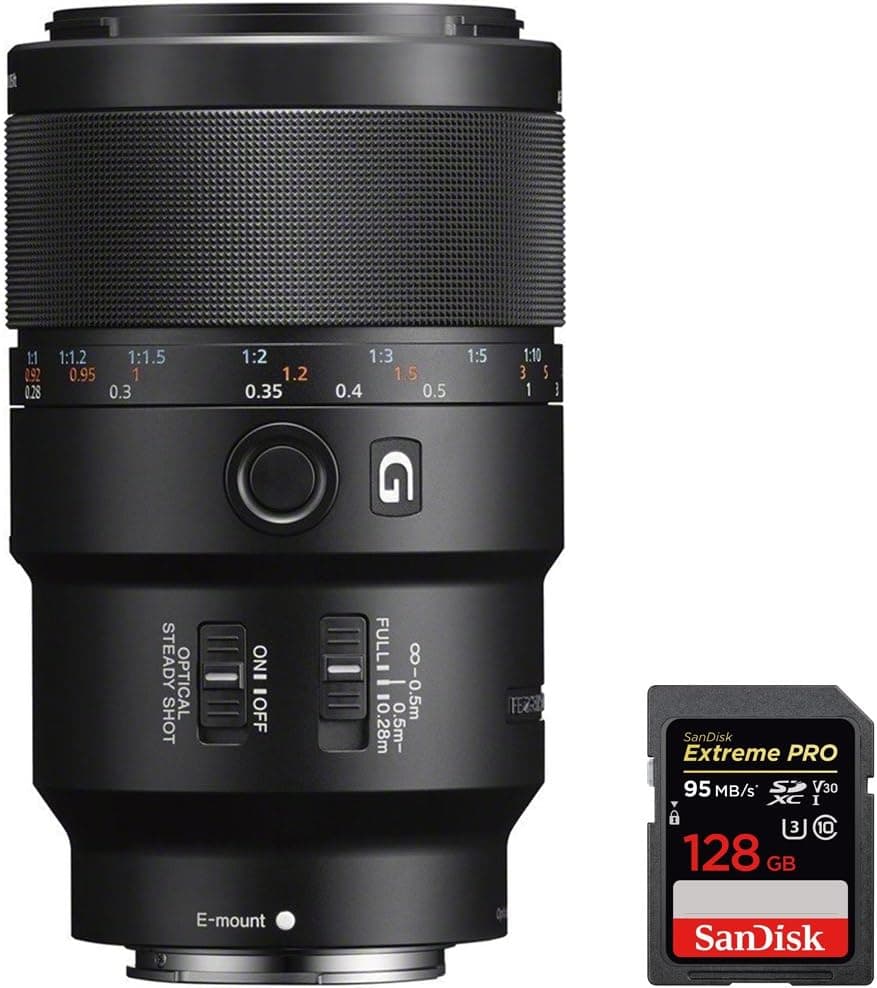
Sony FE 90mm f/2.8 Macro G OSS
Close-up and product shooters who also want a portrait option.
Check price at AmazonThe Sony FE 90mm f/2.8 Macro is the strongest product-photography lens pick when close detail matters. It gives full macro reach for jewelry, labels, texture, stitching, packaging, and small hardware, while the 90mm focal length keeps the camera far enough back to avoid wide-angle distortion.
The tradeoff is working space. On a tiny desk, 90mm can feel tight for larger products. For small goods and detail frames, that same distance is exactly why it works.
Best Value
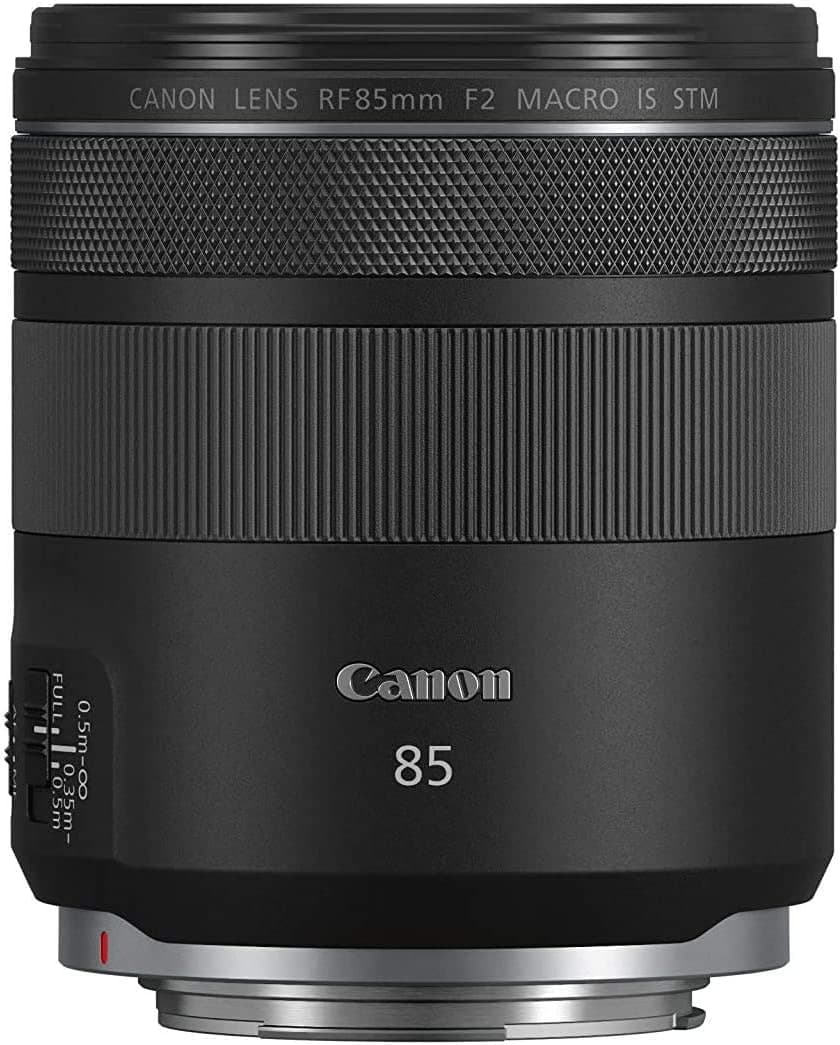
Canon RF 85mm f/2 Macro IS STM
Canon RF shooters who want a versatile portrait lens on a budget.
Check price at AmazonThe Canon RF 85mm f/2 Macro is the practical Canon option. It is lighter and more affordable than many full macro lenses, focuses close enough for most ecommerce products, and doubles as a portrait lens. That makes it a good buy for small brands that shoot products, founder portraits, and simple lifestyle images with one lens.
It is half-macro rather than full 1:1 macro, so very tiny items may eventually need a dedicated macro. For bottles, apparel details, tabletop goods, and packaged products, it is the sensible choice.
Best Strobe
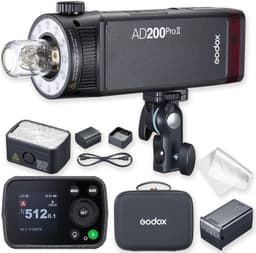
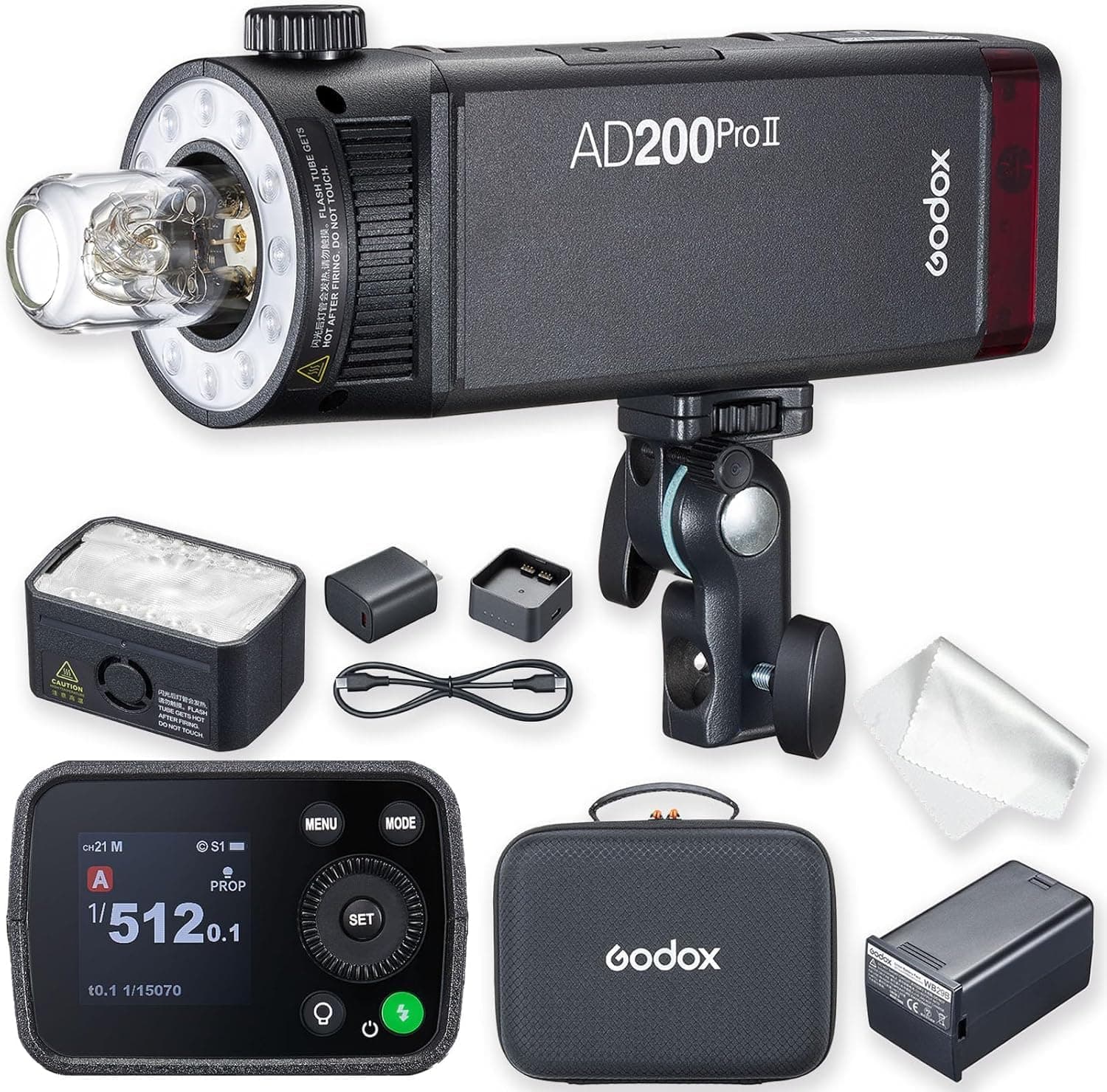
Godox AD200 Pro
Portrait and location shooters wanting strobe power that fits in a bag.
Check price at AmazonThe Godox AD200 Pro is the repeatable-light pick for still products. It has far more output than a speedlight, runs on battery, and works well in a small tabletop setup. Put it off to the side, soften it, and you get directional light that reveals shape without depending on the weather.
Continuous LED lights are easier for video and mixed photo-video work. For still ecommerce photos, a small strobe gives clean power and short flash duration in a compact kit.
Best Overall
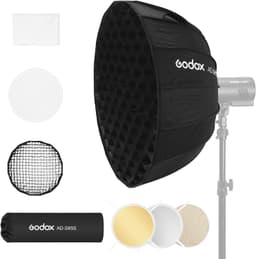
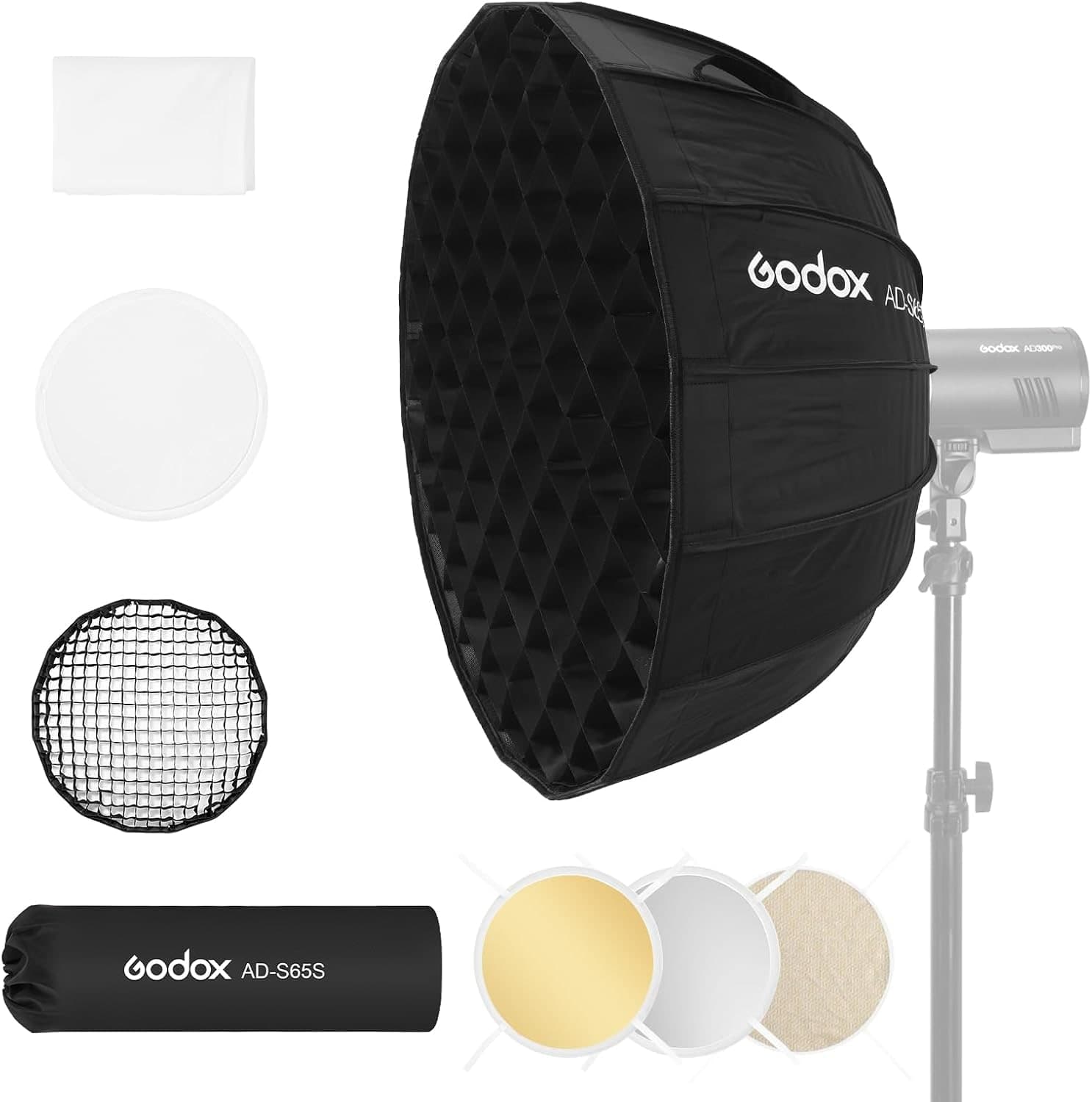
Godox AD-S65S
Portrait shooters who want soft, flattering light from a packable modifier.
Check price at AmazonThe Godox AD-S65S is the modifier that turns a hard strobe into useful product light. Bare flash creates sharp shadows and ugly specular highlights. A softbox spreads the source, softens the edge of the shadow, and makes glossy packaging easier to control.
Start with one softbox, not a complicated multi-light setup. One well-placed side light plus a white bounce card teaches more than three badly placed lights.
Studio Standard
Savage Seamless Paper
Studios that want the cleanest possible background for products and portraits.
Check price at AmazonSavage Seamless Paper is the clean-background default. A sweep removes the table-wall horizon line and lets the product sit on a consistent surface. White, gray, and neutral tones are the safe starting points because they keep the product, not the backdrop, in charge.
Paper is consumable. That is part of the value. When it gets scuffed, stained, or wrinkled, cut the damaged section off and keep shooting.
Best Overall
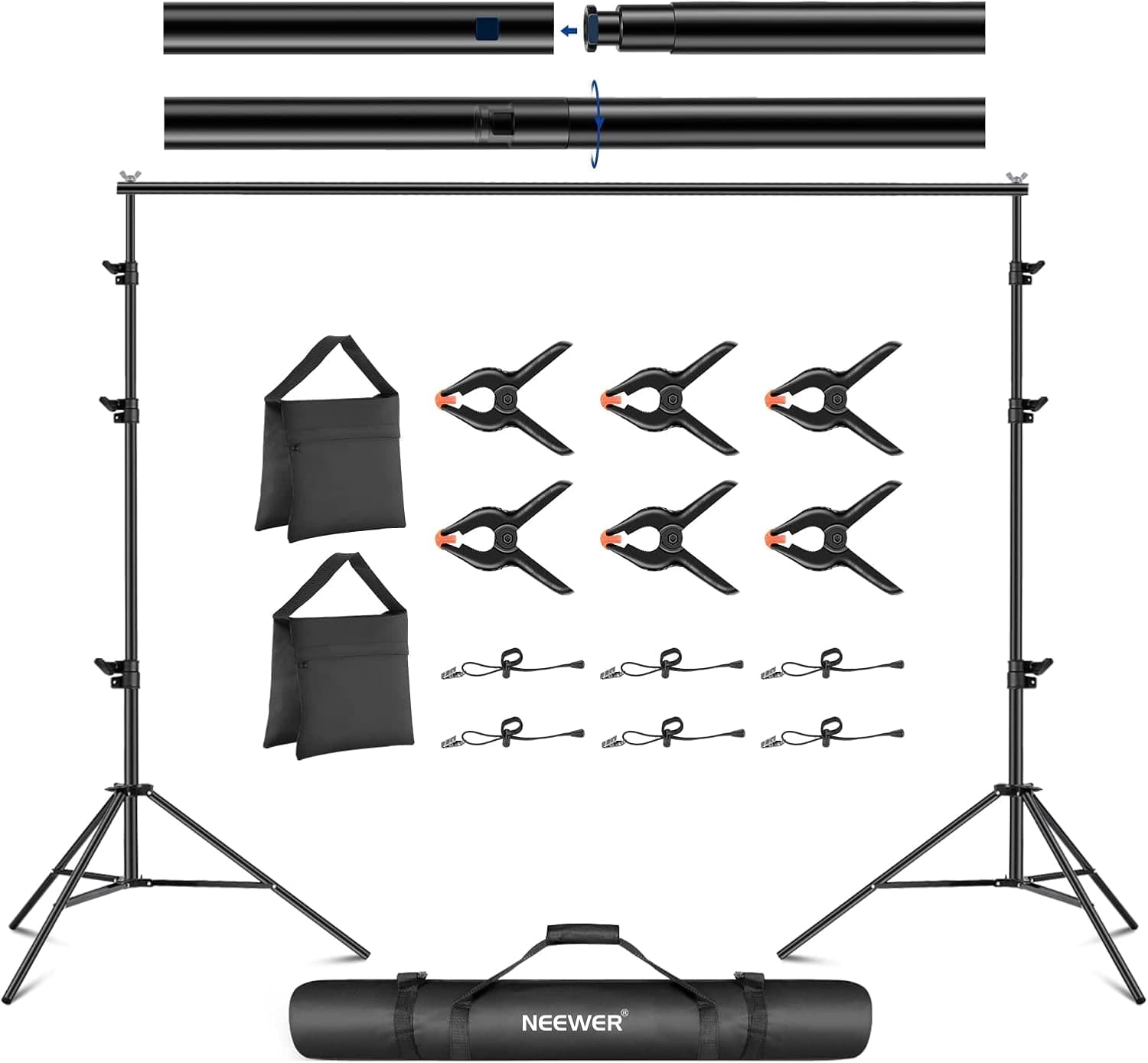
Neewer Backdrop Support System
Home and small studios that need an affordable, adjustable background support.
Check price at AmazonThe Neewer Backdrop Support System is the affordable way to hold paper or fabric behind a tabletop or small standing product. It is not as rigid as a pro wall-mounted sweep system, but it gets the background off the floor and makes the setup repeatable.
If you only shoot tiny objects, clamps and foam board may be enough. Once you photograph larger products, apparel, or sets of items, a real support system saves time.
Best Overall
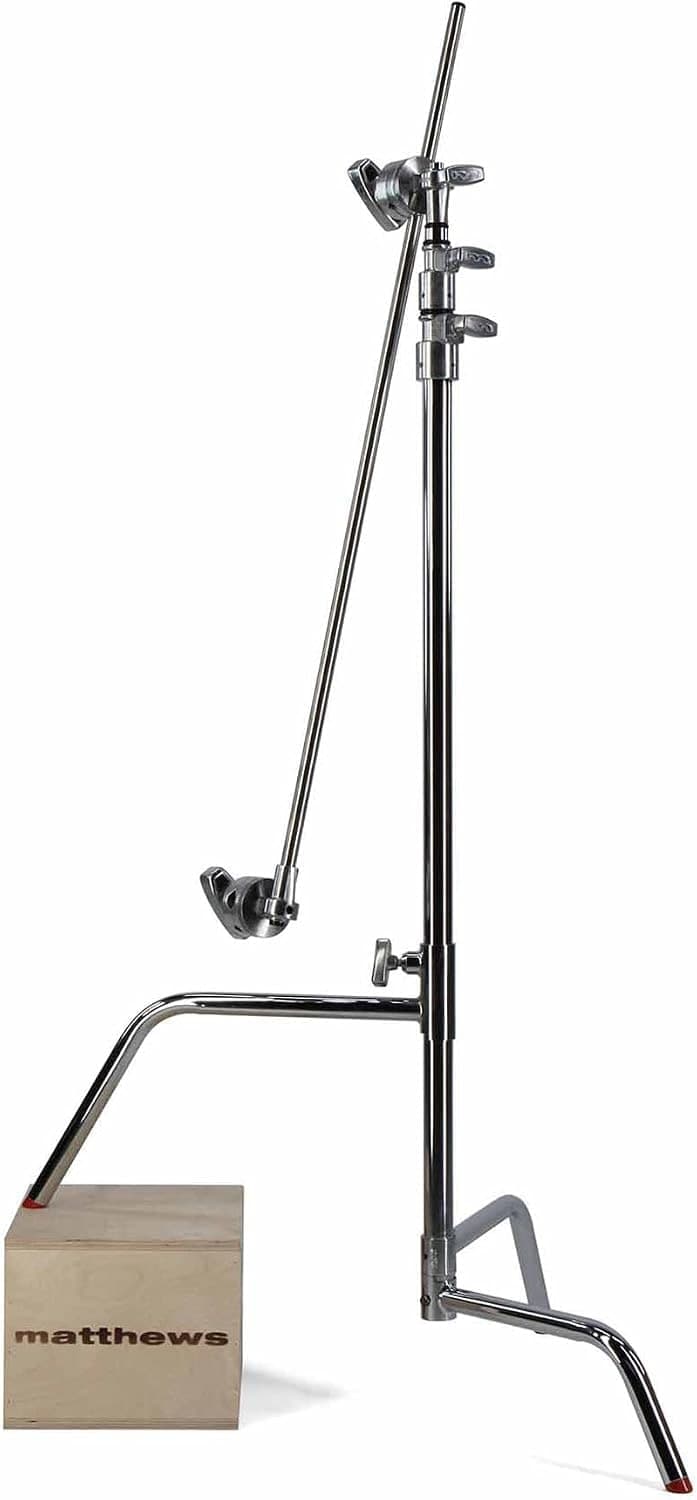
Matthews C-Stand
Studios that want a stand that holds a light exactly where it is set.
Check price at AmazonA Matthews C-Stand is the premium support piece for lights, flags, diffusion, bounce cards, and backgrounds. Product photography often requires moving a card by an inch and keeping it there. Cheap stands drift and tip. A proper grip stand makes the setup feel calm.
Buy one before buying a second light if your setup keeps fighting you.
Best Budget
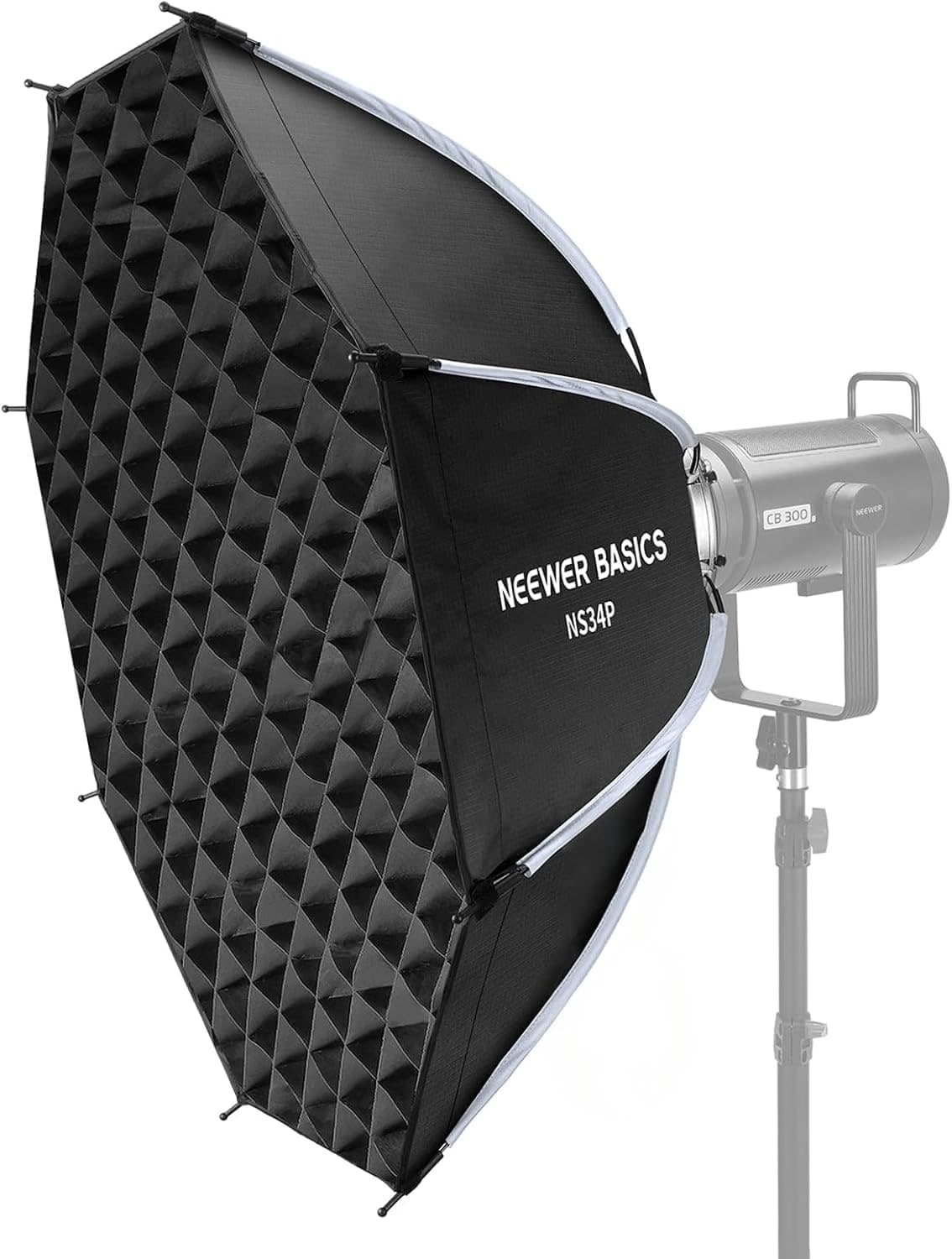
Neewer Softbox Grid Kit
Beginners building a first studio setup affordably.
Check price at AmazonThe Neewer Softbox Grid Kit is the value modifier for a first product table. The included grid helps keep light off the background and reduces spill, which matters when you want the product lit but the surrounding surface controlled. It is not premium, but it gives a beginner the important lesson: shape the light, do not just make the room brighter.
Starter kit by budget
| Budget | Buy first | Skip for now |
|---|---|---|
| Home listings | Foam board, tripod, paper sweep, close-focusing lens | New body, multiple lights |
| Small ecommerce setup | Macro lens, strobe or LED, softbox, seamless paper | Premium body, elaborate props |
| Paid product work | Macro lens, controllable light, modifier, C-stand, backdrop support, color card | Extra lights before grip |
The order is boring because the right answer is boring: lens, light, background, support, then camera body. A better body under bad light produces a sharper record of the same problem.
Common buying mistakes
- Buying a camera before fixing the setup. Product photos usually fail because of light, background, or focus distance.
- Using bare direct light. Soft product light needs size, diffusion, and direction.
- Ignoring support gear. Stands, clamps, and backdrops are what make the setup repeatable.
- Mixing room bulbs with window light. One color of light is easier to correct than two.
- Buying props before surfaces. Clean product photos start with a surface and sweep, then add styling.
Where to go next
Use how to photograph products at home for the window-light version, then open the Camera Gear Finder to filter studio gear by budget. If the product is food, the food photography gear guide uses the same small-studio logic with food-specific styling needs.
What gear do I need for product photography?
Start with a camera, tripod, close-focusing lens, one soft light, a clean backdrop, and support pieces that hold everything steady. The camera matters less than repeatable light and a lens that can show small details.
Is a macro lens necessary for product photography?
Not always, but it is useful. A macro or close-focusing short telephoto lens lets you photograph labels, texture, jewelry, stitching, and small details without cropping too heavily.
Do I need a lightbox for product photos?
Only for very small objects where you want even, shadow-lighting. For most products, a side light through a softbox or window plus a white bounce card gives more shape and control.
Compare picks
The short version
Use this to narrow the list before opening the detailed cards.
Scores weigh fit, owner sentiment, build, and value. Affiliate links do not change pick order. Methodology
Buying order
Start with the skip note. A good deal on the wrong camera is still the wrong camera.
Compare verdictsIf you already own lenses, check the system path before buying into a new mount.
Check systemsOnce the fit makes sense, compare current deals and retailer listings.
Check current dealsCamera system shortcut
If you already own one of these systems, keep the comparison inside that ecosystem before checking out.
Autofocus hybrid kits
Simple camera paths
Lighting systems
Portrait shooters who want soft, flattering light from a packable modifier.
Use the retailer for the current price after the tradeoff makes sense. Confirm power, trigger compatibility, modifier mount, and whether the kit includes a stand.
Tradeoff: Slower than f/1.4 primes
Use the retailer for the current price after the tradeoff makes sense. Confirm mount, focal length, filter size, and autofocus compatibility.
9.1/10 Aperture Score
Use the retailer for the current price after the tradeoff makes sense. Confirm mount, focal length, filter size, and autofocus compatibility.
$28 - $36
Use the retailer for the current price after the tradeoff makes sense. Confirm payload, plate type, height, folded size, and quick-release system.
Price ladder
The useful range here runs from $40 to $1,050. Start with the ceiling that matches the assignment.
- Close-up and product shooters who also want a portrait option.
- Extremely sharp
- Focus can hunt in low contrast
Use the retailer for the current price after the tradeoff makes sense. Confirm mount, focal length, filter size, and autofocus compatibility.
- Canon RF shooters who want a versatile portrait lens on a budget.
- Image stabilization
- Slower than f/1.4 primes
Use the retailer for the current price after the tradeoff makes sense. Confirm mount, focal length, filter size, and autofocus compatibility.
- Portrait and location shooters wanting strobe power that fits in a bag.
- Strong 200Ws output in a small body
- Needs an S-bracket adapter for Bowens modifiers
Use the retailer for the current price after the tradeoff makes sense. Confirm power, trigger compatibility, modifier mount, and whether the kit includes a stand.
- Portrait shooters who want soft, flattering light from a packable modifier.
- Round natural catchlight
- Single grid not always included
Use the retailer for the current price after the tradeoff makes sense. Confirm power, trigger compatibility, modifier mount, and whether the kit includes a stand.
- Studios that want the cleanest possible background for products and portraits.
- Cleanest seamless sweep
- Consumable, you cut off the dirty end
Use the retailer for the current price after the tradeoff makes sense. Confirm exact version, included accessories, compatibility, and seller listing.
- Home and small studios that need an affordable, adjustable background support.
- Adjustable 5 to 10 ft width
- 7 ft max height is short for standing full-length sweeps
Use the retailer for the current price after the tradeoff makes sense. Confirm payload, plate type, height, folded size, and quick-release system.
- Studios that want a stand that holds a light exactly where it is set.
- Rock-solid stability
- Heavy to carry
Use the retailer for the current price after the tradeoff makes sense. Confirm payload, plate type, height, folded size, and quick-release system.
- Beginners building a first studio setup affordably.
- Includes a grid
- Basic build
Use the retailer for the current price after the tradeoff makes sense. Confirm power, trigger compatibility, modifier mount, and whether the kit includes a stand.
| Pick | Score | Price | Verdict | Action |
|---|---|---|---|---|
| PickSony FE 90mm f/2.8 Macro G OSS | 9.1
| $1,000 - $1,100 | Close-up and product shooters who also want a portrait option. Wins: Extremely sharp Skip: Focus can hunt in low contrast | Check Amazon · $1,000 - $1,100 Use the retailer for the current price after the tradeoff makes sense. Confirm mount, focal length, filter size, and autofocus compatibility. |
| Best ValueCanon RF 85mm f/2 Macro IS STM | 8.6
| $549 - $649 | Canon RF shooters who want a versatile portrait lens on a budget. Wins: Image stabilization Skip: Slower than f/1.4 primes | Check Amazon · $549 - $649 Use the retailer for the current price after the tradeoff makes sense. Confirm mount, focal length, filter size, and autofocus compatibility. |
 Best StrobeGodox AD200 Pro Best StrobeGodox AD200 Pro | 8.9
| $295 - $335 | Portrait and location shooters wanting strobe power that fits in a bag. Wins: Strong 200Ws output in a small body Skip: Needs an S-bracket adapter for Bowens modifiers | Check Amazon · $295 - $335 Use the retailer for the current price after the tradeoff makes sense. Confirm power, trigger compatibility, modifier mount, and whether the kit includes a stand. |
| Best OverallGodox AD-S65S | 8.9
| $65 - $80 | Portrait shooters who want soft, flattering light from a packable modifier. Wins: Round natural catchlight Skip: Single grid not always included | Check Amazon · $65 - $80 Use the retailer for the current price after the tradeoff makes sense. Confirm power, trigger compatibility, modifier mount, and whether the kit includes a stand. |
 Studio StandardSavage Seamless Paper Studio StandardSavage Seamless Paper | 9.0
| $100 - $115 | Studios that want the cleanest possible background for products and portraits. Wins: Cleanest seamless sweep Skip: Consumable, you cut off the dirty end | Check Amazon · $100 - $115 Use the retailer for the current price after the tradeoff makes sense. Confirm exact version, included accessories, compatibility, and seller listing. |
| Best OverallNeewer Backdrop Support System | 8.6
| $28 - $36 | Home and small studios that need an affordable, adjustable background support. Wins: Adjustable 5 to 10 ft width Skip: 7 ft max height is short for standing full-length sweeps | Check Amazon · $28 - $36 Use the retailer for the current price after the tradeoff makes sense. Confirm payload, plate type, height, folded size, and quick-release system. |
 Best OverallMatthews C-Stand Best OverallMatthews C-Stand | 9.1
| $305 - $350 | Studios that want a stand that holds a light exactly where it is set. Wins: Rock-solid stability Skip: Heavy to carry | Check Amazon · $305 - $350 Use the retailer for the current price after the tradeoff makes sense. Confirm payload, plate type, height, folded size, and quick-release system. |
 Best BudgetNeewer Softbox Grid Kit Best BudgetNeewer Softbox Grid Kit | 8.0
| $65 - $80 | Beginners building a first studio setup affordably. Wins: Includes a grid Skip: Basic build | Check Amazon · $65 - $80 Use the retailer for the current price after the tradeoff makes sense. Confirm power, trigger compatibility, modifier mount, and whether the kit includes a stand. |
Related Gear guides
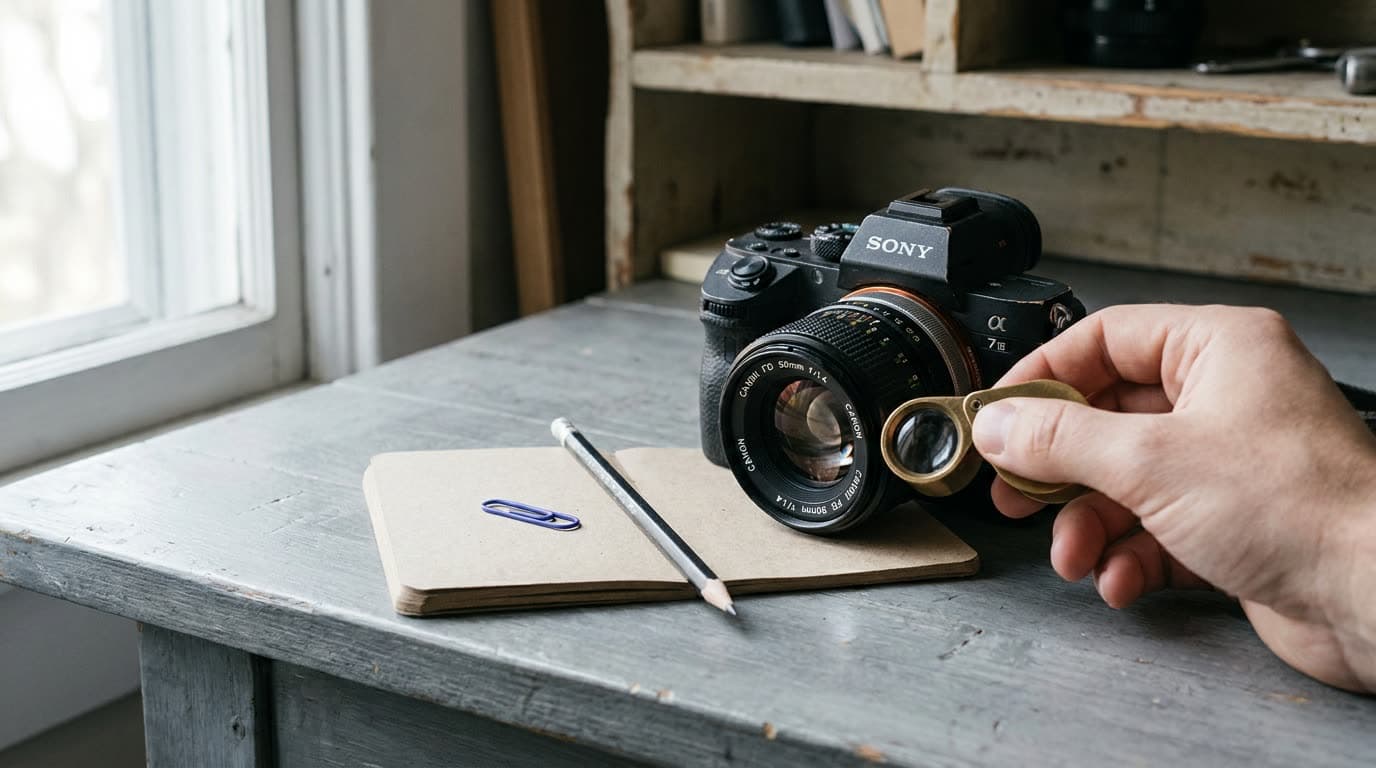
How to Buy Used Camera Gear in 2026: Inspect and Buy Safely
Buying used cameras and lenses saves money if you know what to check. Here is how to inspect a used body and lens, read shutter count, and where to buy.
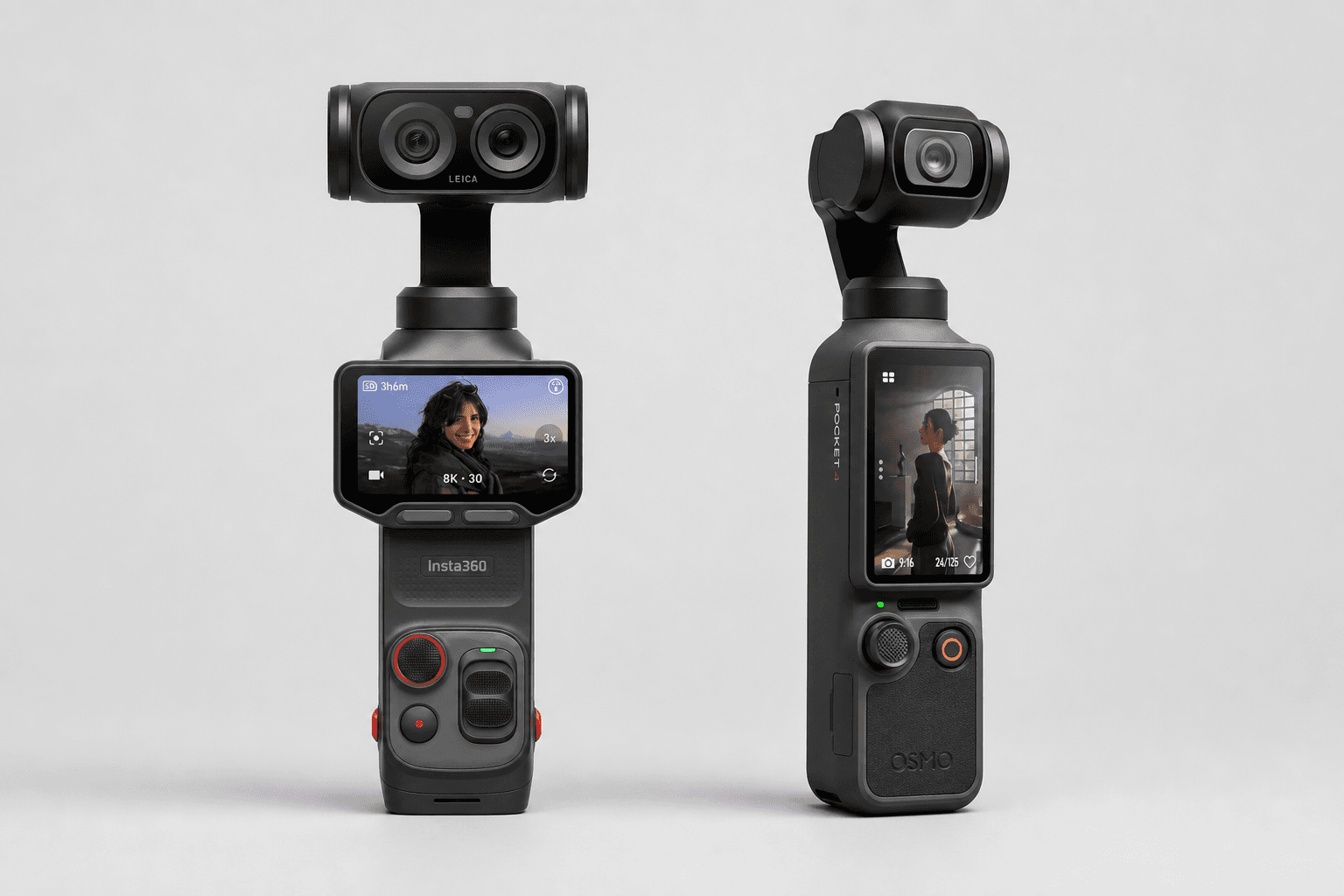
Insta360 Luna Ultra vs DJI Osmo Pocket 4: Which Pocket Gimbal Should You Buy?
Compare Luna Ultra and DJI Pocket 4 by lenses, video, Log formats, storage, U.S. availability, and the filming jobs each pocket gimbal handles best.
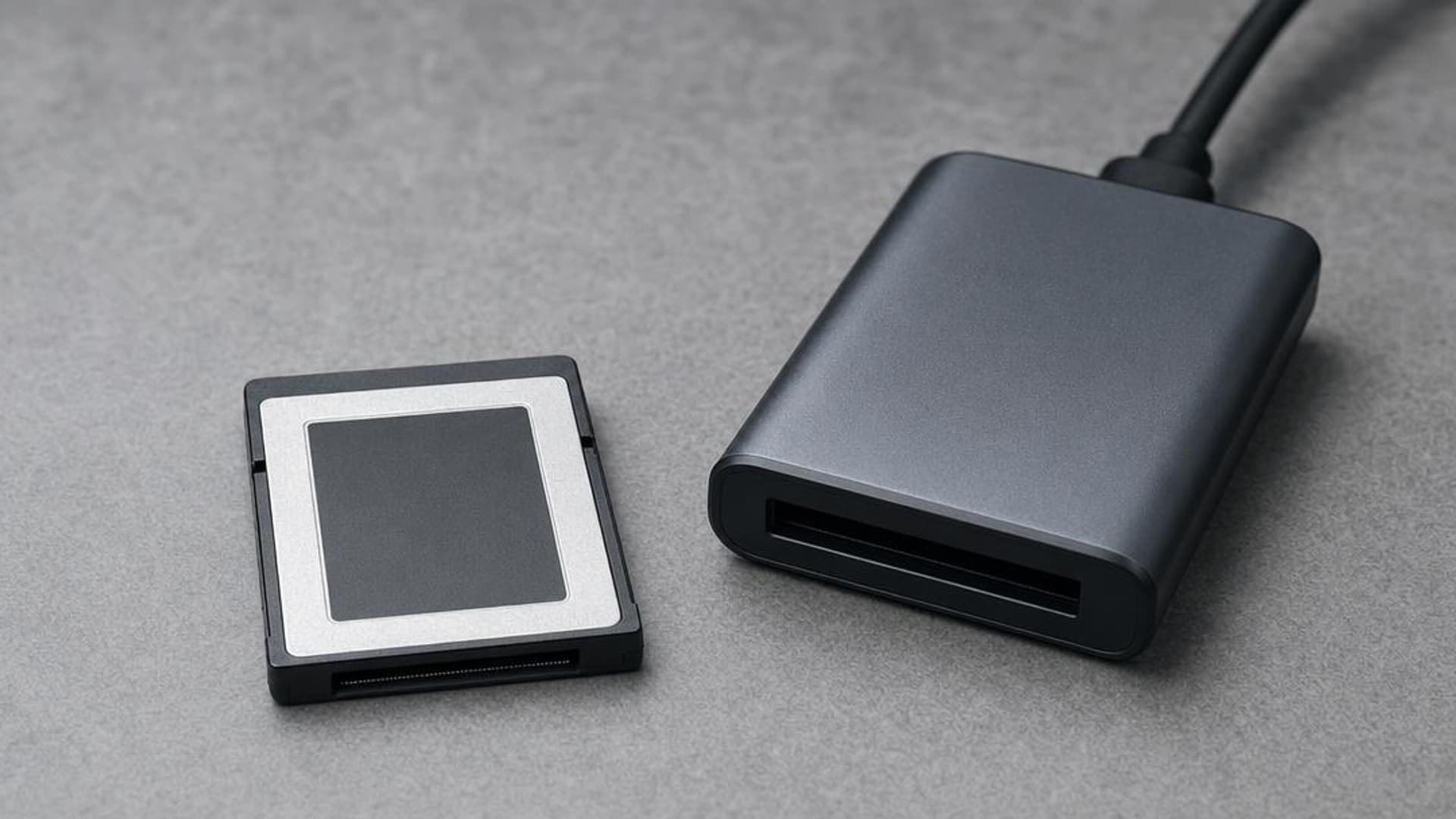
CFexpress 4.0 and VPG Explained: Buy the Card Your Camera Needs
CFexpress 4.0 doubles theoretical bandwidth, while VPG certifies sustained video writes. Learn Type A vs B, VPG classes, and when 4.0 is worth paying for.
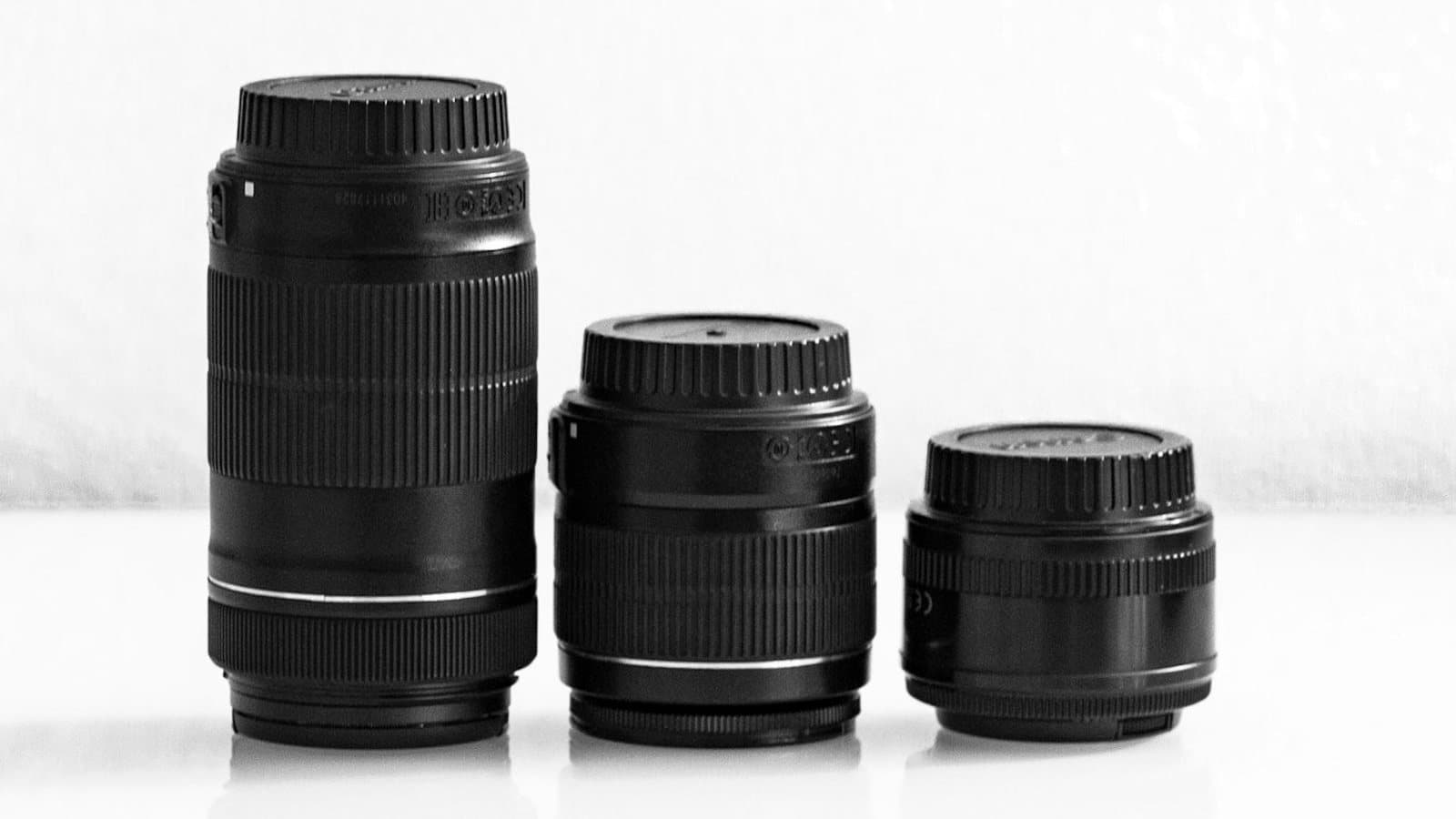
Focal Length Explained: What 24mm, 50mm, 85mm, and 200mm Actually Do
What the millimeter number on a lens changes in the field: angle of view, compression, and working distance. When to reach for 24, 50, 85, or 200mm.
Researched, not personally tested: picks compare specifications, available owner feedback, and established expert sources. As an Amazon Associate I earn from qualifying purchases. We may earn a commission from links here, at no extra cost to you. How we research →