We may earn a commission from links on this page, at no extra cost to you. Picks are researched, not sponsored.
What this means in real life
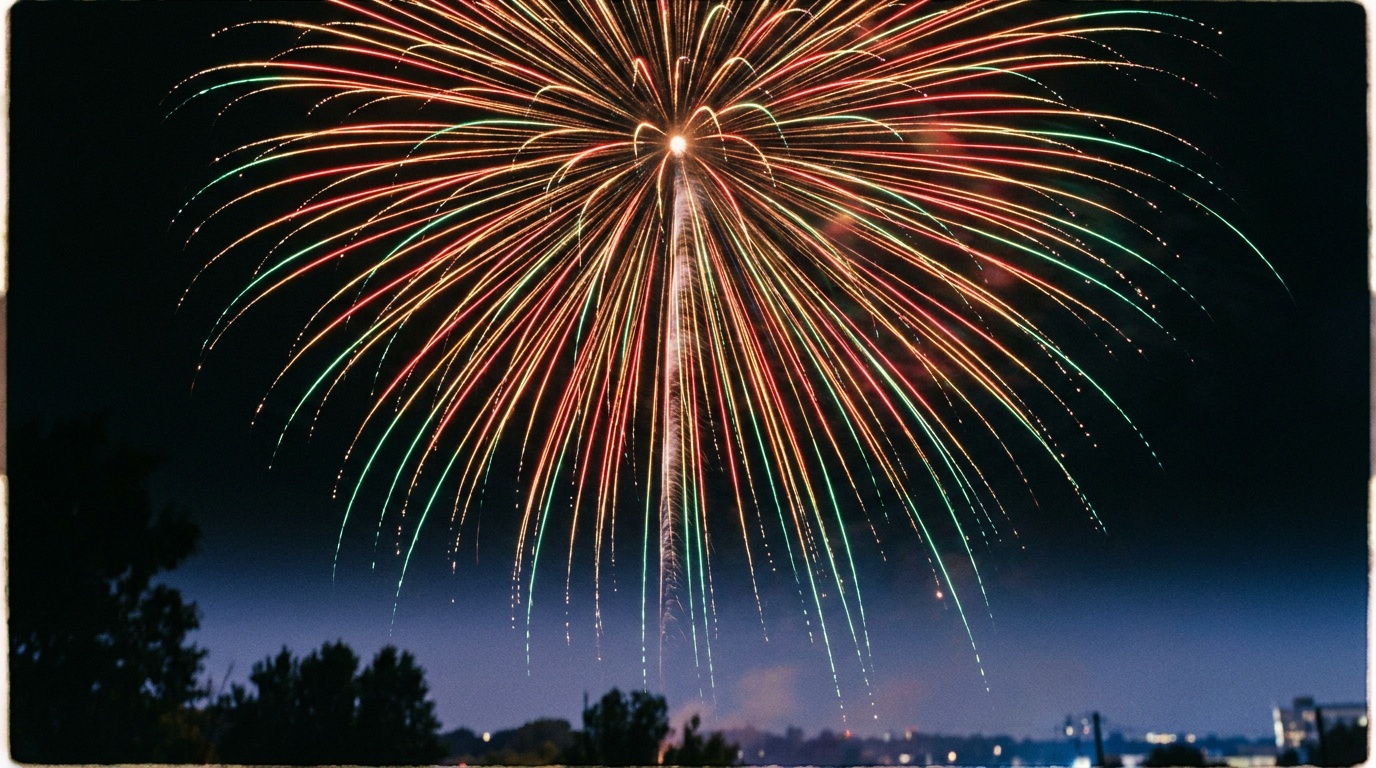
The instinct is to crank the ISO because it is night, but fireworks are intensely bright. The trails will record cleanly at base ISO, and pushing the ISO just adds noise and blows out the brightest parts of each burst. The other instinct is to use a fast shutter to freeze the action, but a fast shutter catches one frozen instant and loses the trailing streaks that make a firework look like a firework. You want a slow shutter so each spark draws a line as it falls. The length of that shutter decides how much happens in the frame, while the aperture controls how bright those trails are.
The gear
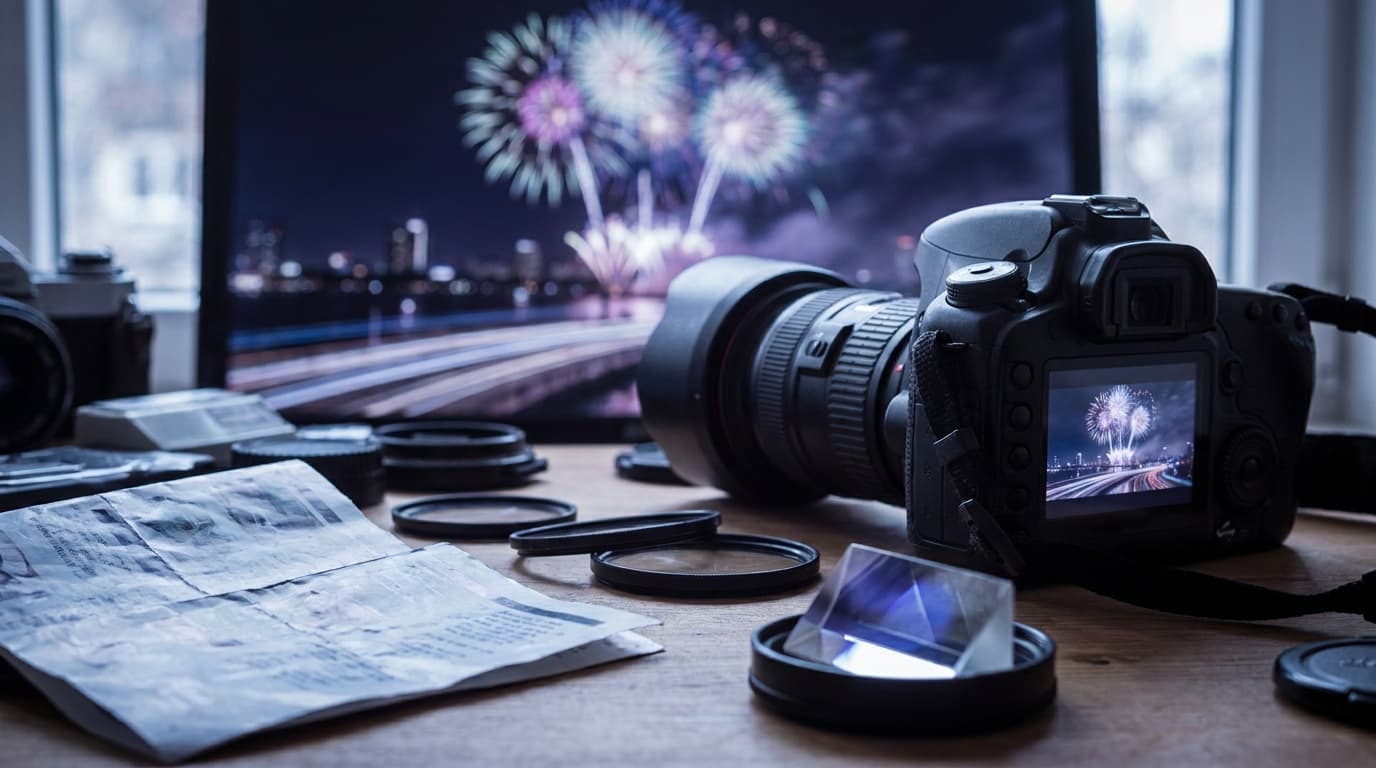
A tripod is the whole game here, because you cannot hand-hold a multi-second exposure. A remote shutter release or intervalometer lets you fire without touching the camera and, more importantly, lets you hold the shutter open in bulb mode for as long as a shell takes to bloom and fade. A wide-to-normal zoom covers most positions, since you rarely know exactly where the bursts will appear until the show starts. Arrive early to claim a spot upwind of the launch, so smoke drifts away from your frame rather than into it.
The settings
Lock these in before the show and adjust by looking at your first few frames.
Aperture is your brightness control. If the bursts blow out to white, stop down; if they look thin and dim, open up. Most fireworks sit happily between f/8 and f/16 at ISO 100, so start near f/11 and let your first few frames tell you which way to move. Shutter length is your composition control: a 2-second exposure catches one or two bursts, while 6 seconds or a held bulb can stack several into one rich frame. Keep ISO at 100 the whole night. The relationship is the exposure triangle again, just biased toward a long shutter speed on purpose.
Technique
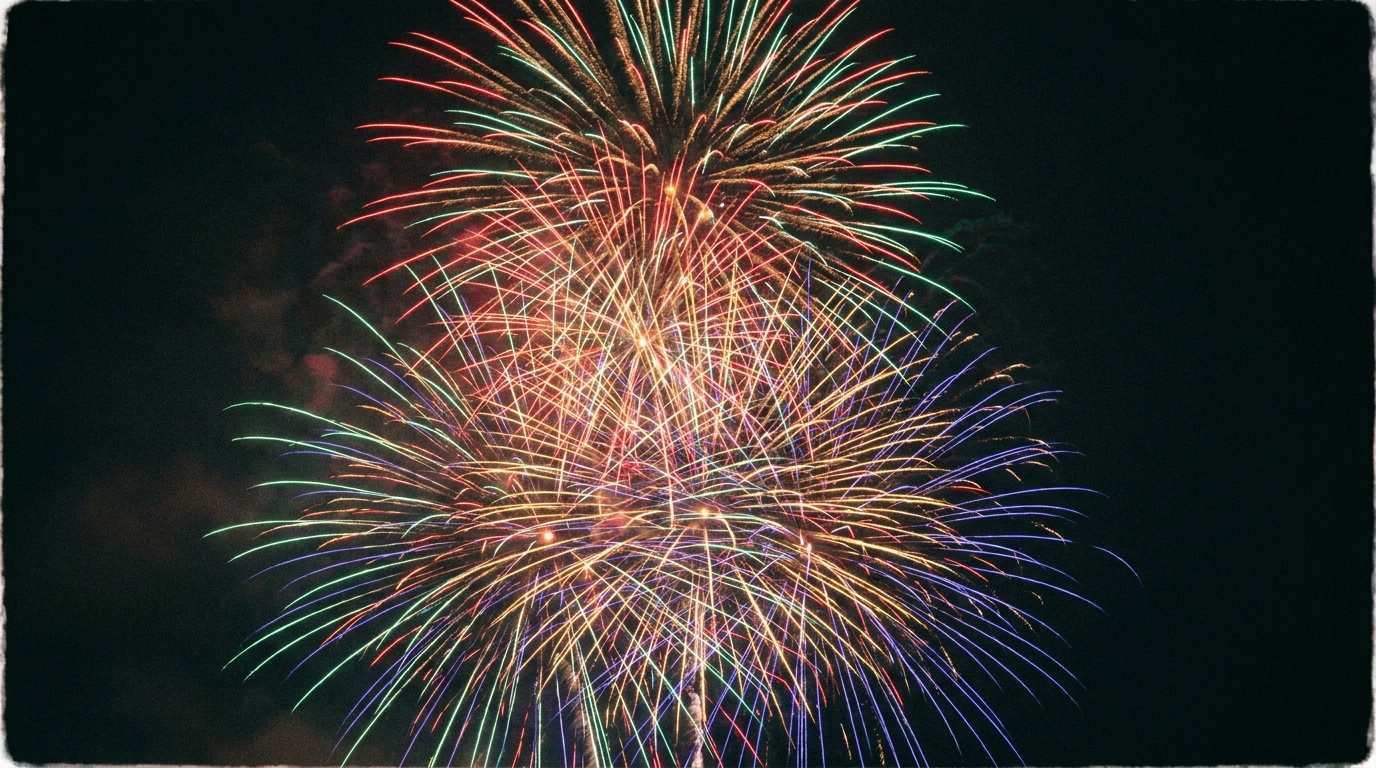
Autofocus fails in the dark, so set focus manually. Before the light fully goes, focus on a distant object at roughly the same distance as the fireworks, or focus on the first burst using live view, then leave it. Many lenses are not perfectly sharp at the hard infinity stop, so set focus just short of infinity and confirm it on a magnified live view. Turn off any image stabilization when the camera is locked to a tripod. Work in bulb mode: watch for the launch streak, open the shutter as the shell climbs, and close it after the burst fades. A piece of black card held over the lens between bursts lets you stack several blooms into one frame without overexposing the sky. The general principles of working after dark are in the night photography guide.
Composition
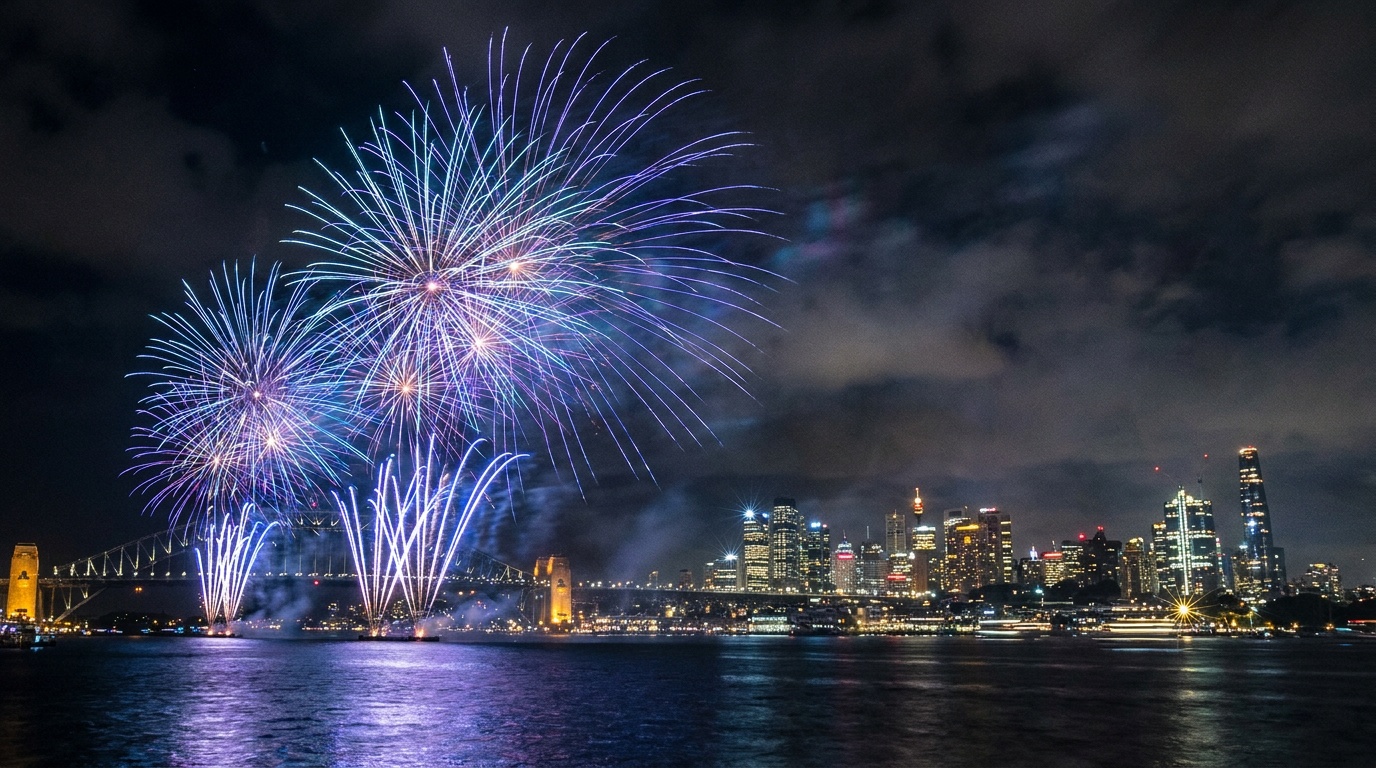
A frame of pure fireworks against black reads as a screensaver. Anchor the shot with something on the ground: a skyline, a bridge, a crowd silhouette, water for reflections. That context gives scale and a sense of place. Leave room at the top, because bursts climb higher than you expect, and shoot wider than feels necessary so you can crop later rather than clip a trail. This kind of cityscape framing borrows directly from landscape photography, where foreground and balance do the heavy lifting.
Common mistakes
The high-ISO reflex is the big one, and it costs you a clean file for no benefit. The second is too short a shutter, which freezes a single moment and loses the trails. The third is leaving autofocus on, so the camera hunts in the dark and misses the burst entirely. The fourth is framing too tight and clipping the tops of the bursts. Shoot loose, focus manually, keep ISO low, and let the shutter run.
What ISO should I use for fireworks?
Base ISO, usually 100. Fireworks are very bright, so a low ISO records the trails cleanly and keeps the brightest parts from blowing out. Raising the ISO only adds noise without helping.
What shutter speed is best for fireworks?
Between roughly 2 and 6 seconds, or a held bulb exposure. The shutter length controls how many bursts land in one frame rather than how bright they are. Use the aperture to control brightness.
Do I need a tripod for fireworks?
Yes. The exposures run for several seconds, which is impossible to hand-hold sharply. Pair the tripod with a remote or intervalometer so you can fire in bulb mode without shaking the camera.
Practice this
Turn the guide into a working setup
Shoot kits
Buy around the job, not the spec sheet
Live coverage
Event and wedding kit
$5,967
A dependable hybrid body, fast telephoto, round-head flash, clean audio, fast card, and small carry setup for long days with no second chances.
Best paid-event base kit
Buy order: start with the first piece that makes the job possible, then add the support pieces that remove friction.
Camera: start here. If this piece does not make the shoot easier, the rest of the kit can wait.
Carry: add it after the core setup proves useful.
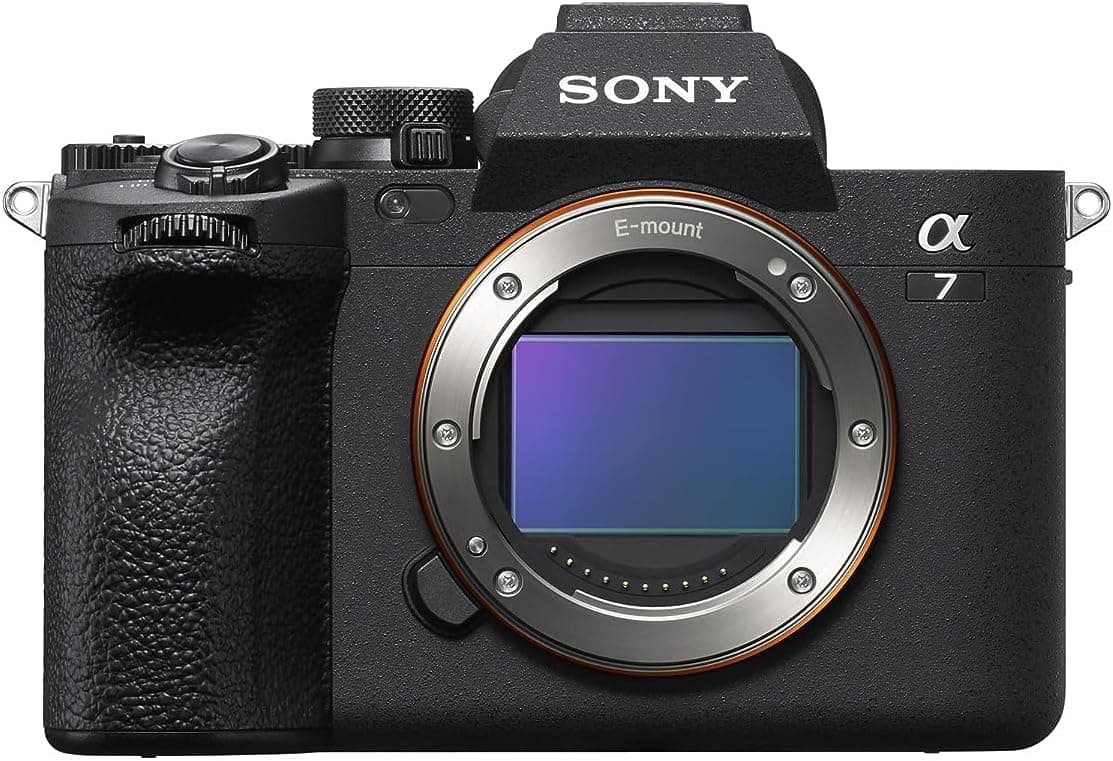
Sony a7 IV
Balanced stills and video, reliable eye autofocus, dual card slots, and enough resolution for delivery crops.
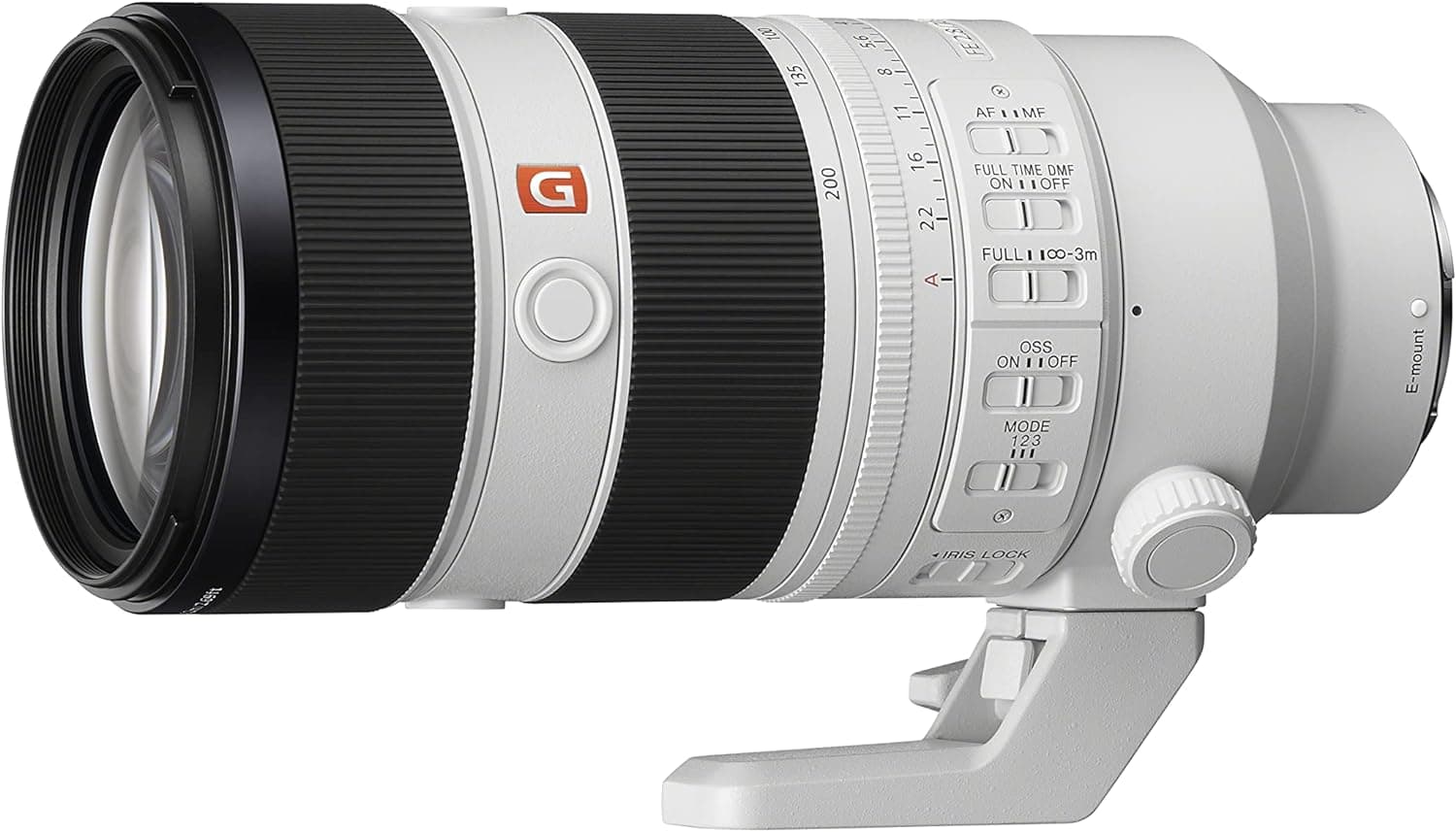
Sony FE 70-200mm f/2.8 GM OSS II
Reach and subject separation for ceremonies, speeches, stage work, and candids from across a room.
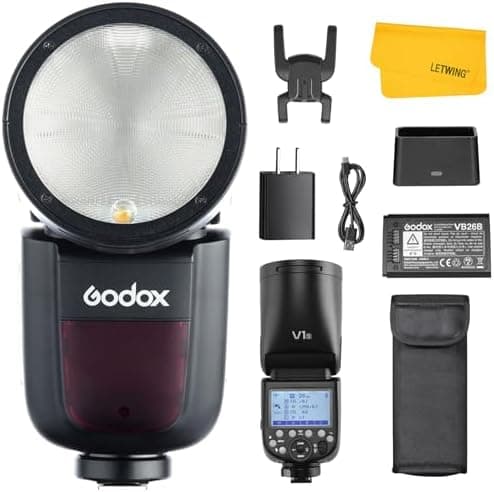
Godox V1
Soft bounce, fast recycle, and the Godox radio system for a first off-camera light.
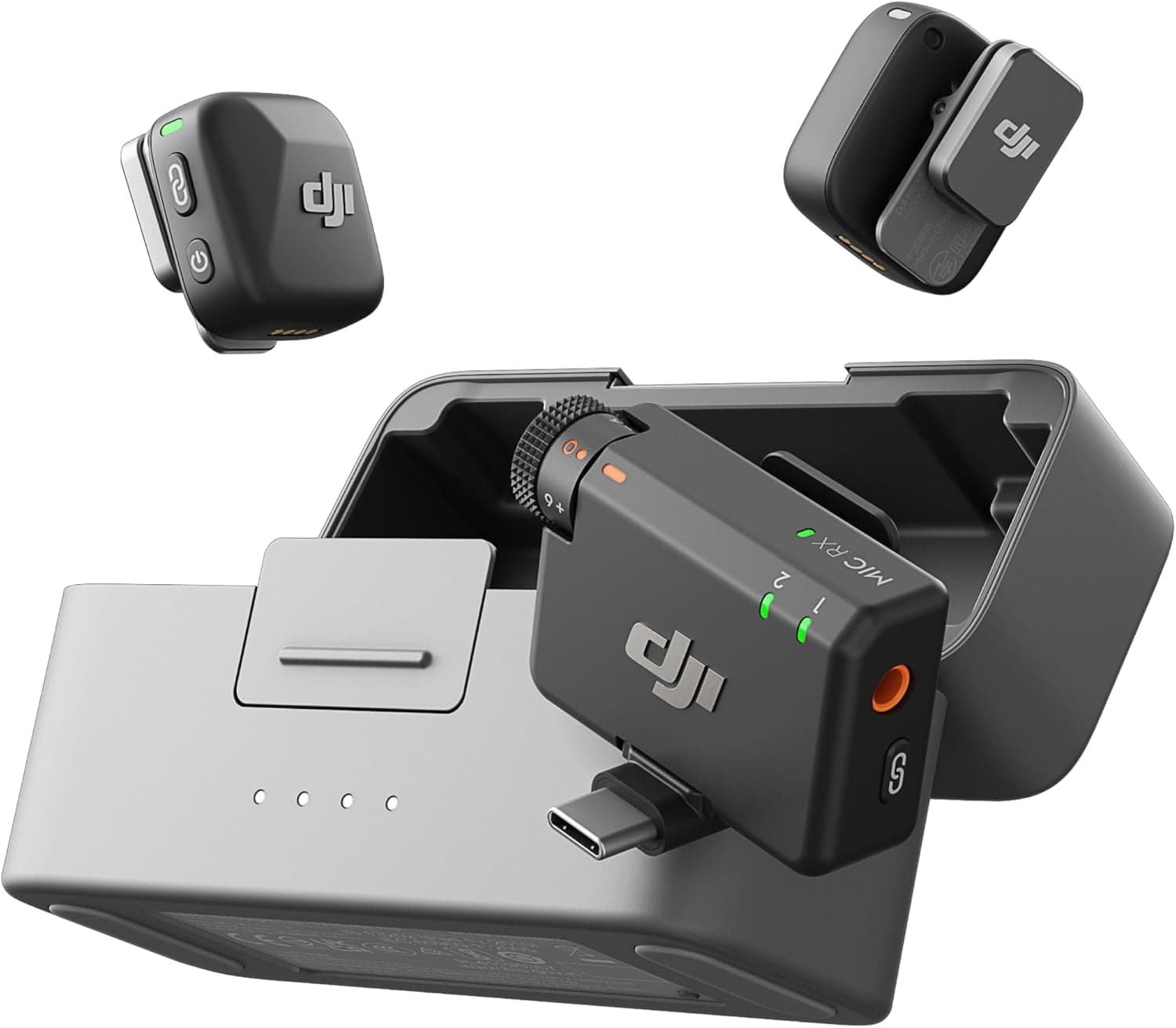
DJI Mic 2
A simple backup for vows, interviews, speeches, and behind-the-scenes clips.
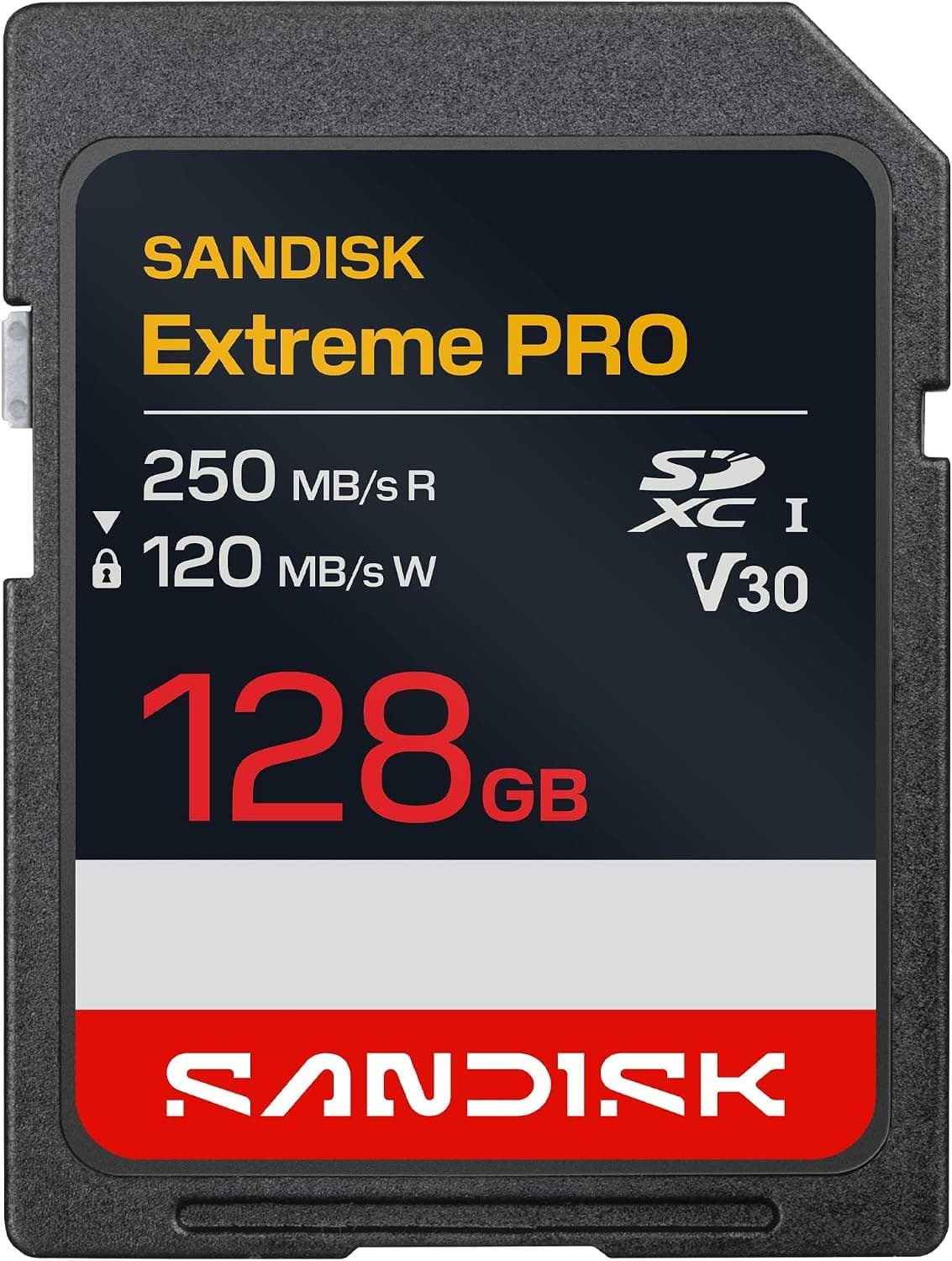
SanDisk Extreme Pro SDXC 128GB
A practical card tier for hybrid bodies shooting stills, bursts, and normal 4K capture.
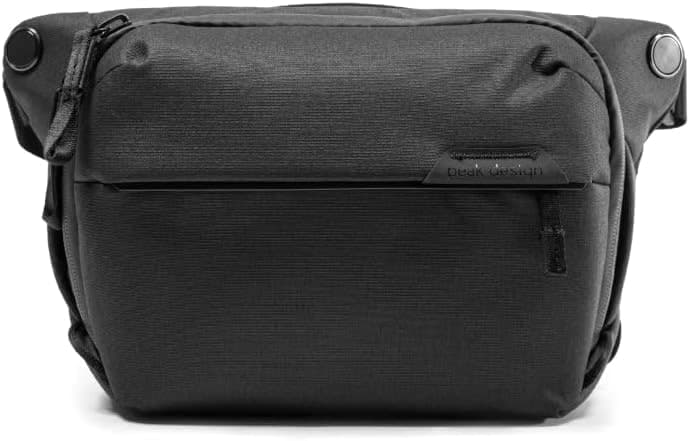
Peak Design Everyday Sling 6L V2
Keeps a body, flash, batteries, and small lens changes close without wearing a full backpack during coverage.
Prices are rough catalog totals. Retailer prices change, and you can swap pieces to fit your system.
Related Learn guides

Content Credentials and C2PA Explained for Photographers
Content Credentials record a photo's signed provenance and edits. Learn what C2PA proves, what it cannot prove, and how capture-to-export workflows work.
Open Gate Video Explained: When 3:2 Is Worth It
Open Gate records a taller sensor area for flexible 16:9, 9:16, and square crops. See when it helps, what it costs, and how to frame it correctly.
Pre-Capture Photography Explained: Get the Frame Before the Click
Pre-Capture buffers photos before the shutter is fully pressed. Learn how it works, which settings change, and when RAW, flash, or focus may be limited.
RAW vs JPEG: Which File Format Should You Shoot?
RAW keeps all your sensor data for maximum editing freedom; JPEG is smaller and ready to share. Here is how they differ and when each one is the right call.
Researched, not personally tested: picks compare specifications, available owner feedback, and established expert sources. As an Amazon Associate I earn from qualifying purchases. We may earn a commission from links here, at no extra cost to you. How we research →