We may earn a commission from links on this page, at no extra cost to you. Picks are researched, not sponsored.
What this means in real life
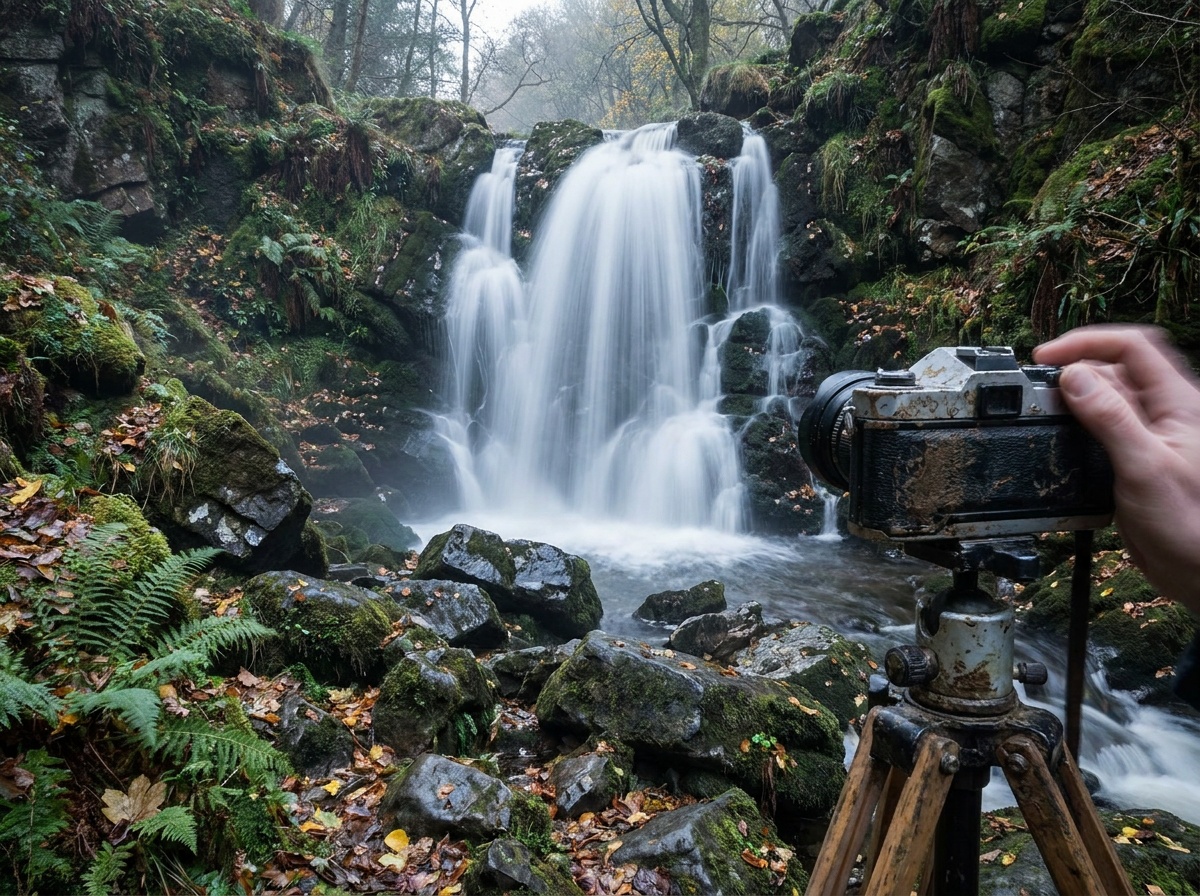
A long exposure is just a photo where the shutter stays open long enough that moving subjects blur during the frame. Anything that holds still, rocks, buildings, the horizon, stays crisp because the camera does not move. Anything that moves, waves, traffic, clouds, a crowd, turns into a soft streak. That contrast between frozen and flowing is the entire effect. The hard part is light: in daylight, leaving the shutter open for seconds floods the sensor and you get a pure white frame. At night the opposite is true, and the long shutter is what gathers enough light to see at all.
The length of the shutter changes the character of the blur. Around 1 to 2 seconds keeps the texture of moving water, so you still read individual currents and ripples. Stretch to 5 to 15 seconds and water turns into a soft, milky sheet. Run past 30 seconds and clouds smear into long directional streaks while water flattens to fog. There is no single correct number; the shutter length is a creative dial you choose for the look you want.
The gear
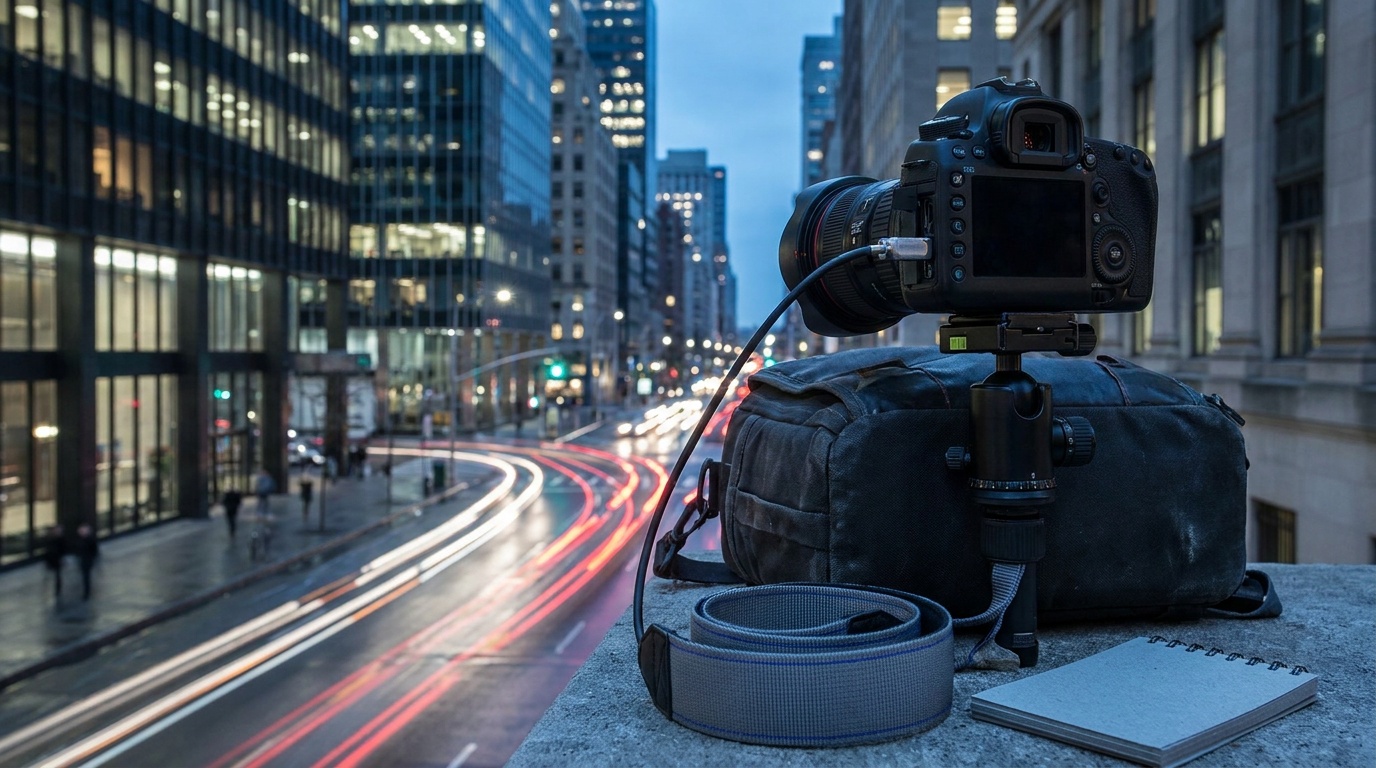
A tripod is non-negotiable, because a multi-second exposure is far too slow to hand-hold while the still parts stay sharp. In daylight you also need an ND filter, which is a dark piece of glass that cuts the incoming light so you can use a long shutter without overexposing. A remote release or the camera's self-timer keeps your hand off the body during the exposure. At night you need none of the filters, just the tripod and a steady release.
The settings
Set up on the tripod, then pick your shutter length for the look you want.
The small aperture does double duty: it keeps the scene front-to-back sharp and helps drag the shutter slower. ISO stays low for a clean file. Shutter length is the creative dial, so this is the shutter speed control taken to its useful extreme, all sitting inside the exposure triangle.
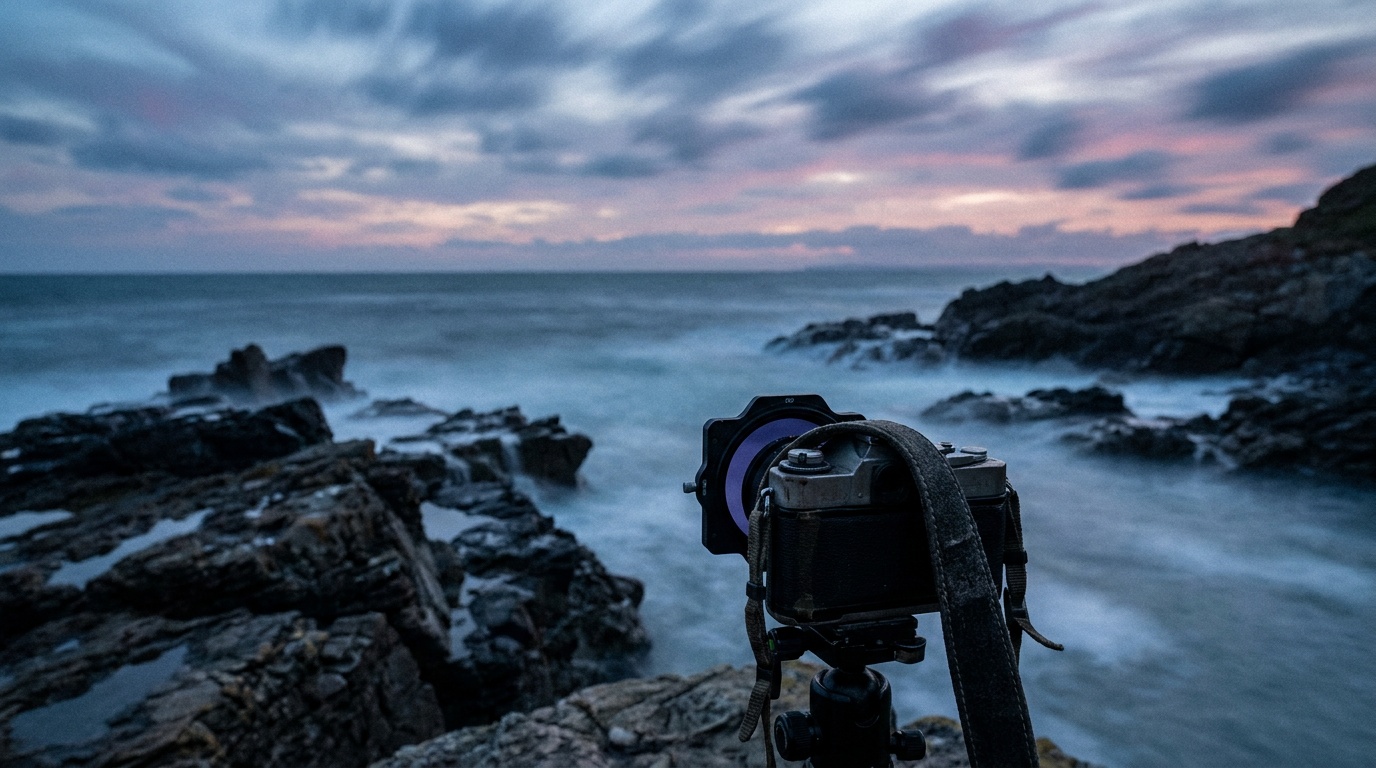
The ND strength sets how far you can stretch the shutter. Each stop doubles the exposure time, so a 6-stop filter turns a 1/4 second meter reading into about 15 seconds, and a 10-stop filter pushes that same reading out to roughly 250 seconds. A practical kit is one 6-stop filter for partial blur in softer light and one 10-stop for full silk in bright daylight; the two can stack to 16 stops for extreme midday exposures. Meter the scene without the filter, then count up the stops to find your timed shutter, or use one of the free ND calculator apps in the field.
Technique
Work in this order, which keeps the dark filter from fighting you:
- Mount the camera on the tripod and compose the frame.
- Autofocus on your subject in normal light, then switch the lens to manual focus so it holds.
- Meter the scene without the filter and note the shutter speed.
- Attach the ND filter and add its stops to the metered shutter to get the real exposure time.
- Turn off image stabilization, set the timer or attach a remote, and fire. For anything past 30 seconds, use Bulb mode and time it.
Compose and focus before you attach a dark ND filter, because a strong one can dim the scene so much that autofocus cannot lock. Turn off image stabilization when the camera is on a tripod, since a stabilized lens can introduce its own tiny drift on a static rig. Trigger with a remote or the two-second timer so the press itself does not shake the frame; the full checklist in how to avoid camera shake applies here. These are the same patient instincts behind most landscape photography: a stable base, soft light, and a deliberate shutter.
Common mistakes
Skipping the ND filter in daylight and getting a white frame is the classic error. Leaving ISO high speeds the shutter up and shrinks the blur, so keep it at base. Forgetting to refocus after mounting a dark filter produces a soft frame. Bumping the tripod or shooting in wind without weighting it down softens everything, not just the moving parts. And clipping the highlights, the bright spray or the brightest lights, is the silent killer, since once a highlight is gone it cannot be recovered. Check the histogram, not the rear preview.
Research pick
Hoya PRO ND-EX 1000 77mm
Landscape shooters doing daylight long exposures.
Check price at AmazonWhat shutter speed counts as a long exposure?
There is no hard line, but anything from roughly half a second up is usually called a long exposure. Smooth water often needs 1 to 5 seconds, while streaking clouds and night light trails commonly run 10 to 30 seconds or longer in Bulb mode.
Do I need an ND filter for long exposures at night?
No. At night the scene is already dark, so the long shutter simply gathers enough light to expose. ND filters are a daylight tool: they cut the light so a slow shutter does not overexpose under the sun.
Why is my long exposure blurry everywhere instead of just the moving parts?
The camera moved during the frame. Use a sturdy tripod, turn off stabilization, trigger with a remote or timer, and shield the rig from wind. Only the moving subject should blur; the still parts depend on a perfectly steady camera.
Practice this
Turn the guide into a working setup
Keep going
Next useful steps
Pick one. Each link continues the same job without starting the research over.
Shoot kits
Buy around the job, not the spec sheet
Travel landscape
Travel landscape kit
$4,465
A light full-frame body, wide zoom, serious travel tripod, filters, and a bag that can handle rough days outside.
Light but not flimsy
Buy order: start with the first piece that makes the job possible, then add the support pieces that remove friction.
Camera: start here. If this piece does not make the shoot easier, the rest of the kit can wait.
Carry: add it after the core setup proves useful.
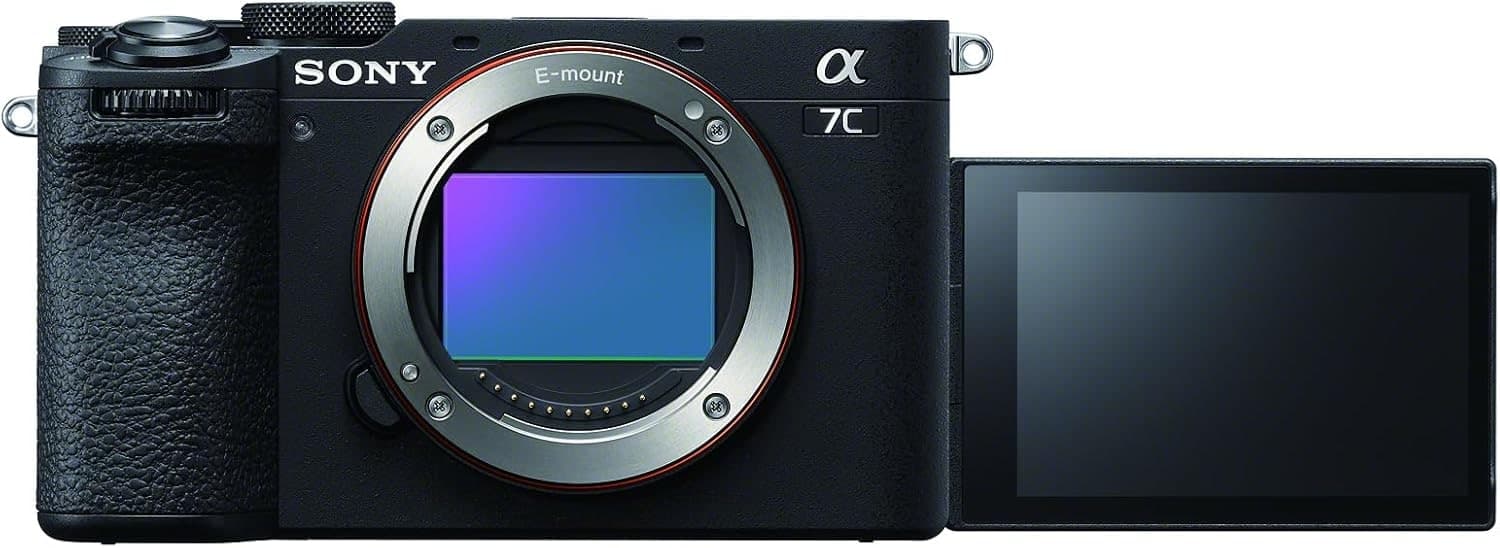
Sony a7C II
Full-frame files in a smaller body, with autofocus and stabilization that travel well.
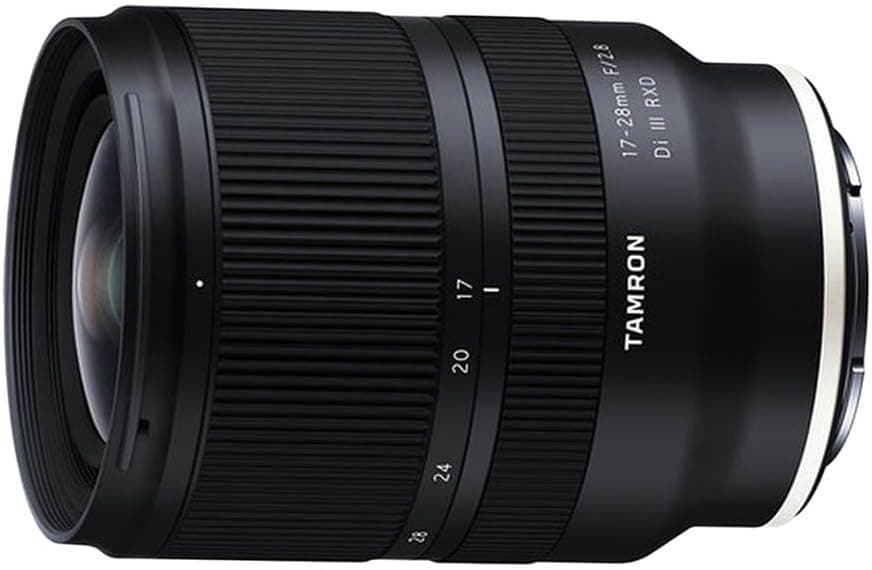
Tamron 17-28mm f/2.8 Di III RXD
Wide enough for landscapes and interiors without the size of a premium 16-35mm.
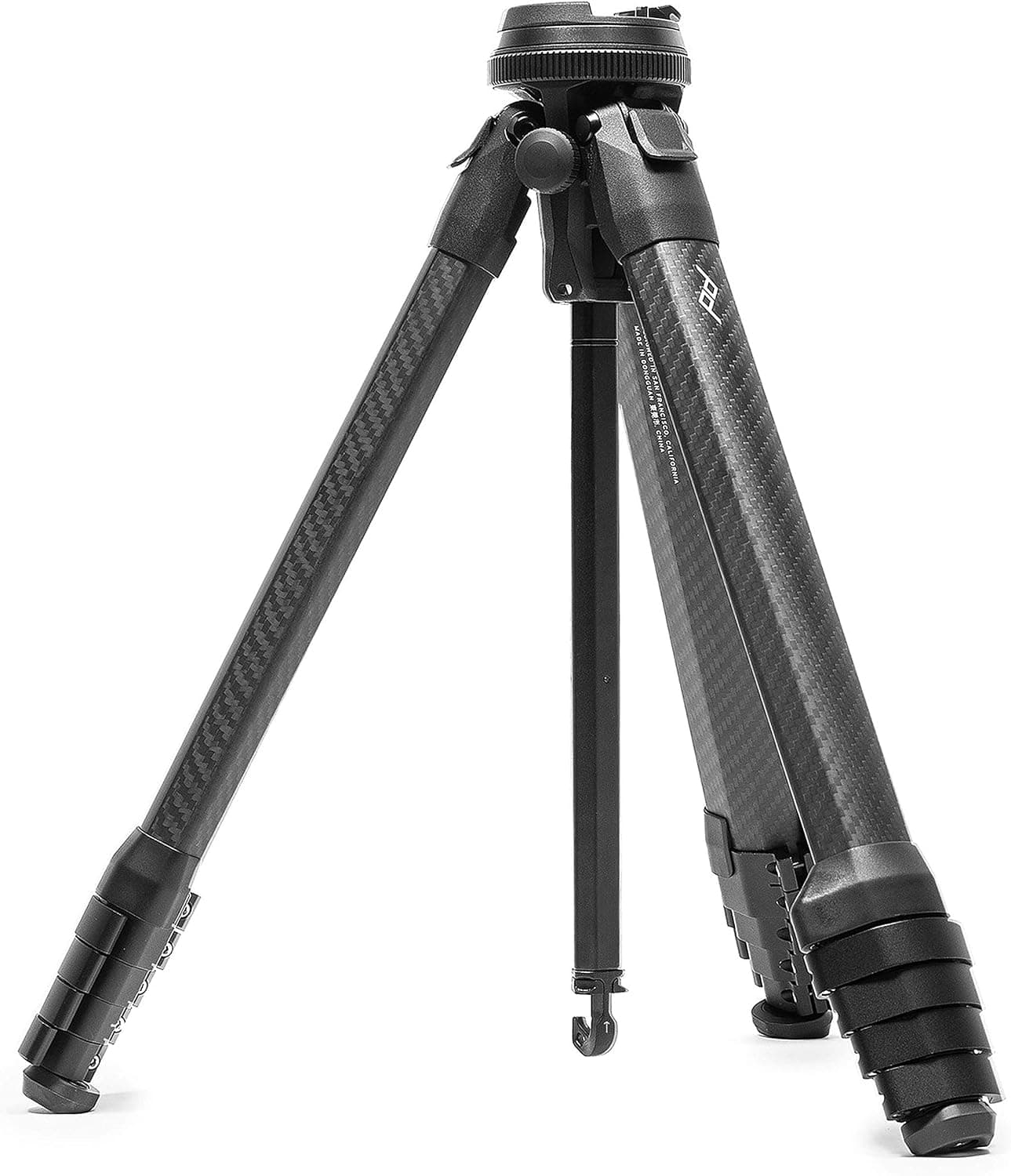
Peak Design Travel Tripod (Carbon)
The point of a travel tripod is bringing it. This one packs small and stays serious.
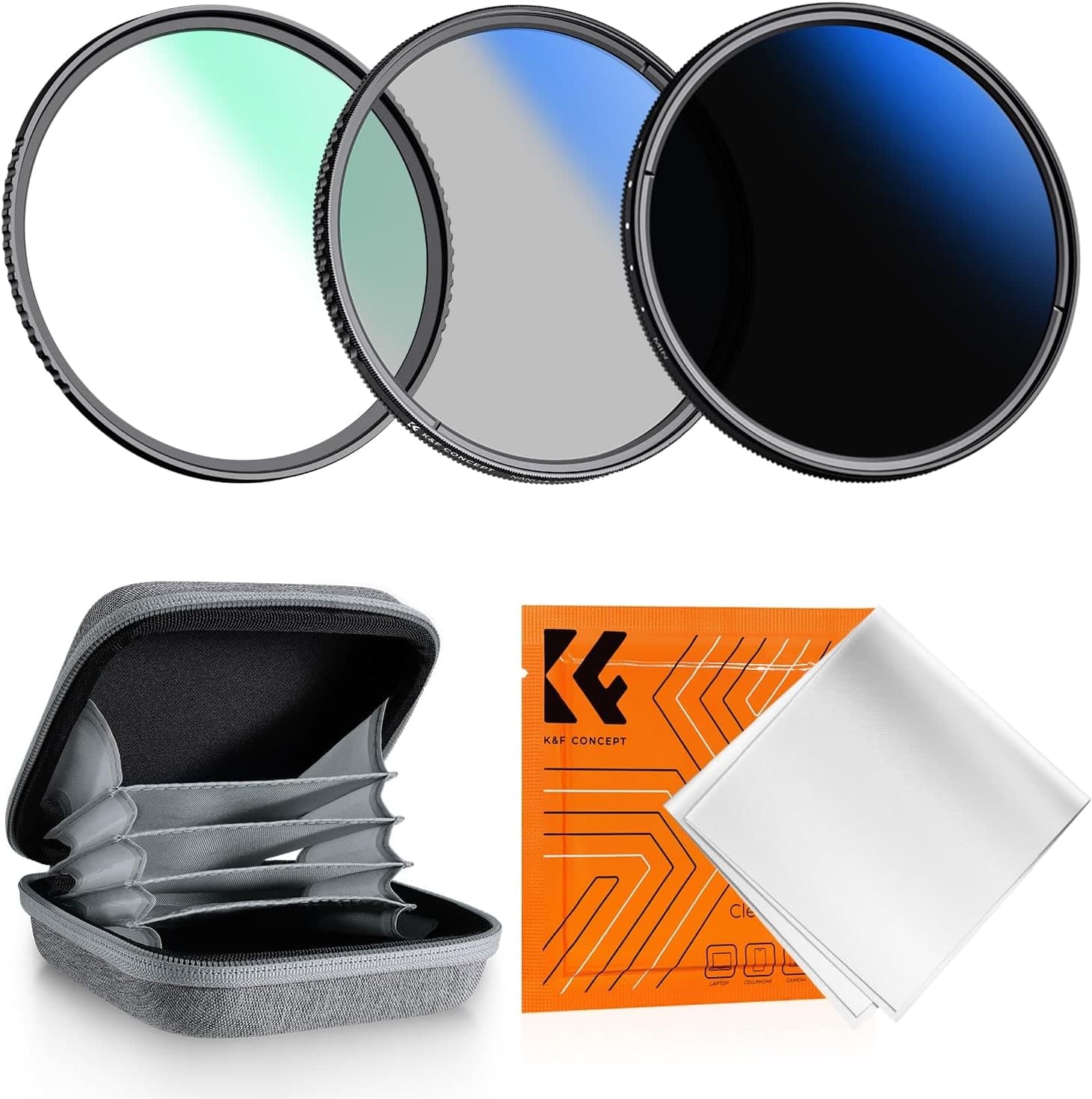
K&F Concept 77mm UV/CPL/ND2-400 Filter Kit
CPL and ND coverage for water, skies, reflections, and slower shutters.
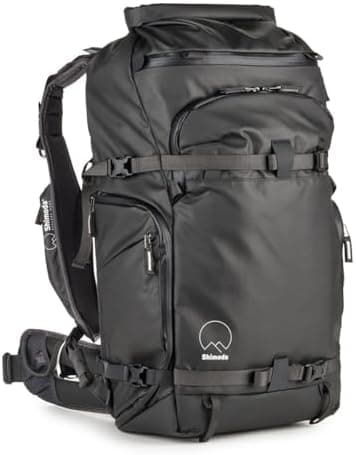
Shimoda Action X30 V2
A real harness matters once camera gear and outdoor layers share the same bag.
Prices are rough catalog totals. Retailer prices change, and you can swap pieces to fit your system.
Related Learn guides

Content Credentials and C2PA Explained for Photographers
Content Credentials record a photo's signed provenance and edits. Learn what C2PA proves, what it cannot prove, and how capture-to-export workflows work.
Open Gate Video Explained: When 3:2 Is Worth It
Open Gate records a taller sensor area for flexible 16:9, 9:16, and square crops. See when it helps, what it costs, and how to frame it correctly.
Pre-Capture Photography Explained: Get the Frame Before the Click
Pre-Capture buffers photos before the shutter is fully pressed. Learn how it works, which settings change, and when RAW, flash, or focus may be limited.
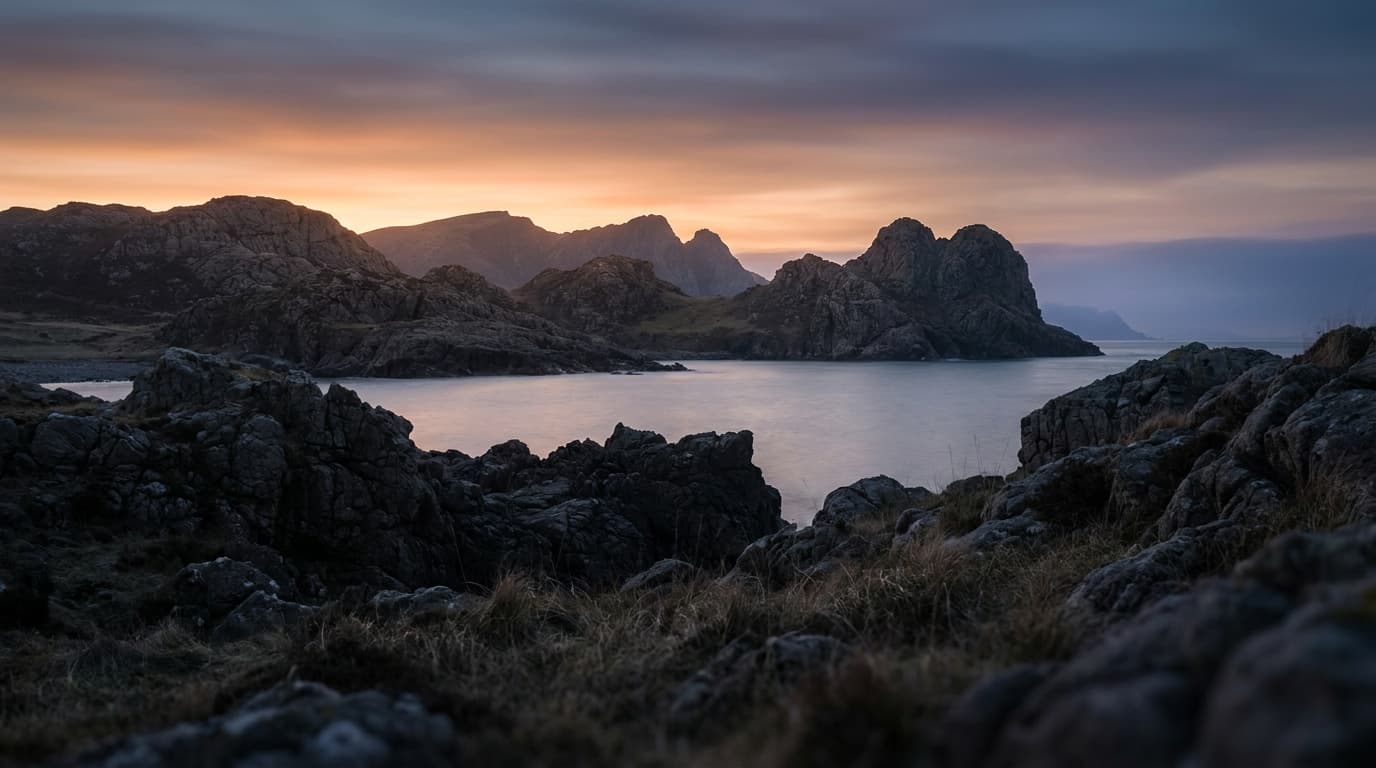
RAW vs JPEG: Which File Format Should You Shoot?
RAW keeps all your sensor data for maximum editing freedom; JPEG is smaller and ready to share. Here is how they differ and when each one is the right call.
Researched, not personally tested: picks compare specifications, available owner feedback, and established expert sources. As an Amazon Associate I earn from qualifying purchases. We may earn a commission from links here, at no extra cost to you. How we research →