
We may earn a commission from links on this page, at no extra cost to you. Picks are researched, not sponsored.
What this means in real life
When you focus a lens, only one distance is truly sharp, but a zone in front of and behind it looks sharp too, which is your depth of field. The hyperfocal distance is the focus point that stretches that zone as far as it can go while still reaching infinity. Focus at the hyperfocal distance and the sharp zone runs from half that distance all the way to the horizon. Focus past it, on infinity, and you waste the near half of your depth of field on empty sky. Focus too close and the distant mountains go soft. The hyperfocal point is the sweet spot that captures both the near foreground and the far background in one frame.
Why it matters for landscapes
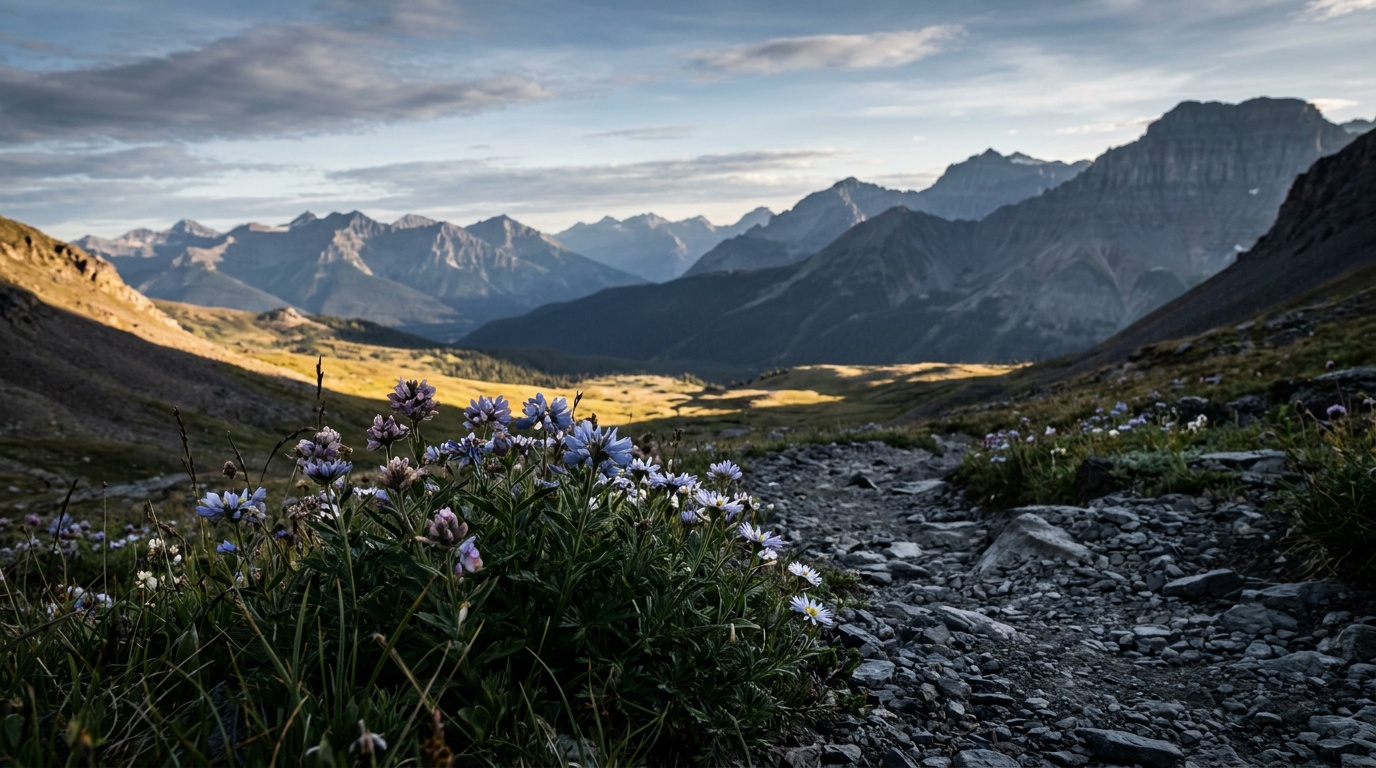
Landscape scenes often have something interesting right at your feet, a rock, flowers, a stream, and something grand far away. You want both sharp. Simply focusing on infinity leaves the foreground soft; focusing on the foreground leaves the horizon soft. The hyperfocal distance resolves the conflict by maximizing the depth of field for your chosen aperture. The more you stop the aperture down, the shorter the hyperfocal distance becomes and the deeper your sharp zone, up to the point where diffraction starts softening the whole frame.
How to find it in the field
You do not need exact math at the scene. A reliable working method gets you most of the way.
For precision, a hyperfocal calculator or app gives the exact distance for your focal length, aperture, and sensor. Apps that show the near-sharp and far-sharp limits are the most useful in practice. This sits inside the exposure triangle as a focusing decision layered on top of your aperture choice, and it is why the aperture you pick changes how far into the scene you should focus.
Real hyperfocal distances to anchor the feel
The exact number depends on your sensor, but these full-frame values at f/11 give you a feel for the scale, and the sharp zone always runs from half the hyperfocal distance to infinity:
- 16mm at f/11: roughly 2.4 ft. Sharp from about 1.2 ft to infinity. Almost everything is sharp; just avoid focusing right on the horizon.
- 24mm at f/11: roughly 6.5 ft. Sharp from about 3.25 ft to infinity. The classic wide-landscape setup.
- 35mm at f/11: roughly 13 ft. Sharp from about 6.5 ft to infinity.
- 50mm at f/16: roughly 18 ft. Sharp from about 9 ft to infinity. A normal lens needs a smaller aperture and a farther focus point for the same reach.
Two patterns fall out of that list. Wider lenses have much shorter hyperfocal distances, which is why landscapes are shot wide. And stopping down shortens the distance: that same 24mm drops from about 9 ft at f/8 to 6.5 ft at f/11. On an APS-C body the numbers shrink further because the smaller sensor reaches its hyperfocal distance sooner, so a crop-sensor shooter focuses a little closer than these full-frame figures suggest.
The technique
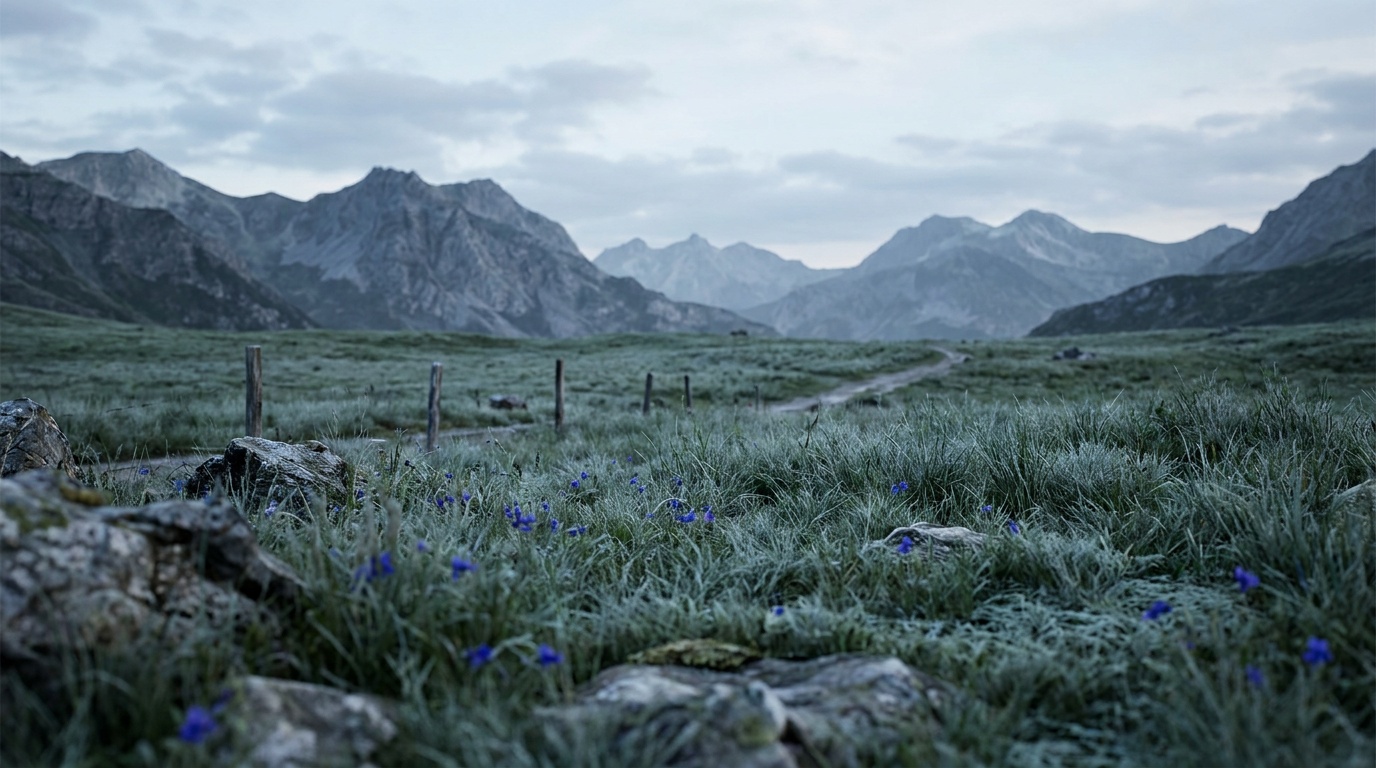
Use a tripod so the framing and focus hold while you check and refine. Stop down to a sharp landscape aperture, usually f/8 to f/11, where most lenses are at their best and the depth of field is deep without diffraction softening. Switch to manual focus once you have set the point, so autofocus does not move it. Use live view zoomed in to confirm the nearest and farthest important elements are both sharp. This is the backbone of deep-focus landscape photography, and when the foreground is so close that even the hyperfocal distance cannot hold it, that is the cue to switch to focus stacking instead.
Common mistakes
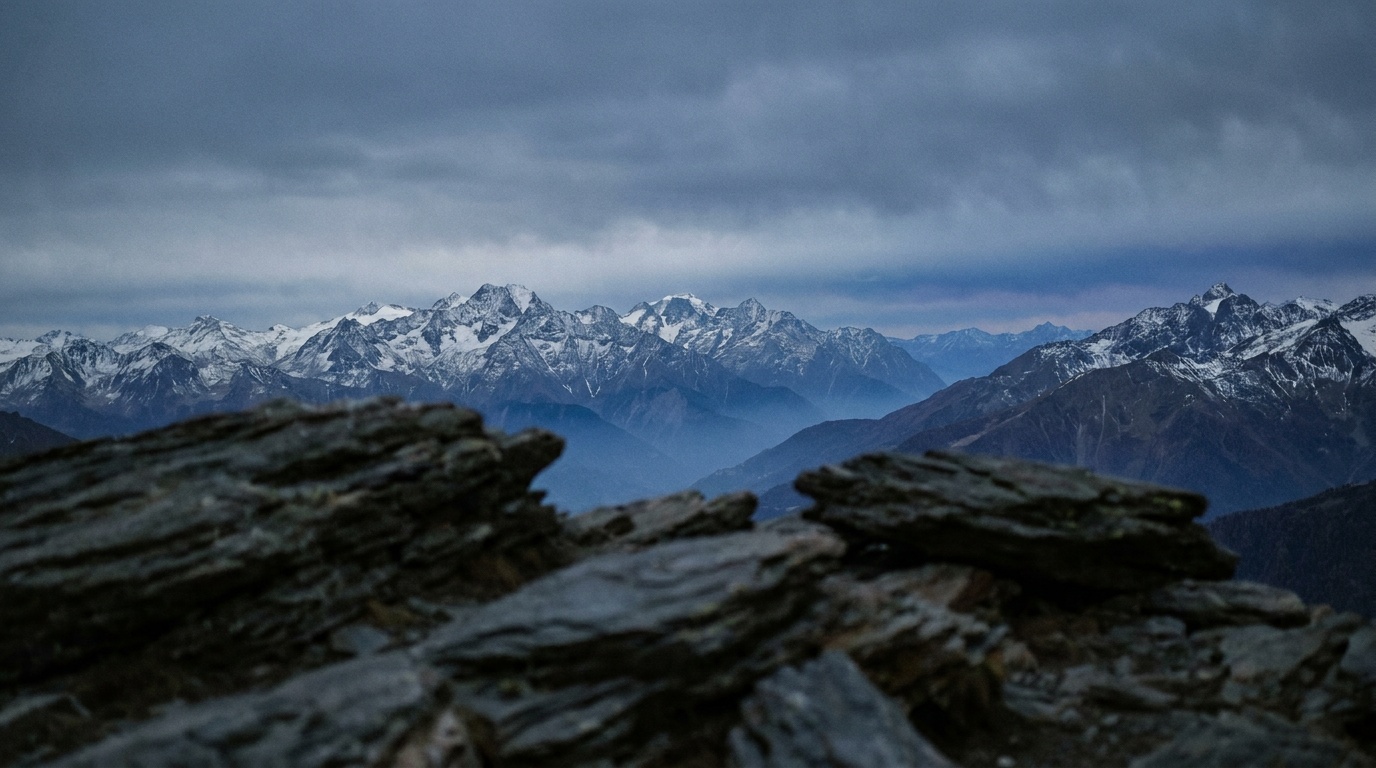
Focusing on infinity is the most common error and wastes the near half of your depth of field, leaving the foreground soft. Focusing on the very nearest object instead throws the horizon out of focus. Shooting wide open at f/2.8 for a landscape gives a depth of field far too thin for front-to-back sharpness; stop down. Stopping down too far to f/22 widens the zone but softens everything through diffraction, so stay around f/8 to f/11. And trusting the rear preview without zooming in hides softness you will only see at full size.
What is a simple rule for hyperfocal focusing?
For a wide-angle landscape at f/8 to f/11, focus about one-third of the way into the scene rather than on the horizon, then zoom in on the rear screen to confirm the nearest foreground and the far background are both sharp. Adjust and reshoot if either end is soft. A hyperfocal app gives the exact distance when you want precision.
Does aperture change the hyperfocal distance?
Yes. A smaller aperture (higher f-number) shortens the hyperfocal distance and deepens the sharp zone, while a wider aperture lengthens it and shrinks the zone. That is why landscapes are usually shot at f/8 to f/11: deep enough for front-to-back sharpness without the diffraction softening that creeps in past f/16.
What if even the hyperfocal distance cannot get my foreground sharp?
That happens when the foreground is very close, common with a dramatic near element. When one frame cannot hold both the near foreground and the far horizon, switch to focus stacking: shoot several frames focused at different distances and blend them so the whole scene is sharp.
Practice this
Turn the guide into a working setup
Related Learn guides

Content Credentials and C2PA Explained for Photographers
Content Credentials record a photo's signed provenance and edits. Learn what C2PA proves, what it cannot prove, and how capture-to-export workflows work.
Open Gate Video Explained: When 3:2 Is Worth It
Open Gate records a taller sensor area for flexible 16:9, 9:16, and square crops. See when it helps, what it costs, and how to frame it correctly.
Pre-Capture Photography Explained: Get the Frame Before the Click
Pre-Capture buffers photos before the shutter is fully pressed. Learn how it works, which settings change, and when RAW, flash, or focus may be limited.

RAW vs JPEG: Which File Format Should You Shoot?
RAW keeps all your sensor data for maximum editing freedom; JPEG is smaller and ready to share. Here is how they differ and when each one is the right call.
Researched, not personally tested: picks compare specifications, available owner feedback, and established expert sources. As an Amazon Associate I earn from qualifying purchases. We may earn a commission from links here, at no extra cost to you. How we research →