We may earn a commission from links on this page, at no extra cost to you. Picks are researched, not sponsored.
What this means in real life
Almost everyone shoots the moon for the first time and gets a featureless white circle. The reason is that your camera sees a huge black frame with one small bright object and tries to brighten the whole scene. That averages the exposure up until the moon is overexposed and all its surface detail is gone. The fix is to ignore the sky entirely and treat the moon as what it is: a daylit subject hanging in space. The same sun that lights your backyard at noon is lighting the moon, so the so-called Looney 11 rule applies. The rule says: set f/11 and a shutter speed equal to one over your ISO. At ISO 100 that is 1/100 or 1/125; at ISO 200 it is 1/200, and so on. It gets you within a stop of correct without ever metering the sky.
The gear
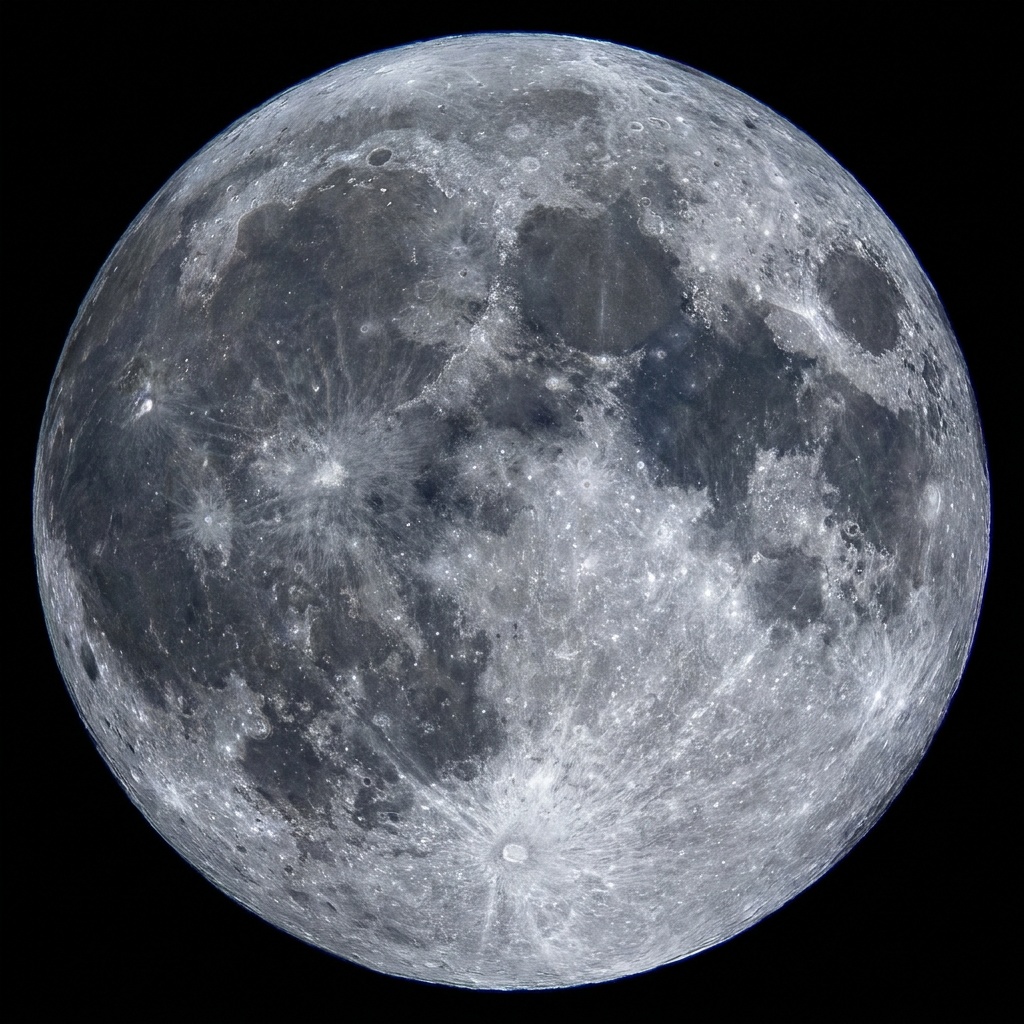
The moon is small in the frame, so reach matters more than anything. A 200mm lens gives you a recognizable disc; 400mm or more starts to fill the frame and show craters. To put it in perspective, the moon spans only about half a degree of sky, so even at 300mm it occupies a modest slice of the frame and you will crop in. A teleconverter or a crop-sensor body buys extra reach cheaply. On a crop sensor the crop factor works in your favor by extending your effective focal length. A sturdy tripod is not optional at these focal lengths, because the smallest vibration smears the detail you came for. A remote release or the two-second self-timer removes the shake from pressing the shutter.
The settings
The moon moves and shimmers, but its brightness is steady, so you can lock in numbers and adjust from there.
Keep the ISO at base for the cleanest file, since the moon is bright enough that you do not need to push it. Watch the shutter speed at long focal lengths: the Earth's rotation actually drifts the moon across your frame, so at 600mm anything slower than about 1/100 can soften the edges over a long enough exposure. If your lens is sharpest a stop down from wide open, f/11 usually sits in that sweet spot anyway. This is just the exposure triangle applied to one stubbornly bright subject.
Technique
Autofocus often hunts on the moon because there is nothing around it for the system to lock onto. Switch to manual focus, zoom in on the live view, and rack focus until the crater edges snap. Then leave it alone. Use mirror lock-up or electronic shutter if your camera offers it, and always trigger with a timer or remote so your finger never touches the body during the exposure. Take several frames; atmospheric shimmer means some will be sharper than others, and you keep the best. For more on locking down sharpness at long reach, the guide on how to avoid camera shake covers the full checklist.
Composition
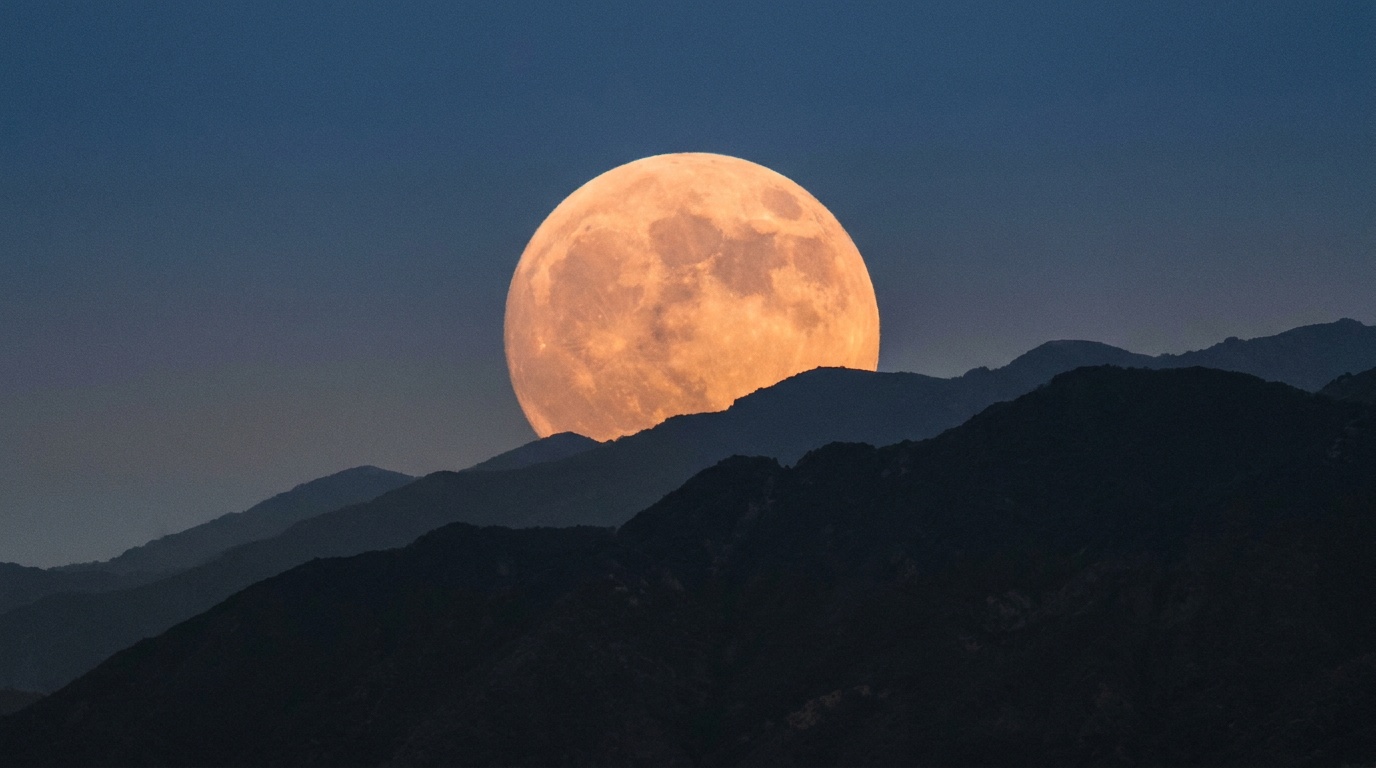
A moon alone in a black frame is technically correct and usually boring. The shots people remember pair the moon with something earthly: a ridgeline, a building, a lone tree. That almost always means a longer lens and a lot of distance from the foreground object, which compresses the two together so the moon looks enormous behind it. Planning apps tell you where the moon will rise so you can line it up. A rising or setting moon near the horizon is also dimmer and warmer, so it often needs a touch more exposure than an overhead one. This is where moon work overlaps with landscape photography, since the rules of foreground, balance, and timing carry straight over.
Common mistakes
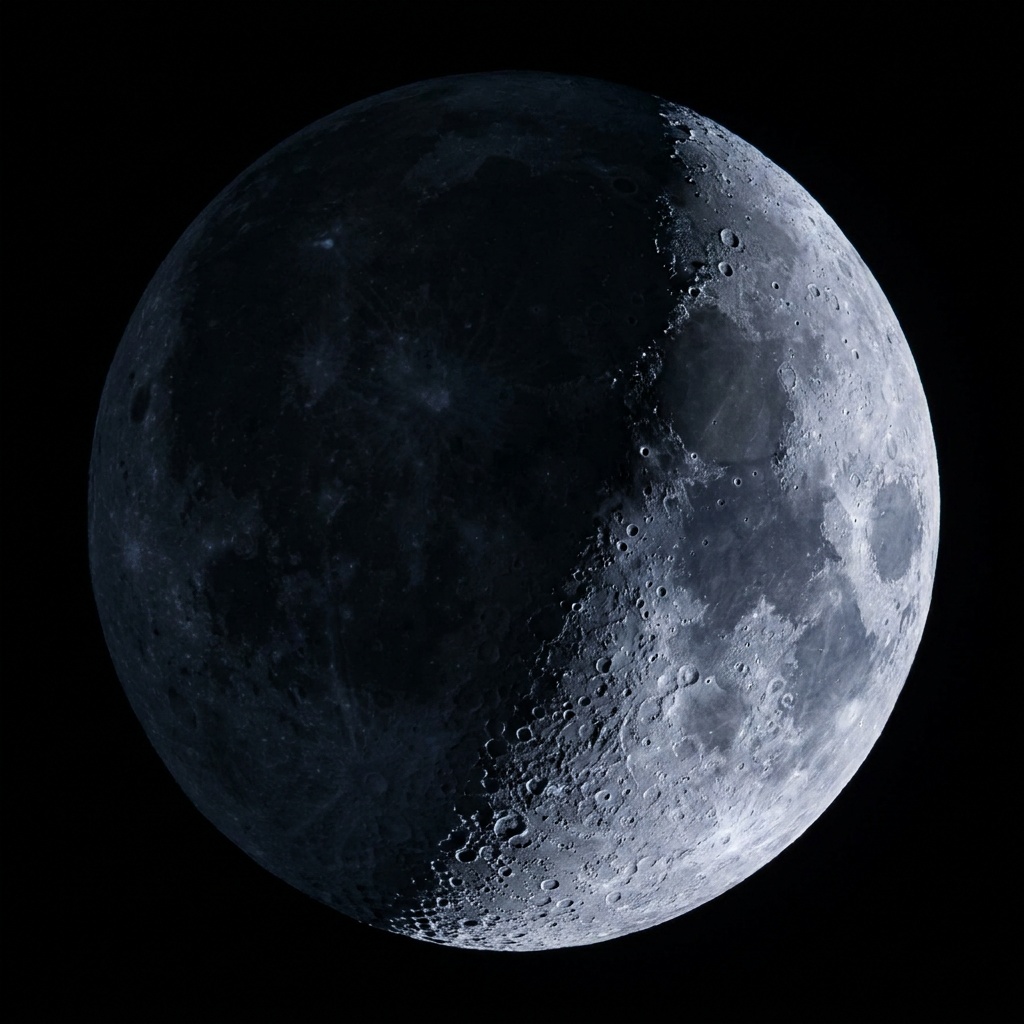
The white-blob problem is metering, covered above. The second most common issue is softness, which is almost always shake or missed focus rather than a bad lens. The third is shooting a full moon and wondering why it looks flat: a full moon is lit head-on, so it has no shadows and no texture. A half or crescent moon, lit from the side, shows far more relief along the terminator line where light meets dark. If detail is your goal, shoot the moon a few days off full.
Why does my moon come out as a bright white circle?
Your camera is metering for the large dark sky and overexposing the moon to compensate. Switch to manual exposure and dial in daylight settings around f/11 · 1/125 · ISO 100, then adjust until the surface detail appears. The sky going black is correct.
What lens do I need to photograph the moon?
The longer the better. A 200mm lens gives a small but recognizable disc, while 400mm and up starts to fill the frame and resolve craters. On a crop-sensor body your effective reach is longer, which helps.
Do I need a tripod to photograph the moon?
Yes, for a sharp result. At the long focal lengths the moon demands, even tiny vibration smears the surface detail. Pair the tripod with a remote release or self-timer so pressing the shutter does not add shake.
Practice this
Turn the guide into a working setup
Shoot kits
Buy around the job, not the spec sheet
Travel landscape
Travel landscape kit
$4,465
A light full-frame body, wide zoom, serious travel tripod, filters, and a bag that can handle rough days outside.
Light but not flimsy
Buy order: start with the first piece that makes the job possible, then add the support pieces that remove friction.
Camera: start here. If this piece does not make the shoot easier, the rest of the kit can wait.
Carry: add it after the core setup proves useful.
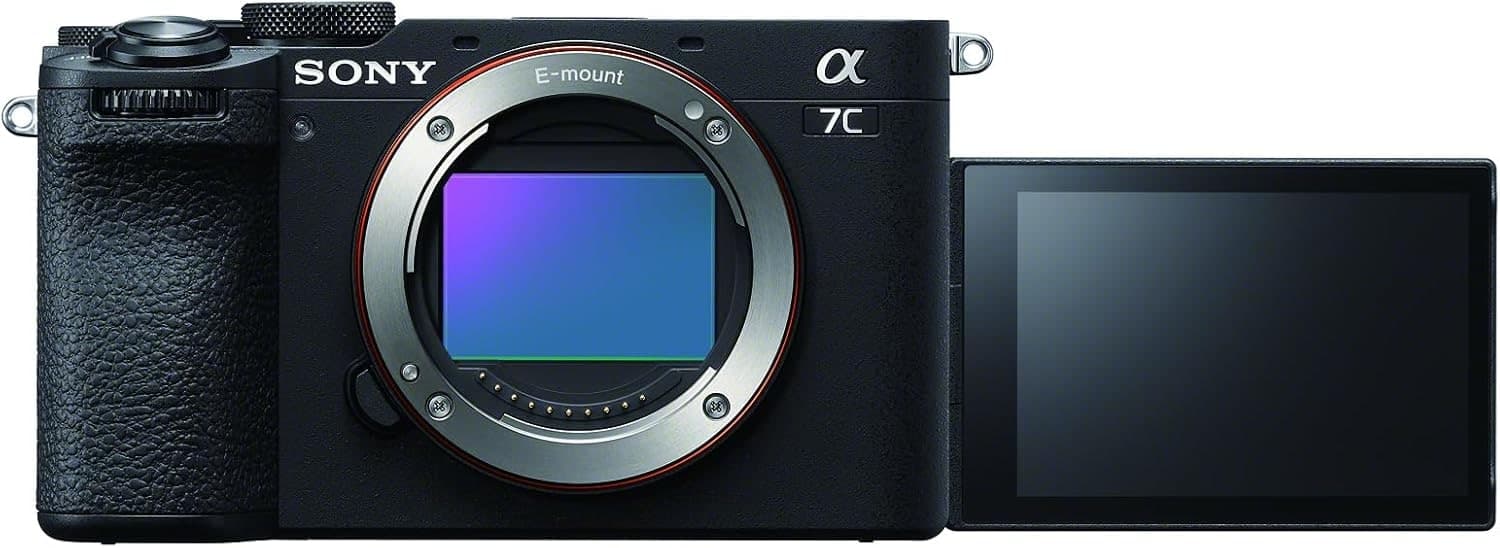
Sony a7C II
Full-frame files in a smaller body, with autofocus and stabilization that travel well.
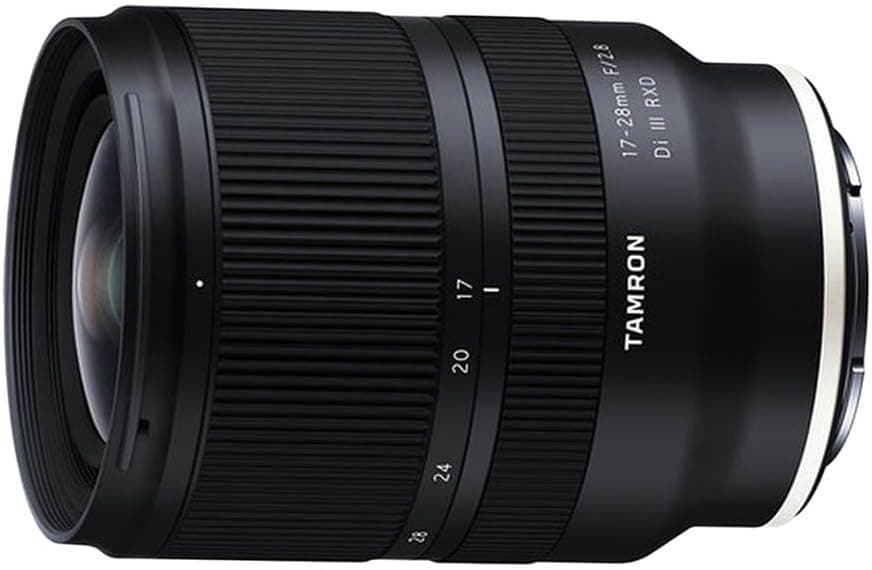
Tamron 17-28mm f/2.8 Di III RXD
Wide enough for landscapes and interiors without the size of a premium 16-35mm.
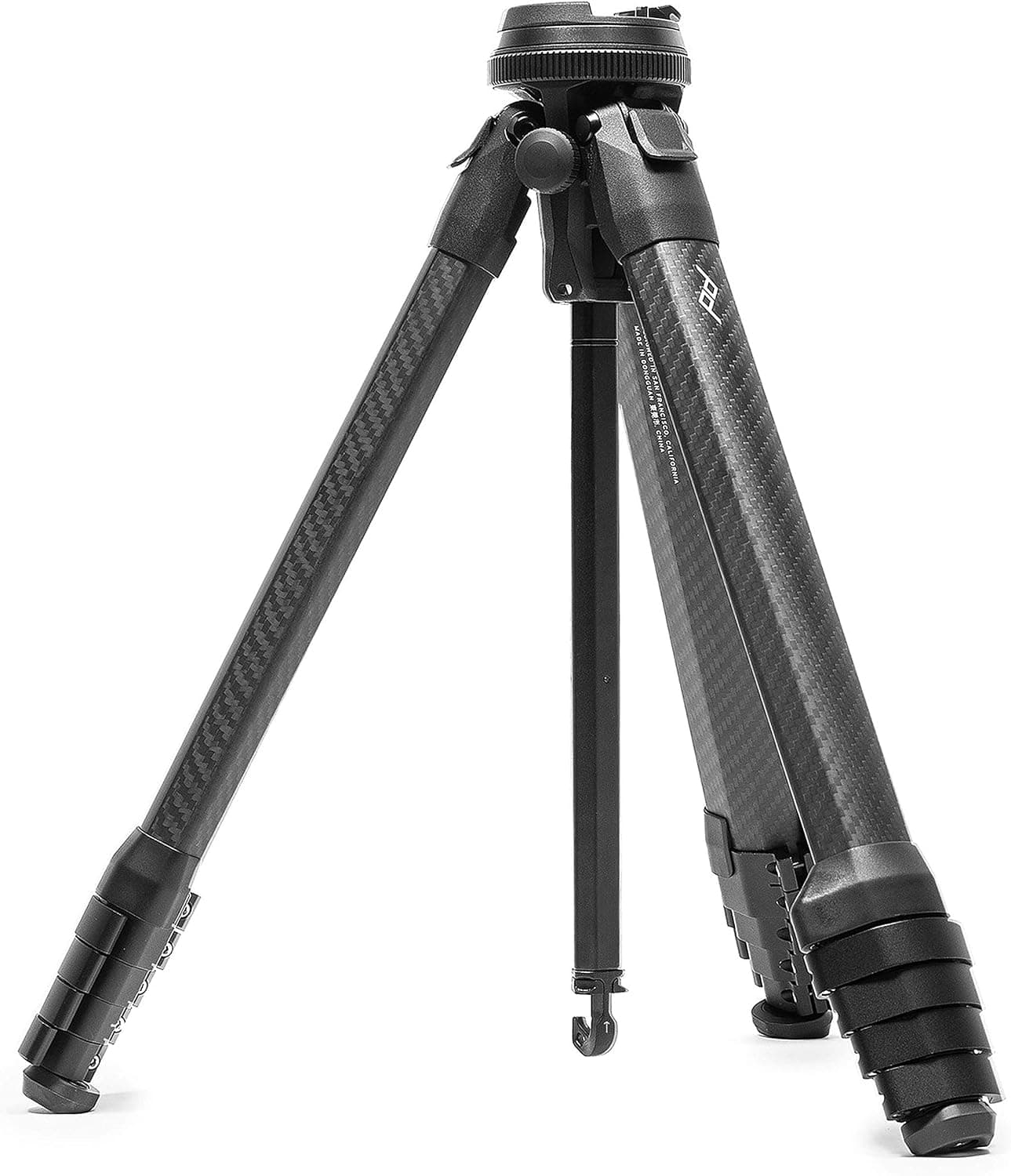
Peak Design Travel Tripod (Carbon)
The point of a travel tripod is bringing it. This one packs small and stays serious.
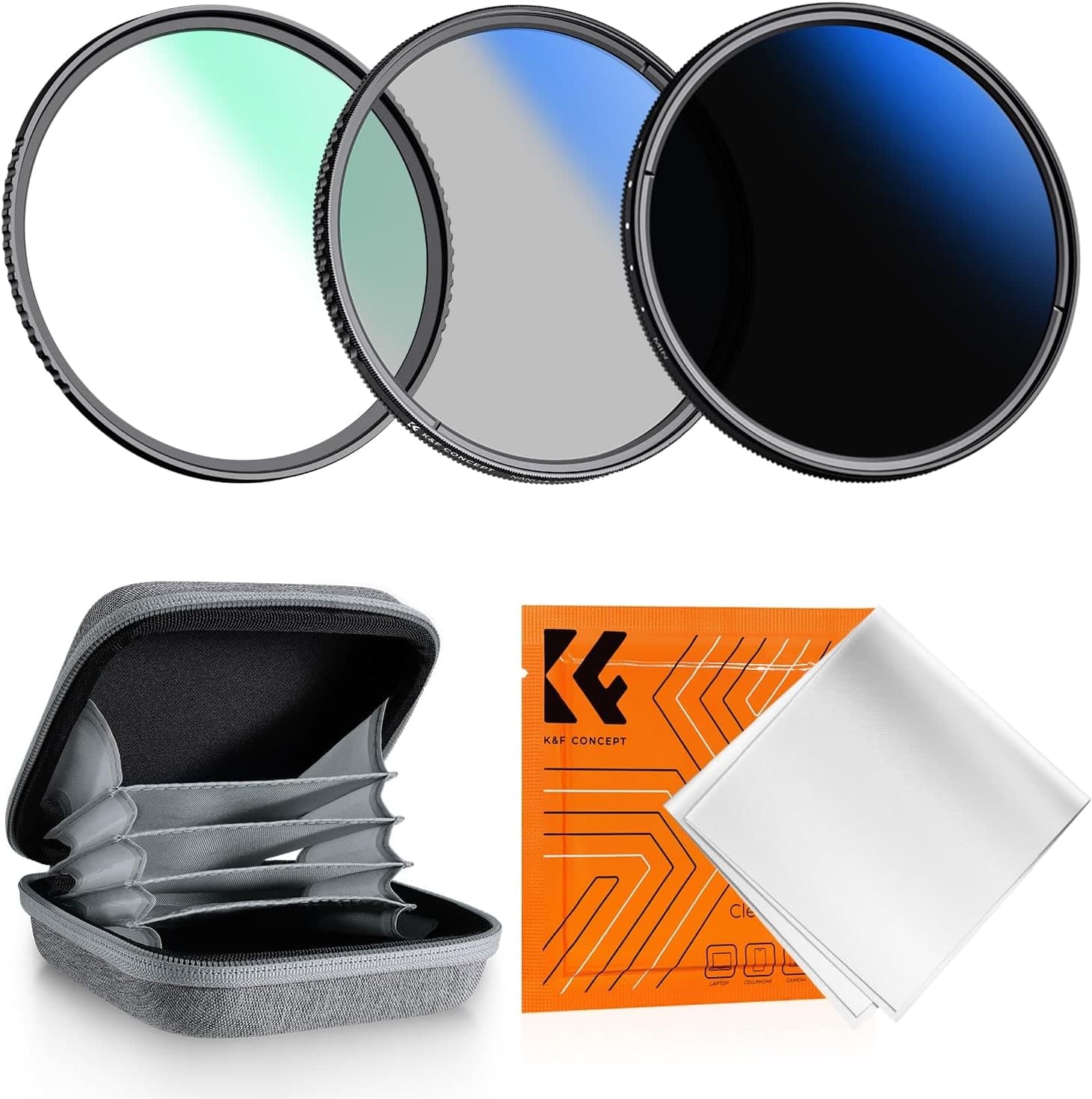
K&F Concept 77mm UV/CPL/ND2-400 Filter Kit
CPL and ND coverage for water, skies, reflections, and slower shutters.
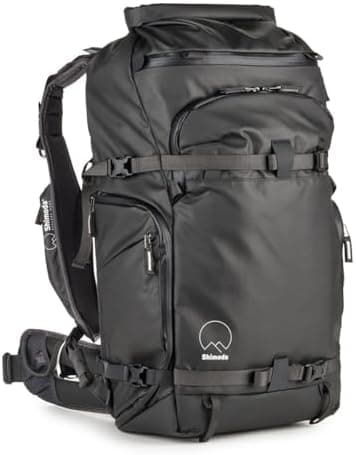
Shimoda Action X30 V2
A real harness matters once camera gear and outdoor layers share the same bag.
Prices are rough catalog totals. Retailer prices change, and you can swap pieces to fit your system.
Related Learn guides

Content Credentials and C2PA Explained for Photographers
Content Credentials record a photo's signed provenance and edits. Learn what C2PA proves, what it cannot prove, and how capture-to-export workflows work.
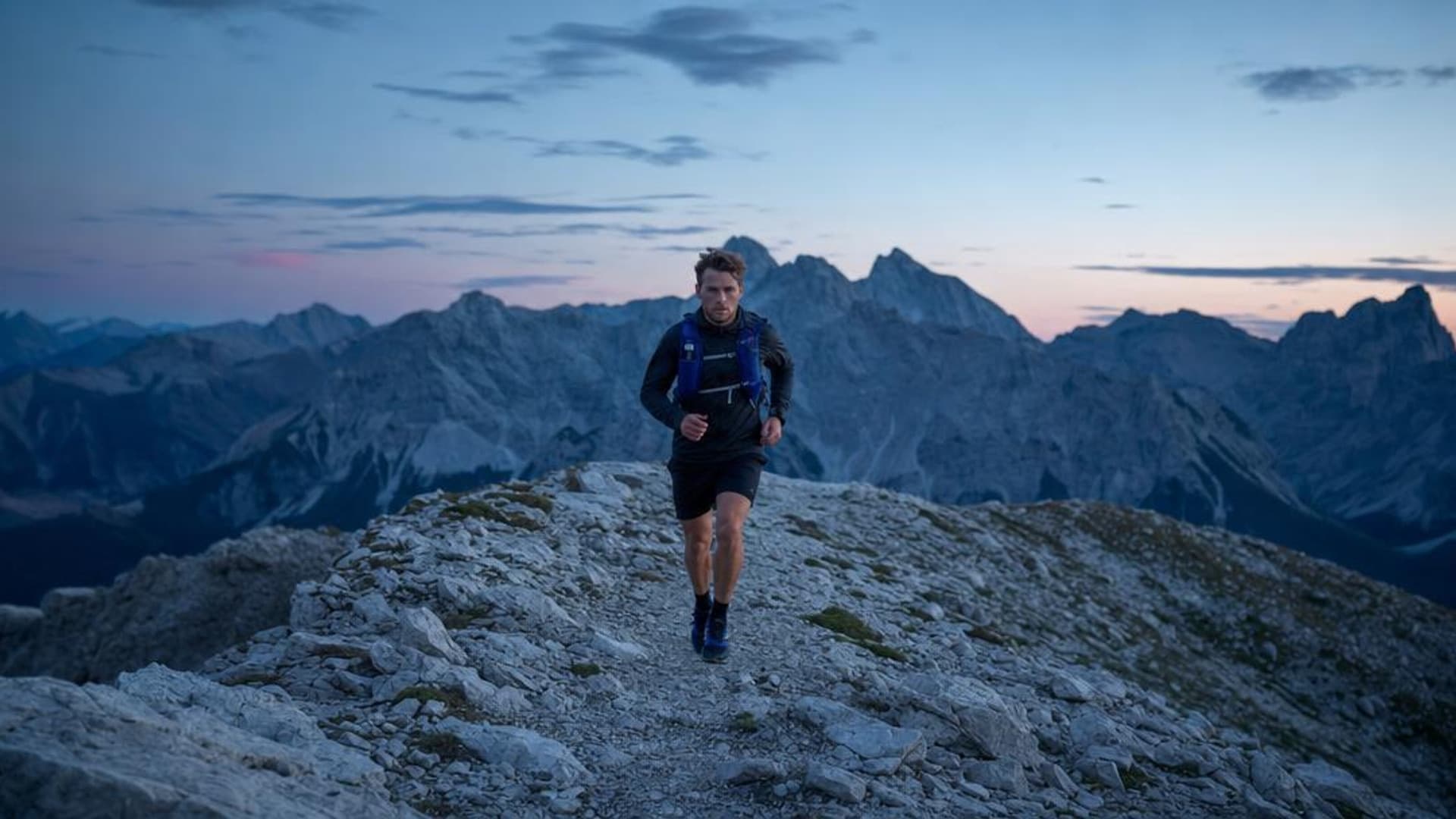
Open Gate Video Explained: When 3:2 Is Worth It
Open Gate records a taller sensor area for flexible 16:9, 9:16, and square crops. See when it helps, what it costs, and how to frame it correctly.
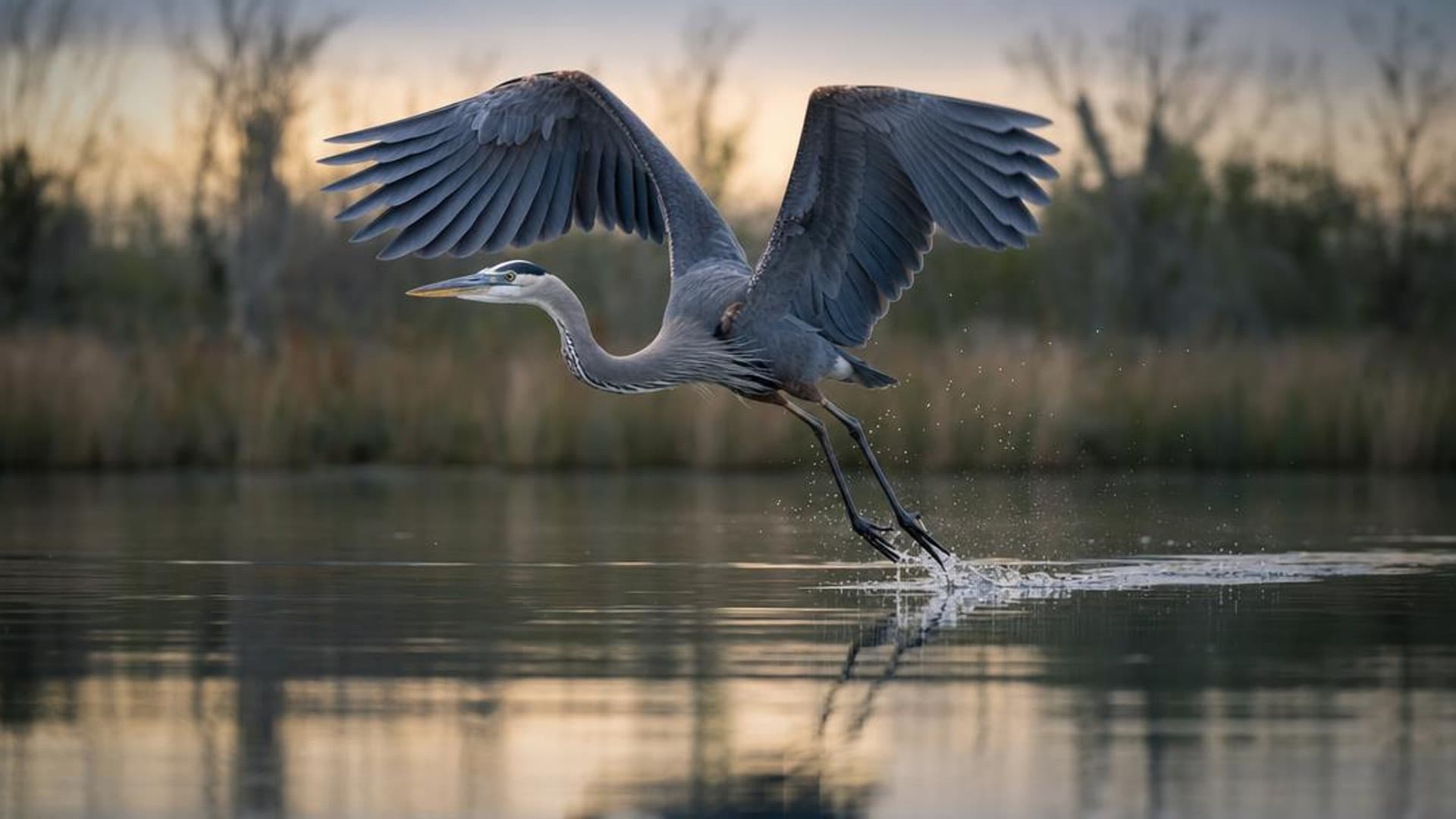
Pre-Capture Photography Explained: Get the Frame Before the Click
Pre-Capture buffers photos before the shutter is fully pressed. Learn how it works, which settings change, and when RAW, flash, or focus may be limited.
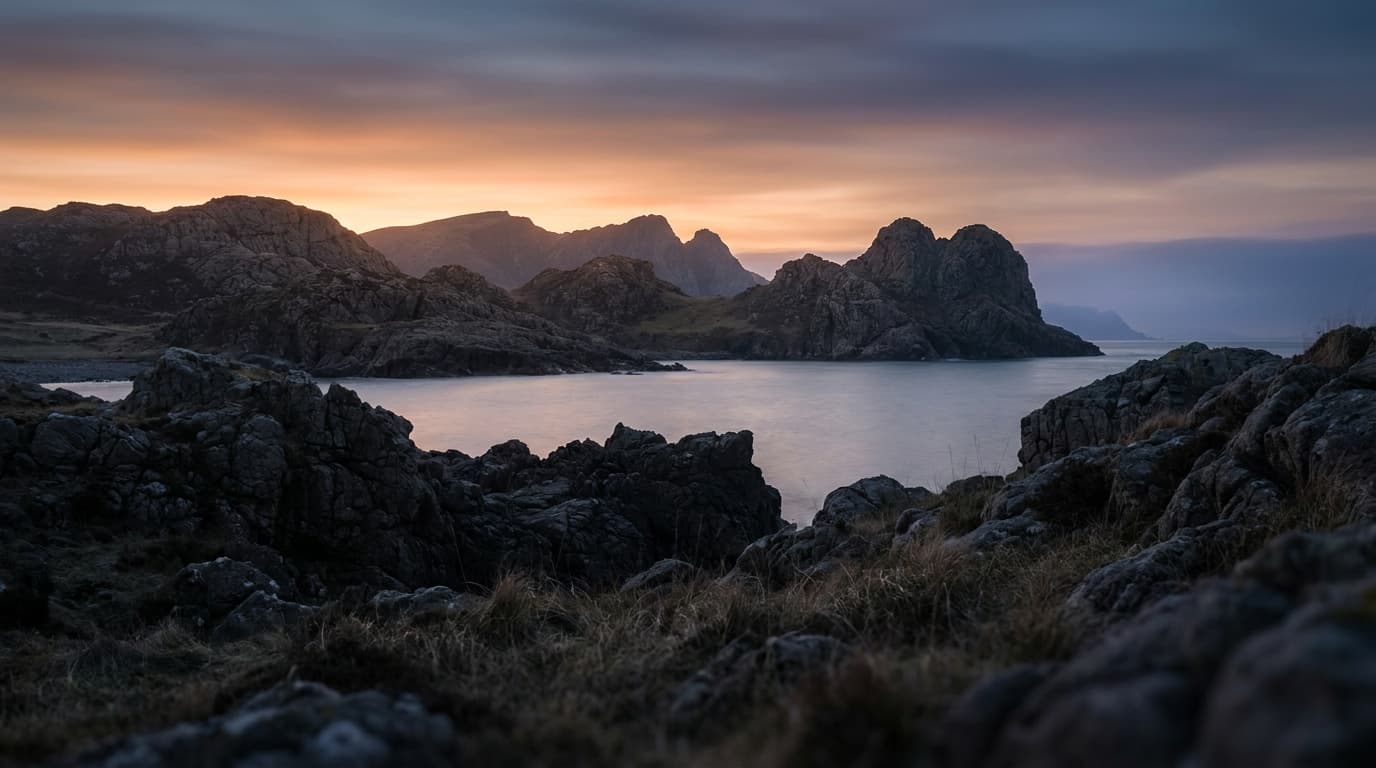
RAW vs JPEG: Which File Format Should You Shoot?
RAW keeps all your sensor data for maximum editing freedom; JPEG is smaller and ready to share. Here is how they differ and when each one is the right call.
Researched, not personally tested: picks compare specifications, available owner feedback, and established expert sources. As an Amazon Associate I earn from qualifying purchases. We may earn a commission from links here, at no extra cost to you. How we research →