We may earn a commission from links on this page, at no extra cost to you. Picks are researched, not sponsored.
What this means in real life
A building does not move, so you have time the way you never do with sports or wildlife. Spend it on two things: getting the lines right and getting the light right. Most weak architecture photos fail on one of those, not on exposure. The camera meters a static, evenly lit subject well, so your attention goes to composition and to the angle you point the lens.
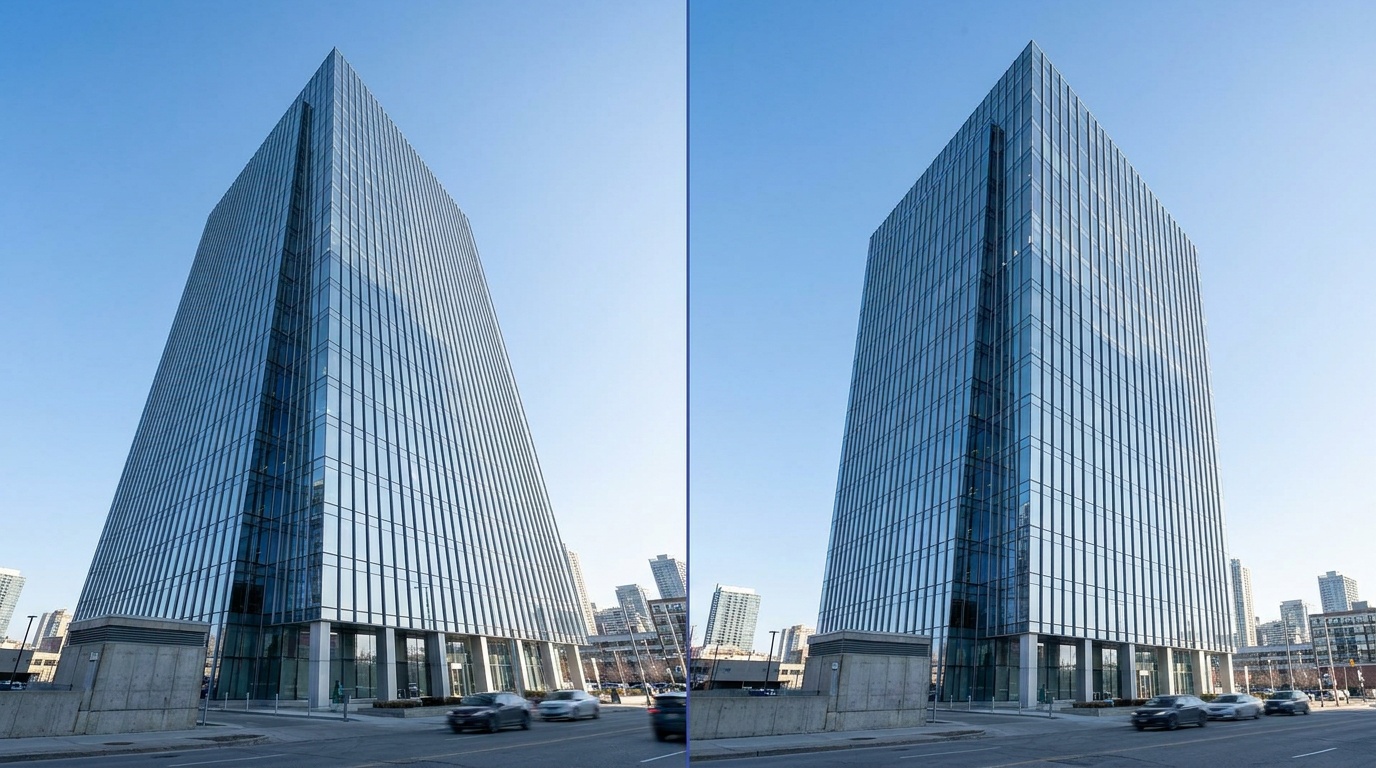
The single biggest tell of an amateur architecture shot is converging verticals: the building leans backward because the camera was tilted up to fit it in. Fix that one habit and your work jumps a level immediately.
The gear
A wide to normal zoom covers most exterior and interior work. A tilt-shift lens is the specialist tool that corrects converging verticals in-camera, but it is expensive and you can fix most of that later in software, so it is not a starting requirement. What you do want from the first day is a tripod, both to enable low ISO and to lock the framing while you level the camera precisely. The tripod roundup covers stable options. For sweeping exteriors and detail shots, the landscape lens guide overlaps heavily with architecture needs.
The settings
Static subject, deep focus, even tones. That points at a middle aperture and a low ISO.
For interiors with bright windows and dark corners, the contrast can exceed what one frame holds. Bracket three exposures and blend them, or expose for the room and let the windows go bright if that reads naturally. A histogram check tells you whether you are clipping the shadows or the highlights.
Focal length is a creative dial here. A wide lens around 16mm to 24mm exaggerates the upward sweep of a tall structure and packs a whole facade into a tight street, which can read as dynamic or distorted depending on how you use it. A normal-to-short-telephoto view, 50mm to 105mm, compresses the scene and lets you isolate a clean section of pattern or a single corner without the stretched edges a wide lens introduces. When in doubt, step back and zoom in rather than stepping close and going wide; the longer focal length keeps proportions natural.
A step-by-step for a clean exterior
- Scout the light. Note where the sun will be at the soft hours and which face of the building it rakes across. Side light reveals texture; flat front light hides it.
- Level the camera. Use the in-camera electronic level or a hot-shoe bubble level. Get the back of the camera parallel to the facade so verticals stay vertical.
- Set the base exposure. f/8 to f/11, ISO 100, shutter wherever it lands on the tripod. Add the two-second timer or a remote.
- Compose for the lines. Place the strongest edge or repeating element along a third. Watch all four borders for clipped rooflines and stray poles.
- Check the histogram. Confirm you are not clipping the bright sky or the dark recesses. Bracket if the range is too wide.
- Correct in post. Straighten any residual convergence with a perspective or transform tool, then crop back to a clean frame.
The technique
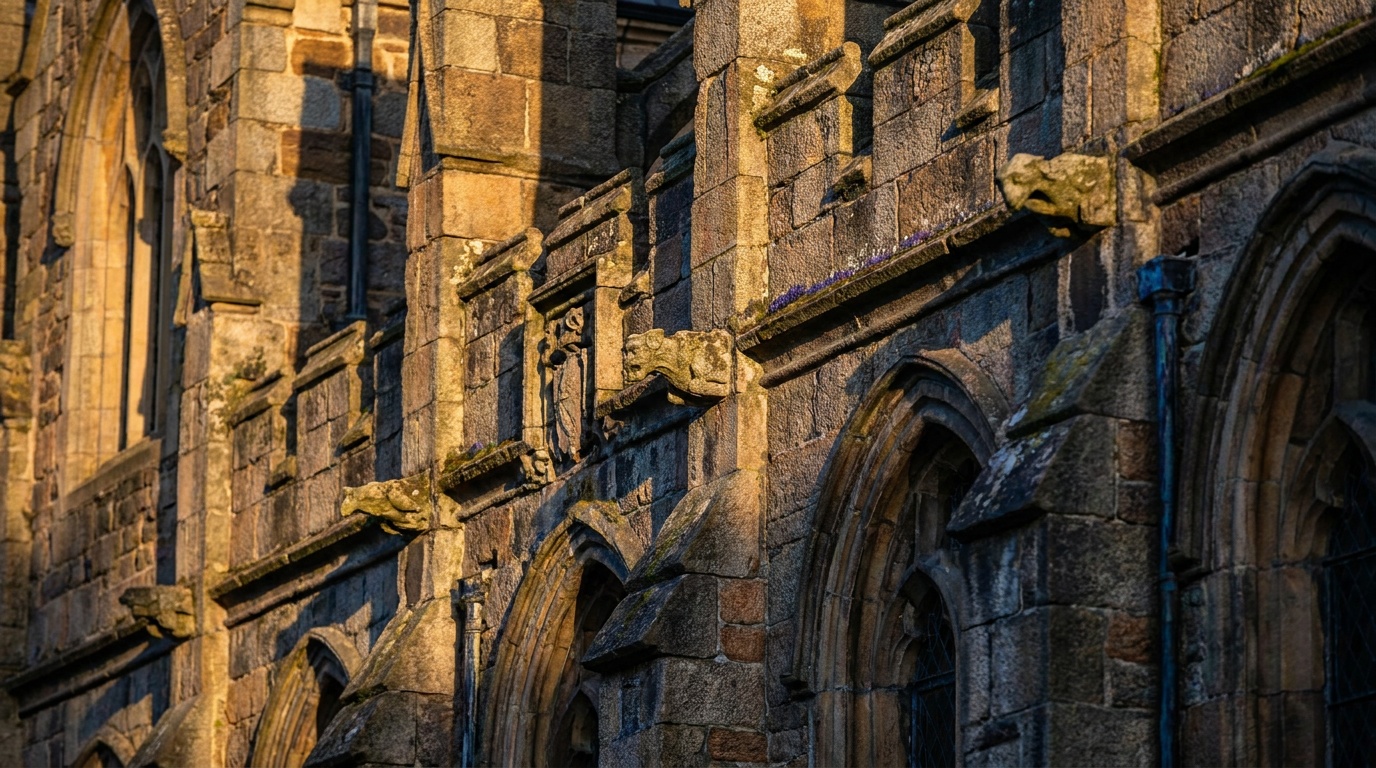
Keep the camera level. The moment you tilt up to fit a tall building, the vertical edges start to converge toward the top, and the building looks like it is falling backward. The fixes, in order of preference: step back and shoot from farther away so you need less upward tilt, shoot from a higher vantage point so the camera stays level, or accept the convergence and correct it later with a perspective tool. Soft, even light, the kind you get on an overcast day or near the edges of the day, flatters most facades because it fills the recesses without blowing out the bright surfaces. Hard midday sun creates deep, distracting shadows across a textured wall.
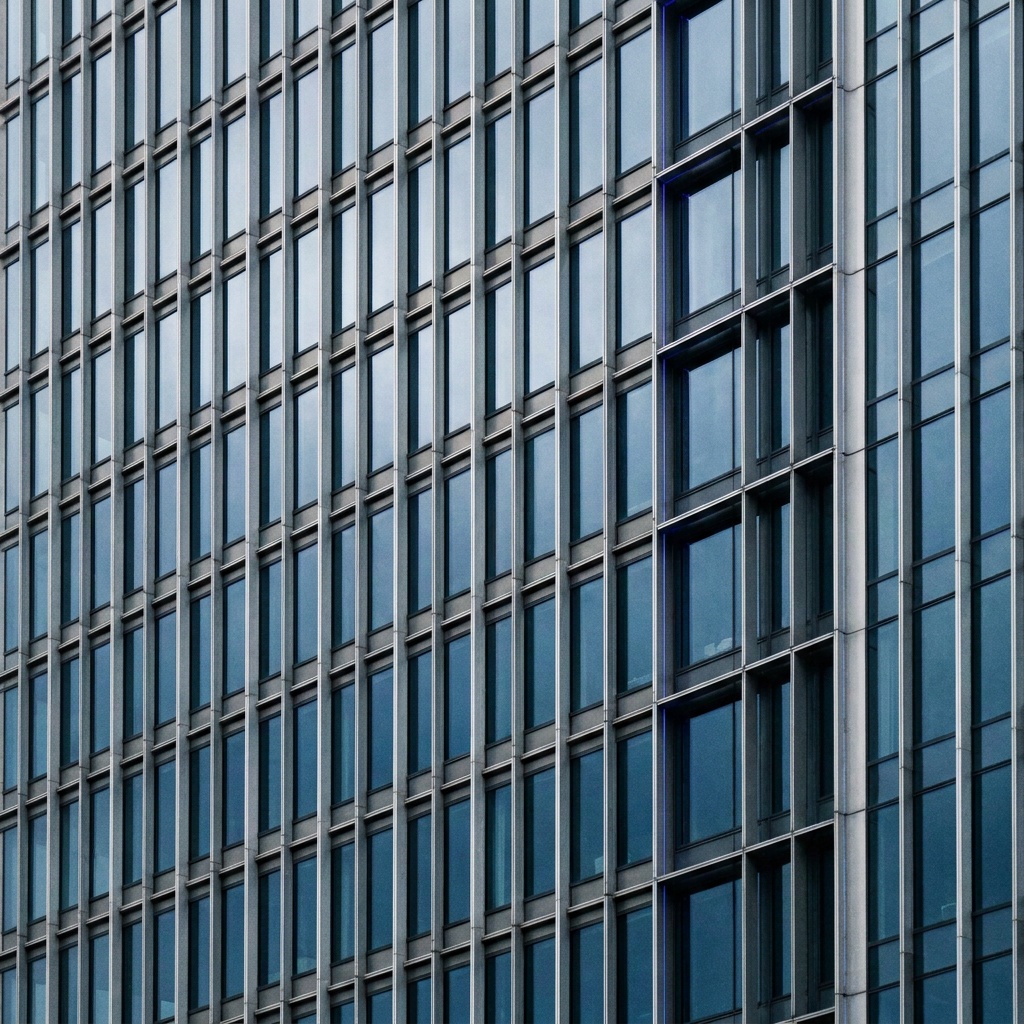
Look for the abstract within the building too. Modern architecture in particular is full of repeating windows, balconies, and structural rhythm that read as graphic pattern when you fill the frame with them. Crop out the sky and the ground entirely and let the geometry carry the image.
Common mistakes
The biggest is the leaning-building look from tilting the camera up without correcting for it. The second is shooting at the wrong time: front-lit at noon flattens the form, while raking side light late in the day reveals texture and depth. The third is going too wide and including a lot of empty foreground pavement or sky that adds nothing. Fill the frame with the structure, or use a clean foreground element deliberately. Finally, watch your edges for clipped rooflines and stray poles; a static subject gives you no excuse for a sloppy border.
What lens is best for architecture photography?
A wide to normal zoom handles most situations. For serious correction of converging verticals, a tilt-shift lens does it in-camera, but it is a specialist purchase. Most people get most of the way there by keeping the camera level and correcting the rest in software.
How do I stop buildings from looking like they are leaning?
Keep the camera level instead of tilting it up. Step back, shoot from a higher position, or correct the converging verticals afterward with a perspective tool. The lean comes from the upward tilt, not from the lens itself.
What is the best time of day to shoot a building?
Overcast light or the soft hours near sunrise and sunset are the most forgiving, because they fill shadows without harsh contrast. Raking side light reveals texture; flat front light at noon usually does the opposite.
Where this fits
Exterior architecture overlaps with landscape photography on composition and light, and the interior side overlaps with real estate photography, where straight lines and bright, even rooms are the whole job. Everything above is the exposure triangle applied to a patient, stationary subject, so the better you know those three controls, the more you can spend your attention on the lines.
Practice this
Turn the guide into a working setup
Shoot kits
Buy around the job, not the spec sheet
Travel landscape
Travel landscape kit
$4,465
A light full-frame body, wide zoom, serious travel tripod, filters, and a bag that can handle rough days outside.
Light but not flimsy
Buy order: start with the first piece that makes the job possible, then add the support pieces that remove friction.
Camera: start here. If this piece does not make the shoot easier, the rest of the kit can wait.
Carry: add it after the core setup proves useful.
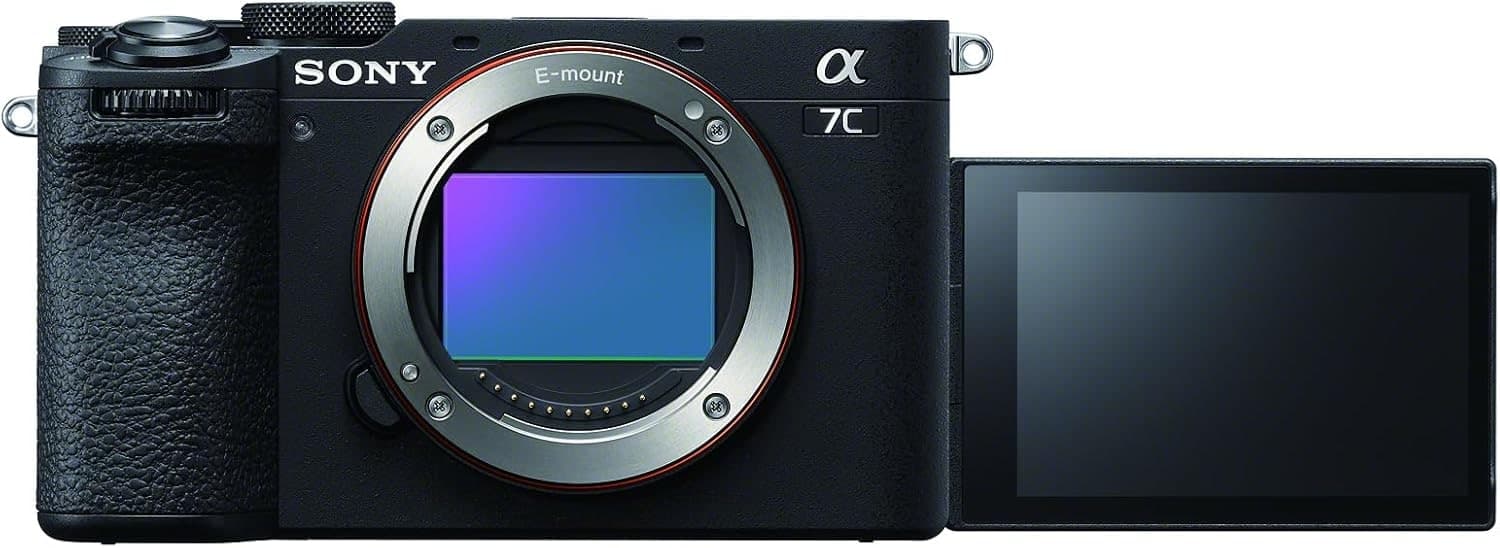
Sony a7C II
Full-frame files in a smaller body, with autofocus and stabilization that travel well.
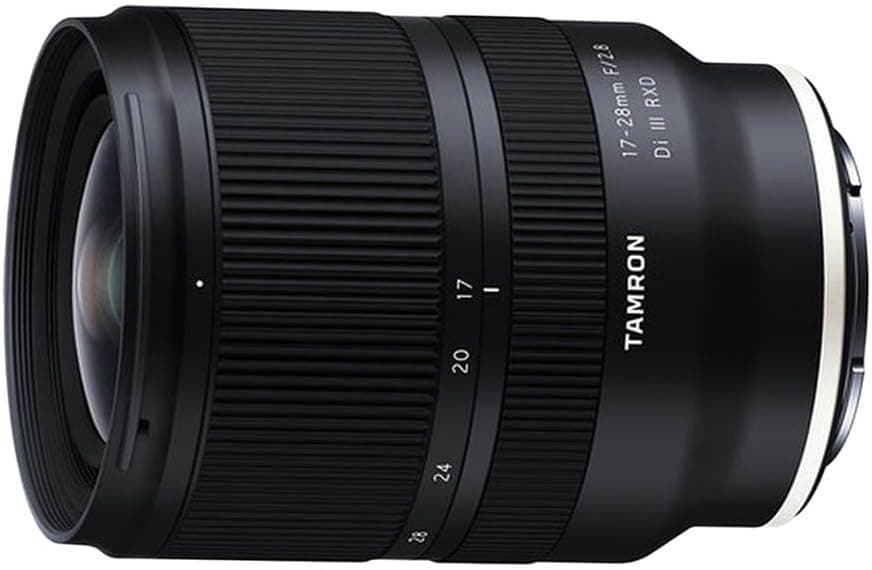
Tamron 17-28mm f/2.8 Di III RXD
Wide enough for landscapes and interiors without the size of a premium 16-35mm.
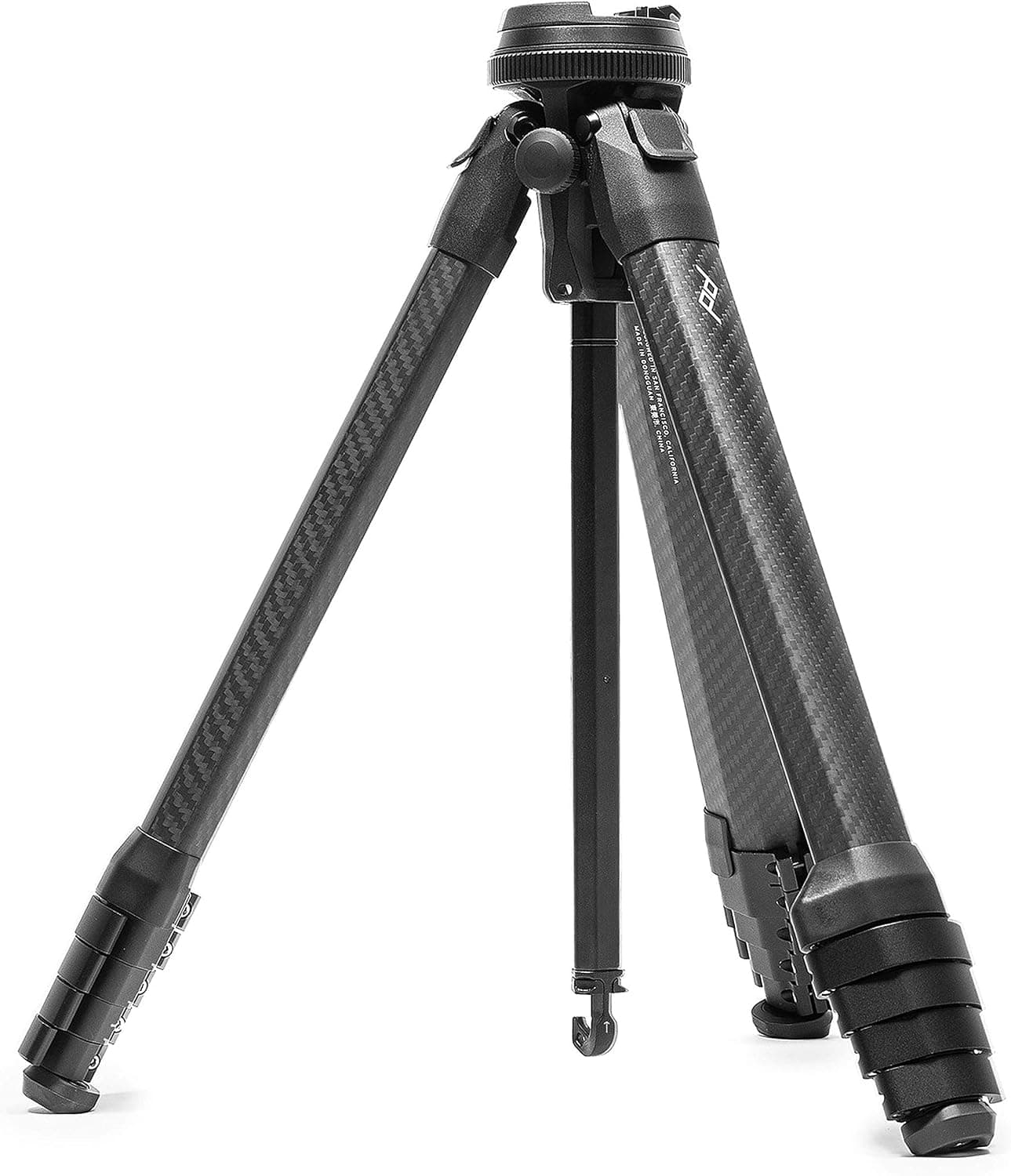
Peak Design Travel Tripod (Carbon)
The point of a travel tripod is bringing it. This one packs small and stays serious.
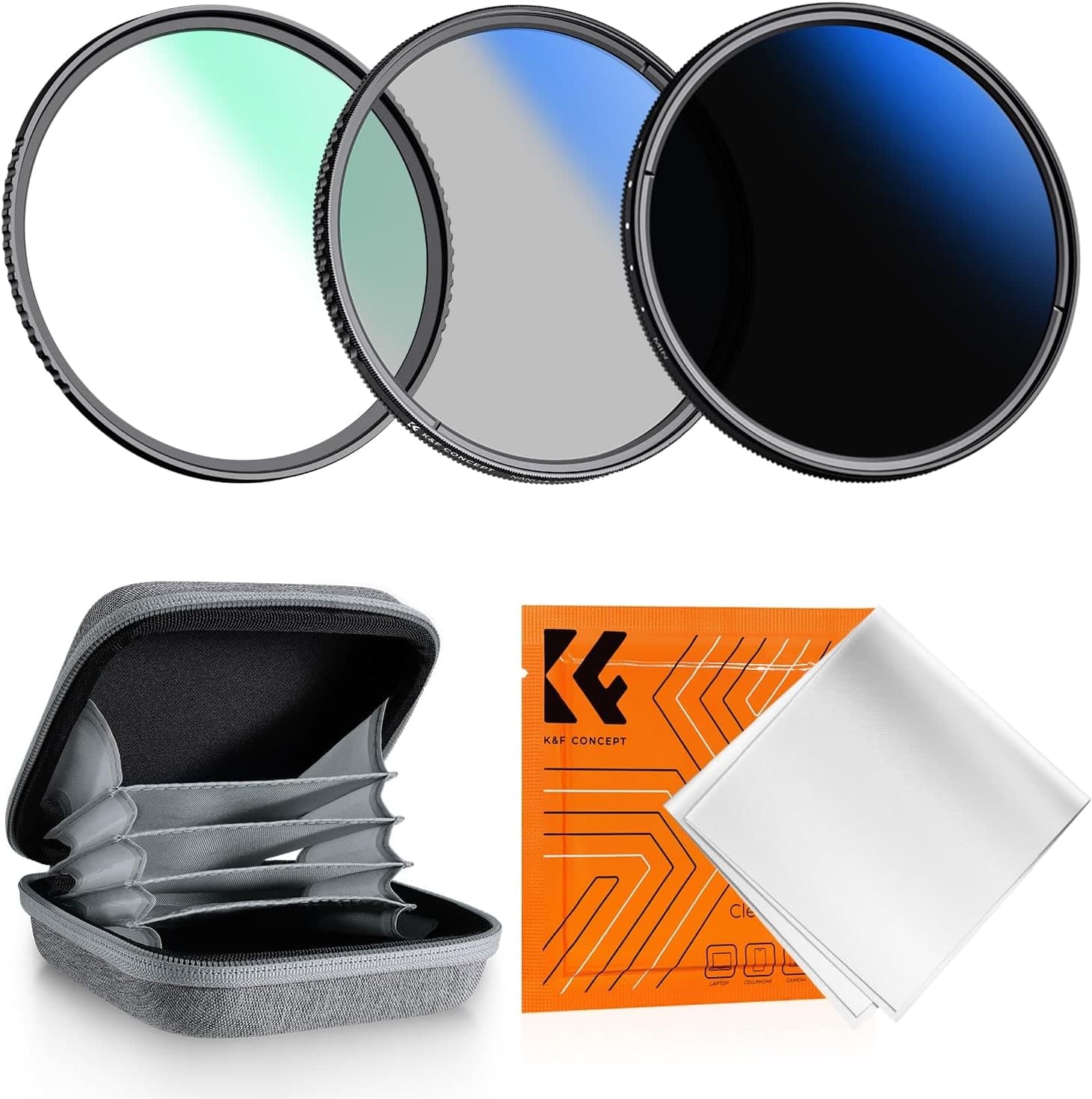
K&F Concept 77mm UV/CPL/ND2-400 Filter Kit
CPL and ND coverage for water, skies, reflections, and slower shutters.
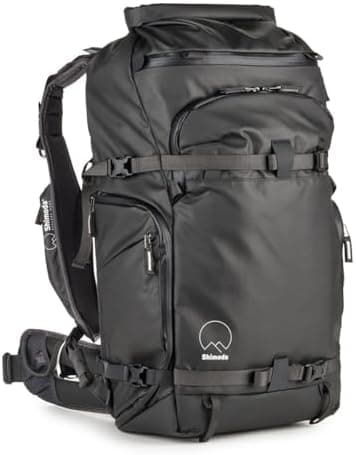
Shimoda Action X30 V2
A real harness matters once camera gear and outdoor layers share the same bag.
Prices are rough catalog totals. Retailer prices change, and you can swap pieces to fit your system.
Related Learn guides

Content Credentials and C2PA Explained for Photographers
Content Credentials record a photo's signed provenance and edits. Learn what C2PA proves, what it cannot prove, and how capture-to-export workflows work.
Open Gate Video Explained: When 3:2 Is Worth It
Open Gate records a taller sensor area for flexible 16:9, 9:16, and square crops. See when it helps, what it costs, and how to frame it correctly.
Pre-Capture Photography Explained: Get the Frame Before the Click
Pre-Capture buffers photos before the shutter is fully pressed. Learn how it works, which settings change, and when RAW, flash, or focus may be limited.
RAW vs JPEG: Which File Format Should You Shoot?
RAW keeps all your sensor data for maximum editing freedom; JPEG is smaller and ready to share. Here is how they differ and when each one is the right call.
Researched, not personally tested: picks compare specifications, available owner feedback, and established expert sources. As an Amazon Associate I earn from qualifying purchases. We may earn a commission from links here, at no extra cost to you. How we research →