We may earn a commission from links on this page, at no extra cost to you. Picks are researched, not sponsored.
Landscape photography asks different things of a lens than portraits do. You usually want the whole scene sharp front to back, not a blurred background, so a bright aperture matters less and corner-to-corner sharpness matters more. A wide angle of view lets you fit sweeping scenes into the frame, and weather sealing keeps you shooting when the weather turns, which is often when the best light shows up. This guide focuses on lenses that get those fundamentals right.
How to choose
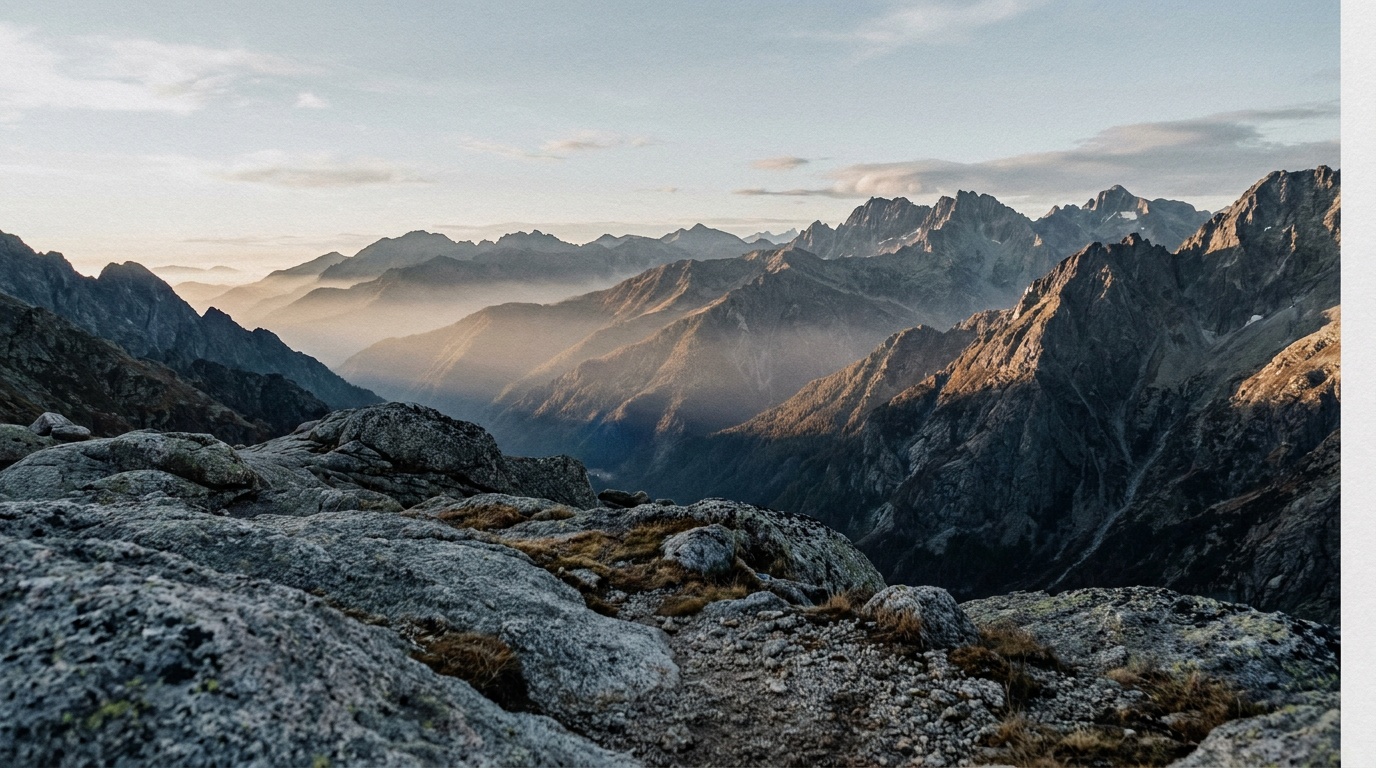
Focal length is the first decision. The landscape standard is wide: 16mm to 35mm on full frame takes in big scenes and exaggerates foreground depth. A wide zoom such as 17-28mm or 16-35mm covers most of it in one lens, while a do-everything 24-105mm trades a little width for reach when you want to isolate a distant ridge. On APS-C, multiply by the crop factor: a 16-55mm frames like a 24-82mm, which is why it is the crop landscape workhorse. See sensor sizes explained for the math.
Aperture matters less here than in portraits, because landscapes are usually shot stopped down to f/8 or f/11 for front-to-back sharpness and full depth of field. A constant f/2.8 zoom is nice for astro and low light but not essential for daytime scenics. If depth of field is new to you, our what is aperture and f-stop guide explains why stopping down keeps the whole frame sharp.
Mount and sealing round it out. Native lenses focus best, and weather sealing earns its keep on a windswept ridge or in spray near a waterfall. We note mounts on each pick. Zooms feature heavily here because the flexibility to recompose without moving suits landscape work, though a fast wide prime wins for astro; see prime vs zoom lenses for the trade-off.
The picks
Research pick
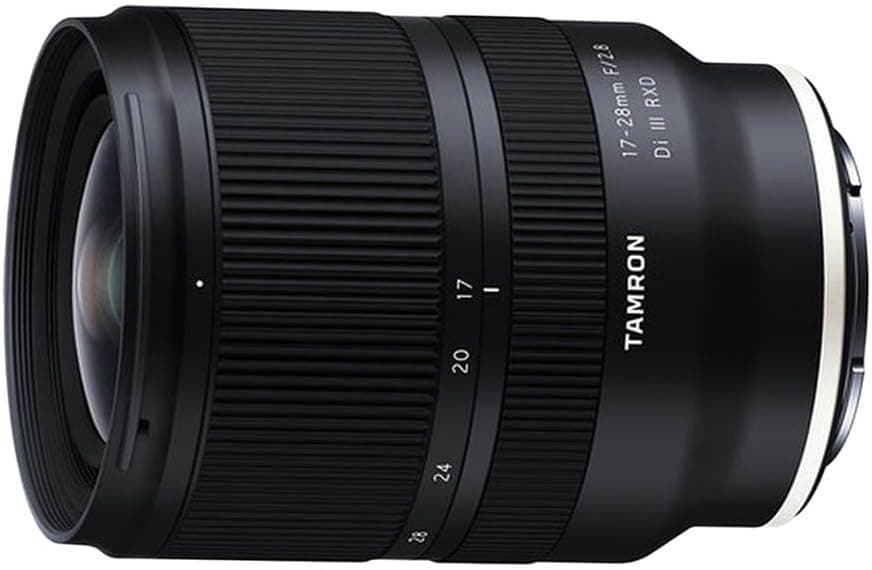
Tamron 17-28mm f/2.8 Di III RXD
Sony shooters covering landscapes, interiors, and real estate.
Check price at AmazonThe Tamron 17-28mm f/2.8 Di III RXD is the value wide zoom for Sony E full frame. It is very light for an f/2.8 wide angle, sharp across the frame, and shares a 67mm filter thread with Tamron's other zooms, which keeps your filter kit simple. The range tops out at 28mm and there is mild distortion at 17mm, but for landscapes, interiors, and astro it is a lot of lens for the money.
Research pick
Canon RF 24-105mm f/4 L IS USM
Canon RF shooters who want one travel and everyday zoom.
Check price at AmazonThe Canon RF 24-105mm f/4 L IS USM is the do-everything pick for Canon RF shooters. The wide range covers grand vistas at 24mm and isolated details at 105mm, the L-series build is weather sealed, and the image stabilization helps in the low light around sunrise and sunset. At f/4 it gives up some low-light reach, but for one travel and landscape lens the flexibility is the point.
Research pick
Nikon Z 24-70mm f/4 S
Nikon Z owners who want a high-quality everyday walkaround zoom.
Check price at AmazonThe Nikon Z 24-70mm f/4 S is the compact standard zoom for Nikon Z, often bundled with bodies at a discount. It is light, sharp for its class, and the constant f/4 is steady across the range. It is not the widest option here, so pair it with a wide prime if you chase dramatic foregrounds, but as a sharp, packable everyday landscape and travel lens it is hard to fault.
Research pick
Fujifilm XF 16-55mm f/2.8 R LM WR
Fujifilm pros who want one sealed constant-aperture zoom.
Check price at AmazonThe Fujifilm XF 16-55mm f/2.8 R LM WR is the pro standard zoom for X-series, framing like a 24-84mm at a constant f/2.8. It is weather sealed and sharp across the range, which makes it a strong single lens for Fujifilm landscape shooters who want one durable zoom for field conditions. It is on the heavy side for APS-C, the trade for that constant aperture and sealing.
Research pick
Sony FE 35mm f/1.8
Sony shooters who want a small everyday wide prime.
Check price at AmazonThe Sony FE 35mm f/1.8 is the compact wide prime pick. At 35mm it is a touch tighter than a wide zoom, but the moderate-wide view suits classic landscapes and travel scenes, and the f/1.8 aperture and small size make it easy to carry on long hikes. For Sony shooters who prefer one light prime over a zoom for everyday landscape work, it is a sensible choice.
Research pick
Viltrox AF 16mm f/1.8
Sony shooters wanting an affordable fast full-frame ultra-wide for astro.
Check price at AmazonThe Viltrox AF 16mm f/1.8 is the budget ultra-wide and astro pick for Sony E full frame. The bright f/1.8 aperture gathers the light that night-sky work demands, the 16mm view is dramatically wide, and a small rear screen shows your settings. There is some corner softness wide open, which improves stopped down, but for the price it opens up astrophotography that faster first-party glass charges far more for.
Common mistakes
The most common one is shooting wide open. Landscapes usually want f/8 to f/11 for front-to-back sharpness; wide-open apertures soften the corners and leave the foreground or background blurred. The second is skipping a tripod. At those apertures and at low light, shutter speeds get long, and a sharp wide lens on a shaky hold still gives soft frames, so see our best tripods guide. The third is buying the widest lens you can find and then never using the extremes; for many shooters a 24-105mm range covers more real shots than a 14mm ever will.
For the full field workflow, light, composition, and filters together, see our landscape photography guide.
What focal length is best for landscapes?
Wide, but not always the widest. The 16mm to 35mm range on full frame, or roughly 11mm to 24mm on APS-C, captures sweeping scenes and strong foregrounds. A versatile 24-105mm trades a little width for the reach to isolate distant features. If you want one lens, a 24-70mm or 24-105mm covers the most real-world shots; add an ultra-wide later for the dramatic stuff.
Do I need a constant f/2.8 lens for landscapes?
Not for daytime scenics. Landscapes are usually shot at f/8 to f/11 for depth of field, so the maximum aperture rarely comes into play. A constant f/2.8 helps for astrophotography and low light, but a sharp f/4 zoom is lighter, cheaper, and just as good for most landscape work shot on a tripod.
Is weather sealing worth it for landscape lenses?
Often yes. The best light tends to come with the worst weather, at dawn, after storms, or near spray. A sealed lens lets you keep shooting in conditions that would make you put an unsealed one away. If you mostly shoot in fair weather it matters less, but for anyone working in the field regularly it earns its place.
Compare picks
The short version
Use this to narrow the list before opening the detailed cards.
Scores weigh fit, owner sentiment, build, and value. Affiliate links do not change pick order. Methodology
Buying order
Start with the skip note. A good deal on the wrong camera is still the wrong camera.
Compare verdictsIf you already own lenses, check the system path before buying into a new mount.
Check systemsOnce the fit makes sense, compare current deals and retailer listings.
Check current dealsCamera system shortcut
If you already own one of these systems, keep the comparison inside that ecosystem before checking out.
Autofocus hybrid kits
Simple camera paths
Stills-first Z kits
APS-C travel kits
Sony shooters covering landscapes, interiors, and real estate.
Use the retailer for the current price after the tradeoff makes sense. Confirm mount, focal length, filter size, and autofocus compatibility.
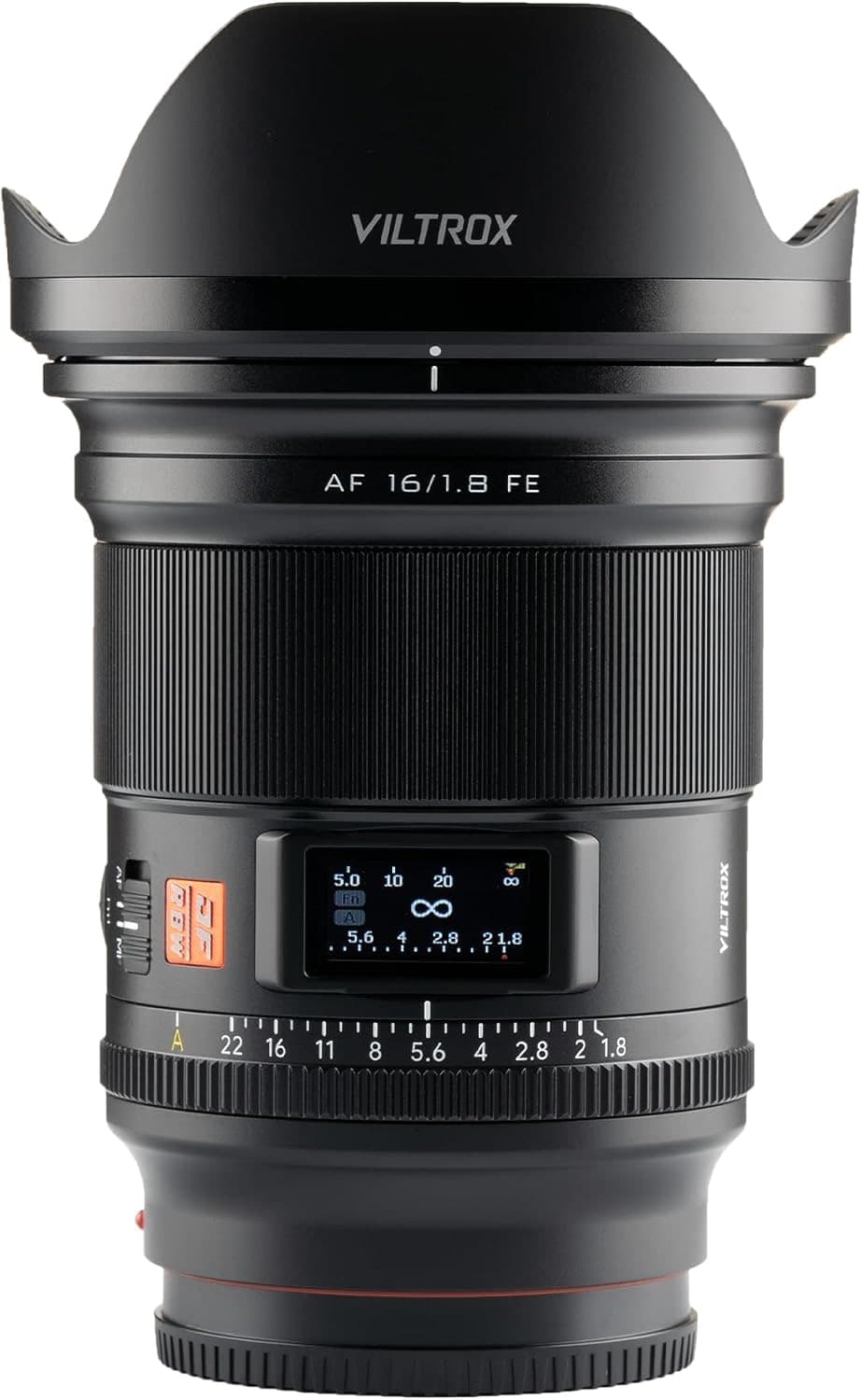
Tradeoff: Some corner softness wide open
Use the retailer for the current price after the tradeoff makes sense. Confirm mount, focal length, filter size, and autofocus compatibility.
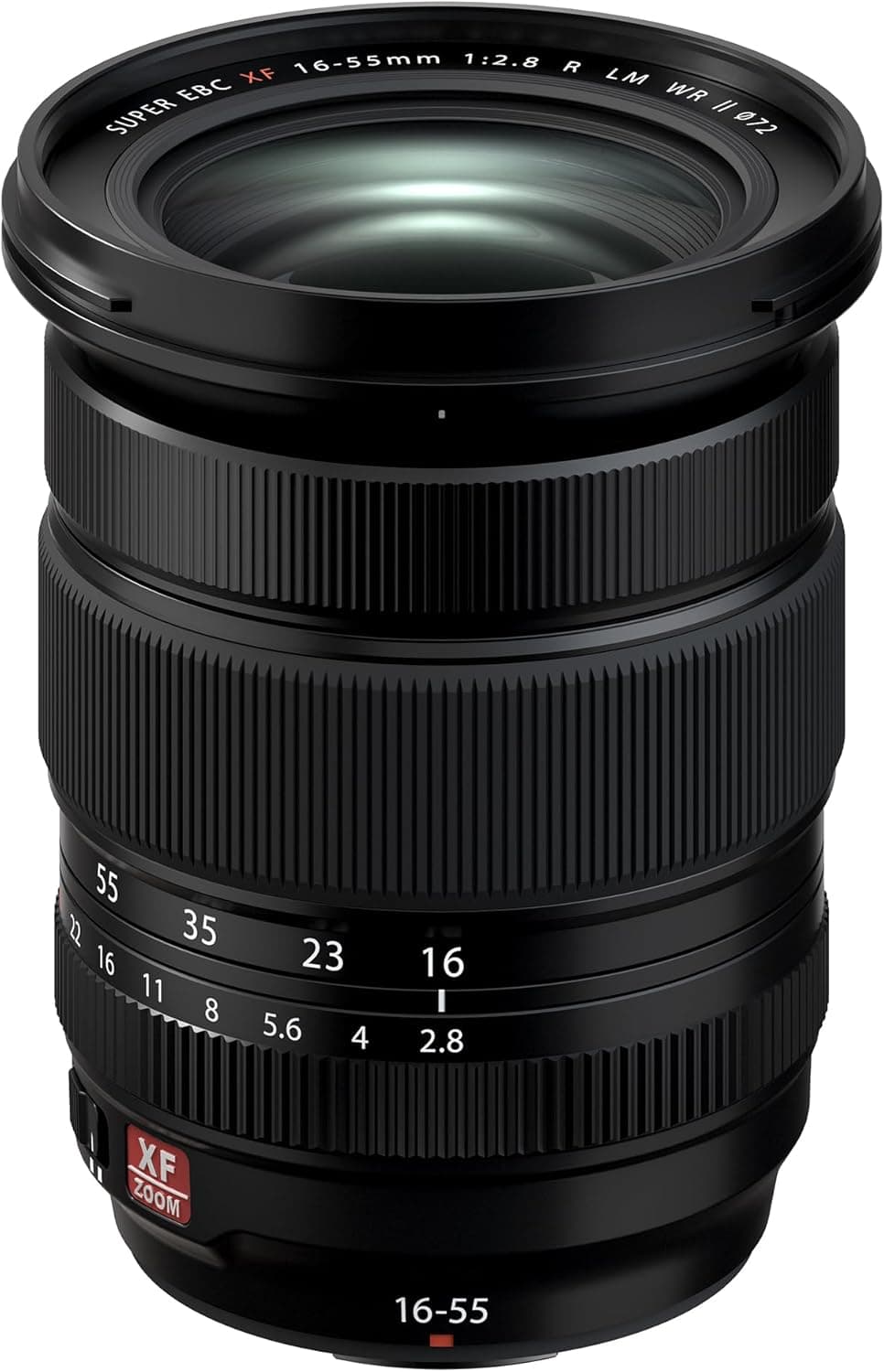
8.9/10 Aperture Score
Use the retailer for the current price after the tradeoff makes sense. Confirm mount, focal length, filter size, and autofocus compatibility.
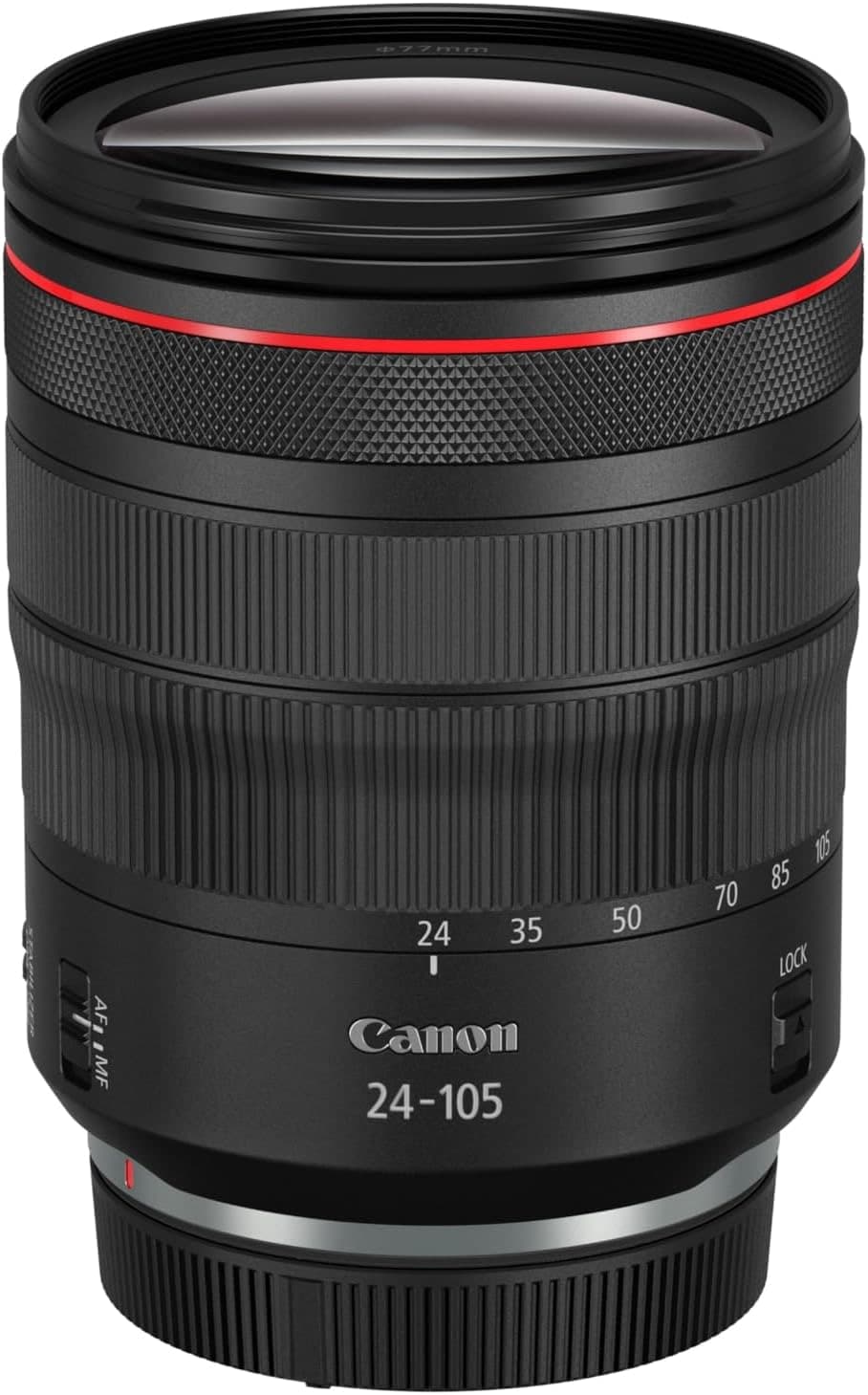
Canon RF shooters who want one travel and everyday zoom.
Use the retailer for the current price after the tradeoff makes sense. Confirm mount, focal length, filter size, and autofocus compatibility.
Price ladder
The useful range here runs from $615 to $1,480. Start with the ceiling that matches the assignment.
- Sony shooters covering landscapes, interiors, and real estate.
- Very light for an f/2.8 wide zoom
- Limited range tops out at 28mm
Use the retailer for the current price after the tradeoff makes sense. Confirm mount, focal length, filter size, and autofocus compatibility.
- Canon RF shooters who want one travel and everyday zoom.
- Flexible 24-105 range
- f/4 limits low light
Use the retailer for the current price after the tradeoff makes sense. Confirm mount, focal length, filter size, and autofocus compatibility.
- Nikon Z owners who want a high-quality everyday walkaround zoom.
- Light and compact
- f/4 limits low light
Use the retailer for the current price after the tradeoff makes sense. Confirm mount, focal length, filter size, and autofocus compatibility.
- Fujifilm pros who want one sealed constant-aperture zoom.
- Constant f/2.8
- No optical stabilization on the original
Use the retailer for the current price after the tradeoff makes sense. Confirm mount, focal length, filter size, and autofocus compatibility.
- Sony shooters who want a small everyday wide prime.
- Compact and light
- f/1.8 not as bright as G Master primes
Use the retailer for the current price after the tradeoff makes sense. Confirm mount, focal length, filter size, and autofocus compatibility.
- Sony shooters wanting an affordable fast full-frame ultra-wide for astro.
- Bright f/1.8 ultra-wide
- Some corner softness wide open
Use the retailer for the current price after the tradeoff makes sense. Confirm mount, focal length, filter size, and autofocus compatibility.
| Pick | Score | Price | Verdict | Action |
|---|---|---|---|---|
| PickTamron 17-28mm f/2.8 Di III RXD | 8.7
| $890 - $1,010 | Sony shooters covering landscapes, interiors, and real estate. Wins: Very light for an f/2.8 wide zoom Skip: Limited range tops out at 28mm | Check Amazon · $890 - $1,010 Use the retailer for the current price after the tradeoff makes sense. Confirm mount, focal length, filter size, and autofocus compatibility. |
| PickCanon RF 24-105mm f/4 L IS USM | 8.8
| $1,390 - $1,570 | Canon RF shooters who want one travel and everyday zoom. Wins: Flexible 24-105 range Skip: f/4 limits low light | Check Amazon · $1,390 - $1,570 Use the retailer for the current price after the tradeoff makes sense. Confirm mount, focal length, filter size, and autofocus compatibility. |
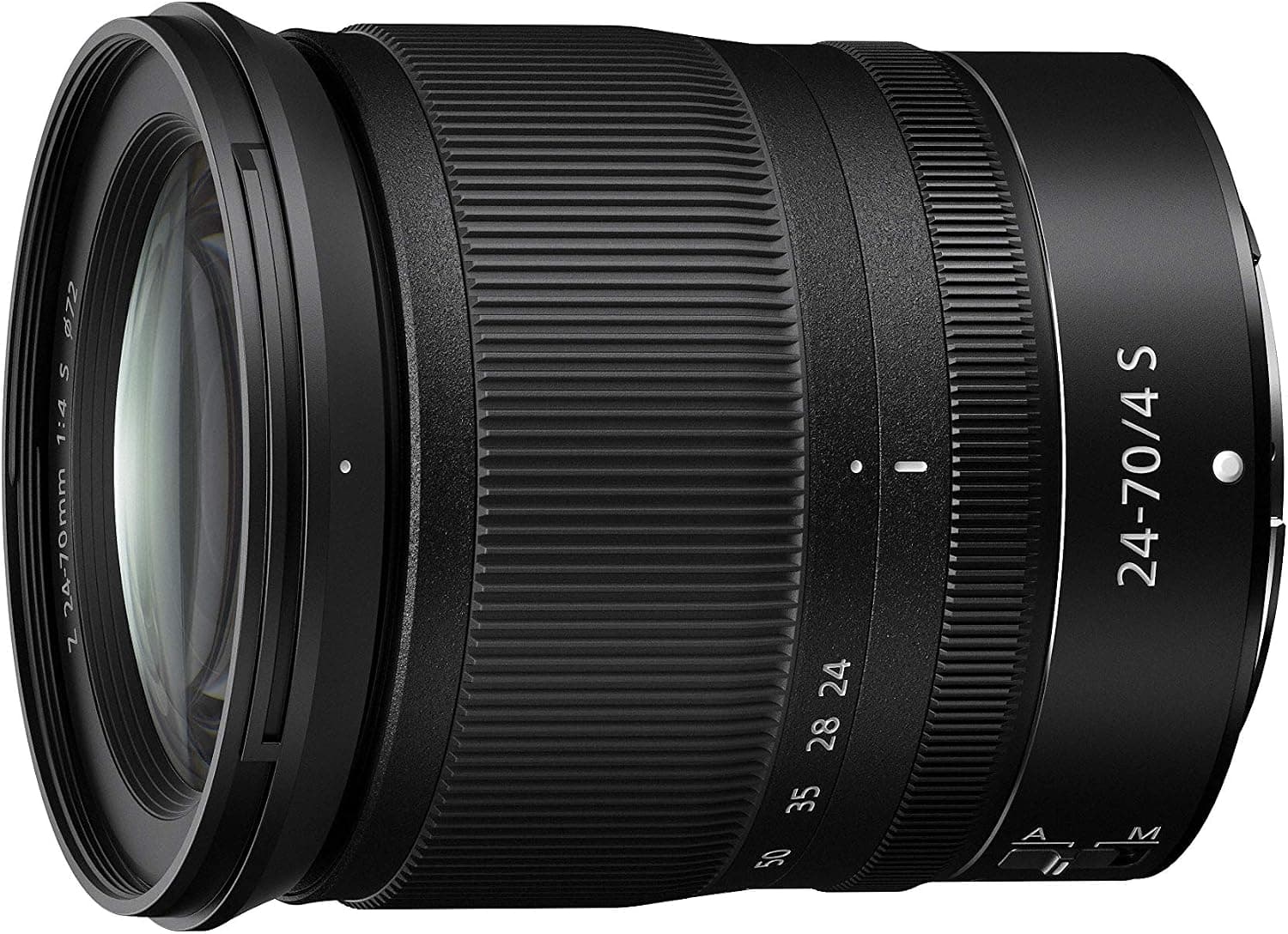 PickNikon Z 24-70mm f/4 S PickNikon Z 24-70mm f/4 S | 8.6
| $600 - $1,000 | Nikon Z owners who want a high-quality everyday walkaround zoom. Wins: Light and compact Skip: f/4 limits low light | Check Amazon · $600 - $1,000 Use the retailer for the current price after the tradeoff makes sense. Confirm mount, focal length, filter size, and autofocus compatibility. |
| PickFujifilm XF 16-55mm f/2.8 R LM WR | 8.9
| $1,000 - $1,200 | Fujifilm pros who want one sealed constant-aperture zoom. Wins: Constant f/2.8 Skip: No optical stabilization on the original | Check Amazon · $1,000 - $1,200 Use the retailer for the current price after the tradeoff makes sense. Confirm mount, focal length, filter size, and autofocus compatibility. |
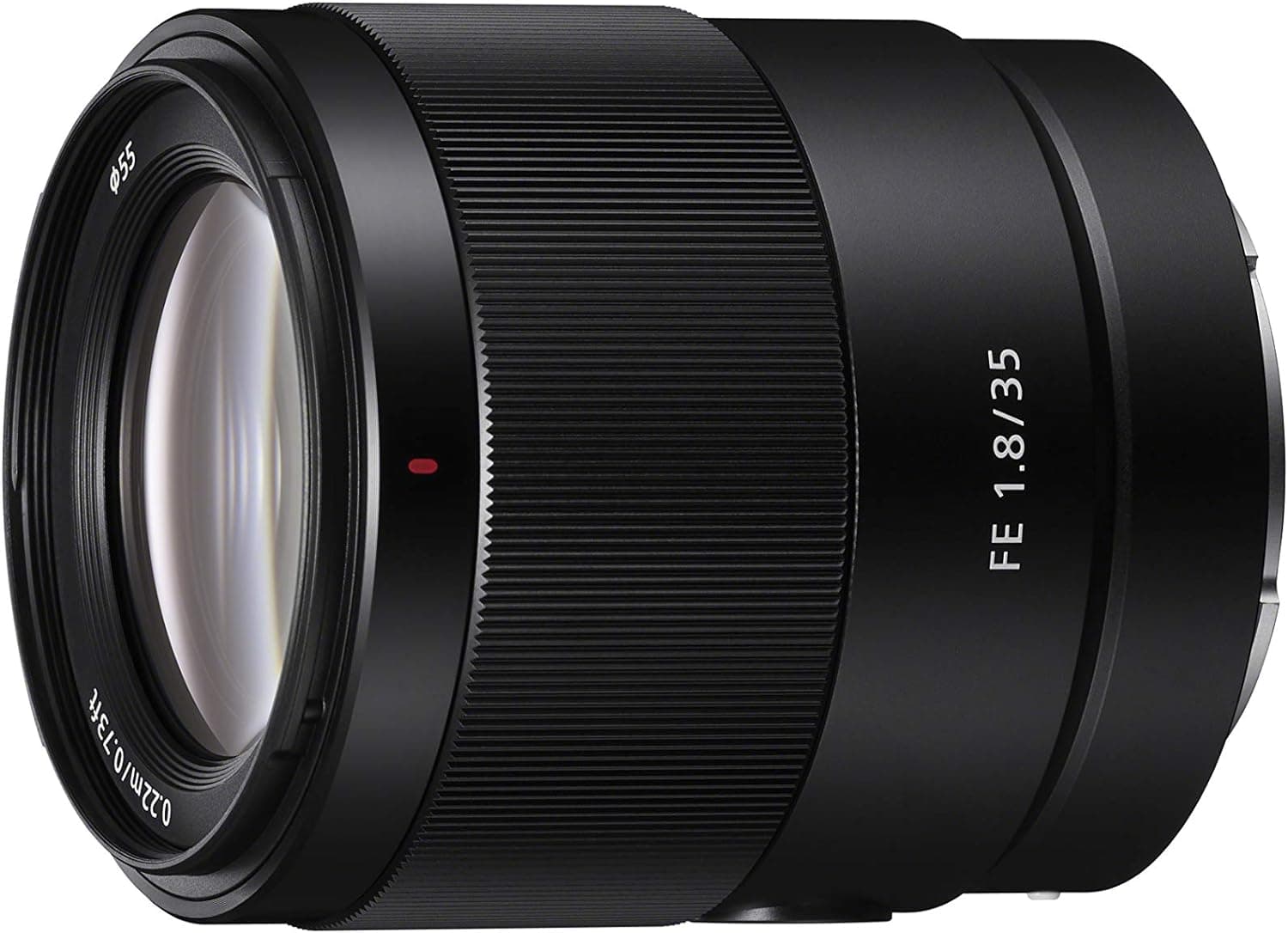 PickSony FE 35mm f/1.8 PickSony FE 35mm f/1.8 | 8.6
| $790 - $900 | Sony shooters who want a small everyday wide prime. Wins: Compact and light Skip: f/1.8 not as bright as G Master primes | Check Amazon · $790 - $900 Use the retailer for the current price after the tradeoff makes sense. Confirm mount, focal length, filter size, and autofocus compatibility. |
| PickViltrox AF 16mm f/1.8 | 8.5
| $580 - $650 | Sony shooters wanting an affordable fast full-frame ultra-wide for astro. Wins: Bright f/1.8 ultra-wide Skip: Some corner softness wide open | Check Amazon · $580 - $650 Use the retailer for the current price after the tradeoff makes sense. Confirm mount, focal length, filter size, and autofocus compatibility. |
Shoot kits
Buy around the job, not the spec sheet
Travel landscape
Travel landscape kit
$4,465
A light full-frame body, wide zoom, serious travel tripod, filters, and a bag that can handle rough days outside.
Light but not flimsy
Buy order: start with the first piece that makes the job possible, then add the support pieces that remove friction.
Camera: start here. If this piece does not make the shoot easier, the rest of the kit can wait.
Carry: add it after the core setup proves useful.
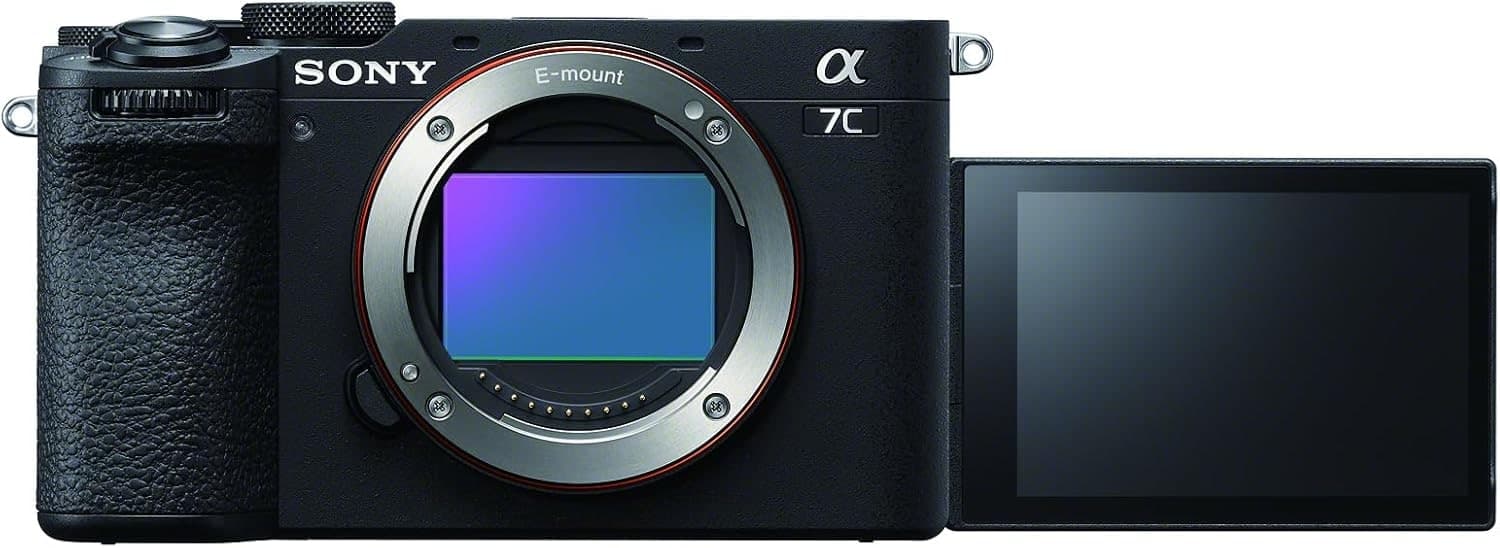
Sony a7C II
Full-frame files in a smaller body, with autofocus and stabilization that travel well.
Tamron 17-28mm f/2.8 Di III RXD
Wide enough for landscapes and interiors without the size of a premium 16-35mm.
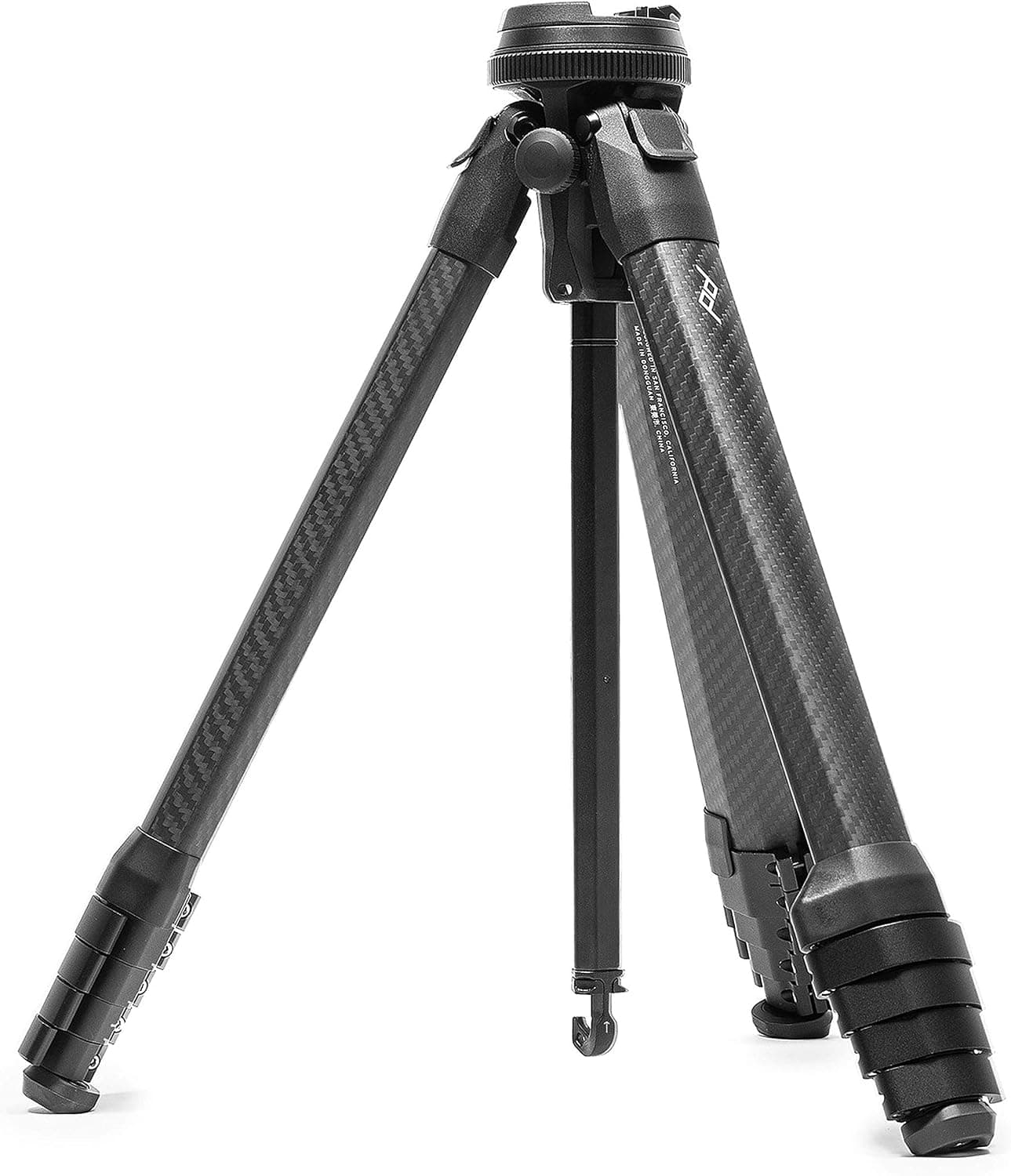
Peak Design Travel Tripod (Carbon)
The point of a travel tripod is bringing it. This one packs small and stays serious.
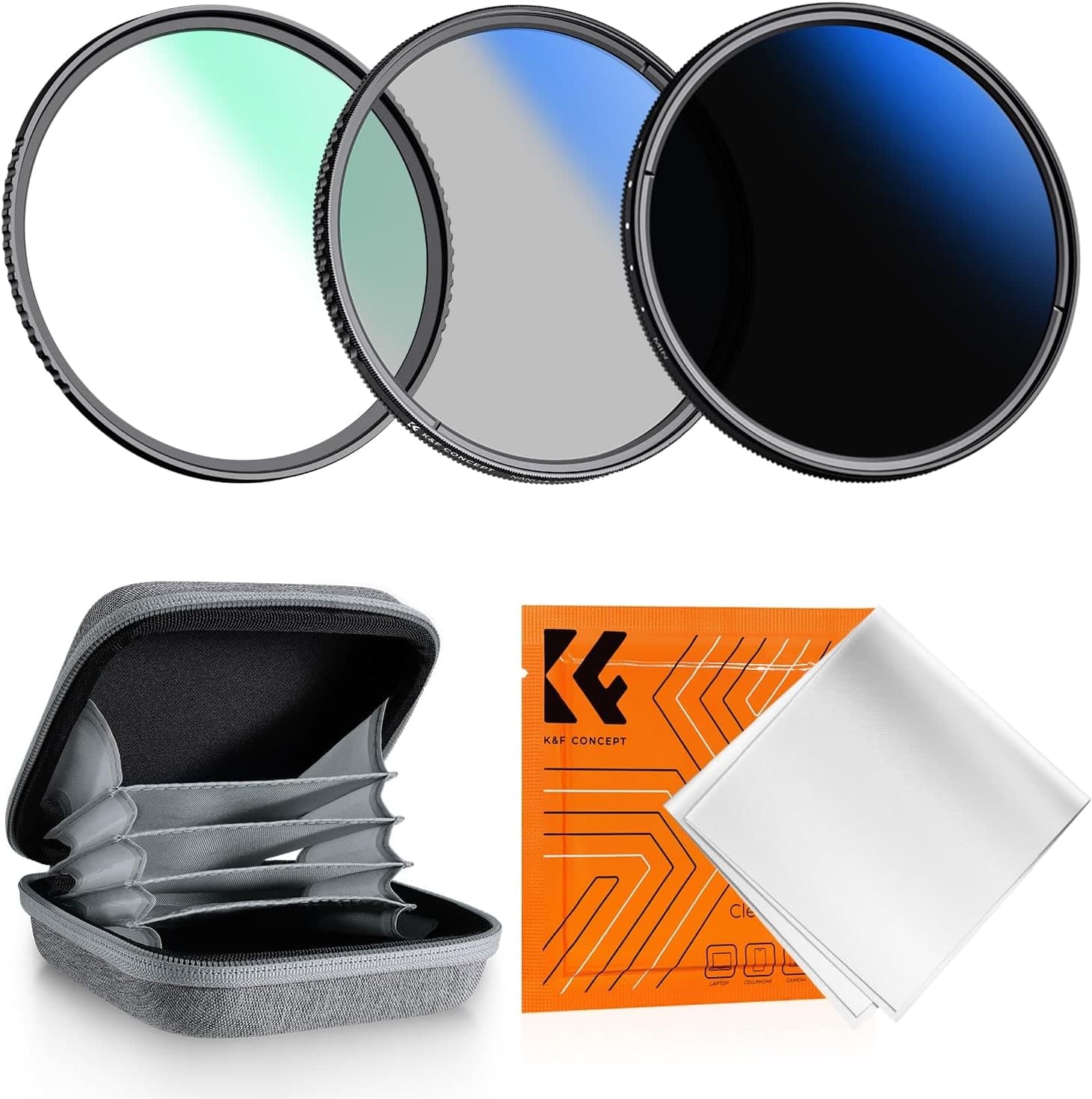
K&F Concept 77mm UV/CPL/ND2-400 Filter Kit
CPL and ND coverage for water, skies, reflections, and slower shutters.
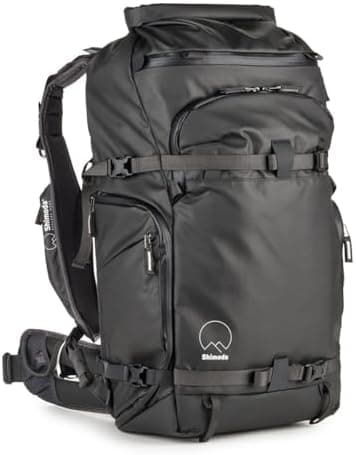
Shimoda Action X30 V2
A real harness matters once camera gear and outdoor layers share the same bag.
Prices are rough catalog totals. Retailer prices change, and you can swap pieces to fit your system.
Related Gear guides
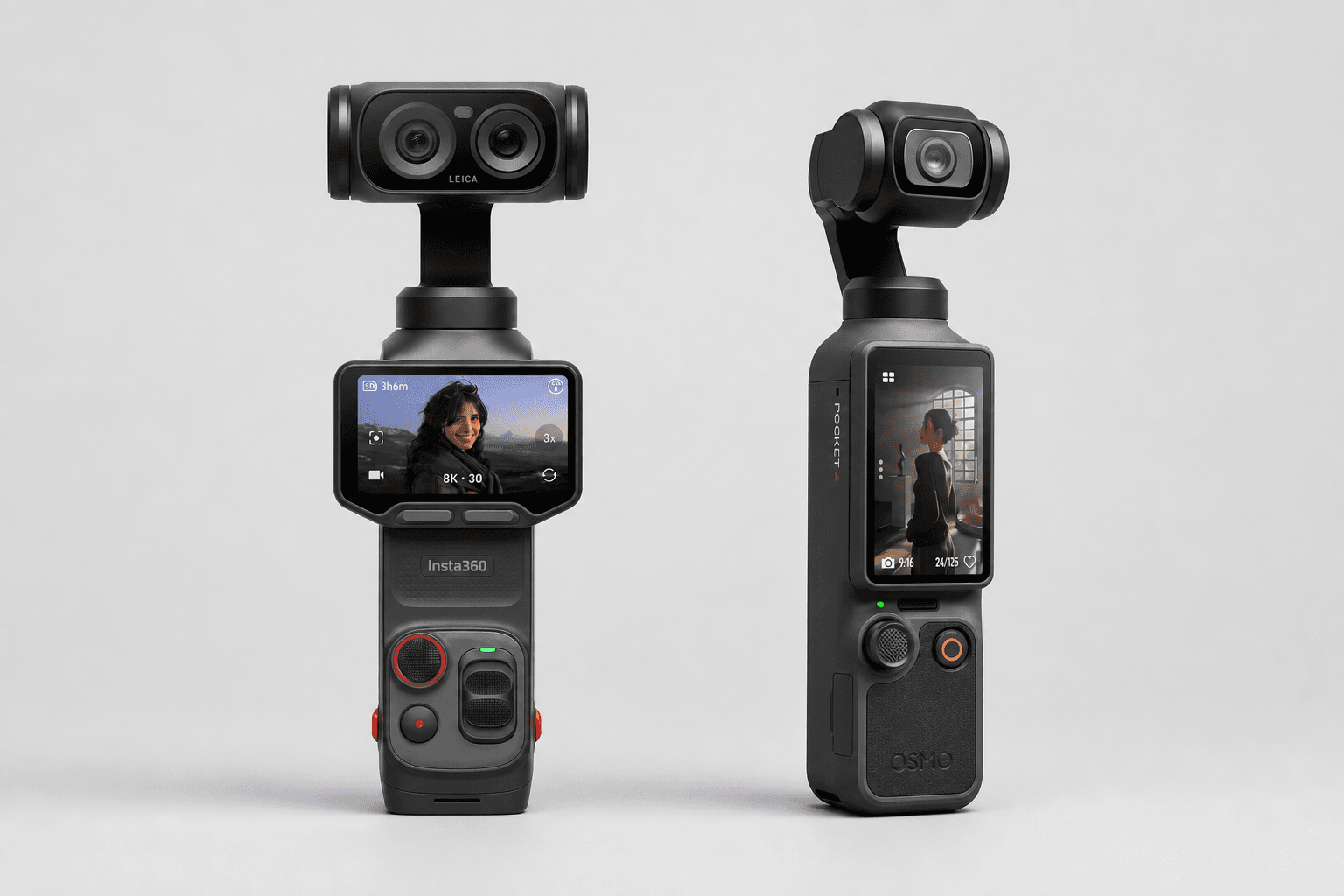
Insta360 Luna Ultra vs DJI Osmo Pocket 4: Which Pocket Gimbal Should You Buy?
Compare Luna Ultra and DJI Pocket 4 by lenses, video, Log formats, storage, U.S. availability, and the filming jobs each pocket gimbal handles best.
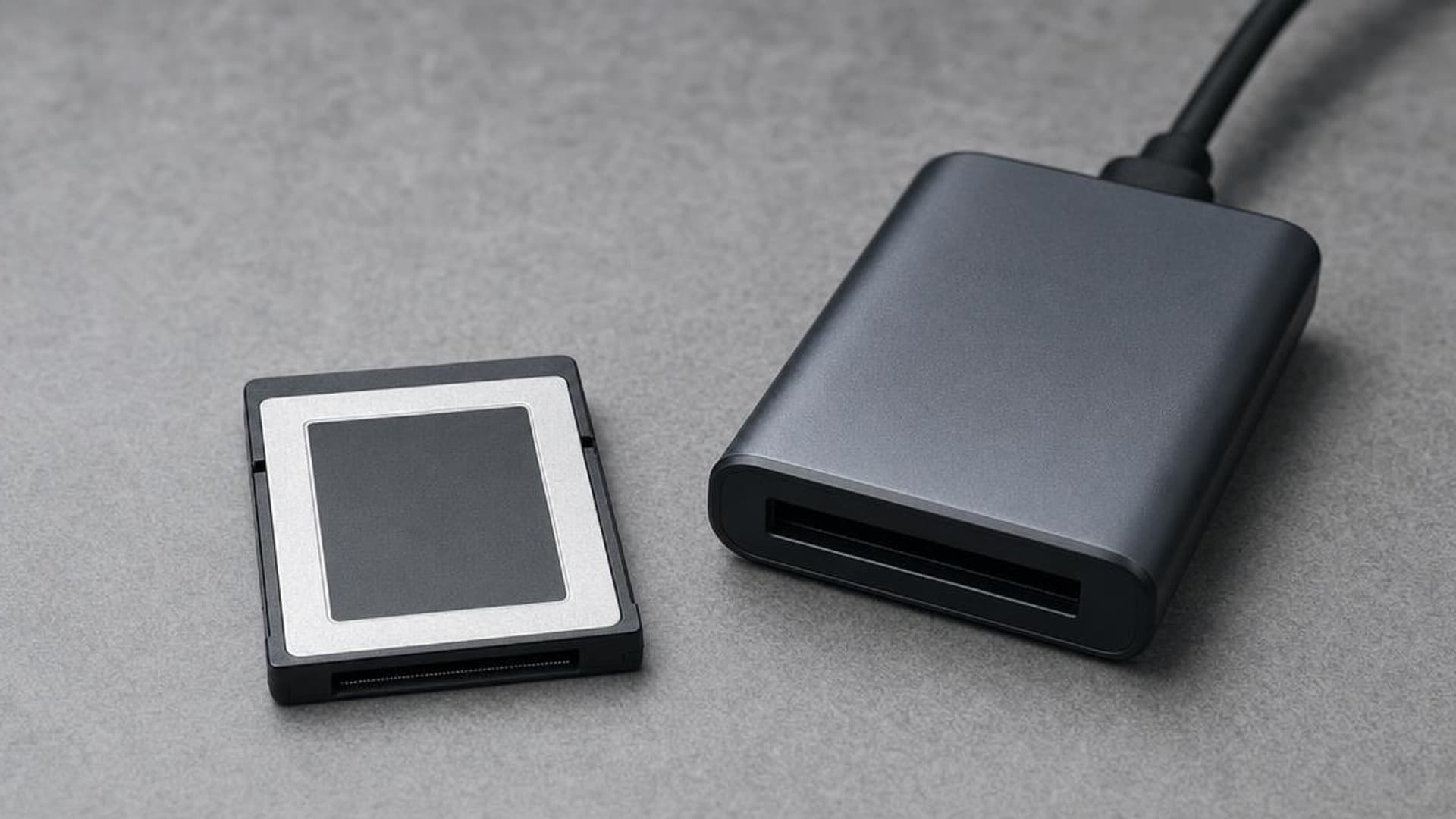
CFexpress 4.0 and VPG Explained: Buy the Card Your Camera Needs
CFexpress 4.0 doubles theoretical bandwidth, while VPG certifies sustained video writes. Learn Type A vs B, VPG classes, and when 4.0 is worth paying for.
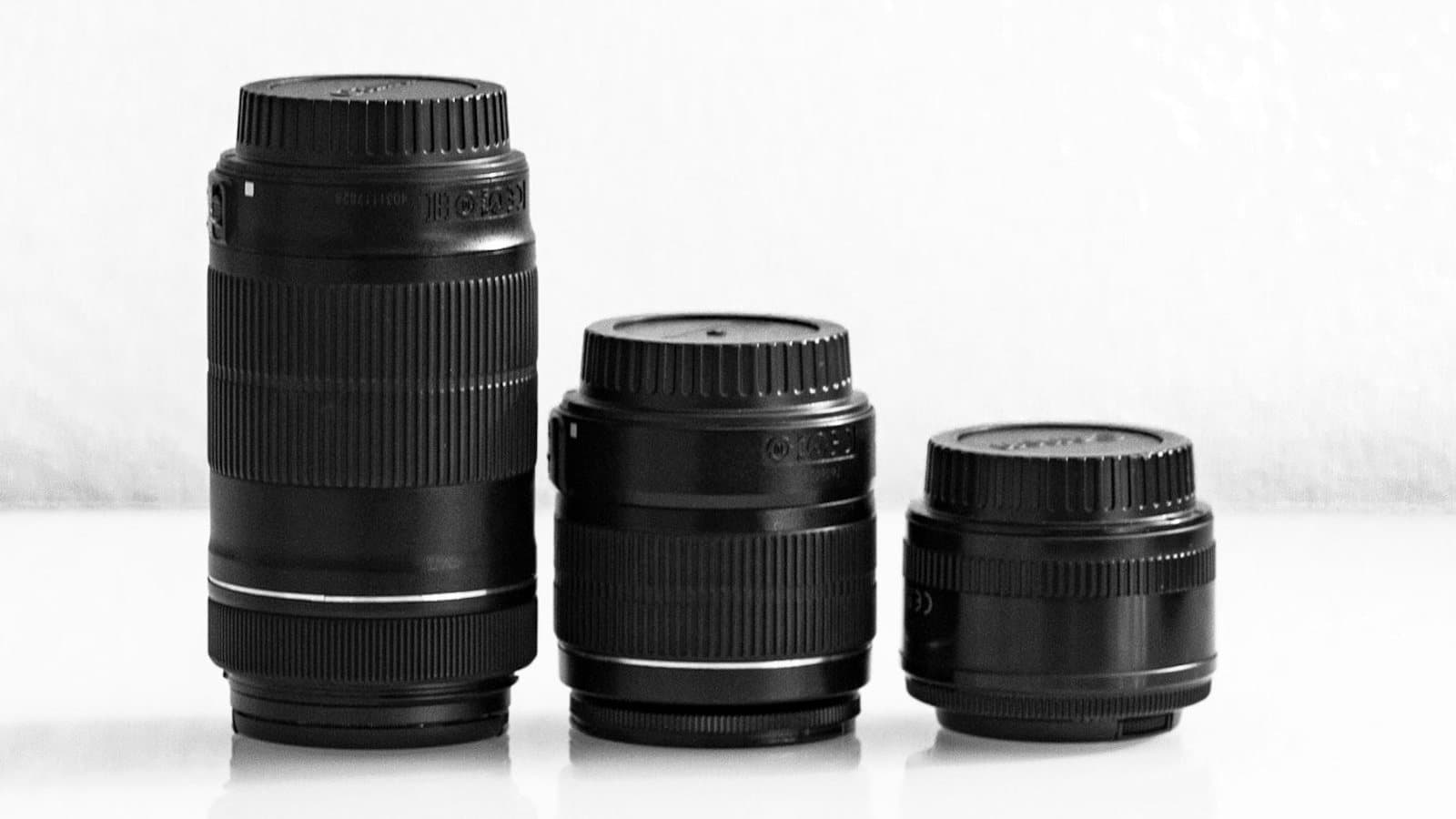
Focal Length Explained: What 24mm, 50mm, 85mm, and 200mm Actually Do
What the millimeter number on a lens changes in the field: angle of view, compression, and working distance. When to reach for 24, 50, 85, or 200mm.
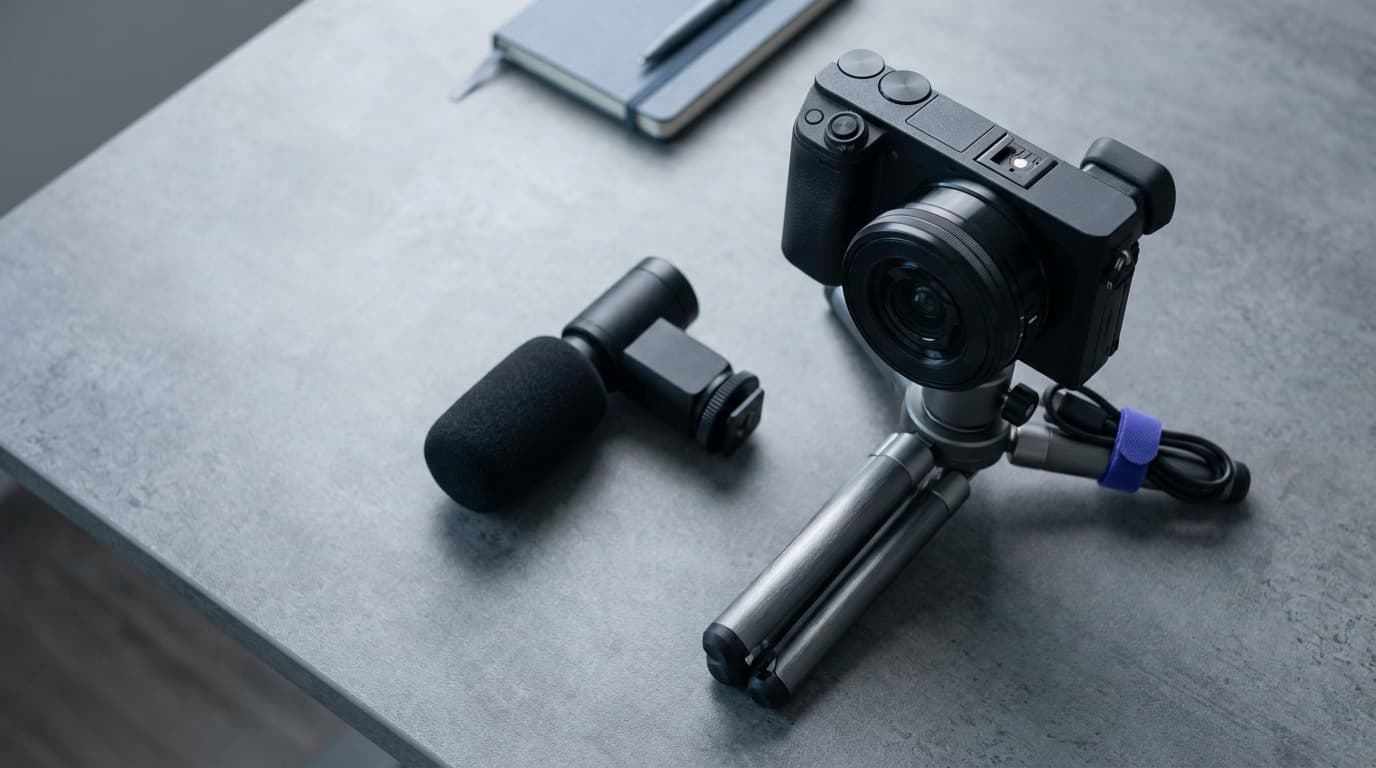
Canon EOS R50 V vs Sony ZV-E10 II: Which Beginner Vlogging Camera Should You Buy?
Canon EOS R50 V is the easier beginner creator kit. Sony ZV-E10 II is the deeper lens-system pick. Compare the practical tradeoffs.
Researched, not personally tested: picks compare specifications, available owner feedback, and established expert sources. As an Amazon Associate I earn from qualifying purchases. We may earn a commission from links here, at no extra cost to you. How we research →