We may earn a commission from links on this page, at no extra cost to you. Picks are researched, not sponsored.
Most photography advice assumes a calm, clear day. Real conditions are messier. The same scene shot in snow, in rain, or in fog needs three different exposures and three different mindsets, and bad weather is often when the best photographs happen. The trick is knowing what each condition does to your camera before you are standing in it with cold hands.
This hub covers the five weather situations that change your settings most. Each links to a full guide. If the controls below are not yet automatic, work through the exposure triangle and exposure compensation first, because weather is mostly those tools applied under pressure.
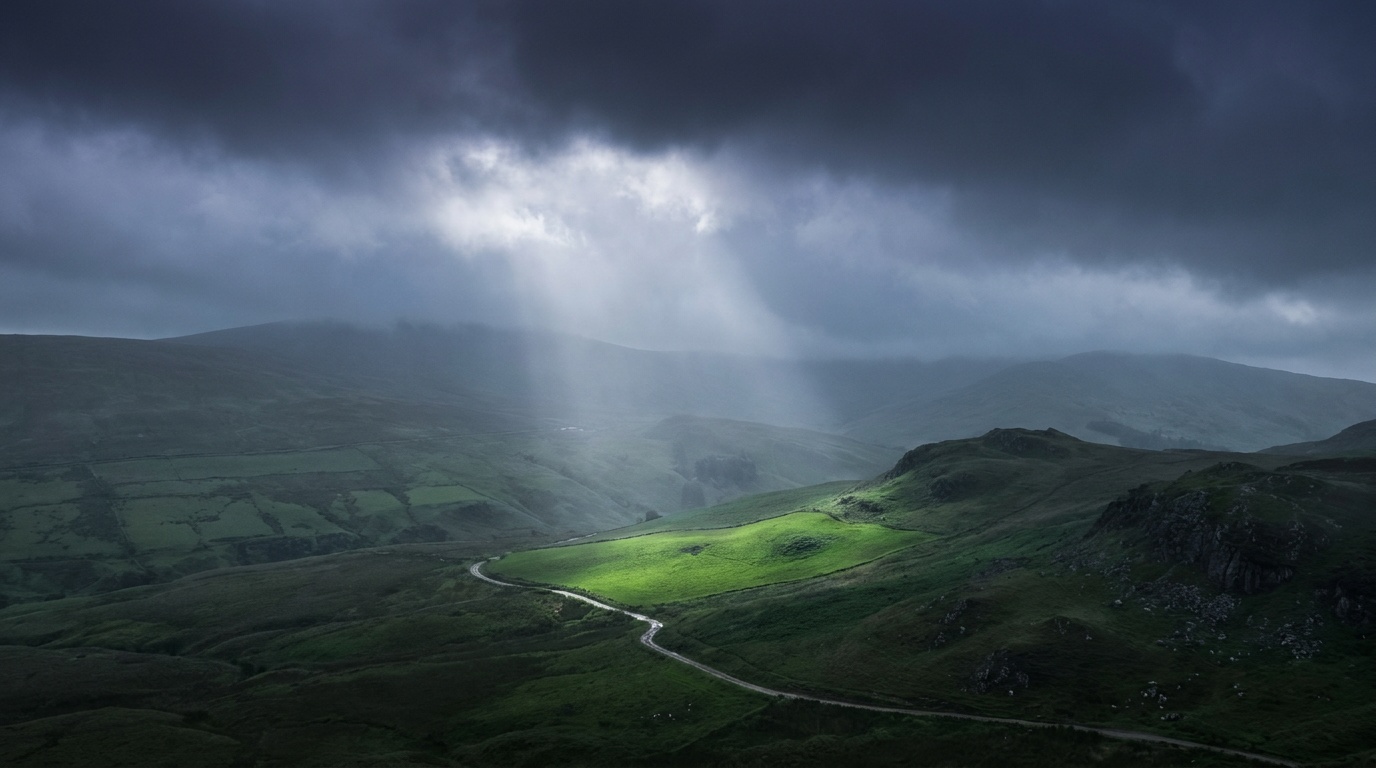
The five conditions that change your camera
Snow
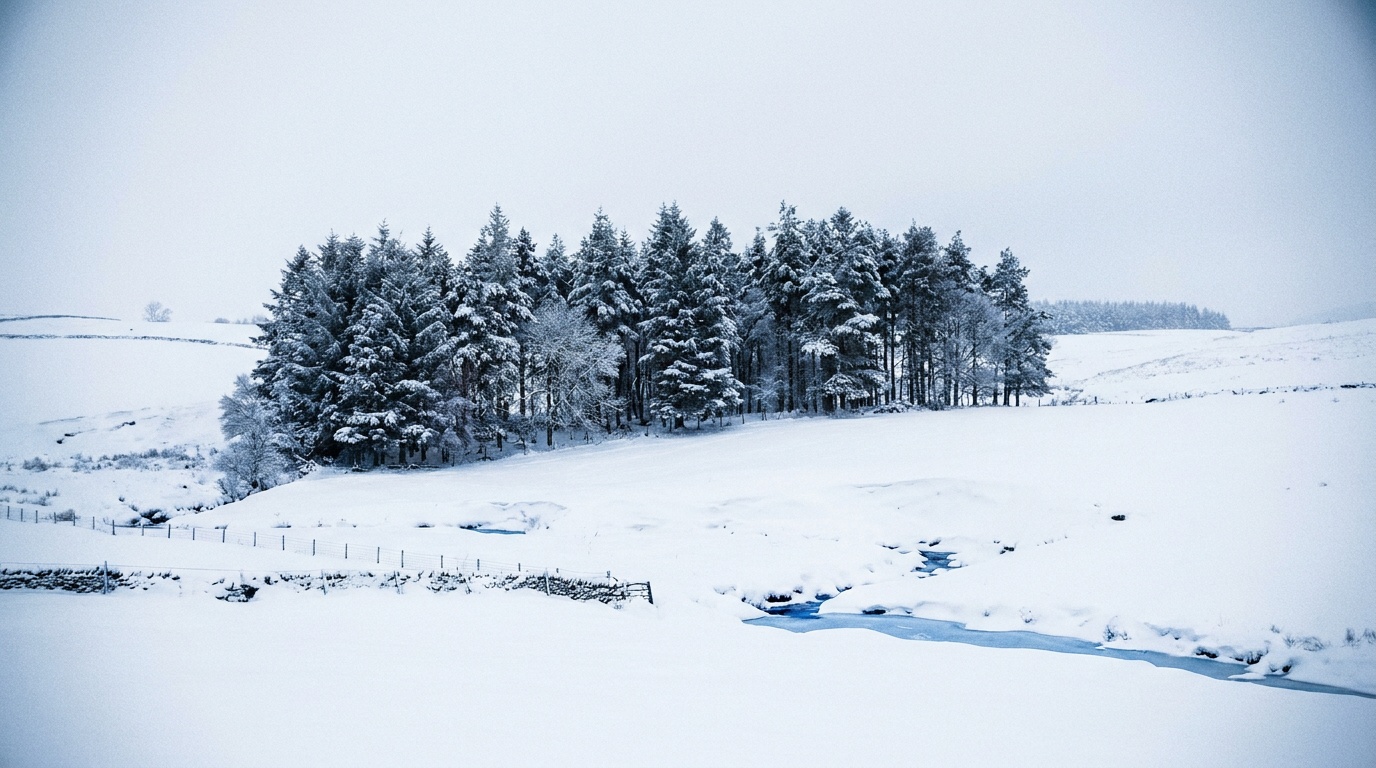
Snow is the classic meter trap. A frame full of white tricks the camera into thinking the scene is too bright, so it underexposes and your snow comes out gray. The fix is to add exposure, usually +1 to +1.7 EV, and to watch your white balance so the snow does not turn blue. Full guide: camera settings for snow.
Rain
Rain lowers contrast and saturates color, which can be beautiful, but it also means you have to decide how to render the drops: frozen with a fast shutter or streaked with a slow one. Reflections on wet streets become your best compositional tool. Full guide: how to photograph in rain.
Fog and mist
Fog removes contrast and depth cues, so your camera struggles to focus and your shadows lift on their own. It is the easiest weather to expose and the hardest to compose, because everything goes soft and pale. You usually need to add a little exposure and find one strong subject. Full guide: fog and mist photography.
Wind
Wind is the silent sharpness killer. It blurs grass, branches, and water, and it shakes your tripod even when you cannot feel it on your face. The answer is a faster shutter, a lower and steadier setup, and sometimes embracing the motion instead of fighting it. Full guide: shooting in windy conditions.
Protecting your gear
None of the above matters if your camera dies. Moisture, blowing sand, condensation, and cold all attack equipment in predictable ways, and most of the fixes are cheap and simple. Full guide: protecting your gear in bad weather.
The starting-point settings, side by side
These are first frames, not final answers. Each one is the exposure triangle tuned for what the weather does to the scene, and each gets refined against the histogram on location.
- Snow: f/8 · 1/500 · ISO 100, +1 to +1.7 EV, white balance set to Daylight.
- Rain: f/5.6 · 1/250 · ISO 400 for frozen drops, or f/11 · 1/30 for streaks; backlight against a dark background.
- Fog: f/8 · 1/250 · ISO 200, +0.7 to +1 EV, manual focus on a near edge.
- Wind: f/8 · 1/500 · ISO 200 to 400, faster for fine grass and branches; or a long exposure to embrace the motion.
The thread through all four: the meter and the calm-day instinct are both unreliable in weather, so you set a deliberate starting point and verify on the back of the camera.
Weather and light are two different problems
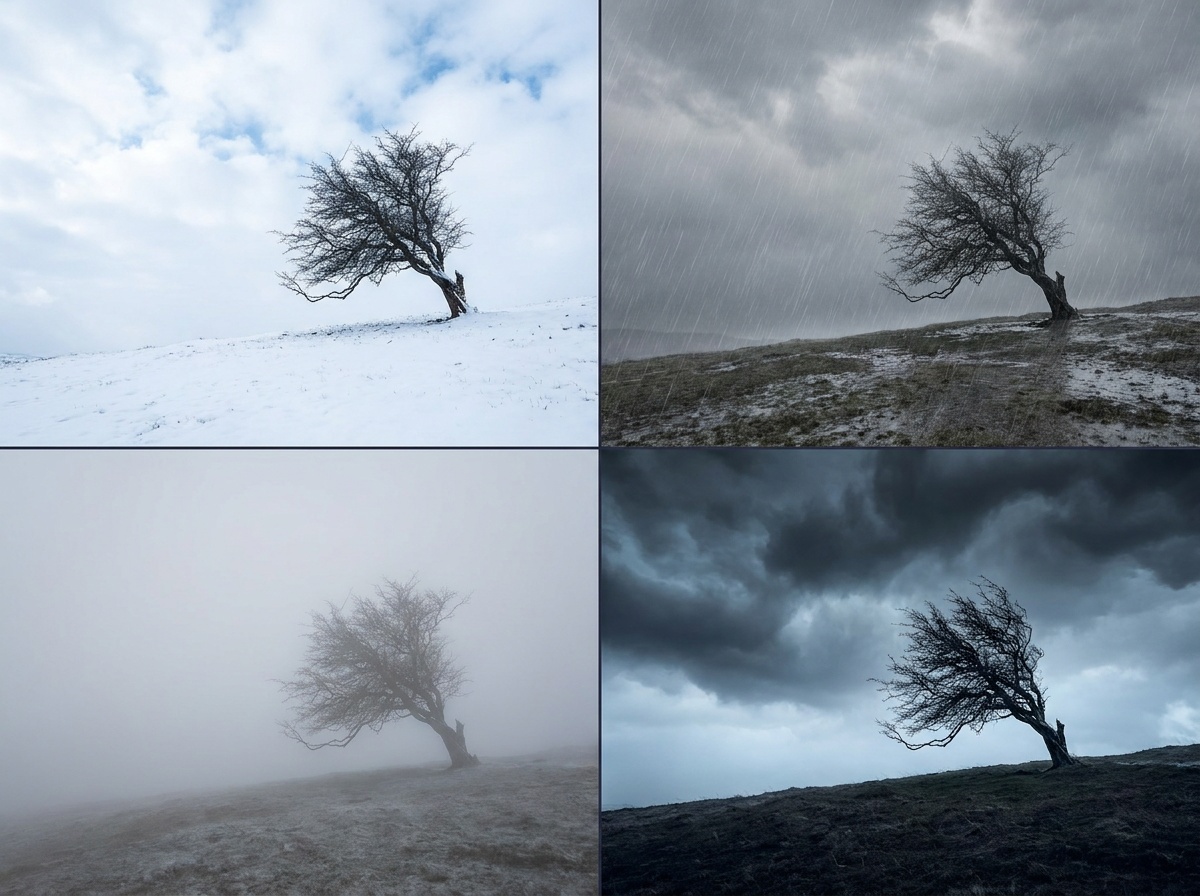
It helps to separate two things that beginners often blur together. Time of day controls the quality and direction of light: that is the shooting in different light series, covering golden hour, harsh midday, overcast flat light, and backlight. Weather controls the atmosphere between you and the scene: snow, rain, fog, and wind. A foggy golden hour and a clear golden hour need different settings. Read both layers and the exposure follows.
Overcast skies sit on the seam between the two, which is why the overcast flat light guide lives in the light series even though clouds are weather. Use it alongside this hub when the day is gray but dry.
Where this fits
Weather is where landscape photography earns its drama. Clear blue skies are pleasant and forgettable. Storm light, fresh snow, and rolling fog are what make a landscape worth printing. The settings in these guides are just the exposure triangle and exposure compensation applied to harder conditions, so the more fluent you are with the basics, the more you can chase the weather most people stay home to avoid.
Is bad weather actually good for photography?
Often, yes. Even, gray light is flat and forgettable, but the moments around weather, breaking storms, fresh snow, fog at dawn, are some of the most photogenic conditions there are. The challenge is technical and practical, not aesthetic. Once you can expose for snow or protect your gear in rain, the difficult weather becomes an advantage because most people are not out shooting it.
What is the single most common weather mistake?
Trusting the meter in snow or fog. Both fill the frame with bright, low-contrast tone, and both fool the camera into underexposing so the scene comes out gray and muddy. The fix is the same: add exposure with positive exposure compensation and check the result on the back of the camera.
Do I need special gear to shoot in bad weather?
Less than you think. A weather-sealed body and lens help, but a rain cover, a few microfiber cloths, lens hoods, and zip-top bags handle most situations. The full breakdown is in the protecting your gear guide. Technique and preparation matter more than buying sealed equipment.
Shoot kits
Buy around the job, not the spec sheet
Travel landscape
Travel landscape kit
$4,465
A light full-frame body, wide zoom, serious travel tripod, filters, and a bag that can handle rough days outside.
Light but not flimsy
Buy order: start with the first piece that makes the job possible, then add the support pieces that remove friction.
Camera: start here. If this piece does not make the shoot easier, the rest of the kit can wait.
Carry: add it after the core setup proves useful.
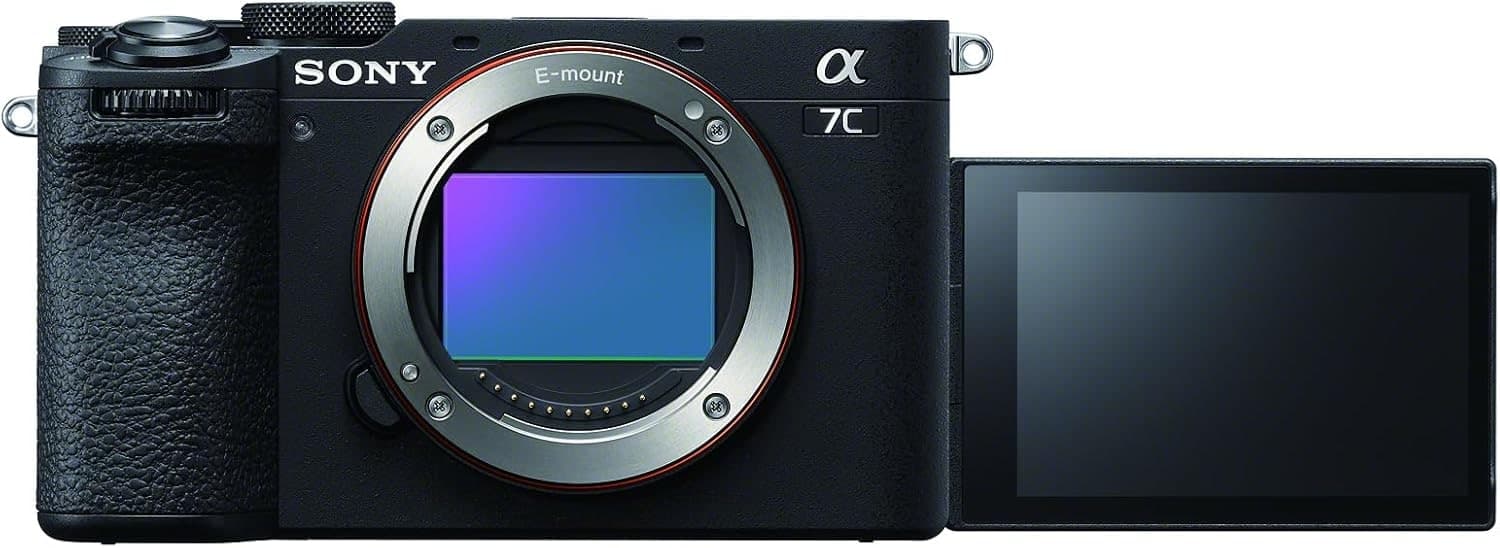
Sony a7C II
Full-frame files in a smaller body, with autofocus and stabilization that travel well.
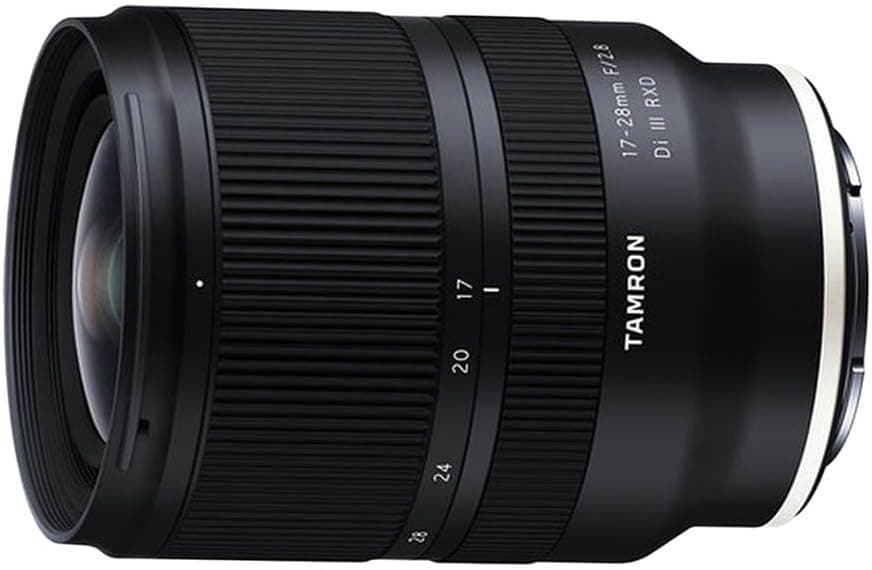
Tamron 17-28mm f/2.8 Di III RXD
Wide enough for landscapes and interiors without the size of a premium 16-35mm.
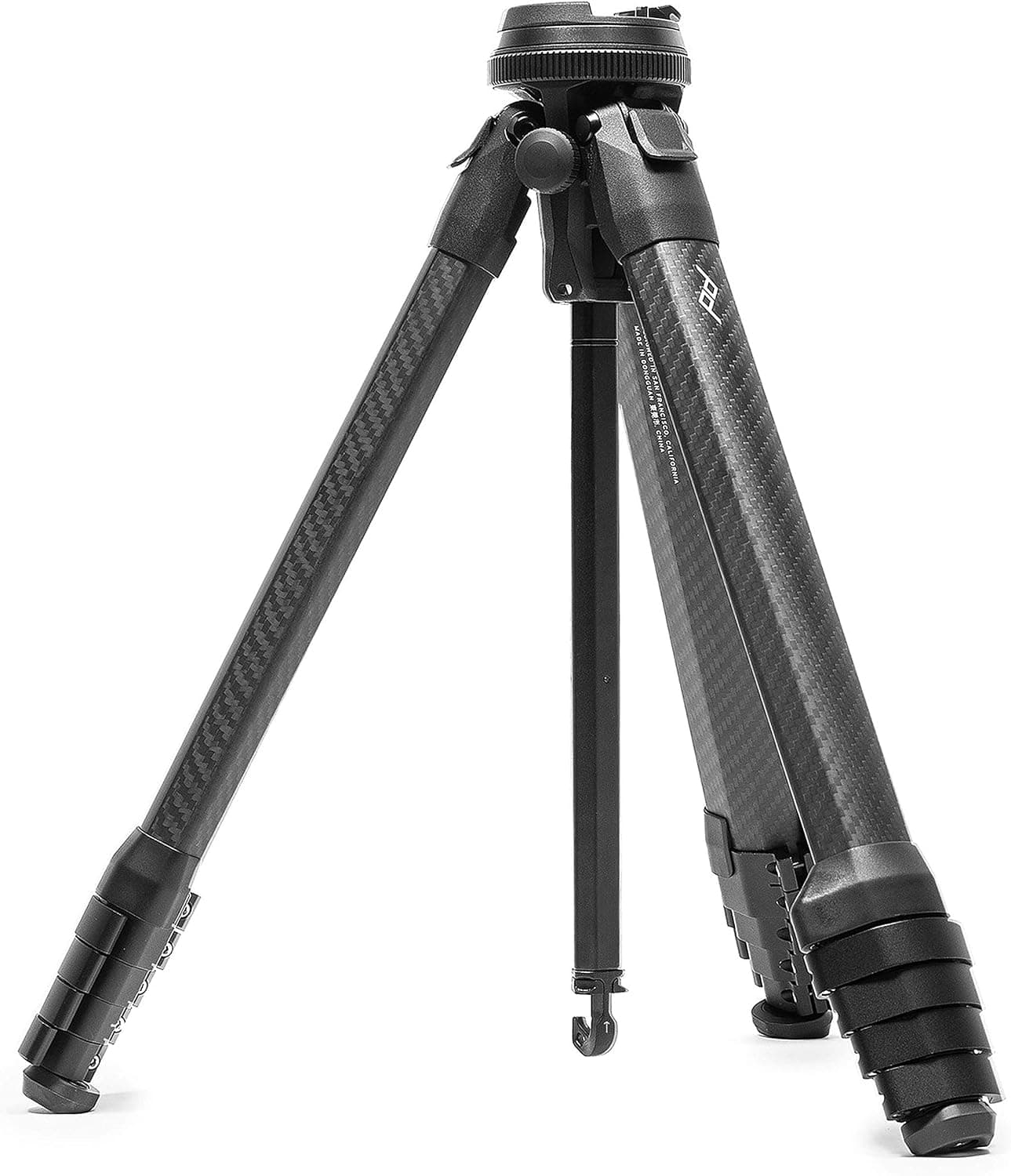
Peak Design Travel Tripod (Carbon)
The point of a travel tripod is bringing it. This one packs small and stays serious.
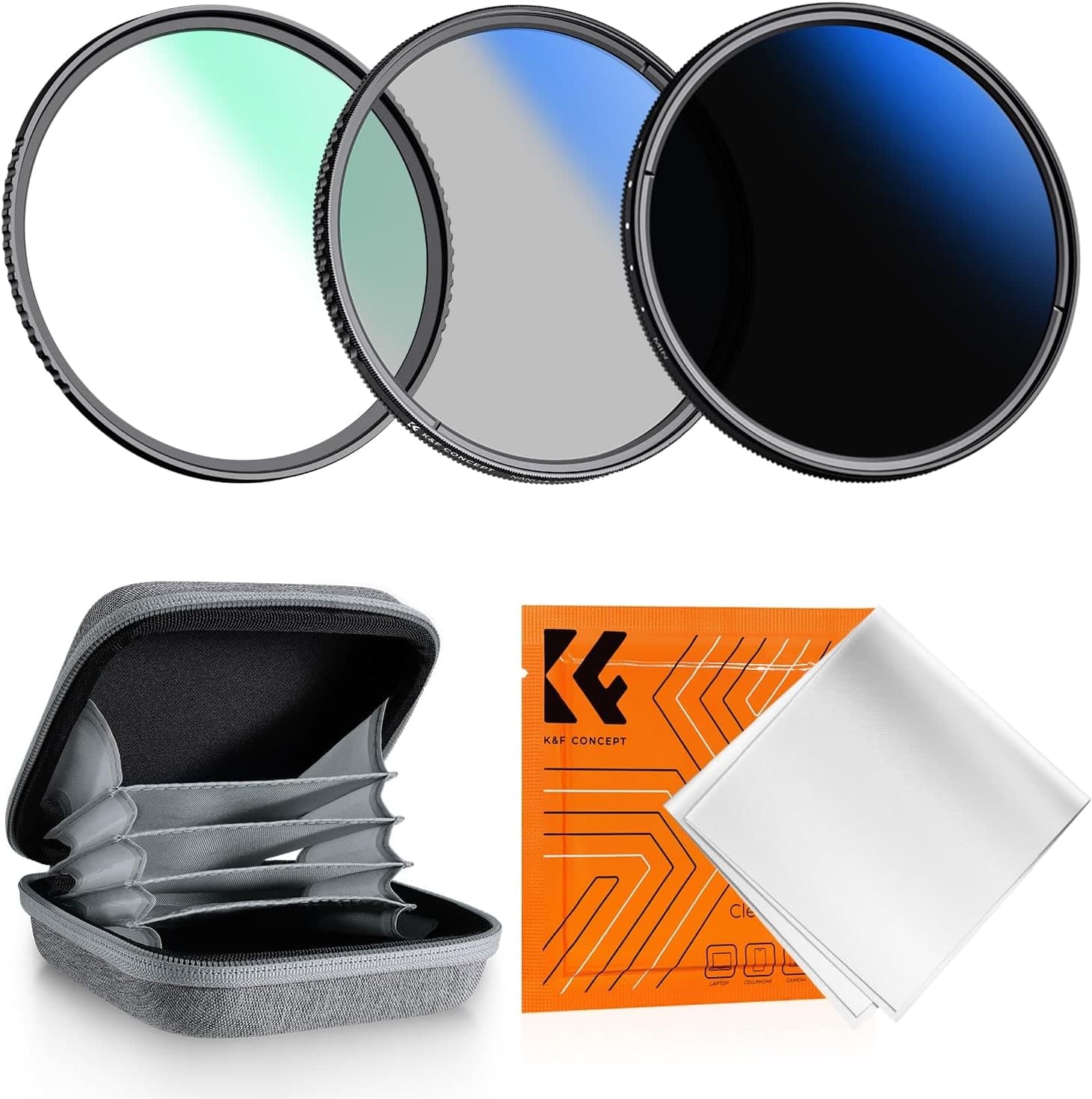
K&F Concept 77mm UV/CPL/ND2-400 Filter Kit
CPL and ND coverage for water, skies, reflections, and slower shutters.
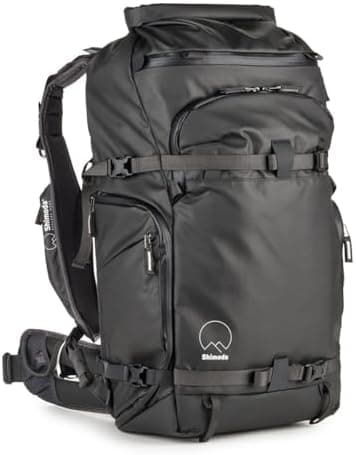
Shimoda Action X30 V2
A real harness matters once camera gear and outdoor layers share the same bag.
Prices are rough catalog totals. Retailer prices change, and you can swap pieces to fit your system.
Related Learn guides

Content Credentials and C2PA Explained for Photographers
Content Credentials record a photo's signed provenance and edits. Learn what C2PA proves, what it cannot prove, and how capture-to-export workflows work.
Open Gate Video Explained: When 3:2 Is Worth It
Open Gate records a taller sensor area for flexible 16:9, 9:16, and square crops. See when it helps, what it costs, and how to frame it correctly.
Pre-Capture Photography Explained: Get the Frame Before the Click
Pre-Capture buffers photos before the shutter is fully pressed. Learn how it works, which settings change, and when RAW, flash, or focus may be limited.
RAW vs JPEG: Which File Format Should You Shoot?
RAW keeps all your sensor data for maximum editing freedom; JPEG is smaller and ready to share. Here is how they differ and when each one is the right call.
Researched, not personally tested: picks compare specifications, available owner feedback, and established expert sources. As an Amazon Associate I earn from qualifying purchases. We may earn a commission from links here, at no extra cost to you. How we research →