We may earn a commission from links on this page, at no extra cost to you. Picks are researched, not sponsored.
The problem
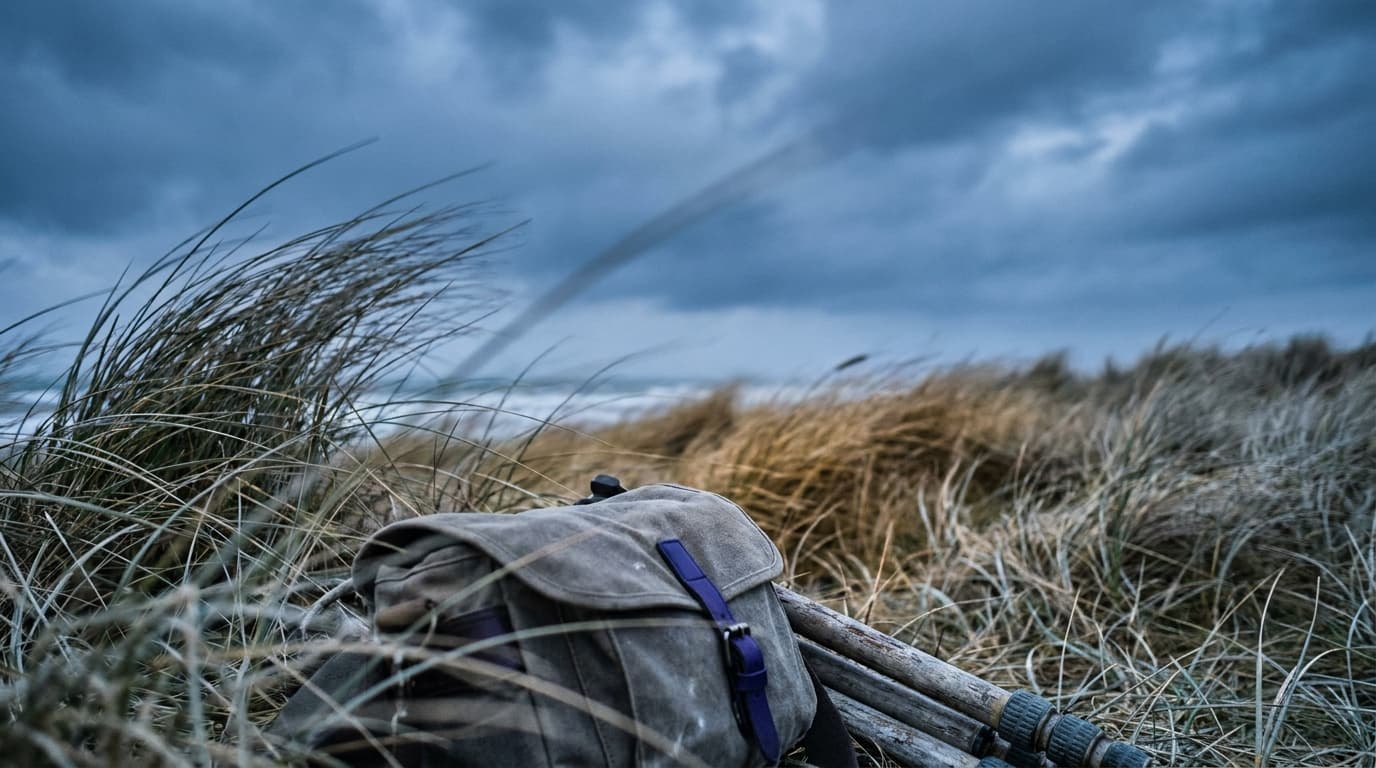
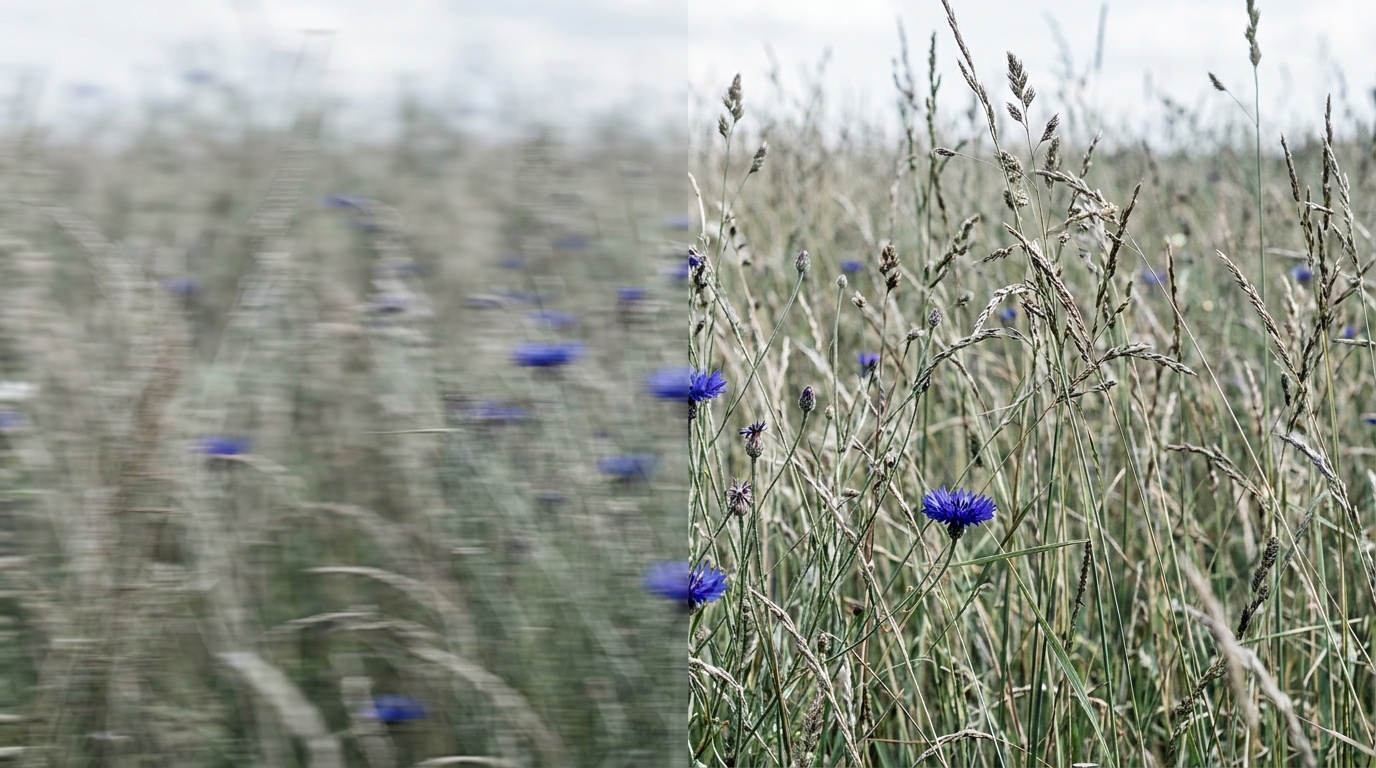
Wind does not change your exposure, so it is easy to forget about until you get home and find every frame slightly soft. The issue is motion. Grass, leaves, branches, flowers, and water all move in the wind, and at the shutter speeds you would normally use for a landscape, around 1/60 or slower on a tripod, that movement smears into blur. The subject was sharp in your eye and mushy on the sensor.
The sneakier problem is camera shake. A tripod feels rock solid in your hands, but a gust pushing on the camera, the lens, and the tripod legs introduces tiny vibrations that soften the whole frame. Long lenses and tall tripods make it worse. You can produce a blurry photo on a tripod purely from wind.
The settings
When you want everything sharp, shutter speed is the lever. You need it fast enough to freeze the fastest-moving thing in the frame. A windy landscape with grass and foliage lands around:
This inverts the usual landscape habit. On a still day you keep ISO low and happily shoot at 1/30 on a tripod. In wind, a clean file at 1/30 with blurry grass is a failure, while a slightly noisier file at 1/800 with crisp detail is a keeper. Spend ISO to buy shutter speed. The exposure triangle makes the trade explicit, and the shutter speed guide covers how fast you actually need for a given subject.
The technique
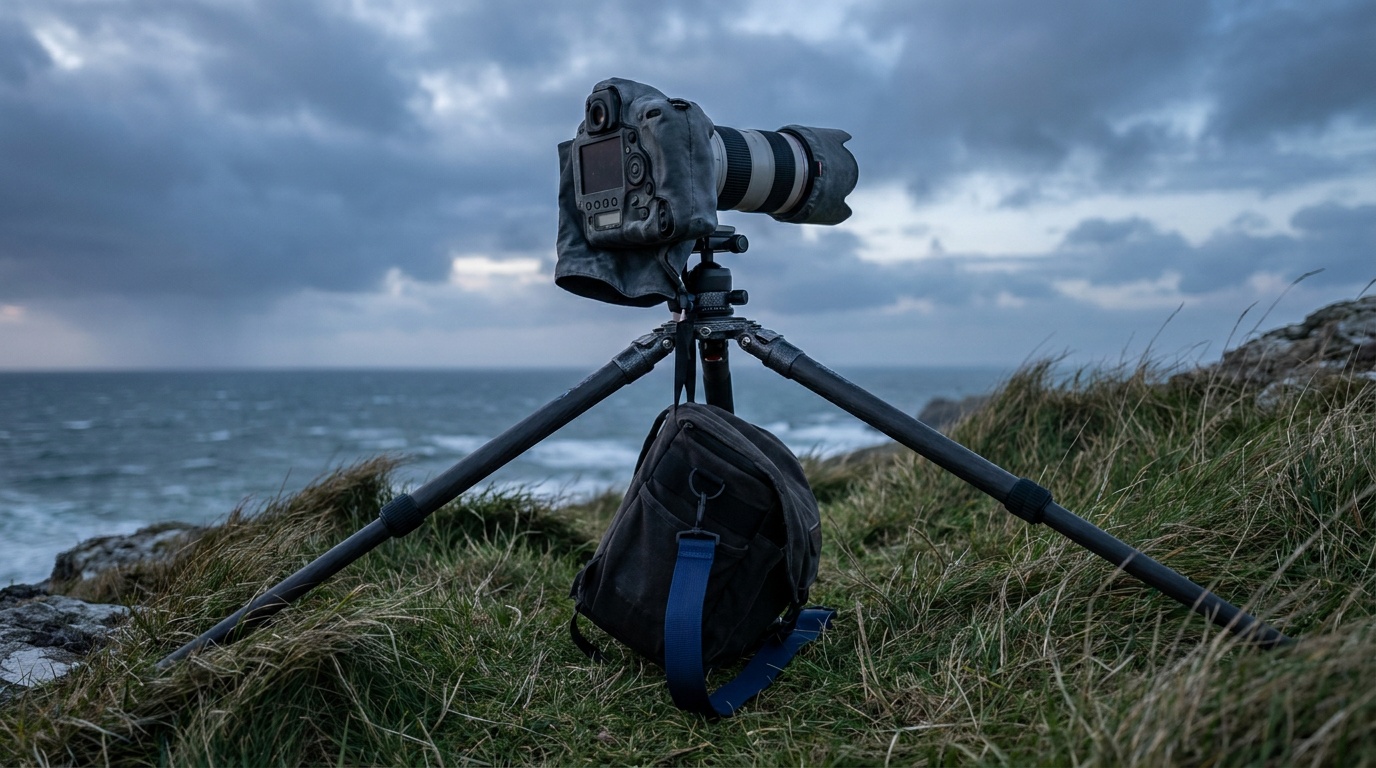
To keep a tripod steady in wind, get low. Spread the legs wide and avoid extending the center column, which is the wobbliest part. Hang your bag from the center hook to add weight and lower the center of gravity. Use a remote release or the two-second timer so your hand is not on the camera at the moment of exposure, and turn image stabilization off when the camera is locked down, because stabilization can fight a tripod and add blur. The camera shake guide goes deeper on a stable setup.
Block the wind where you can. Park your body, a vehicle, or a wall upwind of the tripod. For close-up subjects like flowers, a piece of card held just out of frame as a windbreak can be the difference between sharp and soft.
A step-by-step for a windy landscape
- Feel the gusts. Time your frames for the lulls between gusts. Wind rarely blows at a constant speed, and the pauses are where your sharp frames live.
- Protect the shutter speed first. Set 1/500 as a floor and raise ISO to hold it, rather than letting the shutter drop to keep ISO low.
- Lower and weight the tripod. Spread the legs wide, keep the center column down, and hang your bag from the hook.
- Kill stabilization and use a remote. Turn off IS on the locked-down camera and trigger with a remote or the two-second timer.
- Shoot a burst. Fire several frames so at least one catches a calm instant, then check sharpness at full magnification, not on the thumbnail.
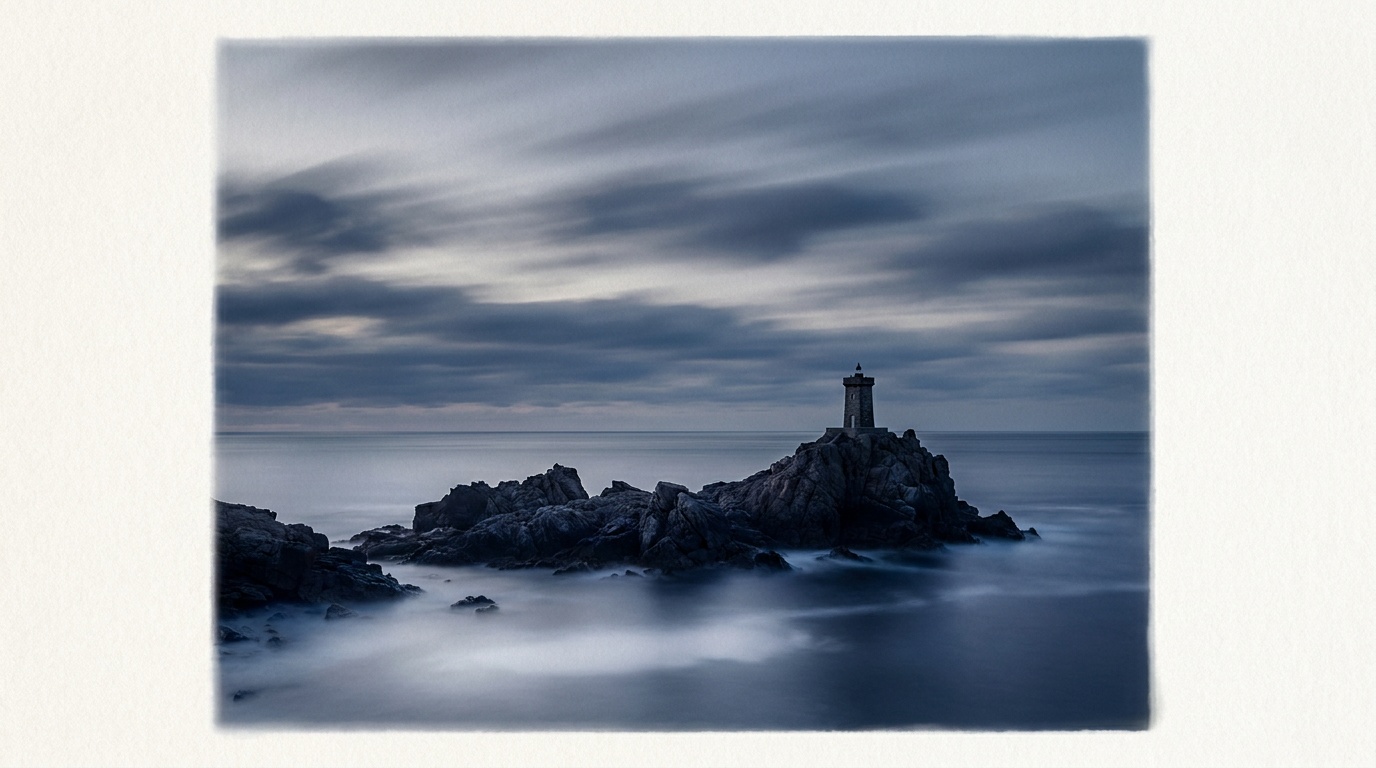
Then consider doing the opposite. A long exposure in wind turns moving clouds into streaks, grass into a soft wash, and water into glass. If you want that, you need an ND filter to drag the shutter into seconds in daylight. The motion stops being a problem and becomes the entire image.
Common mistakes
- Keeping the calm-day shutter speed. 1/60 on a tripod is fine in still air and ruined by wind. Speed up.
- Extending the center column. It is the least stable part of any tripod. Keep it down in wind.
- Leaving stabilization on while on a tripod. It can introduce blur on a locked-down camera. Turn it off.
- Forgetting blowing grit. Wind carries dust and sand straight at your front element and sensor. Be careful changing lenses.
Gear notes
A sturdy tripod is the foundation, ideally one heavy and low enough to resist gusts; ultralight travel tripods are the most vulnerable to wind. A remote release or intervalometer keeps your hands off the camera. If you plan to use the wind creatively with long exposures, ND filters are essential. And in dusty or sandy wind, protect the camera body and avoid lens changes in the open. See protecting your gear in bad weather for the full kit.
Where this fits
Wind is a constant in landscape photography, especially on exposed coastlines, ridges, and open fields where the best light often lives. The settings are the exposure triangle and shutter speed tuned for motion, plus a steadier setup. Once you treat wind as a sharpness variable rather than a nuisance, you can shoot in conditions that send most people home.
What shutter speed do I need to freeze wind-blown grass?
Start around 1/500 of a second and check the result at full magnification. Fine, fast-moving subjects like grass heads, thin branches, and flowers in gusty wind may need 1/1000 or faster. Raise ISO as needed to reach that shutter speed, since a sharp, slightly noisier file beats a clean, blurry one.
Why are my tripod shots blurry on a windy day?
Wind pushes on the camera, lens, and tripod and introduces vibration even when the setup feels solid. Lower the tripod, spread the legs wide, avoid the center column, weight it with your bag, use a remote release, and turn off image stabilization when locked down. Tall, lightweight tripods are the most affected.
Can I use wind creatively instead of fighting it?
Yes. A long exposure turns wind-driven clouds, grass, and water into soft streaks and motion, which can be striking. You will usually need an ND filter to slow the shutter to seconds in daylight, plus a stable tripod. In that case the moving elements become the subject rather than a flaw.
Keep going
Next useful steps
Pick one. Each link continues the same job without starting the research over.
Shoot kits
Buy around the job, not the spec sheet
Travel landscape
Travel landscape kit
$4,465
A light full-frame body, wide zoom, serious travel tripod, filters, and a bag that can handle rough days outside.
Light but not flimsy
Buy order: start with the first piece that makes the job possible, then add the support pieces that remove friction.
Camera: start here. If this piece does not make the shoot easier, the rest of the kit can wait.
Carry: add it after the core setup proves useful.
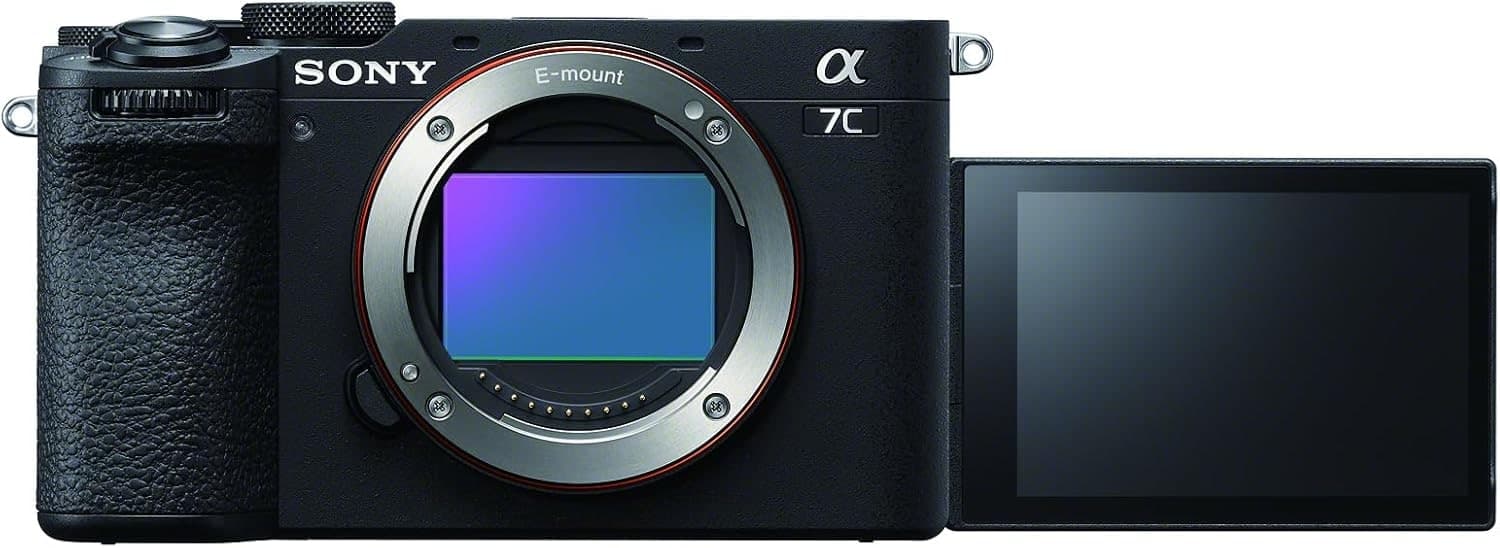
Sony a7C II
Full-frame files in a smaller body, with autofocus and stabilization that travel well.
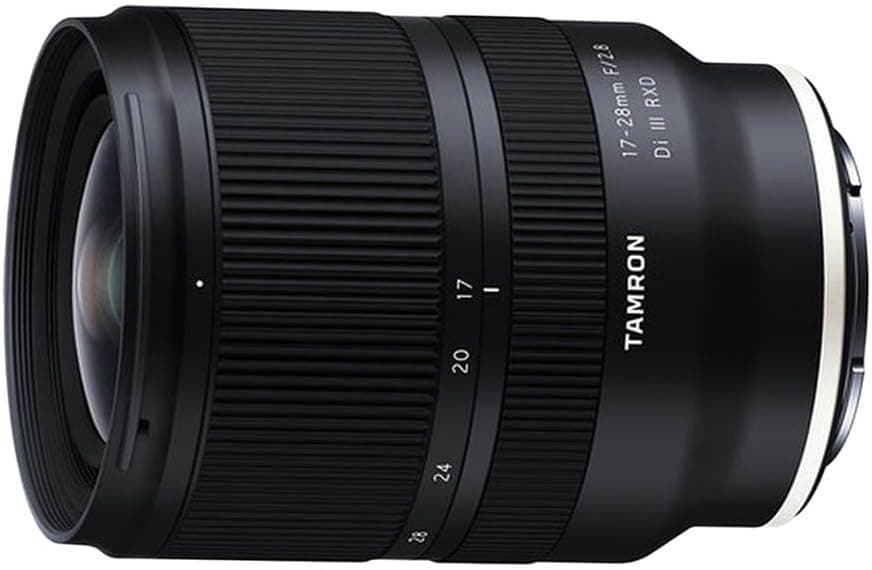
Tamron 17-28mm f/2.8 Di III RXD
Wide enough for landscapes and interiors without the size of a premium 16-35mm.
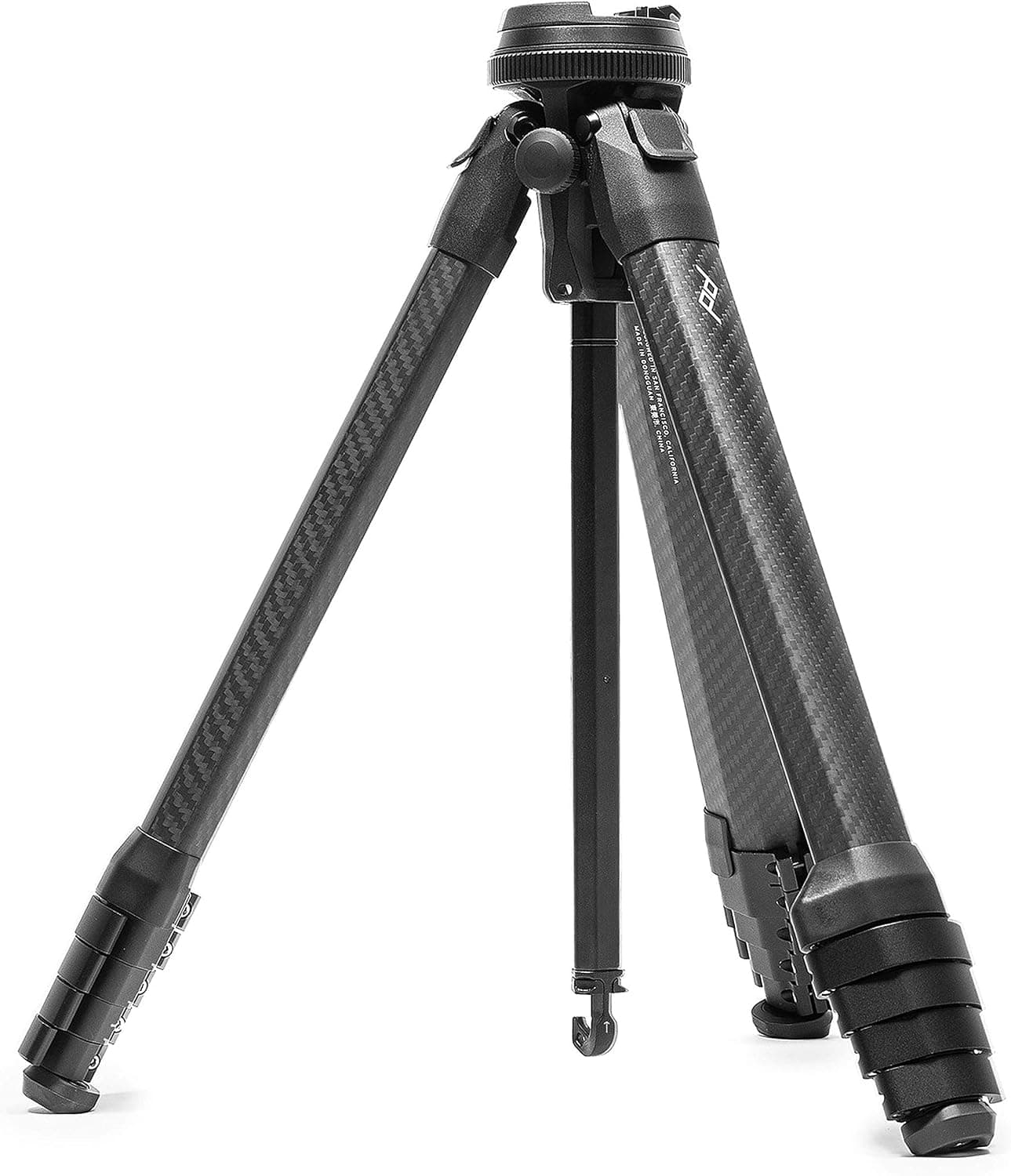
Peak Design Travel Tripod (Carbon)
The point of a travel tripod is bringing it. This one packs small and stays serious.
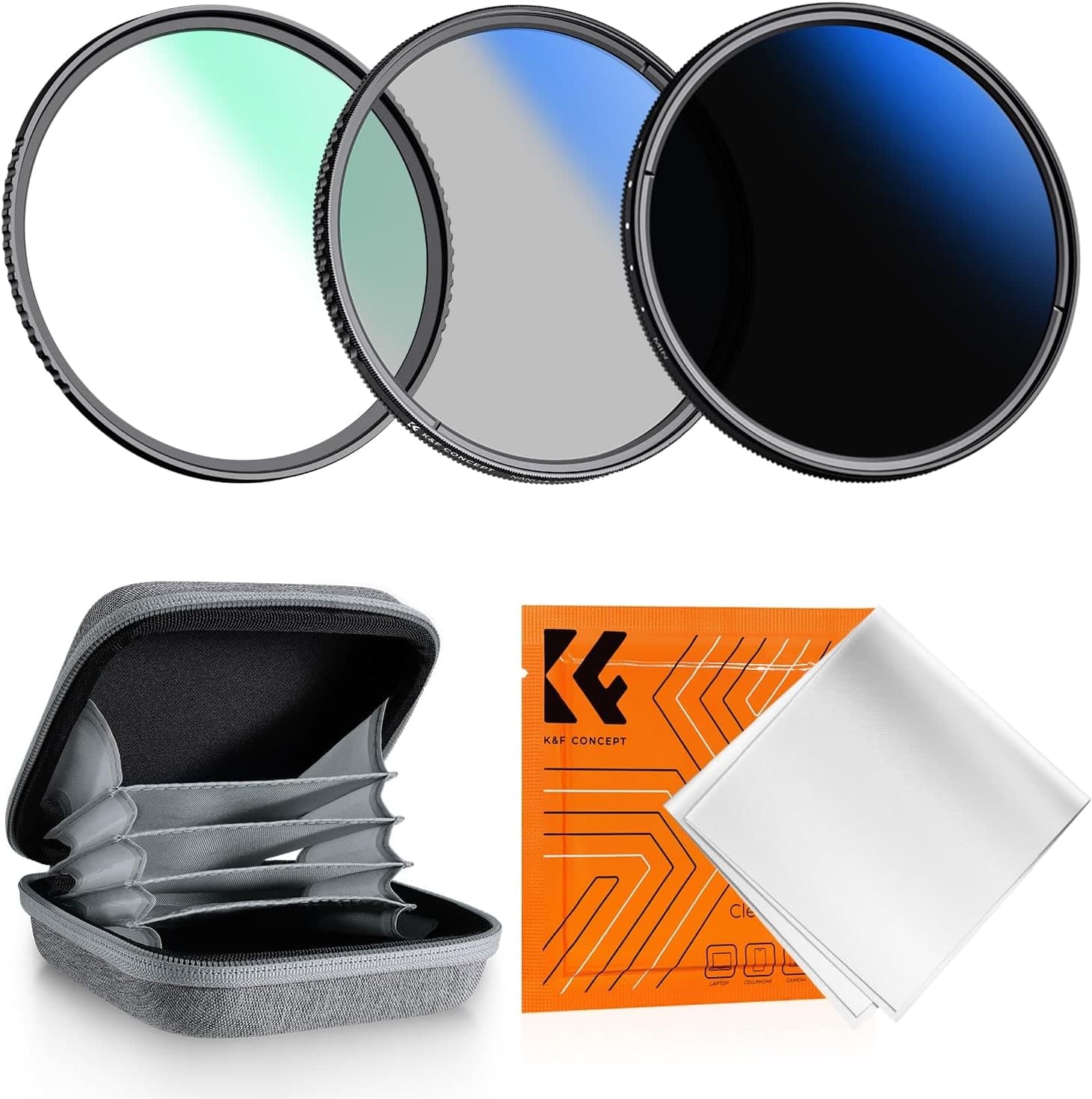
K&F Concept 77mm UV/CPL/ND2-400 Filter Kit
CPL and ND coverage for water, skies, reflections, and slower shutters.
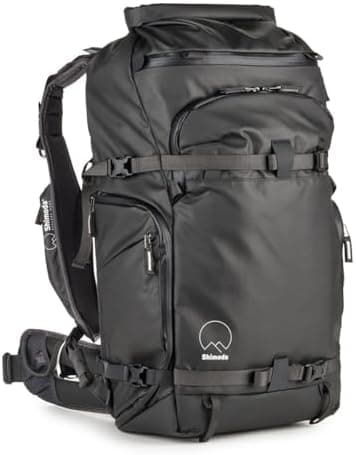
Shimoda Action X30 V2
A real harness matters once camera gear and outdoor layers share the same bag.
Prices are rough catalog totals. Retailer prices change, and you can swap pieces to fit your system.
Related Learn guides

Content Credentials and C2PA Explained for Photographers
Content Credentials record a photo's signed provenance and edits. Learn what C2PA proves, what it cannot prove, and how capture-to-export workflows work.
Open Gate Video Explained: When 3:2 Is Worth It
Open Gate records a taller sensor area for flexible 16:9, 9:16, and square crops. See when it helps, what it costs, and how to frame it correctly.
Pre-Capture Photography Explained: Get the Frame Before the Click
Pre-Capture buffers photos before the shutter is fully pressed. Learn how it works, which settings change, and when RAW, flash, or focus may be limited.
RAW vs JPEG: Which File Format Should You Shoot?
RAW keeps all your sensor data for maximum editing freedom; JPEG is smaller and ready to share. Here is how they differ and when each one is the right call.
Researched, not personally tested: picks compare specifications, available owner feedback, and established expert sources. As an Amazon Associate I earn from qualifying purchases. We may earn a commission from links here, at no extra cost to you. How we research →