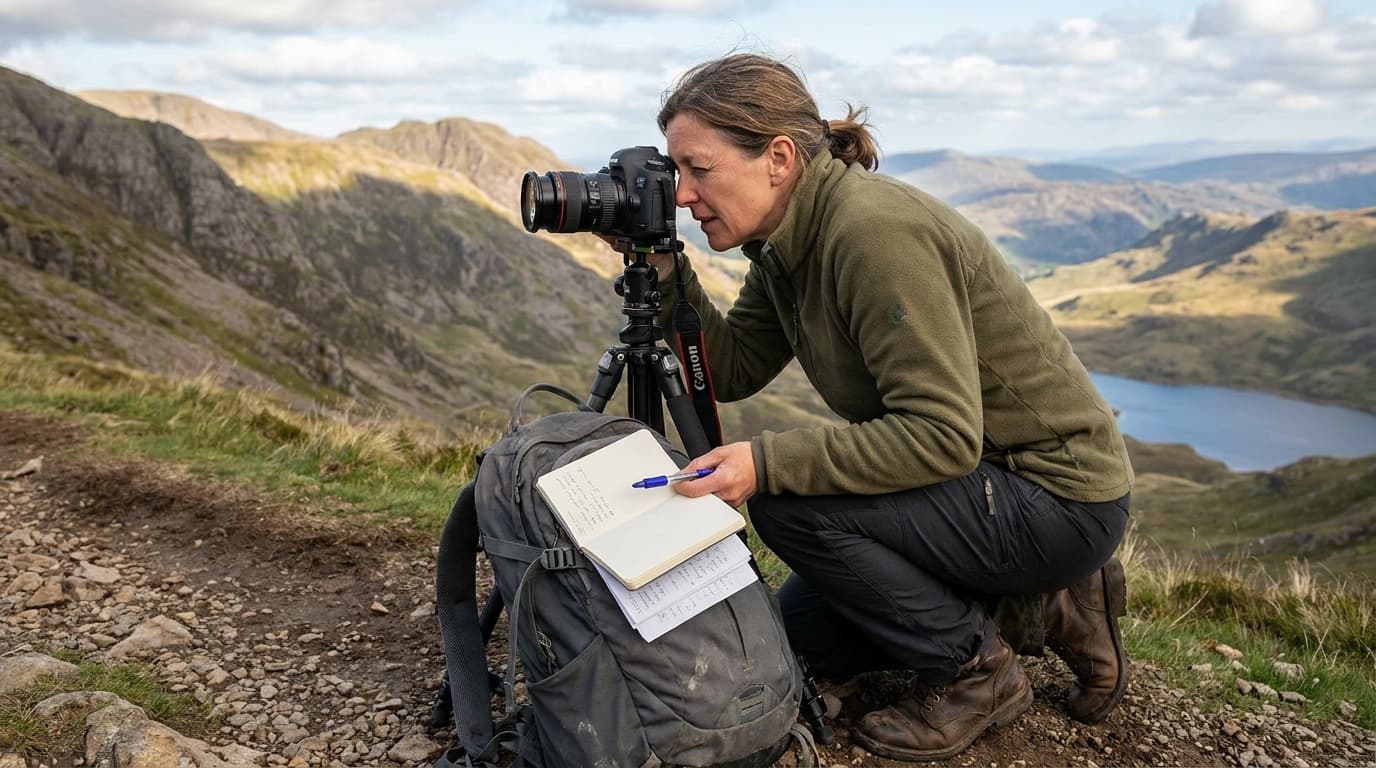
We may earn a commission from links on this page, at no extra cost to you. Picks are researched, not sponsored.
What this means in real life
The camera that gets the shot on a hike is the one you are still willing to carry on mile eight. A heavy bag rides in the car; a reachable camera takes pictures. So the real skill is choosing a kit small enough that you keep shooting after your legs are tired, and carrying it so a great moment does not cost you five minutes of digging.
Two things separate trail photos that work from the ones that do not: light and sharpness. You are usually walking, often in changing weather, sometimes in low light under tree cover or at the start and end of the day. Both are solvable with a little planning.
What to carry
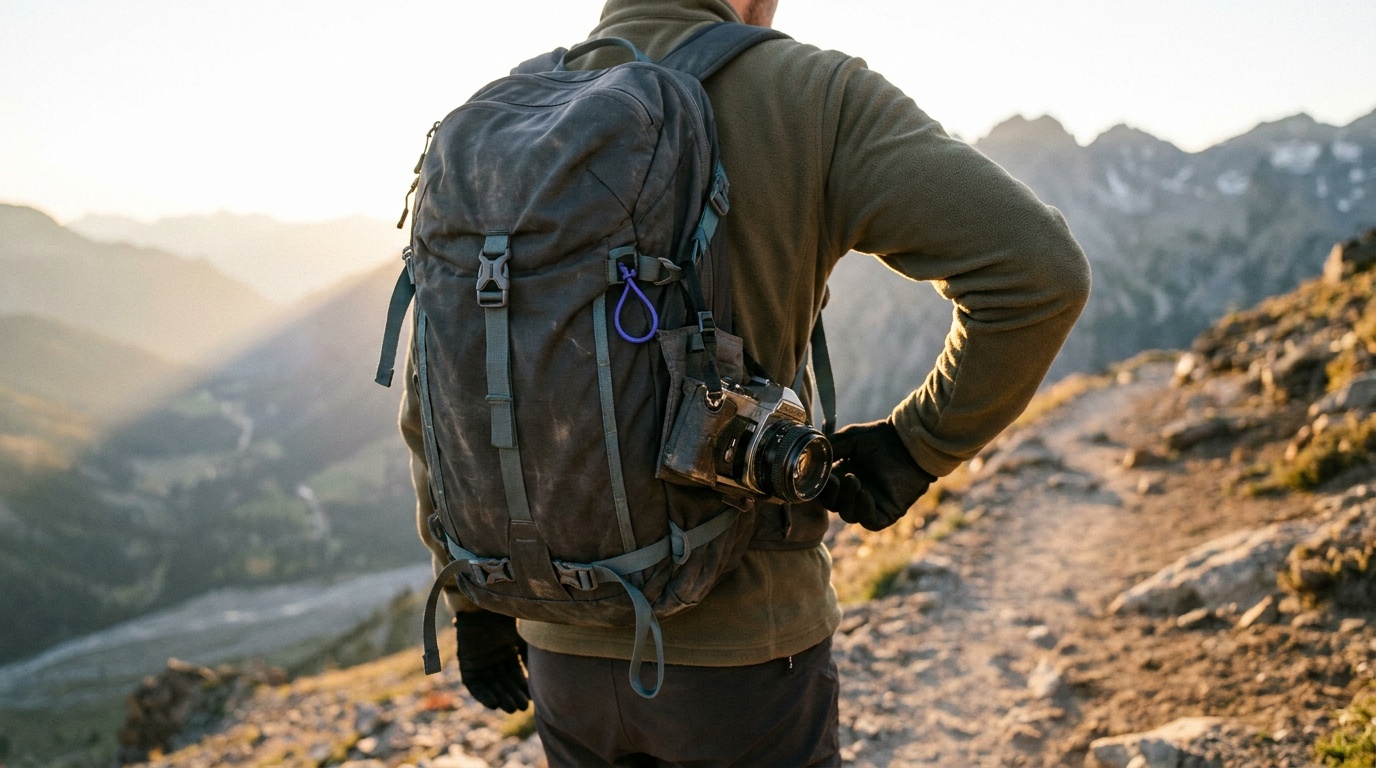
Start from the shots you want, not the gear you own. A wide lens covers landscapes and the sense of place. A short telephoto or a kit zoom covers detail, distant ridges, and wildlife you should not approach. One body, one or two lenses, spare battery, a couple of cards, and a lightweight tripod for low light is a full day kit for most people.
For the bag itself, the question is really a hiking question more than a camera one: fit, hip belt, and how fast you can reach the camera. We cover the camera-specific options in the best camera bags guide, and a packable travel tripod is worth its weight the moment the light drops.
Shooting on the move
The fastest way to come home with soft images is a shutter speed that was fine standing still and too slow once you were tired and breathing hard. As a rule of thumb, keep your shutter at least as fast as one over your focal length, and faster if you are not braced. When in doubt, raise ISO a stop and keep the shutter quick. A slightly noisier sharp frame beats a clean blurry one. The full logic is in how to take sharp photos, and the dials behind it are the exposure triangle.
A reliable handheld trail starting point is f/8 · 1/250 · ISO 400 in good light, which keeps a wide scene sharp front to back and the shutter fast enough to survive tired hands. Drop into tree cover or late light and let the ISO climb to 1600 or higher before you let the shutter fall below your focal-length rule.
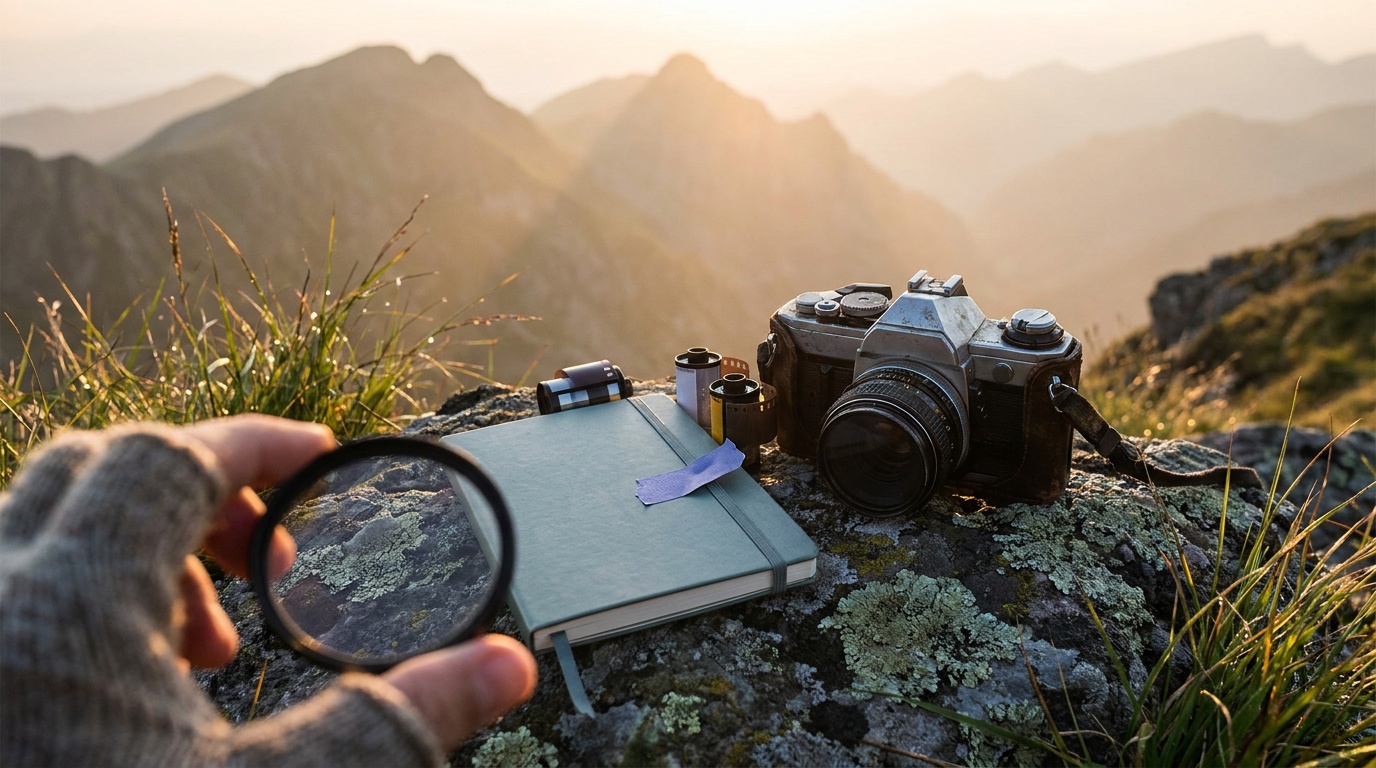
Meter for the sky on big landscape views so you do not blow out the brightest clouds, and let the foreground sit a little darker. You can lift shadows later; you cannot recover a white sky.
Plan around the light
The difference between a snapshot and a photograph on the trail is usually timing. Flat midday light on a ridge is hard. The same ridge at golden hour is easy. Work out when the warm light lands where you are going with the golden hour calculator, then plan the hike so you are at the viewpoint, not the trailhead, when it happens. This is the single highest return habit in landscape work, and it is why we built the tool. For the settings once you are there, see golden hour photography and the wider landscape photography guide.
Protect the kit
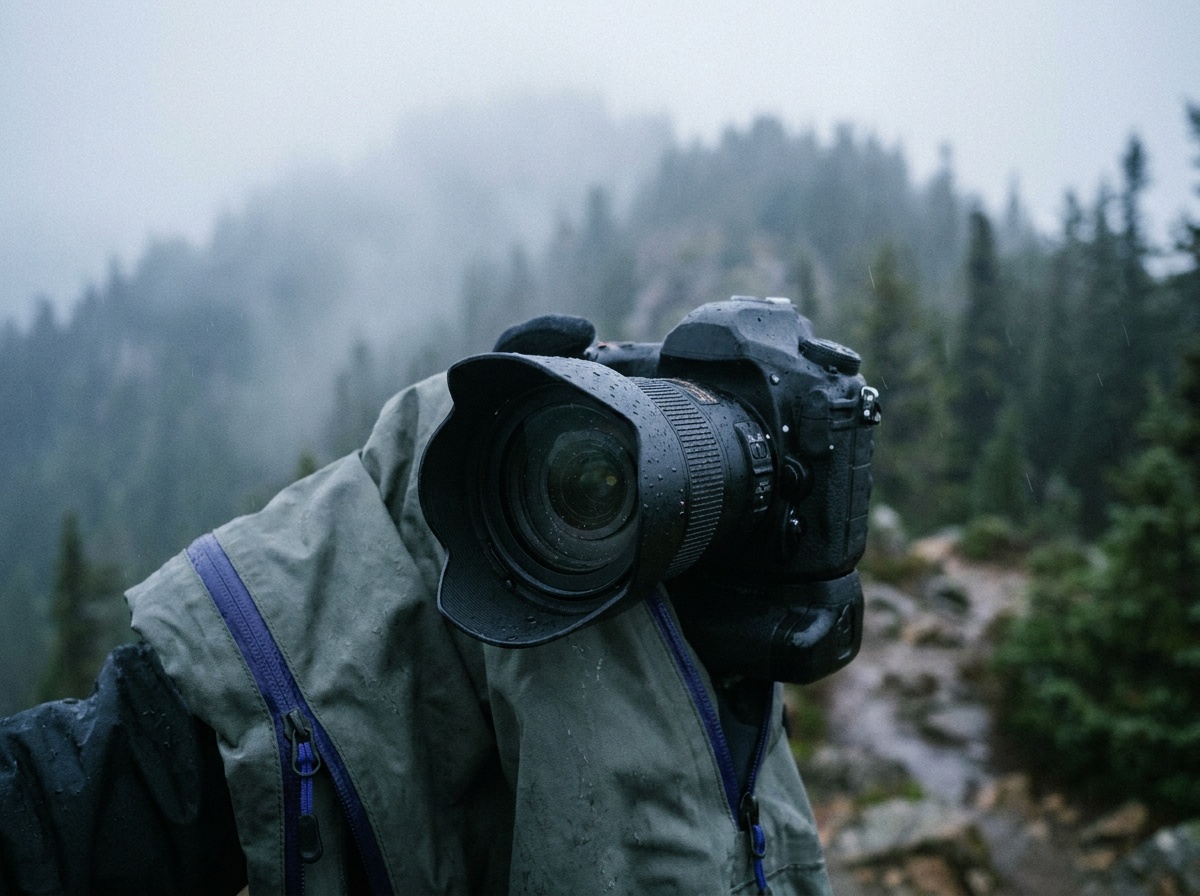
Weather on a trail changes faster than it does at home, and a wet or dusty camera is a ruined day. Carry a dry bag or at least a sturdy zip bag, keep a microfiber cloth reachable, and let a cold camera warm up slowly when you come inside to avoid condensation. The full routine, including what actually kills cameras in the field, is in protecting your gear in bad weather.
Know before you go
Some of the best trail photography happens in national parks and protected land, and the rules for shooting there are not always obvious, especially for anything commercial or for flying a drone. Check the rules for where you can legally shoot before you build a trip around a location.
What is the best camera for hiking?
The best one is the lightest one that takes the photos you want. A compact mirrorless body with one versatile zoom covers most trail work and is light enough to keep shooting all day. Sensor size and lens choice matter less than whether you actually carry it. See our gear guides for specific picks.
How do I keep my camera safe while hiking?
Keep it reachable but protected: a padded compartment or a clip on the strap so it does not swing, a dry bag or zip bag for rain and dust, and a cloth for spray and condensation. Let a cold camera warm up gradually indoors so moisture does not form inside the lens.
What camera settings should I use on the trail?
Prioritize a shutter speed fast enough to stay sharp while you are tired and moving, usually one over your focal length or faster. Raise ISO before you let the shutter drop too low. Meter so you keep detail in a bright sky, and shoot in raw so you can lift the shadows later.
Shoot kits
Buy around the job, not the spec sheet
Travel landscape
Travel landscape kit
$4,465
A light full-frame body, wide zoom, serious travel tripod, filters, and a bag that can handle rough days outside.
Light but not flimsy
Buy order: start with the first piece that makes the job possible, then add the support pieces that remove friction.
Camera: start here. If this piece does not make the shoot easier, the rest of the kit can wait.
Carry: add it after the core setup proves useful.
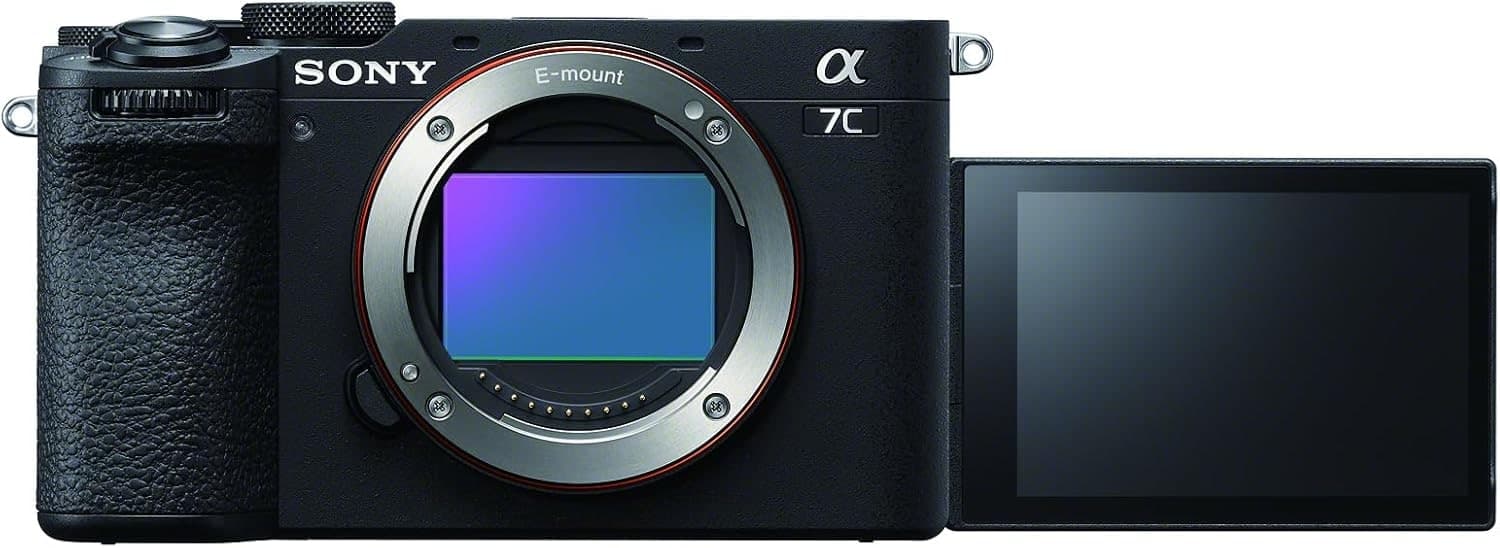
Sony a7C II
Full-frame files in a smaller body, with autofocus and stabilization that travel well.
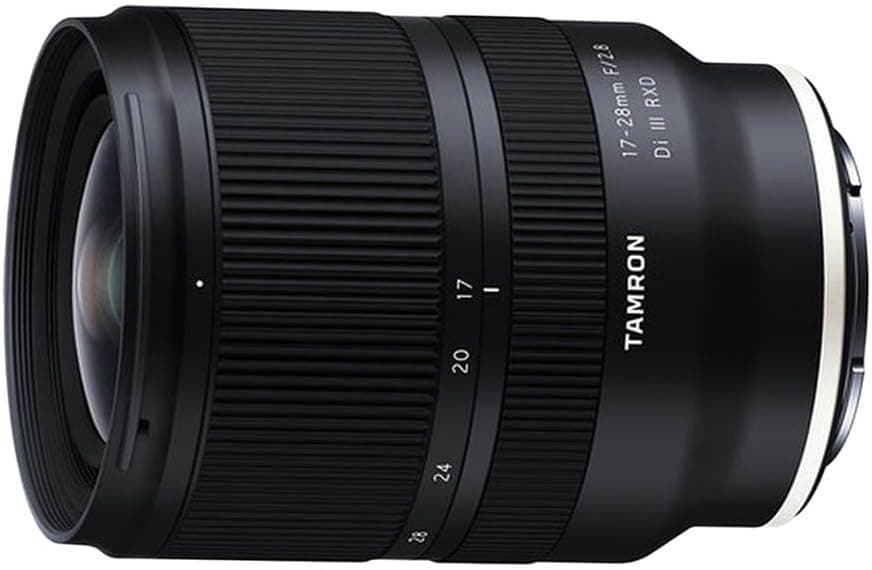
Tamron 17-28mm f/2.8 Di III RXD
Wide enough for landscapes and interiors without the size of a premium 16-35mm.
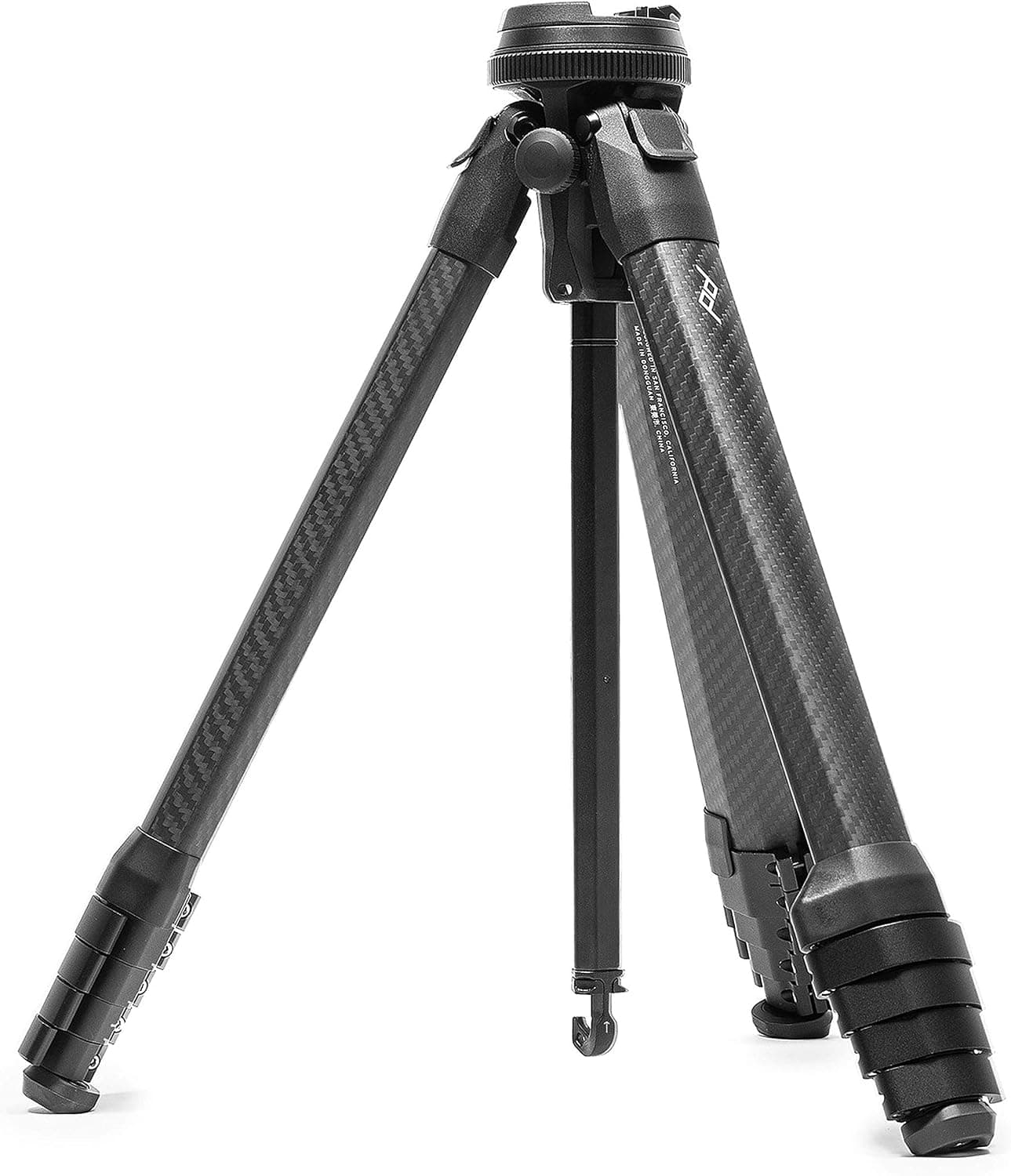
Peak Design Travel Tripod (Carbon)
The point of a travel tripod is bringing it. This one packs small and stays serious.
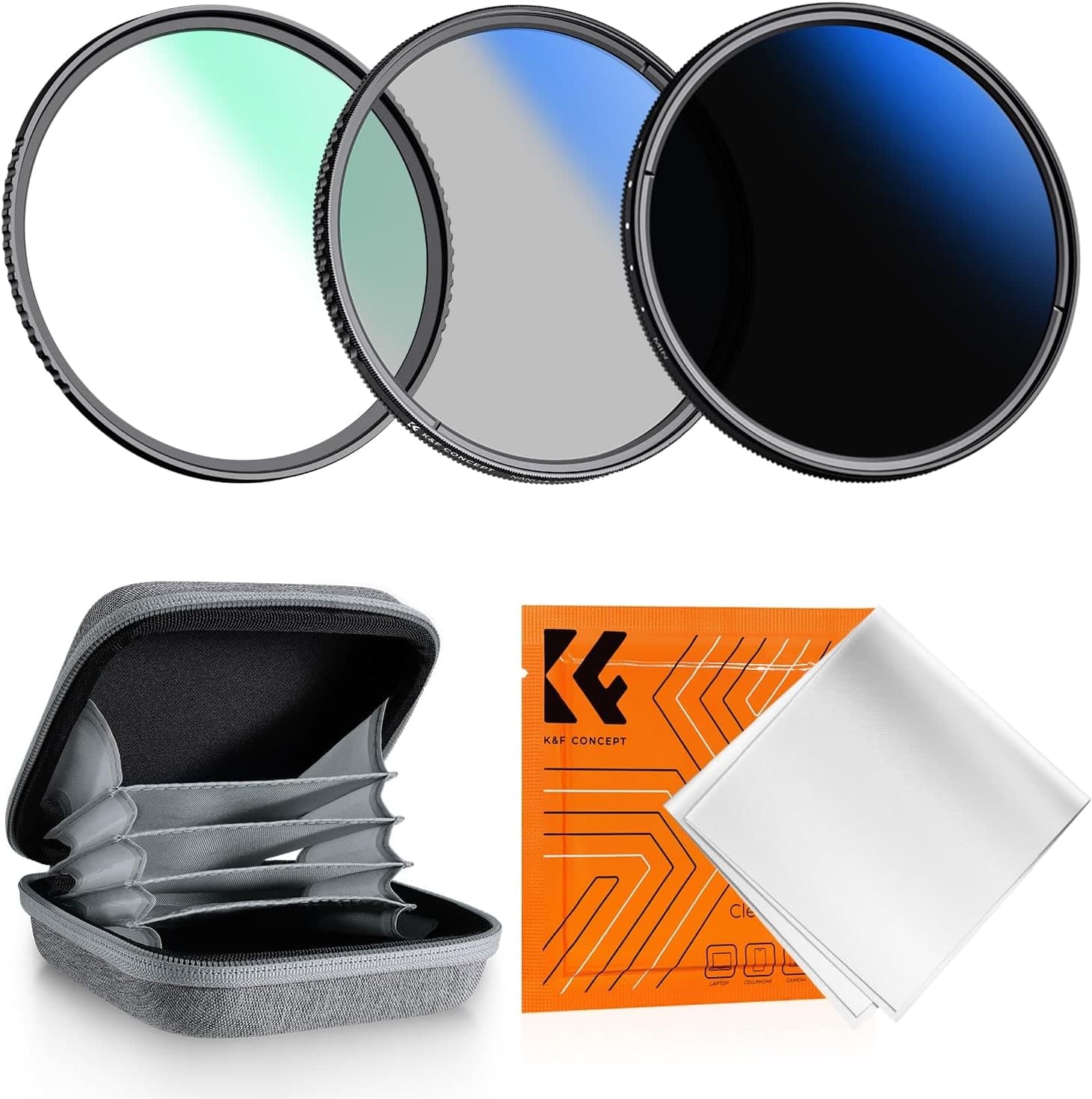
K&F Concept 77mm UV/CPL/ND2-400 Filter Kit
CPL and ND coverage for water, skies, reflections, and slower shutters.
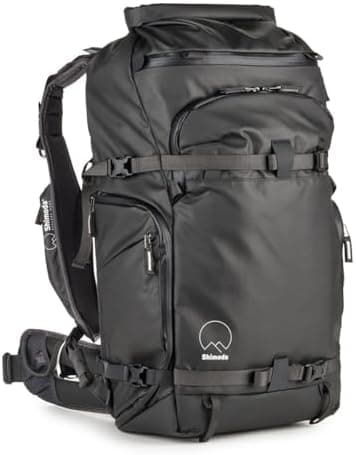
Shimoda Action X30 V2
A real harness matters once camera gear and outdoor layers share the same bag.
Prices are rough catalog totals. Retailer prices change, and you can swap pieces to fit your system.
Related Learn guides

Content Credentials and C2PA Explained for Photographers
Content Credentials record a photo's signed provenance and edits. Learn what C2PA proves, what it cannot prove, and how capture-to-export workflows work.
Open Gate Video Explained: When 3:2 Is Worth It
Open Gate records a taller sensor area for flexible 16:9, 9:16, and square crops. See when it helps, what it costs, and how to frame it correctly.
Pre-Capture Photography Explained: Get the Frame Before the Click
Pre-Capture buffers photos before the shutter is fully pressed. Learn how it works, which settings change, and when RAW, flash, or focus may be limited.
RAW vs JPEG: Which File Format Should You Shoot?
RAW keeps all your sensor data for maximum editing freedom; JPEG is smaller and ready to share. Here is how they differ and when each one is the right call.
Researched, not personally tested: picks compare specifications, available owner feedback, and established expert sources. As an Amazon Associate I earn from qualifying purchases. We may earn a commission from links here, at no extra cost to you. How we research →