We may earn a commission from links on this page, at no extra cost to you. Picks are researched, not sponsored.
What this means in real life
A stage is dark, the lighting changes constantly, the performer is moving, and flash is almost always banned. That combination forces a single priority: gather enough light to get a fast enough shutter without an unusable amount of noise. Almost every decision flows from that. You will shoot at apertures and ISOs you would never use in daylight, and you will accept some grain as the price of a sharp, well-timed frame.
The gear
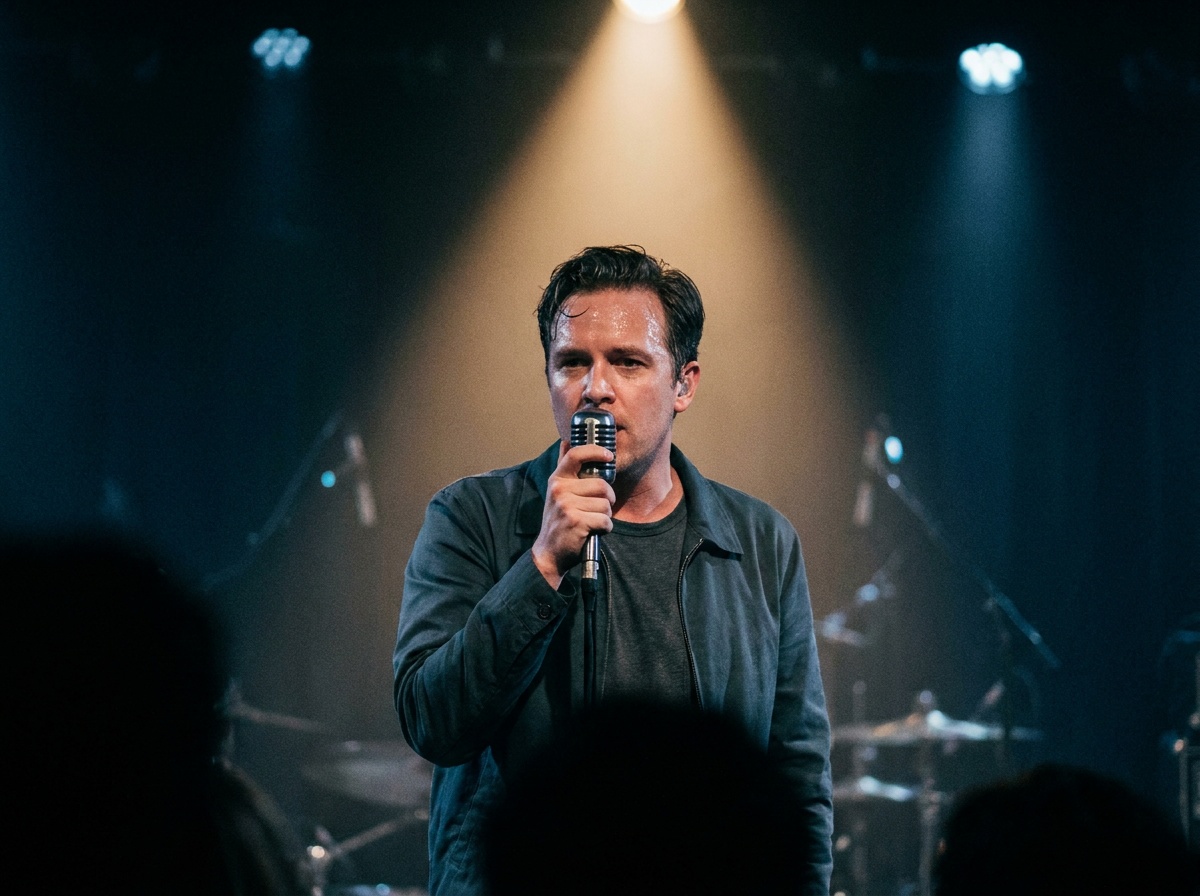
A fast prime lens is the core tool, something that opens to f/1.8 or f/1.4, because that extra light is the difference between a sharp shot and a blurry one in a dark venue. The portrait lens guide and the 50mm lens guide cover fast primes that double well for stage work. A camera body that holds up at high ISO matters more here than in almost any other genre. Leave the tripod at home; venues are crowded, the band is moving, and you need to move with it. Check the venue's camera policy before you go, since many restrict interchangeable-lens cameras.
The settings
Light is the enemy and the shutter speed is non-negotiable, so the aperture opens wide and the ISO floats.
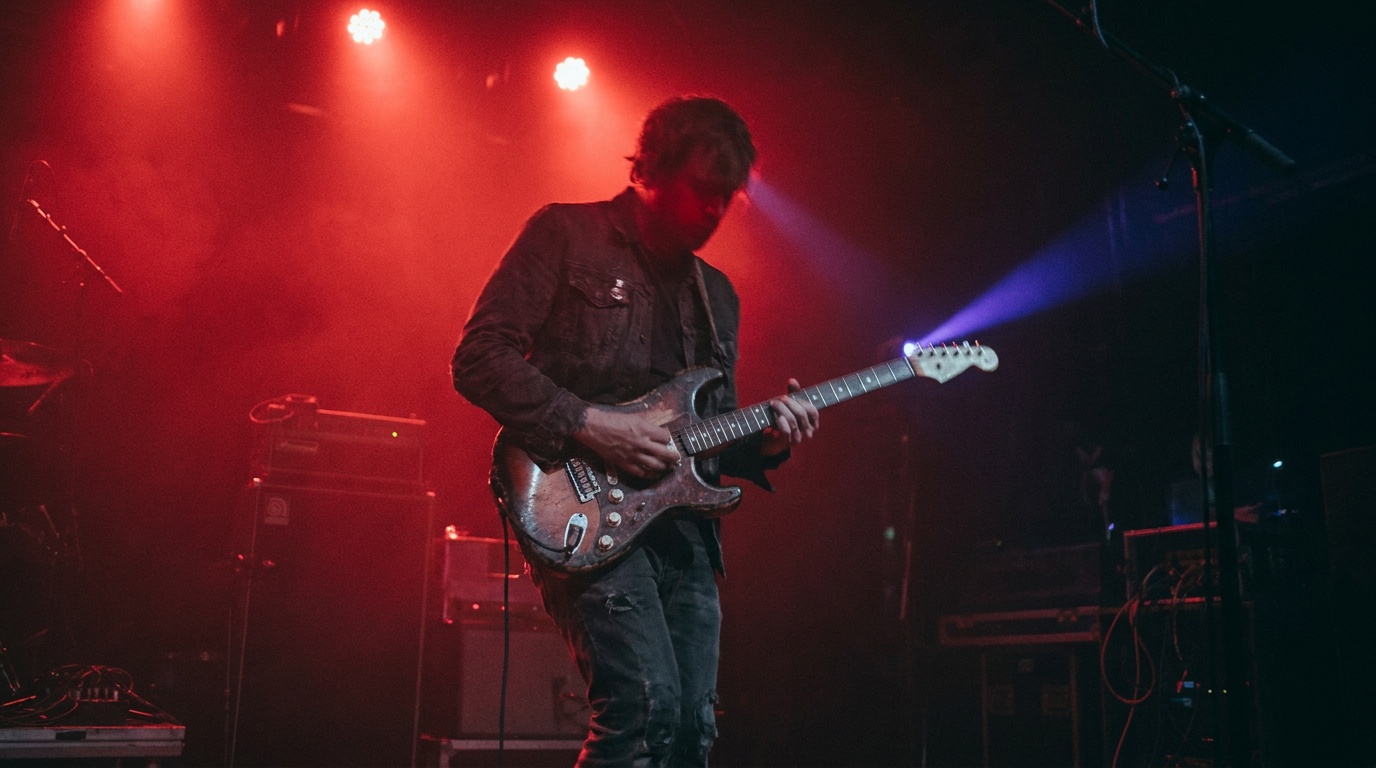
Stage lighting throws strong color, often deep red or blue, that the camera's auto white balance handles badly. Shooting raw lets you correct it after the fact instead of fighting it live. Spot metering helps too: set the meter to read a small central area and put the performer's face there, so the camera exposes for the lit subject rather than averaging in all that black.
The technique
Watch the light and shoot on the peaks. Stage lighting pulses, and there are brief moments when a performer is brightly and evenly lit; that is your window. Use continuous autofocus so the camera tracks a moving subject, and aim for the eyes. Shoot in short bursts to catch the moment a gesture or expression peaks. Meter for the performer's face, not the dark surround, or the camera will overexpose trying to brighten the black background and blow out the spotlight.
Common mistakes
The first is too slow a shutter, which turns motion into a smear; protect the shutter speed before you worry about noise. The second is fighting the color in-camera instead of shooting raw and fixing it later. The third is exposing for the whole dark frame, which blows out the lit performer. The fourth is staying in one spot; small changes in angle put the light behind, beside, or in front of the subject and completely change the shot.
What ISO should I use at a concert?
Whatever it takes to keep a fast shutter speed, often ISO 3200 to 6400 or higher. Set ISO to auto with a ceiling you find acceptable. A sharp, slightly noisy photo beats a clean, blurry one every time.
Can I use flash at a concert?
Almost never. Most venues ban it, it disrupts the performance, and it flattens the dramatic stage lighting that makes concert photos look good. Solve the light with a fast lens and high ISO instead.
Why are the colors so strange in my concert photos?
Stage lights throw heavy color casts that confuse auto white balance. Shoot raw and correct the white balance afterward, where you have far more latitude than a finished JPEG gives you.
Where this fits
Concert work shares its DNA with low-light indoor shooting and with portrait photography, since you are ultimately making portraits of performers under brutal conditions. The settings above are the exposure triangle pushed to its low-light limit, so fluency with those three controls is what lets you react fast when the lights change.
Practice this
Turn the guide into a working setup
Shoot kits
Buy around the job, not the spec sheet
Live coverage
Event and wedding kit
$5,967
A dependable hybrid body, fast telephoto, round-head flash, clean audio, fast card, and small carry setup for long days with no second chances.
Best paid-event base kit
Buy order: start with the first piece that makes the job possible, then add the support pieces that remove friction.
Camera: start here. If this piece does not make the shoot easier, the rest of the kit can wait.
Carry: add it after the core setup proves useful.
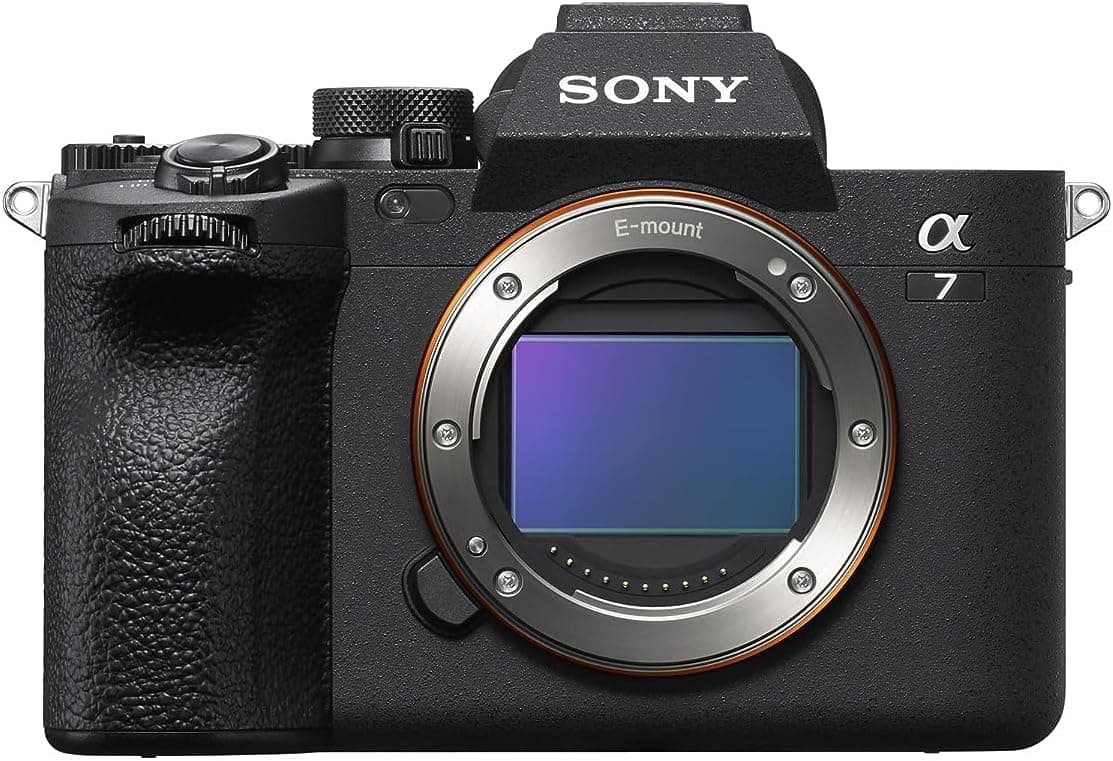
Sony a7 IV
Balanced stills and video, reliable eye autofocus, dual card slots, and enough resolution for delivery crops.
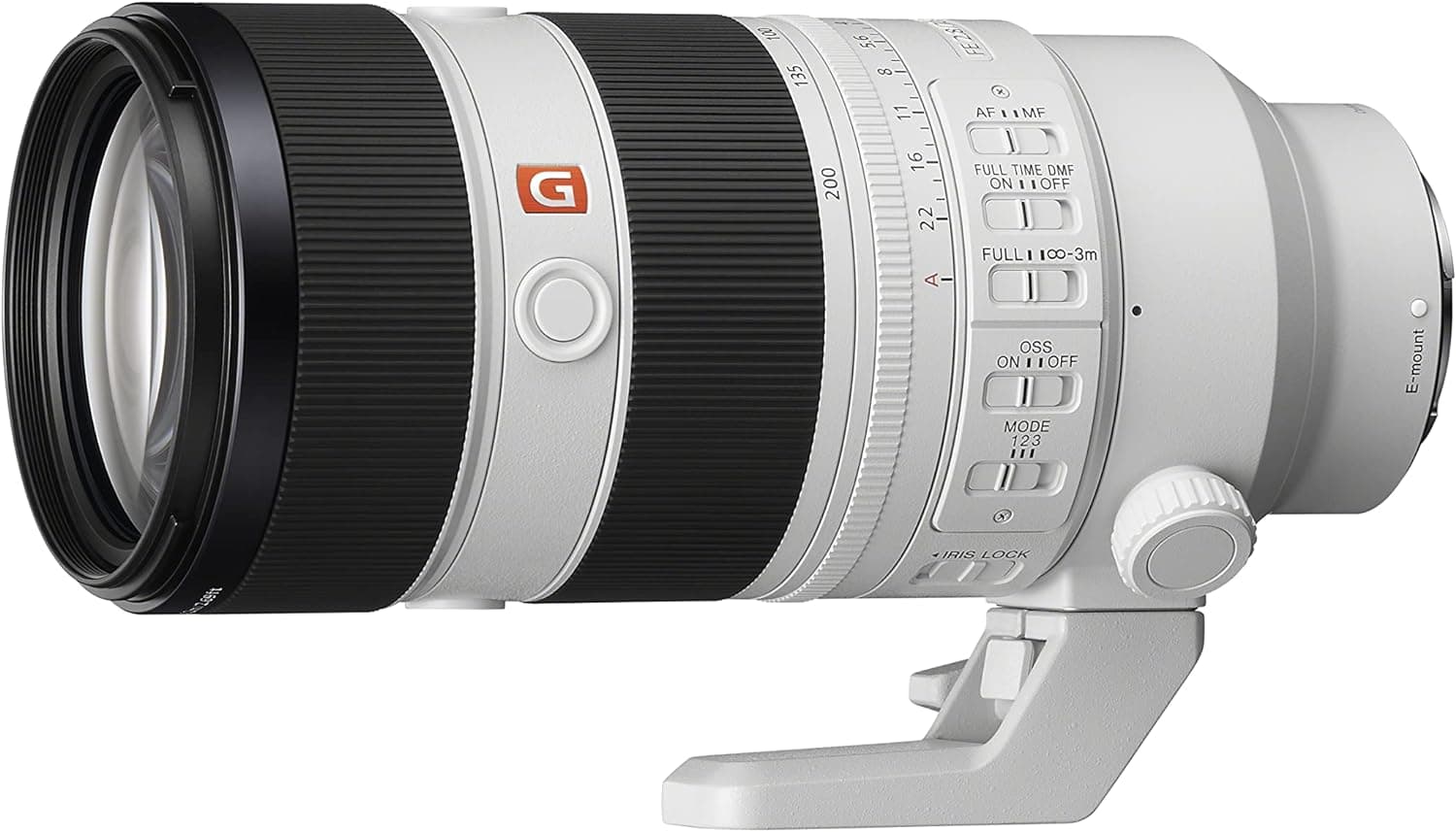
Sony FE 70-200mm f/2.8 GM OSS II
Reach and subject separation for ceremonies, speeches, stage work, and candids from across a room.
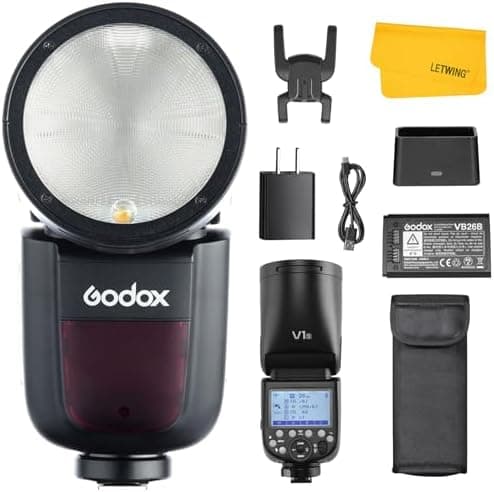
Godox V1
Soft bounce, fast recycle, and the Godox radio system for a first off-camera light.
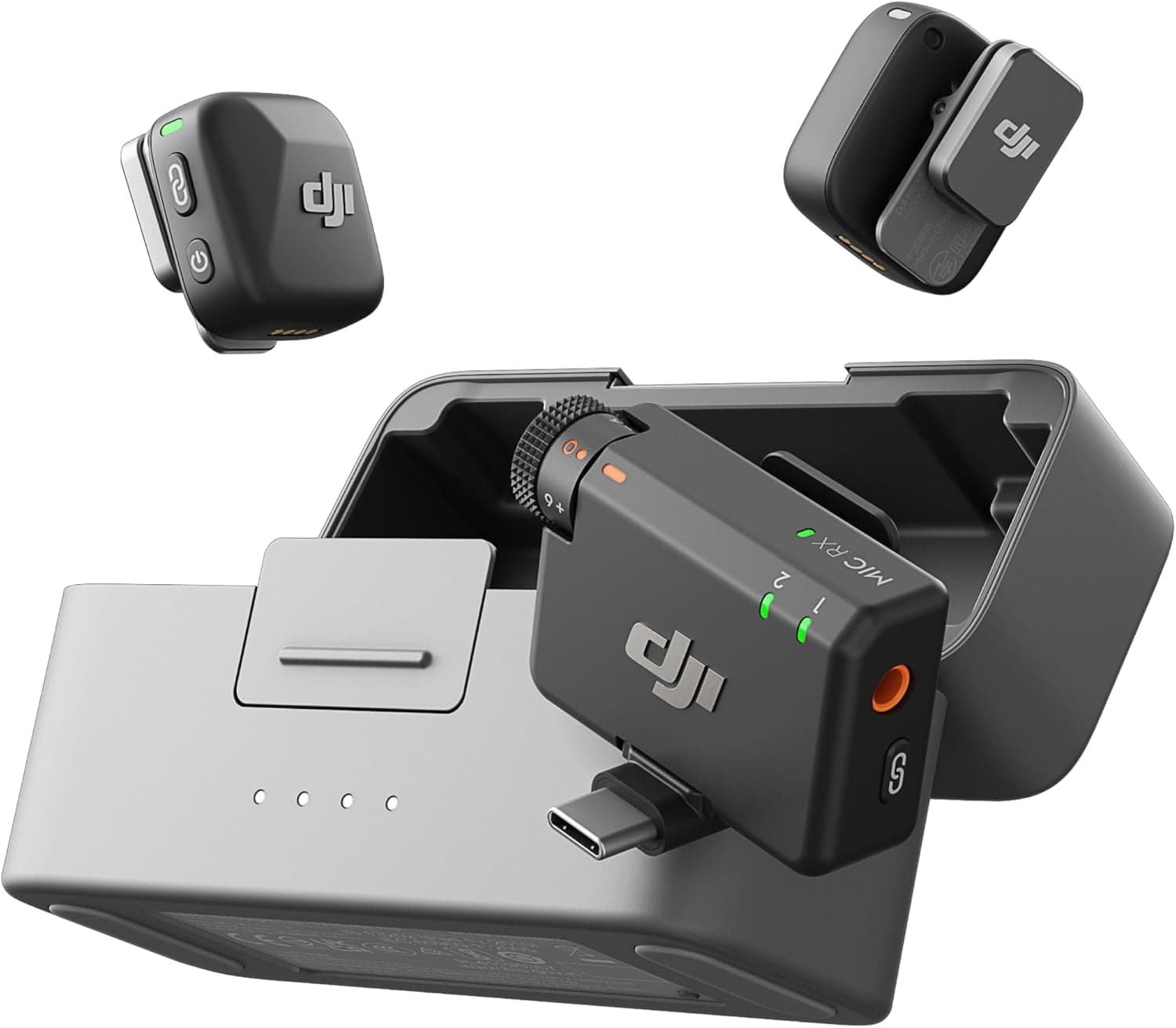
DJI Mic 2
A simple backup for vows, interviews, speeches, and behind-the-scenes clips.
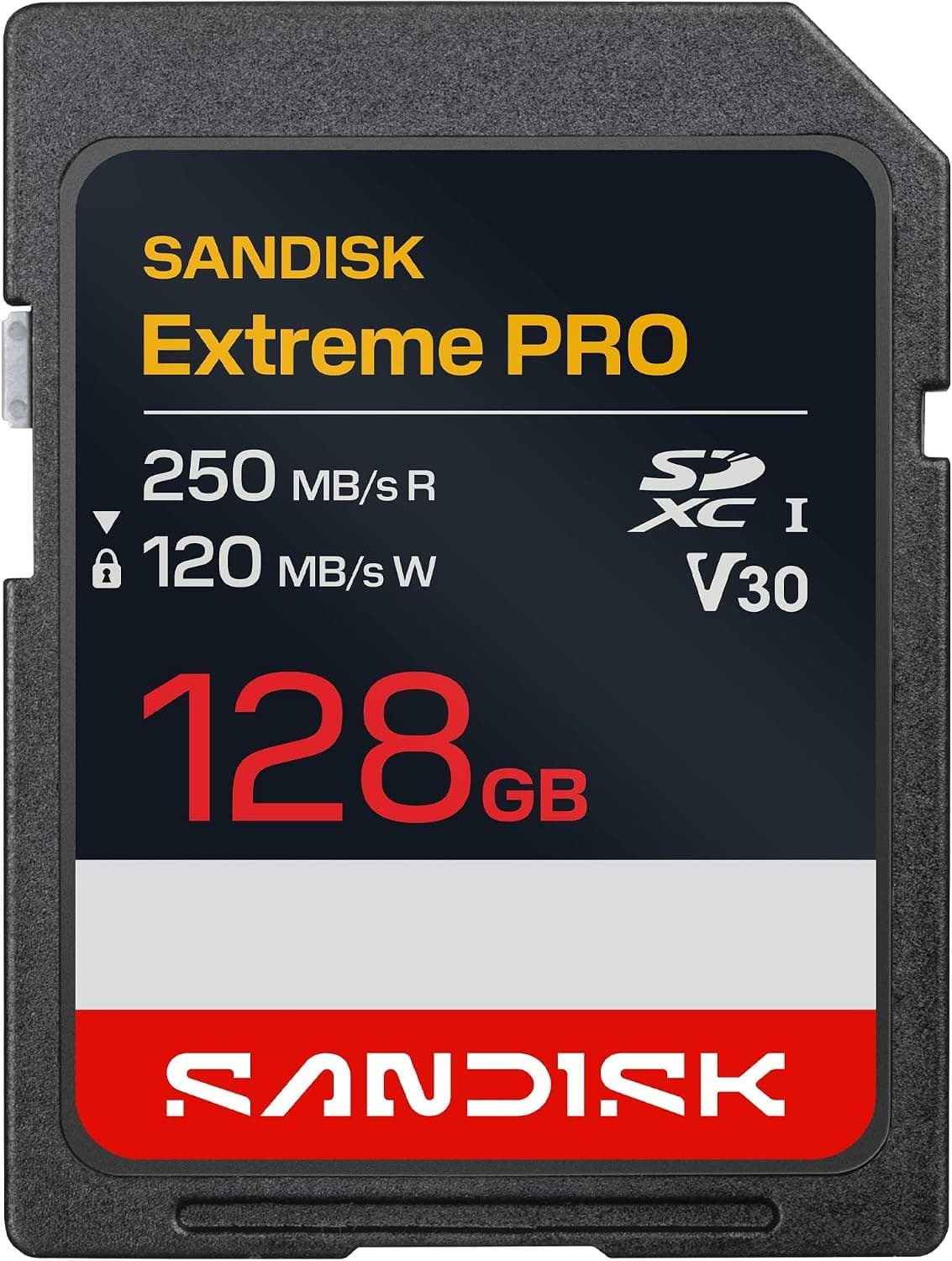
SanDisk Extreme Pro SDXC 128GB
A practical card tier for hybrid bodies shooting stills, bursts, and normal 4K capture.
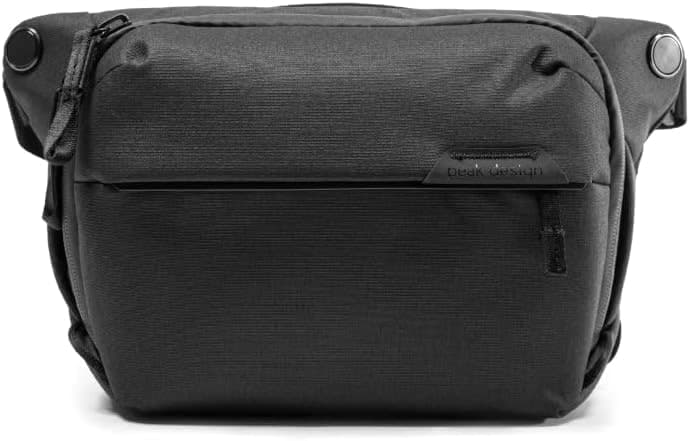
Peak Design Everyday Sling 6L V2
Keeps a body, flash, batteries, and small lens changes close without wearing a full backpack during coverage.
Prices are rough catalog totals. Retailer prices change, and you can swap pieces to fit your system.
Related Learn guides
Content Credentials and C2PA Explained for Photographers
Content Credentials record a photo's signed provenance and edits. Learn what C2PA proves, what it cannot prove, and how capture-to-export workflows work.
Open Gate Video Explained: When 3:2 Is Worth It
Open Gate records a taller sensor area for flexible 16:9, 9:16, and square crops. See when it helps, what it costs, and how to frame it correctly.
Pre-Capture Photography Explained: Get the Frame Before the Click
Pre-Capture buffers photos before the shutter is fully pressed. Learn how it works, which settings change, and when RAW, flash, or focus may be limited.
RAW vs JPEG: Which File Format Should You Shoot?
RAW keeps all your sensor data for maximum editing freedom; JPEG is smaller and ready to share. Here is how they differ and when each one is the right call.
Researched, not personally tested: picks compare specifications, available owner feedback, and established expert sources. As an Amazon Associate I earn from qualifying purchases. We may earn a commission from links here, at no extra cost to you. How we research →