We may earn a commission from links on this page, at no extra cost to you. Picks are researched, not sponsored.
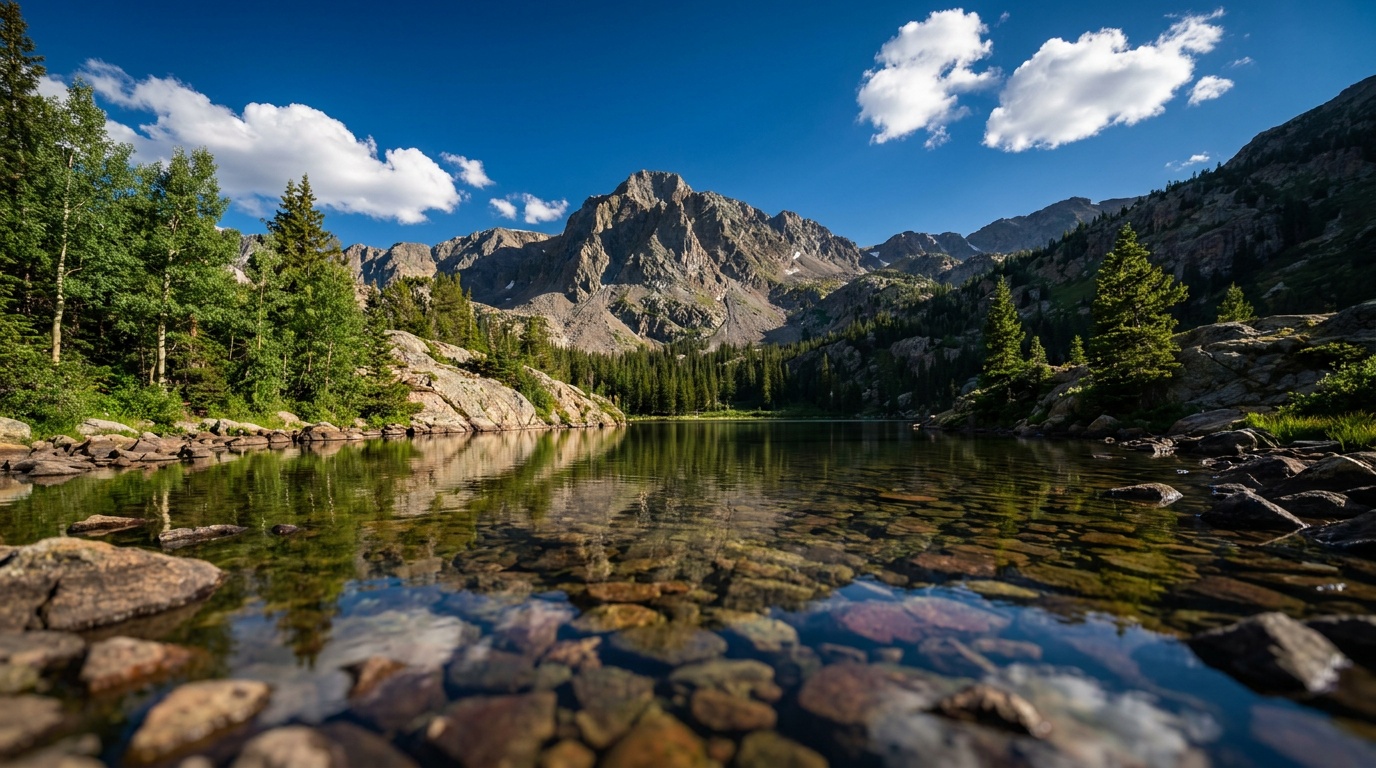
A circular polarizer (CPL) is the one filter whose effect software cannot fully replicate. By rotating the front element you cut reflected glare off non-metallic surfaces (water, leaves, glass, wet rock), which deepens a blue sky, saturates foliage, and lets you see into a stream or through a window. That makes it core kit for landscape photography, architecture photography, and any scene with water or shine. Unlike a neutral density filter, which only darkens, a polarizer changes what light reaches the sensor.
If you also want to slow your shutter for silky water and moving clouds, that is a different tool; see our best ND filters guide. For balancing the darker exposure a polarizer introduces, the exposure triangle explains the trade.
How to choose
Three things decide a CPL. Light transmission and color neutrality, because a polarizer cuts one to two stops of light by design, and cheap glass adds a color cast on top; better filters transmit more light and stay neutral. Coatings, since multi-coating reduces flare and reflections, and an antistatic or water-repellent coating keeps dust and droplets off in the field. Build and thread size, because a slim frame avoids vignetting on wide lenses, and you should buy the filter to fit your largest lens thread, then use step-up rings on smaller lenses.
After that, weigh whether you want a kit. If you are starting from nothing, a bundle that pairs a CPL with UV and ND filters saves money and gets you a working set in one purchase.
The picks
Research pick
K&F Concept Nano-X CPL 77mm
Budget-minded shooters trying a polarizer for the first time.
Check price at AmazonThe K&F Concept Nano-X CPL is the pick for most shooters. It delivers strong glare reduction, good color neutrality, and multi-coated, water-repellent glass at a price well below the premium brands. For a shooter who wants the polarizing effect without paying flagship money, it covers the fundamentals well. If you want premium glass instead, see the Hoya below.
Research pick
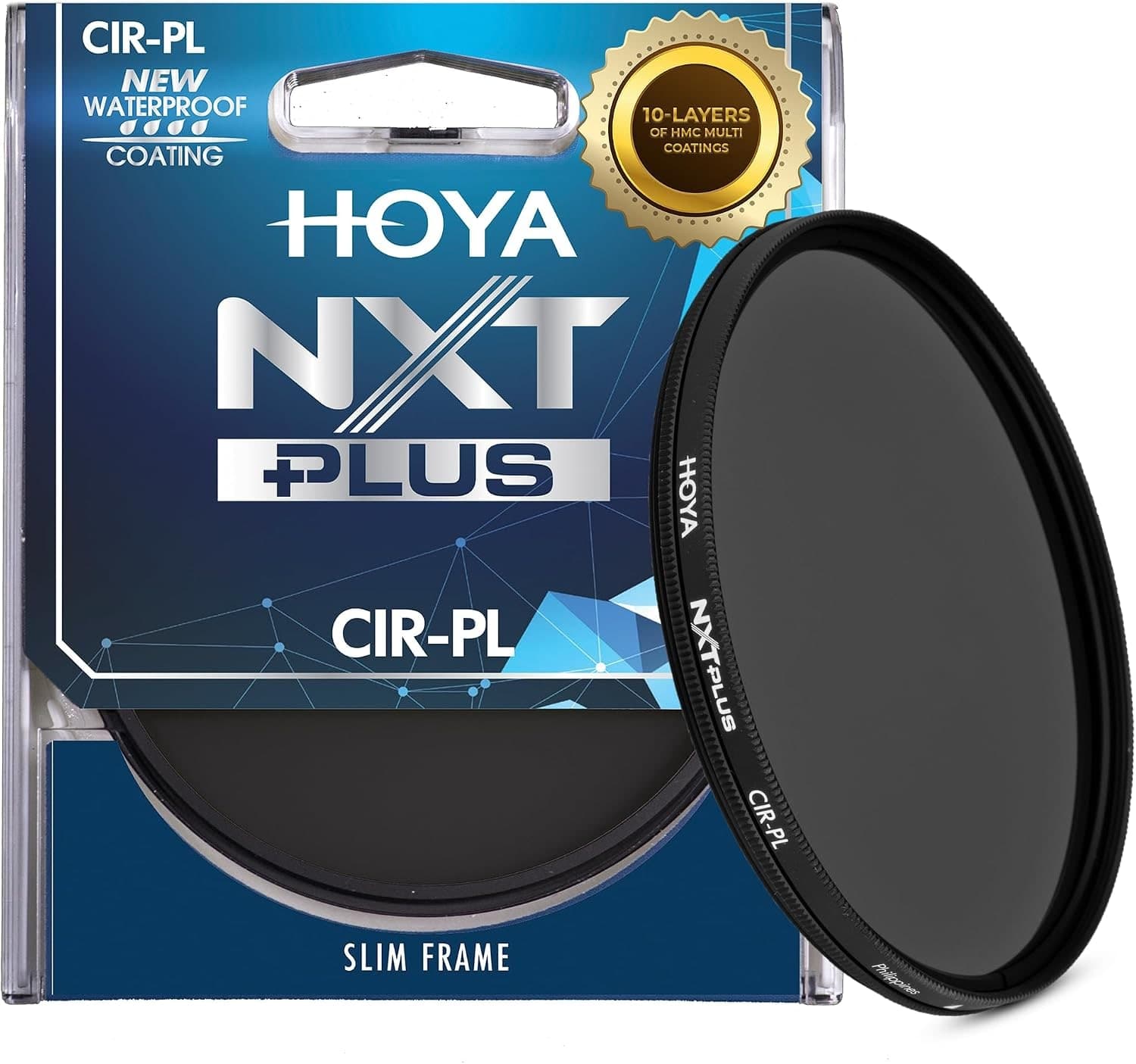
Hoya NXT Plus CPL 77mm
Landscape and travel shooters who want premium Hoya glass that is actually in stock.
Check price at AmazonThe Hoya NXT Plus CPL is the premium pick that is actually in stock. Hoya's Fusion Antistatic, long the default premium polarizer, is unavailable on Amazon as of September 26, 2026. The NXT Plus uses 10-layer multi-coating with a water- and smudge-repellent top coat, and Hoya lists a 1.72 filter factor, under one stop of light loss, which is low for a polarizer. At about $121 it costs more than twice the K&F, so buy it when flare control and easy cleaning in wet conditions matter.
Research pick
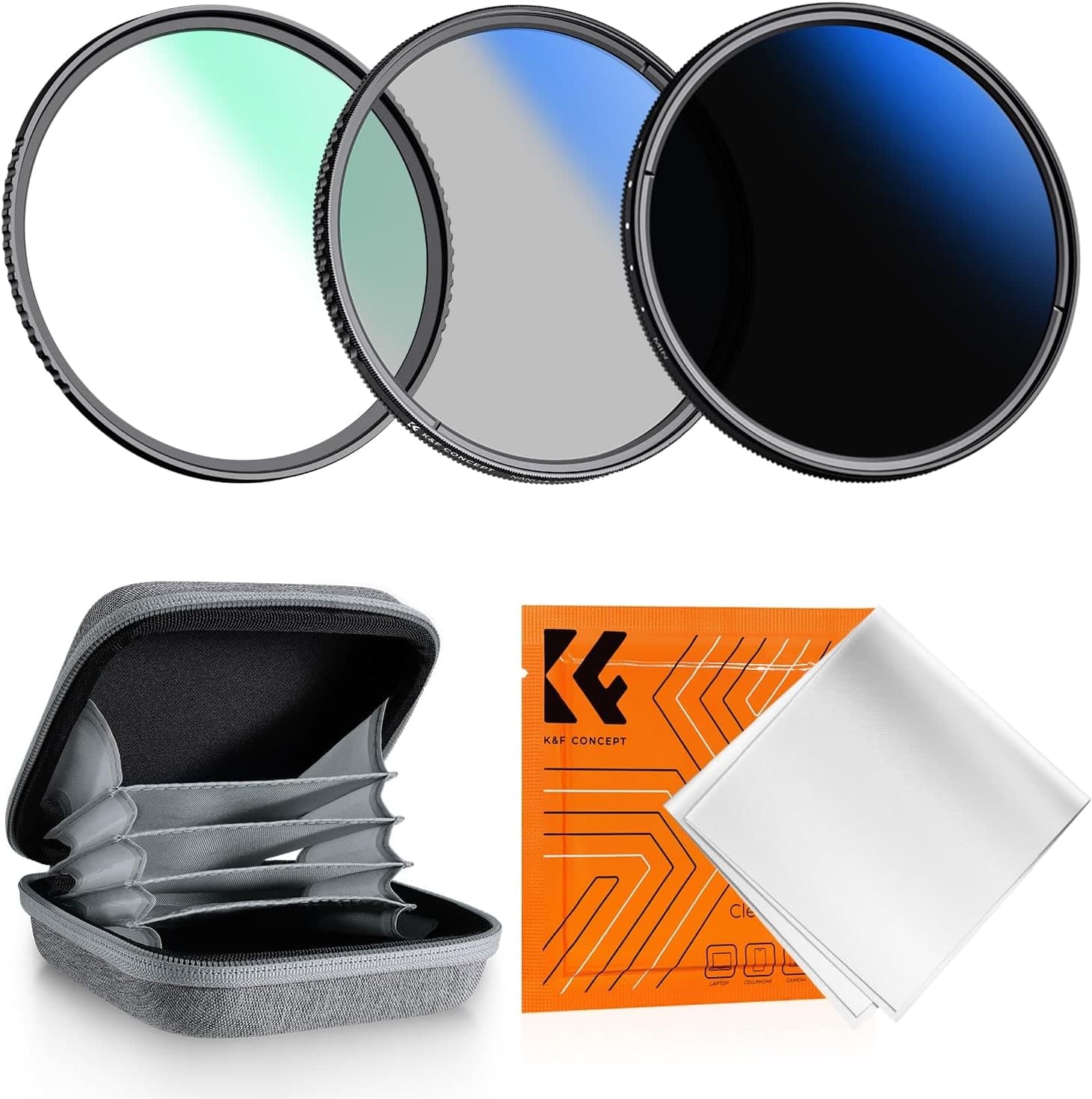
K&F Concept 77mm UV/CPL/ND2-400 Filter Kit
New shooters outfitting one lens with the core filters.
Check price at AmazonThe K&F Concept Nano-X filter kit (UV, CPL, ND) is the pick for building a kit from scratch. You get a polarizer for glare and skies, a neutral density filter for long exposures and bright light, and a protective UV filter, all coated and in one case, for less than buying them separately. For a new landscape or travel shooter who wants a complete filter set in a single purchase, the bundle is the sensible starting point.
How to use a polarizer

A CPL works by rotation, and its strength depends on your angle to the sun. The effect is strongest when you shoot 90 degrees from the sun (point your finger at the sun, and your thumb sweeps the band of maximum polarization across the sky) and weakest when you shoot toward or away from it. Mount the filter, then turn the front ring while watching the viewfinder until the glare drops and the sky deepens to the look you want; rotating past that point can overdo it and leave an unnaturally dark, uneven sky. On very wide lenses the polarization across a big sky can look patchy, so dial it back. Expect to lose one to two stops of light, which means a slower shutter or higher ISO.
Common mistakes
The most common one is leaving the polarizer on all the time. It costs light and is pointless (sometimes harmful) when there is no glare to cut or when you want reflections, as in a mirror-still lake shot; take it off when it is not earning its keep. The second is over-rotating on a wide-angle sky, which leaves a dark, uneven band that looks fake; ease off until the sky reads natural. The third is buying cheap glass that adds a color cast and degrades sharpness; a polarizer sits in front of every other element, so its quality limits the whole image. Learn the field uses in the landscape photography and architecture photography guides.
Can I add a polarizer effect in editing?
No, not truly. Software can boost saturation and darken a sky, but it cannot remove the actual reflected glare off water, leaves, or glass, because that information is baked into the captured light. Cutting through a reflection to see into a stream, or removing the sheen off wet foliage, only happens optically at capture. That is what makes the polarizer the one filter worth carrying even in the digital era.
What thread size should I buy?
Buy the filter to fit your largest lens thread, then use inexpensive step-up rings to mount it on smaller lenses. A common pro size is 77mm. Buying one good filter for your biggest lens and adapting it down is cheaper and better than buying a separate filter for every lens.
Does a polarizer replace an ND filter?
No. A polarizer cuts glare and deepens color while removing one to two stops of light as a side effect; a neutral density filter only darkens, in controlled amounts, so you can use slow shutter speeds for silky water and motion blur. They do different jobs and many shooters carry both. See our best ND filters guide for the long-exposure tool.
Compare picks
The short version
Use this to narrow the list before opening the detailed cards.
Scores weigh fit, owner sentiment, build, and value. Affiliate links do not change pick order. Methodology
Buying order
Start with the skip note. A good deal on the wrong camera is still the wrong camera.
Compare verdictsIf you already own lenses, check the system path before buying into a new mount.
Check systemsOnce the fit makes sense, compare current deals and retailer listings.
Check current deals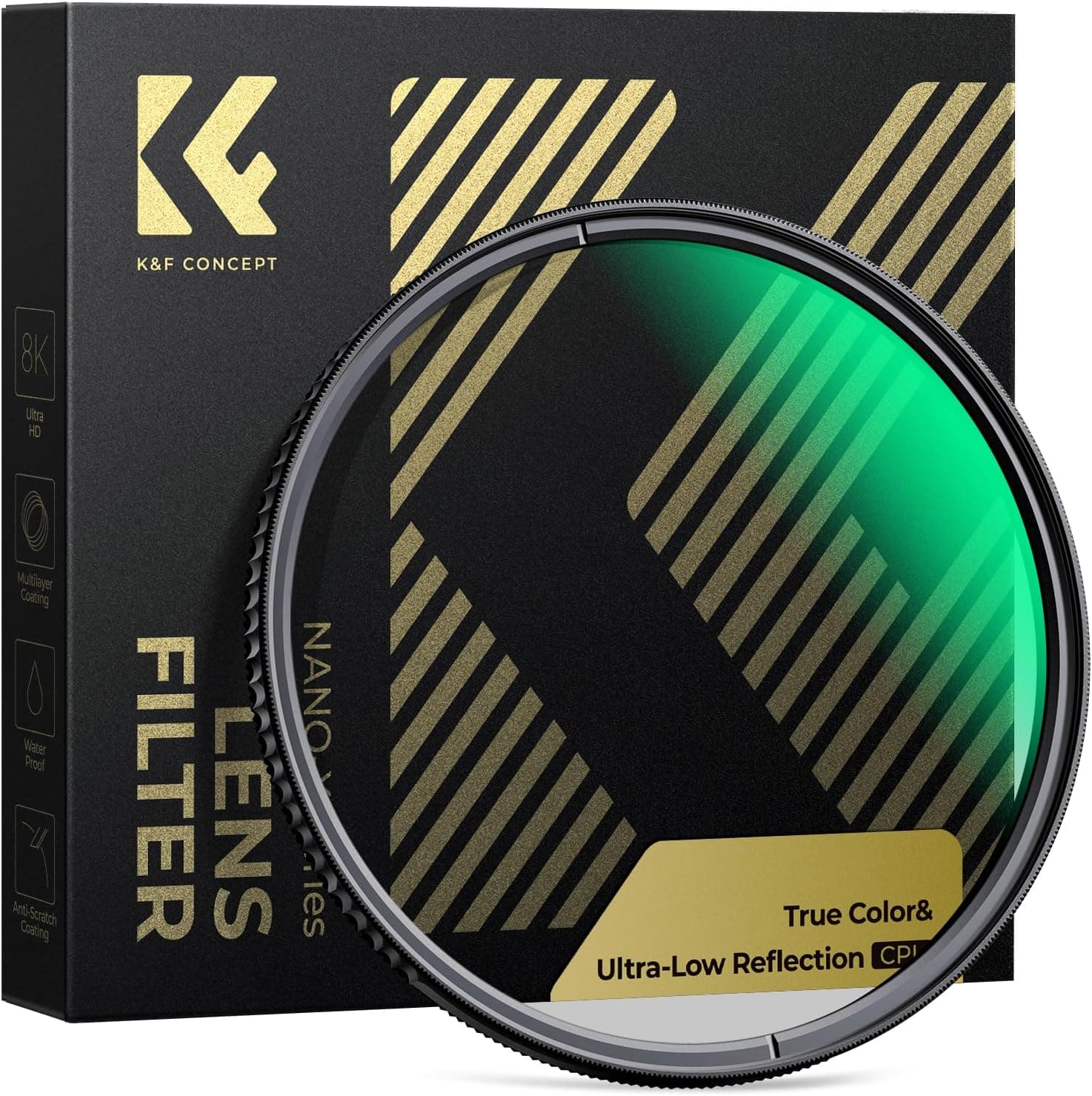
Budget-minded shooters trying a polarizer for the first time.
Use the retailer for the current price after the tradeoff makes sense. Confirm thread size, adapter rings, stop strength, and whether color shift matters.
Tradeoff: Single thread size only
Use the retailer for the current price after the tradeoff makes sense. Confirm thread size, adapter rings, stop strength, and whether color shift matters.
8.4/10 Aperture Score
Use the retailer for the current price after the tradeoff makes sense. Confirm thread size, adapter rings, stop strength, and whether color shift matters.
- Budget-minded shooters trying a polarizer for the first time.
- Inexpensive
- Slight color shift
Use the retailer for the current price after the tradeoff makes sense. Confirm thread size, adapter rings, stop strength, and whether color shift matters.
- Landscape and travel shooters who want premium Hoya glass that is actually in stock.
- Low light loss for a polarizer
- More than twice the price of the K&F
Use the retailer for the current price after the tradeoff makes sense. Confirm thread size, adapter rings, stop strength, and whether color shift matters.
- New shooters outfitting one lens with the core filters.
- Covers three common needs
- Single thread size only
Use the retailer for the current price after the tradeoff makes sense. Confirm thread size, adapter rings, stop strength, and whether color shift matters.
| Pick | Score | Price | Verdict | Action |
|---|---|---|---|---|
| PickK&F Concept Nano-X CPL 77mm | 8.1
| $48 - $55 | Budget-minded shooters trying a polarizer for the first time. Wins: Inexpensive Skip: Slight color shift | Check Amazon · $48 - $55 Use the retailer for the current price after the tradeoff makes sense. Confirm thread size, adapter rings, stop strength, and whether color shift matters. |
| PickHoya NXT Plus CPL 77mm | 8.4
| $120 - $135 | Landscape and travel shooters who want premium Hoya glass that is actually in stock. Wins: Low light loss for a polarizer Skip: More than twice the price of the K&F | Check Amazon · $120 - $135 Use the retailer for the current price after the tradeoff makes sense. Confirm thread size, adapter rings, stop strength, and whether color shift matters. |
| PickK&F Concept 77mm UV/CPL/ND2-400 Filter Kit | 8.3
| $40 - $55 | New shooters outfitting one lens with the core filters. Wins: Covers three common needs Skip: Single thread size only | Check Amazon · $40 - $55 Use the retailer for the current price after the tradeoff makes sense. Confirm thread size, adapter rings, stop strength, and whether color shift matters. |
Keep going
Next useful steps
Pick one. Each link continues the same job without starting the research over.
Shoot kits
Buy around the job, not the spec sheet
Travel landscape
Travel landscape kit
$4,465
A light full-frame body, wide zoom, serious travel tripod, filters, and a bag that can handle rough days outside.
Light but not flimsy
Buy order: start with the first piece that makes the job possible, then add the support pieces that remove friction.
Camera: start here. If this piece does not make the shoot easier, the rest of the kit can wait.
Carry: add it after the core setup proves useful.
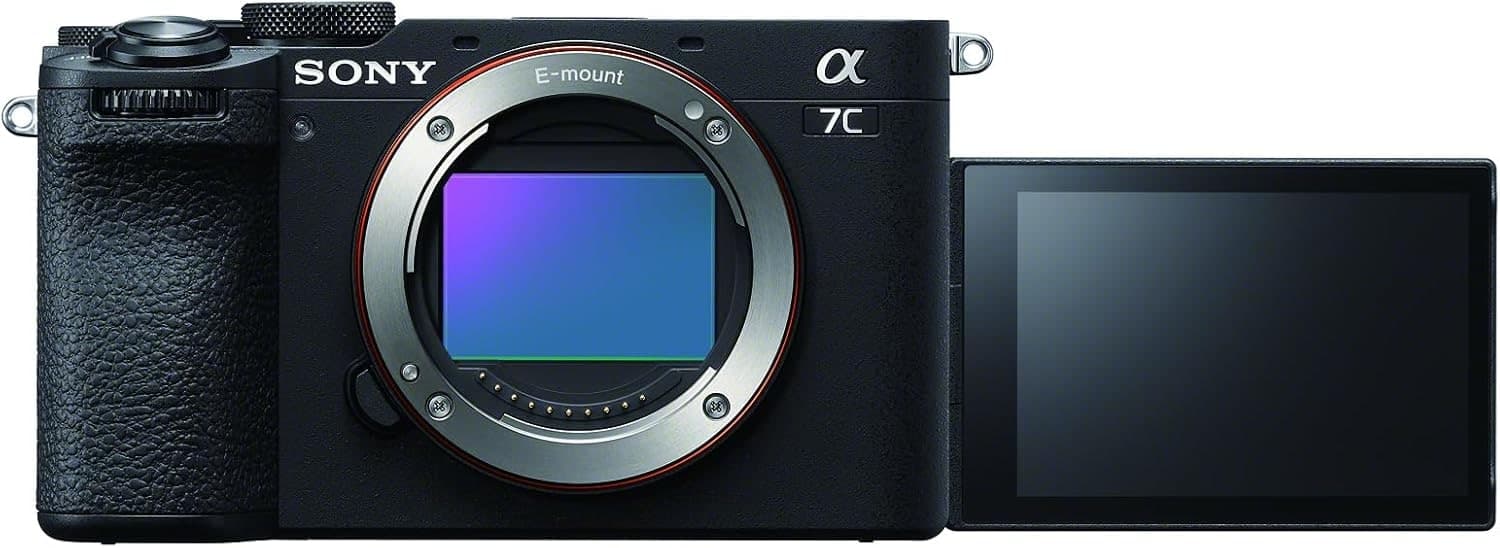
Sony a7C II
Full-frame files in a smaller body, with autofocus and stabilization that travel well.
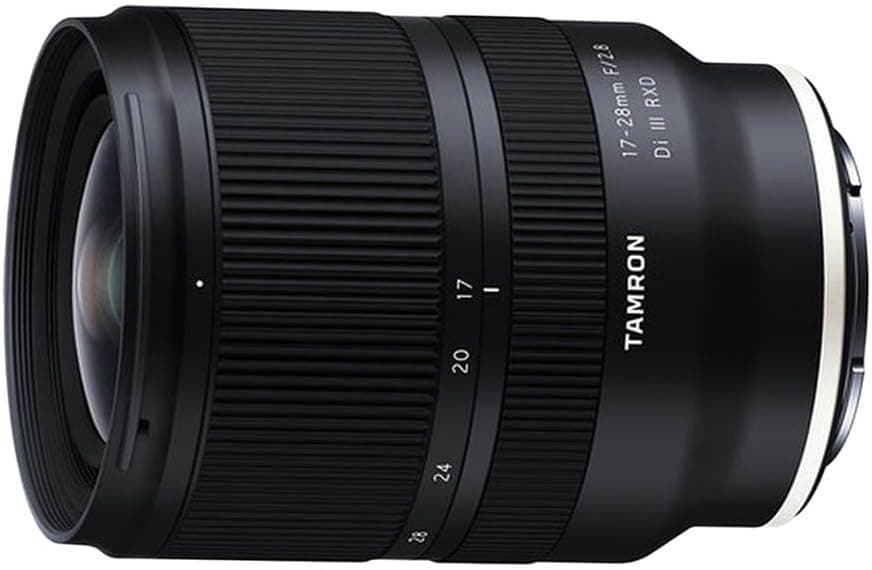
Tamron 17-28mm f/2.8 Di III RXD
Wide enough for landscapes and interiors without the size of a premium 16-35mm.
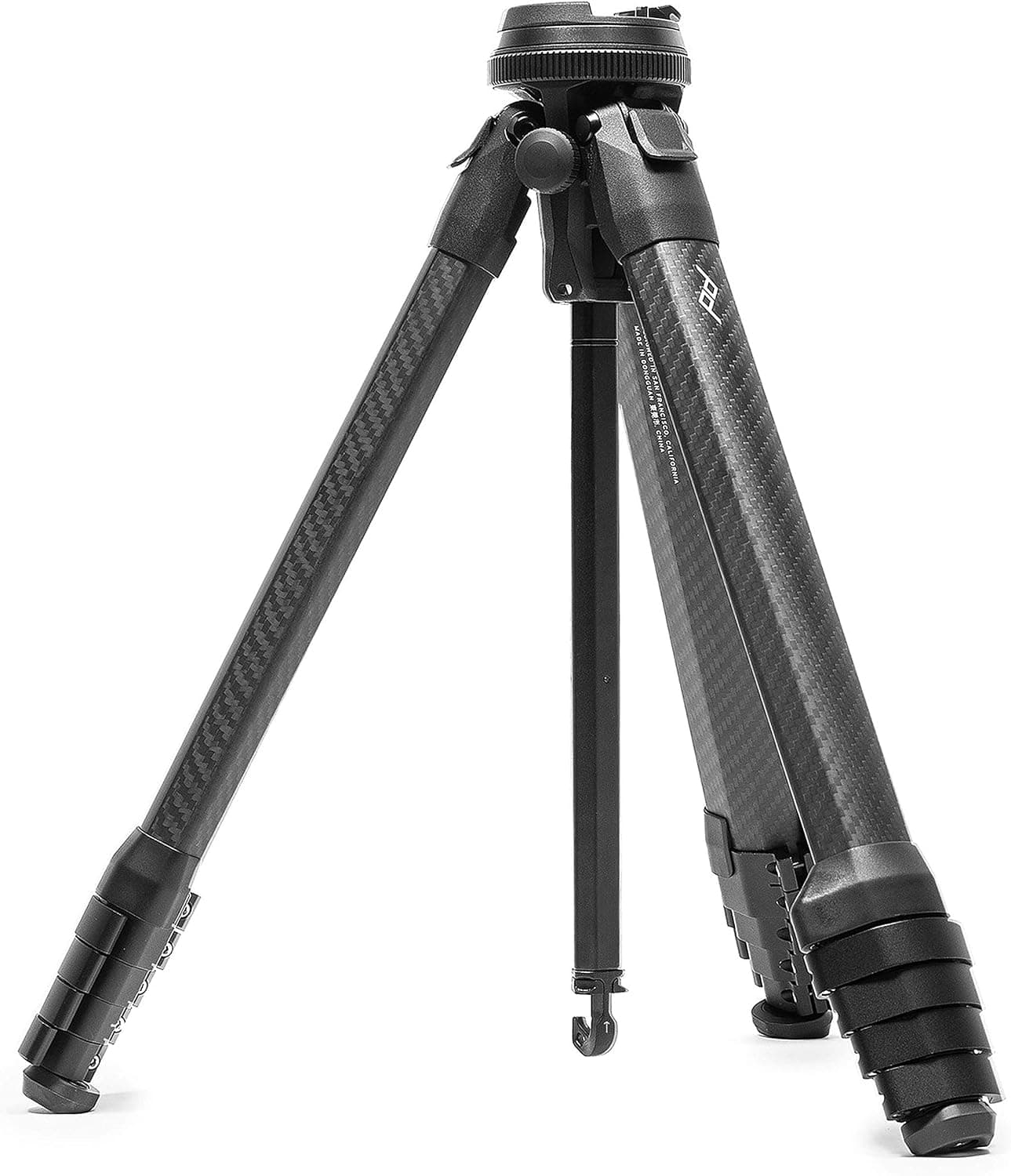
Peak Design Travel Tripod (Carbon)
The point of a travel tripod is bringing it. This one packs small and stays serious.
K&F Concept 77mm UV/CPL/ND2-400 Filter Kit
CPL and ND coverage for water, skies, reflections, and slower shutters.
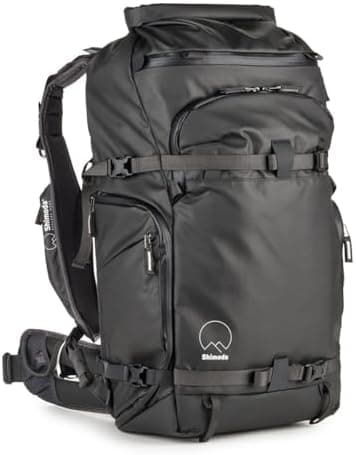
Shimoda Action X30 V2
A real harness matters once camera gear and outdoor layers share the same bag.
Prices are rough catalog totals. Retailer prices change, and you can swap pieces to fit your system.
Related Gear guides
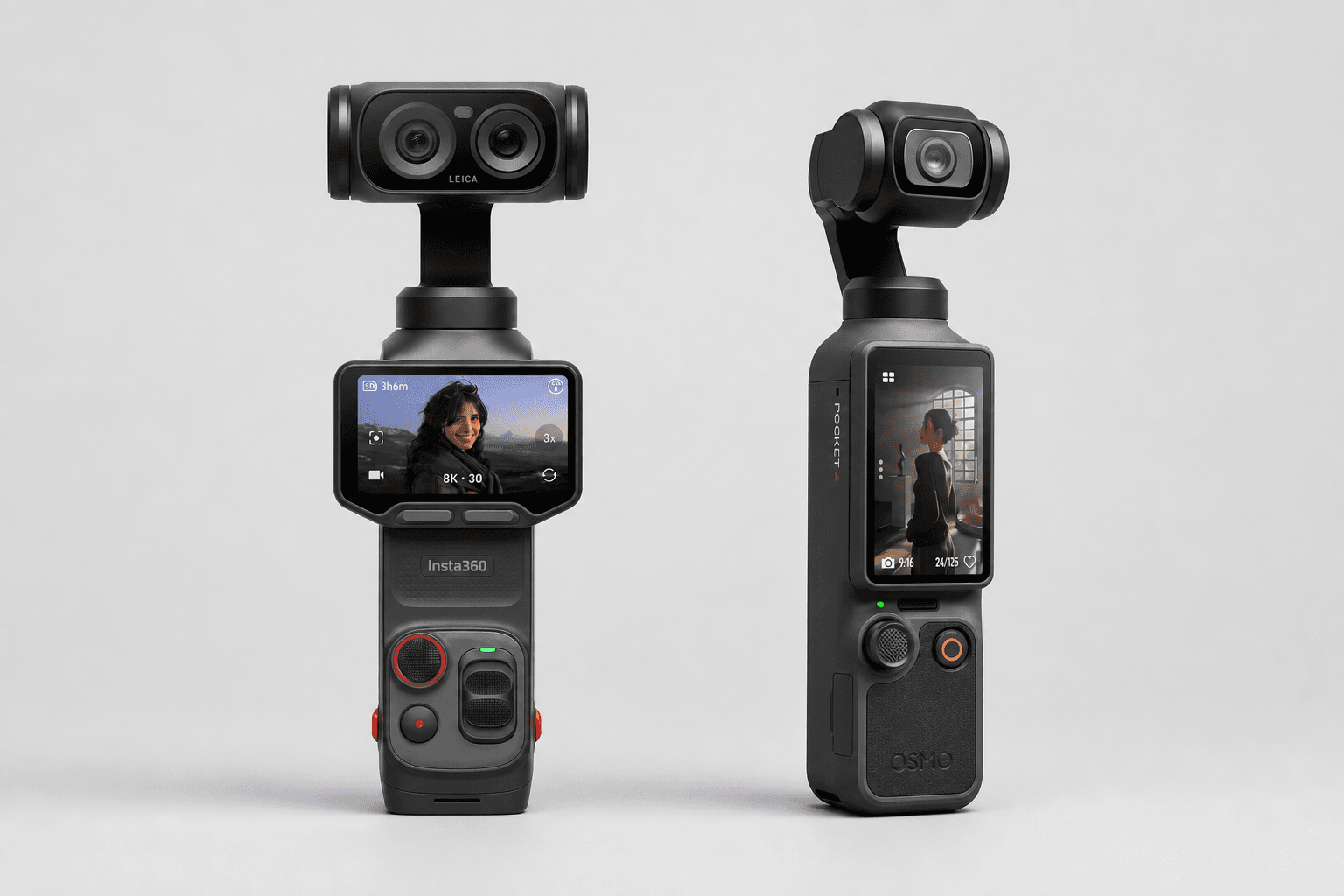
Insta360 Luna Ultra vs DJI Osmo Pocket 4: Which Pocket Gimbal Should You Buy?
Compare Luna Ultra and DJI Pocket 4 by lenses, video, Log formats, storage, U.S. availability, and the filming jobs each pocket gimbal handles best.
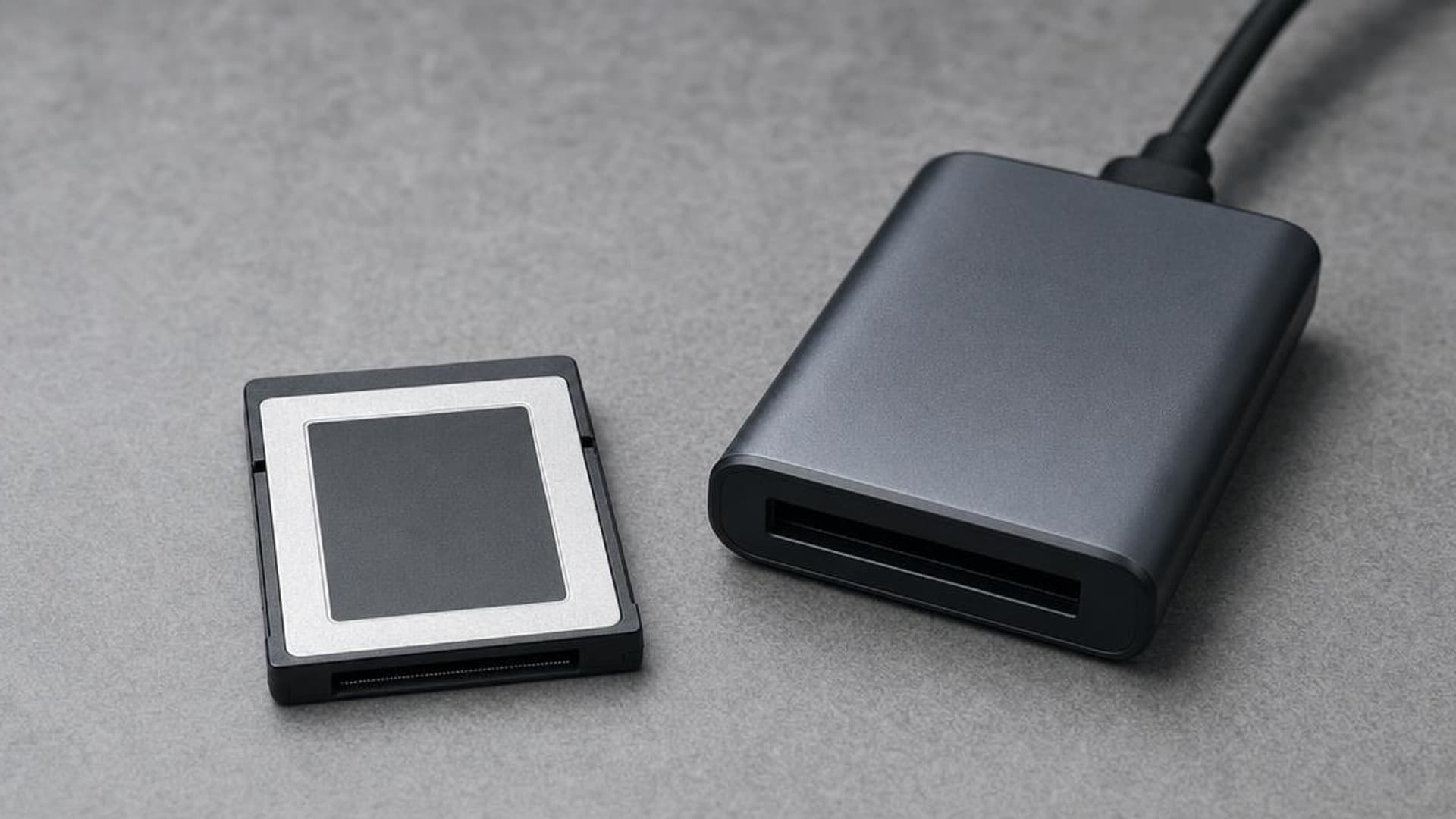
CFexpress 4.0 and VPG Explained: Buy the Card Your Camera Needs
CFexpress 4.0 doubles theoretical bandwidth, while VPG certifies sustained video writes. Learn Type A vs B, VPG classes, and when 4.0 is worth paying for.
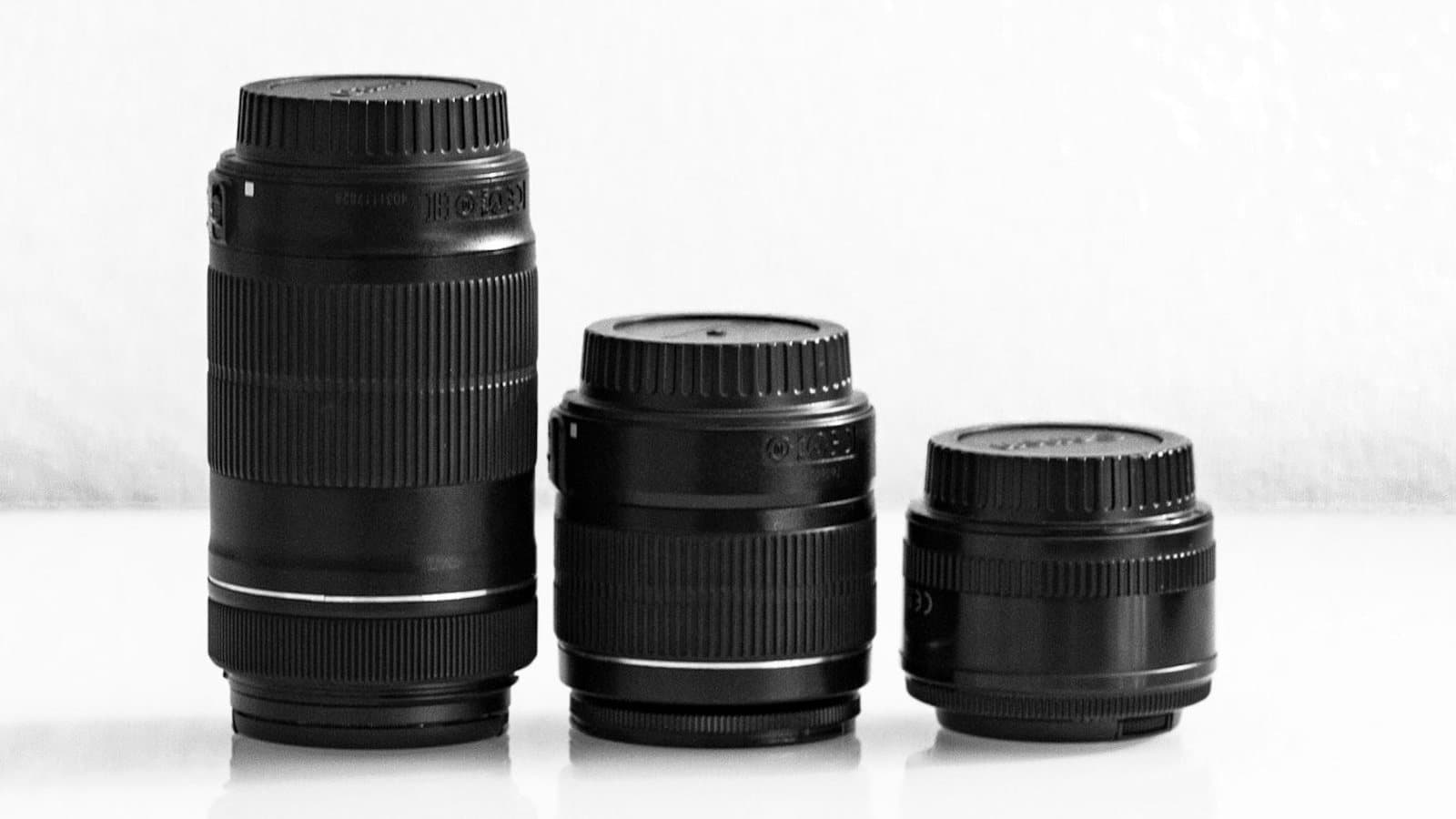
Focal Length Explained: What 24mm, 50mm, 85mm, and 200mm Actually Do
What the millimeter number on a lens changes in the field: angle of view, compression, and working distance. When to reach for 24, 50, 85, or 200mm.
Canon EOS R50 V vs Sony ZV-E10 II: Which Beginner Vlogging Camera Should You Buy?
Canon EOS R50 V is the easier beginner creator kit. Sony ZV-E10 II is the deeper lens-system pick. Compare the practical tradeoffs.
Researched, not personally tested: picks compare specifications, available owner feedback, and established expert sources. As an Amazon Associate I earn from qualifying purchases. We may earn a commission from links here, at no extra cost to you. How we research →