We may earn a commission from links on this page, at no extra cost to you. Picks are researched, not sponsored.
Architecture photography is about discipline. A building does not move, so the work is all in the angle you choose, the light you wait for, and keeping the lines clean. The genre rewards patience and a careful eye more than fast reflexes or expensive bodies.
The gear
A few items make the difference between a snapshot and a clean architectural frame:
- A tripod, so you can level the camera precisely, use a low ISO, and run a long shutter for clean files. This is the foundational purchase. See the best tripods guide.
- A wide to standard lens for exteriors and interiors, plus a longer lens for picking out details. The tradeoffs are in prime vs zoom lenses.
- A tilt-shift lens if you shoot buildings seriously, since it corrects converging verticals in camera rather than in editing.
- A camera with good dynamic range to hold a bright sky against a shadowed facade. Sensor size affects this; see sensor sizes explained.
The settings
The working architecture recipe is f/8 · 1/60 · ISO 100 on a tripod, adjusting the shutter to the light. A narrow aperture around f/8 to f/11 keeps the whole structure sharp without the diffraction softening that creeps in past f/16. Keep ISO at base for the cleanest files. Because the camera is locked down, shutter speed can run as long as the scene needs. The exposure triangle ties them together, and our how to photograph architecture walkthrough covers the full process.
For focus, set a single point a third of the way into the scene at this aperture and the depth carries the rest. A level horizon and a level camera keep the verticals from leaning.
Composition and keeping lines straight
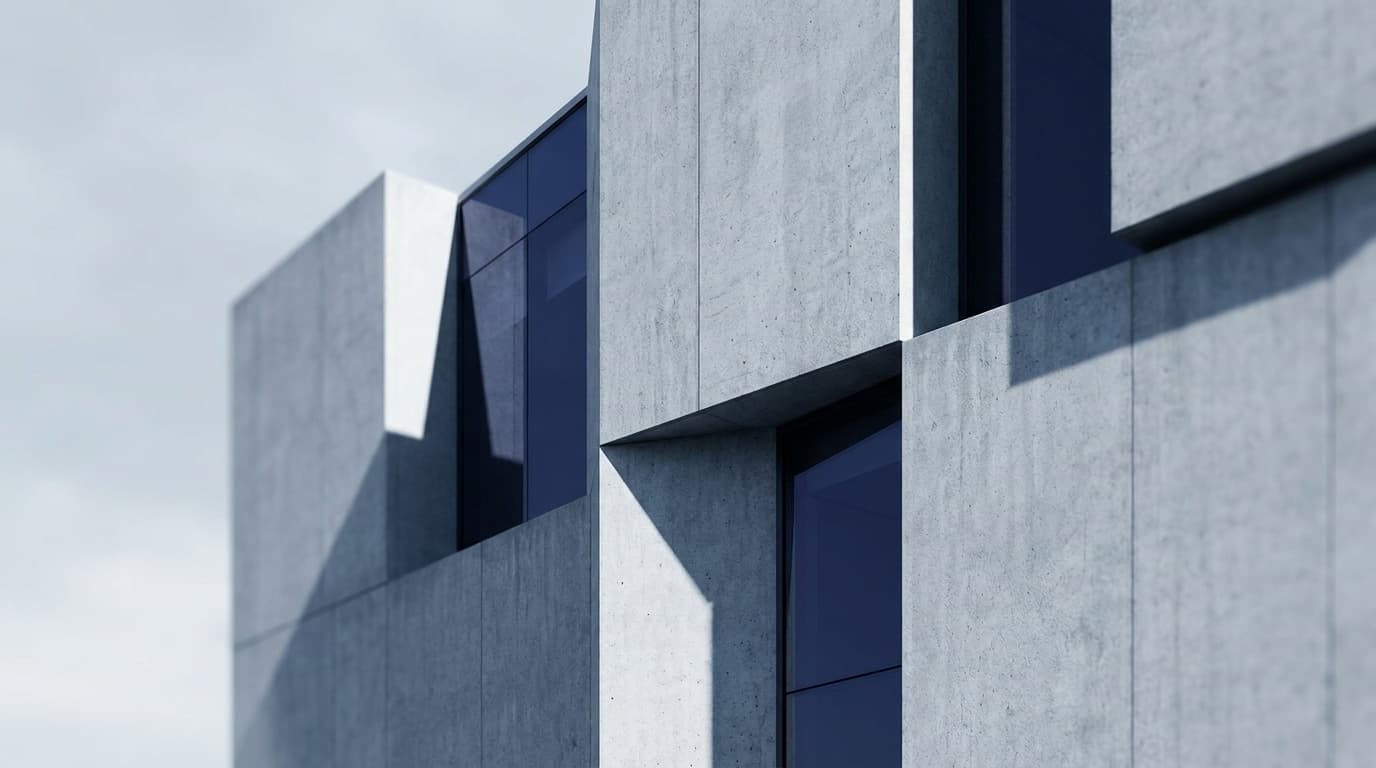
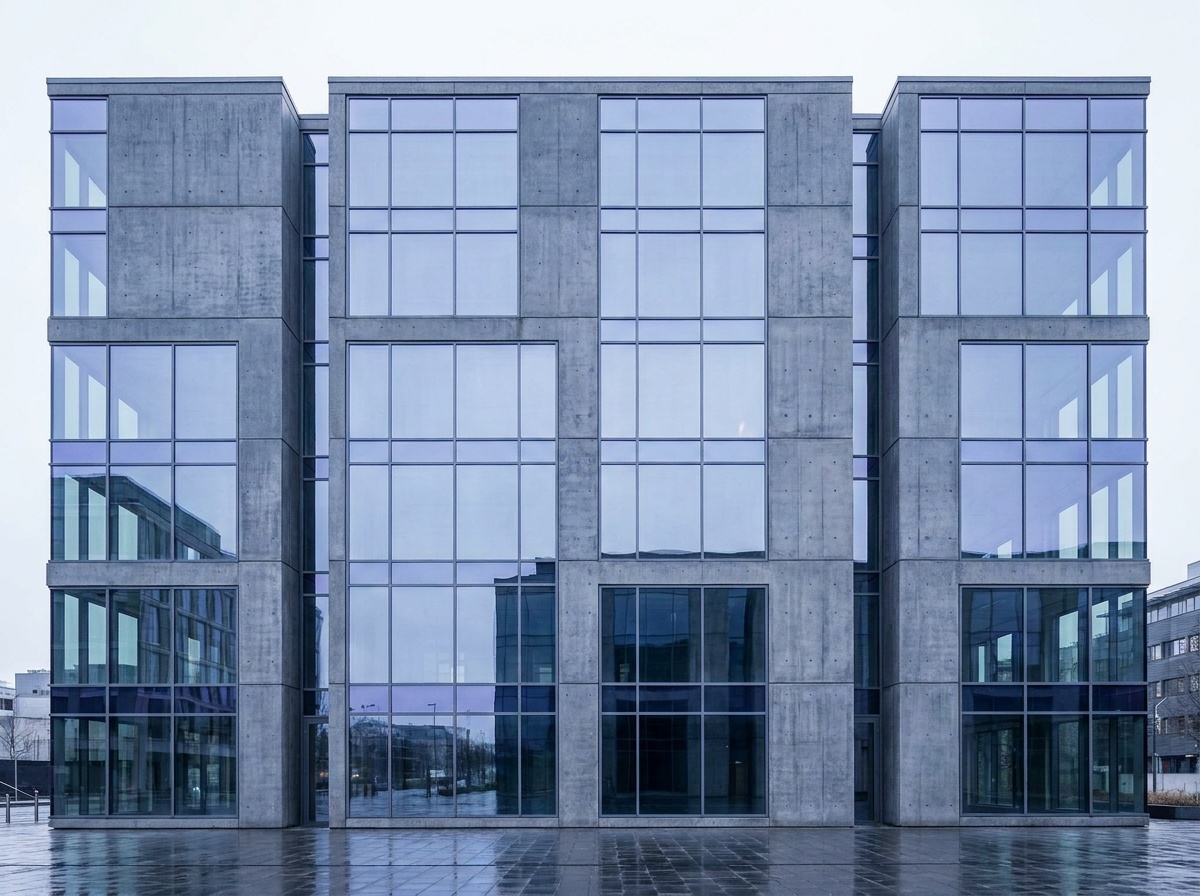
The defining problem of architecture is converging verticals, the way a building seems to fall backward when you tilt the camera up. Keep the camera level and back up or switch to a longer lens to fit the structure in, or correct the distortion later in editing. From there, decide your relationship to the building: dead-on and symmetrical for a formal, graphic look, or a strong diagonal to show depth and mass. Look for repeating patterns, since facades and windows make natural rhythms; the symmetry and patterns guide and leading lines both apply directly here.
The clean fix for verticals is a tilt-shift lens. With the camera back kept perfectly vertical and parallel to the building's face, you shift the lens upward to take in the top of the structure without tilting, so the verticals stay parallel rather than converging. If you do not own one, the next best approach is to keep the camera level, leave headroom above the building, and straighten the perspective in editing, accepting that the correction crops in slightly. Standing farther back with a longer lens also reduces convergence because you tilt the camera less to frame the whole structure.
Light and timing
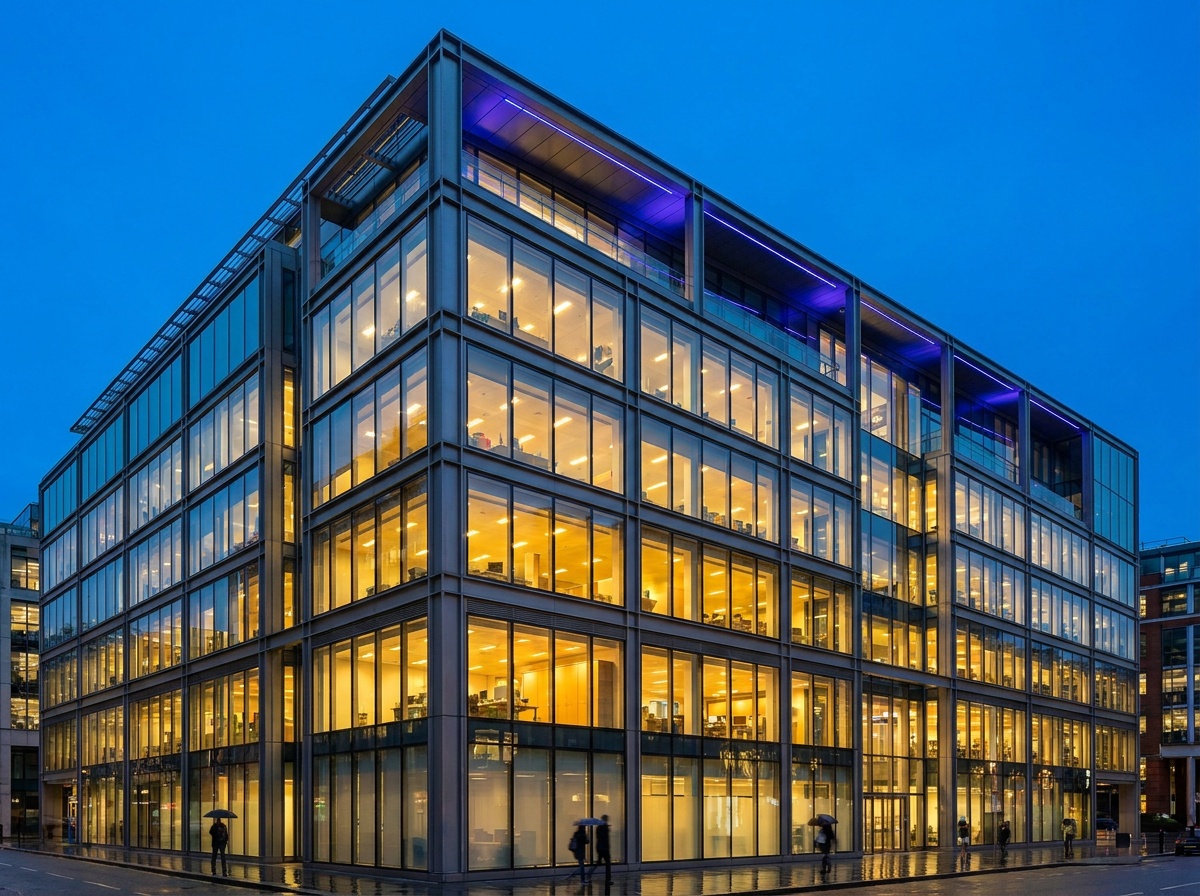
Hard midday sun throws heavy shadows across a facade and crushes detail. Soft, even light or the blue hour after sunset, when the sky still glows and interior lights come on, gives architecture its best mood. The reason blue hour works so well is balance: as the deep blue sky drops to roughly the brightness of the building's warm interior and exterior lights, the two meet at a point where both record cleanly in one frame, with no blown windows and no black sky. Arrive early, lock the composition on the tripod, and shoot a sequence as the light shifts, since the window where the balance is perfect lasts only a few minutes. For glass towers, a low sun reflecting off the surface can turn a flat building into a sheet of color.
Common mistakes
The frequent errors are easy to fix. Leaning verticals are the usual giveaway, so level the camera and correct any leftover keystoning in editing. Stopping down to f/22 for sharpness actually softens the frame through diffraction, so stay near f/8. A tilted horizon undoes a clean composition, so level it. And a blown-out sky usually means you exposed for the building alone, so expose for the brightest important area and lift the shadows later.
Know the rules
Buildings, plazas, and interiors often have their own photography rules, and commercial work frequently needs permission. Freedom of panorama, the right to publish photos of buildings, varies by country. Check the rules by location pillar before a serious or commercial shoot.
How do I stop buildings from looking like they are falling backward?
Keep the camera level rather than tilting it up, then back away or use a longer lens to fit the building in. A tilt-shift lens corrects it in camera, and most editing software can straighten converging verticals after the fact.
What is the best aperture for architecture photography?
Around f/8 to f/11. That range keeps the structure sharp front to back without the diffraction softening that sets in past roughly f/16. On a tripod at base ISO, let the shutter run as long as the light needs.
What time of day is best for shooting buildings?
Soft light or the blue hour just after sunset, when the sky still glows and interior lights switch on, usually gives the strongest mood. Hard midday sun throws heavy shadows and flattens detail across a facade.
Practice this
Turn the guide into a working setup
Shoot kits
Buy around the job, not the spec sheet
Travel landscape
Travel landscape kit
$4,465
A light full-frame body, wide zoom, serious travel tripod, filters, and a bag that can handle rough days outside.
Light but not flimsy
Buy order: start with the first piece that makes the job possible, then add the support pieces that remove friction.
Camera: start here. If this piece does not make the shoot easier, the rest of the kit can wait.
Carry: add it after the core setup proves useful.
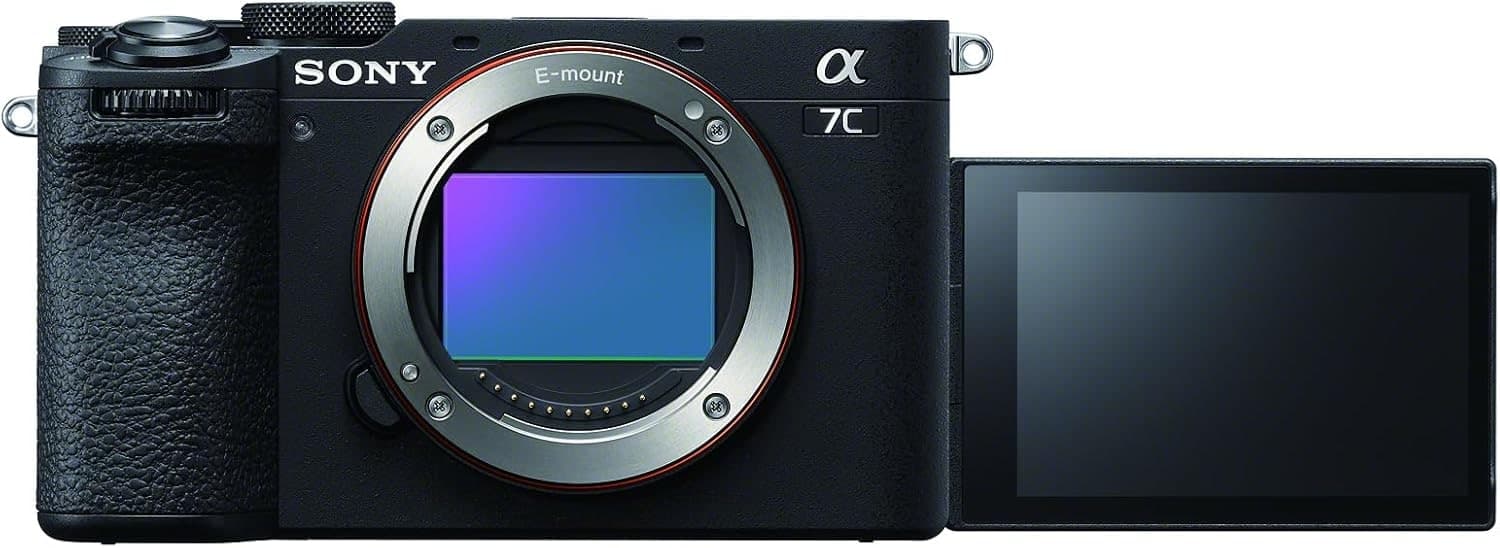
Sony a7C II
Full-frame files in a smaller body, with autofocus and stabilization that travel well.
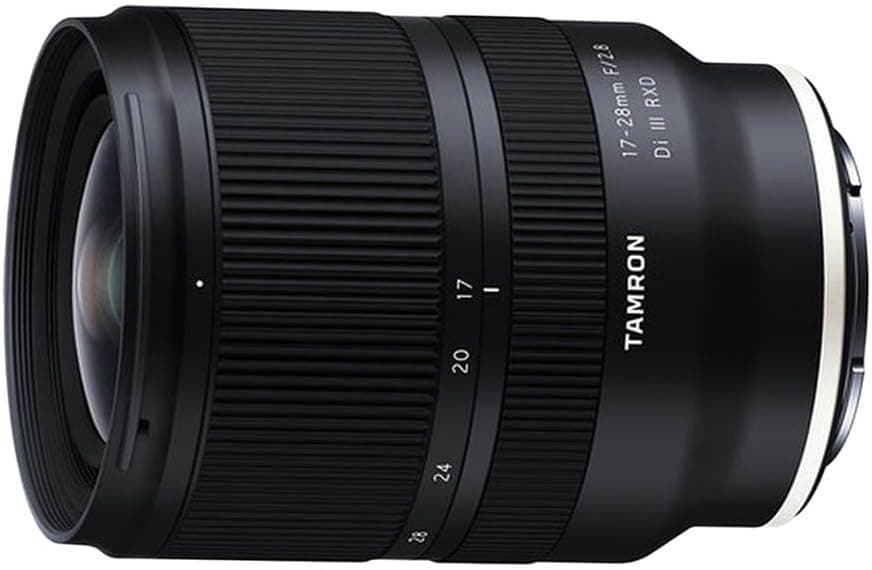
Tamron 17-28mm f/2.8 Di III RXD
Wide enough for landscapes and interiors without the size of a premium 16-35mm.
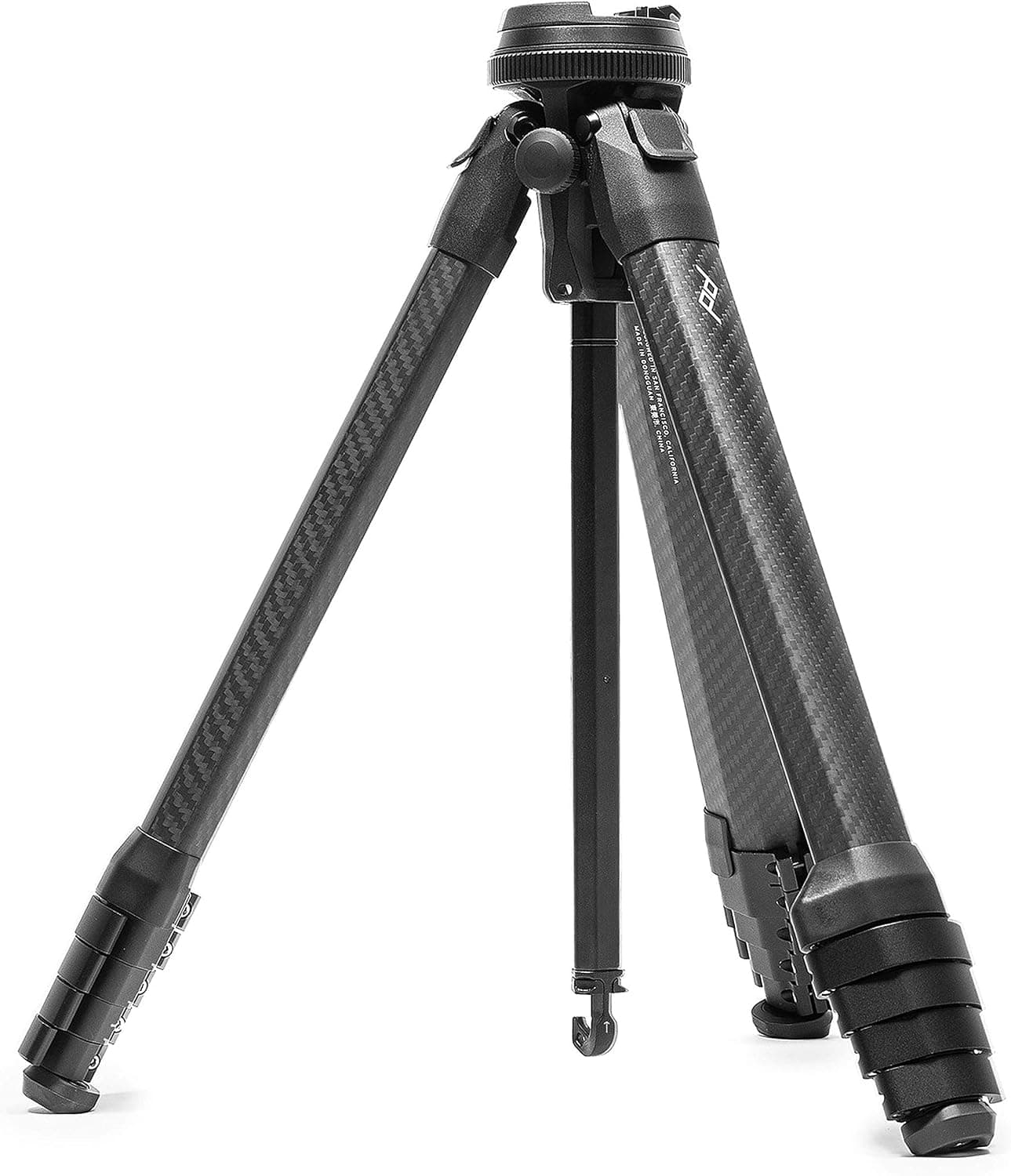
Peak Design Travel Tripod (Carbon)
The point of a travel tripod is bringing it. This one packs small and stays serious.
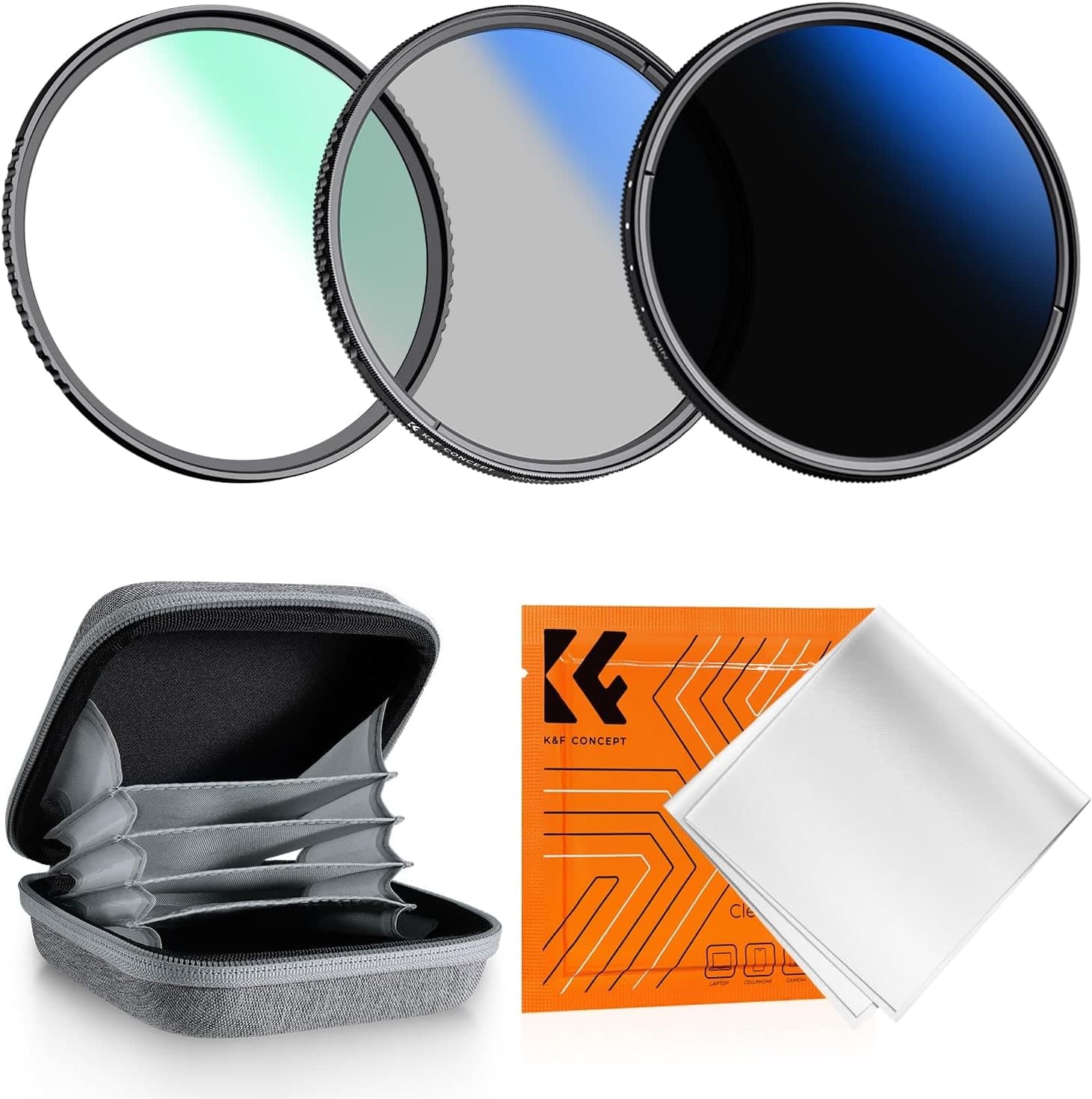
K&F Concept 77mm UV/CPL/ND2-400 Filter Kit
CPL and ND coverage for water, skies, reflections, and slower shutters.
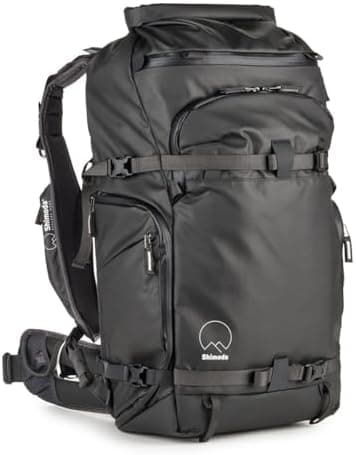
Shimoda Action X30 V2
A real harness matters once camera gear and outdoor layers share the same bag.
Prices are rough catalog totals. Retailer prices change, and you can swap pieces to fit your system.
Related Genres guides

Event Photography: Settings and Gear for Low Light and Fast Moments
Event photography means low light, candid moments, and no second takes. Here is the gear, the settings, and the mistakes to skip for sharp, well-lit frames.

Fashion Photography: Light, Posing, and the Look on a Budget
Editorial fashion images come from intentional light, confident posing, and a clear styling concept. Here is how to build the look on a budget with one light and simple gear.
Product Photography: A Simple, Repeatable Setup
Clean product photos need controlled light, a sharp aperture, and a tripod, not a studio. Here is the gear, the settings, and the lighting that gets professional results.
Real Estate Photography: The Complete Starter Guide
How to shoot a listing that sells: the gear, the settings, the room-by-room shot list, and the common mistakes. Plus the tool that builds your shot list for you.
Researched, not personally tested: picks compare specifications, available owner feedback, and established expert sources. As an Amazon Associate I earn from qualifying purchases. We may earn a commission from links here, at no extra cost to you. How we research →