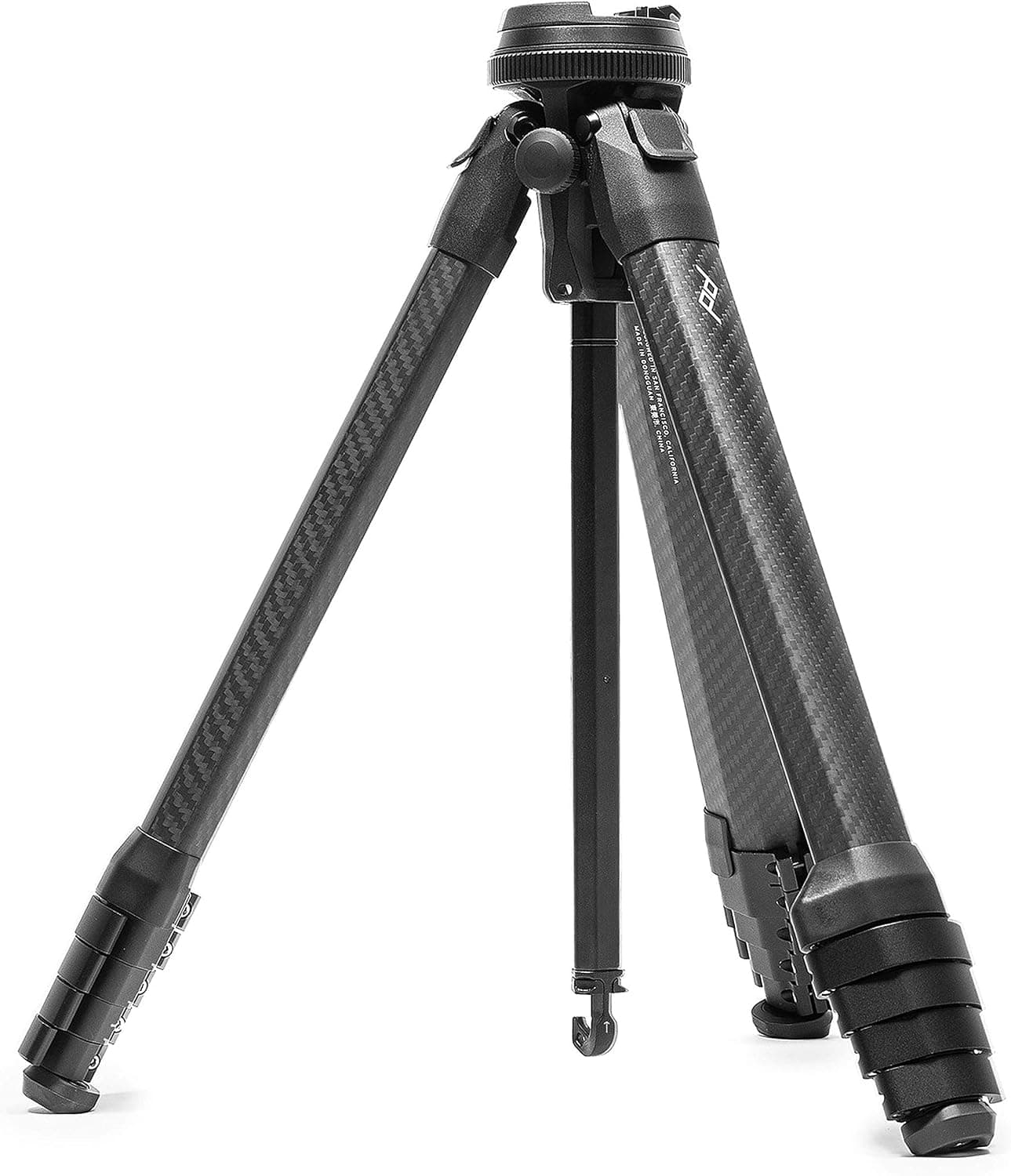
Peak Design Travel Tripod (Carbon)
$599 - $699
Brazil lets you sell images of public monuments in their setting, but isolating a copyrighted artwork on merchandise (the Christ the Redeemer trap) is restricted.
Shoot decision
Personal photography in public needs no permit. Commercial shoots at heritage and protected sites need authorization from the managing body.
Conditional
Issuer: Heritage-site managers and city film offices for commercial shoots; no permit for personal street photography
Cost: No permit for personal photography; commercial shoots and protected sites need authorization, drones need ANAC plus DECEA
Personal photography in public needs no permit. Commercial shoots at heritage and protected sites need authorization from the managing body. Government and military installations are off-limits.
Regulated by ANAC plus DECEA airspace approval; sub-250g drones are exempt from registration
Operators must stay 30m from non-consenting people. For depth, see Drone Authority.
Yes to photograph, but the Civil Code protects image and personality rights
Commercial use of an identifiable person's image needs consent; editorial and newsworthy use has more latitude. Drone capture also engages the LGPD.
Full, with limits
Article 48 of Law 9.610/1998 lets works permanently in public places be freely represented by photographs and audiovisual means, including sale. Courts limit this when a copyrighted artwork is detached and used as the central commercial subject in a way that diverts revenue from the artist.
Guidance, not legal advice
Drone Authority
Photography access and drone permission are separate questions. Drone Authority covers the flight-law side for this country.
$599 - $699
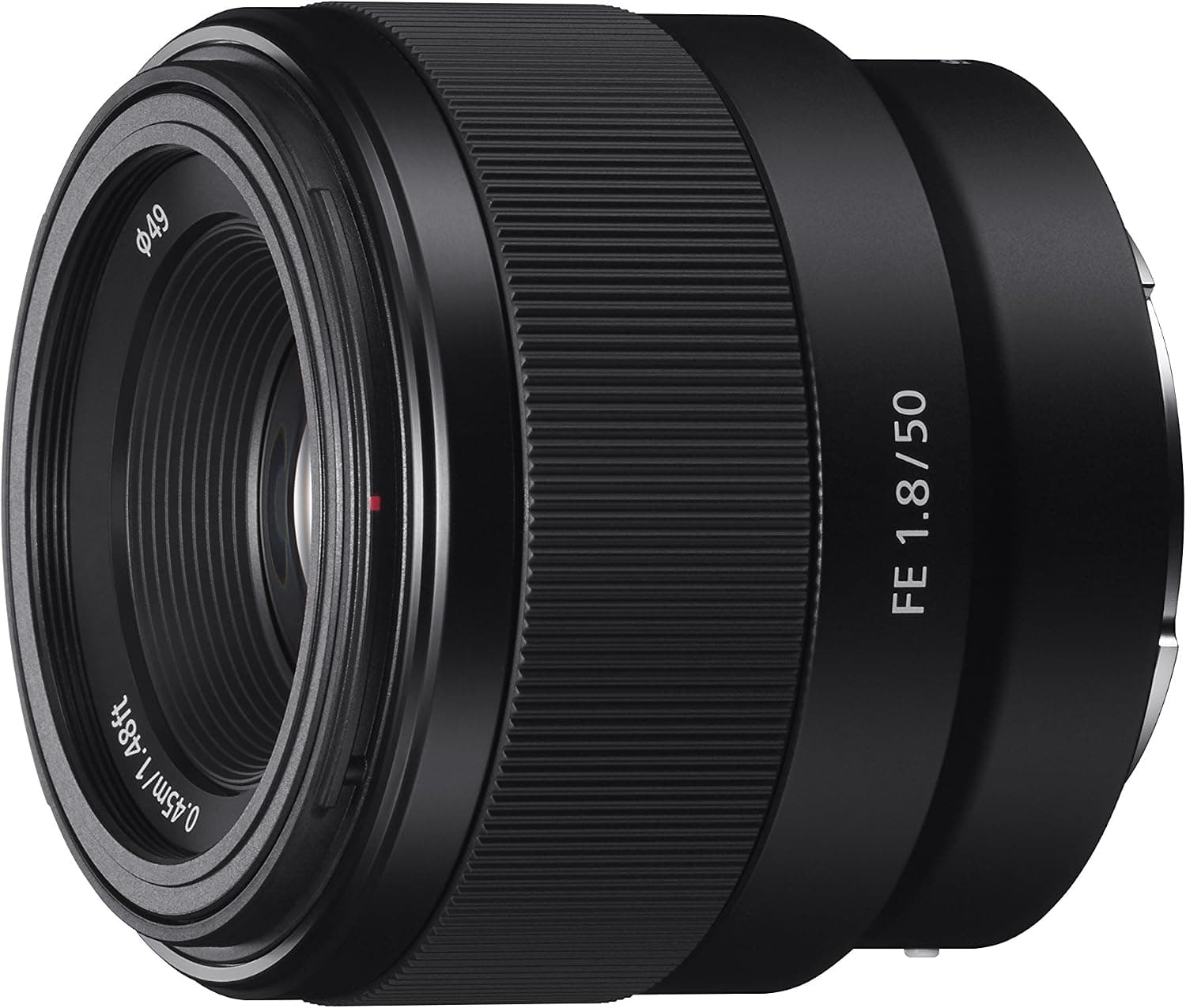
$200 - $250
Product links may earn a commission at no cost to you. Verify the rules first, then buy only what keeps the shoot practical.