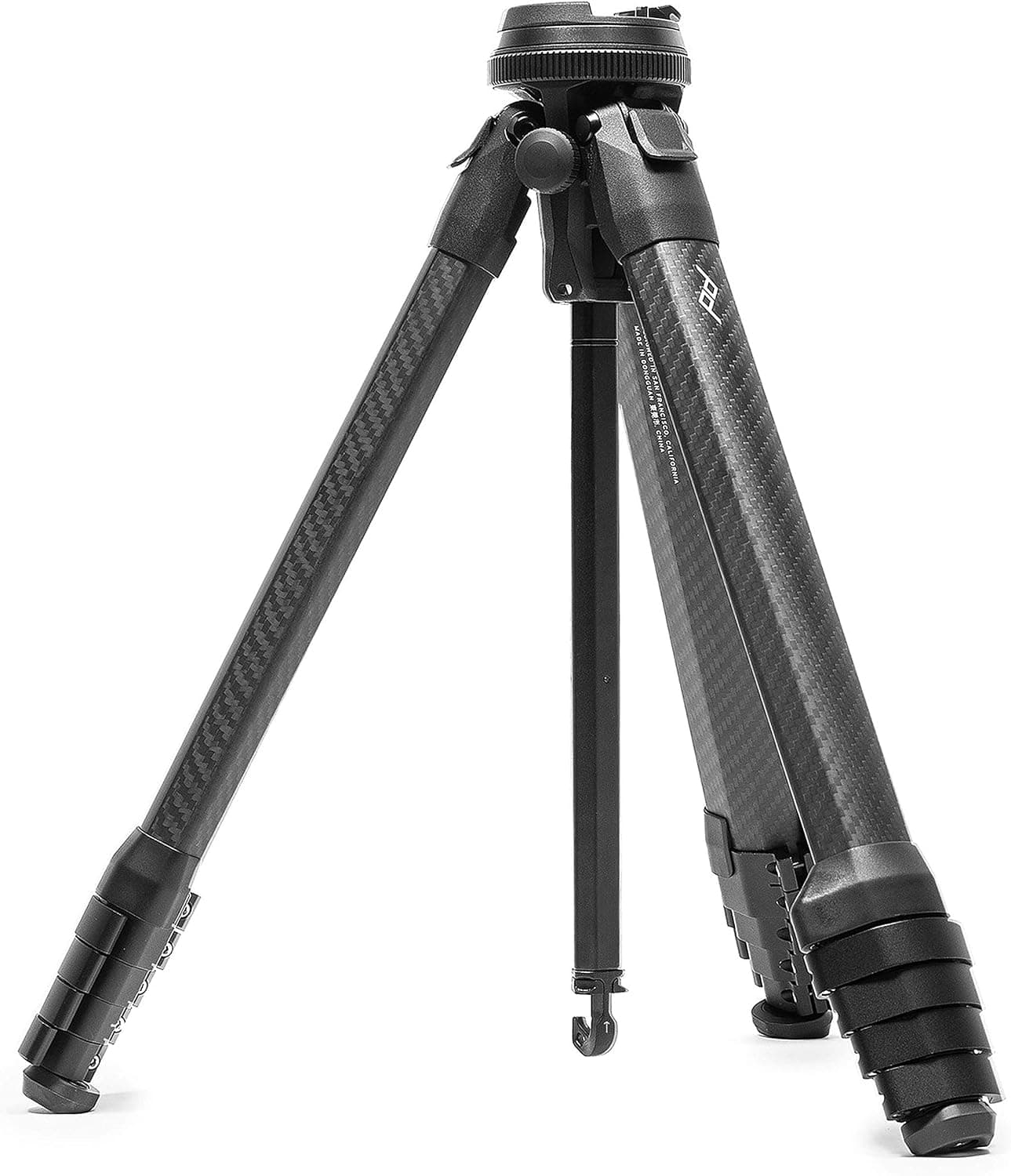
Peak Design Travel Tripod (Carbon)
$599 - $699
In China you can usually sell building photos, but images featuring public artworks are legally risky, and government and military subjects are off-limits.
Shoot decision
Casual public photography needs no permit. Commercial shoots and many ticketed sites need advance permission, and tripods or lighting are often restricted.
Conditional
Issuer: Site managers for ticketed attractions and commercial shoots; no permit for ordinary public street photography
Cost: No permit for casual public photography; commercial crews and many ticketed sites require permission and fees
Casual public photography needs no permit. Commercial shoots and many ticketed sites need advance permission, and tripods or lighting are often restricted. Photographing military, defence, government, police, and border sites is prohibited and can lead to detention.
All drones, including sub-250g, must be registered with the CAAC; recreational flight is capped at 120m
Extensive no-fly zones apply and foreigners cannot directly obtain commercial drone licenses. For depth, see Drone Authority.
Yes to photograph in genuinely public places, but the Civil Code grants a strong portrait right
Articles 1018 to 1020 prohibit using a person's image without consent, with exceptions for personal use, news, and unavoidable inclusion when shooting a public scene.
Limited
Copyright Law Article 24(10) permits photographing artworks displayed in public with attribution, but does not clearly authorize commercial use. Selling photos of ordinary buildings is generally safe; selling photos featuring public sculptures or murals is risky, and a court has found postcard sales of an outdoor sculpture infringing.
Guidance, not legal advice
Drone Authority
Photography access and drone permission are separate questions. Drone Authority covers the flight-law side for this country.
$599 - $699
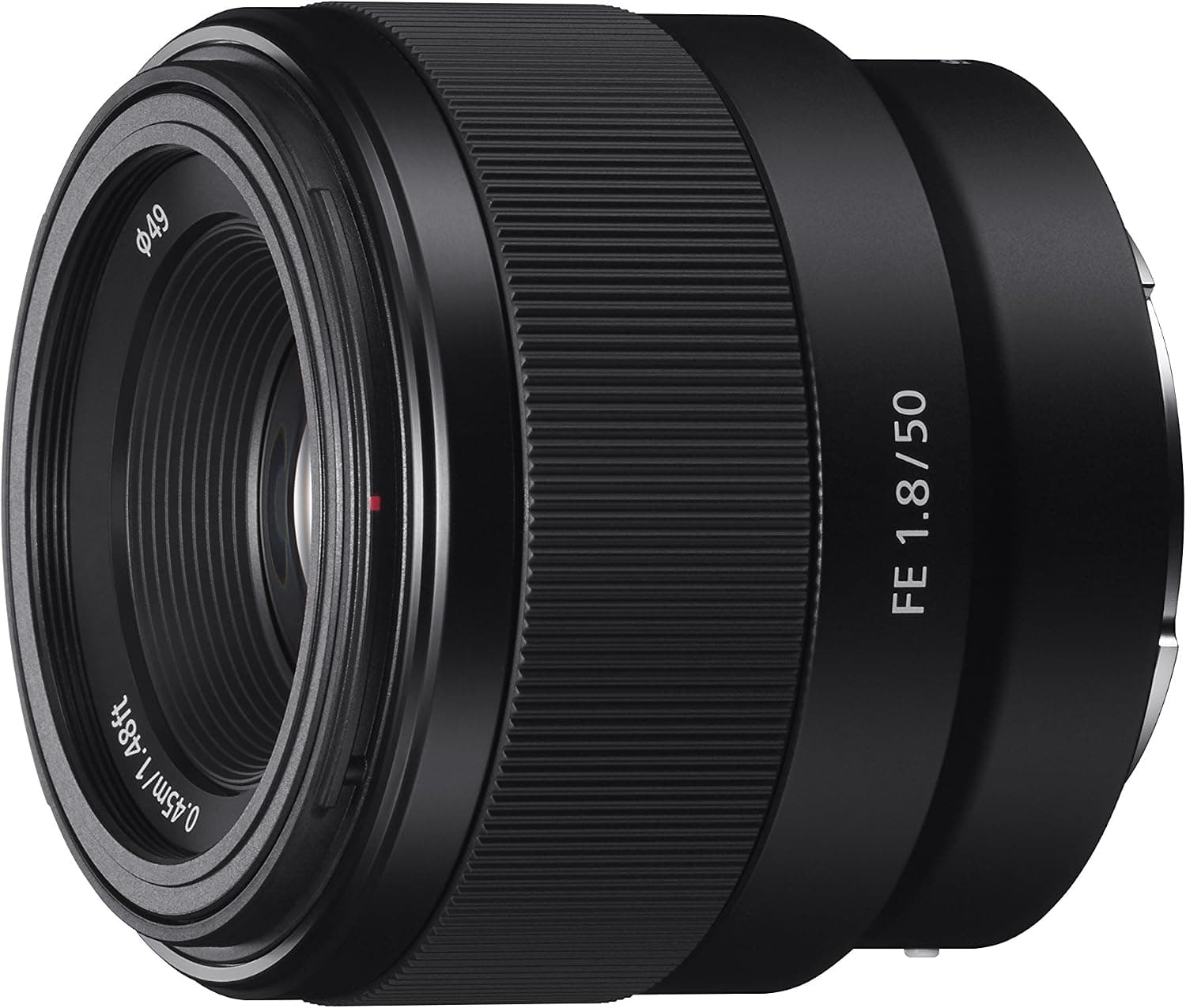
$200 - $250
Product links may earn a commission at no cost to you. Verify the rules first, then buy only what keeps the shoot practical.