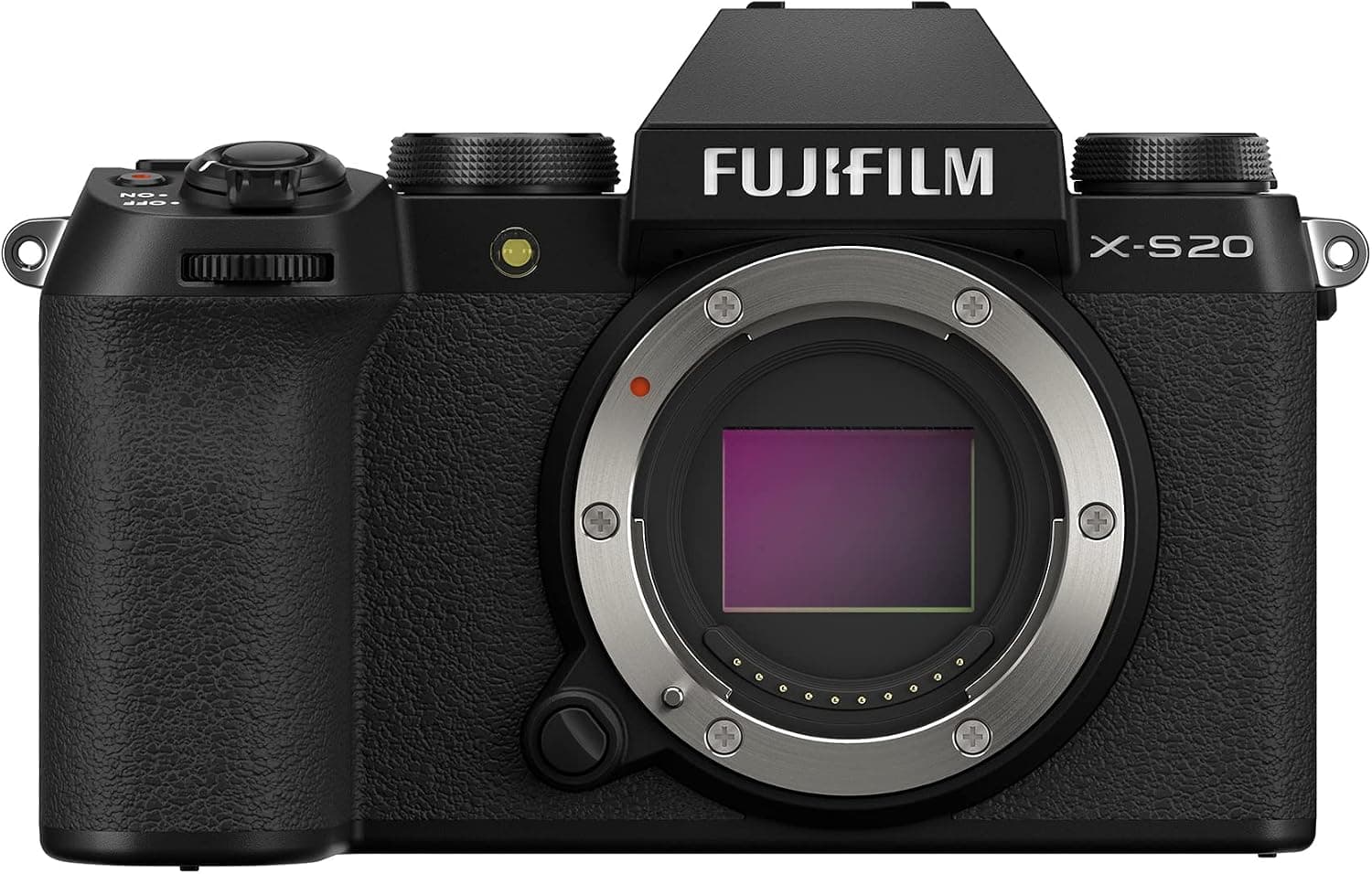
Fujifilm X-S20
$1,490 - $1,680
Connecticut runs filming on all state-owned property, state parks and forests included, through one office: DECD's Office of Film, TV and Digital Media.
Shoot decision
Connecticut is one of the few states with a true single point of contact: by statute (Conn.
Conditional
Issuer: Office of Film, Television and Digital Media (Department of Economic and Community Development)
Cost: Varies by property; insurance is required for state-property permits
Connecticut is one of the few states with a true single point of contact: by statute (Conn. Gen. Stat. 32-1u), the DECD film office coordinates permits for filming and photography on all state-owned property, including state roads and highways, state parks and forests (DEEP land), rail stations, airports, and seaports. Filming on limited-access highways needs separate DOT permission arranged through the same pipeline. Municipal property is still local: each of Connecticut's 169 cities and towns handles its own streets and parks. Insurance naming the state is required for state-property permits. Verify current forms with the film office.
Commercial drone work requires FAA Part 107
Declare drone use on the state-property application; DEEP restricts drones in many state parks. For Part 107 and state drone law, see Drone Authority.
Yes: you can photograph what is visible from public space in the US
Private property sets its own rules regardless of state law.
Guidance, not legal advice
$1,490 - $1,680
$599 - $699
Product links may earn a commission at no cost to you. Verify the rules first, then buy only what keeps the shoot practical.