Skip to content
Aperture
Country

Cuba

Cuba welcomes cameras but not drones (confiscated at customs), and photographing military, police, or government sites is prohibited; commercial work runs through ICAIC.

Verified Jul 1, 2026 3 sources
Permit: conditionalPanorama: Full, with attribution; excludes exhibitions and museums

Shoot decision

Depends on setup

Small personal or low-impact work may be fine, but commercial, staged, exclusive-use, tripod, light, or crew-heavy work can cross the permit line.

Permit: conditionalPanorama: Full, with attribution; excludes exhibitions and museums

Permit line

Conditional, No permit for personal tourist photography; ICAIC (Cuban Institute of Cinematographic Art and Industry) for commercial filming and photography, usually via an accredited local fixer or producer

Public space

Yes for street photography, with hard exclusions

Drone layer

Effectively banned for visitors: drones may not be imported, and customs confiscates them on arrival, holding the equipment until you leave the country

Guidance, not legal advice

Rules change and enforcement varies. Confirm with the issuing authority before you shoot. Drone law depth lives at Drone Authority.

Before you go

The field order that prevents wasted trips

Work in this order. Each step answers a different risk, and skipping ahead is how a simple shoot turns into a permit, flight, or gear problem on site.

  1. Confirm the permit answer

    Use the source links before you schedule, invoice, or bring a larger setup.

    Open official source
  2. Build the shot sequence

    Turn the rule answer into a route, frame list, and completion checklist before you are standing there.

    Build shot list
  3. Separate photo rules from flight rules

    If the plan includes a drone, check the flight side separately before you pack batteries.

    Check Drone Authority
  4. Keep the kit easy to explain

    Carry versatile gear and avoid a kit that only works for landmark-heavy commercial frames.

    Match field gear

Aperture workflow

Plan the travel shoot

Country rules shape what you can publish and what gear is worth carrying. Check the legal layer, then plan the field kit.

Field kit

Travel kit for publication risk

When rules affect what you can publish or sell, carry versatile gear and avoid a kit that forces one landmark-heavy shot.

Match more field gearCheck field deals
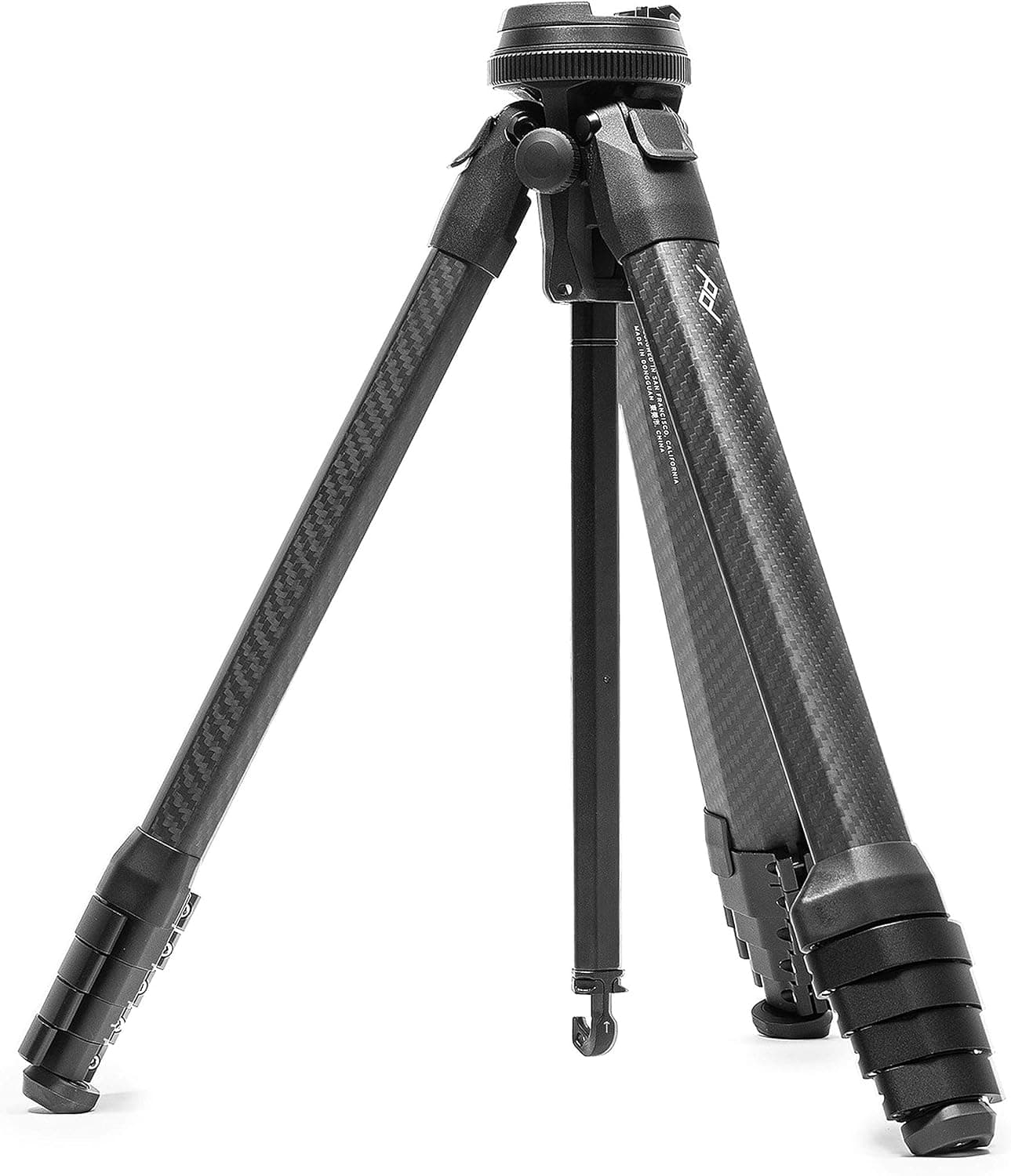
Peak Design carbon fiber travel tripod

Compact support for city and landscape work

Peak Design Travel Tripod (Carbon)

$599 - $699

9.0

Photographers who hike or travel and want full height in a pack-friendly form.

Skip if: Expensive

Price-band check

Use the retailer for the current price after the kit still fits the rule constraint.

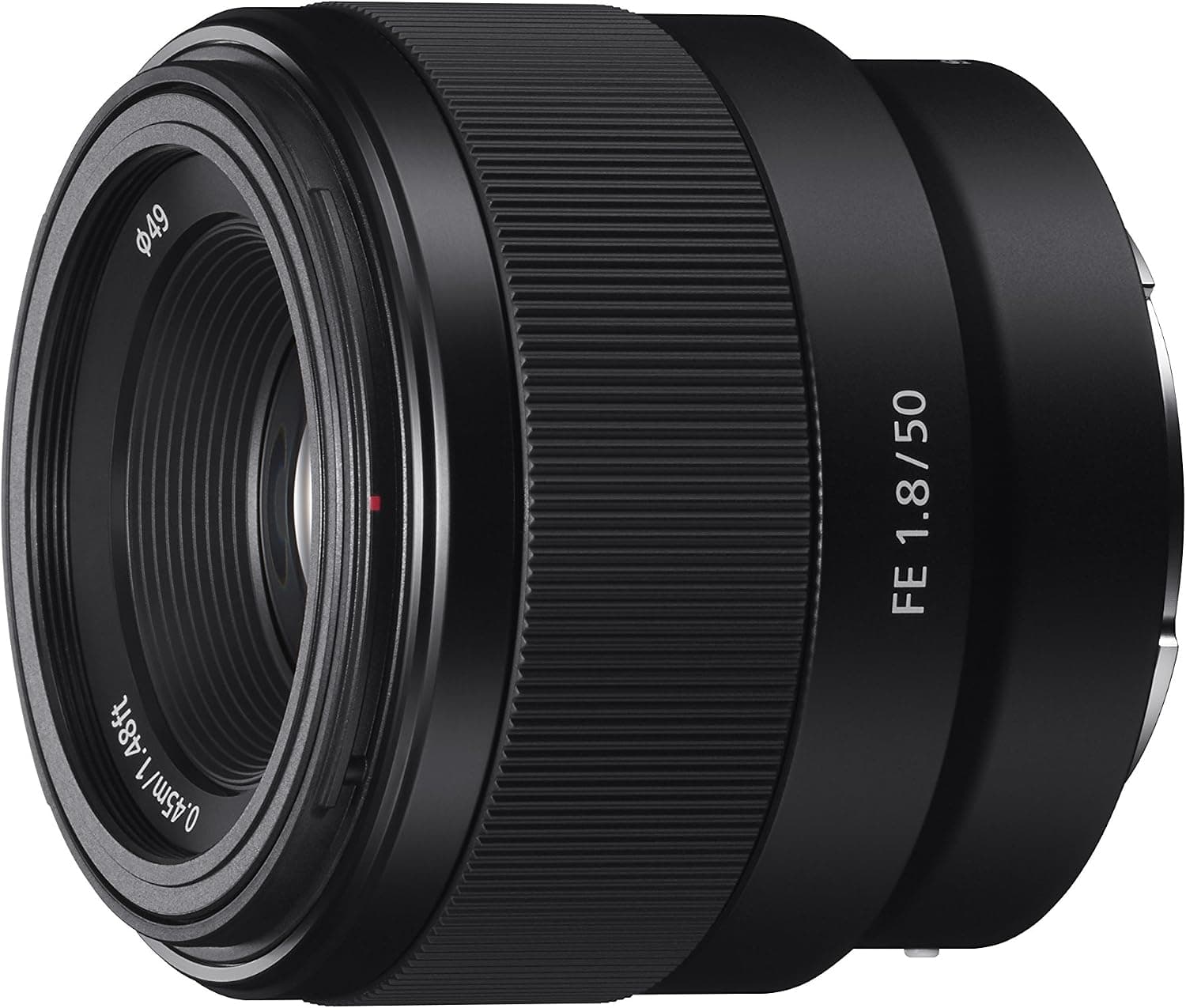
Sony FE 50mm f/1.8

Simple normal lens for people and detail frames

Sony FE 50mm f/1.8

$200 - $250

7.4

First-time Sony owners who want a budget prime for portraits and low light.

Skip if: Autofocus is slow and noisy

Price-band check

Use the retailer for the current price after the kit still fits the rule constraint.

Product links may earn a commission at no cost to you. Verify the rules first, then buy only what keeps the shoot practical.

Drone Authority

Check the flight side

Photography access and drone permission are separate questions. Drone Authority covers the flight-law side for this country.

Permit

Conditional

Issuer: No permit for personal tourist photography; ICAIC (Cuban Institute of Cinematographic Art and Industry) for commercial filming and photography, usually via an accredited local fixer or producer

Personal photography is fine. Any commercial, advertising, or professional production needs an ICAIC permit, typically arranged with a Cuban counterpart; journalists need press accreditation. Working on a tourist visa without permits risks arrest and gear seizure.

Drone / airspace

Effectively banned for visitors: drones may not be imported, and customs confiscates them on arrival, holding the equipment until you leave the country

The IACC governs civil aviation, but the practical rule is the import ban; retrieval on departure is standard, with storage fees after an initial free period. Do not pack a drone for Cuba. For depth, see Drone Authority.

Street / public space

Yes for street photography, with hard exclusions

Do not photograph military zones, military or police personnel, government buildings, airports, ports, or train stations. Police can require you to delete images. Ordinary street scenes, people (ask first), and classic cars are fine.

Freedom of panorama

Full, with attribution; excludes exhibitions and museums

Law No. 14 of 1977 Art. 38(c) permits reproducing, by any non-contact means, artworks of any type on permanent display in public places, with obligatory mention of the author, but excludes works in exhibitions and museums. Wikimedia Commons classifies Cuba as FoP OK.

Practical notes

  • Leave the drone at home: it will not clear customs, and reclaiming it on exit costs time and storage fees.
  • The military/police prohibition is enforced; that includes uniformed officers on ordinary streets, not just installations.
  • Habana Vieja and the Malecon are fully shootable; museum interiors and gallery works fall outside the panorama provision.

Sources

Keep shooting

Knowing the rules is half the job. The craft side:

More in Countries

← All location guides