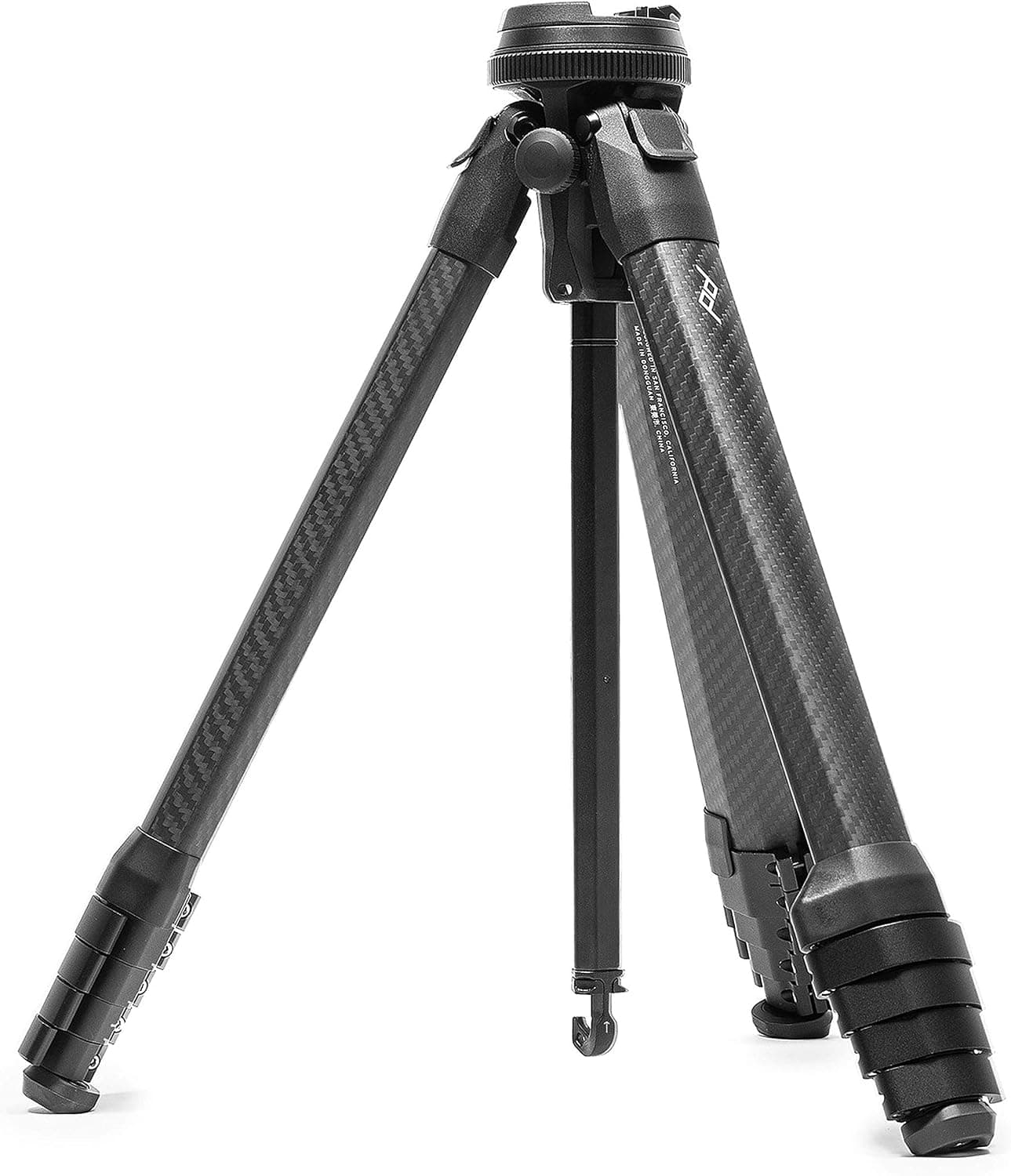
Peak Design Travel Tripod (Carbon)
$599 - $699
Egypt allows free personal photos at sites but treats tripods and flash as professional, has no usable freedom of panorama, and effectively bans tourist drones.
Shoot decision
Since 2018, personal photography with phones and standard cameras is free in public spaces and at archaeological sites.
Conditional
Issuer: Ministry of Tourism and Antiquities for professional and commercial photography; personal photos are free
Cost: Personal photography is free at public spaces and sites; professional or commercial photography needs prior authorization and fees
Since 2018, personal photography with phones and standard cameras is free in public spaces and at archaeological sites. Professional or commercial photography, including using an external flash, tripod, or lighting, still needs Ministry authorization. Avoid military, police, bridge, and government sites.
Drones are effectively banned for tourists; import without a Ministry of Defense permit leads to airport confiscation
Flights near archaeological sites are prohibited. For depth, see Drone Authority.
Yes for personal street photography, but avoid military, police, and government or strategic sites, which can lead to detention
Cultural sensitivity matters; commercial use of a person's image should have consent.
Restricted
Egypt has no usable freedom of panorama. Under IP Law 82 of 2002, reproductions of public art and architecture are at best for personal use, so do not assume you can sell images of copyrighted public buildings or art. The antiquities authority separately controls commercial imagery of pharaonic sites.
Guidance, not legal advice
Drone Authority
Photography access and drone permission are separate questions. Drone Authority covers the flight-law side for this country.
$599 - $699
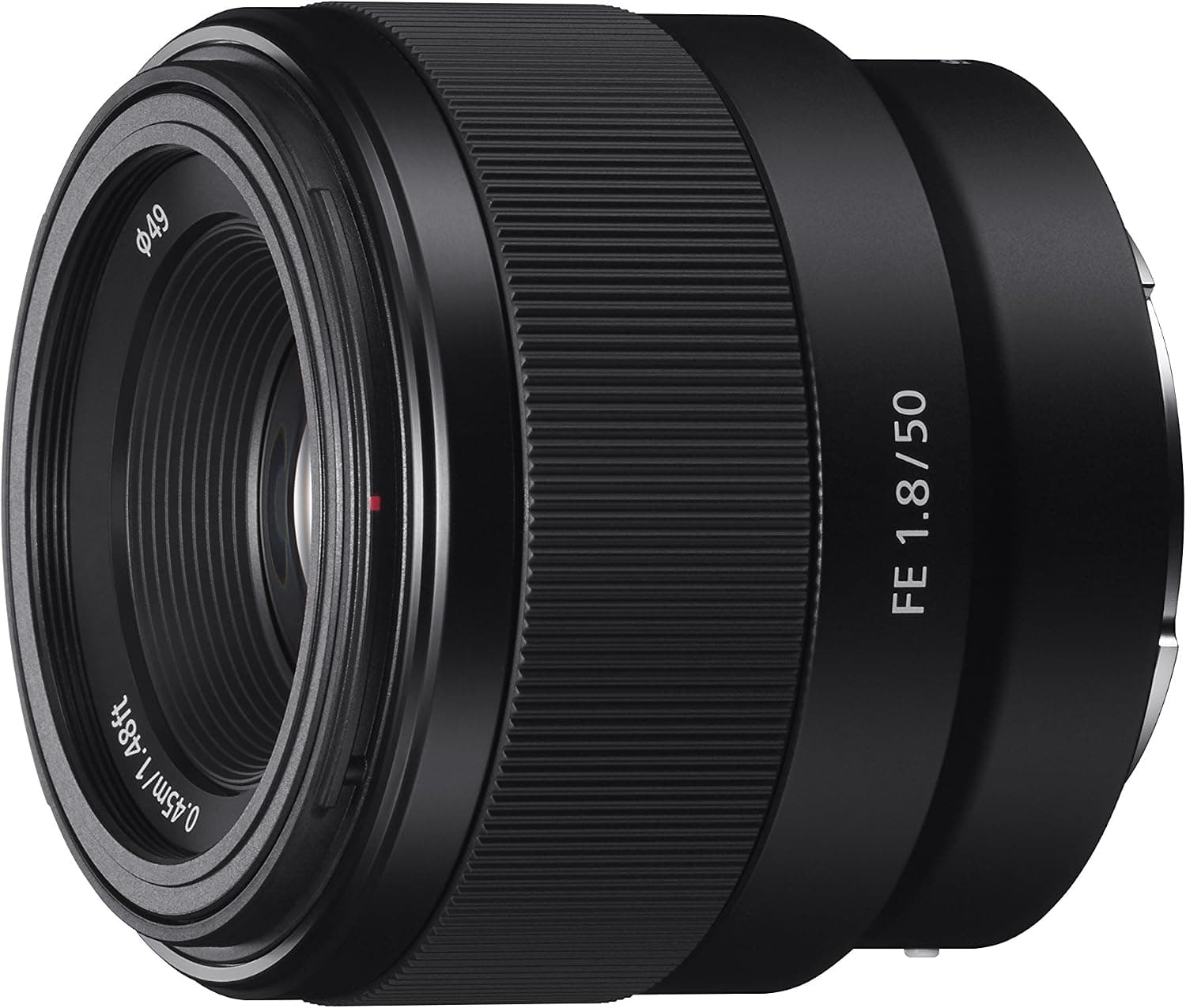
$200 - $250
Product links may earn a commission at no cost to you. Verify the rules first, then buy only what keeps the shoot practical.