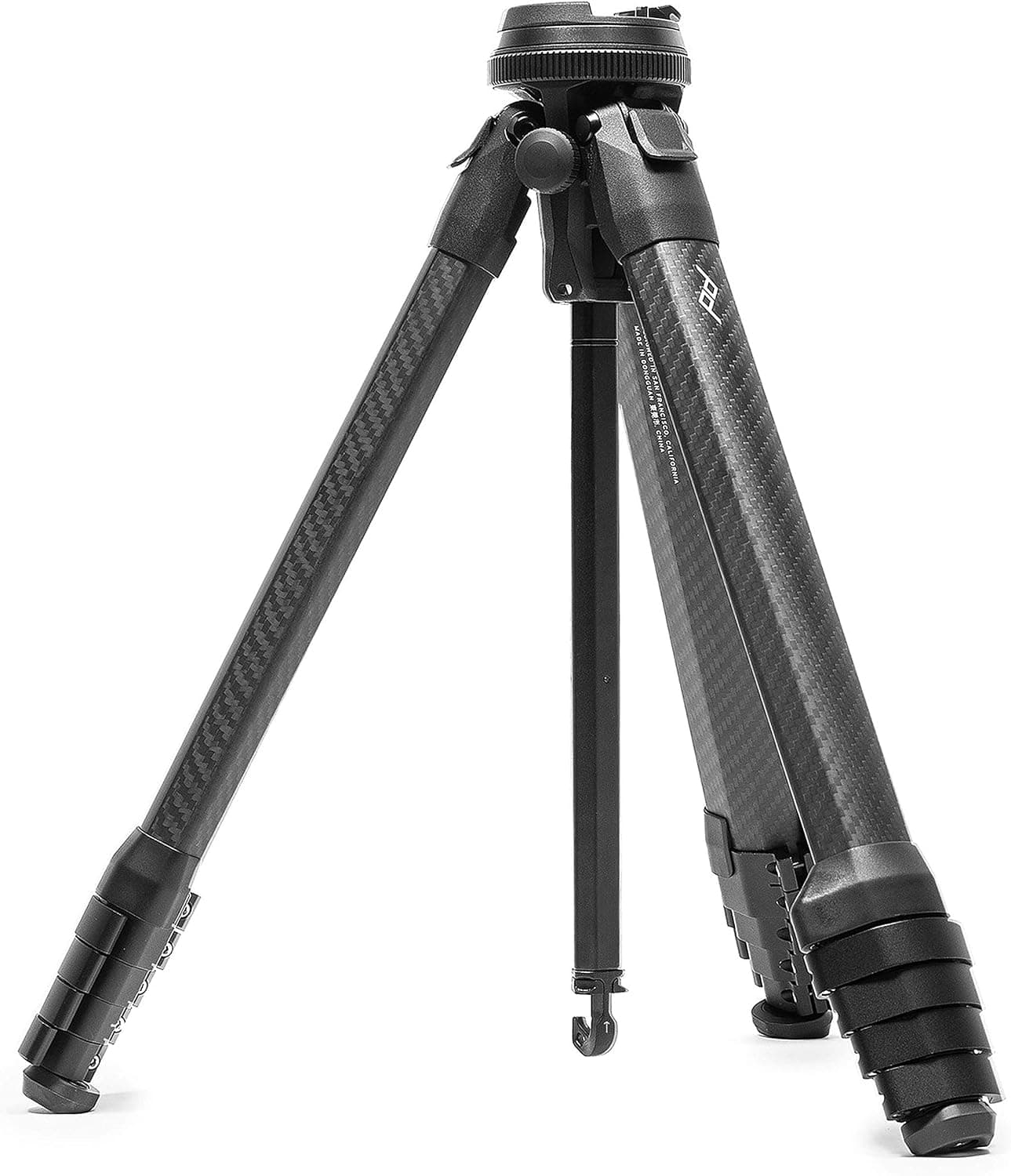
Peak Design Travel Tripod (Carbon)
$599 - $699
India's copyright freedom of panorama is broad, covering buildings and public sculpture, but ASI permits and security rules are the real constraints.
Shoot decision
Ordinary public photography needs no permit. ASI-protected monuments allow camera entry but require prior written permission and fees for tripods, lighting, and commercial shoots.
Conditional
Issuer: Archaeological Survey of India (ASI) for protected monuments; no permit for ordinary public street photography
Cost: No permit for personal photography in public; ASI monuments charge for tripods, lighting, and commercial shoots
Ordinary public photography needs no permit. ASI-protected monuments allow camera entry but require prior written permission and fees for tripods, lighting, and commercial shoots. Photographing government, defence, military, airport, and border sites is prohibited.
Governed by the DGCA Drone Rules 2021 via the Digital Sky platform; drones over 250g need registration
Aerial imaging over monuments and near airports, borders, and military sites is restricted. For depth, see Drone Authority.
Yes to photograph people in public; the right to privacy is a constitutional right after the Puttaswamy judgment
Publishing or selling an identifiable person's image commercially requires consent, ideally written.
Full
Section 52 of the Copyright Act exempts photographing and publishing architecture and sculptures or works of artistic craftsmanship permanently in public, with no non-commercial qualifier, so you can sell those images. The limits are practical: ASI permits and fees, temple and private restrictions, and privacy law for people in frame.
Guidance, not legal advice
Drone Authority
Photography access and drone permission are separate questions. Drone Authority covers the flight-law side for this country.
$599 - $699
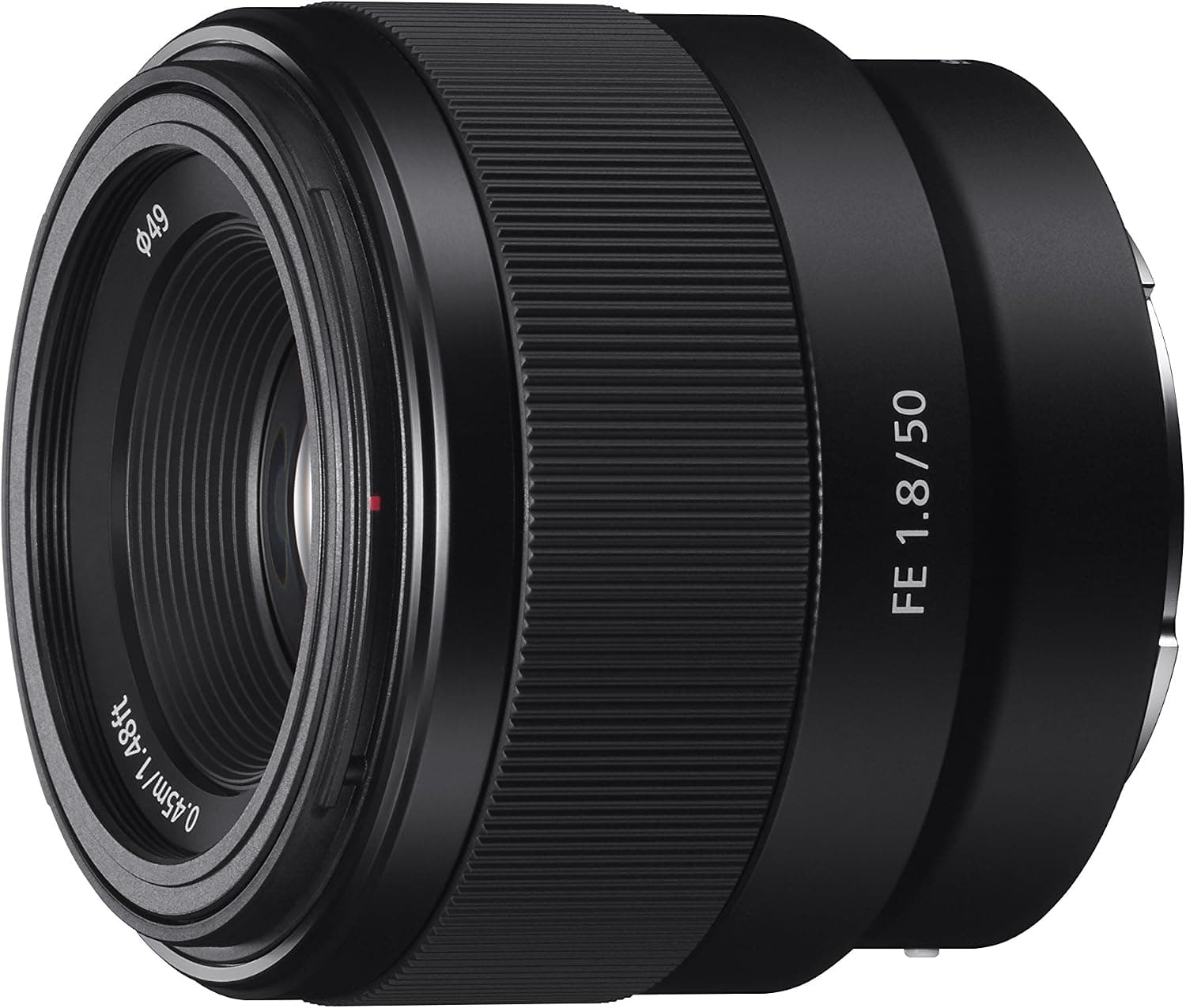
$200 - $250
Product links may earn a commission at no cost to you. Verify the rules first, then buy only what keeps the shoot practical.