Skip to content
Aperture
US State

North Dakota

North Dakota has no film office and no general filming permit; Tourism handles film inquiries and permitting is local, with federal sites the main exception.

Verified Jul 1, 2026 2 sources
Permit: conditional

Shoot decision

Depends on setup

Small personal or low-impact work may be fine, but commercial, staged, exclusive-use, tripod, light, or crew-heavy work can cross the permit line.

Permit: conditional

Permit line

Conditional, North Dakota Tourism (Department of Commerce), which handles film inquiries in lieu of a film office

Public space

Yes: you can photograph what is visible from public space in the US

Drone layer

Commercial drone work requires FAA Part 107

Guidance, not legal advice

Rules change and enforcement varies. Confirm with the issuing authority before you shoot. Drone law depth lives at Drone Authority.

Before you go

The field order that prevents wasted trips

Work in this order. Each step answers a different risk, and skipping ahead is how a simple shoot turns into a permit, flight, or gear problem on site.

  1. Confirm the permit answer

    Use the official permit page before you schedule, invoice, or bring a larger setup.

    Open permit page
  2. Build the shot sequence

    Turn the rule answer into a route, frame list, and completion checklist before you are standing there.

    Build shot list
  3. Separate photo rules from flight rules

    If the plan includes a drone, check the flight side separately before you pack batteries.

    Check Drone Authority
  4. Keep the kit easy to explain

    Keep the kit small enough to adapt if the answer changes on site.

    Match field gear

Aperture workflow

Plan the local shoot

Use the legal answer to shape the kit, route, and fallback plan before the day gets expensive.

Field kit

Kit to keep the shoot flexible

Rules can change the plan. A small, stable kit gives you backup frames without making the setup harder to explain.

Match more field gearCheck field deals
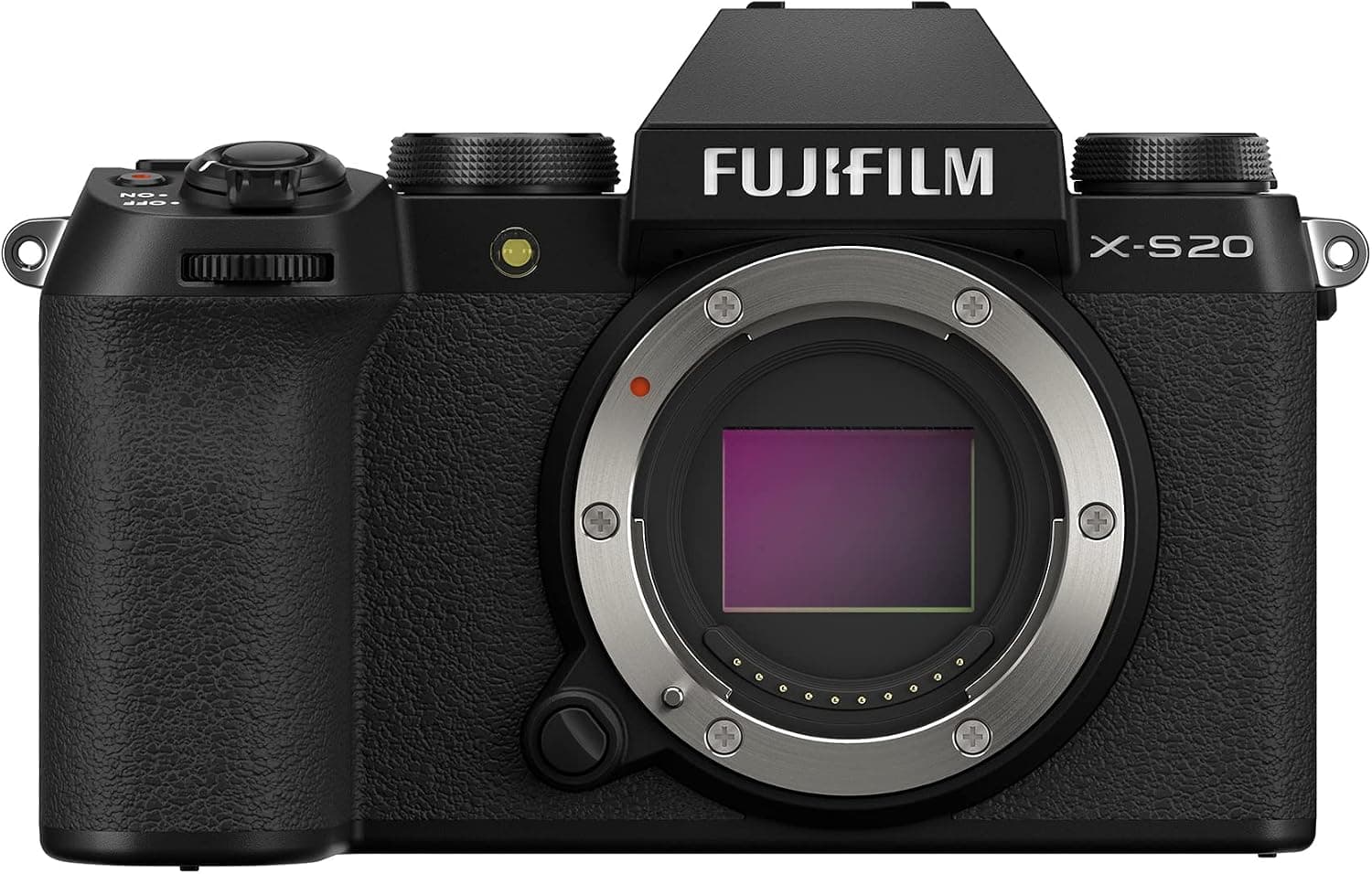
Fujifilm X-S20 mirrorless camera body

Compact hybrid body

Fujifilm X-S20

$1,199 - $1,349

9.0

Hybrid shooters who want one capable, portable body for photo and video.

Skip if: APS-C, not full-frame

Price-band check

Use the retailer for the current price after the kit still fits the rule constraint.

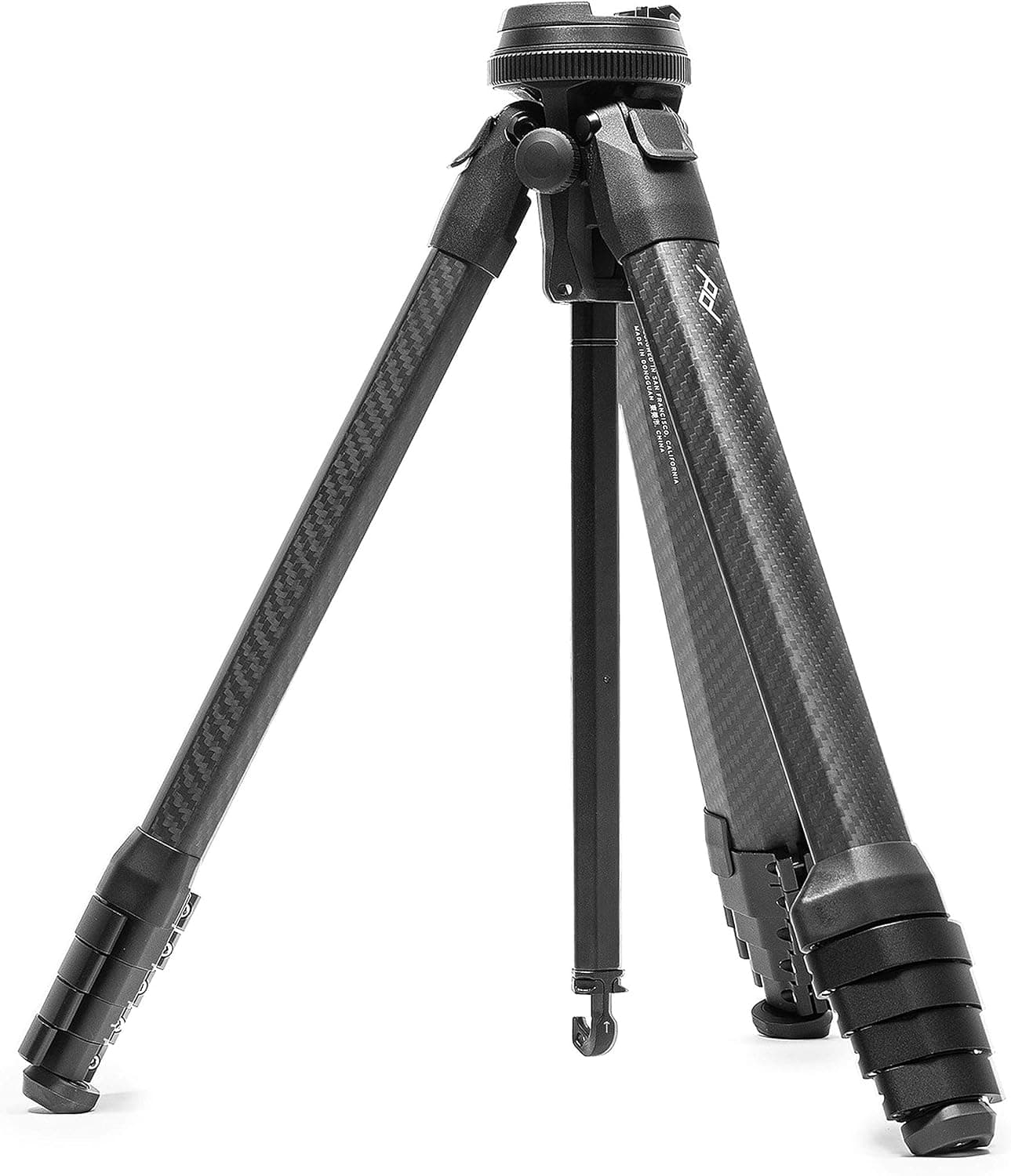
Peak Design carbon fiber travel tripod

Travel tripod

Peak Design Travel Tripod (Carbon)

$599 - $699

9.0

Photographers who hike or travel and want full height in a pack-friendly form.

Skip if: Expensive

Price-band check

Use the retailer for the current price after the kit still fits the rule constraint.

Product links may earn a commission at no cost to you. Verify the rules first, then buy only what keeps the shoot practical.

Permit

Conditional

Issuer: North Dakota Tourism (Department of Commerce), which handles film inquiries in lieu of a film office

Cost: No general state permit; local and land-manager fees vary

North Dakota currently has no film commission or film office; the Tourism Division of the Department of Commerce fields film inquiries and can assist with locations and contacts, but issues nothing itself. No general permit is offered or required to film in the state. Municipal and public locations expect permitting paperwork through the relevant city or county, typically filed at least a week ahead. The state parks system is managed by the North Dakota Parks and Recreation Department; it publishes no standing commercial photography permit schedule, so contact the department or the individual park directly for commercial shoots. The high-profile exceptions are federal: Theodore Roosevelt National Park and the state's national historic sites require NPS permits.

Official permit page

Drone / airspace

Commercial drone work requires FAA Part 107

North Dakota is a major UAS research state, but that does not change the rules for photographers: FAA airspace rules plus land-manager restrictions apply. For Part 107 and state drone law, see Drone Authority.

Street / public space

Yes: you can photograph what is visible from public space in the US

Private property sets its own rules regardless of state law; much of the badlands viewshed outside the national park is private ranchland.

Practical notes

  • Theodore Roosevelt National Park is the state's marquee landscape and it is federal; budget for the NPS permit process, not a state one.
  • With no film office, the practical move is to call the city or the land manager directly; there is no intermediary to route you.

Sources

Keep shooting

Knowing the rules is half the job. The craft side:

More in US States

← All location guides