Skip to content
Aperture
US State

Rhode Island

Unusually for a US state, Rhode Island asks all productions, including still photography projects, to register with the state Film & TV Office; state parks add a professional photography permit.

Verified Jul 1, 2026 2 sources
Permit: conditional

Shoot decision

Depends on setup

Small personal or low-impact work may be fine, but commercial, staged, exclusive-use, tripod, light, or crew-heavy work can cross the permit line.

Permit: conditional

Permit line

Conditional, Rhode Island Film & Television Office

Public space

Yes: photographing people and property visible from public space is legal in the US

Drone layer

Legal under FAA rules; commercial drone work requires FAA Part 107

Guidance, not legal advice

Rules change and enforcement varies. Confirm with the issuing authority before you shoot. Drone law depth lives at Drone Authority.

Before you go

The field order that prevents wasted trips

Work in this order. Each step answers a different risk, and skipping ahead is how a simple shoot turns into a permit, flight, or gear problem on site.

  1. Confirm the permit answer

    Use the official permit page before you schedule, invoice, or bring a larger setup.

    Open permit page
  2. Build the shot sequence

    Turn the rule answer into a route, frame list, and completion checklist before you are standing there.

    Build shot list
  3. Separate photo rules from flight rules

    If the plan includes a drone, check the flight side separately before you pack batteries.

    Check Drone Authority
  4. Keep the kit easy to explain

    Keep the kit small enough to adapt if the answer changes on site.

    Match field gear

Aperture workflow

Plan the local shoot

Use the legal answer to shape the kit, route, and fallback plan before the day gets expensive.

Field kit

Kit to keep the shoot flexible

Rules can change the plan. A small, stable kit gives you backup frames without making the setup harder to explain.

Match more field gearCheck field deals
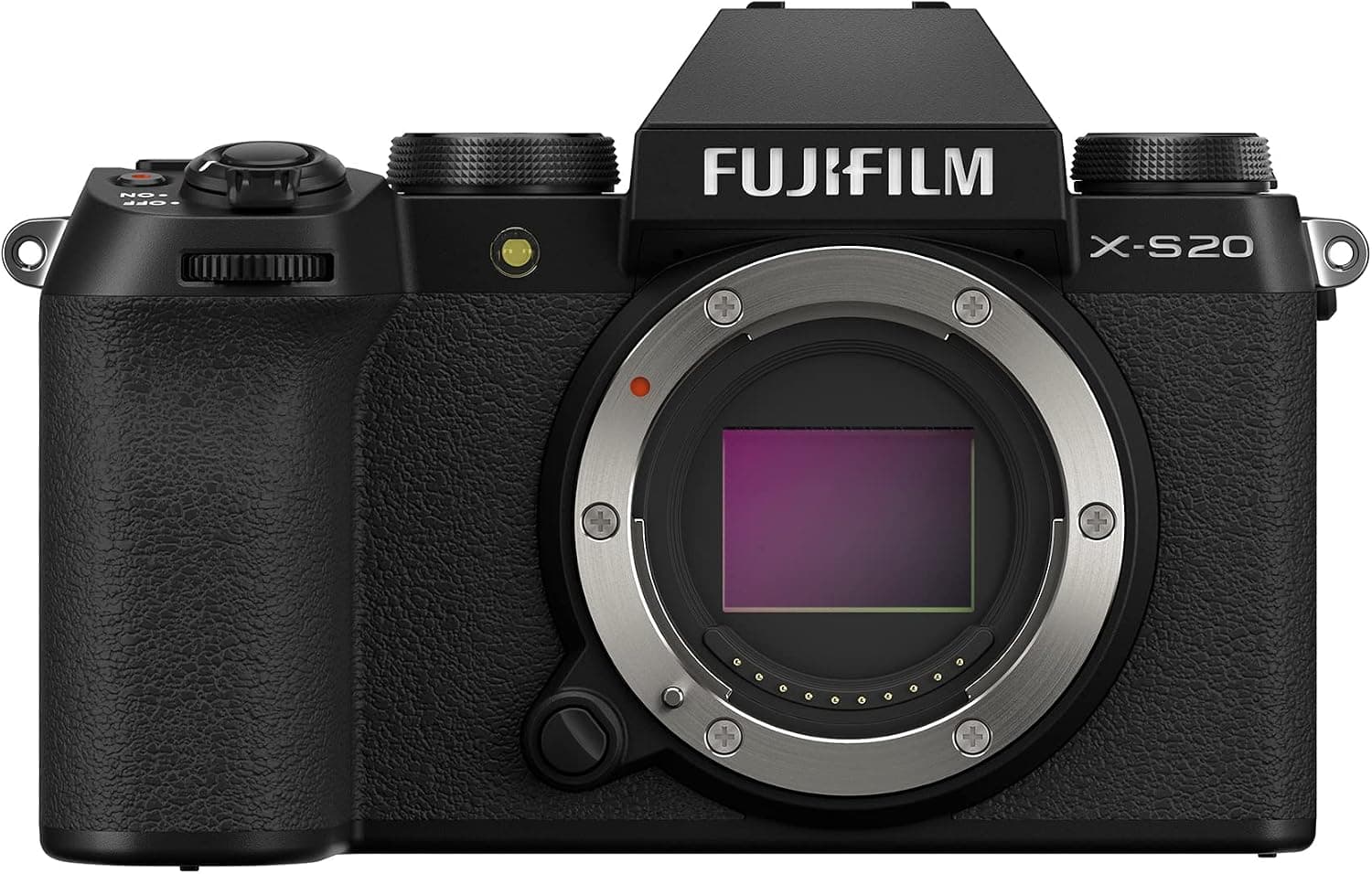
Fujifilm X-S20 mirrorless camera body

Compact hybrid body

Fujifilm X-S20

$1,199 - $1,349

9.0

Hybrid shooters who want one capable, portable body for photo and video.

Skip if: APS-C, not full-frame

Price-band check

Use the retailer for the current price after the kit still fits the rule constraint.

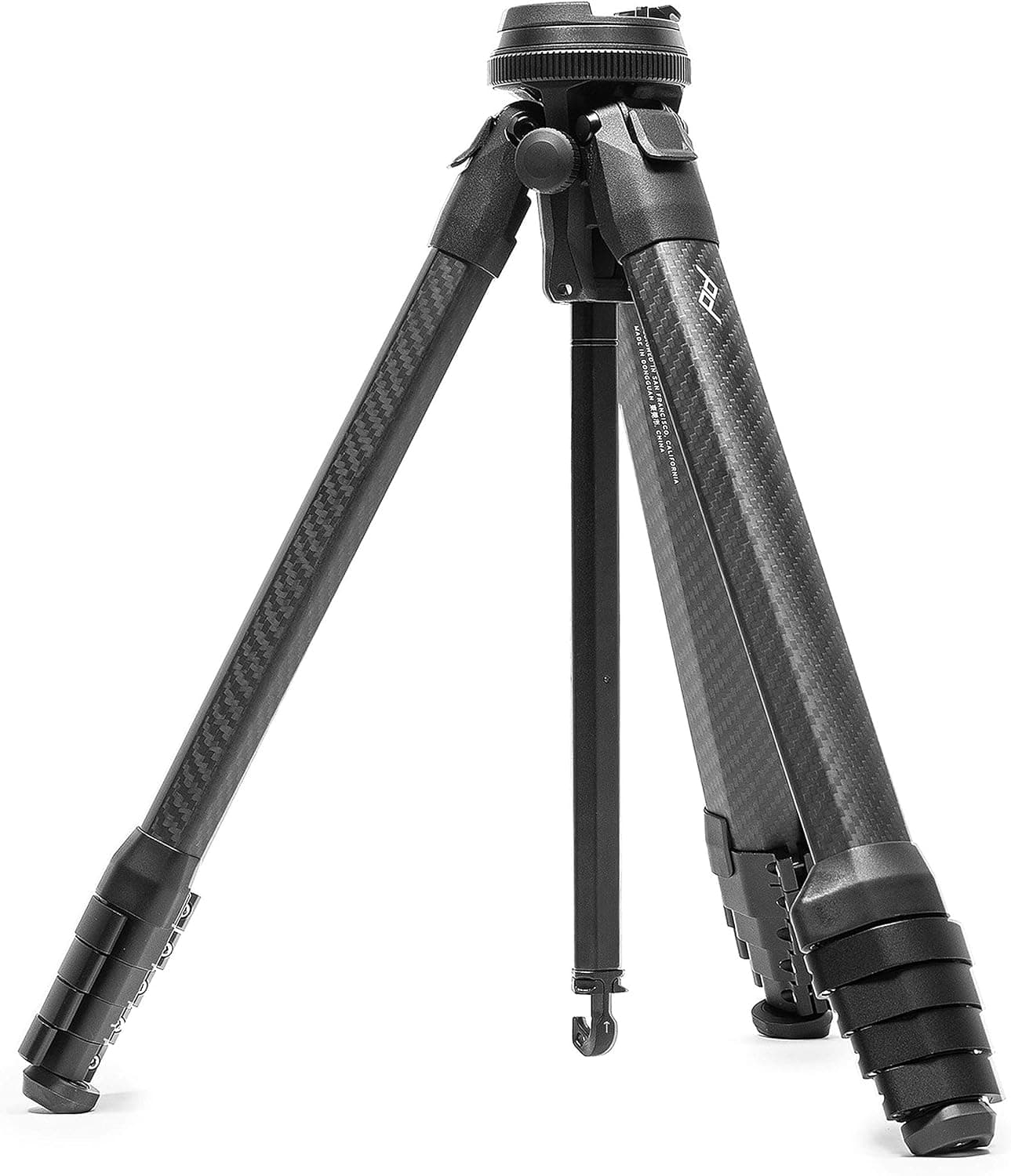
Peak Design carbon fiber travel tripod

Travel tripod

Peak Design Travel Tripod (Carbon)

$599 - $699

9.0

Photographers who hike or travel and want full height in a pack-friendly form.

Skip if: Expensive

Price-band check

Use the retailer for the current price after the kit still fits the rule constraint.

Product links may earn a commission at no cost to you. Verify the rules first, then buy only what keeps the shoot practical.

Permit

Conditional

Issuer: Rhode Island Film & Television Office

Cost: The Permission to Film registration is free for productions under $100,000

Processing: Submit the permission form about 10 business days in advance

Rhode Island is a partial exception to the no-statewide-permit norm: the RI Film & Television Office asks all motion picture, TV, commercial, and still photography projects to register, with a free Permission to Film form for productions under $100,000. Cities like Providence still run their own location permits on top of that. In state parks and beaches, the RI Department of Environmental Management (Division of Parks and Recreation) requires a Professional Photography Permit for photographers charging for their services, with an approved certificate of insurance; shoots with larger groups, props, or exclusive use also need a Special Use Permit filed roughly 30 business days out.

Official permit page

Drone / airspace

Legal under FAA rules; commercial drone work requires FAA Part 107

Commercial drone work requires FAA Part 107. For Part 107 and state drone law, see Drone Authority.

Street / public space

Yes: photographing people and property visible from public space is legal in the US

Private property (Newport mansions, marinas, resorts) sets its own rules regardless of state law.

Practical notes

  • The registration is paperwork, not gatekeeping: it is free and fast for small productions, and skipping it is the thing that gets shoots shut down.
  • Portrait photographers working state parks and beaches regularly are effectively vendors: DEM expects the insurance certificate on file before you shoot.

Sources

Keep shooting

Knowing the rules is half the job. The craft side:

More in US States

← All location guides