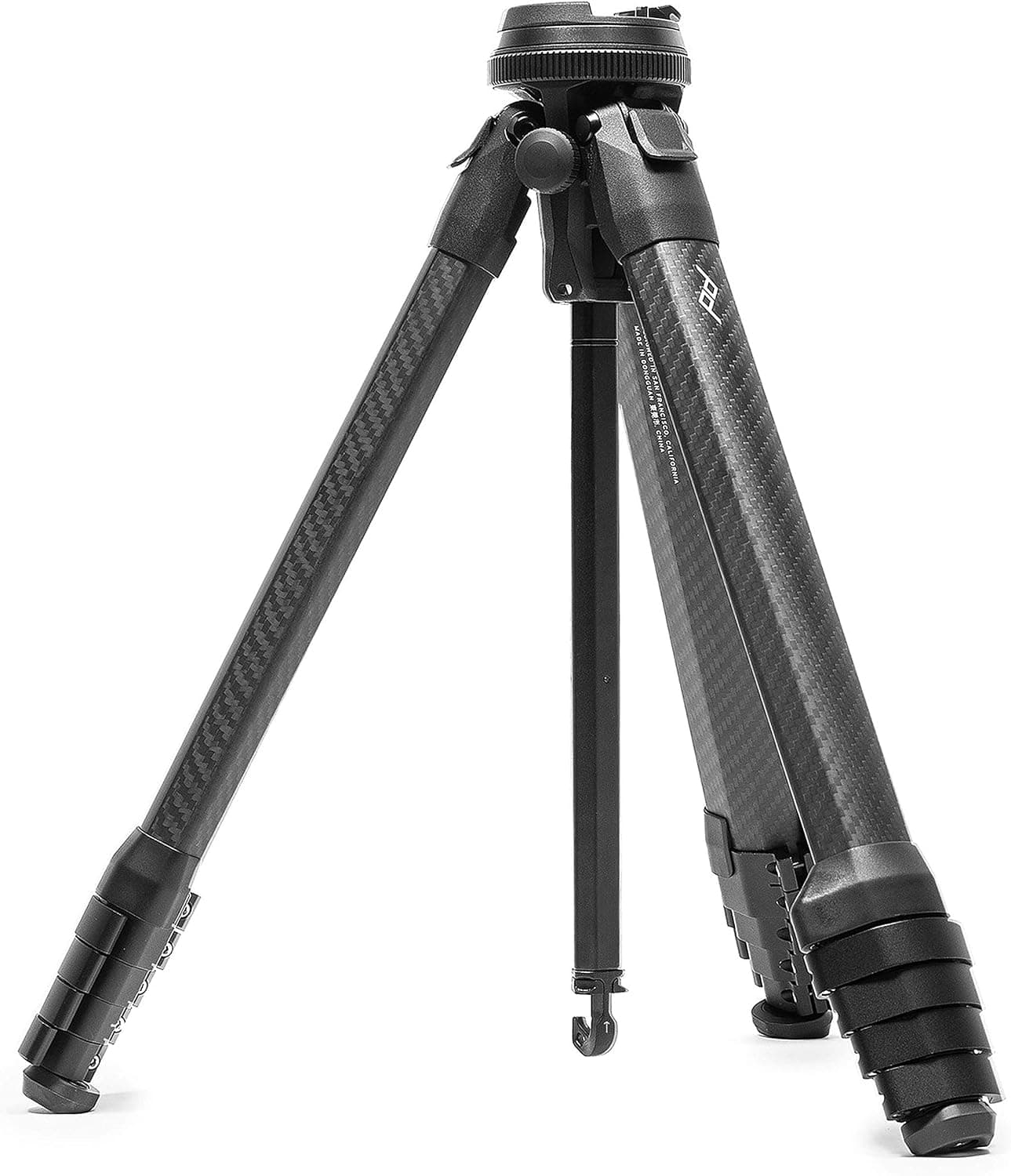
Peak Design Travel Tripod (Carbon)
$599 - $699
South Korea lets you photograph public landmarks but generally not sell prints centered on a copyrighted public artwork; its anti-hidden-camera law is strict.
Shoot decision
Personal and hobby photography in public needs no permit. The royal palaces and many temples allow free personal photos but require approval for commercial shoots.
Conditional
Issuer: Site operator for commercial shoots at palaces, tombs, and temples; no permit for personal street photography
Cost: No permit for personal photography; commercial shoots need approval and sometimes a tripod fee
Personal and hobby photography in public needs no permit. The royal palaces and many temples allow free personal photos but require approval for commercial shoots. Military sites and the DMZ are strictly off-limits.
Drones over 250g must be registered via MOLIT; central Seoul, airports, and military sites are no-fly zones
Aerial photography can require a Ministry of National Defense permit. For depth, see Drone Authority.
No by default for identifiable individuals: portrait rights mean publishing or using someone's image needs consent
Non-consensual intimate filming is a serious crime, and phones sold in Korea cannot silence the shutter sound. Never photograph anyone in a private or sensitive situation.
Limited
Copyright Act Article 35 lets works permanently in public places be used for most purposes, but excludes reproducing for the purpose of selling copies. Photographing buildings and public art for editorial or personal use is allowed; selling prints centered on a copyrighted public artwork generally is not.
Guidance, not legal advice
Drone Authority
Photography access and drone permission are separate questions. Drone Authority covers the flight-law side for this country.
$599 - $699
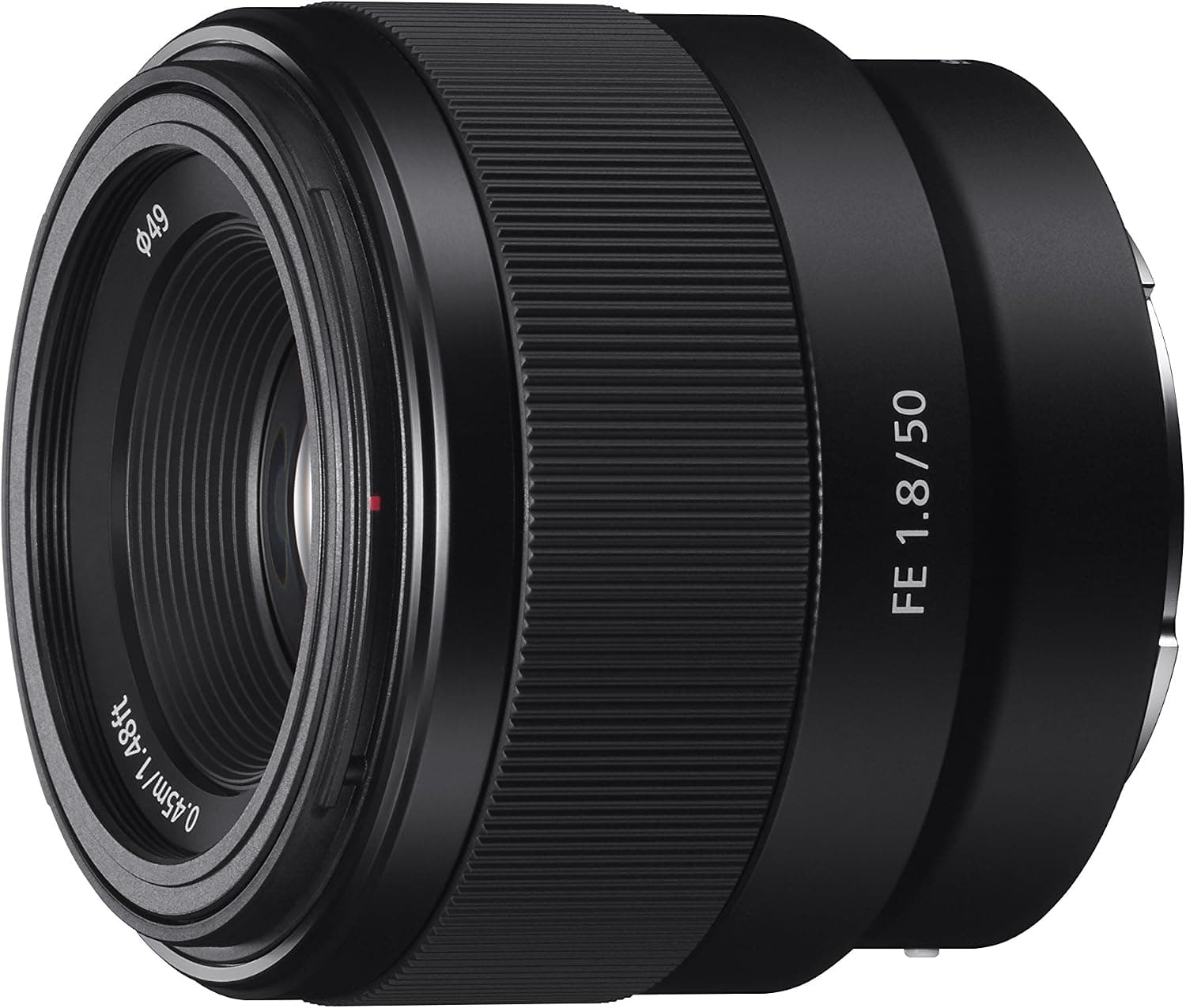
$200 - $250
Product links may earn a commission at no cost to you. Verify the rules first, then buy only what keeps the shoot practical.