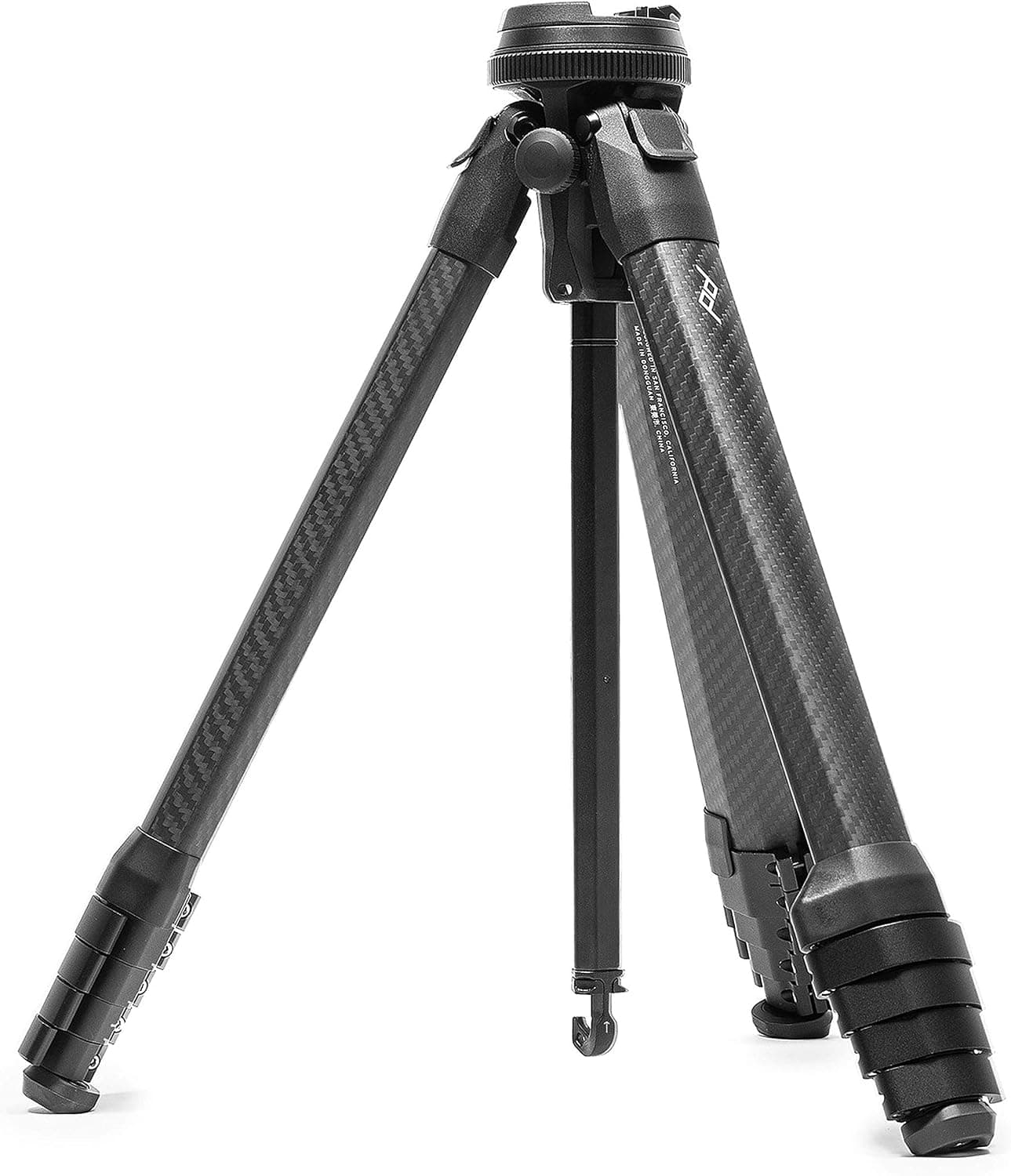
Peak Design Travel Tripod (Carbon)
$599 - $699
Thailand has full freedom of panorama, but its data-protection law makes publishing identifiable people without consent risky.
Shoot decision
Personal and tourist photography in public needs no permit. The Grand Palace and major temples allow outdoor photos but ban interior shots, tripods, flash, and drones.
Conditional
Issuer: Thailand Film Office (Department of Tourism) for commercial shoots; site managers for temples and attractions
Cost: No permit for personal photography; commercial shoots need notification or permission, and heritage sites charge fees
Personal and tourist photography in public needs no permit. The Grand Palace and major temples allow outdoor photos but ban interior shots, tripods, flash, and drones. Be cautious around government, royal, and military sites.
Camera drones must be registered with both CAAT and the NBTC and carry liability insurance
Fly only in daylight within visual line of sight. For depth, see Drone Authority.
Yes to photograph, but the Personal Data Protection Act treats an identifiable image as personal data
Publishing or commercially using a person's image without consent can carry civil and criminal liability; get a release.
Full
The Copyright Act permits photographing public artworks and monuments (Section 37) and architecture regardless of location (Section 38), with no non-commercial restriction. You can legally sell images of public buildings, monuments, and sculptures.
Guidance, not legal advice
Drone Authority
Photography access and drone permission are separate questions. Drone Authority covers the flight-law side for this country.
$599 - $699
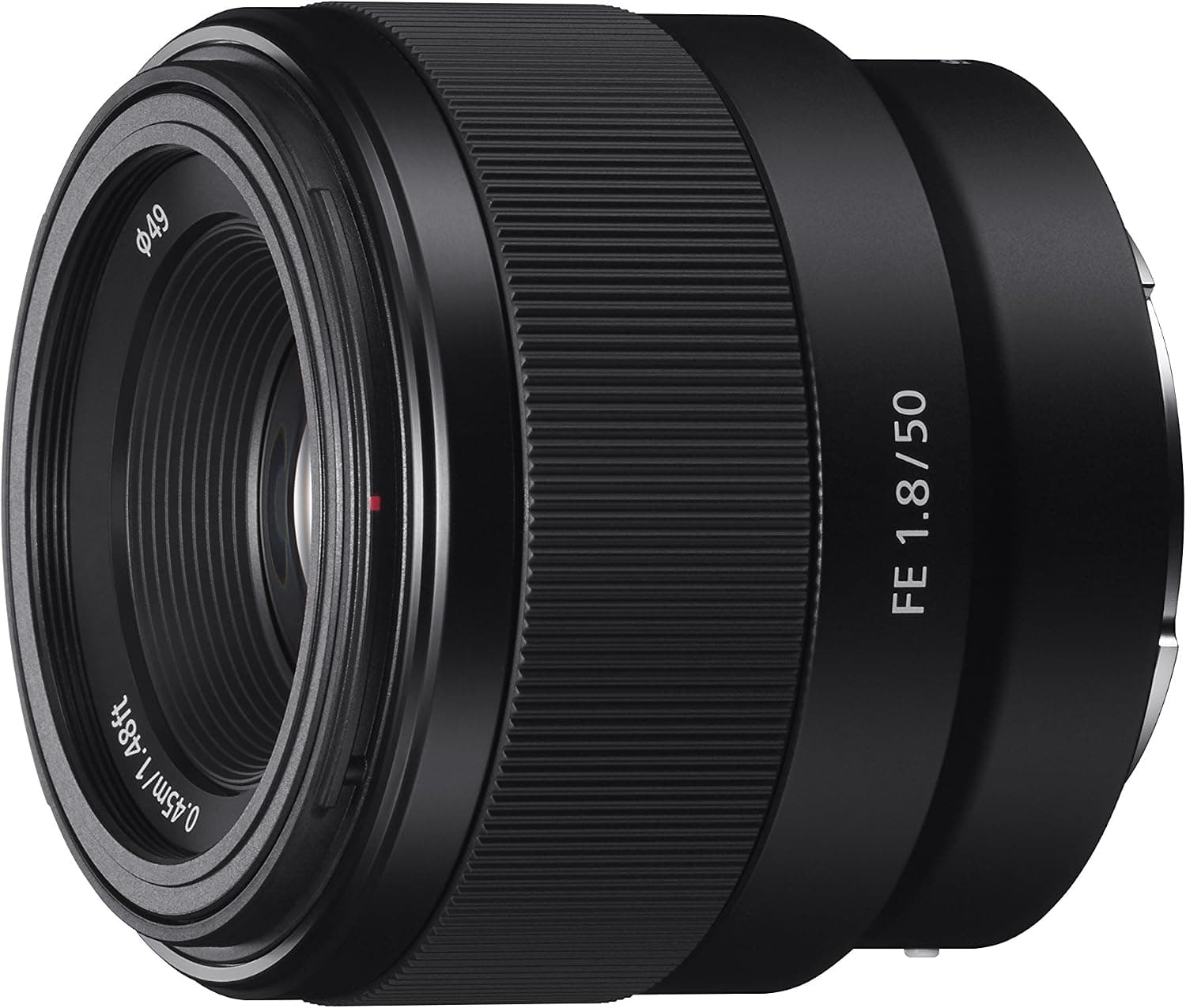
$200 - $250
Product links may earn a commission at no cost to you. Verify the rules first, then buy only what keeps the shoot practical.