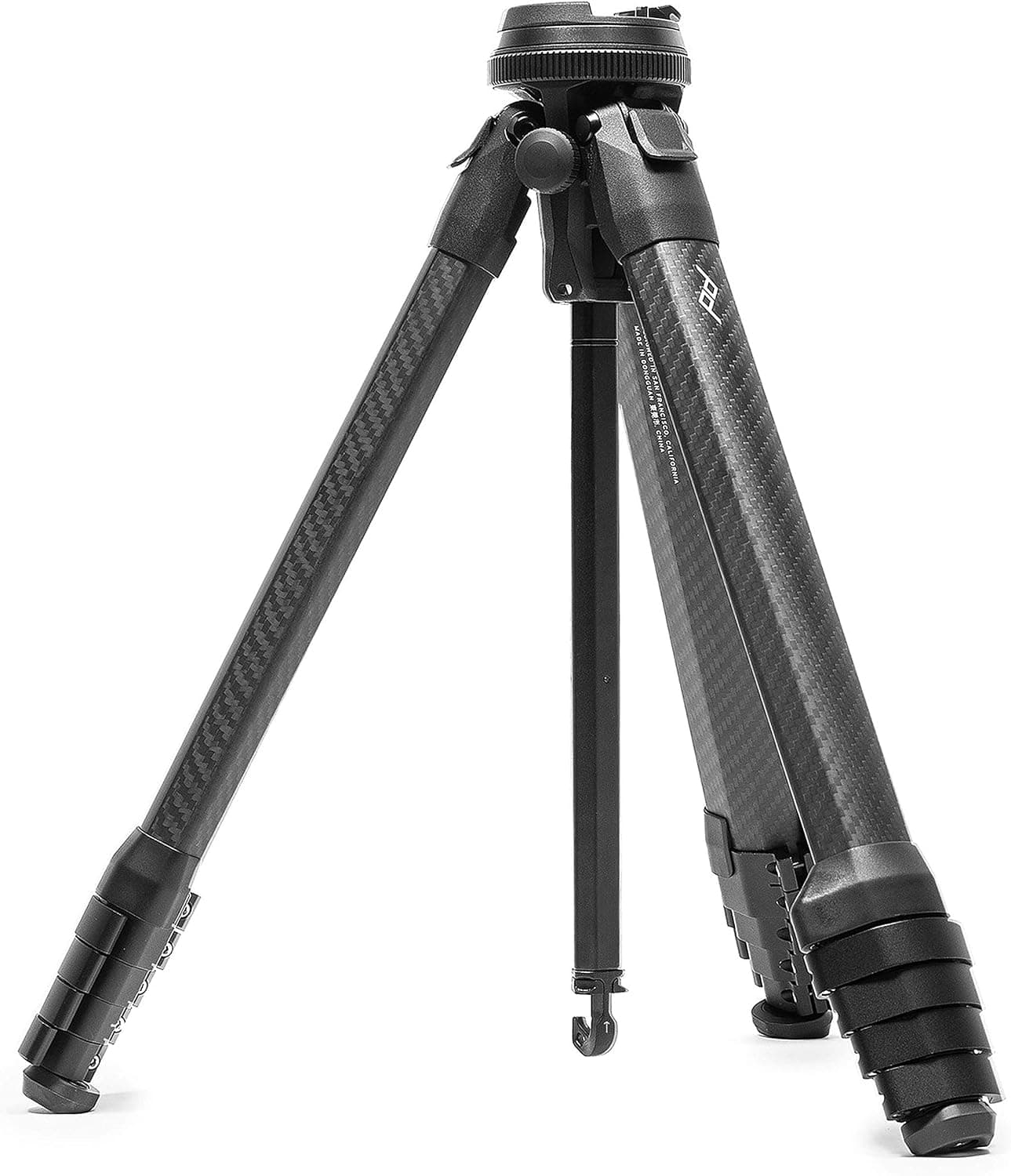
Peak Design Travel Tripod (Carbon)
$599 - $699
Tunisia allows selling images of public buildings and outdoor art, but excludes museum works, and tourist drones are confiscated at customs.
Shoot decision
Personal photography needs no permit at most public and heritage sites.
Conditional
Issuer: Relevant ministries via a local fixer for commercial shoots; site management for museums and antiquities
Cost: No permit for personal photography; commercial shoots need advance permits, and museums or sites may charge camera or tripod fees
Personal photography needs no permit at most public and heritage sites. Never photograph military, government, police, or security sites.
Regulated by the OACA, which issues only short-term permits after multi-ministry clearance; importing a drone without authorization leads to customs confiscation
For visitors, drones are effectively banned. See Drone Authority.
Yes, with no specific ban, but the data-protection law requires consent to publish identifiable images, and asking first is the cultural norm
Be especially careful photographing women, who may decline.
Full, with limits
Law No. 94-36 of 1994 (amended 2009) permits reproduction of architecture, fine art, and applied art permanently in public, including commercial use, but excludes works inside museums and galleries and inherited artistic heritage.
Guidance, not legal advice
Drone Authority
Photography access and drone permission are separate questions. Drone Authority covers the flight-law side for this country.
$599 - $699
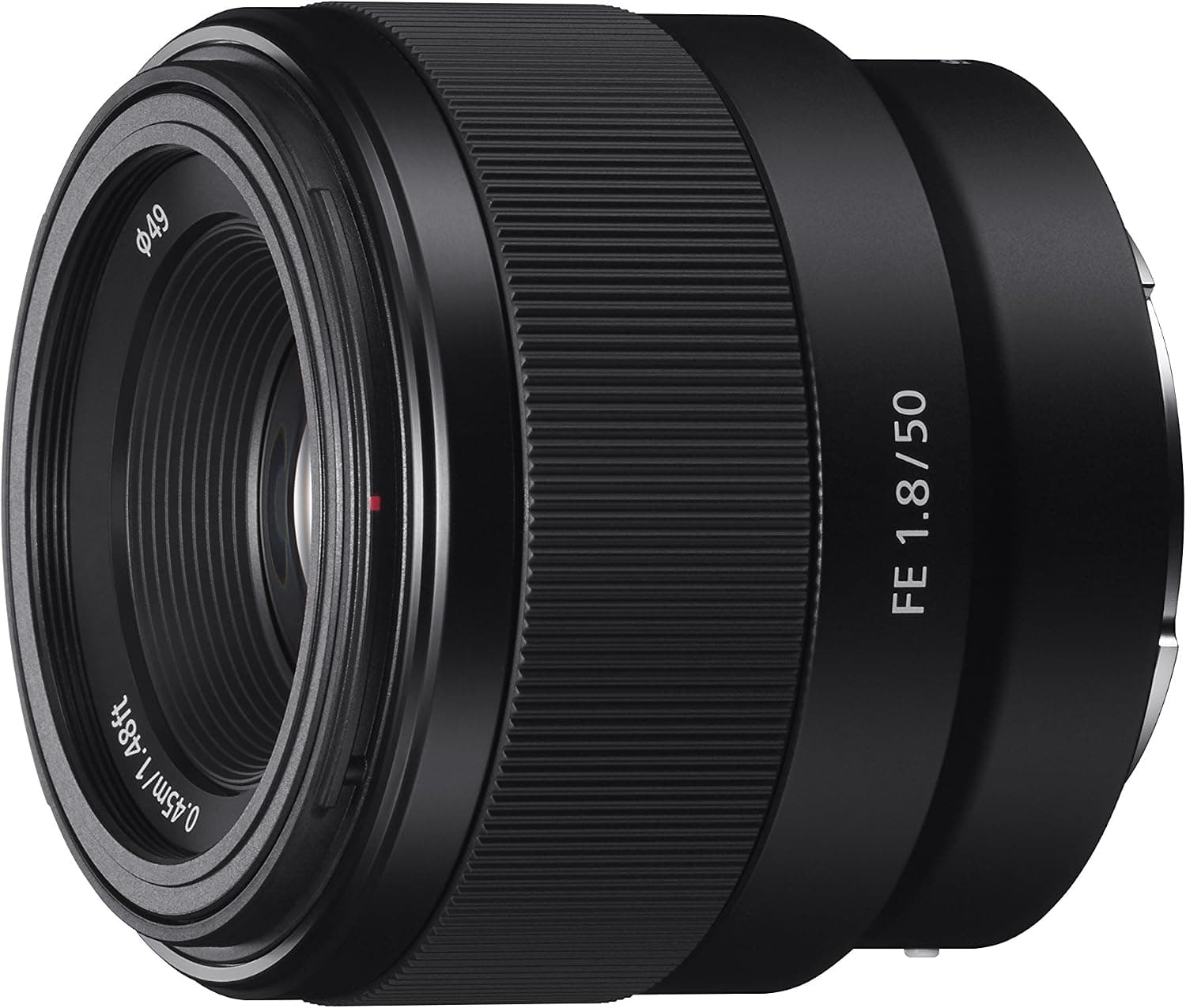
$200 - $250
Product links may earn a commission at no cost to you. Verify the rules first, then buy only what keeps the shoot practical.