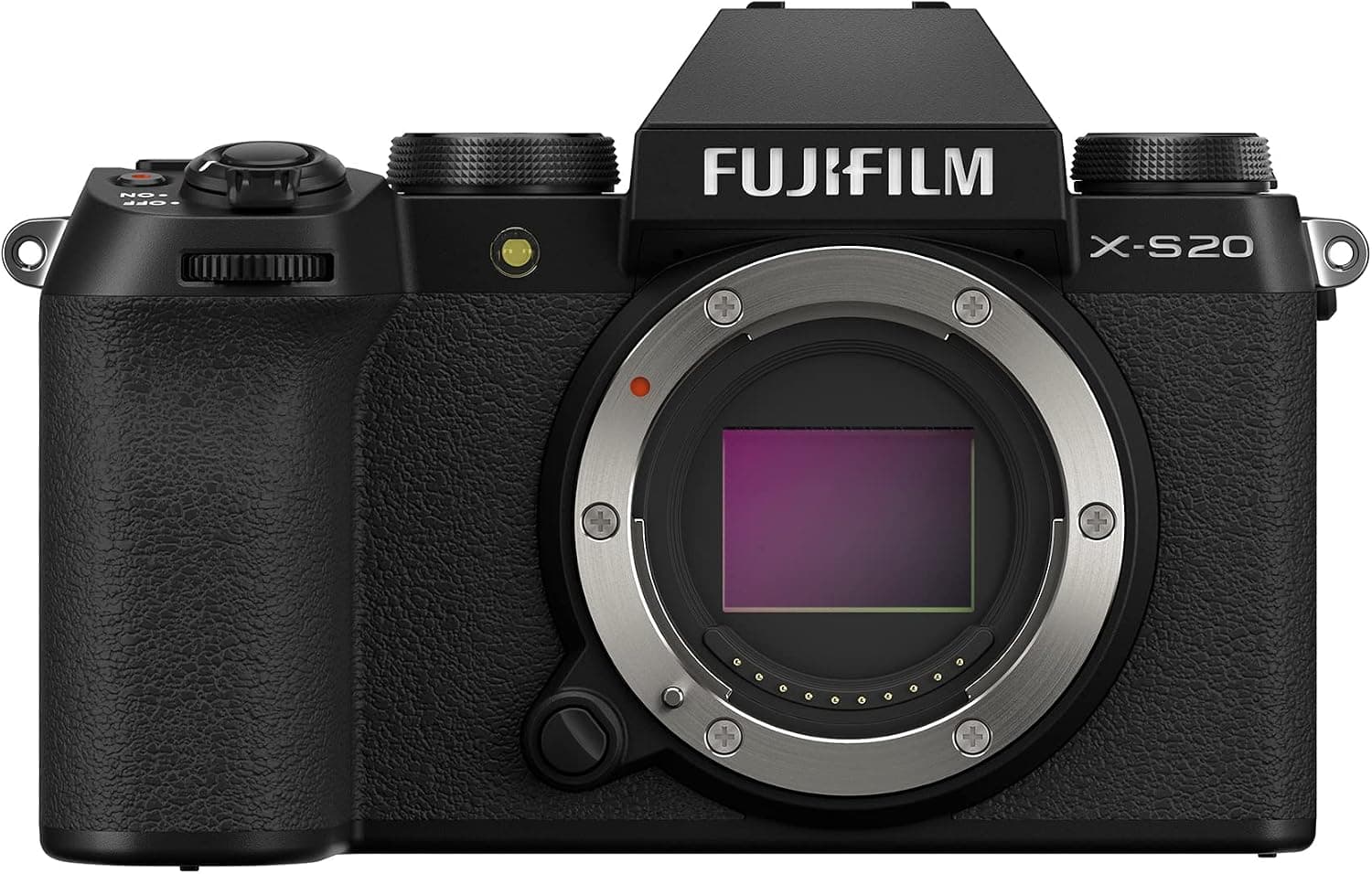
Fujifilm X-S20
$1,490 - $1,680
No state film office and no general filming permit; you deal with town clerks, and the Department of Forests, Parks and Recreation permits commercial use of state lands.
Shoot decision
Vermont dissolved its standalone Film Commission in 2011 and folded film support into the Agency of Commerce and Community Development's creative economy work, so there is no permitting film office.
Conditional
Issuer: Vermont Agency of Commerce and Community Development (no standalone film office)
Cost: Varies by property and locality; there is no general state filming permit
Vermont dissolved its standalone Film Commission in 2011 and folded film support into the Agency of Commerce and Community Development's creative economy work, so there is no permitting film office. Vermont does not require a general filming permit; the practical starting point for a location is the town clerk's office, with proof of insurance the common ask. On state lands, the Department of Forests, Parks and Recreation (FPR) requires a Special Use Permit or commercial license for organized, publicized, or fee-charging activity, applied for online at least 30 days ahead. State building photography runs through the state's Communications and Marketing Office.
Legal under FAA rules; commercial drone work requires FAA Part 107
Commercial drone work requires FAA Part 107. For Part 107 and state drone law, see Drone Authority.
Yes: photographing people and property visible from public space is legal in the US
Vermont's iconic barns, sugarhouses, and farm roads are mostly private property; the classic fall-foliage shot usually needs landowner permission if you leave the road.
Guidance, not legal advice
$1,490 - $1,680
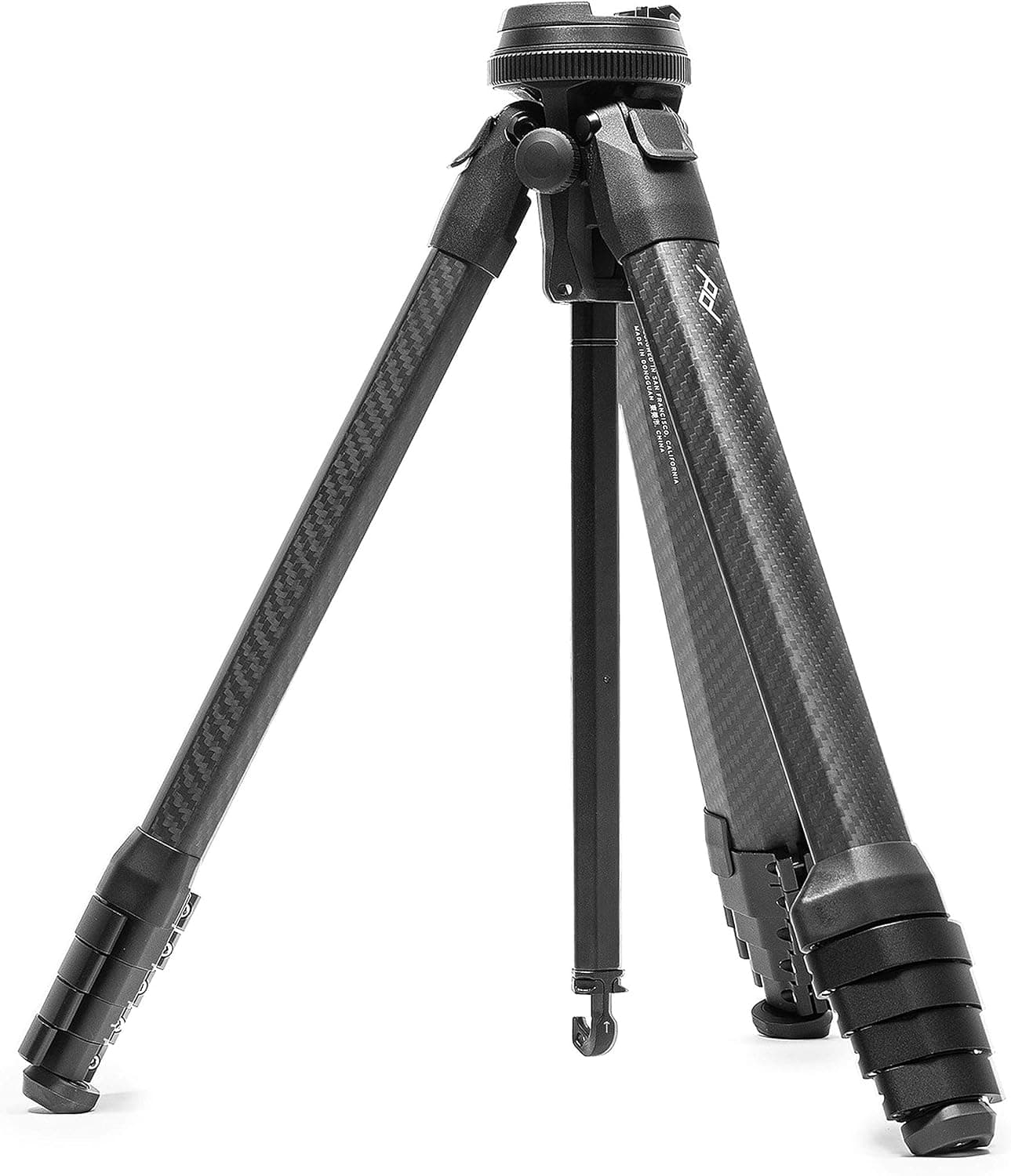
$599 - $699
Product links may earn a commission at no cost to you. Verify the rules first, then buy only what keeps the shoot practical.