We may earn a commission from links on this page, at no extra cost to you. Picks are researched, not sponsored.
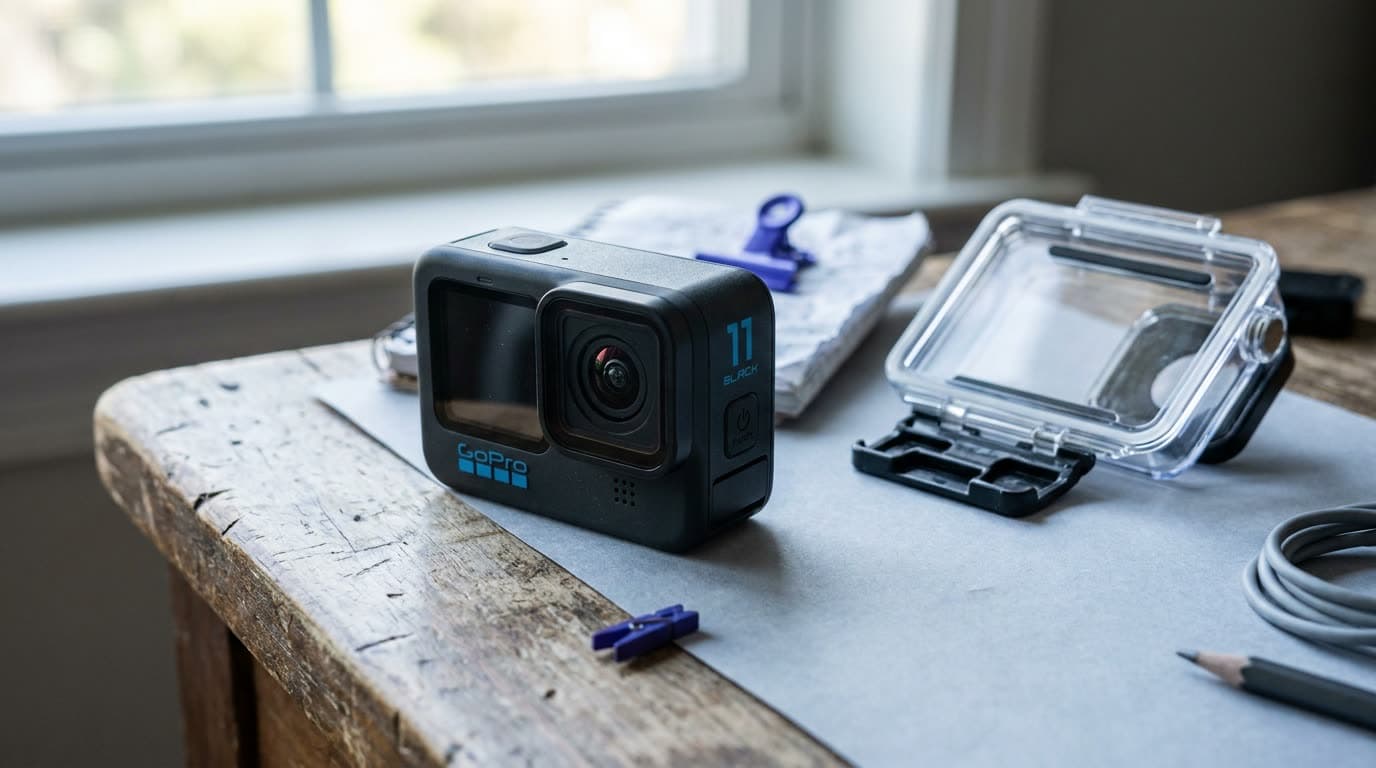
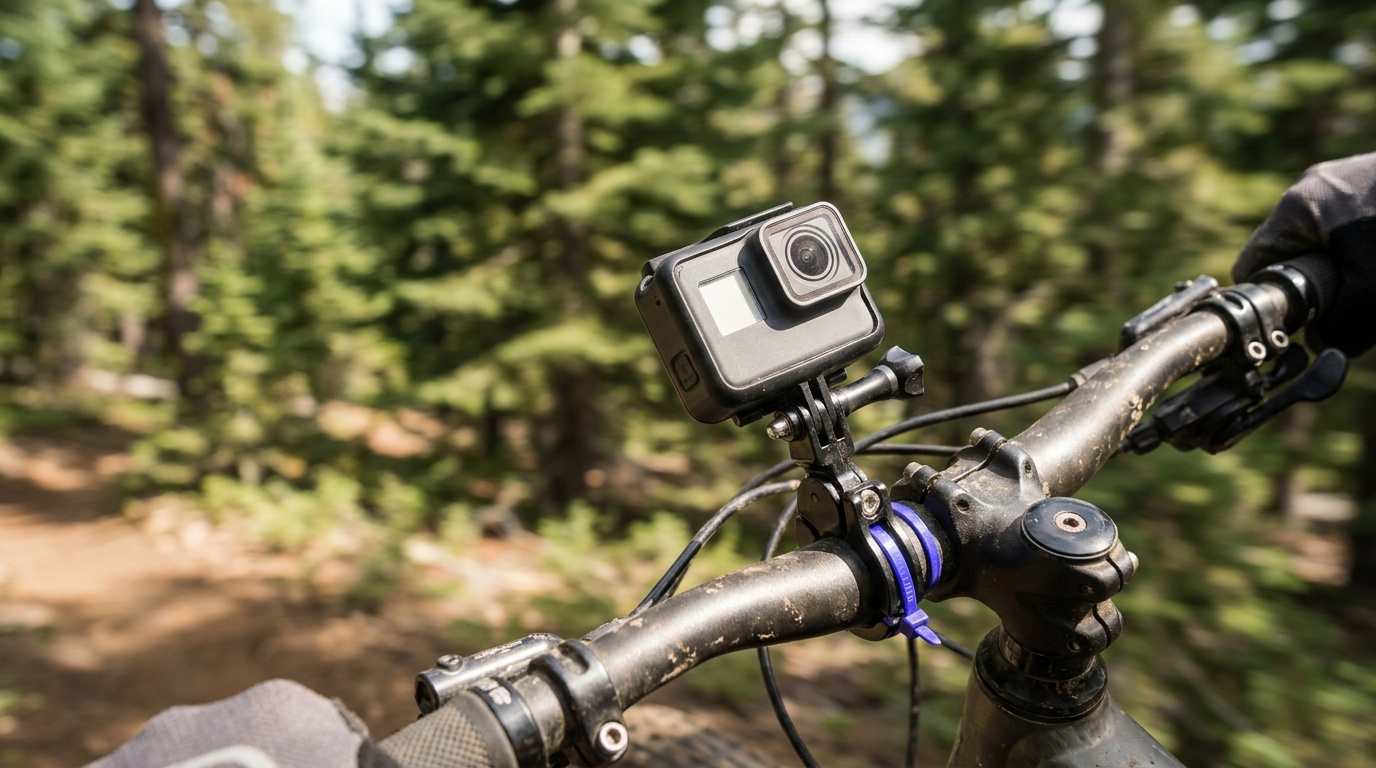
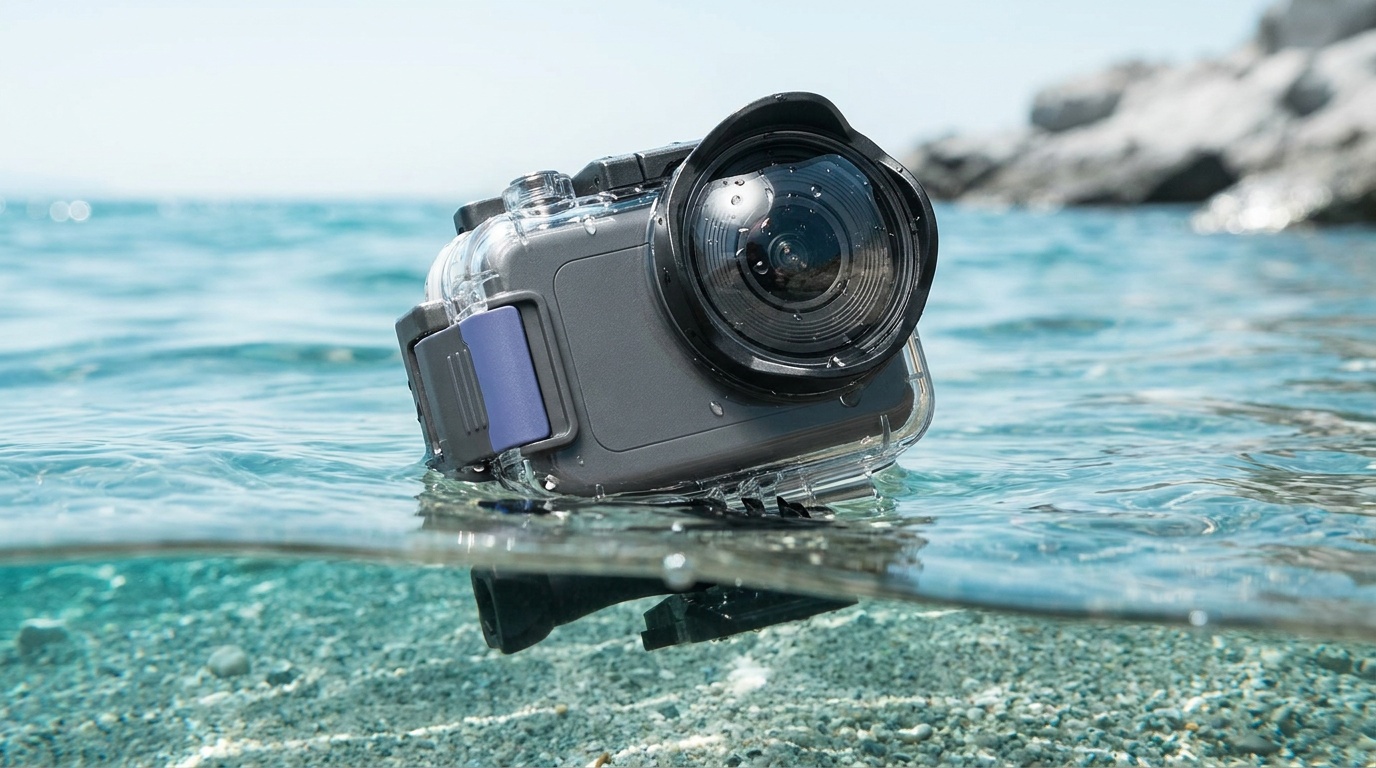
An action camera is small, tough, waterproof, and heavily stabilized, so it goes where a normal camera cannot: on a helmet, a handlebar, underwater, or strapped to a chest. The trade-off is a tiny sensor, so these cameras shine in bright light and struggle as it gets dark. The right pick depends on where you film and how much you care about image quality versus size.
If you want to understand why a small sensor limits low-light performance, the exposure triangle explains the relationship, and our best vlogging cameras guide covers the larger bodies action cameras often pair with.
How do you choose an action camera?
Start with stabilization, because it is the whole point of an action camera. Every modern model smooths footage well, but GoPro's HyperSmooth still sets the bar for locked-down, gimbal-like motion. If most of your footage is fast and bumpy, prioritize the camera with the best stabilization.
Then think about light. These cameras have small sensors, so the one with a larger sensor handles dusk, indoors, and overcast noticeably better. If you film early, late, or in dim conditions, sensor size matters more than headline resolution.
After that, weigh the format. A standard action camera frames the shot as you film it. A 360 camera records everything around it so you can point the shot afterward in editing, which is powerful for solo creators but adds an editing step. Finally, check the mounting ecosystem and battery life: GoPro's mount system is the most universal, and a camera that dies after twenty minutes will frustrate you on a long day.
How do the picks compare?
The table below summarizes the five picks by key specs, price band, and who each one fits. The scores are editorial summaries; read the best-for notes and tradeoffs before buying.
| Camera | Key specs | Price band | Our rating | Best for |
|---|---|---|---|---|
| GoPro HERO13 Black | 5.3K 60p, HyperSmooth, waterproof to 10 m | $349-429 | 9.0 | The default pick and deepest mount ecosystem |
| DJI Osmo Action 5 Pro | 1/1.3 in sensor, long battery, dual screens | $319-379 | 8.9 | Low light and long days |
| Insta360 Ace Pro 2 | 1/1.3 in Leica co-engineered sensor, 8K 30p, flip-up screen | $379-449 | 8.8 | Raw image quality |
| Insta360 X4 | 8K 360 capture, reframe in post, invisible selfie stick | $459-529 | 8.7 | Solo creators who frame in editing |
| GoPro HERO (2024) | 4K, very small and light, HyperSmooth | $179-219 | 8.3 | The budget and second-camera pick |
The picks
Best Overall
GoPro HERO13 Black
Most people who want the safest, most supported action camera.
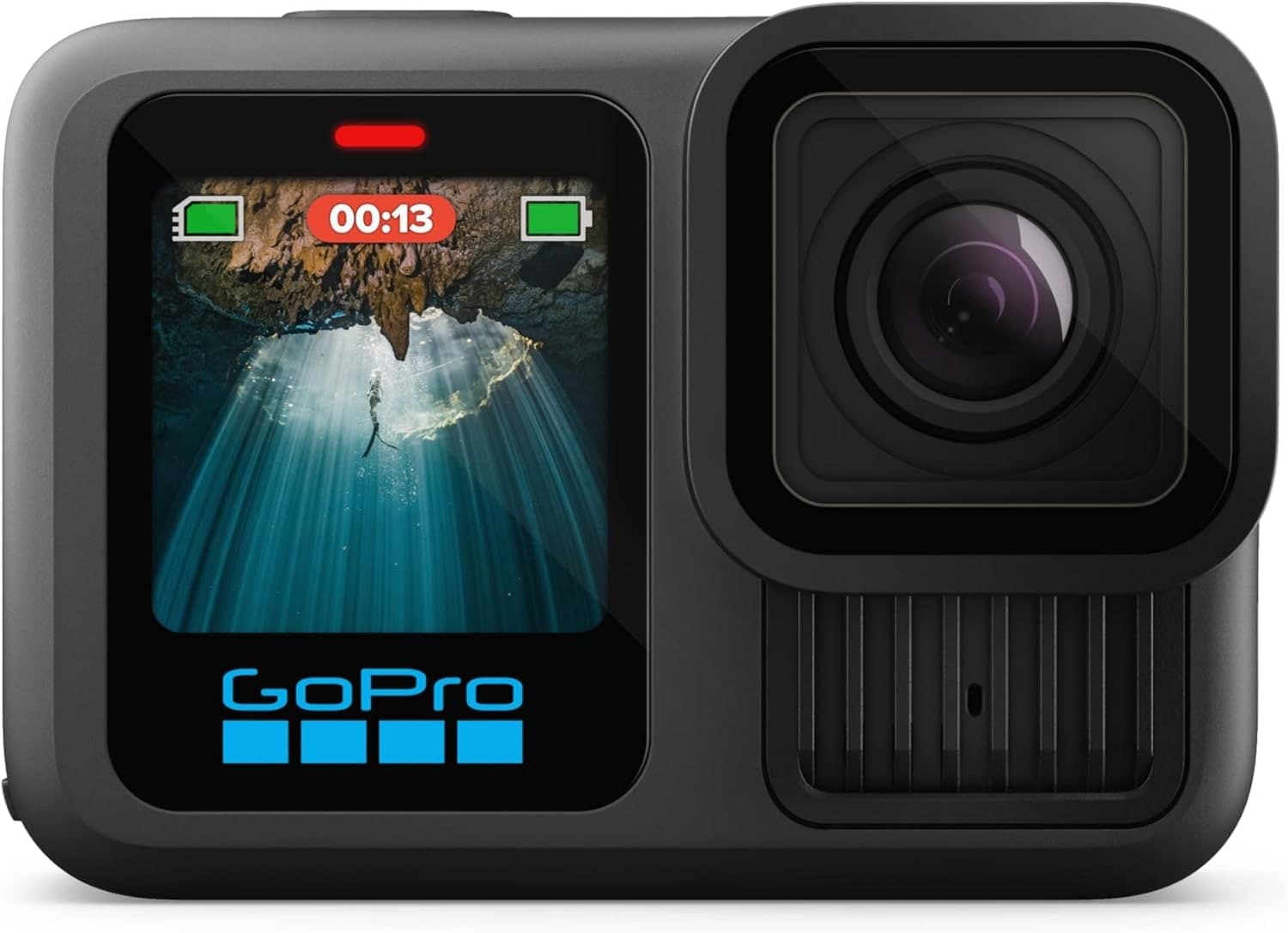
Check price at AmazonThe GoPro HERO13 Black is the default pick. Its stabilization is the most refined available, the mounting ecosystem is unmatched, and the new lens-mod system adds wide and macro options. Battery life is still only fair and GoPro pushes its subscription hard, but as the safest, most supported choice, it suits almost everyone.
Researched from: GoPro HERO13 Black official specs, available retailer feedback, and expert coverage.
Best for Low Light
DJI Osmo Action 5 Pro
Shooters who film in dim conditions or want longer recording time.
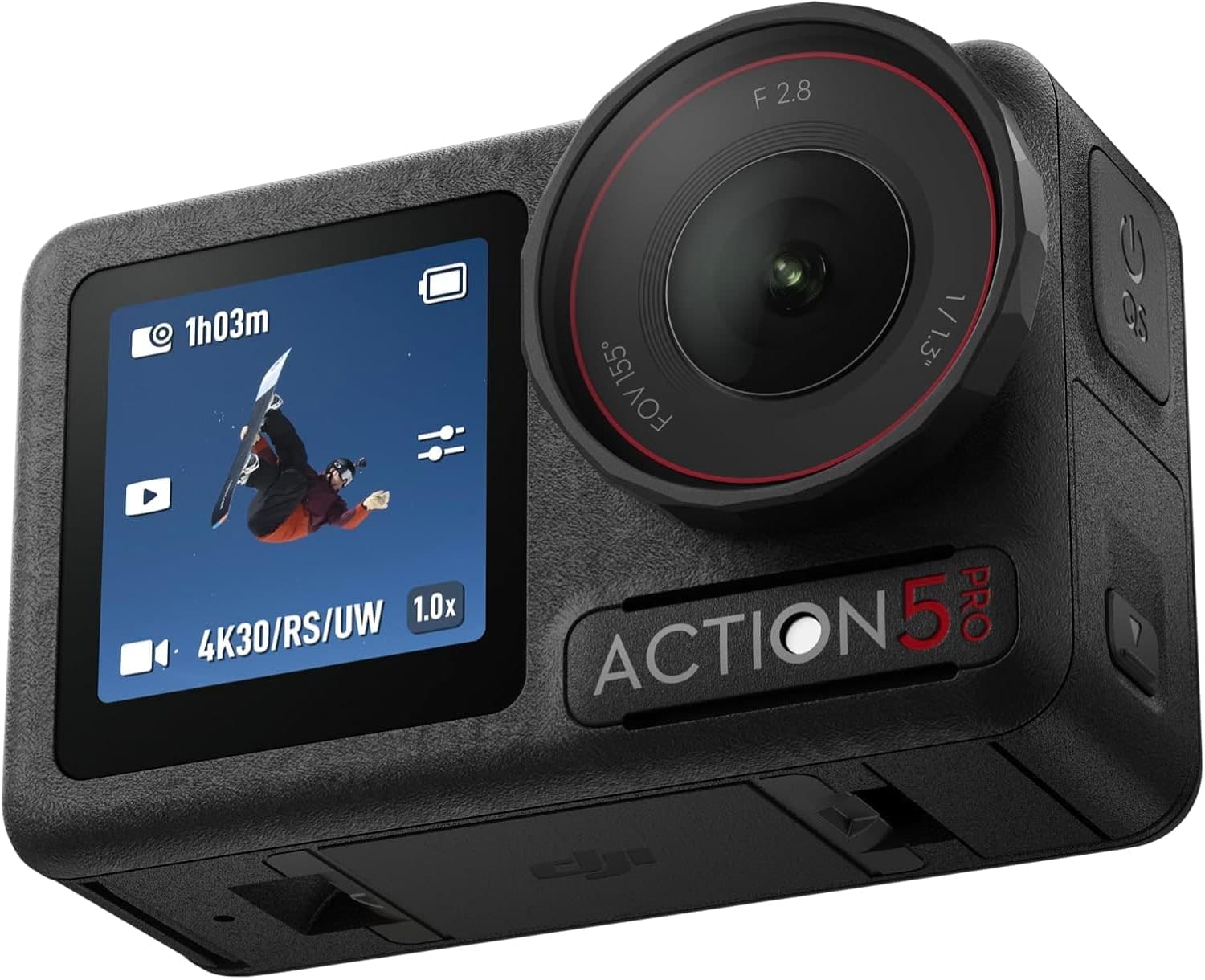
Check price at AmazonThe DJI Osmo Action 5 Pro is the low-light and endurance pick. A larger sensor handles dim conditions better than its rivals, battery life is genuinely long, and two color screens make self-framing easy. The mount ecosystem is smaller than GoPro's and the stabilization sits a half step behind, but for darker scenes and long days it is the smarter buy.
Researched from: DJI Osmo Action 5 Pro official specs, available retailer feedback, and expert coverage.
Best Image Quality
Insta360 Ace Pro 2
Creators who prioritize image quality over the smallest possible body.
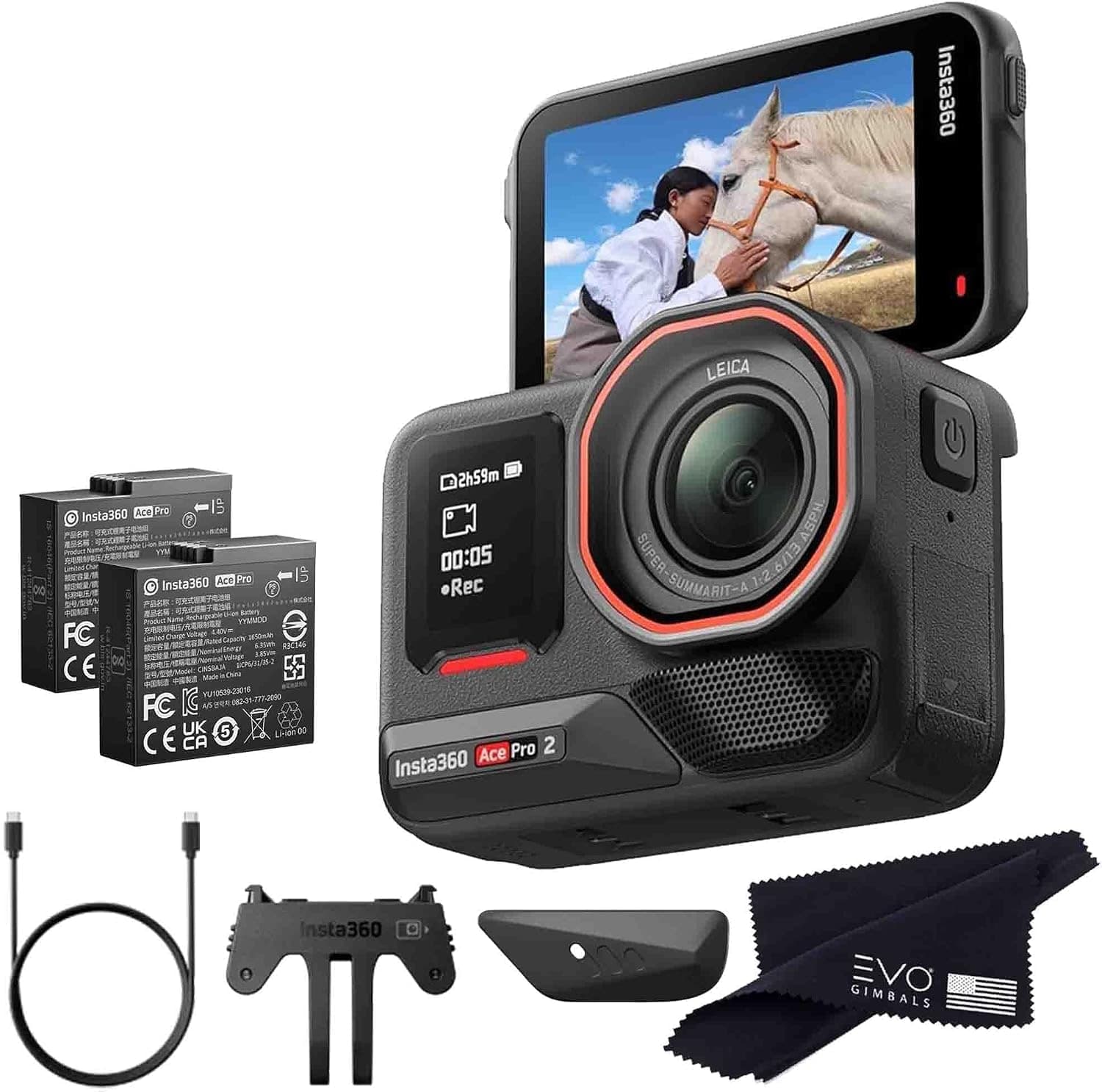
Check price at AmazonThe Insta360 Ace Pro 2 is the image-quality pick. Co-engineered with Leica, it pairs a large sensor with 8K capture and a flip-up screen, so it produces the cleanest footage of this group. It is a bit larger than the others and 8K editing is demanding, but if image quality is your priority, this is the one.
Researched from: Insta360 Ace Pro 2 official specs, available retailer feedback, and expert coverage.
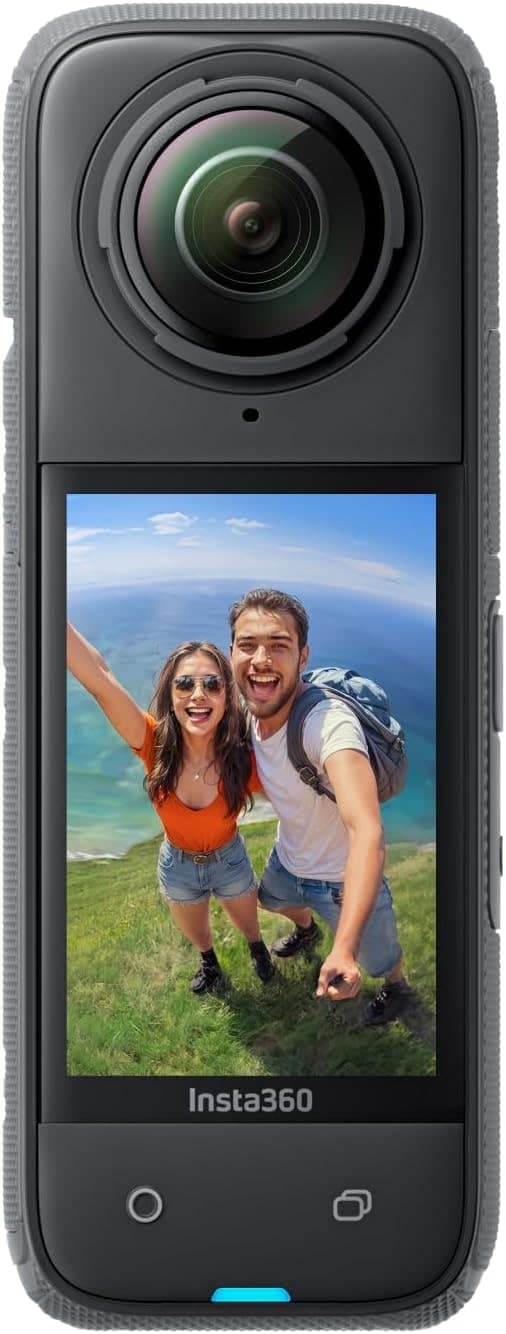
The Insta360 X4 is the 360 pick. It records everything around it, so you reframe any direction in editing and can hide the selfie stick for floating drone-like shots. The 360 workflow has a learning curve and the files are large, but no standard action camera offers this flexibility for solo creators.
Researched from: Insta360 X4 official specs, available retailer feedback, and expert coverage.
Best Budget
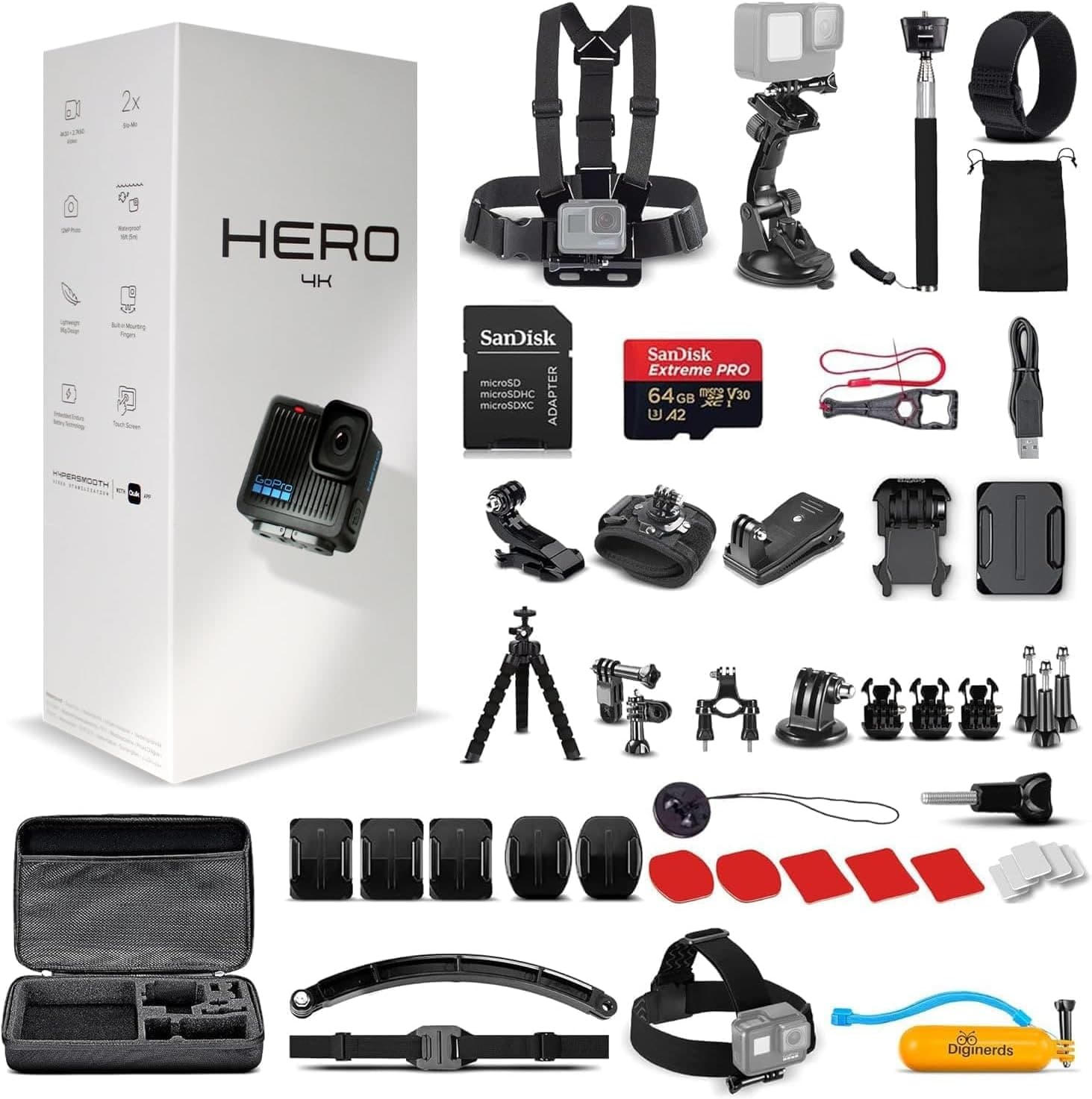
GoPro HERO (2024)
Beginners and anyone who wants a simple, pocketable action camera.
Check price at AmazonThe GoPro HERO (2024) is the budget pick. It keeps HyperSmooth stabilization and waterproofing in a tiny, lightweight body but drops the extra modes and resolution to hit a lower price. It is the easy choice for a simple second camera or a beginner who wants reliable, pocketable footage.
Researched from: GoPro HERO (2024) official specs, available retailer feedback, and expert coverage.
What mistakes should you avoid?
The most common one is expecting clean low-light footage from a tiny sensor. Action cameras are built for bright light; if you shoot a lot in the dark, choose the largest sensor you can. The second is buying a 360 camera without realizing it adds an editing step; the reframing is great, but it is not point-and-shoot. The third is forgetting accessories and power: the right mount, a spare battery or two, and enough fast memory make or break a day of filming.
If you mount an action camera on a drone or shoot aerial footage, we cover the shooting angle in our aerial photography guide. For drone law and Part 107, defer to Drone Authority.
Which action camera has the best stabilization?
GoPro's HyperSmooth is still the benchmark for locked-down, gimbal-like footage, and the HERO13 Black has the most refined version. DJI and Insta360 are close behind and stabilize very well, so if another feature like low-light performance or battery life matters more to you, the gap is small enough that you can prioritize it.
Is a 360 camera worth it over a standard action camera?
A 360 camera is worth it if you want to choose the framing after you shoot or create floating, drone-like moves with an invisible selfie stick. The trade-off is a learning curve and an extra reframing step in editing. If you prefer to frame as you film and edit quickly, a standard action camera is simpler.
How important is battery life on an action camera?
Very, if you film long sessions away from power. Most action cameras run roughly twenty to ninety minutes depending on resolution and stabilization settings, so the longer-lasting models like the Osmo Action save you swaps. Carrying one or two spare batteries is the simplest fix regardless of which camera you choose.
Compare picks
The short version
Use this to narrow the list before opening the detailed cards.
Scores weigh fit, owner sentiment, build, and value. Affiliate links do not change pick order. Methodology
Buying order
Start with the skip note. A good deal on the wrong camera is still the wrong camera.
Compare verdictsIf you already own lenses, check the system path before buying into a new mount.
Check systemsOnce the fit makes sense, compare current deals and retailer listings.
Check current dealsCamera system shortcut
If you already own one of these systems, keep the comparison inside that ecosystem before checking out.
Pocket video setups
Most people who want the safest, most supported action camera.
Use the retailer for the current price after the tradeoff makes sense. Confirm lens mount, sensor format, battery, charger, and kit contents.
Tradeoff: Fewer modes and settings
Use the retailer for the current price after the tradeoff makes sense. Confirm lens mount, sensor format, battery, charger, and kit contents.
Shooters who film in dim conditions or want longer recording time.
Use the retailer for the current price after the tradeoff makes sense. Confirm lens mount, sensor format, battery, charger, and kit contents.
Creators who prioritize image quality over the smallest possible body.
Use the retailer for the current price after the tradeoff makes sense. Confirm lens mount, sensor format, battery, charger, and kit contents.
Price ladder
The useful range here runs from $199 to $399. Start with the ceiling that matches the assignment.
- Most people who want the safest, most supported action camera.
- Best-in-class stabilization
- Battery life still modest
Use the retailer for the current price after the tradeoff makes sense. Confirm lens mount, sensor format, battery, charger, and kit contents.
- Shooters who film in dim conditions or want longer recording time.
- Better low-light sensor
- Smaller mount ecosystem than GoPro
Use the retailer for the current price after the tradeoff makes sense. Confirm lens mount, sensor format, battery, charger, and kit contents.
- Creators who prioritize image quality over the smallest possible body.
- Strong low-light image
- Bigger than rivals
Use the retailer for the current price after the tradeoff makes sense. Confirm lens mount, sensor format, battery, charger, and kit contents.
- Solo creators who want to point the shot after the fact.
- Reframe anything in post
- 360 editing has a learning curve
Confirm the exact model, seller, and price before buying. Confirm lens mount, sensor format, battery, charger, and kit contents.
- Beginners and anyone who wants a simple, pocketable action camera.
- Tiny and light
- Fewer modes and settings
Use the retailer for the current price after the tradeoff makes sense. Confirm lens mount, sensor format, battery, charger, and kit contents.
| Pick | Score | Price | Verdict | Action |
|---|---|---|---|---|
| Best OverallGoPro HERO13 Black | 9.0
| $349 - $429 | Most people who want the safest, most supported action camera. Wins: Best-in-class stabilization Skip: Battery life still modest | Check Amazon · $349 - $429 Use the retailer for the current price after the tradeoff makes sense. Confirm lens mount, sensor format, battery, charger, and kit contents. |
| Best for Low LightDJI Osmo Action 5 Pro | 8.9
| $319 - $379 | Shooters who film in dim conditions or want longer recording time. Wins: Better low-light sensor Skip: Smaller mount ecosystem than GoPro | Check Amazon · $319 - $379 Use the retailer for the current price after the tradeoff makes sense. Confirm lens mount, sensor format, battery, charger, and kit contents. |
| Best Image QualityInsta360 Ace Pro 2 | 8.8
| $379 - $449 | Creators who prioritize image quality over the smallest possible body. Wins: Strong low-light image Skip: Bigger than rivals | Check Amazon · $379 - $449 Use the retailer for the current price after the tradeoff makes sense. Confirm lens mount, sensor format, battery, charger, and kit contents. |
 Best 360Insta360 X4 Best 360Insta360 X4 | 8.7
| $459 - $529 | Solo creators who want to point the shot after the fact. Wins: Reframe anything in post Skip: 360 editing has a learning curve | Search Amazon Confirm the exact model, seller, and price before buying. Confirm lens mount, sensor format, battery, charger, and kit contents. |
| Best BudgetGoPro HERO (2024) | 8.3
| $179 - $219 | Beginners and anyone who wants a simple, pocketable action camera. Wins: Tiny and light Skip: Fewer modes and settings | Check Amazon · $179 - $219 Use the retailer for the current price after the tradeoff makes sense. Confirm lens mount, sensor format, battery, charger, and kit contents. |
Shoot kits
Buy around the job, not the spec sheet
Creator kit
Solo vlogging kit
$1,286
A stabilized pocket camera, clean wireless audio, fast media, a backup drive, and a small light for one-person video.
Best low-friction creator kit
Buy order: start with the first piece that makes the job possible, then add the support pieces that remove friction.
Camera: start here. If this piece does not make the shoot easier, the rest of the kit can wait.
Light: add it after the core setup proves useful.
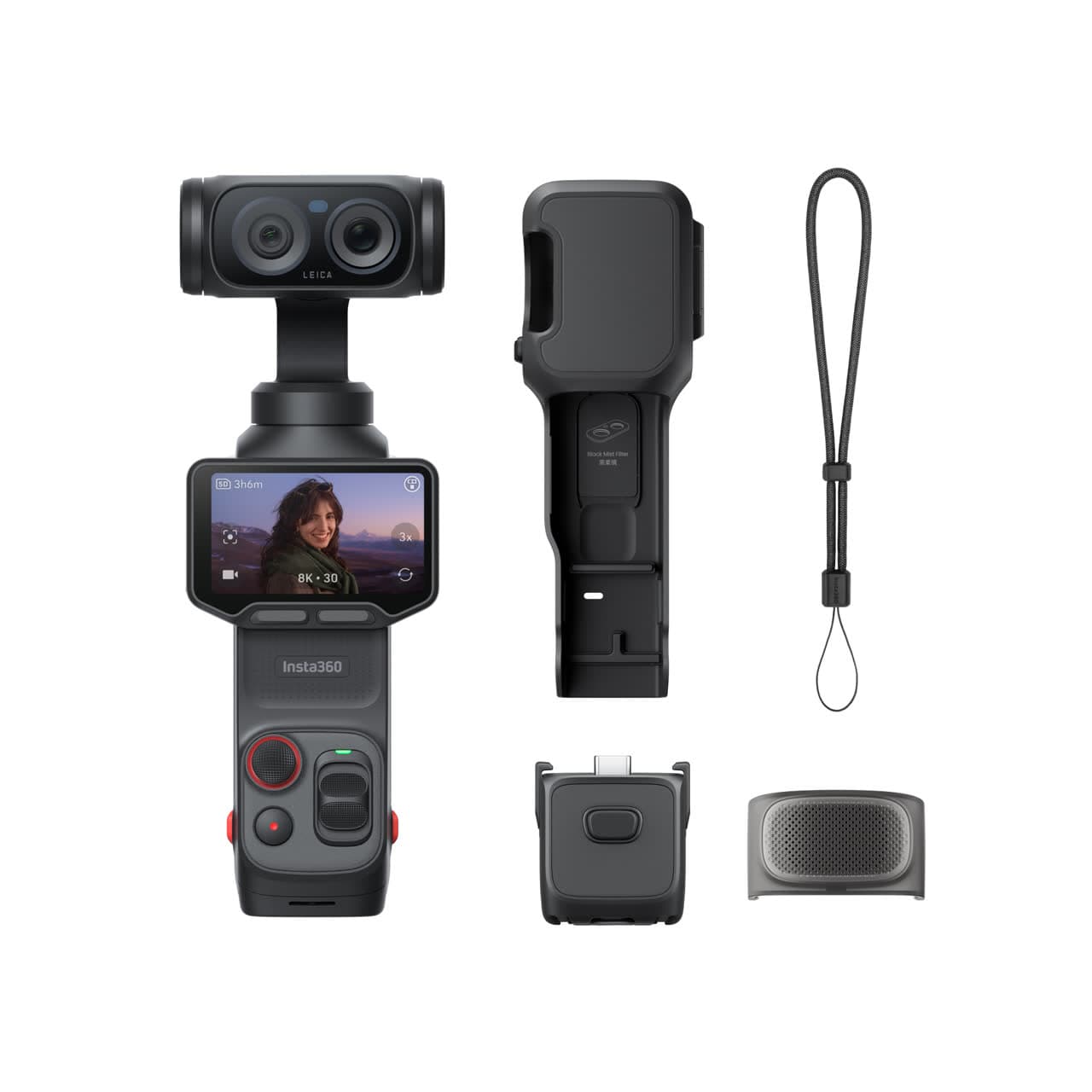
Insta360 Luna Ultra
Wide and tele framing, mechanical stabilization, and a detachable screen without a full camera rig.
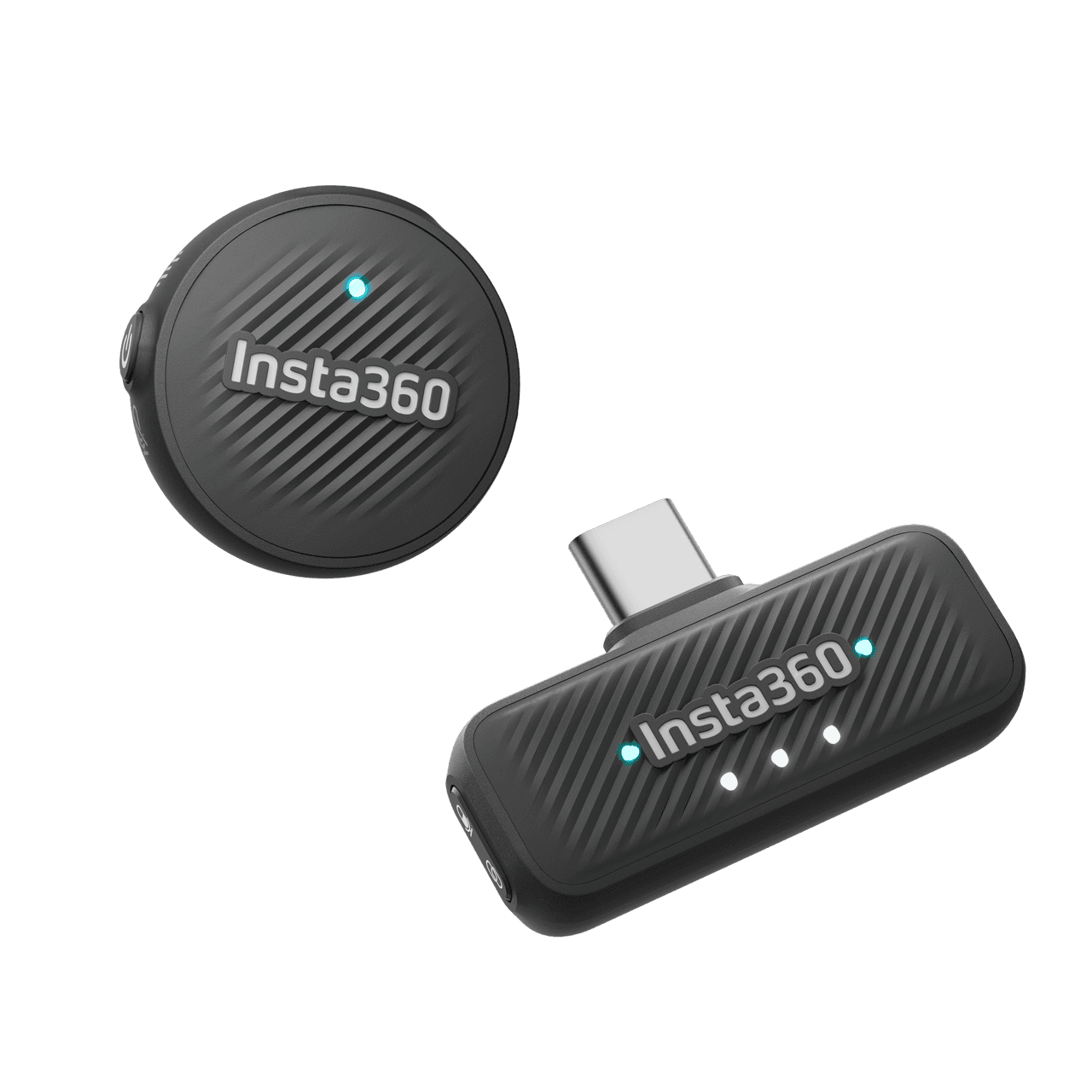
Insta360 Mic Air
Pairs directly with Luna Ultra for clearer speech without hanging a receiver from the camera.
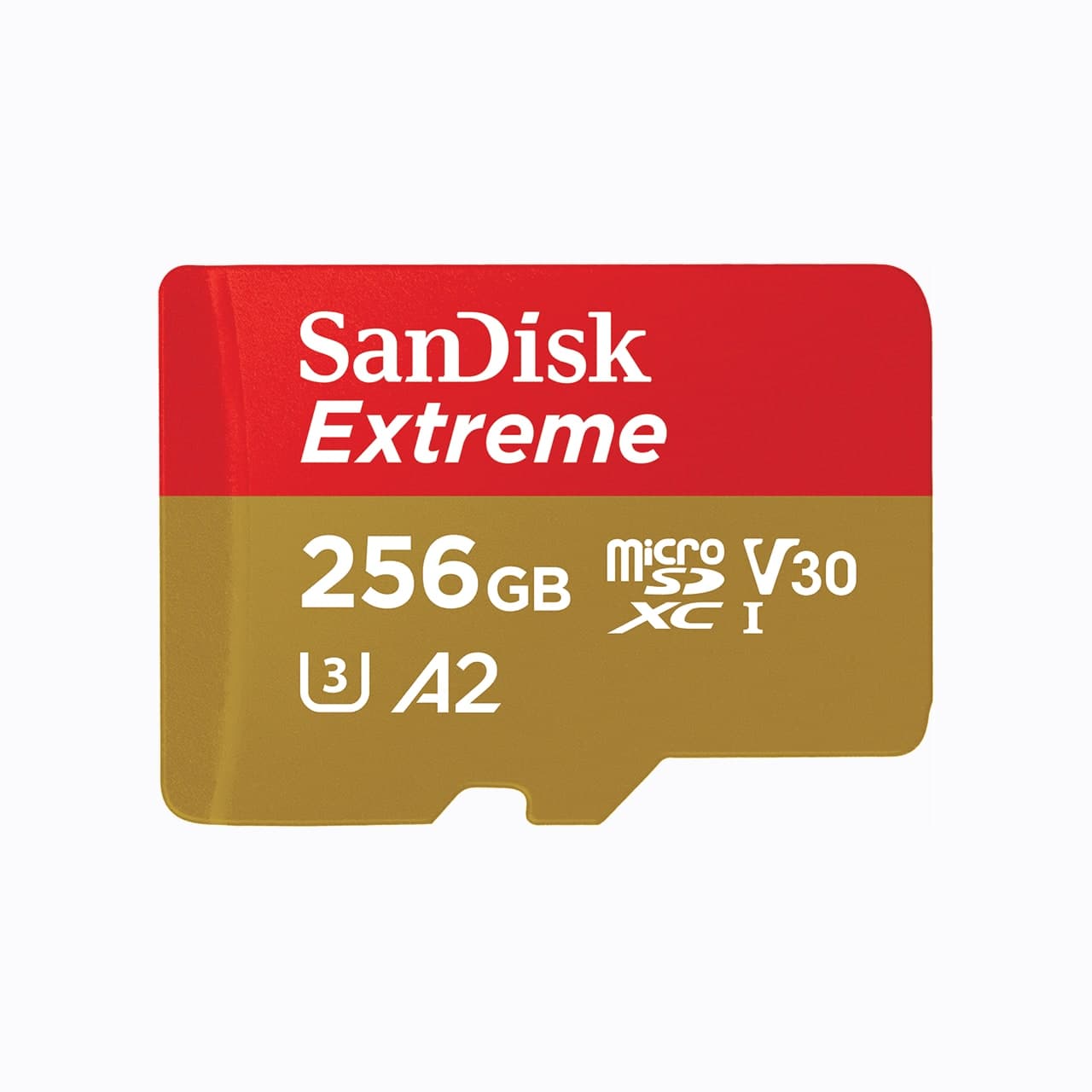
SanDisk Extreme microSDXC 256GB
Pocket gimbals and action cameras use microSD, not a full-size SD card.
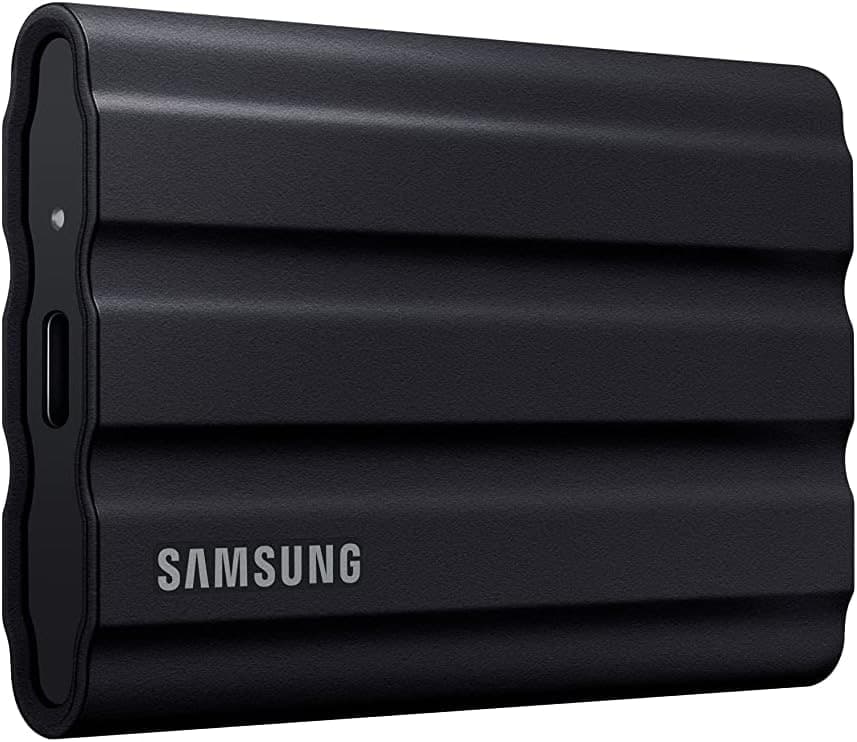
Samsung T7 Shield
A rugged pocket SSD for offloading footage before a card gets reused.
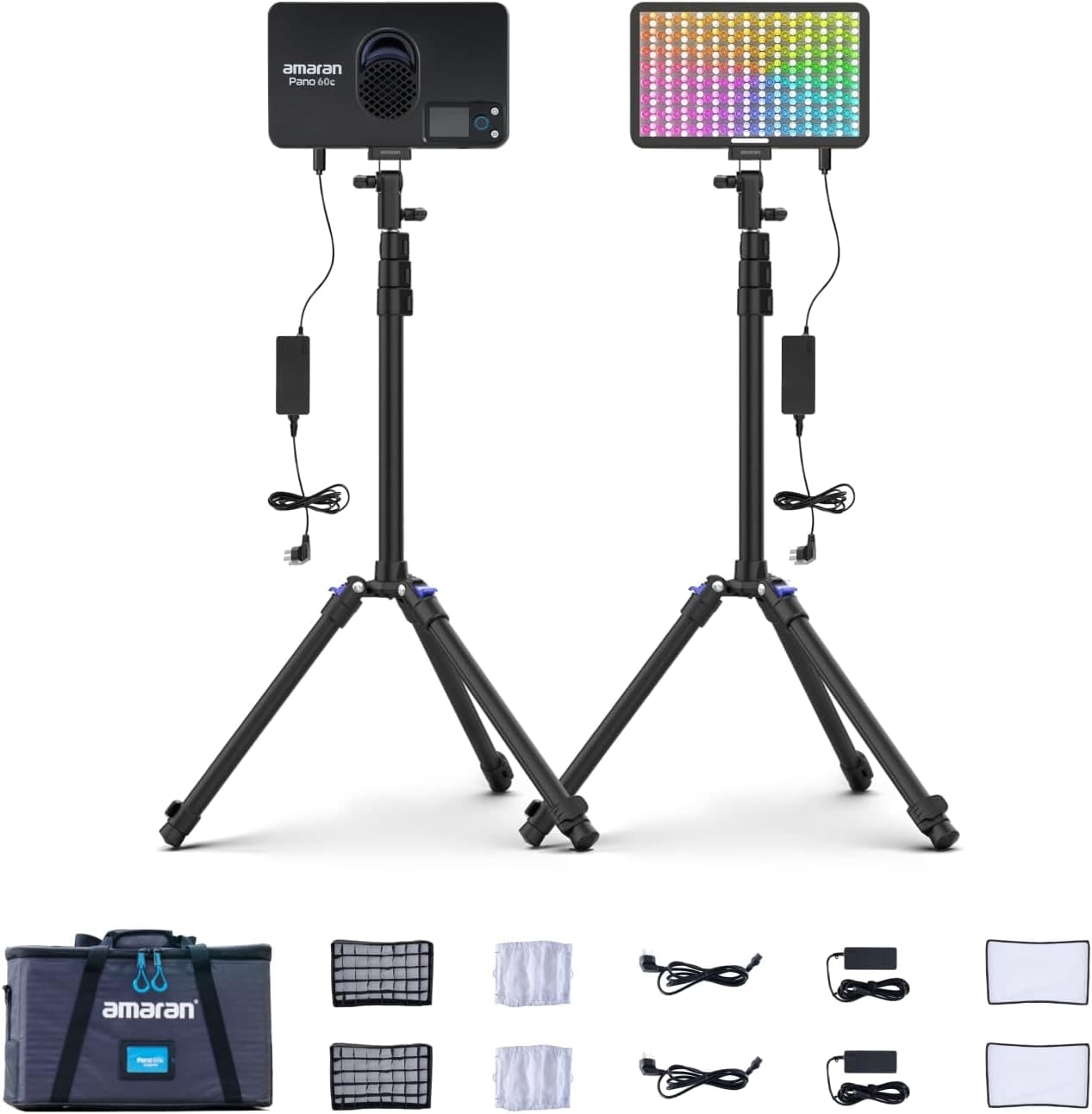
Amaran P60c RGBWW Panel
Soft, controllable fill for talking-head clips, product details, and ugly rooms.
Prices are rough catalog totals. Retailer prices change, and you can swap pieces to fit your system.
Related Gear guides
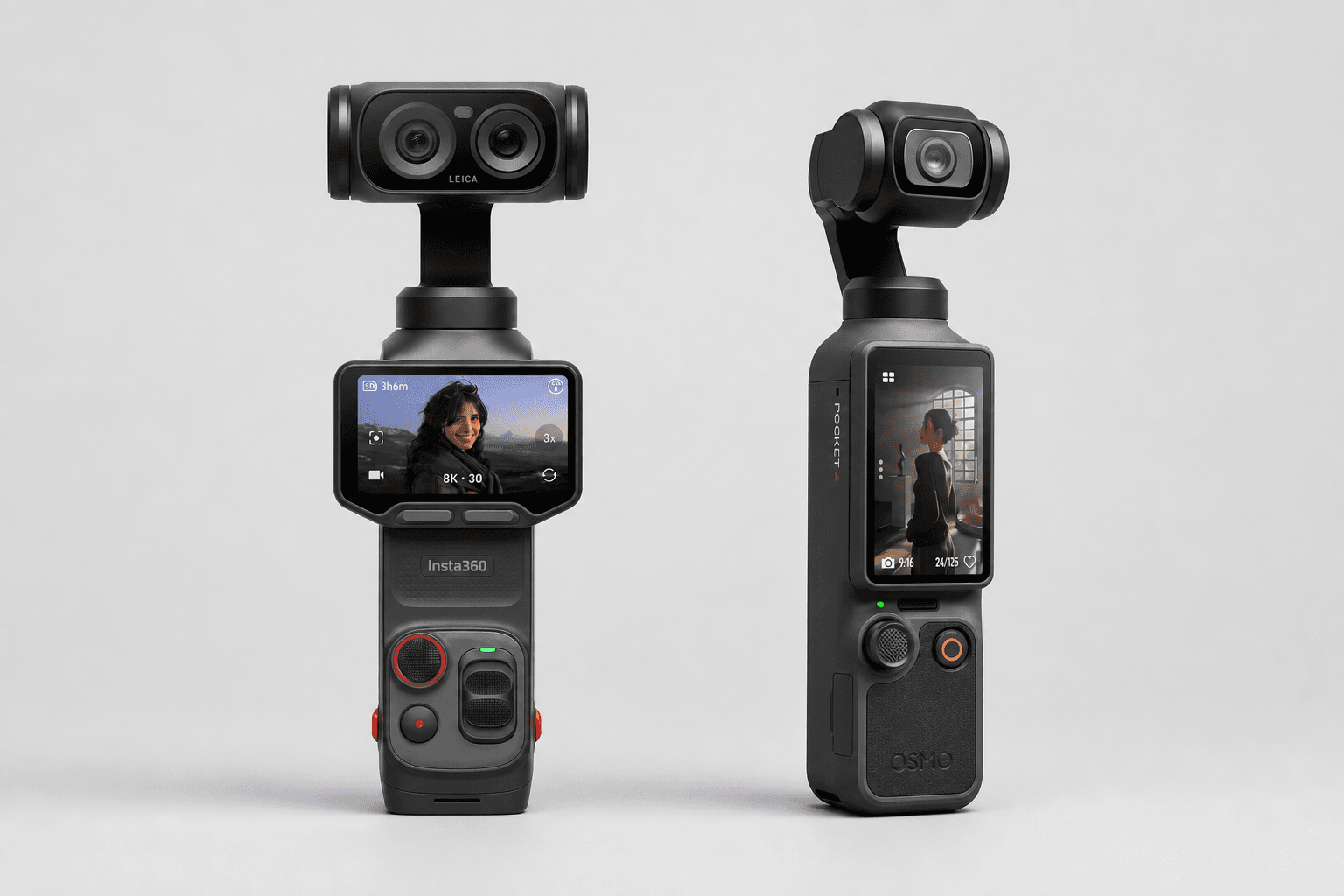
Insta360 Luna Ultra vs DJI Osmo Pocket 4: Which Pocket Gimbal Should You Buy?
Compare Luna Ultra and DJI Pocket 4 by lenses, video, Log formats, storage, U.S. availability, and the filming jobs each pocket gimbal handles best.
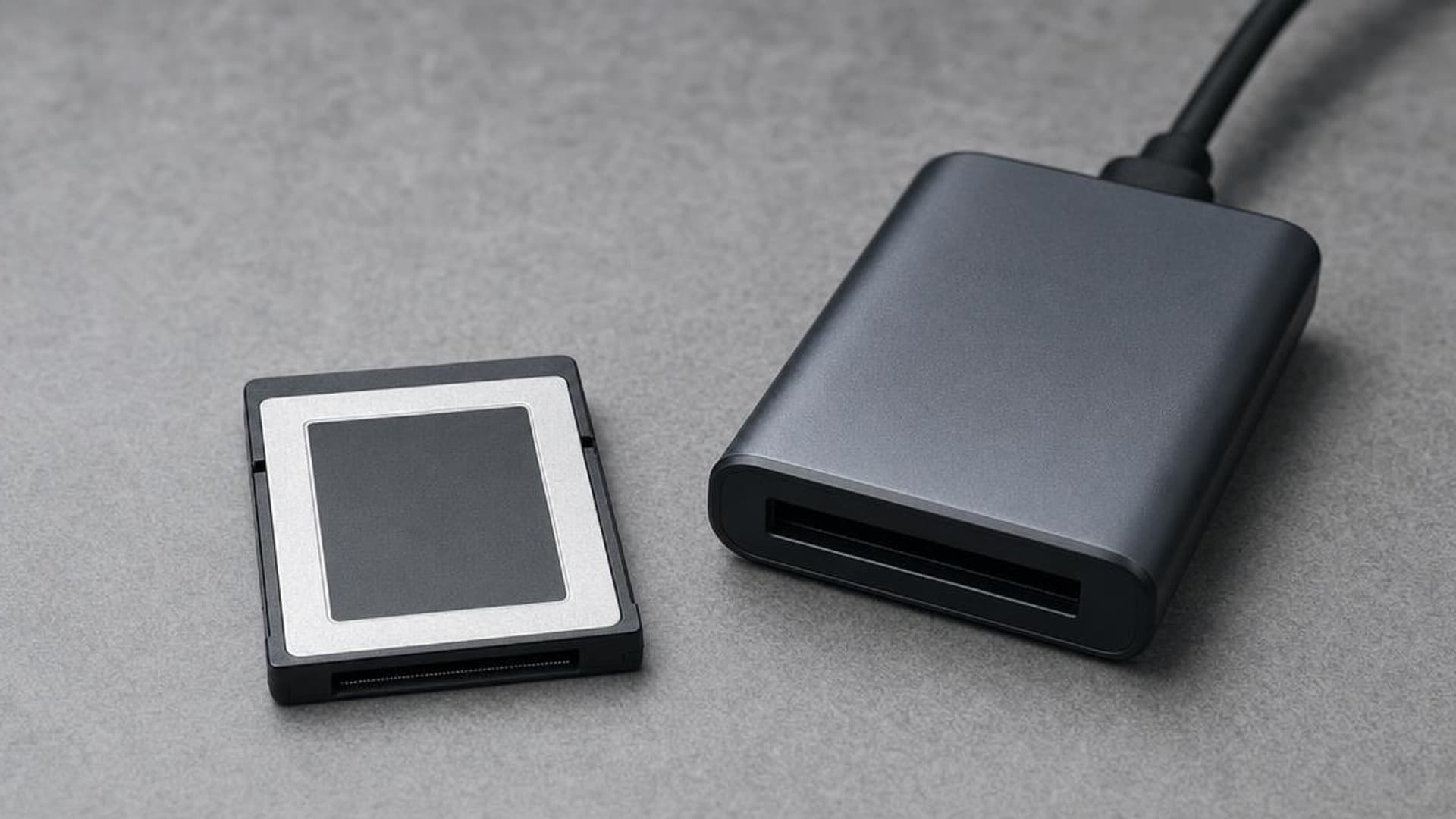
CFexpress 4.0 and VPG Explained: Buy the Card Your Camera Needs
CFexpress 4.0 doubles theoretical bandwidth, while VPG certifies sustained video writes. Learn Type A vs B, VPG classes, and when 4.0 is worth paying for.
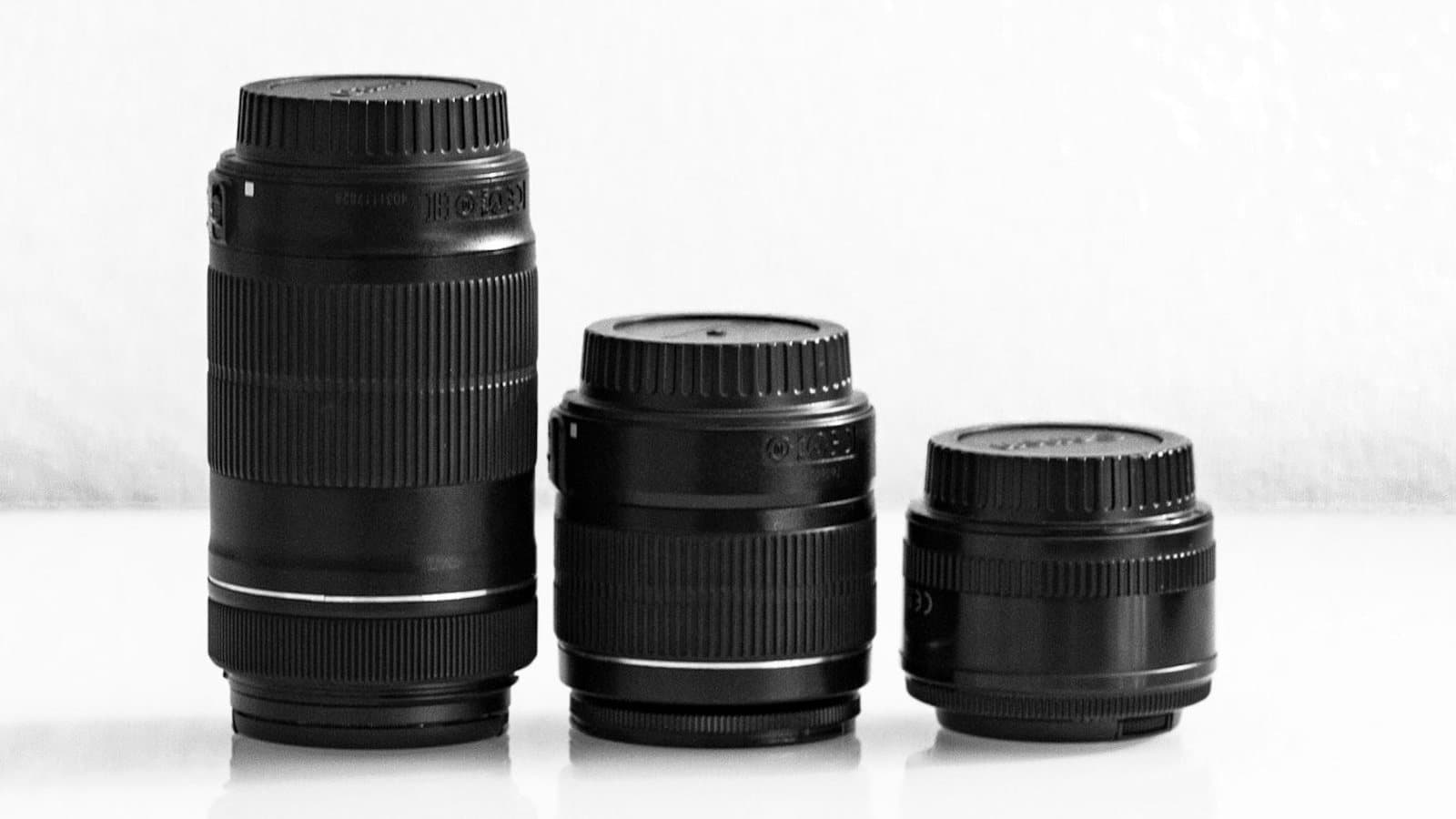
Focal Length Explained: What 24mm, 50mm, 85mm, and 200mm Actually Do
What the millimeter number on a lens changes in the field: angle of view, compression, and working distance. When to reach for 24, 50, 85, or 200mm.
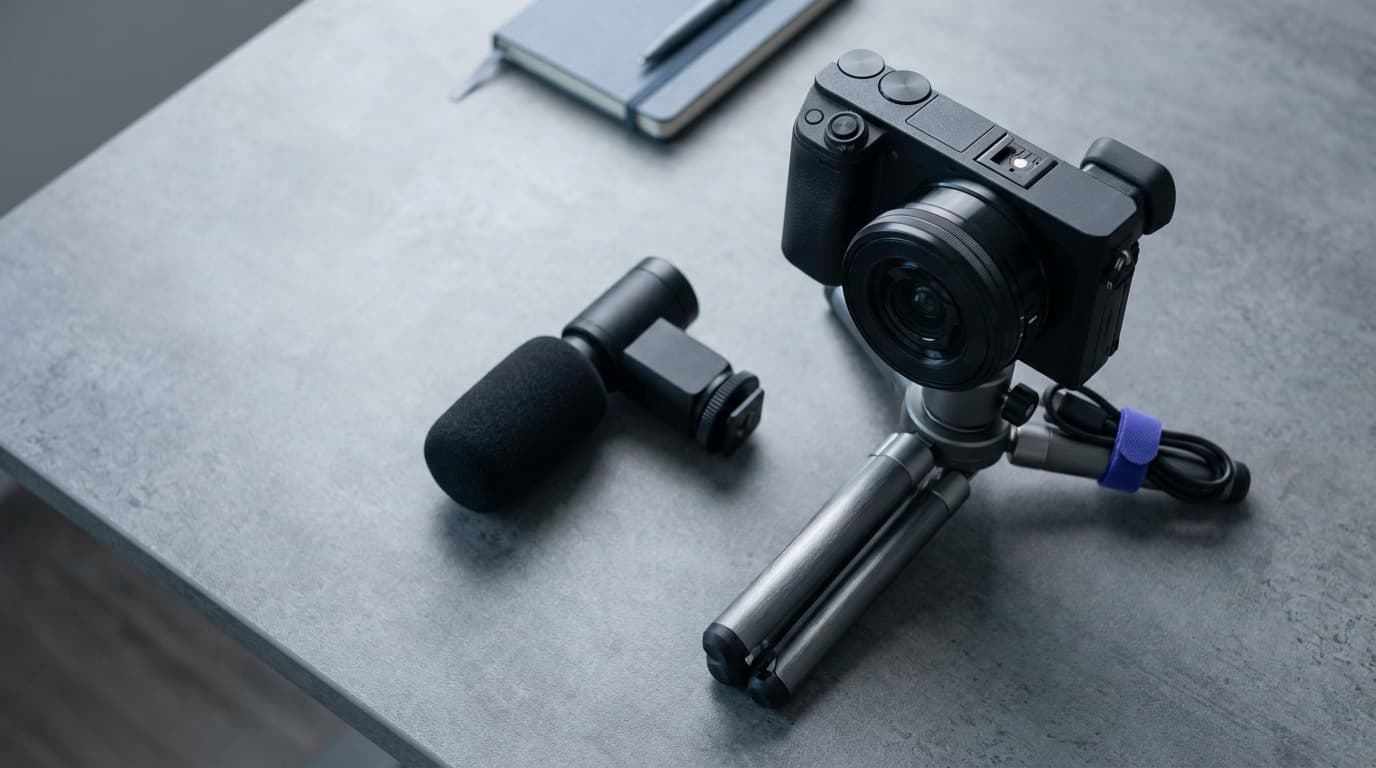
Canon EOS R50 V vs Sony ZV-E10 II: Which Beginner Vlogging Camera Should You Buy?
Canon EOS R50 V is the easier beginner creator kit. Sony ZV-E10 II is the deeper lens-system pick. Compare the practical tradeoffs.
Researched, not personally tested: picks compare specifications, available owner feedback, and established expert sources. As an Amazon Associate I earn from qualifying purchases. We may earn a commission from links here, at no extra cost to you. How we research →