We may earn a commission from links on this page, at no extra cost to you. Picks are researched, not sponsored.
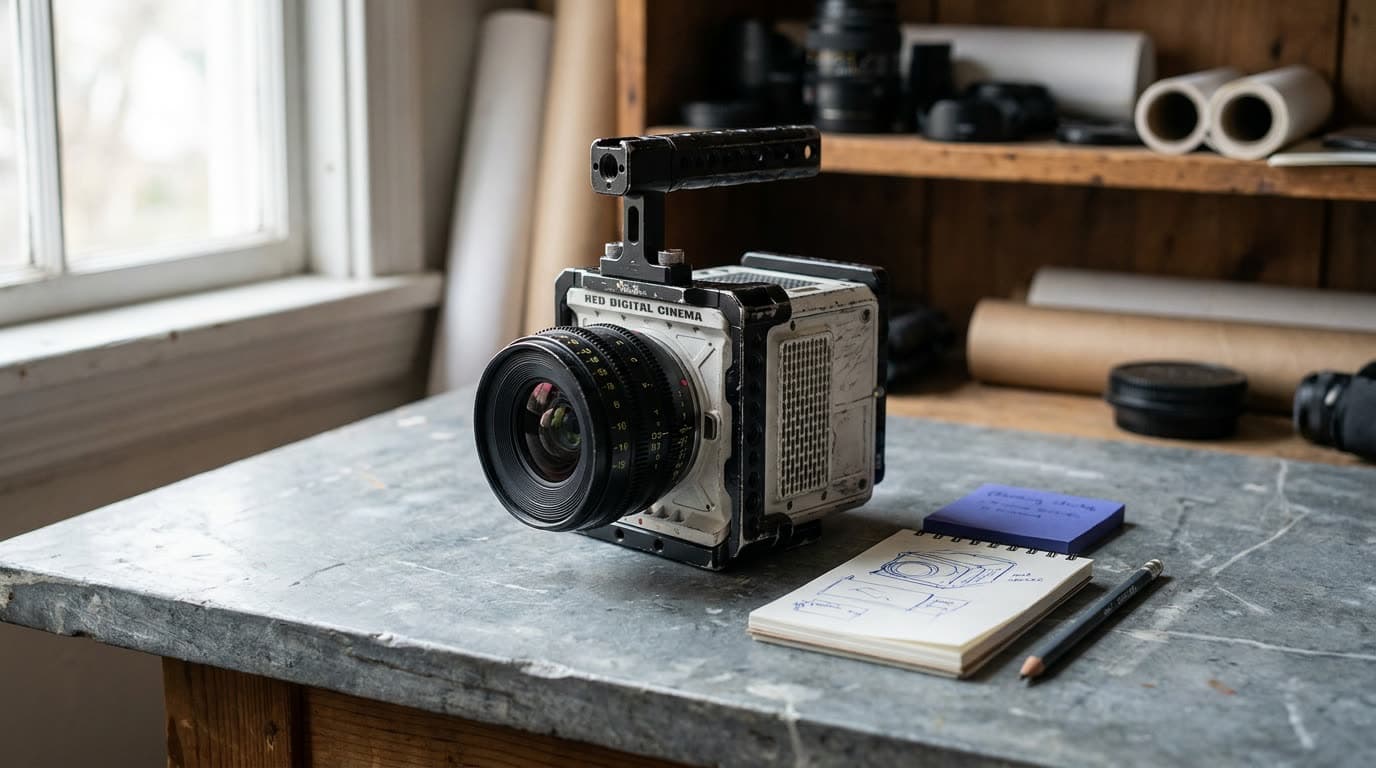
A cinema camera is not just a camera that shoots higher numbers. It is a body built around video first: better codecs, log color profiles, built-in or simpler audio, cooling for long takes, and controls placed where a video operator wants them. A hybrid mirrorless body can shoot beautiful footage, but a cinema camera removes the compromises that show up on a long shoot day.
If you are still learning how shutter, aperture, and ISO interact for motion, the exposure triangle is the place to start, and our best cameras for video guide covers the hybrid bodies that sit just below this class.
How do you choose a cinema camera?
Start with sensor size and how it fits your lenses. Full-frame gives a shallower look and better low-light performance; Super 35 is the classic motion-picture size and keeps lenses smaller and cheaper. Neither is better in the abstract, so match it to the glass you own or plan to buy.
Then weigh the codec. This is the real reason to buy a cinema camera. RAW formats like Blackmagic RAW or REDCODE keep the most color information for grading, while ProRes is a lighter editing-friendly codec. More data means bigger files and faster media, so be honest about your storage and computer. If those terms are still fuzzy, start with video codecs, formats, Log, and RAW explained.
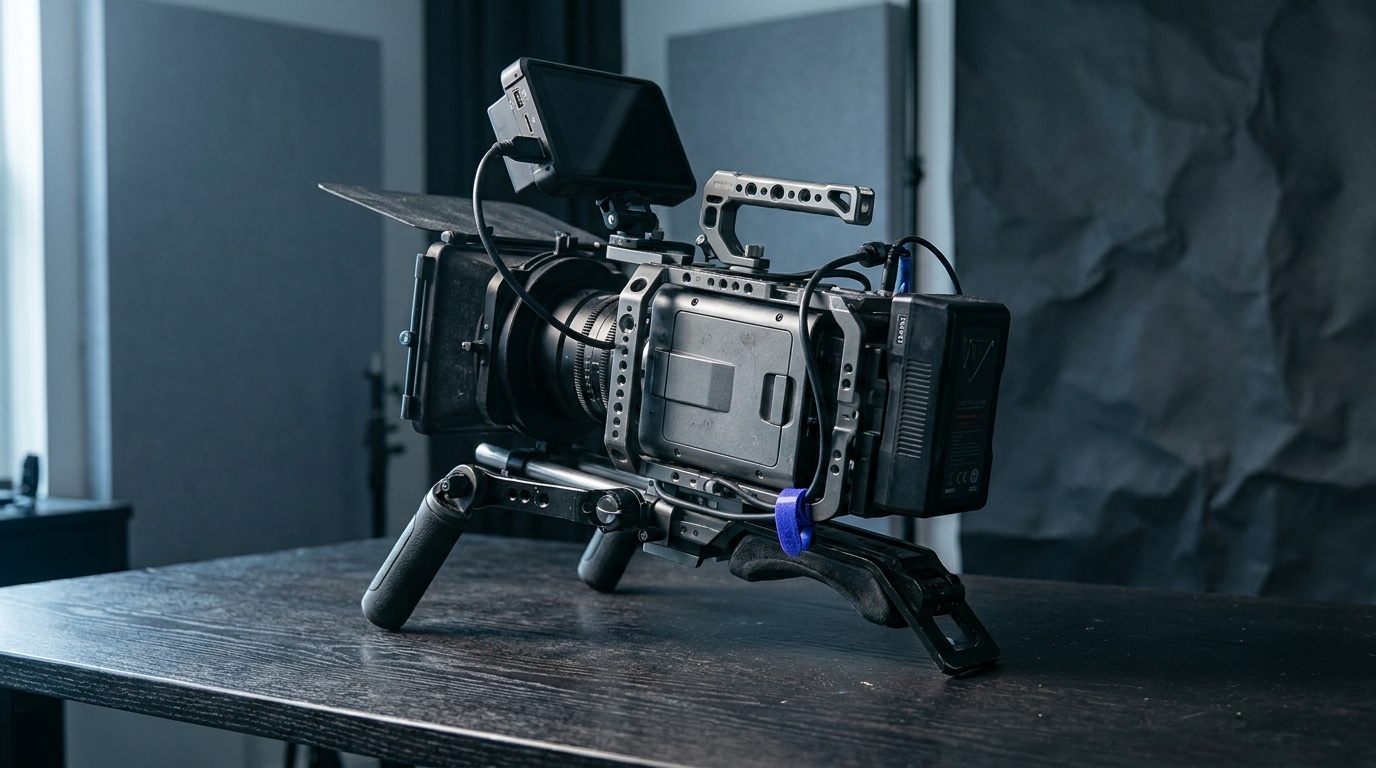
After that, look at the workflow features that save a shoot: built-in ND filters so you can change exposure without swapping glass, dual XLR audio inputs, active cooling for long records, and reliable autofocus if you work solo. Last, account for the true cost. A box-style body needs a cage, monitor, batteries, and media before it can shoot, so a cheaper body can cost more once it is rig-ready.
How do the picks compare?
The table below summarizes the five picks by sensor, recording format, price band, and who each one fits. The scores are editorial summaries; read the best-for notes and tradeoffs before buying.
| Camera | Sensor | Recording | Price band | Our rating | Best for |
|---|---|---|---|---|---|
| Blackmagic PYXIS 6K | Full-frame 6K | Blackmagic RAW, ProRes | $3,550-$4,050 | 9.0 | Owner-operator value |
| Sony FX30 | 26 MP APS-C (Super 35) | 4K 120p, S-Cinetone | $1,699-$1,899 | 8.8 | Cheapest Cinema Line entry |
| Canon EOS C70 | Super 35 Dual Gain | Built-in ND, dual XLR, up to 16 stops | $3,650-$4,150 | 9.1 | Documentary and solo run-and-gun |
| Panasonic Lumix S5IIX | 24 MP full-frame | Internal RAW, ProRes to SSD | $1,999-$2,299 | 8.9 | Hybrid stills-and-cinema kit |
| RED Komodo-X | Super 35 global shutter | 6K REDCODE RAW, up to 6K 80p | $6,500-$7,500 | 9.2 | Professional pipelines and gimbal moves |
The picks
Best Overall
Blackmagic PYXIS 6K
Owner-operators who want cinema RAW and color control without a five-figure body.
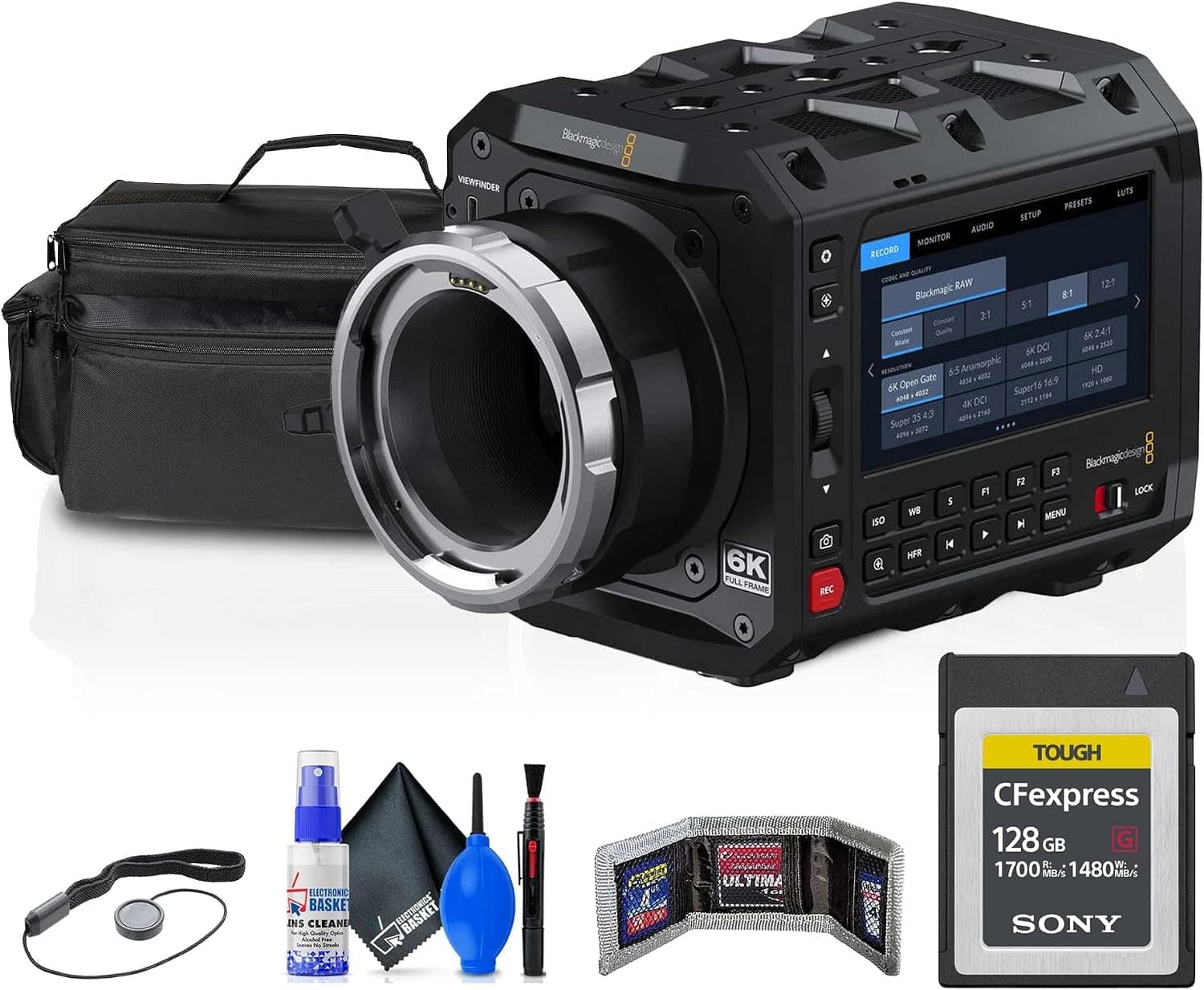
Check price at AmazonThe Blackmagic PYXIS 6K is the value benchmark for owner-operators. A full-frame sensor, 6K Blackmagic RAW recorded to affordable SSDs, and a bundled DaVinci Resolve license mean the whole color and edit pipeline comes in the box. It is a box body with no internal stabilization, so budget for accessories, but few cameras give you this much image for the money.
Researched from: Blackmagic PYXIS official specs, available retailer feedback, and expert coverage.
Best Value
Sony FX30
Solo video shooters who want Cinema Line features at the lowest price.
Check price at AmazonThe Sony FX30 is the cheapest way into the Sony Cinema Line. It shares the FX-series body, fan cooling for long takes, and S-Cinetone color, all on a Super 35 sensor. It is APS-C rather than full-frame, but for solo shooters who want cinema tools and the deep E-mount lens selection, the value is excellent.
Researched from: Sony FX30 official specs, available retailer feedback, and expert coverage.
Best for Documentary
Canon EOS C70
Documentary and event shooters who want self-contained cinema features.
Check price at AmazonThe Canon EOS C70 is the documentary and event pick. Built-in ND filters and dual XLR inputs mean you can change exposure and capture clean audio without bolting on accessories, and Canon's Dual Pixel autofocus is reliable when you work alone. It costs more than a hybrid body, but it is a self-contained run-and-gun machine.
Researched from: Canon EOS C70 official specs, available retailer feedback, and expert coverage.
Best Hybrid
Panasonic Lumix S5IIX
Hybrid shooters who want cinema codecs without a dedicated cinema body.
Check price at AmazonThe Panasonic Lumix S5IIX is the hybrid that leans cinema. It shoots stills well but adds internal ProRes, RAW output, all-intra codecs, and strong in-body stabilization at a mirrorless price. Autofocus trails Sony and Canon, but for a one-body kit that handles both stills and serious video, it is a lot of camera.
Researched from: Panasonic Lumix S5IIX official specs, available retailer feedback, and expert coverage.
Best Professional
RED Komodo-X
Professional productions that need RED color and a global shutter.
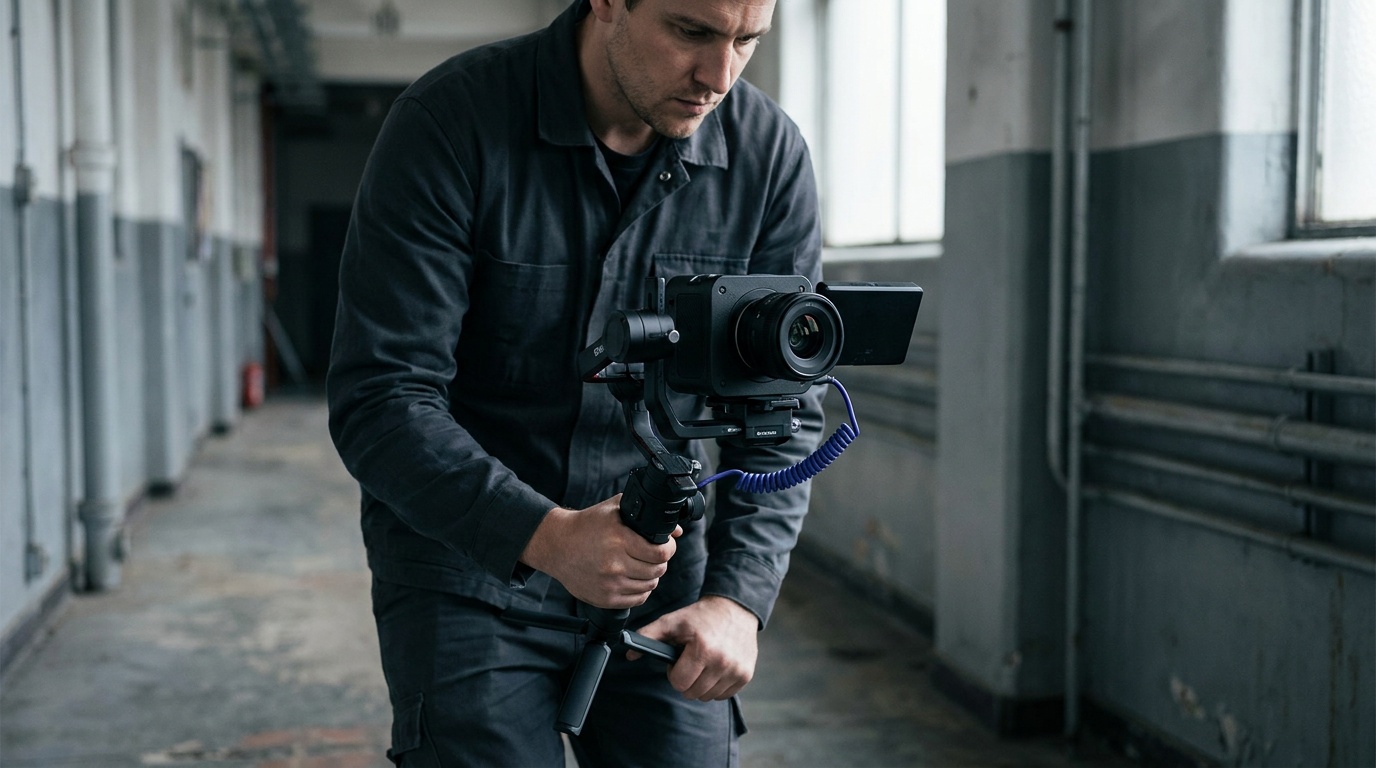
Check price at REDThe RED Komodo-X is the professional pick. A global shutter sensor eliminates the rolling-shutter skew you get on fast pans and whip moves, and it records 6K REDCODE RAW in a compact cube that fits a gimbal. The body and media ecosystem add up, so it is for productions that need RED color and the global shutter specifically.
Researched from: RED Komodo-X official specs, available retailer feedback, and expert coverage.
What mistakes should you avoid?
The biggest one is chasing resolution numbers over codec and color. A clean 4K ProRes or RAW file grades far better than a higher-resolution but heavily compressed one. The second is underbudgeting the rig: a box-style cinema body needs a cage, monitor, batteries, and fast media before it shoots a frame, and those can match the body's price. The third is ignoring your edit machine. RAW and high-bitrate codecs demand fast storage and a capable computer, so confirm your post setup can handle the files before you buy.
If you are filming aerial or listing footage, we cover the photography and shooting angle in our aerial photography guide. For drone law, Part 107, and certification, defer to the specialists at Drone Authority.
Do I need a cinema camera or will a mirrorless body do?
For many creators a strong hybrid mirrorless body is enough, especially if your camera already records a good codec. A cinema camera earns its place when you need RAW or ProRes internally, built-in ND and XLR, cooling for long takes, or a global shutter. If you shoot interviews, narrative, or paid video regularly, those features save real time on set.
Is full-frame better than Super 35 for cinema?
Neither is universally better. Full-frame gives a shallower depth of field and stronger low-light performance, while Super 35 is the traditional motion-picture format and keeps lenses smaller, lighter, and cheaper. Choose based on the lenses you own and the look you want, not on the label alone.
Why does the codec matter so much?
The codec determines how much color and detail survive into editing. RAW formats keep the most information for grading and recovering highlights, ProRes is a lighter codec that still edits cleanly, and heavily compressed formats fall apart when you push the color. The trade-off is file size and the speed of media and computer you need.
Compare picks
The short version
Use this to narrow the list before opening the detailed cards.
Scores weigh fit, owner sentiment, build, and value. Affiliate links do not change pick order. Methodology
Buying order
Start with the skip note. A good deal on the wrong camera is still the wrong camera.
Compare verdictsIf you already own lenses, check the system path before buying into a new mount.
Check systemsOnce the fit makes sense, compare current deals and retailer listings.
Check current dealsCamera system shortcut
If you already own one of these systems, keep the comparison inside that ecosystem before checking out.
Autofocus hybrid kits
Simple camera paths
Owner-operators who want cinema RAW and color control without a five-figure body.
Use the retailer for the current price after the tradeoff makes sense. Confirm lens mount, sensor format, battery, charger, and kit contents.
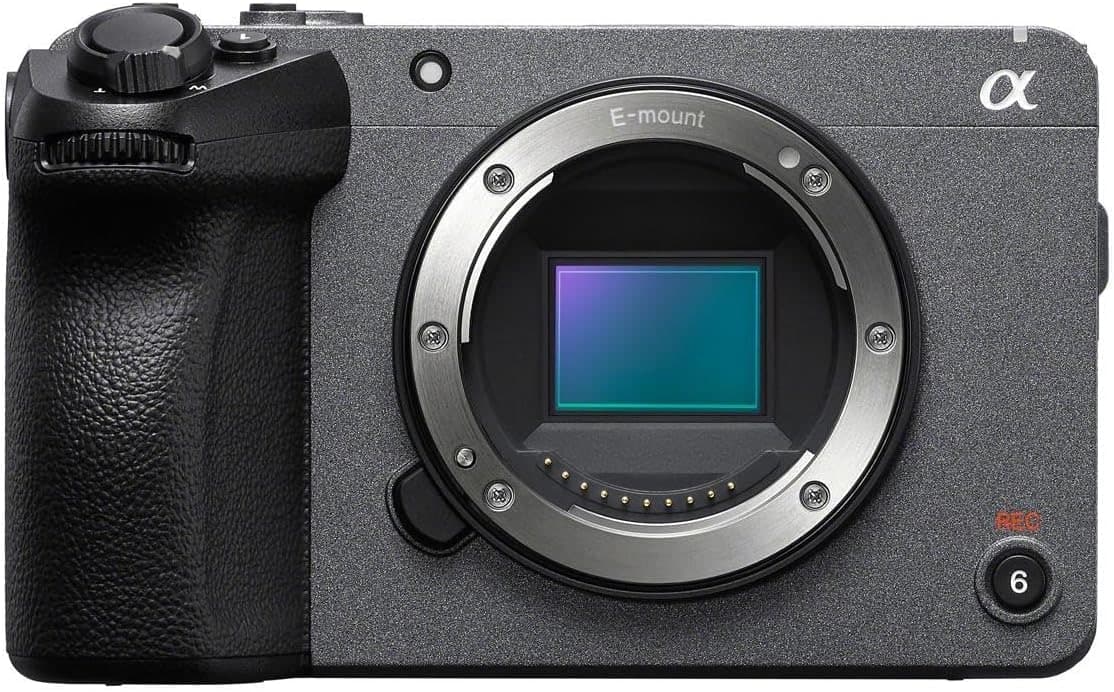
Tradeoff: APS-C, not full-frame
Use the retailer for the current price after the tradeoff makes sense. Confirm lens mount, sensor format, battery, charger, and kit contents.
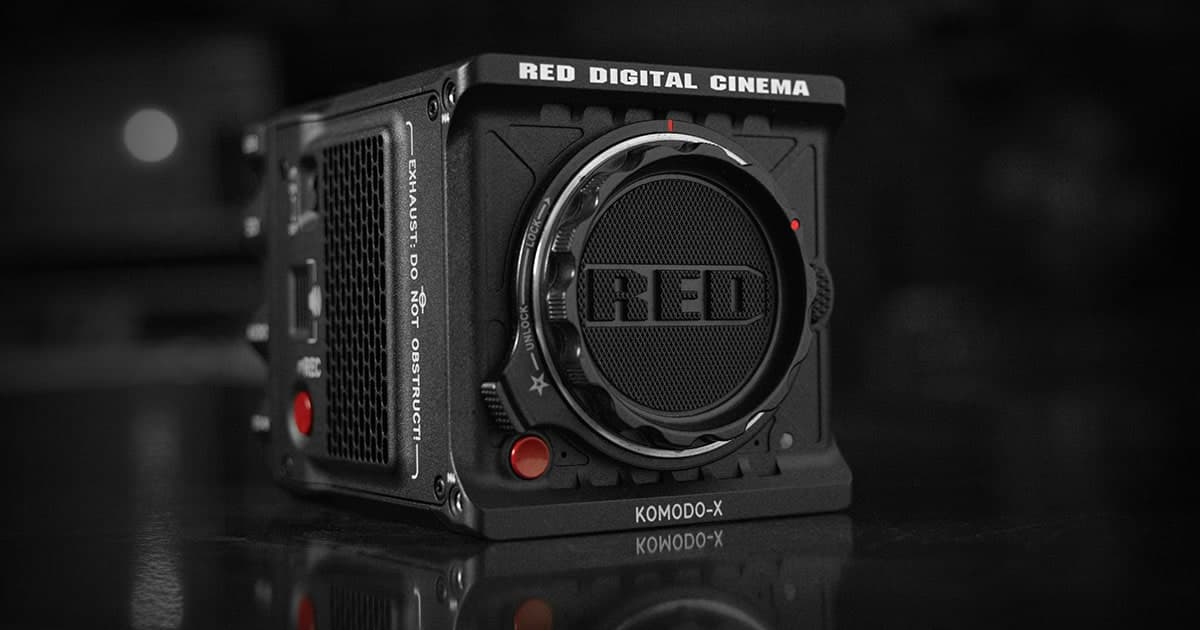
9.2/10 Aperture Score
Use the retailer for the current price after the tradeoff makes sense. Confirm lens mount, sensor format, battery, charger, and kit contents.
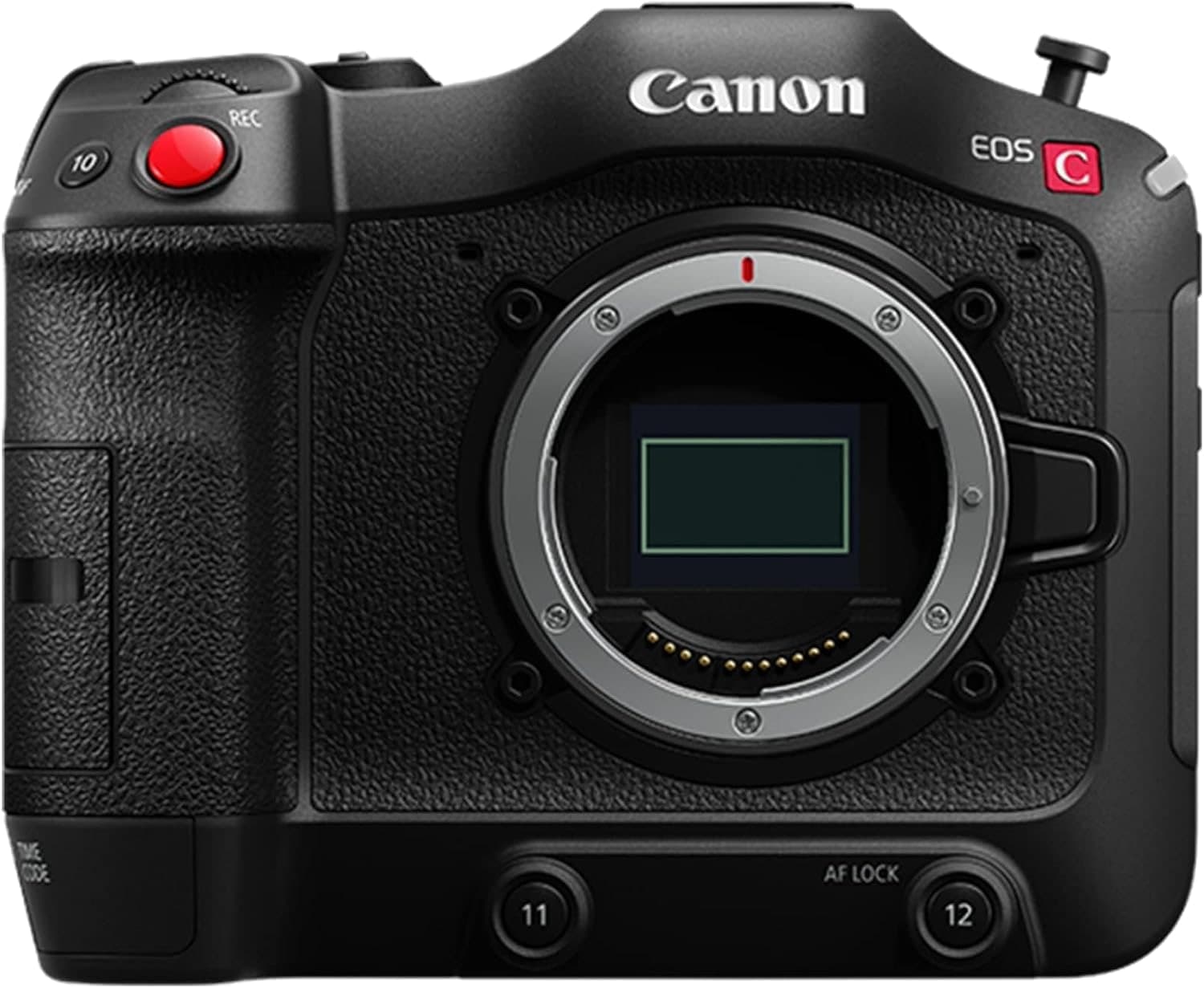
Documentary and event shooters who want self-contained cinema features.
Use the retailer for the current price after the tradeoff makes sense. Confirm lens mount, sensor format, battery, charger, and kit contents.
Price ladder
The useful range here runs from $2,098 to $6,995. Start with the ceiling that matches the assignment.
- Owner-operators who want cinema RAW and color control without a five-figure body.
- Full-frame 6K RAW
- Box body needs accessories to shoot
Use the retailer for the current price after the tradeoff makes sense. Confirm lens mount, sensor format, battery, charger, and kit contents.
- Solo video shooters who want Cinema Line features at the lowest price.
- Cinema Line body and tools
- APS-C, not full-frame
Use the retailer for the current price after the tradeoff makes sense. Confirm lens mount, sensor format, battery, charger, and kit contents.
- Documentary and event shooters who want self-contained cinema features.
- Built-in ND and XLR
- RF mount limits adapting some glass
Use the retailer for the current price after the tradeoff makes sense. Confirm lens mount, sensor format, battery, charger, and kit contents.
- Hybrid shooters who want cinema codecs without a dedicated cinema body.
- Internal ProRes recording
- Autofocus trails Sony and Canon
Use the retailer for the current price after the tradeoff makes sense. Confirm lens mount, sensor format, battery, charger, and kit contents.
- Professional productions that need RED color and a global shutter.
- Global shutter, no skew
- Expensive
Use the retailer for the current price after the tradeoff makes sense. Confirm lens mount, sensor format, battery, charger, and kit contents.
| Pick | Score | Price | Verdict | Action |
|---|---|---|---|---|
| Best OverallBlackmagic PYXIS 6K | 9.0
| $3,550 - $4,050 | Owner-operators who want cinema RAW and color control without a five-figure body. Wins: Full-frame 6K RAW Skip: Box body needs accessories to shoot | Check Amazon · $3,550 - $4,050 Use the retailer for the current price after the tradeoff makes sense. Confirm lens mount, sensor format, battery, charger, and kit contents. |
| Best ValueSony FX30 | 8.8
| $2,050 - $2,350 | Solo video shooters who want Cinema Line features at the lowest price. Wins: Cinema Line body and tools Skip: APS-C, not full-frame | Check Amazon · $2,050 - $2,350 Use the retailer for the current price after the tradeoff makes sense. Confirm lens mount, sensor format, battery, charger, and kit contents. |
| Best for DocumentaryCanon EOS C70 | 9.1
| $3,650 - $4,150 | Documentary and event shooters who want self-contained cinema features. Wins: Built-in ND and XLR Skip: RF mount limits adapting some glass | Check Amazon · $3,650 - $4,150 Use the retailer for the current price after the tradeoff makes sense. Confirm lens mount, sensor format, battery, charger, and kit contents. |
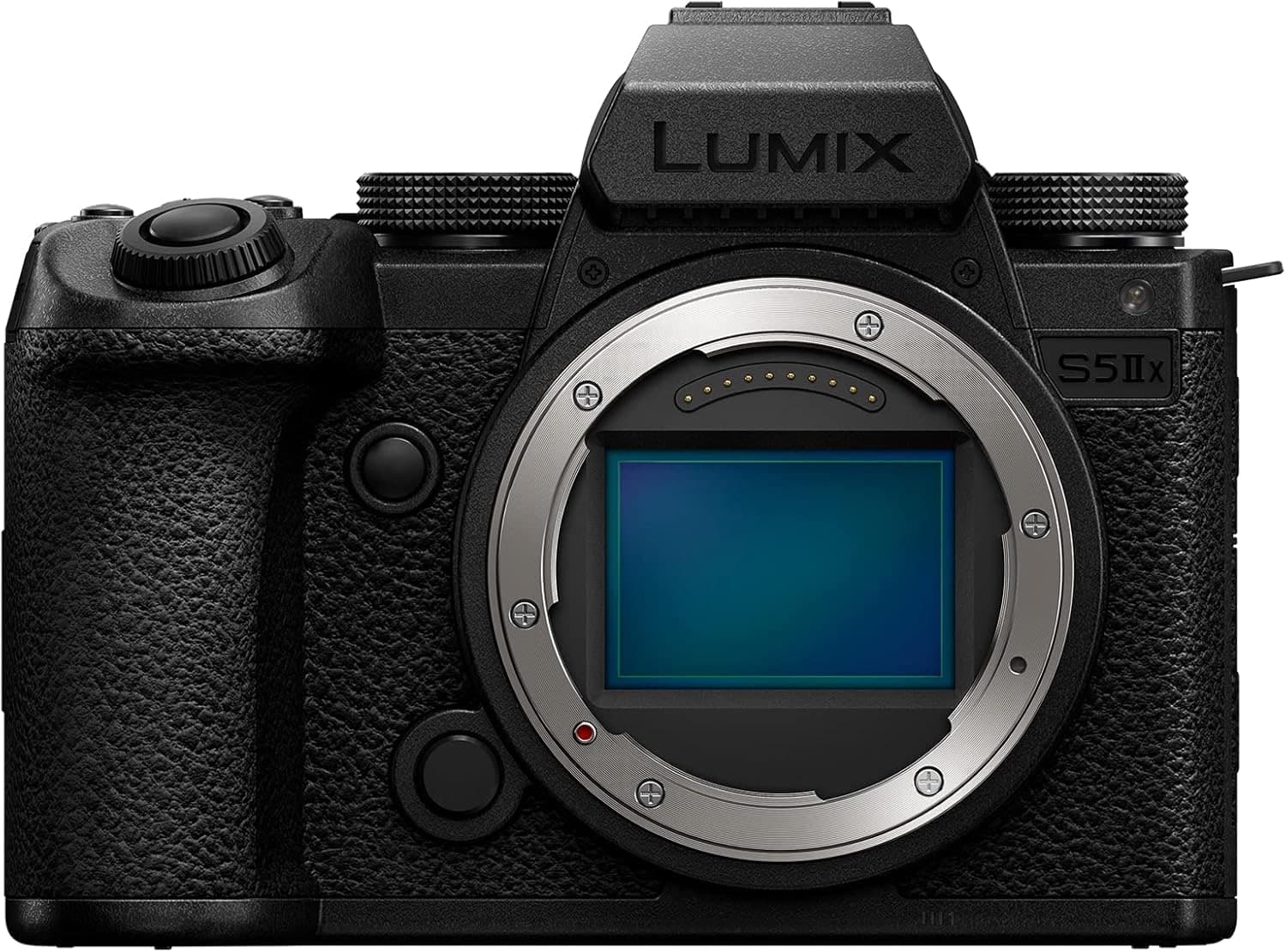 Best HybridPanasonic Lumix S5IIX Best HybridPanasonic Lumix S5IIX | 8.9
| $1,999 - $2,299 | Hybrid shooters who want cinema codecs without a dedicated cinema body. Wins: Internal ProRes recording Skip: Autofocus trails Sony and Canon | Check Amazon · $1,999 - $2,299 Use the retailer for the current price after the tradeoff makes sense. Confirm lens mount, sensor format, battery, charger, and kit contents. |
| Best ProfessionalRED Komodo-X | 9.2
| $6,500 - $7,500 | Professional productions that need RED color and a global shutter. Wins: Global shutter, no skew Skip: Expensive | Check RED · $6,500 - $7,500 Use the retailer for the current price after the tradeoff makes sense. Confirm lens mount, sensor format, battery, charger, and kit contents. |
Shoot kits
Buy around the job, not the spec sheet
Video rig
Run-and-gun video rig
$4,201
A compact cinema body, fast normal zoom, cage, monitor, gimbal, shotgun mic, and battery for paid video work.
Best upgrade path from creator kit
Buy order: start with the first piece that makes the job possible, then add the support pieces that remove friction.
Camera: start here. If this piece does not make the shoot easier, the rest of the kit can wait.
Power: add it after the core setup proves useful.
Sony FX30
Cinema-line controls, active cooling, reliable autofocus, and files that grade well without full-frame cost.
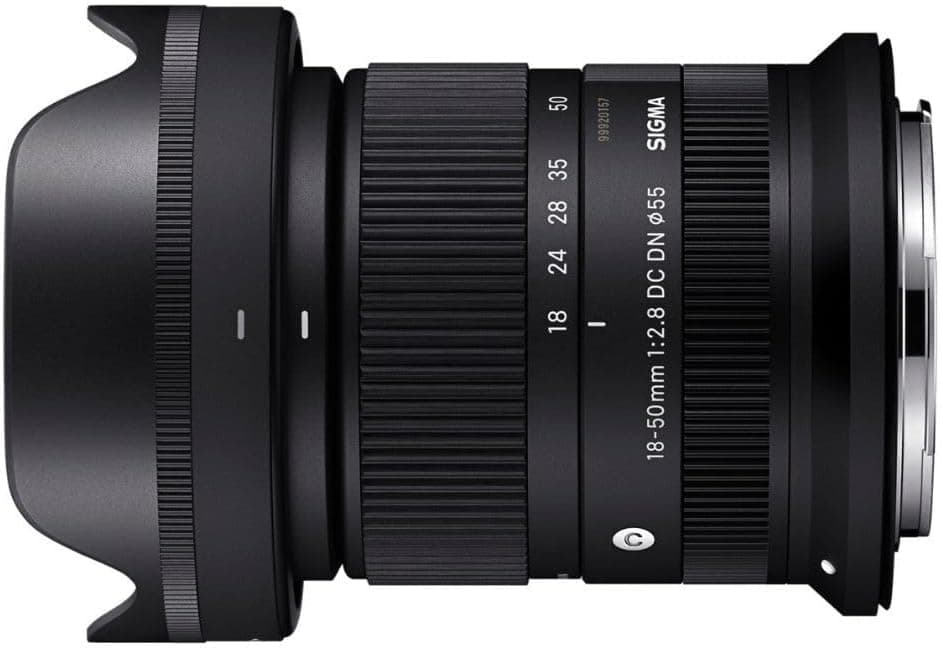
Sigma 18-50mm f/2.8 DC DN Contemporary
A small constant-aperture zoom that keeps an APS-C rig light enough to carry and balance.
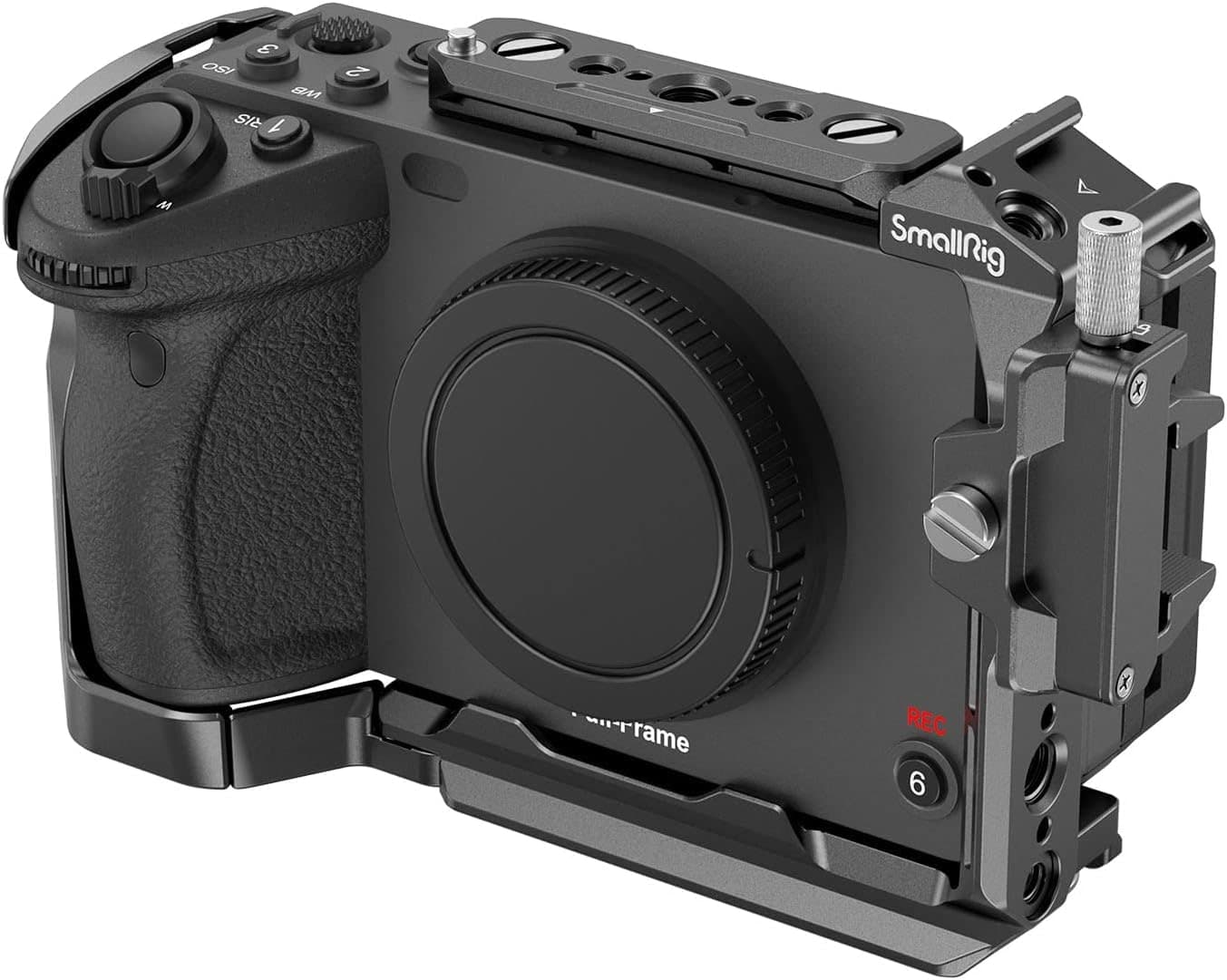
SmallRig Cage for Sony FX3 and FX30
Adds proper mounting points for handles, monitors, mics, and cables without relying on the camera body.
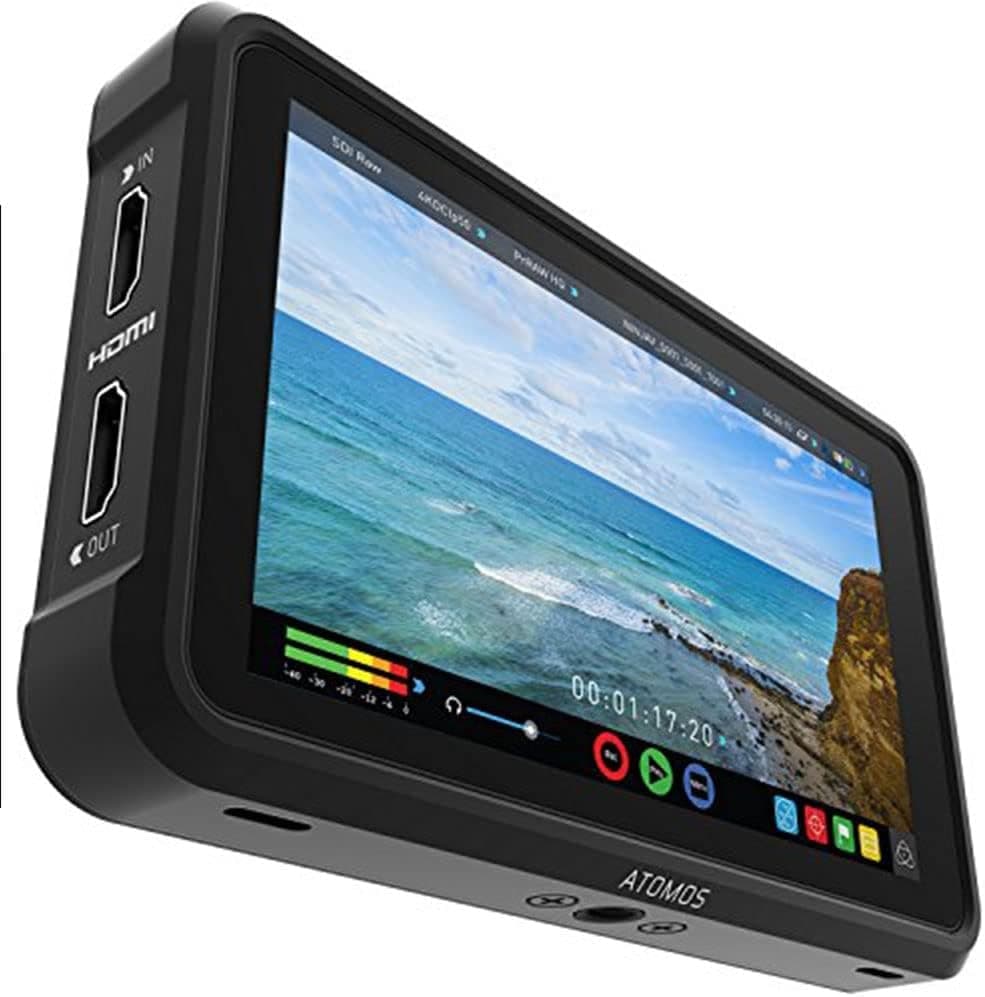
Atomos Ninja V
A bright five-inch screen for focus, exposure tools, LUT preview, and cleaner client monitoring.
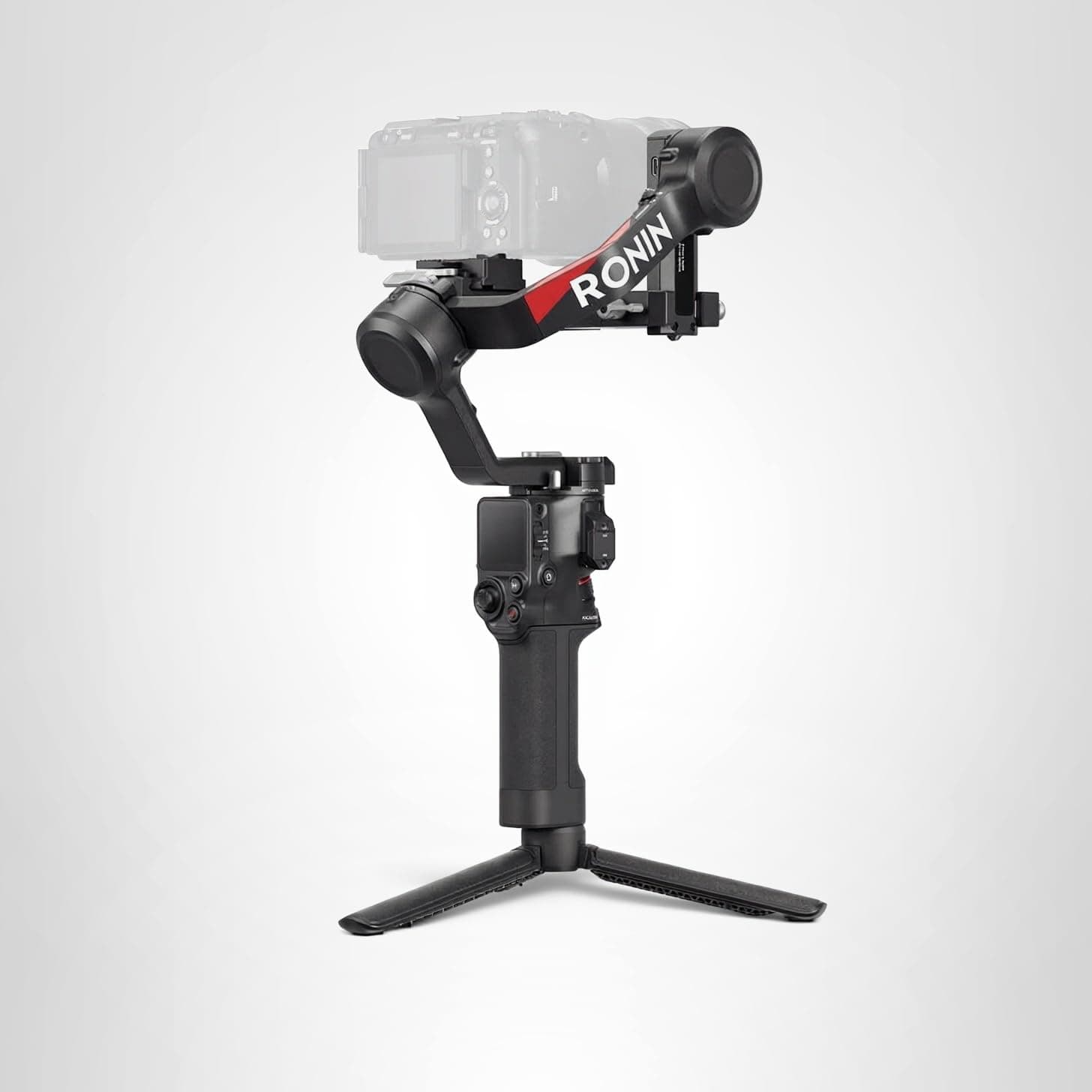
DJI RS 4
The gimbal tier that can handle a built-out mirrorless or compact cinema rig without becoming huge.
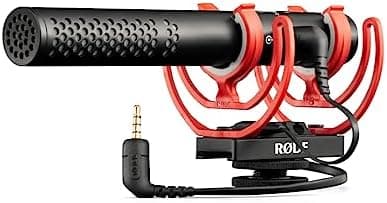
Rode VideoMic NTG
A flexible on-camera shotgun that also works as a small USB mic for quick voiceover or desk work.
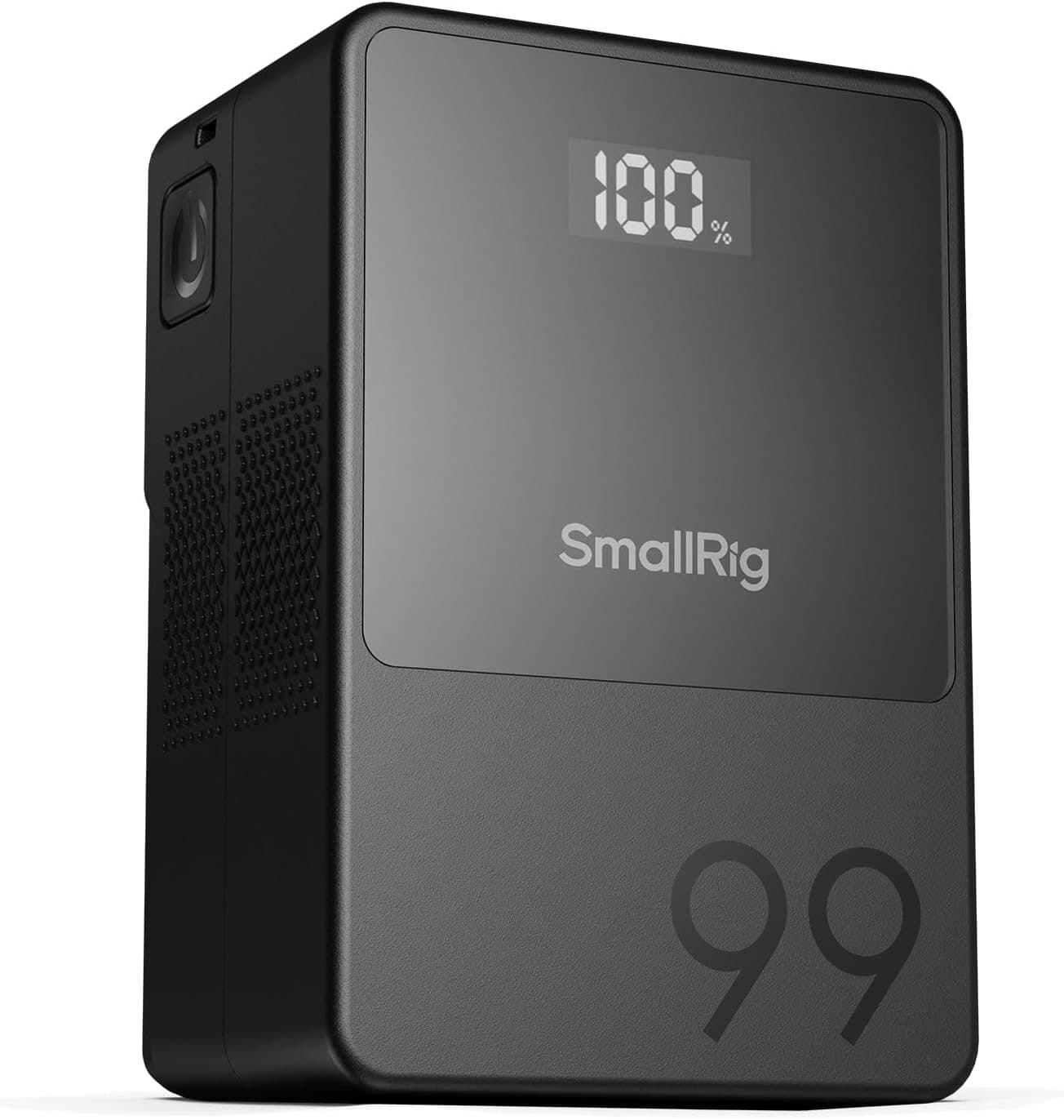
SmallRig VB99
A compact V-mount that can run monitors, lights, or cinema bodies without turning the rig into a brick.
Prices are rough catalog totals. Retailer prices change, and you can swap pieces to fit your system.
Related Gear guides
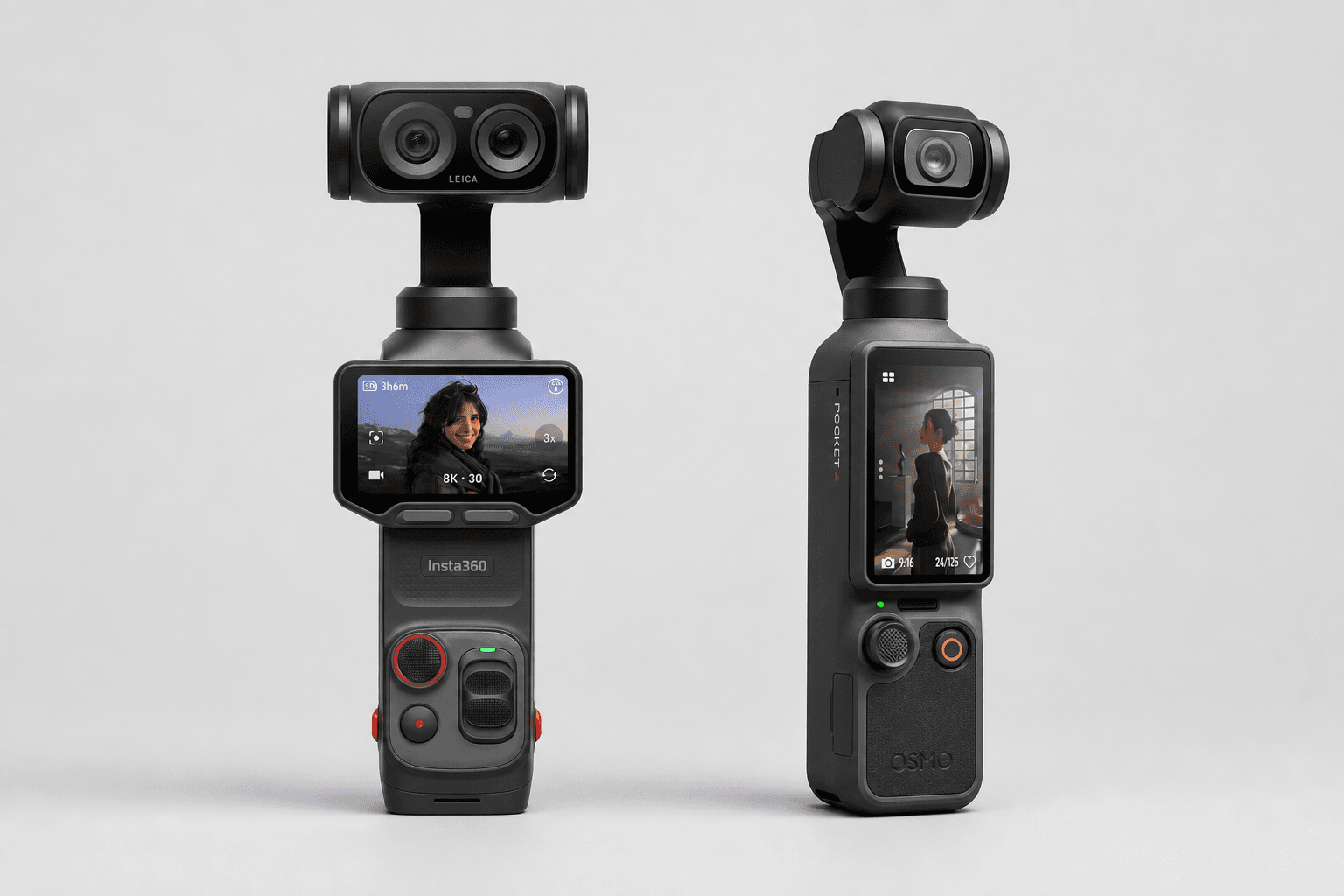
Insta360 Luna Ultra vs DJI Osmo Pocket 4: Which Pocket Gimbal Should You Buy?
Compare Luna Ultra and DJI Pocket 4 by lenses, video, Log formats, storage, U.S. availability, and the filming jobs each pocket gimbal handles best.
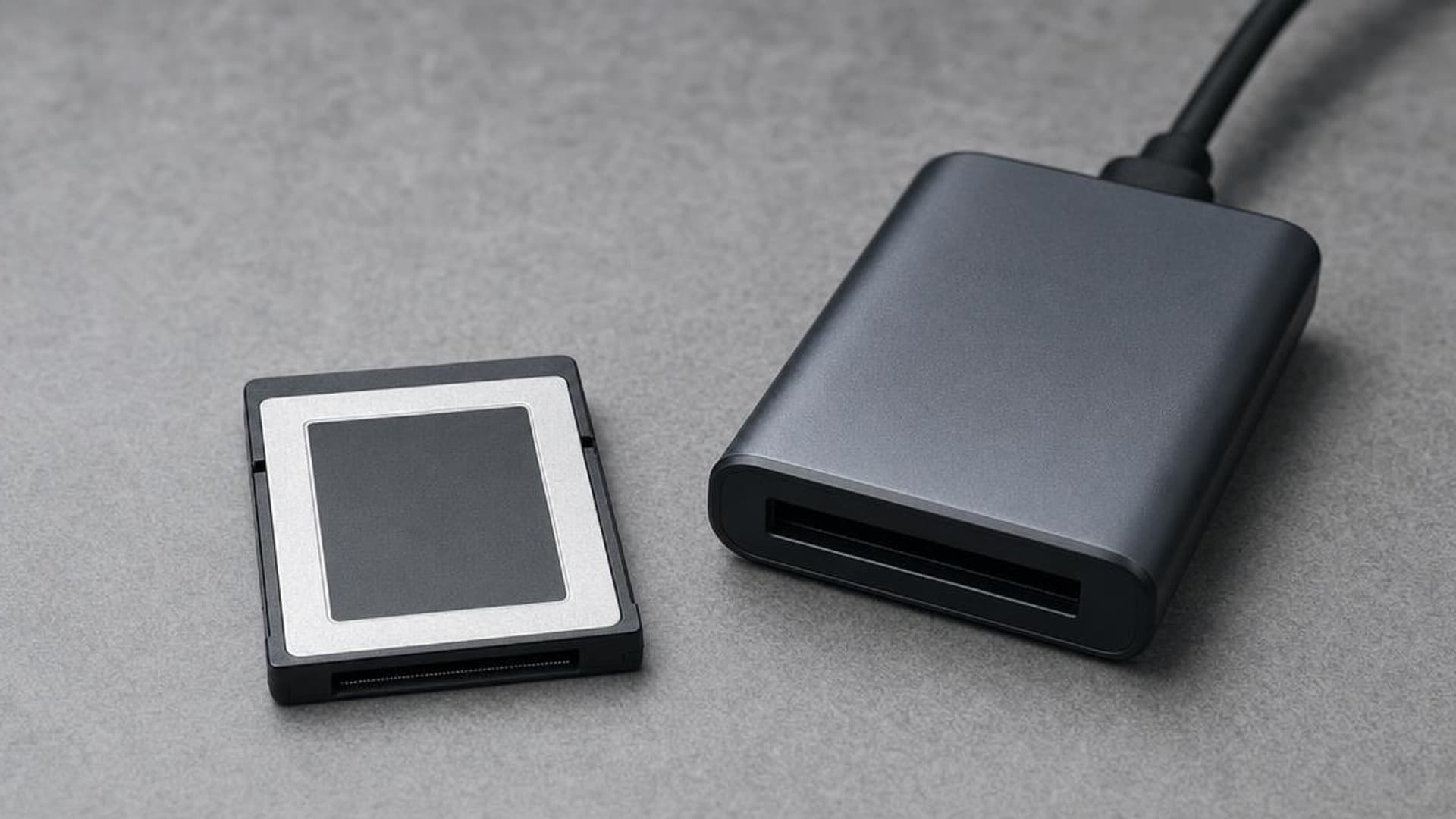
CFexpress 4.0 and VPG Explained: Buy the Card Your Camera Needs
CFexpress 4.0 doubles theoretical bandwidth, while VPG certifies sustained video writes. Learn Type A vs B, VPG classes, and when 4.0 is worth paying for.
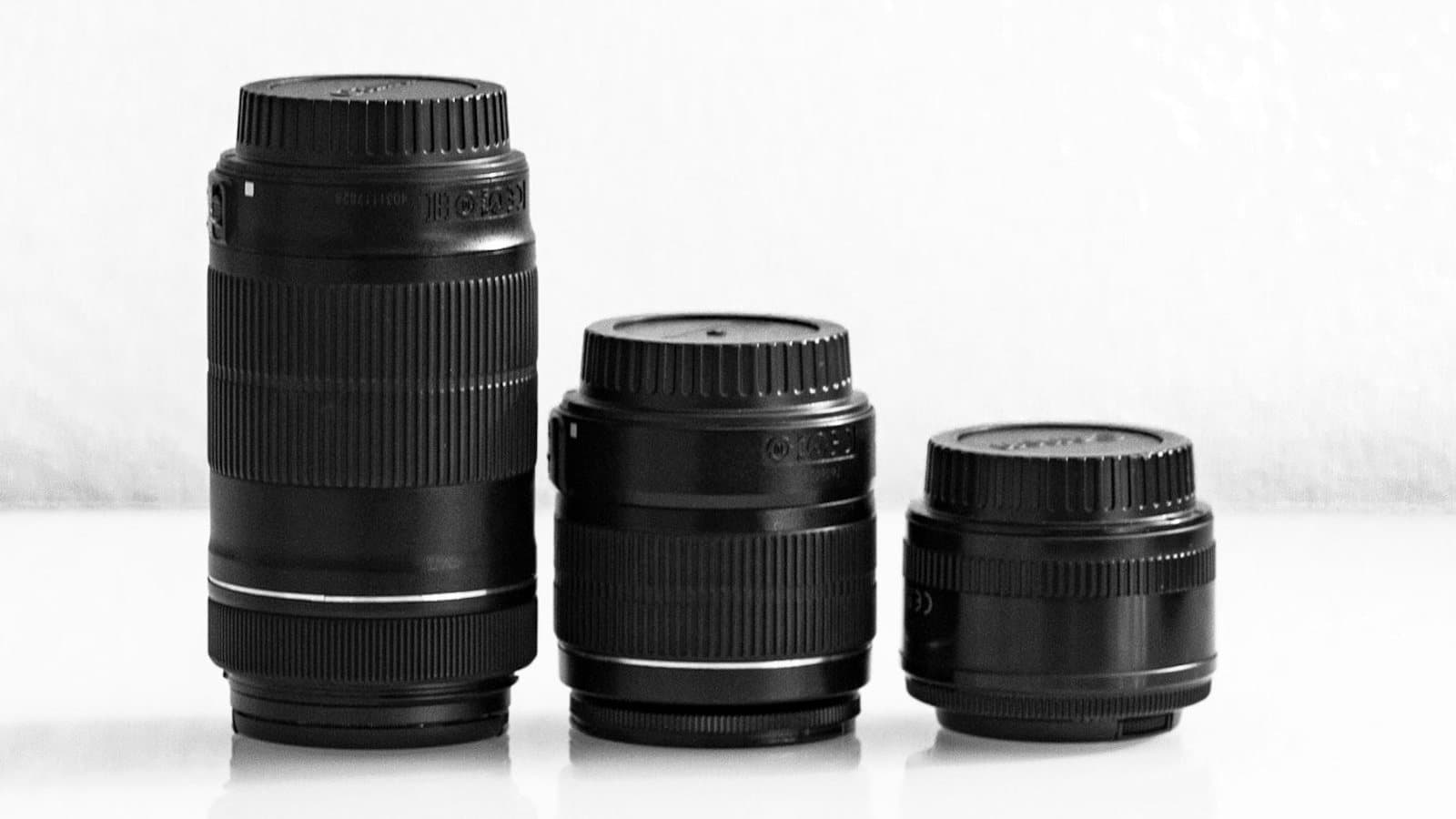
Focal Length Explained: What 24mm, 50mm, 85mm, and 200mm Actually Do
What the millimeter number on a lens changes in the field: angle of view, compression, and working distance. When to reach for 24, 50, 85, or 200mm.
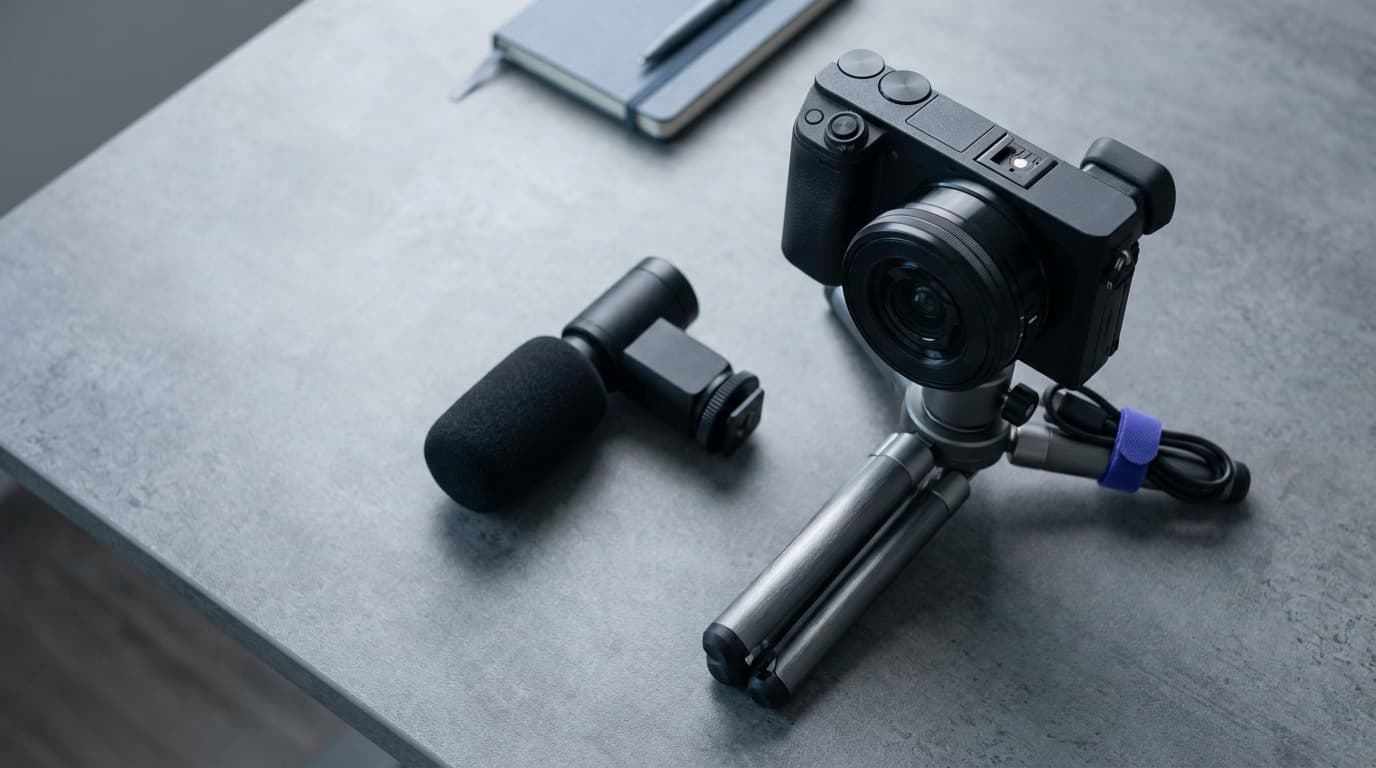
Canon EOS R50 V vs Sony ZV-E10 II: Which Beginner Vlogging Camera Should You Buy?
Canon EOS R50 V is the easier beginner creator kit. Sony ZV-E10 II is the deeper lens-system pick. Compare the practical tradeoffs.
Researched, not personally tested: picks compare specifications, available owner feedback, and established expert sources. As an Amazon Associate I earn from qualifying purchases. We may earn a commission from links here, at no extra cost to you. How we research →