We may earn a commission from links on this page, at no extra cost to you. Picks are researched, not sponsored.
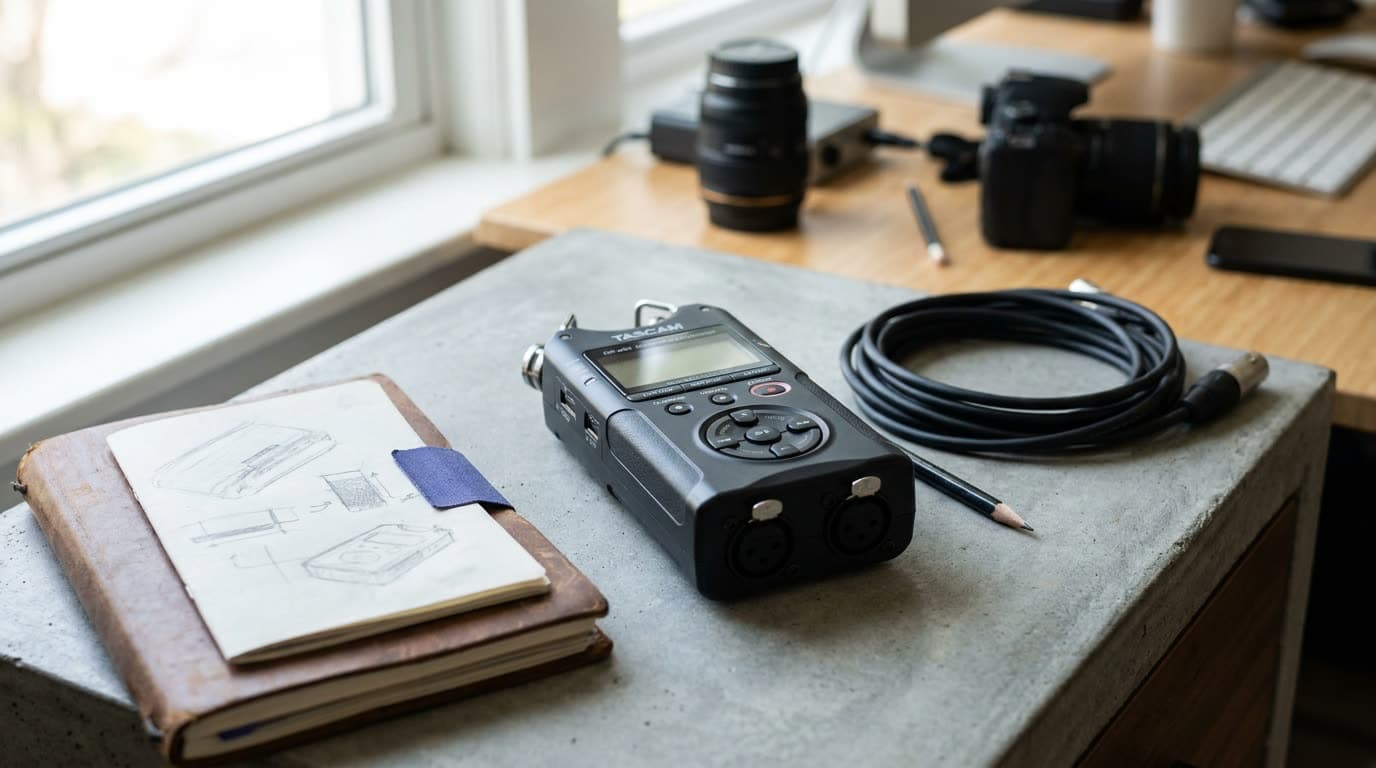
In-camera audio is the weak link in most video. The preamps are noisy, the levels drift, and the on-board microphone picks up handling noise and the room. A field recorder captures clean audio to its own card, often from professional XLR microphones, and you sync it to the footage in editing. It is the difference between sound that distracts and sound nobody notices, which is the goal.
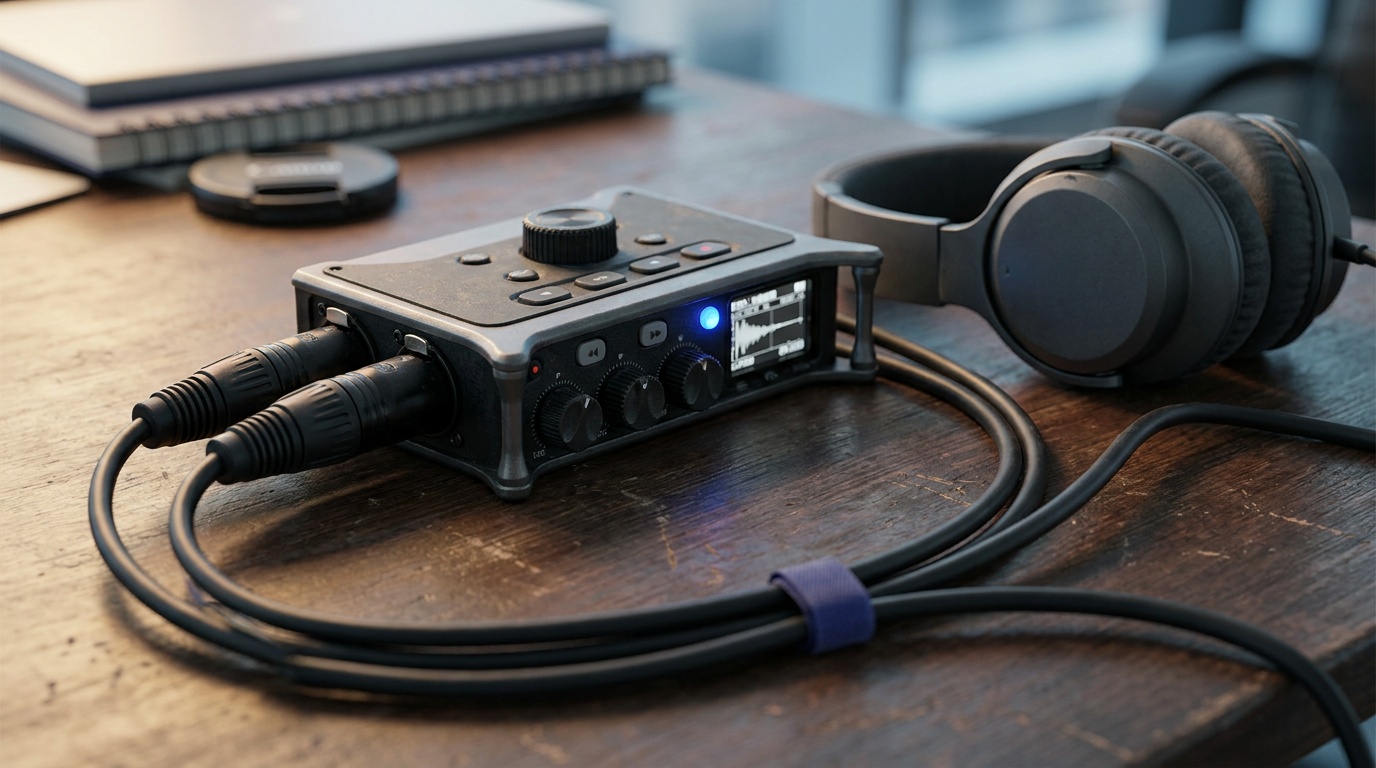
If you are matching audio to a video kit, our best microphones for video guide covers the mics that plug into these recorders, and best cameras for video covers the bodies the audio syncs to.
How to choose
Start with how many inputs you need. A solo creator recording one voice needs two inputs at most. A two-person interview wants two XLR inputs. A small production with several mics needs four or more. Count your sources and add one. Look for combo XLR/TRS jacks, which take both a balanced XLR microphone and a 1/4-inch line source in the same socket, so one input covers more situations.
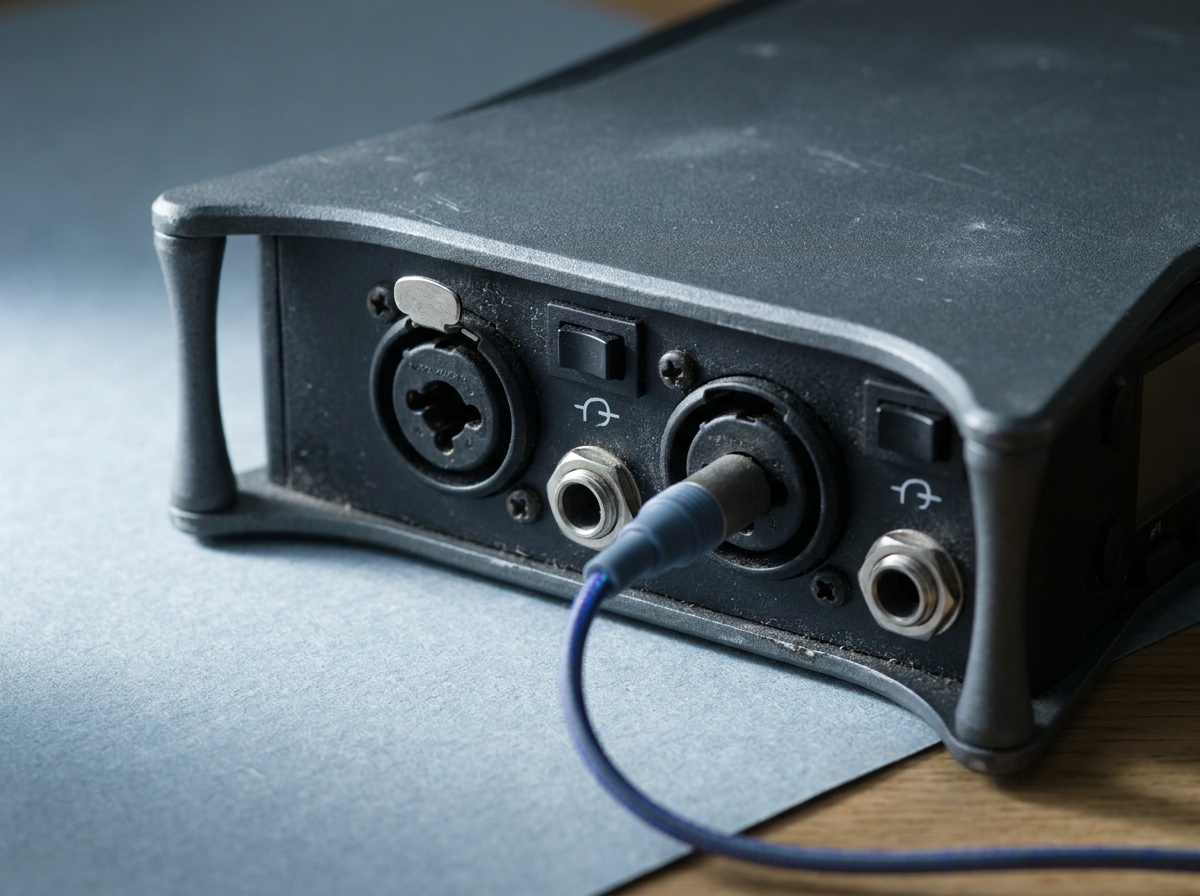
Then look for 32-bit float recording, the most important recent advance. With 32-bit float, you no longer set levels carefully and risk clipping a loud moment; the recorder captures such a wide range that you fix the level afterward in editing. On a recorder without it, you must ride the gain and a single loud sound can ruin a take.
After that, weigh the build and the power. Phantom power (48V) is required for condenser microphones, so confirm the recorder supplies it on the inputs you will use. A 48kHz sample rate is standard for video, while 96kHz or 192kHz adds headroom for music and sound design; most modern recorders cover all three. Battery life on AA or rechargeable cells matters for long days away from power. Last, consider the form factor: a handheld with built-in mics is grab-and-go, while a multitrack recorder is a small mixer for a more involved shoot.
The picks
Best Overall
Zoom H6essential
Creators who record multiple sources and want headroom and flexibility.
Check price at AmazonThe Zoom H6essential is the best all-rounder. Four XLR inputs cover a multi-person shoot, the swappable capsule on top adds built-in stereo mics when you want them, and 32-bit float recording means you stop worrying about clipping. It is larger than a pocket recorder and the capsule sticks up, but for the flexibility and the clean sound, it is the one to start with.
Best for Solo Work
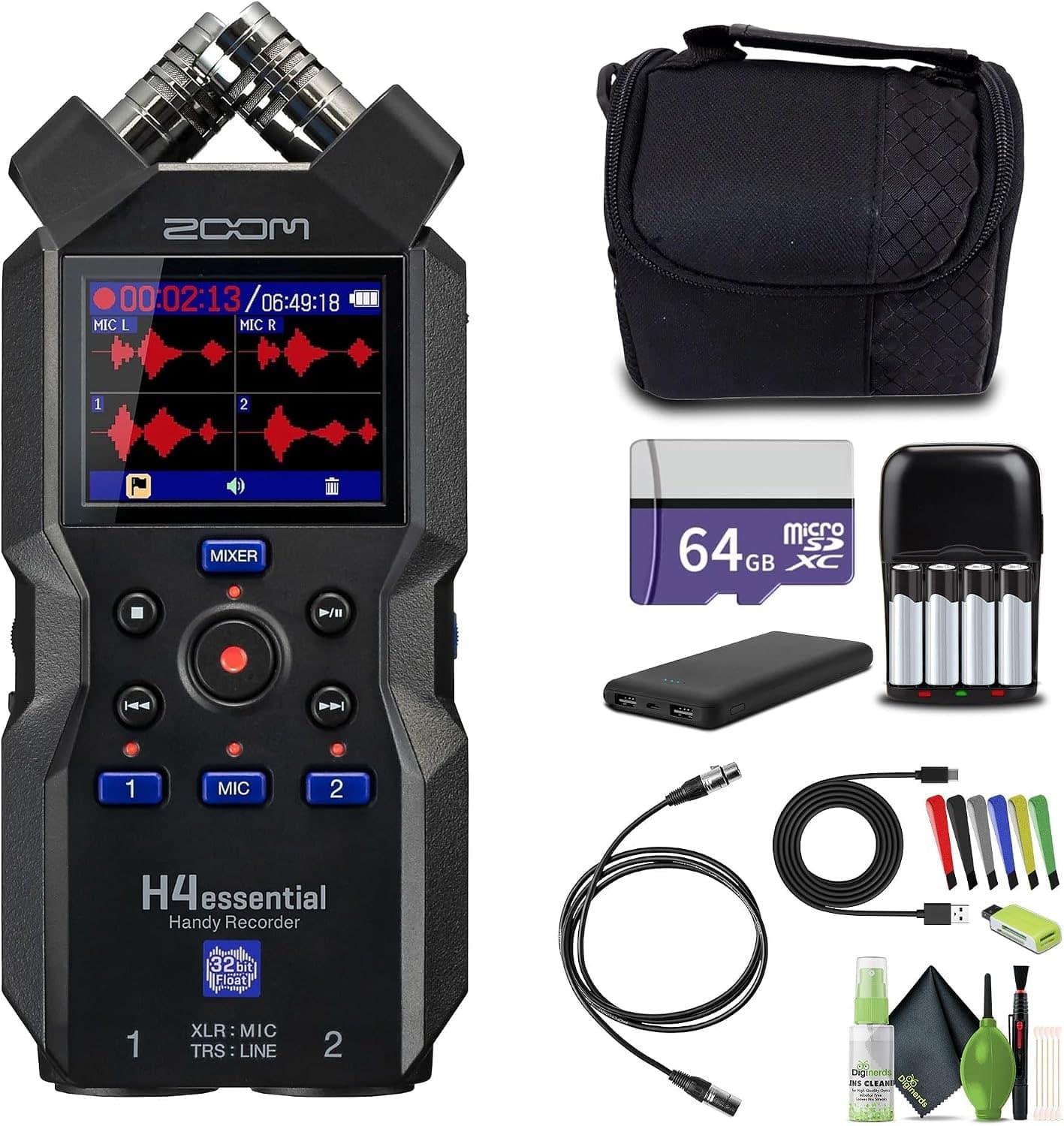
Zoom H4essential
Solo and two-person shooters who want float safety in a smaller body.
Check price at AmazonThe Zoom H4essential is the lighter pick for solo and two-person work. Two XLR inputs plus a built-in stereo pair, 32-bit float, and a smaller body that still runs on AA batteries. It does most of what the H6essential does with fewer inputs, so if you rarely record more than two sources it saves size and money without giving up the float safety net.
Best Touchscreen
Tascam Portacapture X8
Shooters who prefer tapping a screen over learning button combinations.
Check price at AmazonThe Tascam Portacapture X8 is the touchscreen pick. A color touchscreen drives launcher-style apps for music, interview, podcast, and field modes, four inputs handle a small production, and it records 32-bit float. The menu-driven workflow suits people who would rather tap a screen than learn button combinations. The screen adds battery drain, so carry spares.
Best for Interviews
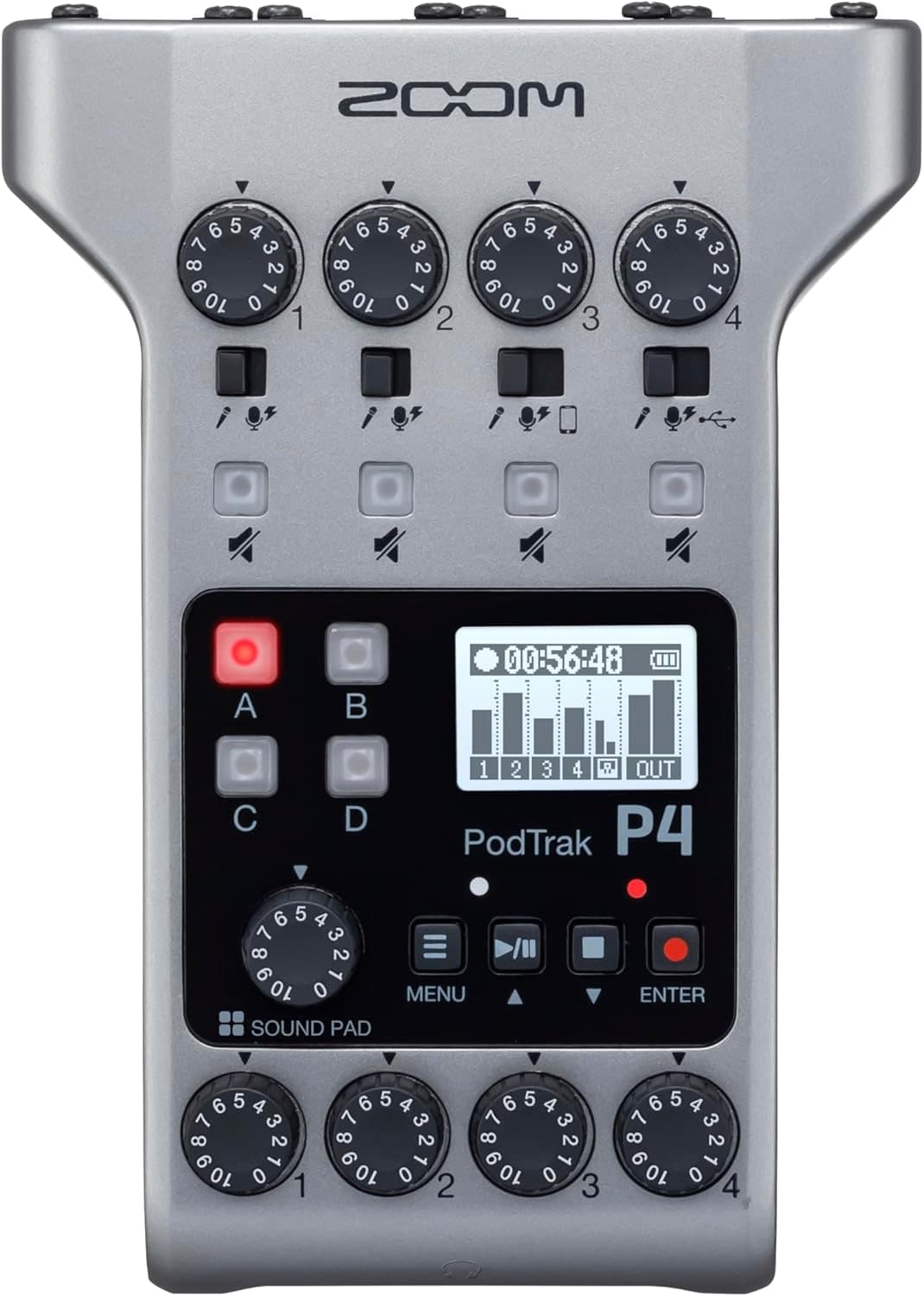
Zoom PodTrak P4
Podcasters and interviewers recording several seated speakers at once.
Check price at AmazonThe Zoom PodTrak P4 is the pick for interviews and podcasts. Four XLR inputs, four headphone outputs so every guest can monitor, and sound pads for intros and stingers, all in a simple board built for talking. It is not a general field recorder and lacks the float headroom of the essential line, but for seated multi-person conversations it is purpose-built and cheap.
Best Professional
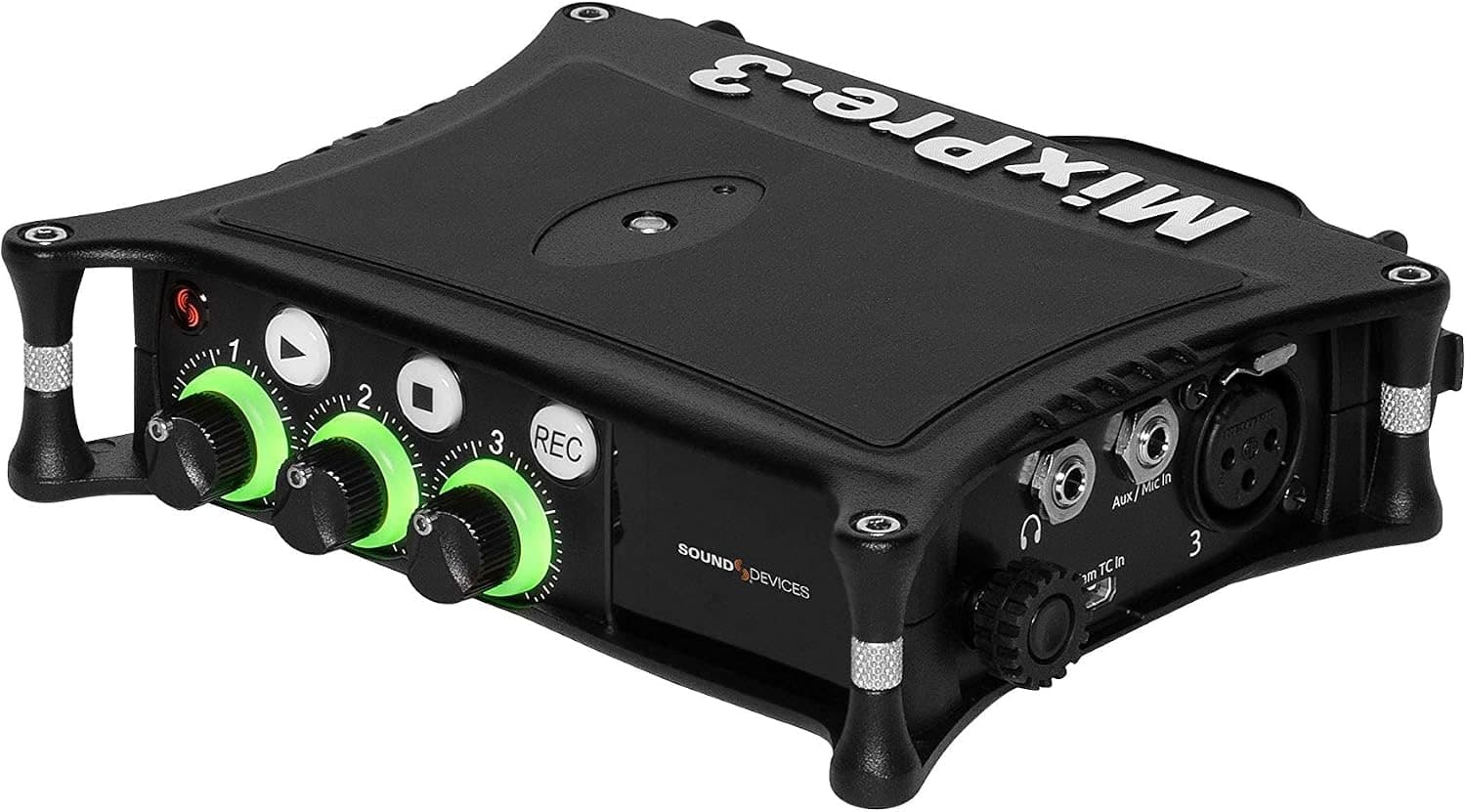
Sound Devices MixPre-3 II
Paid productions where the audio quality cannot fail.
Check price at AmazonThe Sound Devices MixPre-3 II is the professional pick. The preamps are exceptionally clean and quiet, the build is rugged, and 32-bit float plus high sample rates suit demanding film and music work. It costs far more than the consumer recorders and has fewer built-in conveniences, but for paid productions where the audio cannot fail, the quality is the reason people buy it.
Common mistakes
The most common one is relying on in-camera audio and only noticing the noise in the edit, when it is too late. Record externally from the start. The second is skipping 32-bit float to save money, then clipping a loud take with no way to recover it; the float headroom is worth the small premium. The third is forgetting that condenser microphones need phantom power, so a recorder without 48V leaves a pricey mic silent.
A recorder is half of a sound kit, so pair it with the right microphone in our best microphones for video guide, and confirm your camera settings against the exposure triangle so picture and sound both hold up.
What is 32-bit float and do I need it?
32-bit float is a recording format with so much dynamic range that you no longer need to set levels precisely to avoid clipping. You capture the take, then adjust the level in editing, even rescuing a moment that would have clipped on an older recorder. It is the single most useful feature on a modern field recorder, and most picks here include it.
How many inputs do I need on a field recorder?
Count your sound sources and add one. A solo creator needs one or two inputs, a two-person interview needs two XLR inputs, and a small production with several microphones needs four or more. Buying more inputs than you use is wasted money and bulk, so size it to your actual work.
Can I use a field recorder instead of a camera microphone?
Yes, and it is usually better. You record sound to the recorder's own card, often from professional XLR microphones, then sync it to the video in editing. The recorder's preamps are quieter than a camera's, and you avoid the handling noise and weak codec of in-camera audio. Many shooters also feed a scratch track to the camera to make syncing easier.
Compare picks
The short version
Use this to narrow the list before opening the detailed cards.
Scores weigh fit, owner sentiment, build, and value. Affiliate links do not change pick order. Methodology
Buying order
Start with the skip note. A good deal on the wrong camera is still the wrong camera.
Compare verdictsIf you already own lenses, check the system path before buying into a new mount.
Check systemsOnce the fit makes sense, compare current deals and retailer listings.
Check current deals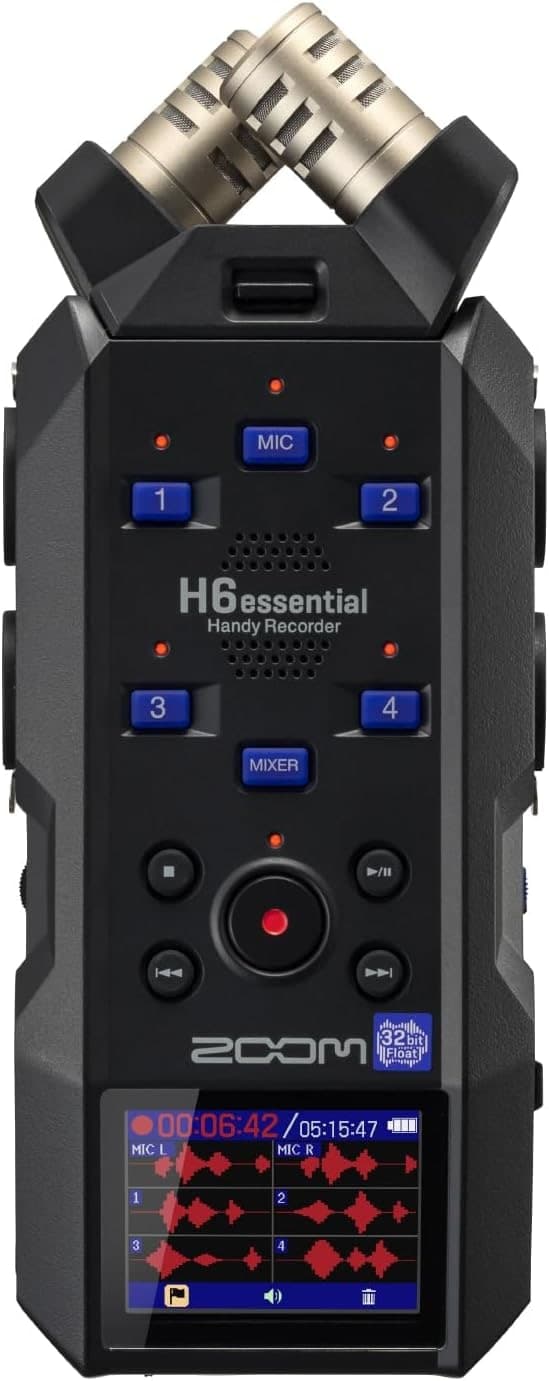
Creators who record multiple sources and want headroom and flexibility.
Use the retailer for the current price after the tradeoff makes sense. Confirm connector, recording format, power, and camera or phone compatibility.
Tradeoff: Not a general field recorder
Use the retailer for the current price after the tradeoff makes sense. Confirm connector, recording format, power, and camera or phone compatibility.
9.1/10 Aperture Score
Use the retailer for the current price after the tradeoff makes sense. Confirm connector, recording format, power, and camera or phone compatibility.
Solo and two-person shooters who want float safety in a smaller body.
Use the retailer for the current price after the tradeoff makes sense. Confirm connector, recording format, power, and camera or phone compatibility.
Price ladder
The useful range here runs from $150 to $995. Start with the ceiling that matches the assignment.
- Creators who record multiple sources and want headroom and flexibility.
- Four XLR inputs
- Larger than a pocket recorder
Use the retailer for the current price after the tradeoff makes sense. Confirm connector, recording format, power, and camera or phone compatibility.
- Solo and two-person shooters who want float safety in a smaller body.
- 32-bit float
- Only two XLR inputs
Use the retailer for the current price after the tradeoff makes sense. Confirm connector, recording format, power, and camera or phone compatibility.
- Shooters who prefer tapping a screen over learning button combinations.
- Color touchscreen workflow
- Screen drains battery faster
Use the retailer for the current price after the tradeoff makes sense. Confirm connector, recording format, power, and camera or phone compatibility.
- Podcasters and interviewers recording several seated speakers at once.
- Four headphone outs
- Not a general field recorder
Use the retailer for the current price after the tradeoff makes sense. Confirm connector, recording format, power, and camera or phone compatibility.
- Paid productions where the audio quality cannot fail.
- Very clean quiet preamps
- Expensive
Use the retailer for the current price after the tradeoff makes sense. Confirm connector, recording format, power, and camera or phone compatibility.
| Pick | Score | Price | Verdict | Action |
|---|---|---|---|---|
| Best OverallZoom H6essential | 9.0
| $269 - $319 | Creators who record multiple sources and want headroom and flexibility. Wins: Four XLR inputs Skip: Larger than a pocket recorder | Check Amazon · $269 - $319 Use the retailer for the current price after the tradeoff makes sense. Confirm connector, recording format, power, and camera or phone compatibility. |
| Best for Solo WorkZoom H4essential | 8.7
| $179 - $219 | Solo and two-person shooters who want float safety in a smaller body. Wins: 32-bit float Skip: Only two XLR inputs | Check Amazon · $179 - $219 Use the retailer for the current price after the tradeoff makes sense. Confirm connector, recording format, power, and camera or phone compatibility. |
 Best TouchscreenTascam Portacapture X8 Best TouchscreenTascam Portacapture X8 | 8.6
| $349 - $429 | Shooters who prefer tapping a screen over learning button combinations. Wins: Color touchscreen workflow Skip: Screen drains battery faster | Check Amazon · $349 - $429 Use the retailer for the current price after the tradeoff makes sense. Confirm connector, recording format, power, and camera or phone compatibility. |
| Best for InterviewsZoom PodTrak P4 | 8.4
| $145 - $170 | Podcasters and interviewers recording several seated speakers at once. Wins: Four headphone outs Skip: Not a general field recorder | Check Amazon · $145 - $170 Use the retailer for the current price after the tradeoff makes sense. Confirm connector, recording format, power, and camera or phone compatibility. |
| Best ProfessionalSound Devices MixPre-3 II | 9.1
| $990 - $1,120 | Paid productions where the audio quality cannot fail. Wins: Very clean quiet preamps Skip: Expensive | Check Amazon · $990 - $1,120 Use the retailer for the current price after the tradeoff makes sense. Confirm connector, recording format, power, and camera or phone compatibility. |
Shoot kits
Buy around the job, not the spec sheet
Video rig
Run-and-gun video rig
$4,201
A compact cinema body, fast normal zoom, cage, monitor, gimbal, shotgun mic, and battery for paid video work.
Best upgrade path from creator kit
Buy order: start with the first piece that makes the job possible, then add the support pieces that remove friction.
Camera: start here. If this piece does not make the shoot easier, the rest of the kit can wait.
Power: add it after the core setup proves useful.
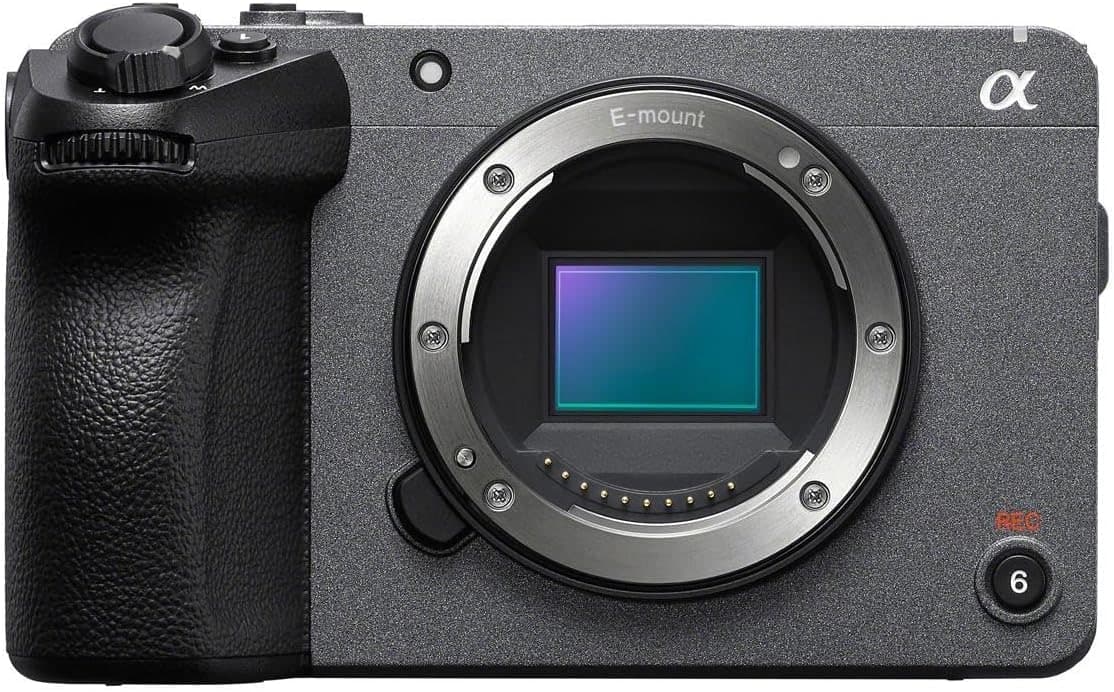
Sony FX30
Cinema-line controls, active cooling, reliable autofocus, and files that grade well without full-frame cost.
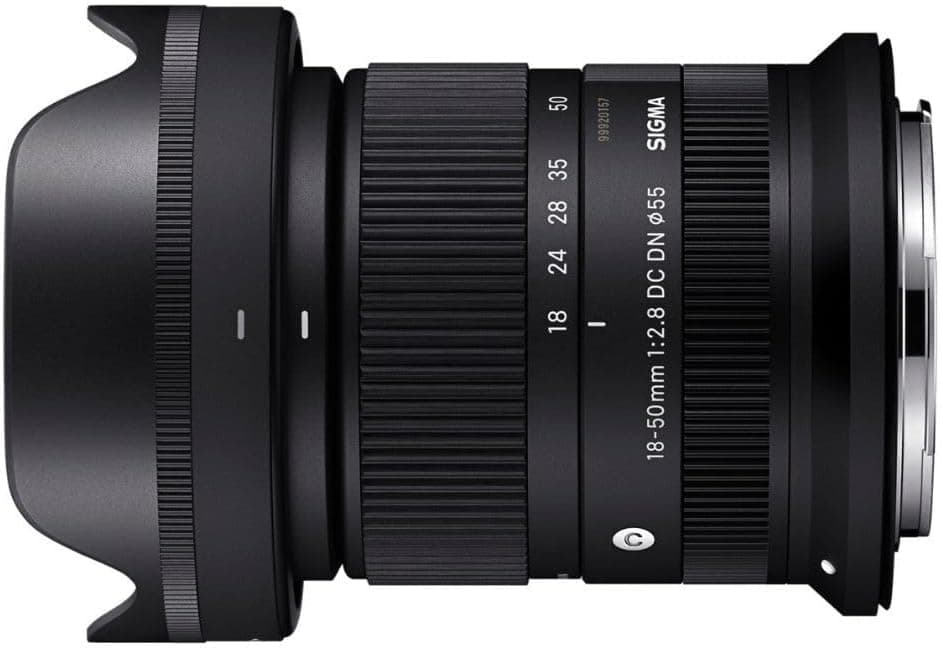
Sigma 18-50mm f/2.8 DC DN Contemporary
A small constant-aperture zoom that keeps an APS-C rig light enough to carry and balance.
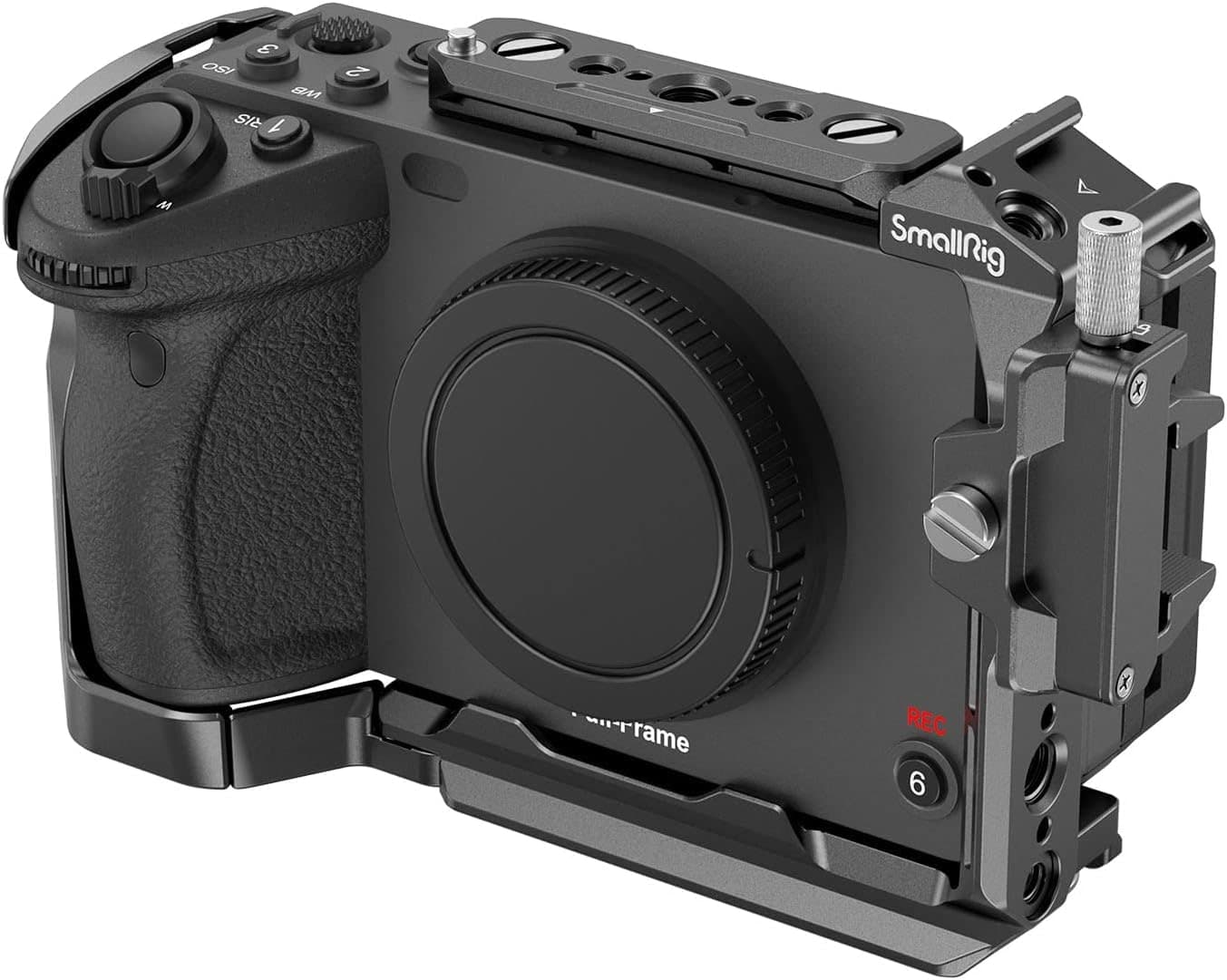
SmallRig Cage for Sony FX3 and FX30
Adds proper mounting points for handles, monitors, mics, and cables without relying on the camera body.
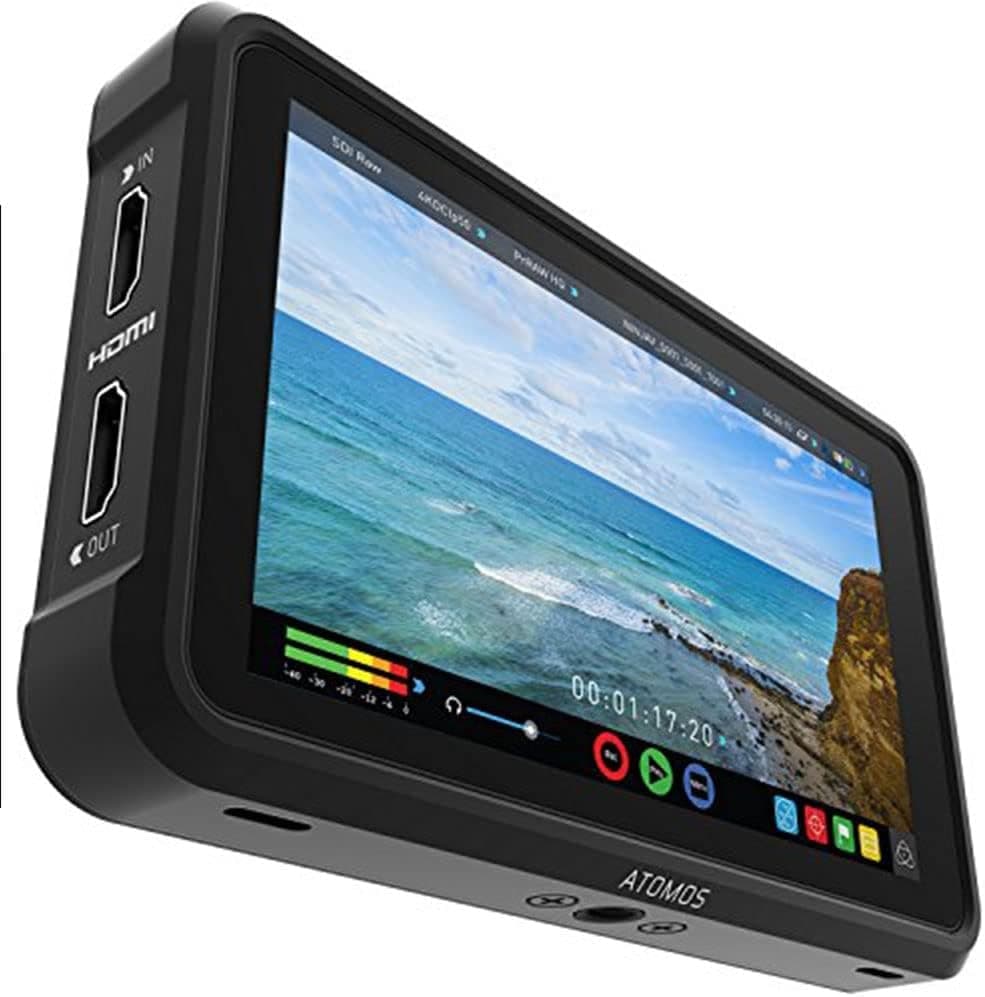
Atomos Ninja V
A bright five-inch screen for focus, exposure tools, LUT preview, and cleaner client monitoring.
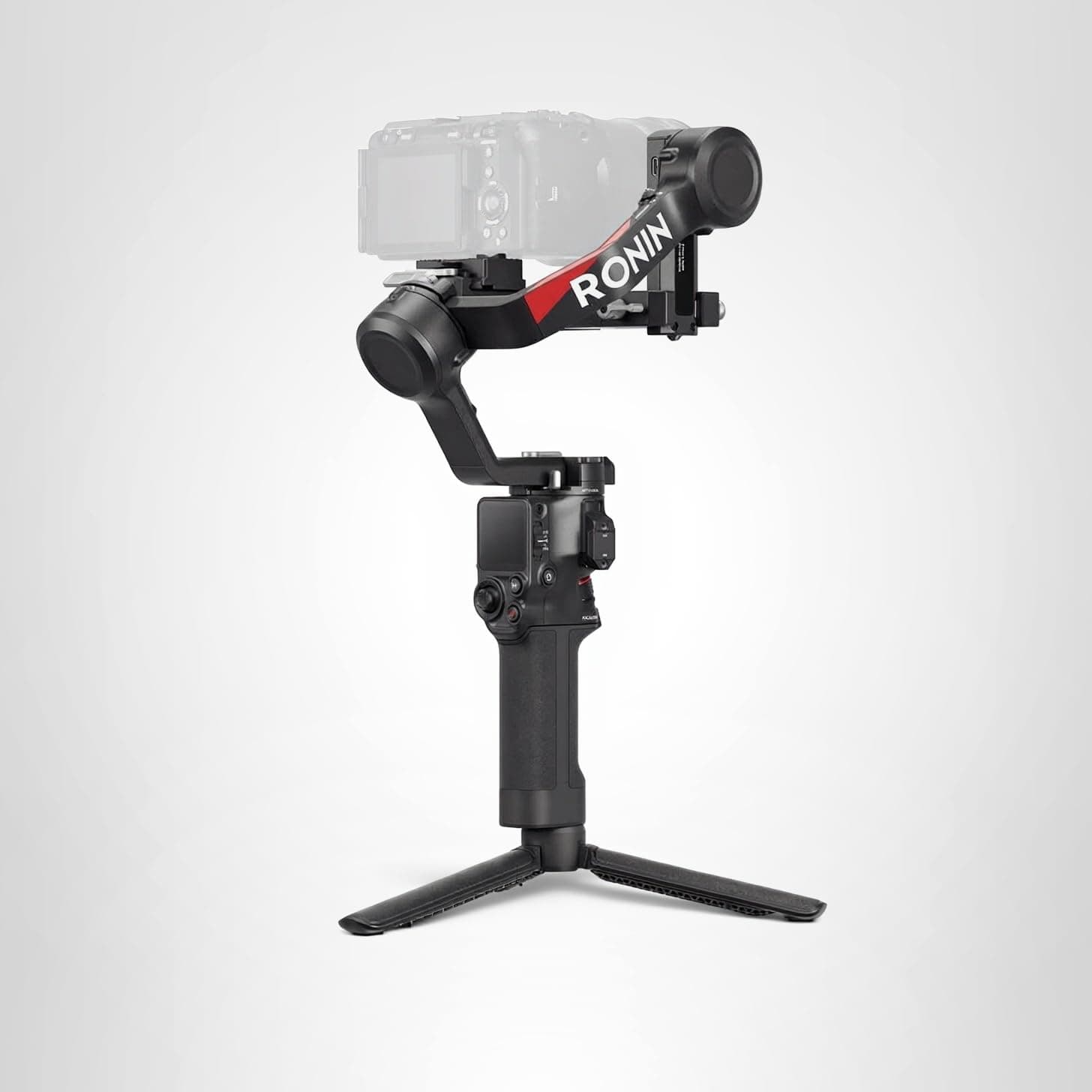
DJI RS 4
The gimbal tier that can handle a built-out mirrorless or compact cinema rig without becoming huge.
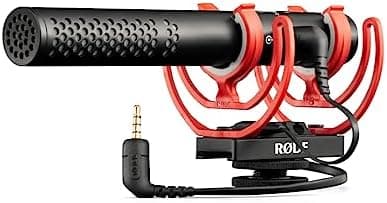
Rode VideoMic NTG
A flexible on-camera shotgun that also works as a small USB mic for quick voiceover or desk work.
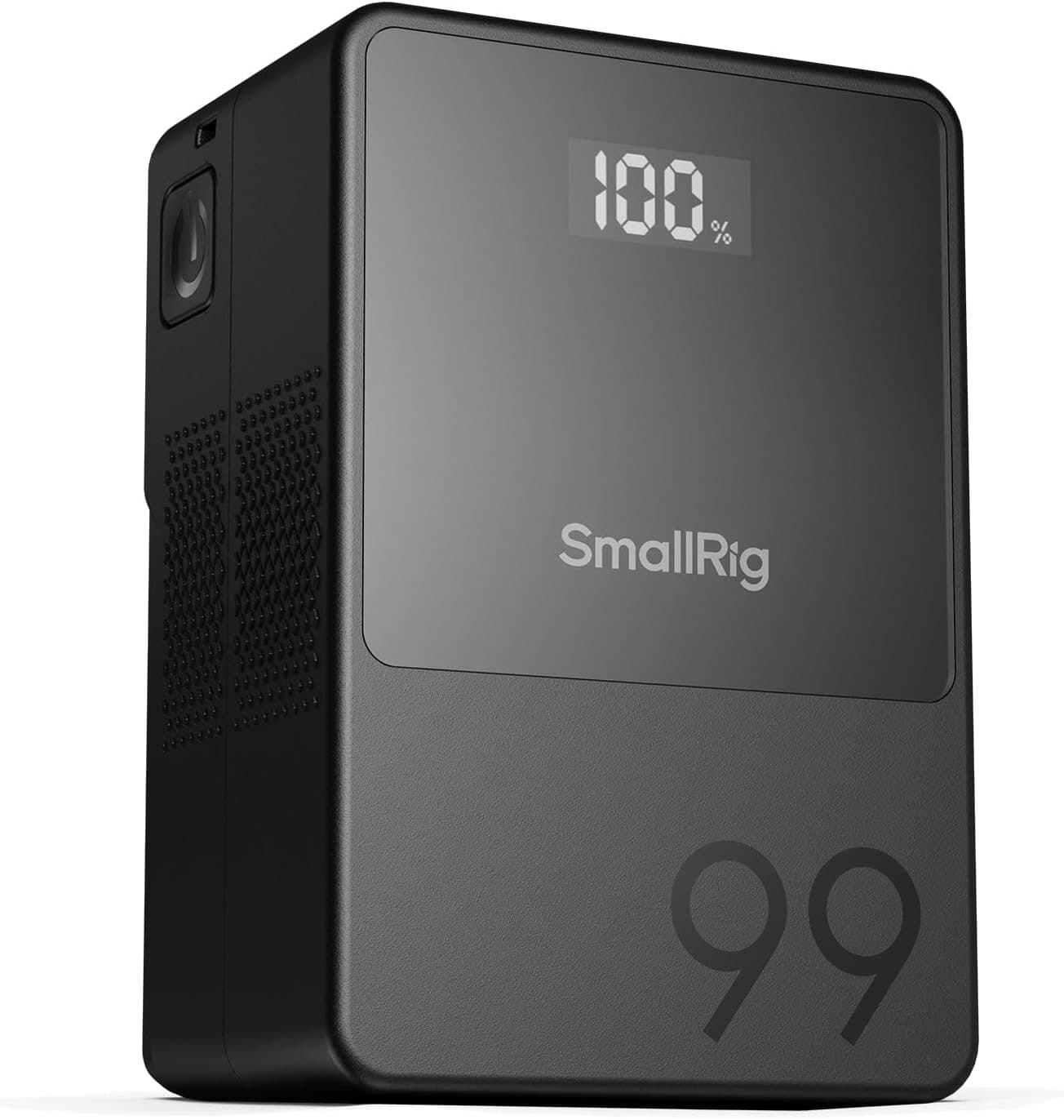
SmallRig VB99
A compact V-mount that can run monitors, lights, or cinema bodies without turning the rig into a brick.
Prices are rough catalog totals. Retailer prices change, and you can swap pieces to fit your system.
Related Gear guides
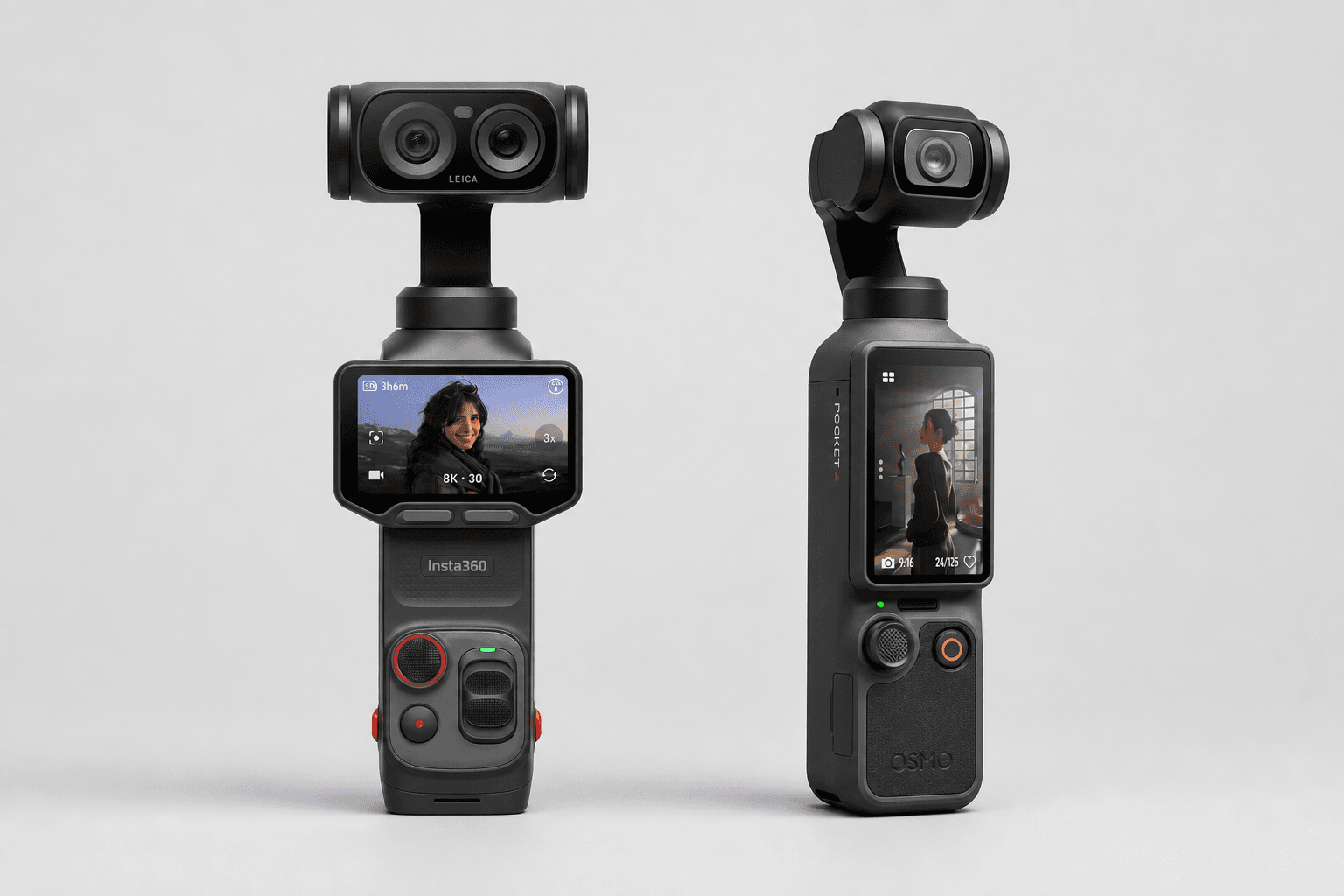
Insta360 Luna Ultra vs DJI Osmo Pocket 4: Which Pocket Gimbal Should You Buy?
Compare Luna Ultra and DJI Pocket 4 by lenses, video, Log formats, storage, U.S. availability, and the filming jobs each pocket gimbal handles best.
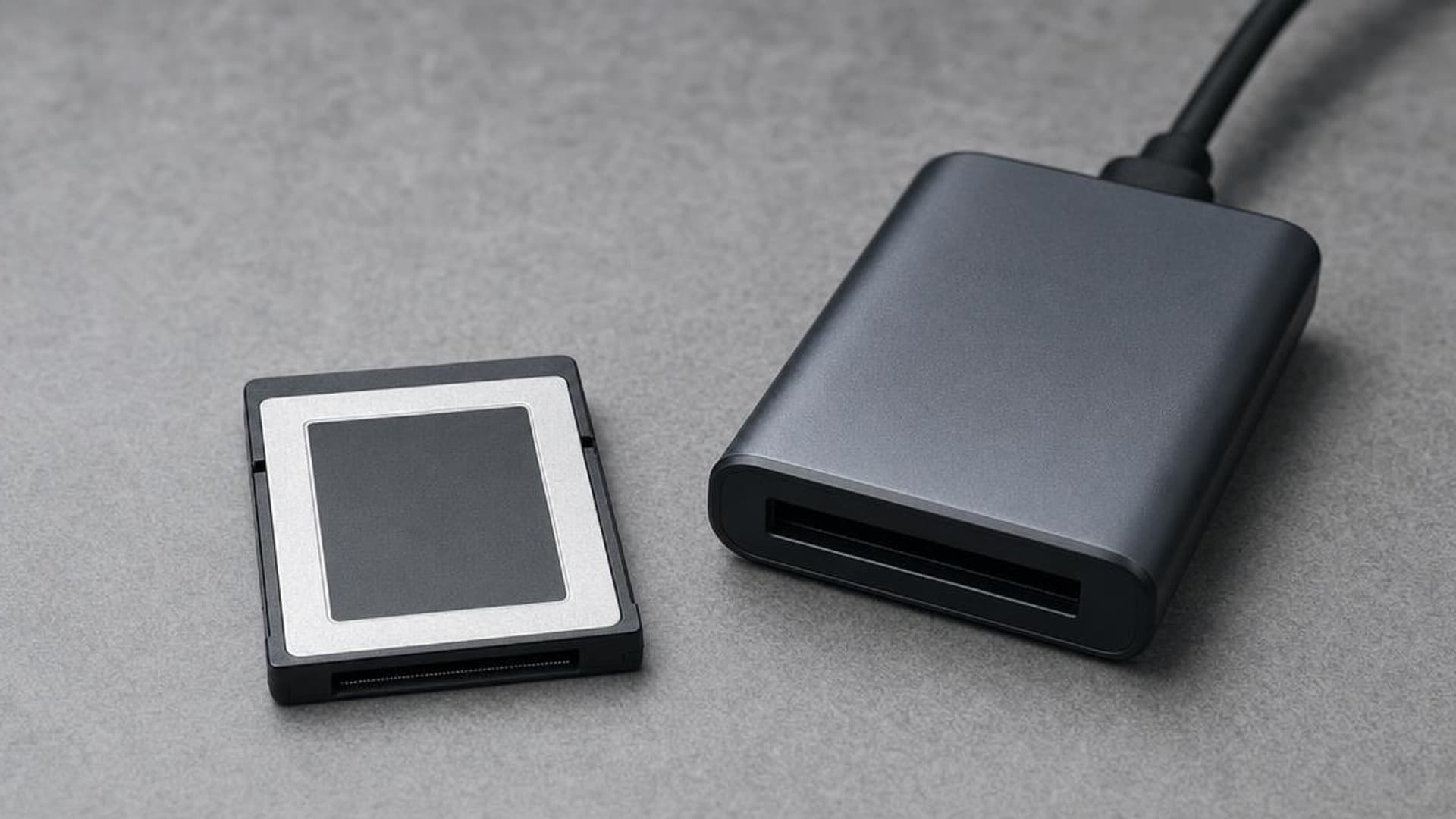
CFexpress 4.0 and VPG Explained: Buy the Card Your Camera Needs
CFexpress 4.0 doubles theoretical bandwidth, while VPG certifies sustained video writes. Learn Type A vs B, VPG classes, and when 4.0 is worth paying for.
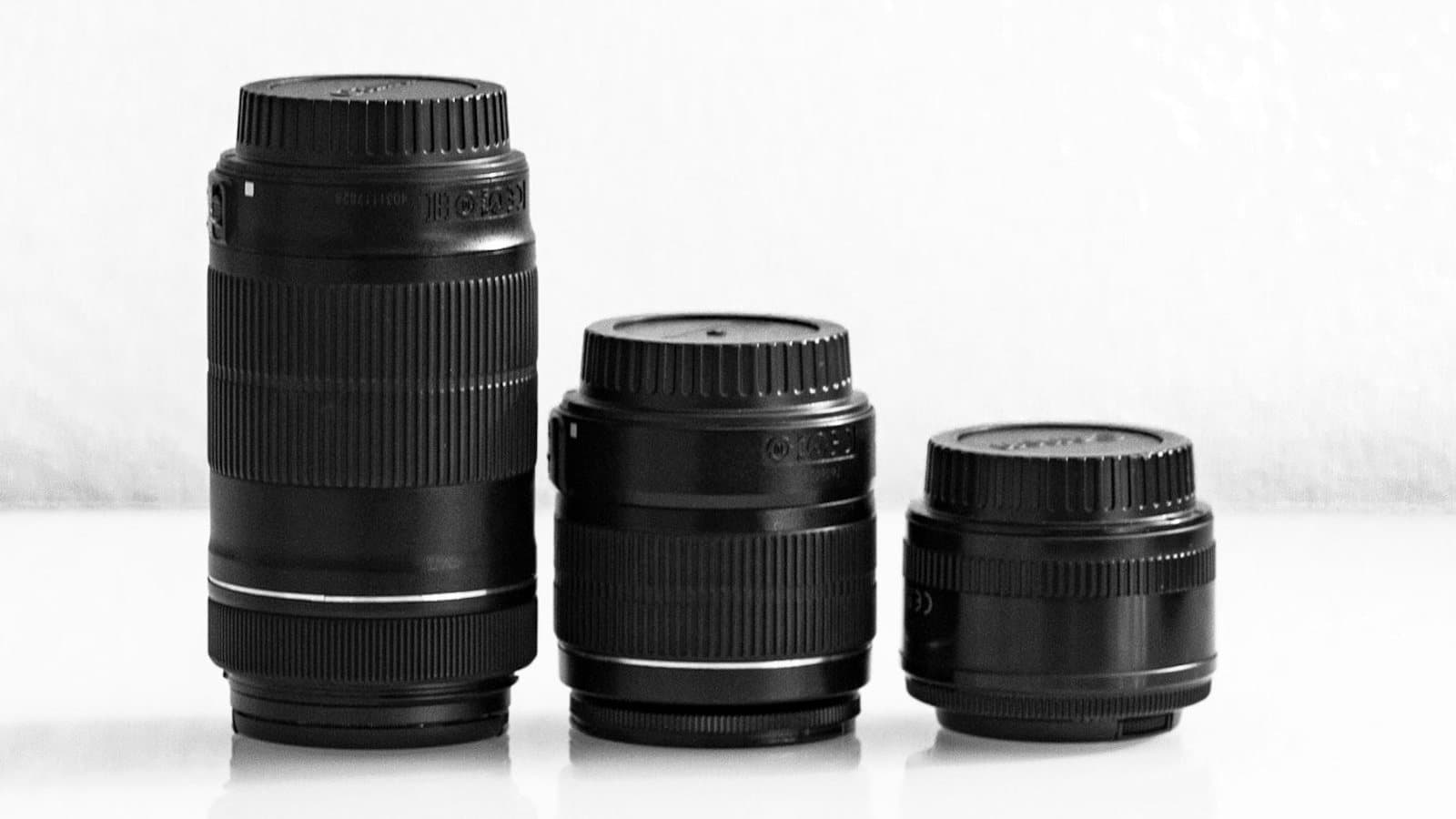
Focal Length Explained: What 24mm, 50mm, 85mm, and 200mm Actually Do
What the millimeter number on a lens changes in the field: angle of view, compression, and working distance. When to reach for 24, 50, 85, or 200mm.
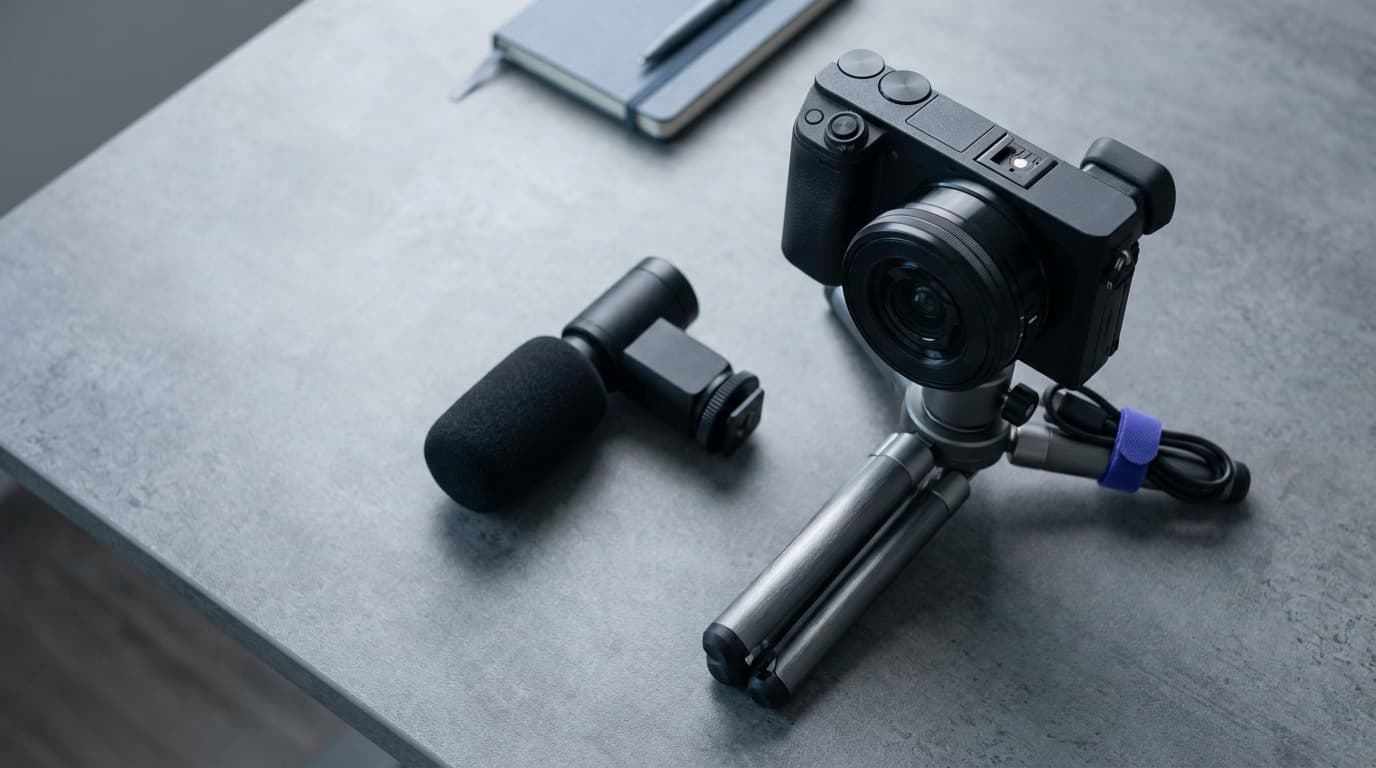
Canon EOS R50 V vs Sony ZV-E10 II: Which Beginner Vlogging Camera Should You Buy?
Canon EOS R50 V is the easier beginner creator kit. Sony ZV-E10 II is the deeper lens-system pick. Compare the practical tradeoffs.
Researched, not personally tested: picks compare specifications, available owner feedback, and established expert sources. As an Amazon Associate I earn from qualifying purchases. We may earn a commission from links here, at no extra cost to you. How we research →