We may earn a commission from links on this page, at no extra cost to you. Picks are researched, not sponsored.
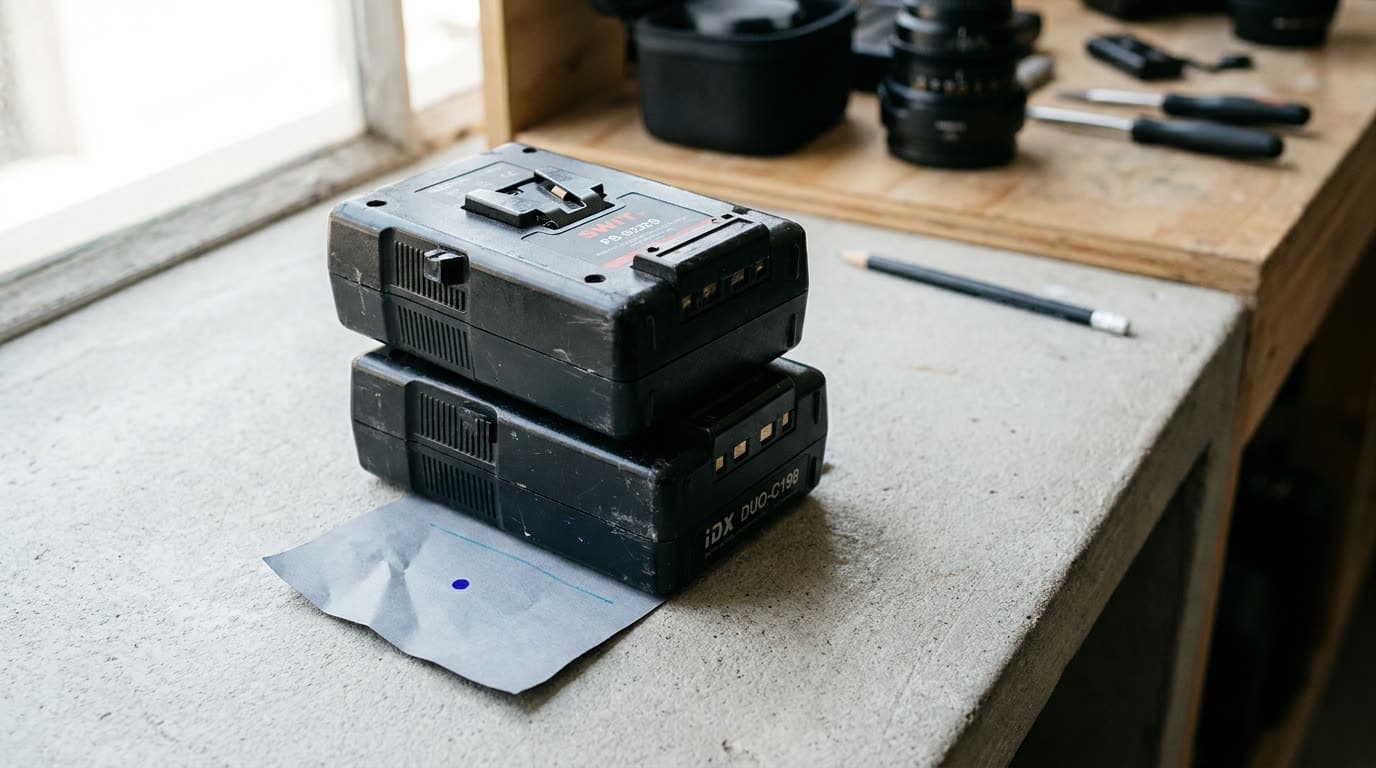
When your camera, monitor, wireless audio, and lights all run off their own little batteries, you spend the day swapping cells and watching things die at the wrong moment. A V-mount battery is one large pack that powers the whole rig through a power plate and a few cables, so everything runs from a single source you can hot-swap. It is how professional video rigs stay alive on long shoots.
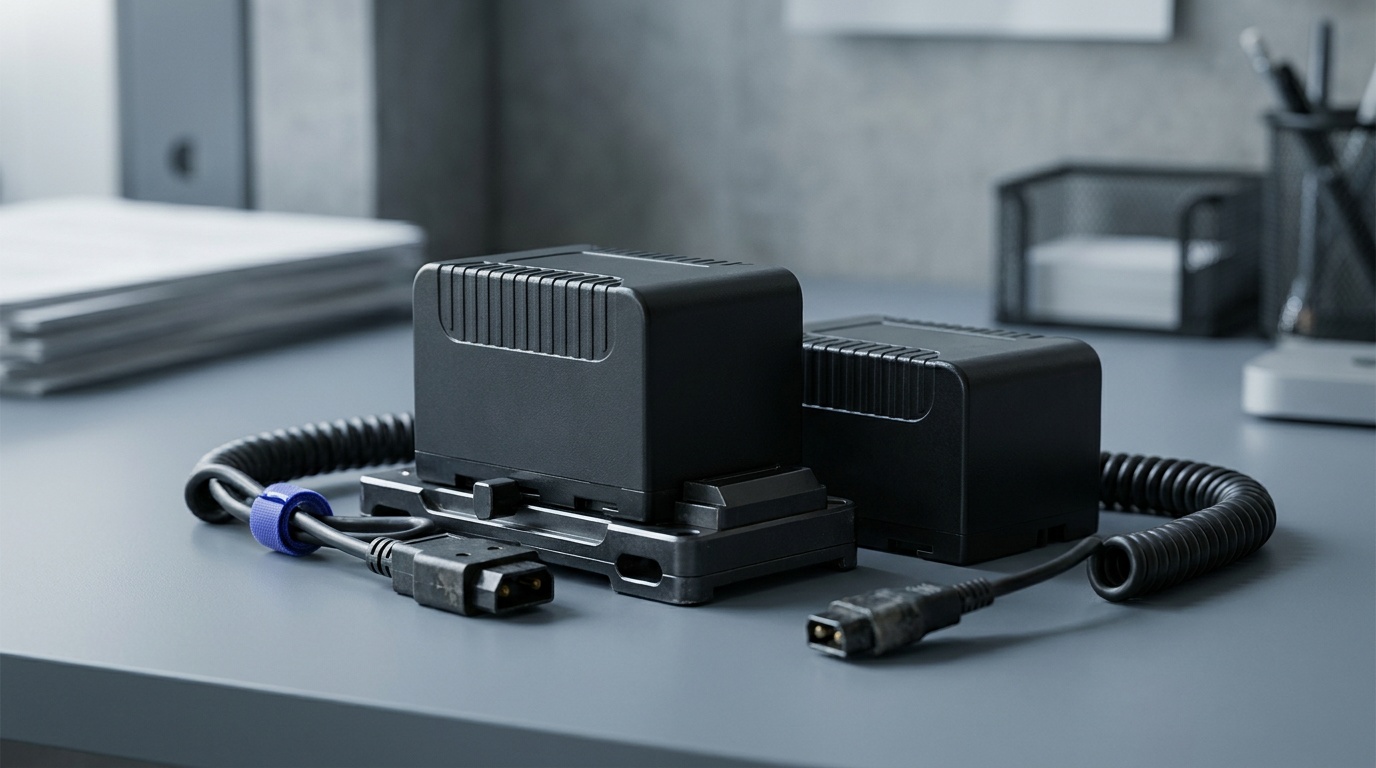
If you are powering a video build, our best camera monitors guide covers the screens these batteries feed, and best cameras for video covers the bodies at the center of the rig.
Estimate battery runtime
Battery capacity alone does not tell you whether a pack lasts two hours or six. Add the watt draw for the camera, monitor, transmitter, light, and anything else sharing the battery. The planner leaves a reserve for conversion loss and normal variation, then estimates runtime and the number of packs needed for the shoot.
V-mount runtime planner. Enable JavaScript to estimate runtime from battery capacity and rig draw.
For U.S. passenger flights, the FAA allows lithium-ion batteries from 0–100Wh without airline approval, requires approval for 101–160Wh, and forbids packs over 160Wh. Spare batteries must stay in carry-on baggage, and individual airlines can set stricter limits.
How to choose
Start with capacity, measured in watt-hours (Wh). More Wh means longer runtime, but also more weight and a real travel catch: the FAA permits 0–100Wh packs without airline approval, 101–160Wh packs need airline approval and are capped at two spares per passenger, and anything over 160Wh is forbidden on passenger aircraft. Spare packs stay in carry-on baggage. That is why frequent flyers often build around 98Wh or 99Wh batteries, while still checking the airline's own limits.
Then add up your draw. A mirrorless body sips power, but add a bright monitor, a couple of lights, and wireless gear and the load climbs. The number to read is the continuous-output rating: a pack rated around 10 to 12 amps comfortably runs a camera, a bright monitor, and a wireless transmitter at once, while a heavy lighting load wants a high-output pack rated nearer 15 amps so it does not sag or shut down under the draw.
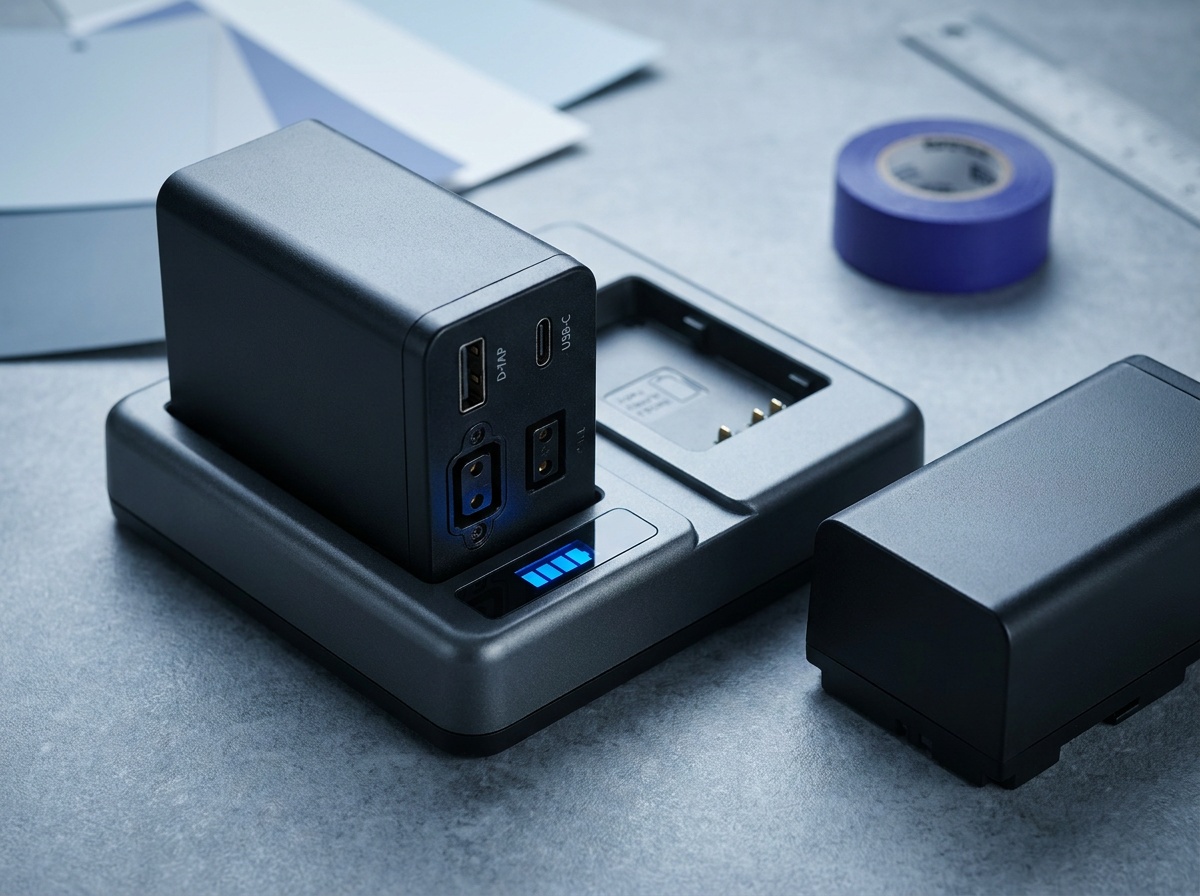
After that, weigh the outputs and the extras. D-tap ports power accessories directly, USB-C with Power Delivery charges laptops and phones and on many newer packs runs both ways to recharge the battery itself, USB-A handles small devices, and a fuel-gauge display shows remaining charge at a glance. Last, look at the cells and the brand: name-brand packs with quality cells and protection circuitry are worth it because a failing battery near expensive gear is not where to save money.
The picks
Best Overall
Core SWX XCell 99
Small cinema and mirrorless rigs that need one travel-friendly battery to power several devices.
Check price at AmazonThe Core SWX XCell 99 is the best all-rounder. At 99Wh it stays within the FAA's 100Wh passenger-aircraft tier, while P-Tap, 65W USB-C PD, USB-A, and dedicated 8V and 12V outputs can feed a camera and several accessories. The ColorID OLED shows runtime and charge status clearly. It is not the highest-draw pack here, but it is the most useful first battery for a compact rig.
The SmallRig VB99 is the proven alternative. It is a 99Wh pack with D-tap, 100W USB-C PD, and USB-A, plus a clear OLED readout, and on September 26, 2026 it cost $159.99 on Amazon with more than 600 owner ratings, against $159 and only a handful of ratings for the newer Core SWX XCell 99. The build and cells are good for the price, and the capacity stays below the FAA airline-approval threshold. For a shooter assembling a first V-mount kit on a budget, it delivers the core features without the premium.
Best for Cinema
Anton Bauer Titon 150
Demanding cinema rigs that draw heavy power and can accept a larger pack.
Check price at Anton BauerThe Anton Bauer Titon 150 is the pick for high-draw rigs. Its current 144Wh V-mount version supplies 10A continuously and 12A at peak, with P-Tap, USB, and a built-in runtime display. It exceeds the 100Wh airline tier, so check the carrier's approval rules before flying. It is larger and costs more, but it is built for broadcast cameras, cinema rigs, and lights where power reliability matters more than pack size.
Best Compact
Bebob V98MICRO
Gimbal and lightweight rigs where size and weight matter most.
Check price at BebobThe Bebob V98MICRO is the compact pick. Bebob squeezes 95Wh into one of the smallest, lightest V-mount bodies, which matters on a gimbal or a lightweight handheld rig where every gram counts. It keeps D-tap and USB-A outputs and stays below the FAA airline-approval threshold. It costs more per watt-hour than bargain packs, but for a small rig the size is the selling point.
Common mistakes
The most common one is buying the biggest battery you can, then learning at the airport that anything over 100Wh needs airline approval and anything over 160Wh is forbidden on passenger aircraft. If you travel often, a 98Wh or 99Wh pack is the simpler starting point, but check the airline too. The second mistake is ignoring continuous output and buying a high-capacity pack that still shuts off under a heavy lighting load. Match the output rating to your draw. The third is saving money on no-name cells near expensive cameras, which is exactly the wrong place to cut corners.
A V-mount battery is the power core of a video rig, so pair it with the screens in our best camera monitors guide, and make sure the camera at the center is the right one with best cameras for video.
How many watt-hours of V-mount battery do I need?
Match capacity to your runtime and draw. Add the watts used by every connected device, leave a reserve for loss and battery age, then divide usable watt-hours by total watts. The runtime planner above does that math and estimates how many packs the shoot needs.
Can I fly with a V-mount battery?
Under the FAA size rule, 0–100Wh lithium-ion packs do not need airline approval, 101–160Wh packs do, and packs over 160Wh are forbidden on passenger aircraft. Spare packs must travel in carry-on baggage, not checked luggage. Airlines may be stricter, so confirm before flying.
What can a V-mount battery power at once?
Through a power plate and D-tap or USB-C outputs, one V-mount can feed your camera, a field monitor, wireless audio, and small lights at the same time, which is the point of using one. The limit is the battery's continuous output rating, so a high-draw lighting setup needs a high-output pack to avoid shutting down under load.
Compare picks
The short version
Use this to narrow the list before opening the detailed cards.
Scores weigh fit, owner sentiment, build, and value. Affiliate links do not change pick order. Methodology
Buying order
Start with the skip note. A good deal on the wrong camera is still the wrong camera.
Compare verdictsIf you already own lenses, check the system path before buying into a new mount.
Check systemsOnce the fit makes sense, compare current deals and retailer listings.
Check current deals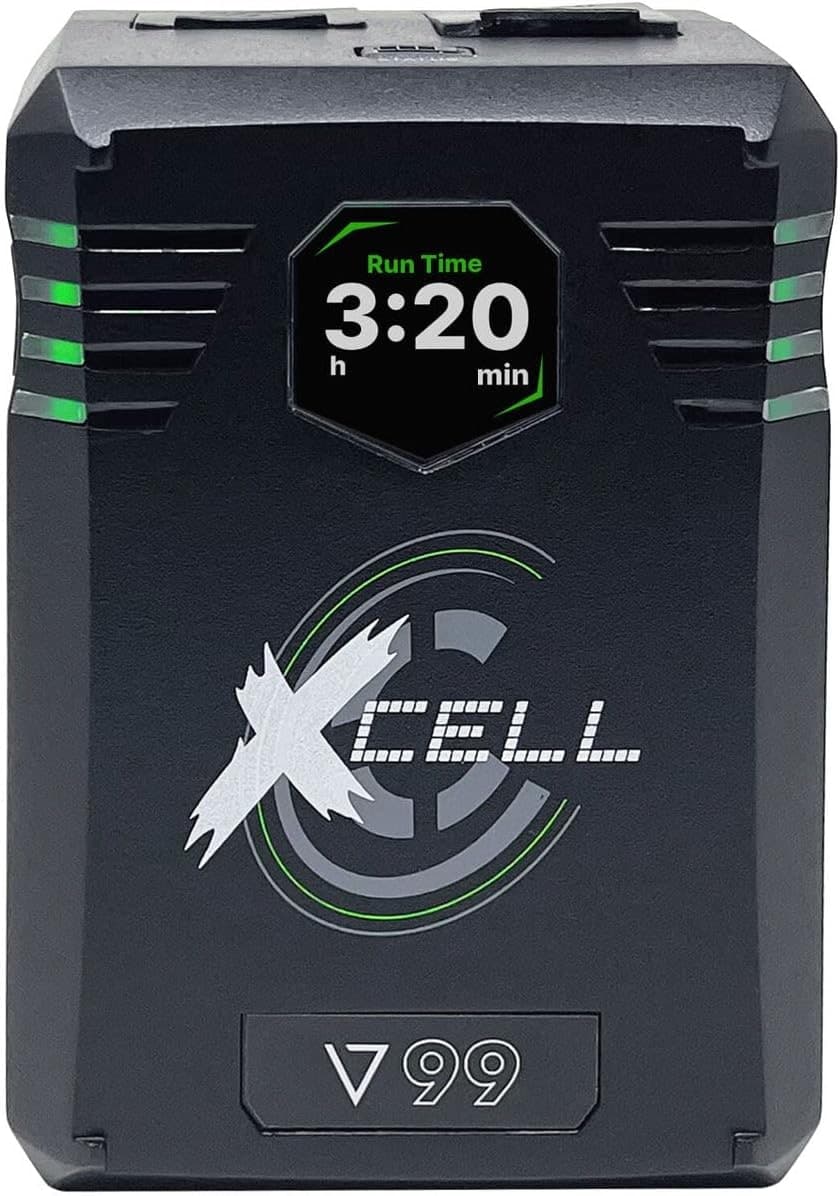
Small cinema and mirrorless rigs that need one travel-friendly battery to power several devices.
Use the retailer for the current price after the tradeoff makes sense. Confirm exact version, included accessories, compatibility, and seller listing.
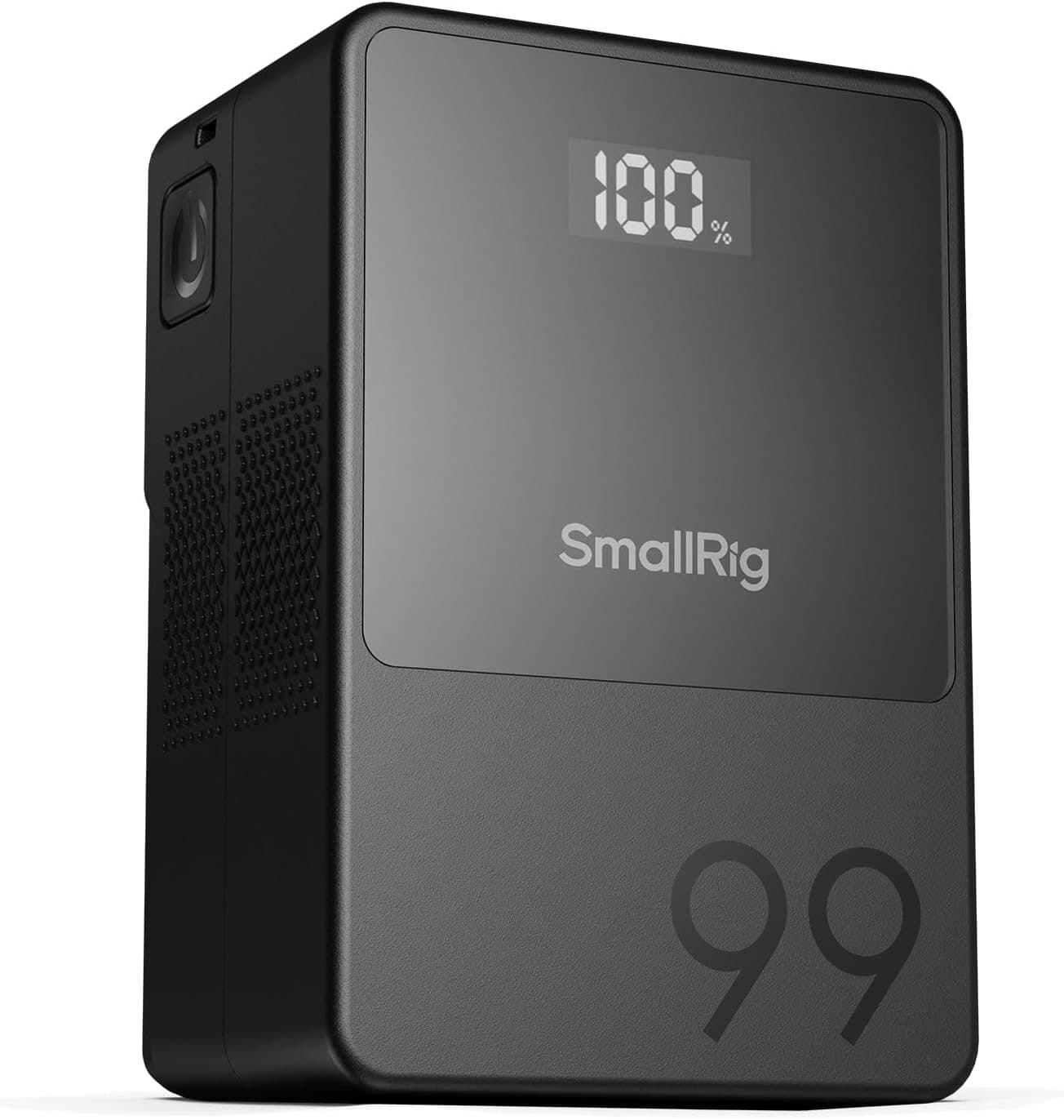
Tradeoff: Cells less proven than premium brands
Use the retailer for the current price after the tradeoff makes sense. Confirm exact version, included accessories, compatibility, and seller listing.
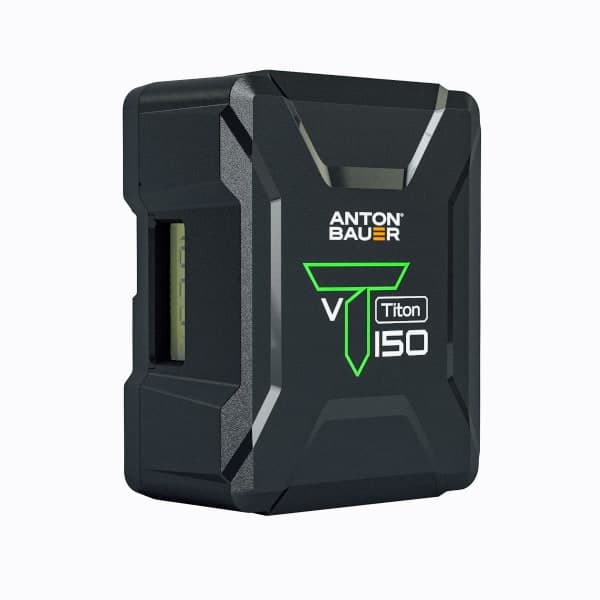
Demanding cinema rigs that draw heavy power and can accept a larger pack.
Use the retailer for the current price after the tradeoff makes sense. Confirm exact version, included accessories, compatibility, and seller listing.
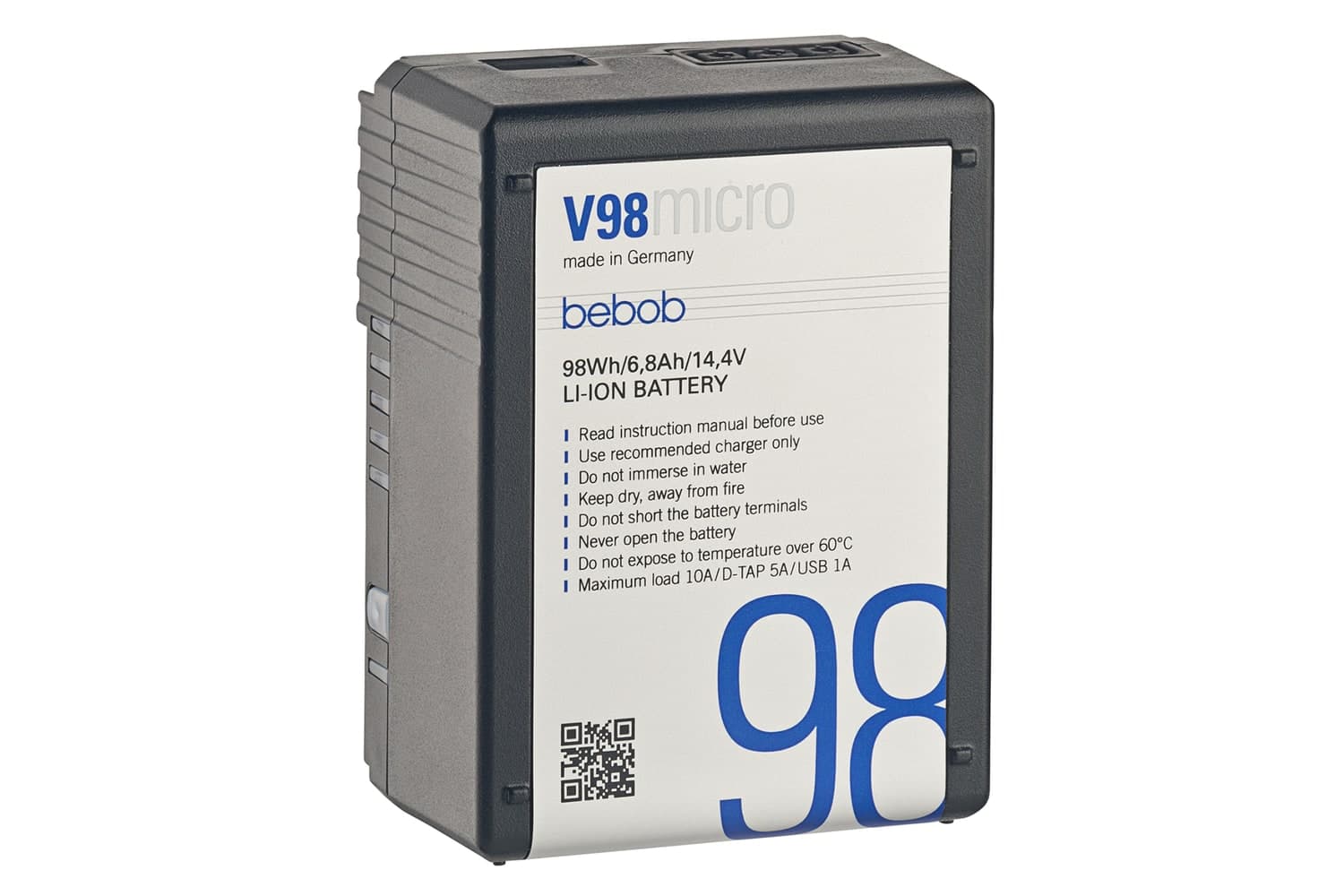
Gimbal and lightweight rigs where size and weight matter most.
Use the retailer for the current price after the tradeoff makes sense. Confirm exact version, included accessories, compatibility, and seller listing.
Price ladder
The useful range here runs from $159 to $299. Start with the ceiling that matches the assignment.
- Small cinema and mirrorless rigs that need one travel-friendly battery to power several devices.
- Within FAA 100Wh tier
- 10A load is not meant for the largest cinema rigs
Use the retailer for the current price after the tradeoff makes sense. Confirm exact version, included accessories, compatibility, and seller listing.
- Shooters assembling a first V-mount kit on a budget.
- Good value
- Cells less proven than premium brands
Use the retailer for the current price after the tradeoff makes sense. Confirm exact version, included accessories, compatibility, and seller listing.
- Demanding cinema rigs that draw heavy power and can accept a larger pack.
- High continuous output
- Airline approval required
Use the retailer for the current price after the tradeoff makes sense. Confirm exact version, included accessories, compatibility, and seller listing.
- Gimbal and lightweight rigs where size and weight matter most.
- Very compact
- Costs more per watt-hour
Use the retailer for the current price after the tradeoff makes sense. Confirm exact version, included accessories, compatibility, and seller listing.
| Pick | Score | Price | Verdict | Action |
|---|---|---|---|---|
| Best OverallCore SWX XCell 99 | 9.0
| $150 - $180 | Small cinema and mirrorless rigs that need one travel-friendly battery to power several devices. Wins: Within FAA 100Wh tier Skip: 10A load is not meant for the largest cinema rigs | Check Amazon · $150 - $180 Use the retailer for the current price after the tradeoff makes sense. Confirm exact version, included accessories, compatibility, and seller listing. |
| Best ValueSmallRig VB99 | 8.5
| $149 - $189 | Shooters assembling a first V-mount kit on a budget. Wins: Good value Skip: Cells less proven than premium brands | Check Amazon · $149 - $189 Use the retailer for the current price after the tradeoff makes sense. Confirm exact version, included accessories, compatibility, and seller listing. |
| Best for CinemaAnton Bauer Titon 150 | 9.0
| $350 - $500 | Demanding cinema rigs that draw heavy power and can accept a larger pack. Wins: High continuous output Skip: Airline approval required | Check Anton Bauer · $350 - $500 Use the retailer for the current price after the tradeoff makes sense. Confirm exact version, included accessories, compatibility, and seller listing. |
| Best CompactBebob V98MICRO | 8.7
| $269 - $329 | Gimbal and lightweight rigs where size and weight matter most. Wins: Very compact Skip: Costs more per watt-hour | Check Bebob · $269 - $329 Use the retailer for the current price after the tradeoff makes sense. Confirm exact version, included accessories, compatibility, and seller listing. |
Shoot kits
Buy around the job, not the spec sheet
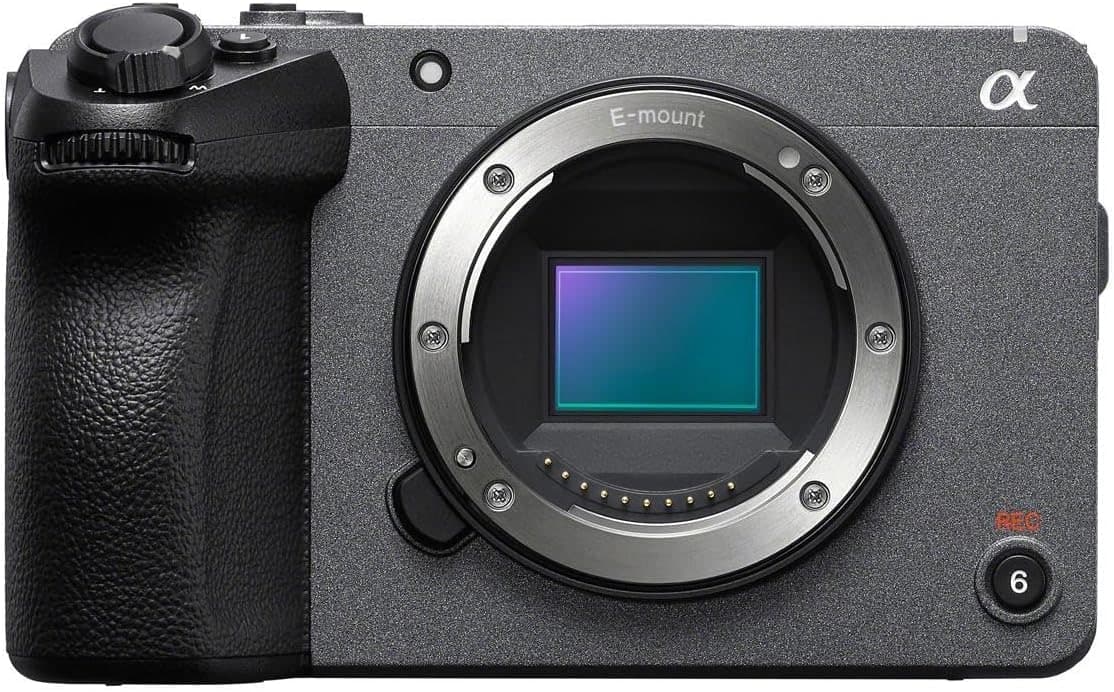
Video rig
Run-and-gun video rig
$4,201
A compact cinema body, fast normal zoom, cage, monitor, gimbal, shotgun mic, and battery for paid video work.
Best upgrade path from creator kit
Buy order: start with the first piece that makes the job possible, then add the support pieces that remove friction.
Camera: start here. If this piece does not make the shoot easier, the rest of the kit can wait.
Power: add it after the core setup proves useful.
Sony FX30
Cinema-line controls, active cooling, reliable autofocus, and files that grade well without full-frame cost.
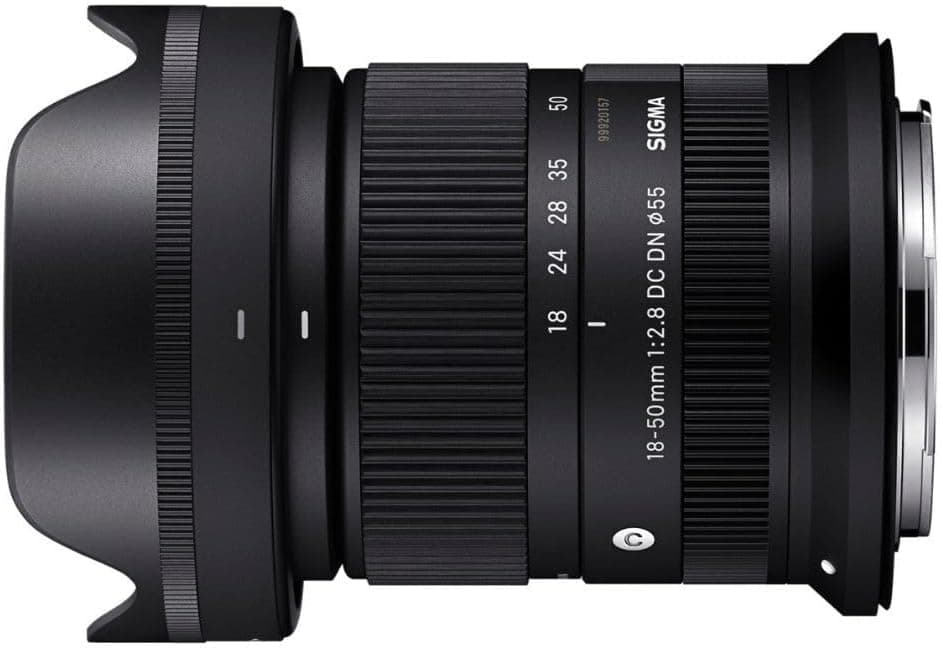
Sigma 18-50mm f/2.8 DC DN Contemporary
A small constant-aperture zoom that keeps an APS-C rig light enough to carry and balance.
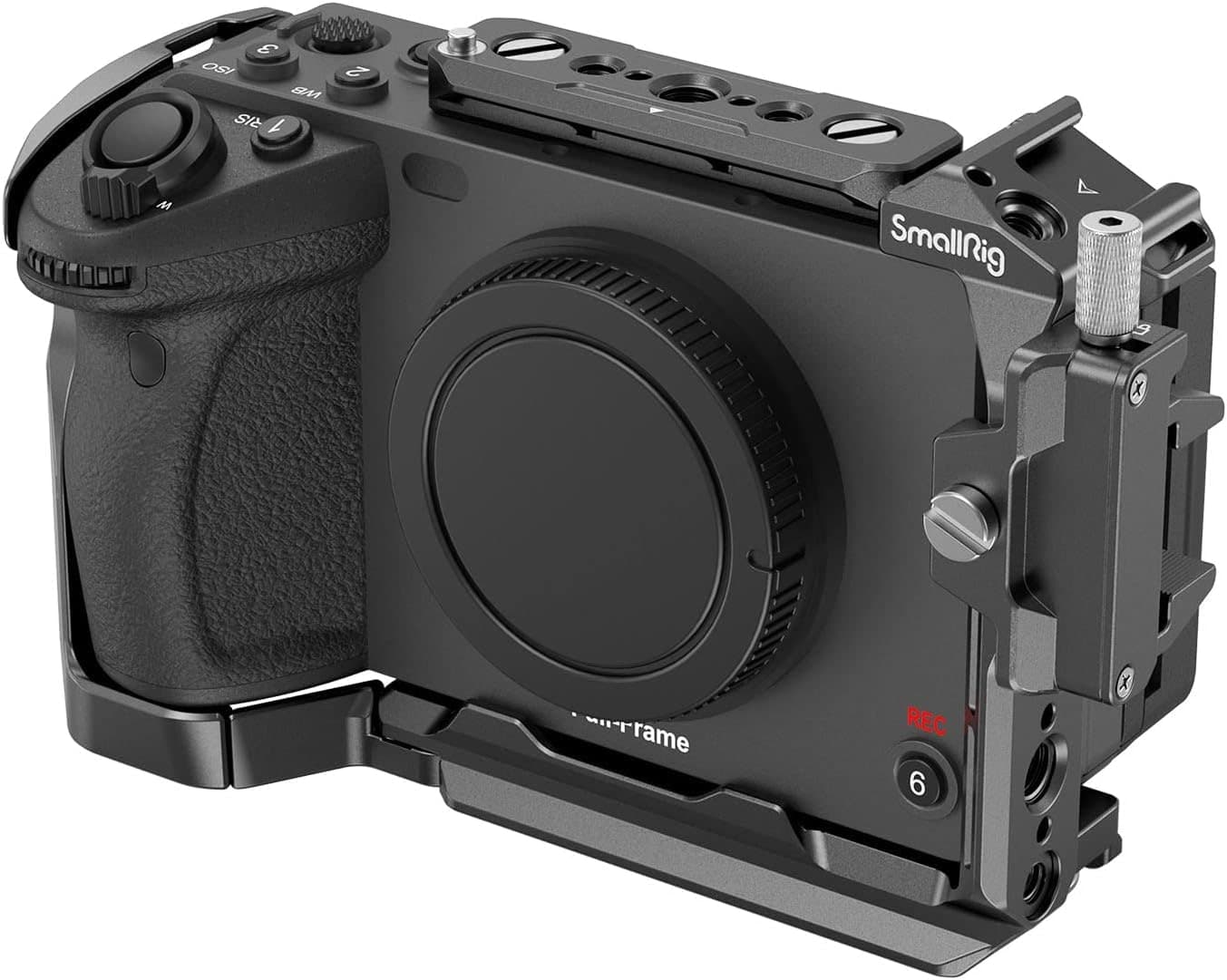
SmallRig Cage for Sony FX3 and FX30
Adds proper mounting points for handles, monitors, mics, and cables without relying on the camera body.
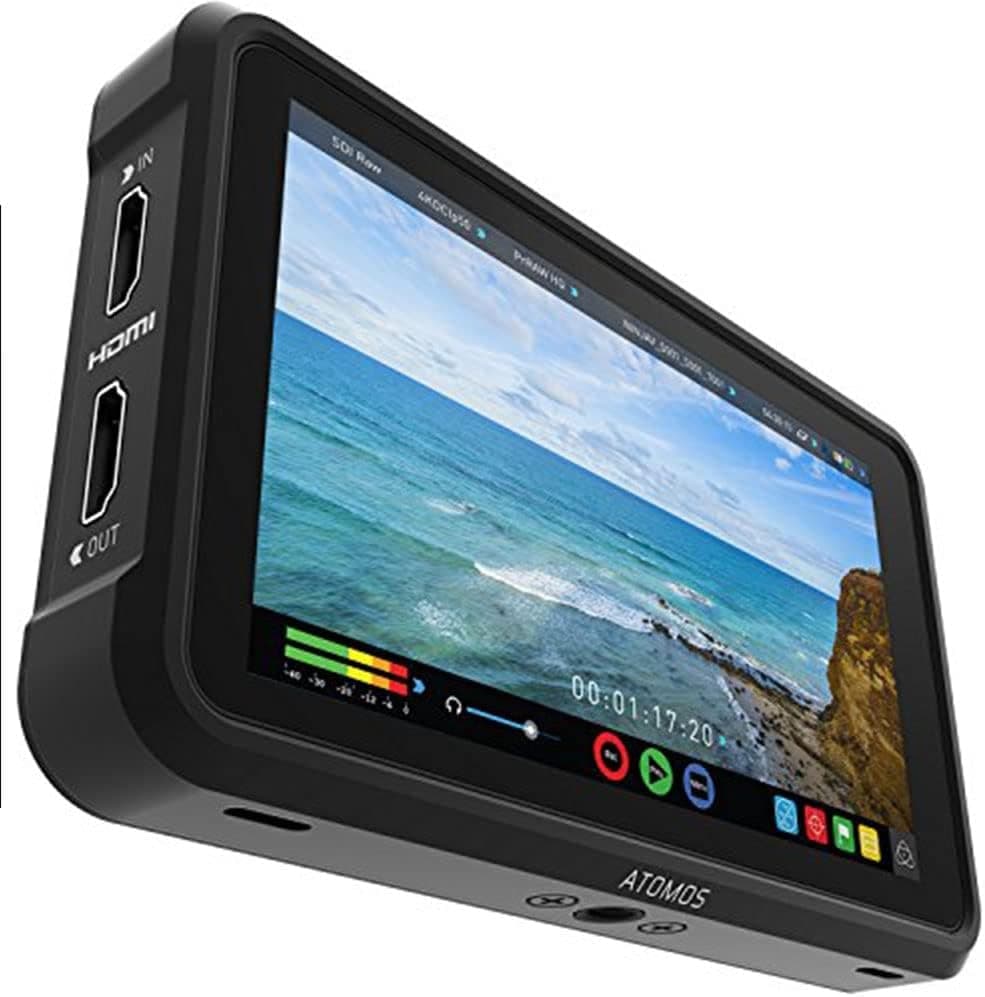
Atomos Ninja V
A bright five-inch screen for focus, exposure tools, LUT preview, and cleaner client monitoring.
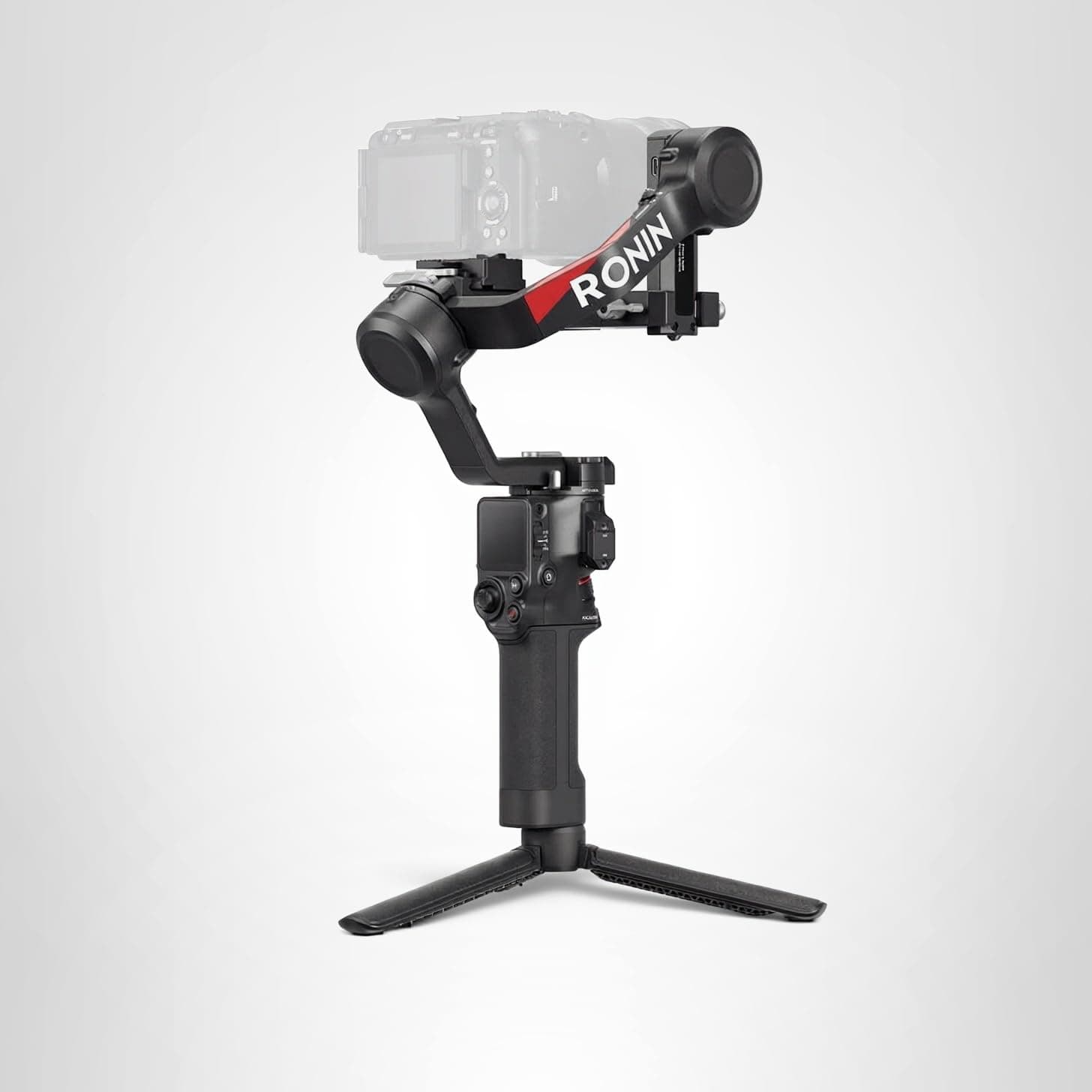
DJI RS 4
The gimbal tier that can handle a built-out mirrorless or compact cinema rig without becoming huge.
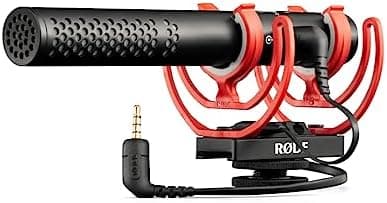
Rode VideoMic NTG
A flexible on-camera shotgun that also works as a small USB mic for quick voiceover or desk work.
SmallRig VB99
A compact V-mount that can run monitors, lights, or cinema bodies without turning the rig into a brick.
Prices are rough catalog totals. Retailer prices change, and you can swap pieces to fit your system.
Related Gear guides
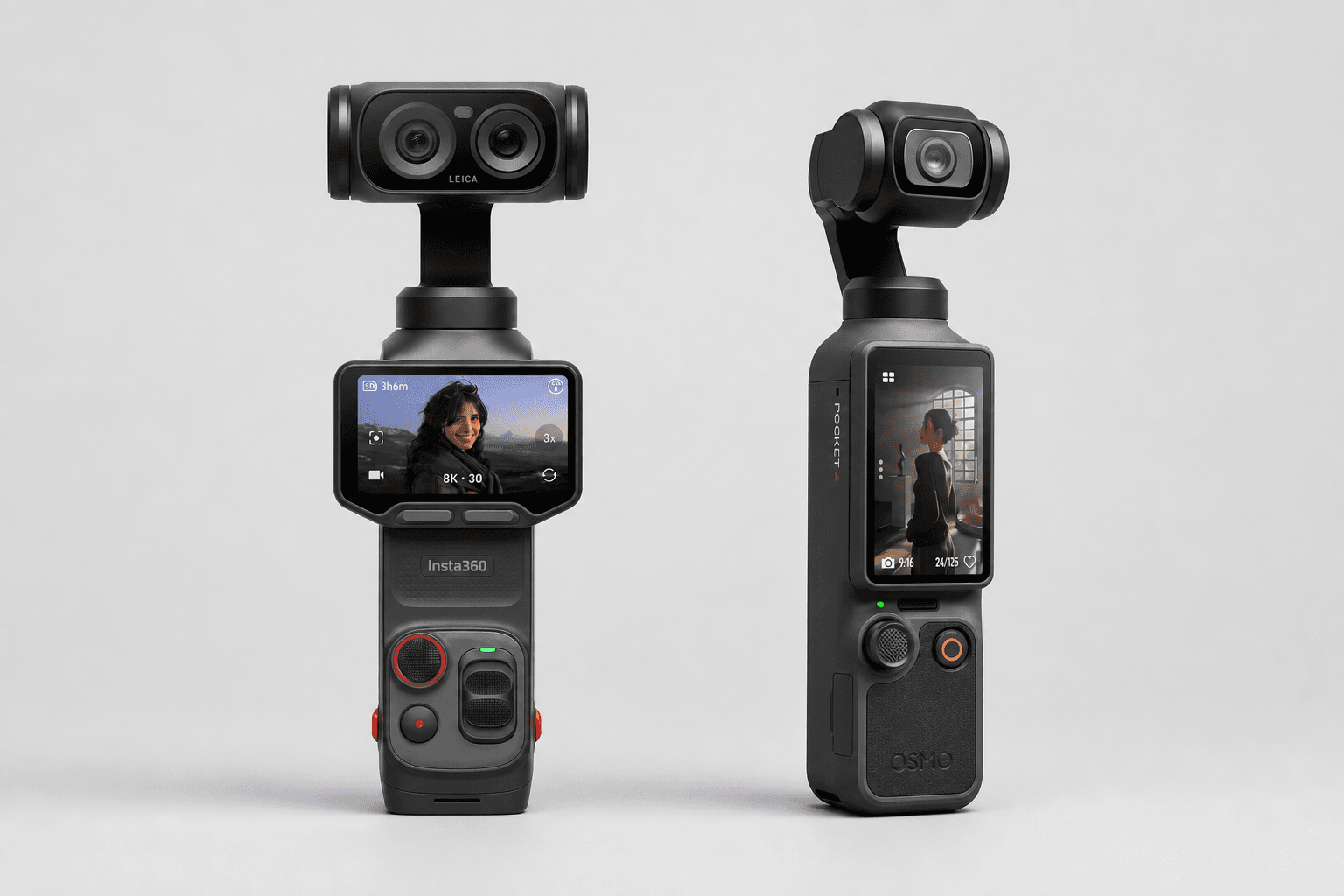
Insta360 Luna Ultra vs DJI Osmo Pocket 4: Which Pocket Gimbal Should You Buy?
Compare Luna Ultra and DJI Pocket 4 by lenses, video, Log formats, storage, U.S. availability, and the filming jobs each pocket gimbal handles best.
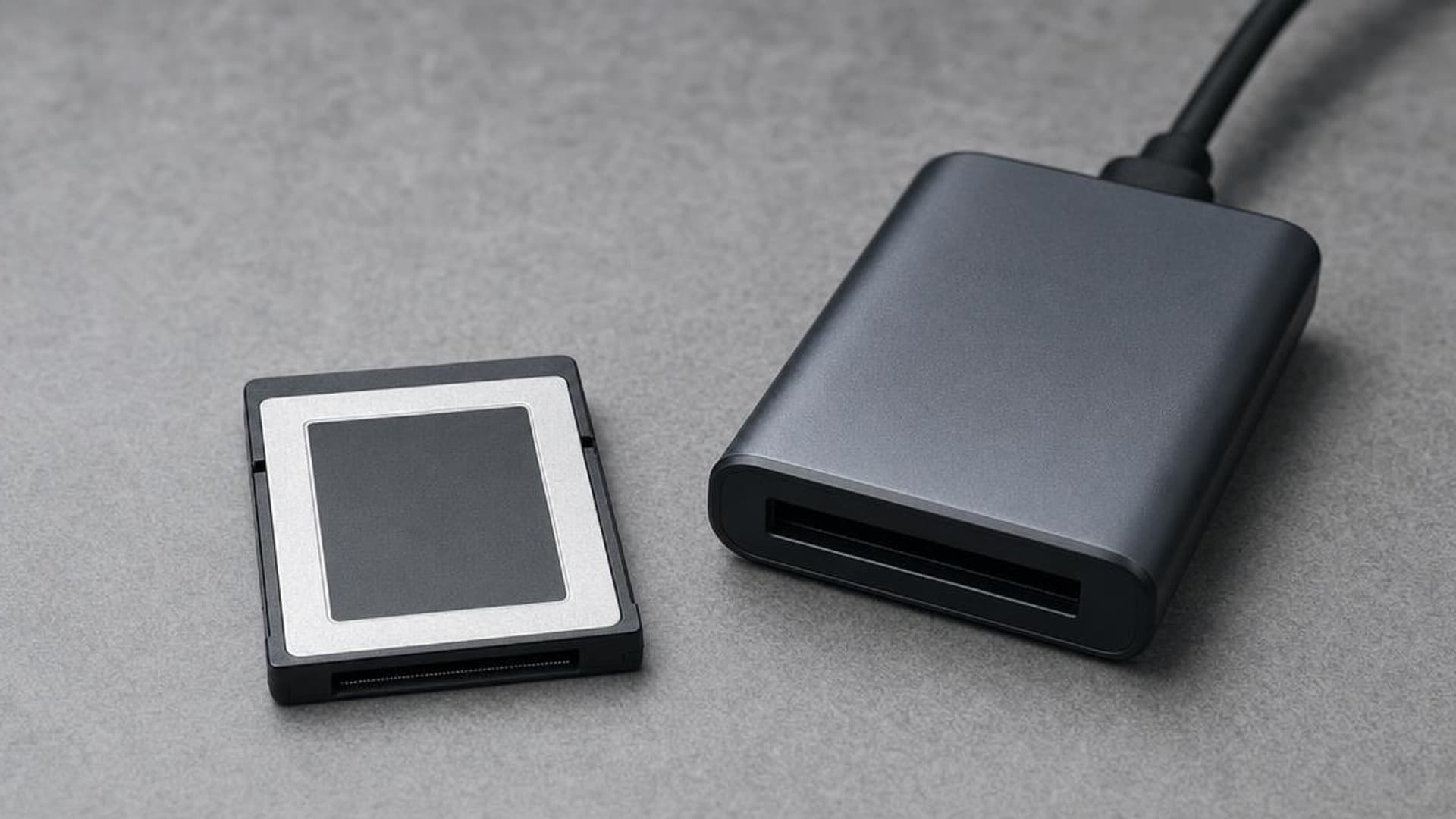
CFexpress 4.0 and VPG Explained: Buy the Card Your Camera Needs
CFexpress 4.0 doubles theoretical bandwidth, while VPG certifies sustained video writes. Learn Type A vs B, VPG classes, and when 4.0 is worth paying for.
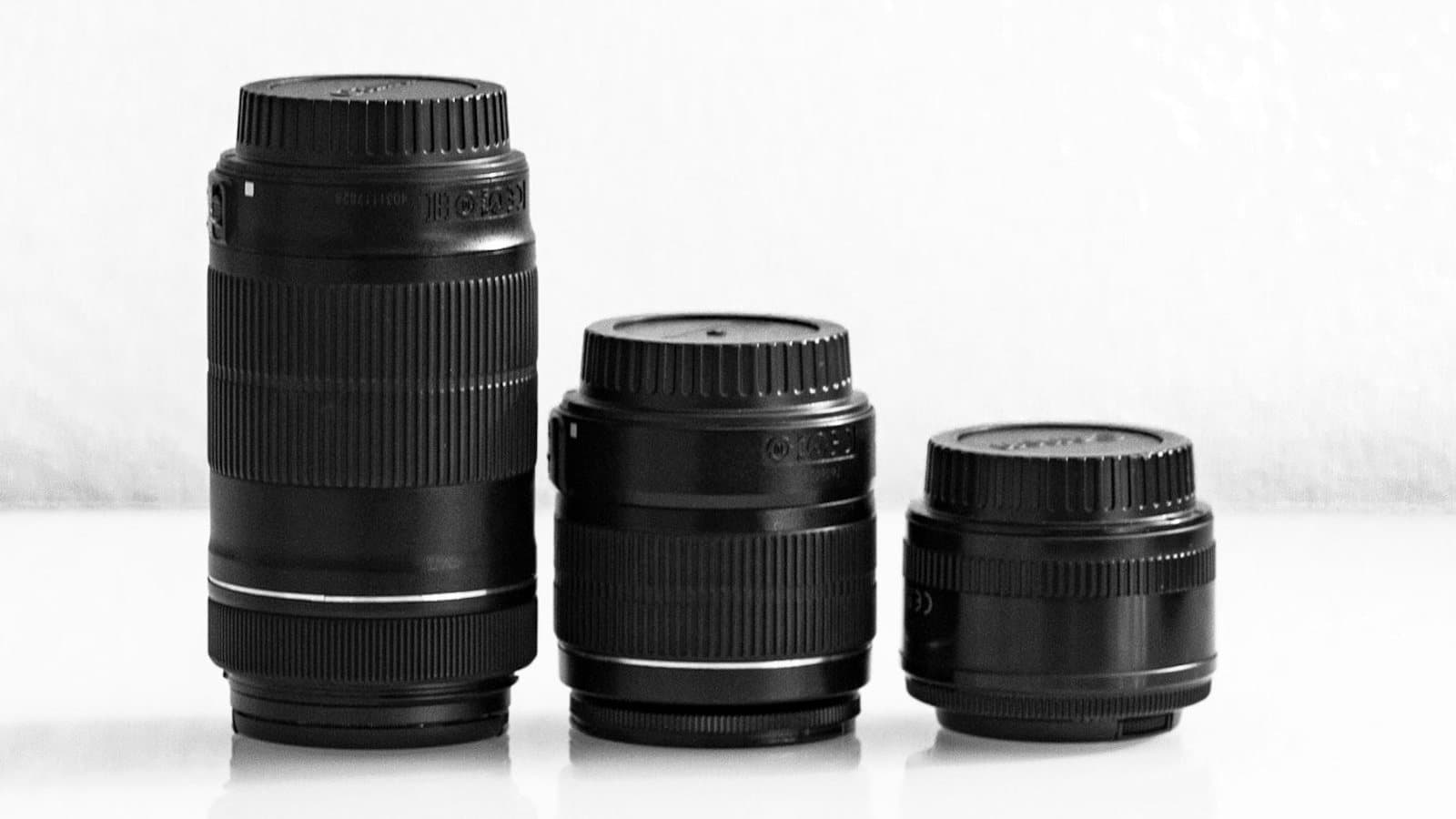
Focal Length Explained: What 24mm, 50mm, 85mm, and 200mm Actually Do
What the millimeter number on a lens changes in the field: angle of view, compression, and working distance. When to reach for 24, 50, 85, or 200mm.
Canon EOS R50 V vs Sony ZV-E10 II: Which Beginner Vlogging Camera Should You Buy?
Canon EOS R50 V is the easier beginner creator kit. Sony ZV-E10 II is the deeper lens-system pick. Compare the practical tradeoffs.
Researched, not personally tested: picks compare specifications, available owner feedback, and established expert sources. As an Amazon Associate I earn from qualifying purchases. We may earn a commission from links here, at no extra cost to you. How we research →