We may earn a commission from links on this page, at no extra cost to you. Picks are researched, not sponsored.
A wired lavalier ties your subject to the camera. A wireless system clips a tiny transmitter to their collar and sends the audio to a receiver on your camera or phone, so they can move freely and you get clean voice without a boom operator. For interviews, vlogs, weddings, and run-and-gun video, it is the fastest path to professional-sounding audio.
If you are building a full sound kit, our best microphones for video guide covers the shotgun and on-camera options that complement a wireless lav, and best cameras for video covers the bodies these systems plug into.
How do the picks compare?
| System | Range (open air) | Backup recording in the transmitter | Transmitter weight | Status |
|---|---|---|---|---|
| DJI Mic 3 | 400 m | 32-bit float or 24-bit, up to 43 hours in 32-bit float | 16 g | Current |
| Rode Wireless PRO | Up to 260 m | 32-bit float, 32 GB, over 40 hours | Not published | Current |
| DJI Mic 2 | 250 m (FCC) | 32-bit float | 28 g | Replaced by Mic 3; about $199 |
| Hollyland Lark M2 | Up to 300 m | None | About 9 g | Current; newer M2S also sold |
| DJI Mic Mini | 400 m | None | About 10 g | Newer Mic Mini 2S adds recording |
| Sennheiser EW-D ME2 Set | Digital UHF | None | Bodypack | Current |
Sources: Rode Wireless PRO, DJI Mic 2 specs, DJI Mic 3 specs, Hollyland Lark M2, DJI Mic Mini specs, and Sennheiser EW-D ME2 Set. Range figures are the makers' open, unobstructed ratings; walls and bodies cut them sharply.
How do you choose a wireless microphone system?
Start with how many people you record. A solo creator or single interview subject needs one transmitter. A two-person interview needs a dual kit with two transmitters and one receiver, which most systems sell as a bundle. Buy the count you actually use.
Then look for backup recording in the transmitter, ideally 32-bit float. The best current systems record a copy of the audio inside the transmitter itself, so even if the wireless signal drops or a shout clips, you still have clean audio to fall back on. That safety net is the main reason to choose one system over another, and the table shows which ones have it: the Rode Wireless PRO and DJI Mic 2 and Mic 3 do; the Lark M2 and the original Mic Mini do not.
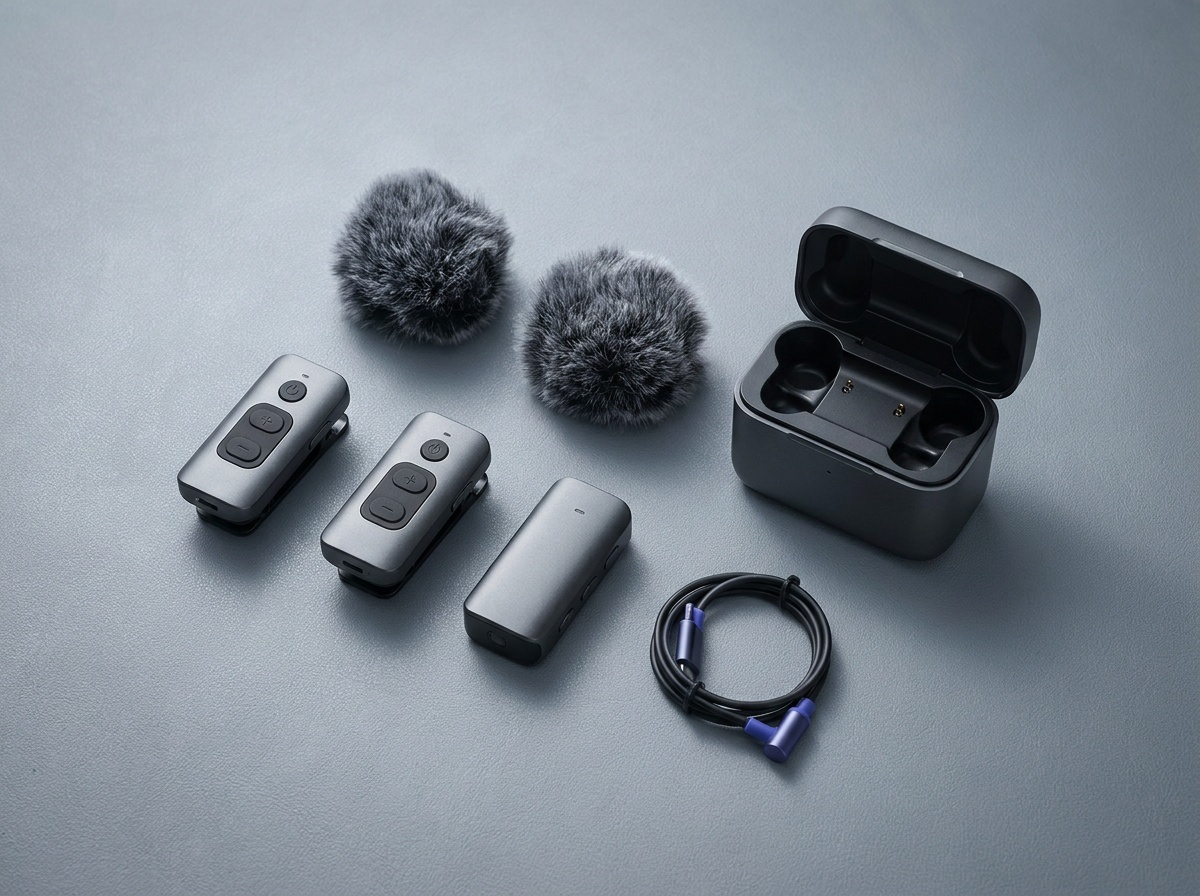
After that, weigh range, battery, and connection. Every clip-on system here is rated from 250 m to 400 m in open air, far beyond a typical interview distance, so range rarely decides it indoors. Professional UHF systems like Sennheiser's trade the tiny clip-on form for a signal that holds up better in crowded radio environments. Battery life matters for long days, and a charging case extends it. Confirm the output connection: a 3.5mm jack feeds a camera, while a USB-C or Lightning receiver connects to a phone, and some bundles include both. Last, consider the clip and the wind protection: a magnetic mount and a furry windscreen make the difference outdoors.
The picks
Best Overall
DJI Mic 3
Creators who want the lightest current system with a recorded safety net and timecode.
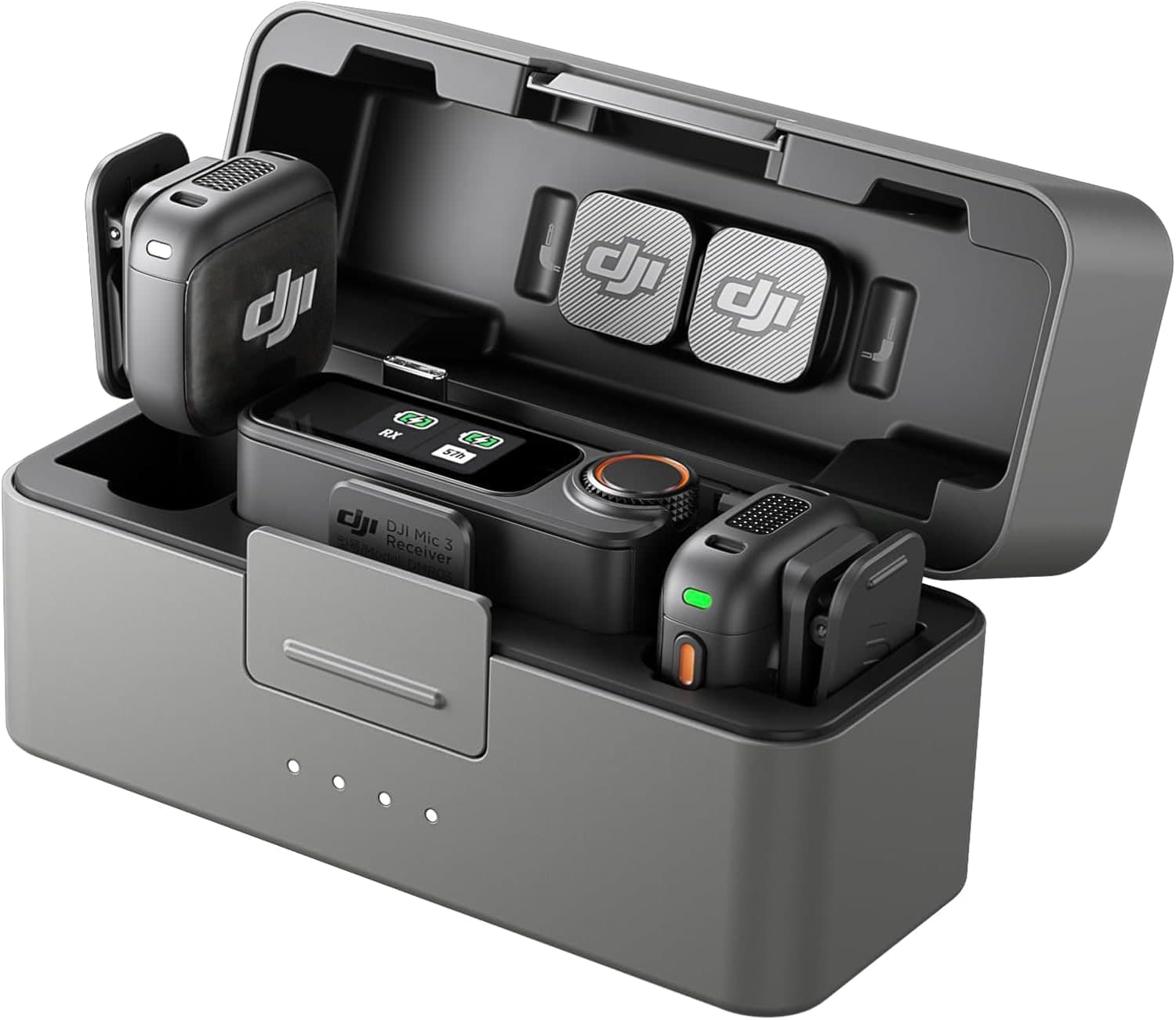
Check price at AmazonThe DJI Mic 3 is the best wireless mic system for most creators. According to DJI's specs, each transmitter weighs 16 g, records a 32-bit float or 24-bit backup internally (up to 43 hours in 32-bit float), and holds its link to 400 m in open air. It adds timecode for multi-camera sync, and DJI rates the transmitters at 8 hours and the receiver at 10. It replaced the Mic 2 in August 2025, cutting the transmitter weight nearly in half and extending the range from 250 m. The base kit does not include lavalier mics, and as a newer model it has less long-term owner history than the Mic 2. On Amazon U.S. the DJI kits are sold by third-party sellers and shipped by Amazon, so check the seller's return terms.
Best Complete Kit
Rode Wireless PRO
Serious productions that need timecode and a full audio kit in one box.
Check price at AmazonThe Rode Wireless PRO is the complete-kit pick. Each transmitter records 32-bit float internally with 32 GB of memory, which Rode rates at over 40 hours, so a dropout or a clipped shout never costs you the take. It adds timecode, a range of up to 260 m, and ships with two Lavalier II mics, magnetic clips, and a charging case in one box. At about $260 on Amazon on September 26, 2026 it costs the same as the Mic 3, so choose it when you want wired lavs in the box, the longest internal recording, or a kit sold by Amazon directly.
Best Value
Hollyland Lark M2
Creators who want a discreet wireless lav on a budget.
Check price at AmazonThe Hollyland Lark M2 is the value standout. The transmitters weigh about 9 g and sit nearly invisible on a collar, Hollyland rates the range at up to 300 m in line of sight, and the charging case stretches a full day to about 40 hours of use. It does not record a backup in the transmitter, so a dropout is unrecoverable, and the same is true of the newer Lark M2S. For a near-invisible clip at this price it is the best value here.
Best for Phones
DJI Mic Mini
Phone creators and beginners who want reliable wireless audio cheaply.
Check price at AmazonThe DJI Mic Mini is the pick for phone creators and the tightest budgets. The transmitters weigh about 10 g, DJI rates them at about 11.5 hours each with a 400 m range, and the kit works with cameras and phones. It does not record a backup in the transmitter. DJI's newer Mic Mini 2S adds 32-bit float recording with 14.5 GB per transmitter; it launched with Canadian and European pricing, so check whether it is sold where you live.
Best Professional
Sennheiser EW-D ME2 Set
Weddings and events where the wireless signal cannot drop.
Check price at AmazonThe Sennheiser EW-D ME2 Set is the professional UHF pick for events and fixed setups. It pairs an SK bodypack transmitter and a proper ME 2 lavalier with a digital UHF link rated at 1.9 ms latency, and the bodypack runs up to 8 hours on two AA batteries. Know what is in the box: this set uses the EM half-rack receiver, built for stages, venues, and mixing desks. For a camera-mounted receiver, Sennheiser's EW-DP ME 2 Set uses the same bodypack with a portable receiver and cold-shoe mount.
What mistakes should you avoid?
The most common one is buying a single transmitter, then needing to record two people and being stuck. If there is any chance you will interview, buy the dual kit. The second is choosing a system without backup recording, then losing a take to a dropout you cannot recover. The third is forgetting wind protection, then capturing a clean voice buried under wind rumble; a furry windscreen is cheap insurance outdoors. The fourth is paying full price for a previous-generation model when its replacement costs about the same.
A wireless lav handles voice, but a full kit often adds a shotgun for ambience, covered in our best microphones for video guide, and clean audio still needs solid picture, so confirm your settings with the exposure triangle.
DJI Mic 2 or DJI Mic 3?
The Mic 3 is the newer model, released in August 2025. DJI rates it at 400 m of range against 250 m for the Mic 2, cuts the transmitter from 28 g to 16 g, and adds timecode. Both record a 32-bit float backup in the transmitter. On September 26, 2026 the Mic 2 was about $199 on Amazon against $259 for the Mic 3. Pay the difference for the range, lighter transmitters, and timecode; save it if 250 m and 28 g transmitters are fine for how you shoot.
Do I need one transmitter or two?
Count the people you record. One transmitter covers a solo creator or a single interview subject. Two transmitters with one receiver cover a two-person interview, which most systems sell as a dual kit. If there is any chance you will record two people, buy the dual kit up front rather than a second transmitter later.
Will a wireless mic work with my phone?
Many systems do, but check the connection. A version with a USB-C or Lightning receiver plugs into a phone, while a 3.5mm version feeds a camera. Some bundles include adapters for both. Confirm the connector matches your phone or camera before you buy.
Which wireless mics record a backup in the transmitter?
Of the systems here, the Rode Wireless PRO, DJI Mic 2, and DJI Mic 3 record a 32-bit float backup inside each transmitter. The Hollyland Lark M2 and M2S and the original DJI Mic Mini do not; DJI's Mic Mini 2S adds it.
Compare picks
The short version
Use this to narrow the list before opening the detailed cards.
Scores weigh fit, owner sentiment, build, and value. Affiliate links do not change pick order. Methodology
Buying order
Start with the skip note. A good deal on the wrong camera is still the wrong camera.
Compare verdictsIf you already own lenses, check the system path before buying into a new mount.
Check systemsOnce the fit makes sense, compare current deals and retailer listings.
Check current dealsCamera system shortcut
If you already own one of these systems, keep the comparison inside that ecosystem before checking out.
Pocket video setups
Creators who want the lightest current system with a recorded safety net and timecode.
Use the retailer for the current price after the tradeoff makes sense. Confirm connector, recording format, power, and camera or phone compatibility.
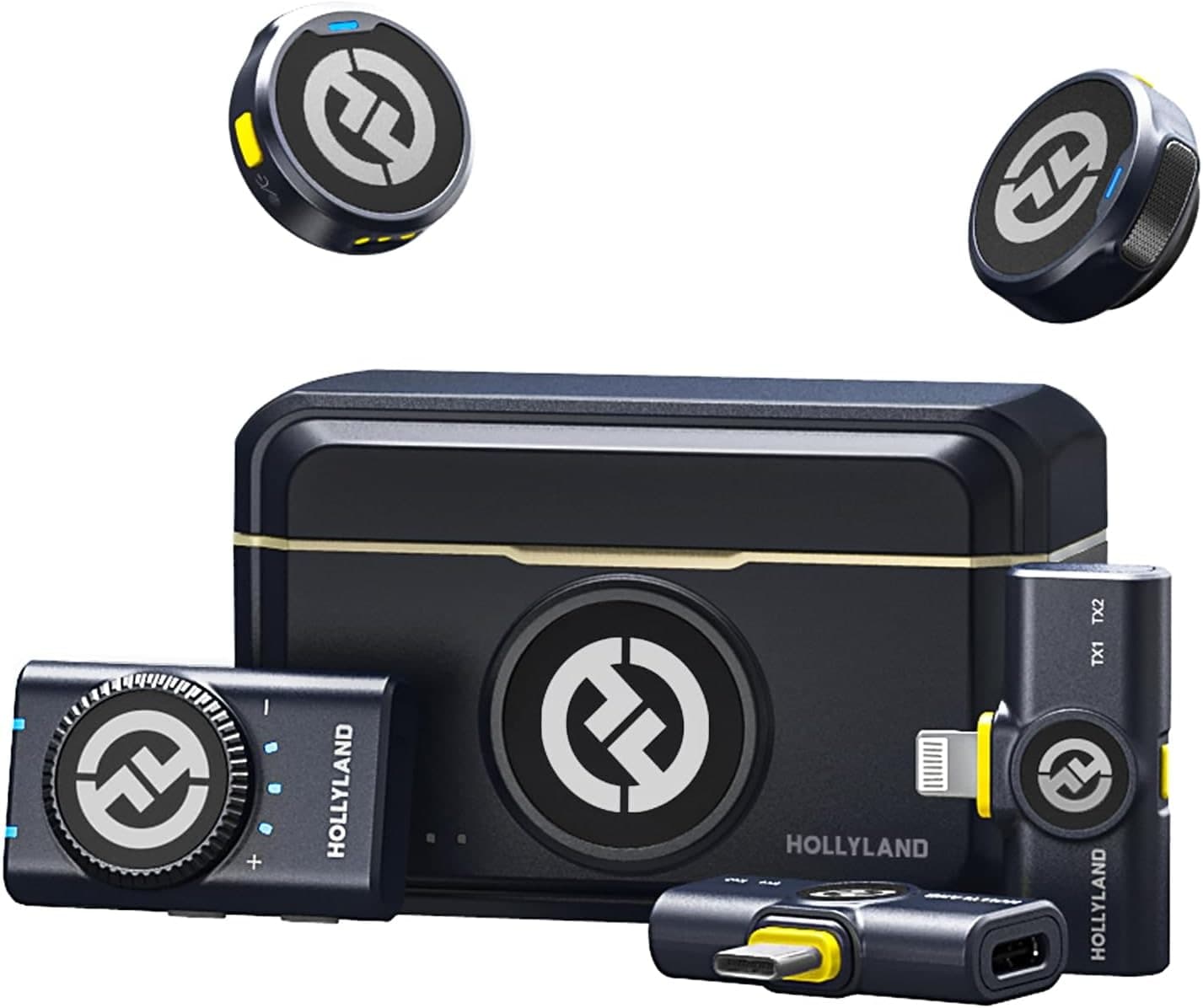
Tradeoff: No on-board backup recording
Use the retailer for the current price after the tradeoff makes sense. Confirm connector, recording format, power, and camera or phone compatibility.
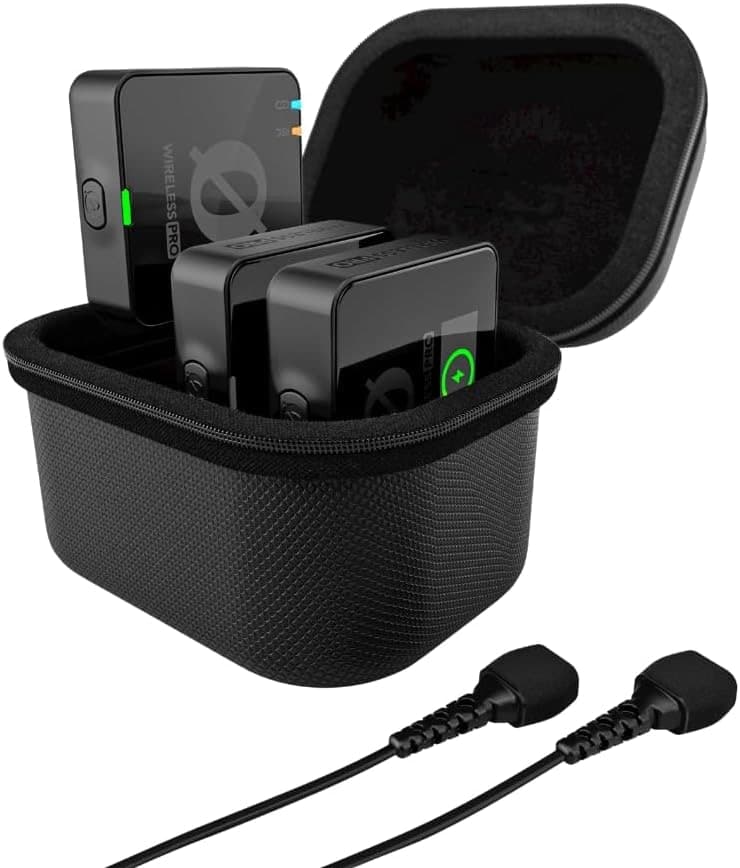
Serious productions that need timecode and a full audio kit in one box.
Use the retailer for the current price after the tradeoff makes sense. Confirm connector, recording format, power, and camera or phone compatibility.
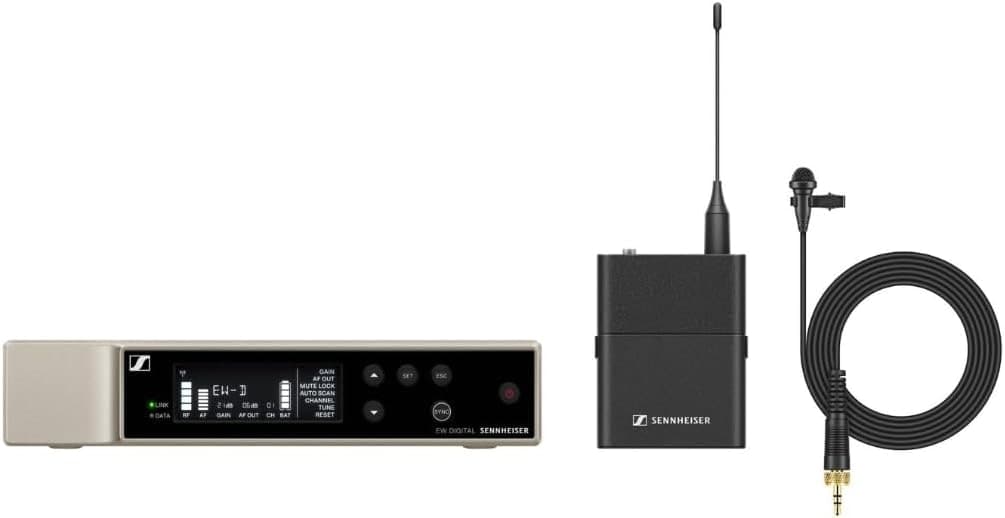
Weddings and events where the wireless signal cannot drop.
Use the retailer for the current price after the tradeoff makes sense. Confirm connector, recording format, power, and camera or phone compatibility.
Price ladder
The useful range here runs from $99 to $749. Start with the ceiling that matches the assignment.
- Creators who want the lightest current system with a recorded safety net and timecode.
- 32-bit float backup in each transmitter
- No lavalier mics in the base kit
Use the retailer for the current price after the tradeoff makes sense. Confirm connector, recording format, power, and camera or phone compatibility.
- Serious productions that need timecode and a full audio kit in one box.
- Timecode for multi-cam
- Pricier
Use the retailer for the current price after the tradeoff makes sense. Confirm connector, recording format, power, and camera or phone compatibility.
- Creators who want a discreet wireless lav on a budget.
- Near-invisible clip
- No on-board backup recording
Use the retailer for the current price after the tradeoff makes sense. Confirm connector, recording format, power, and camera or phone compatibility.
- Phone creators and beginners who want reliable wireless audio cheaply.
- Very small and light
- No backup recording in the transmitter (the Mic Mini 2S adds it)
Use the retailer for the current price after the tradeoff makes sense. Confirm connector, recording format, power, and camera or phone compatibility.
- Weddings and events where the wireless signal cannot drop.
- Rock-solid RF
- Rack receiver, not built for camera mounting (see EW-DP for that)
Use the retailer for the current price after the tradeoff makes sense. Confirm connector, recording format, power, and camera or phone compatibility.
| Pick | Score | Price | Verdict | Action |
|---|---|---|---|---|
| Best OverallDJI Mic 3 | 9.2
| $259 - $329 | Creators who want the lightest current system with a recorded safety net and timecode. Wins: 32-bit float backup in each transmitter Skip: No lavalier mics in the base kit | Check Amazon · $259 - $329 Use the retailer for the current price after the tradeoff makes sense. Confirm connector, recording format, power, and camera or phone compatibility. |
| Best Complete KitRode Wireless PRO | 9.0
| $260 - $295 | Serious productions that need timecode and a full audio kit in one box. Wins: Timecode for multi-cam Skip: Pricier | Check Amazon · $260 - $295 Use the retailer for the current price after the tradeoff makes sense. Confirm connector, recording format, power, and camera or phone compatibility. |
| Best ValueHollyland Lark M2 | 8.4
| $95 - $115 | Creators who want a discreet wireless lav on a budget. Wins: Near-invisible clip Skip: No on-board backup recording | Check Amazon · $95 - $115 Use the retailer for the current price after the tradeoff makes sense. Confirm connector, recording format, power, and camera or phone compatibility. |
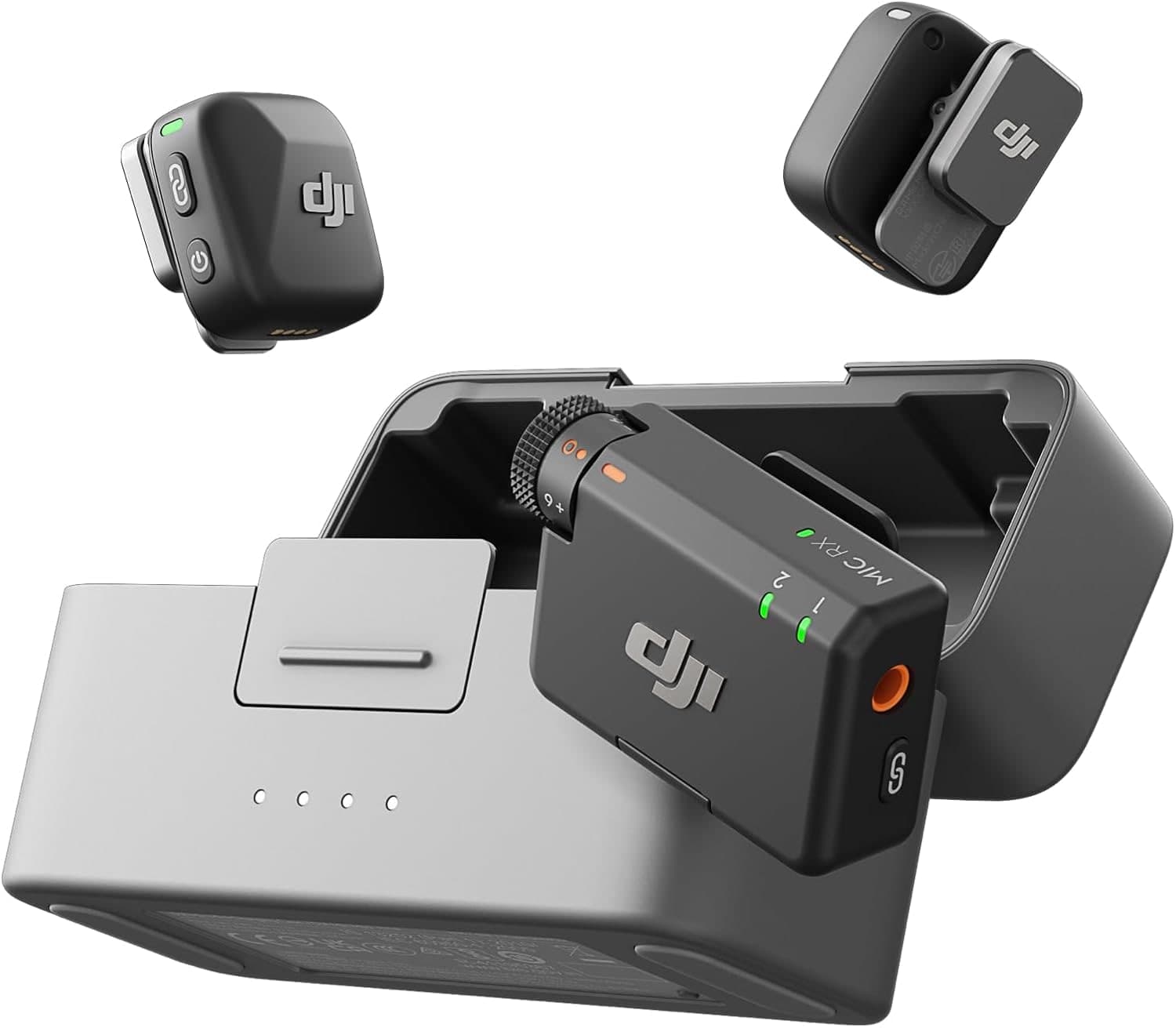 Best for PhonesDJI Mic Mini Best for PhonesDJI Mic Mini | 8.5
| Price varies by seller | Phone creators and beginners who want reliable wireless audio cheaply. Wins: Very small and light Skip: No backup recording in the transmitter (the Mic Mini 2S adds it) | Check Amazon · Price varies by seller Use the retailer for the current price after the tradeoff makes sense. Confirm connector, recording format, power, and camera or phone compatibility. |
| Best ProfessionalSennheiser EW-D ME2 Set | 9.0
| $740 - $840 | Weddings and events where the wireless signal cannot drop. Wins: Rock-solid RF Skip: Rack receiver, not built for camera mounting (see EW-DP for that) | Check Amazon · $740 - $840 Use the retailer for the current price after the tradeoff makes sense. Confirm connector, recording format, power, and camera or phone compatibility. |
Shoot kits
Buy around the job, not the spec sheet
Creator kit
Solo vlogging kit
$1,286
A stabilized pocket camera, clean wireless audio, fast media, a backup drive, and a small light for one-person video.
Best low-friction creator kit
Buy order: start with the first piece that makes the job possible, then add the support pieces that remove friction.
Camera: start here. If this piece does not make the shoot easier, the rest of the kit can wait.
Light: add it after the core setup proves useful.
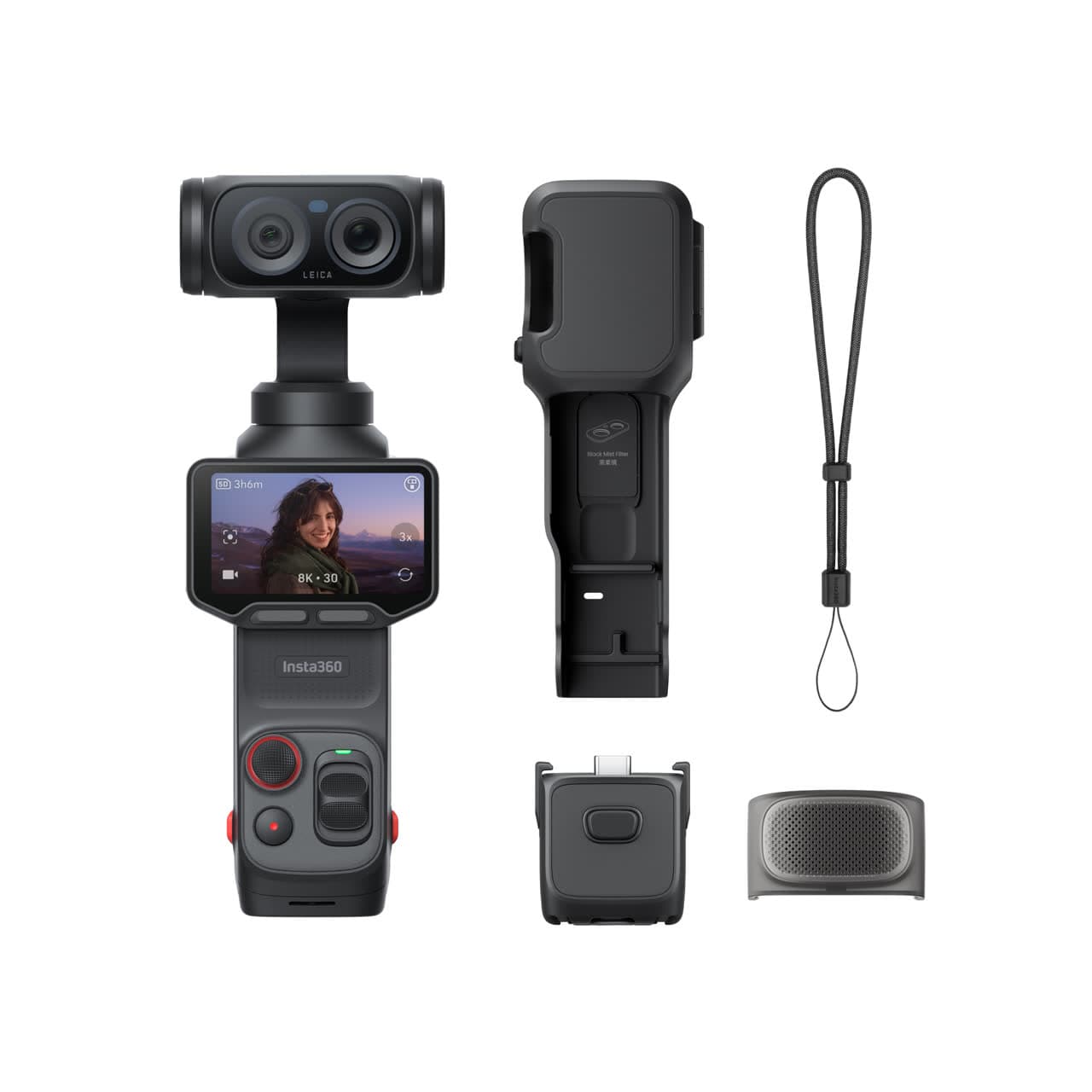
Insta360 Luna Ultra
Wide and tele framing, mechanical stabilization, and a detachable screen without a full camera rig.
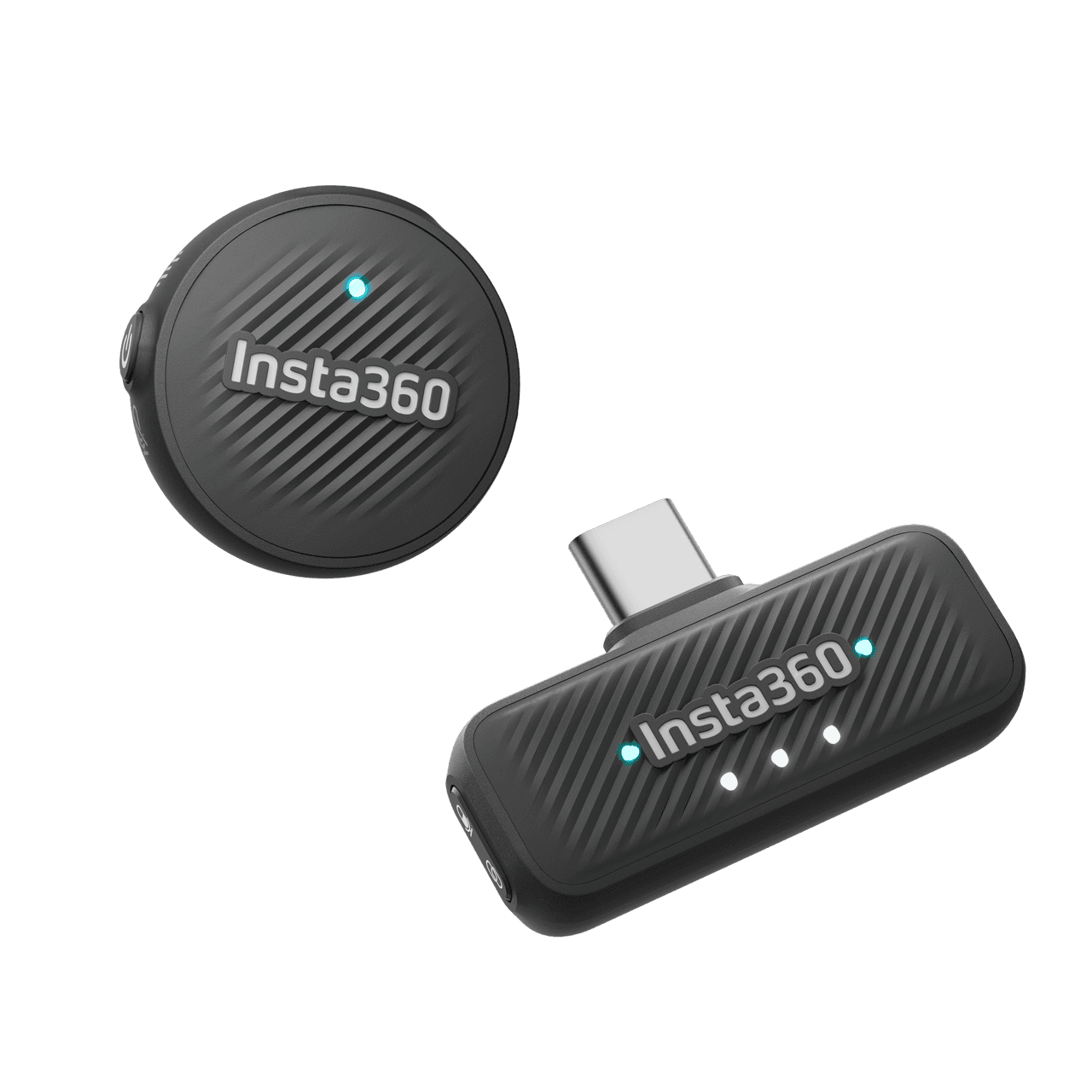
Insta360 Mic Air
Pairs directly with Luna Ultra for clearer speech without hanging a receiver from the camera.
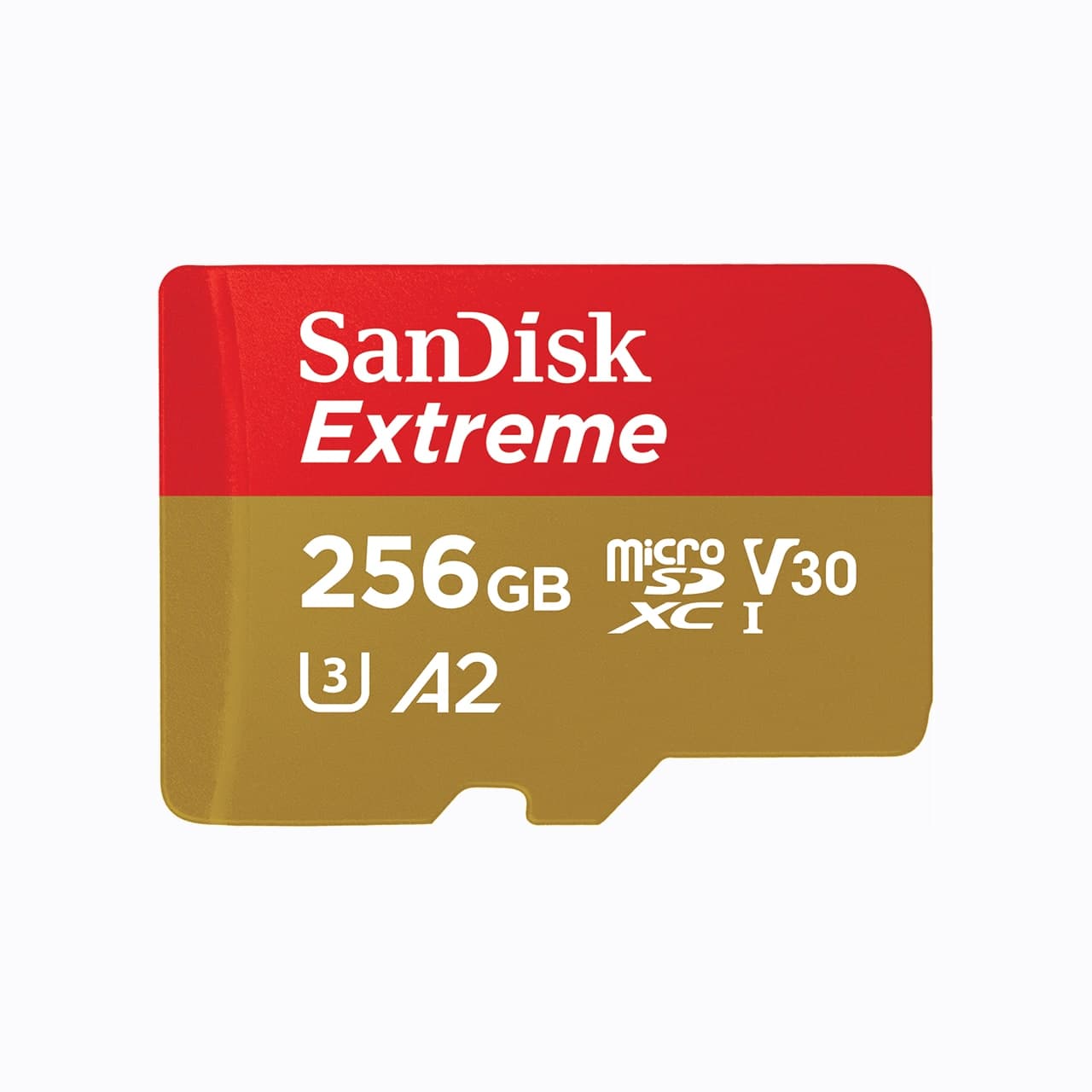
SanDisk Extreme microSDXC 256GB
Pocket gimbals and action cameras use microSD, not a full-size SD card.
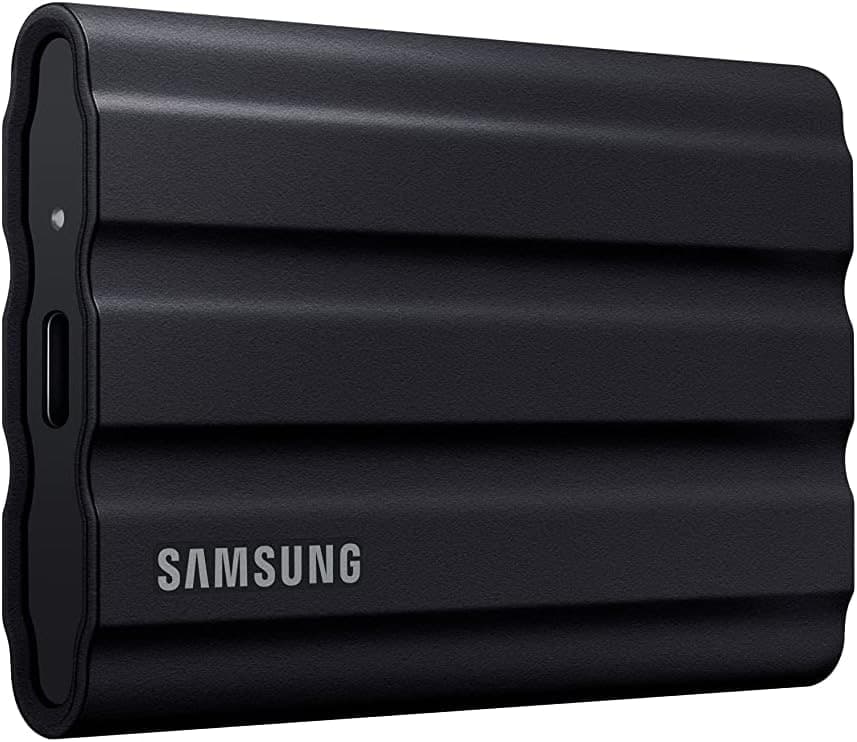
Samsung T7 Shield
A rugged pocket SSD for offloading footage before a card gets reused.
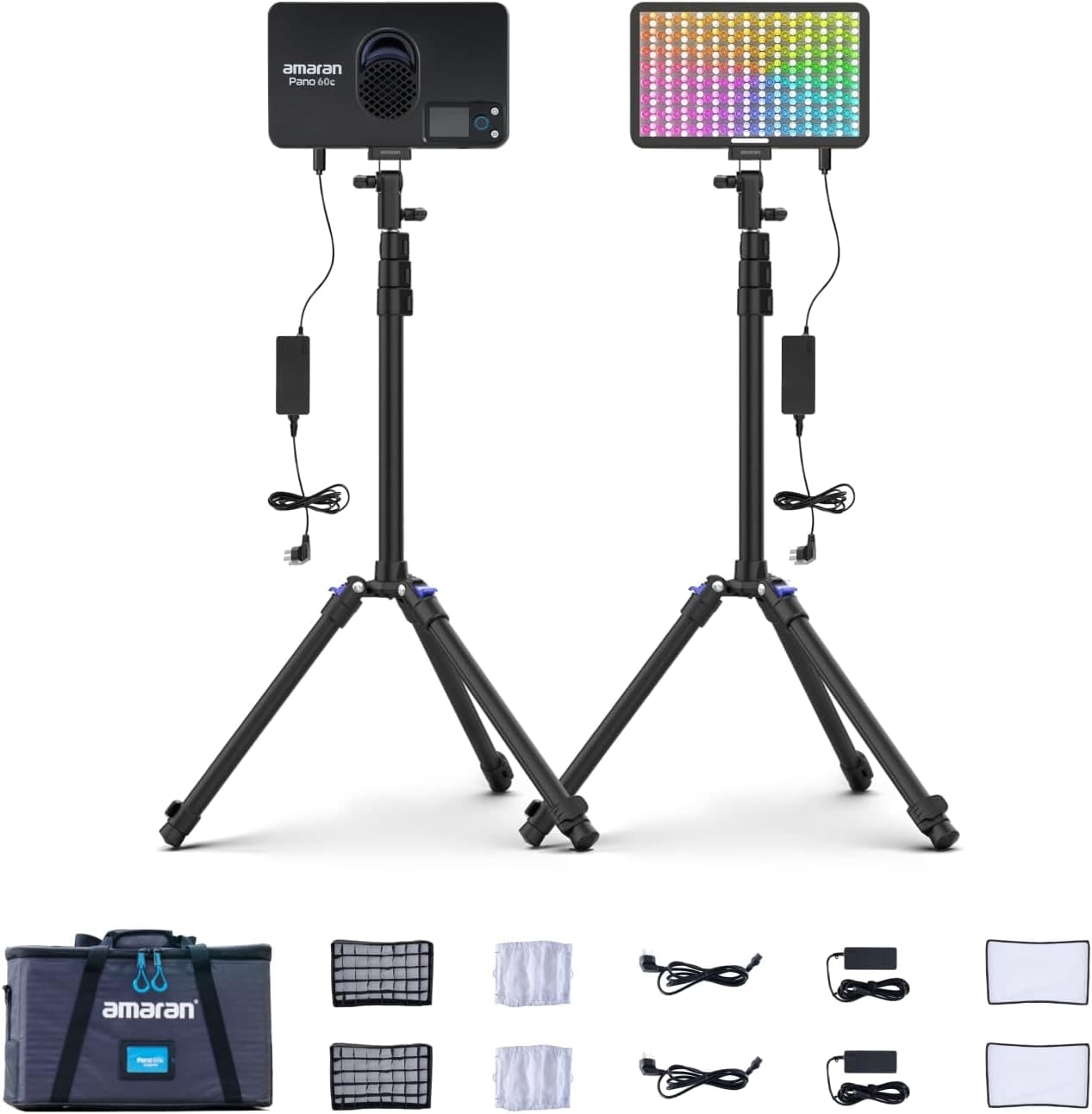
Amaran P60c RGBWW Panel
Soft, controllable fill for talking-head clips, product details, and ugly rooms.
Prices are rough catalog totals. Retailer prices change, and you can swap pieces to fit your system.
Related Gear guides
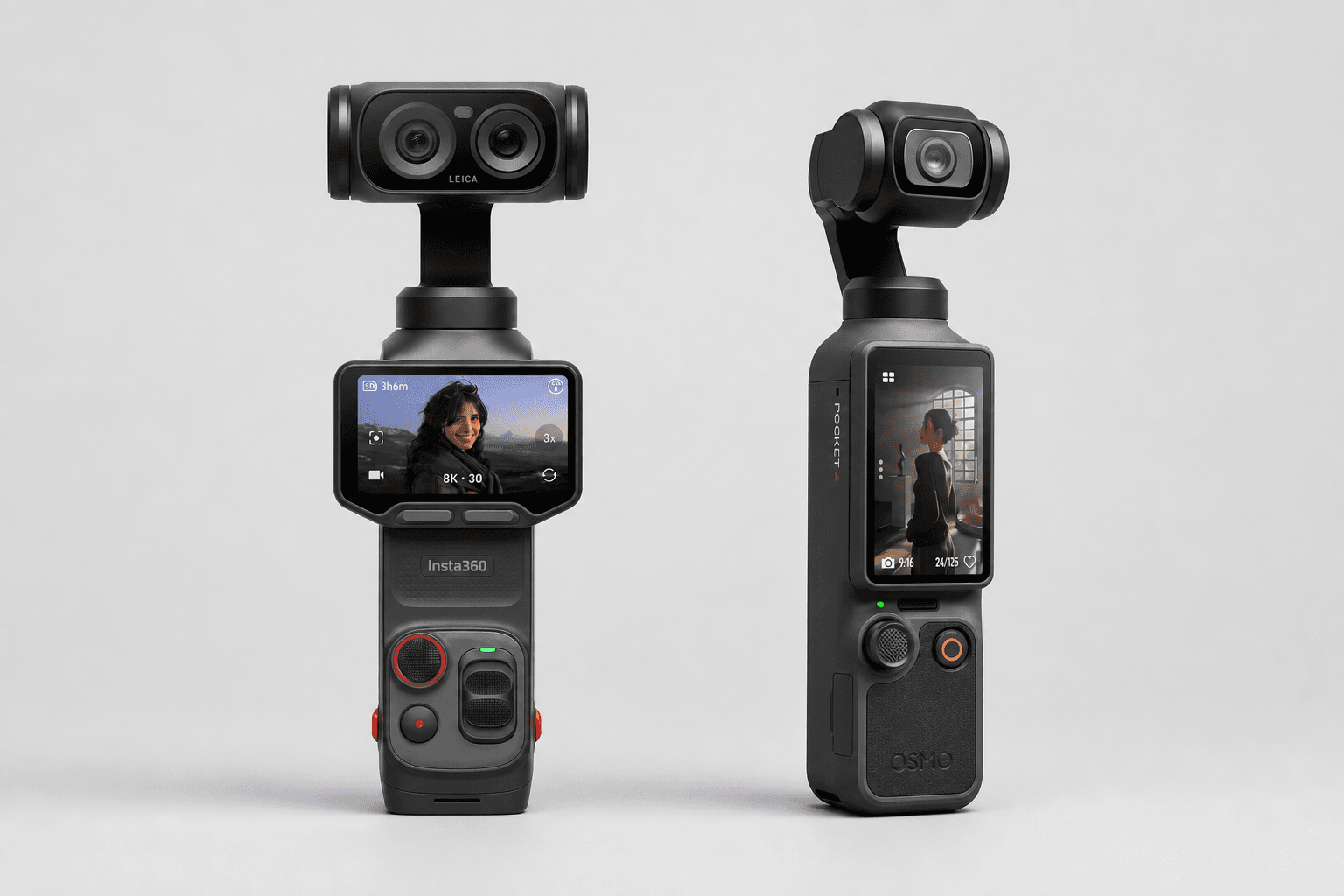
Insta360 Luna Ultra vs DJI Osmo Pocket 4: Which Pocket Gimbal Should You Buy?
Compare Luna Ultra and DJI Pocket 4 by lenses, video, Log formats, storage, U.S. availability, and the filming jobs each pocket gimbal handles best.
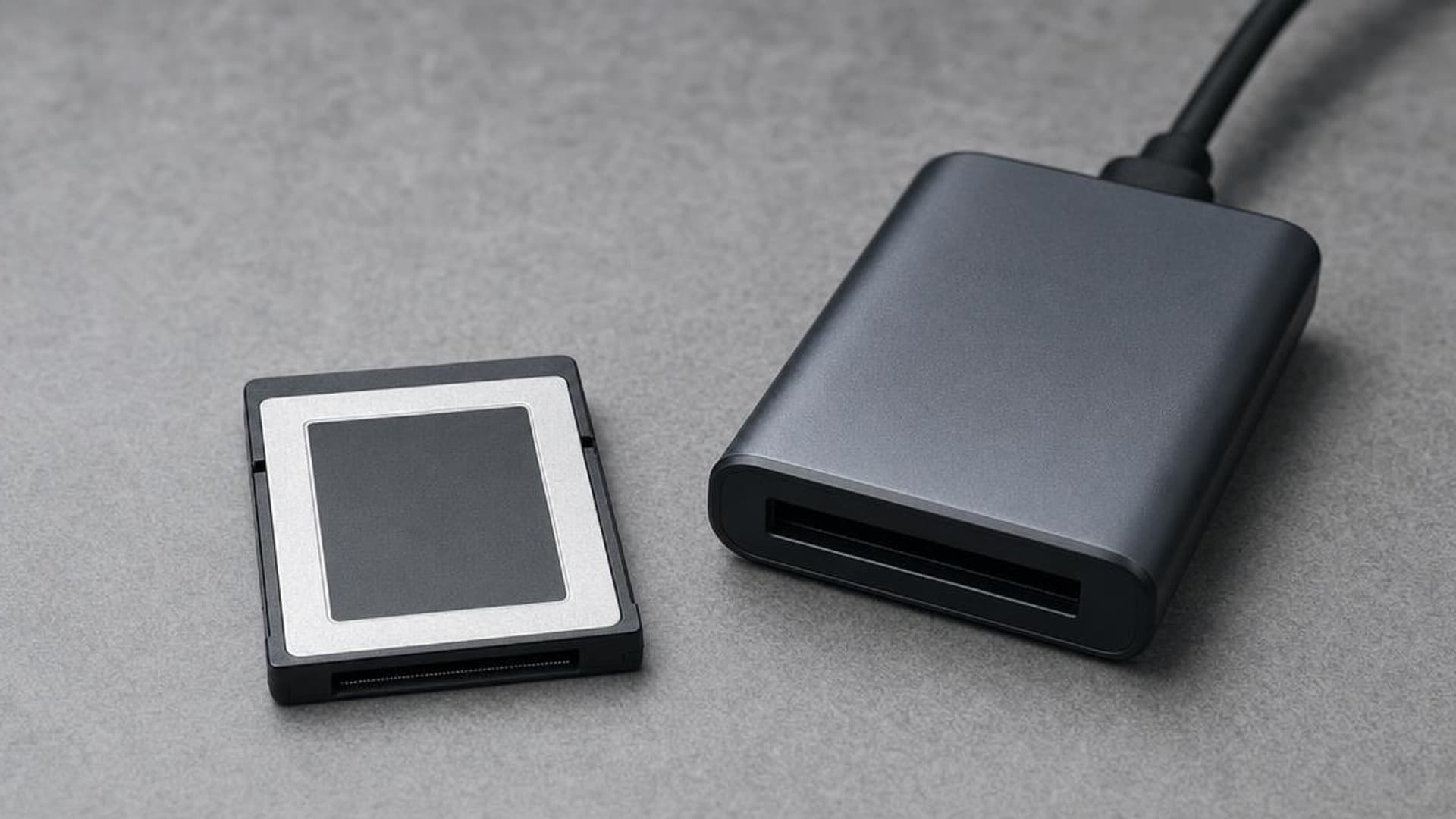
CFexpress 4.0 and VPG Explained: Buy the Card Your Camera Needs
CFexpress 4.0 doubles theoretical bandwidth, while VPG certifies sustained video writes. Learn Type A vs B, VPG classes, and when 4.0 is worth paying for.
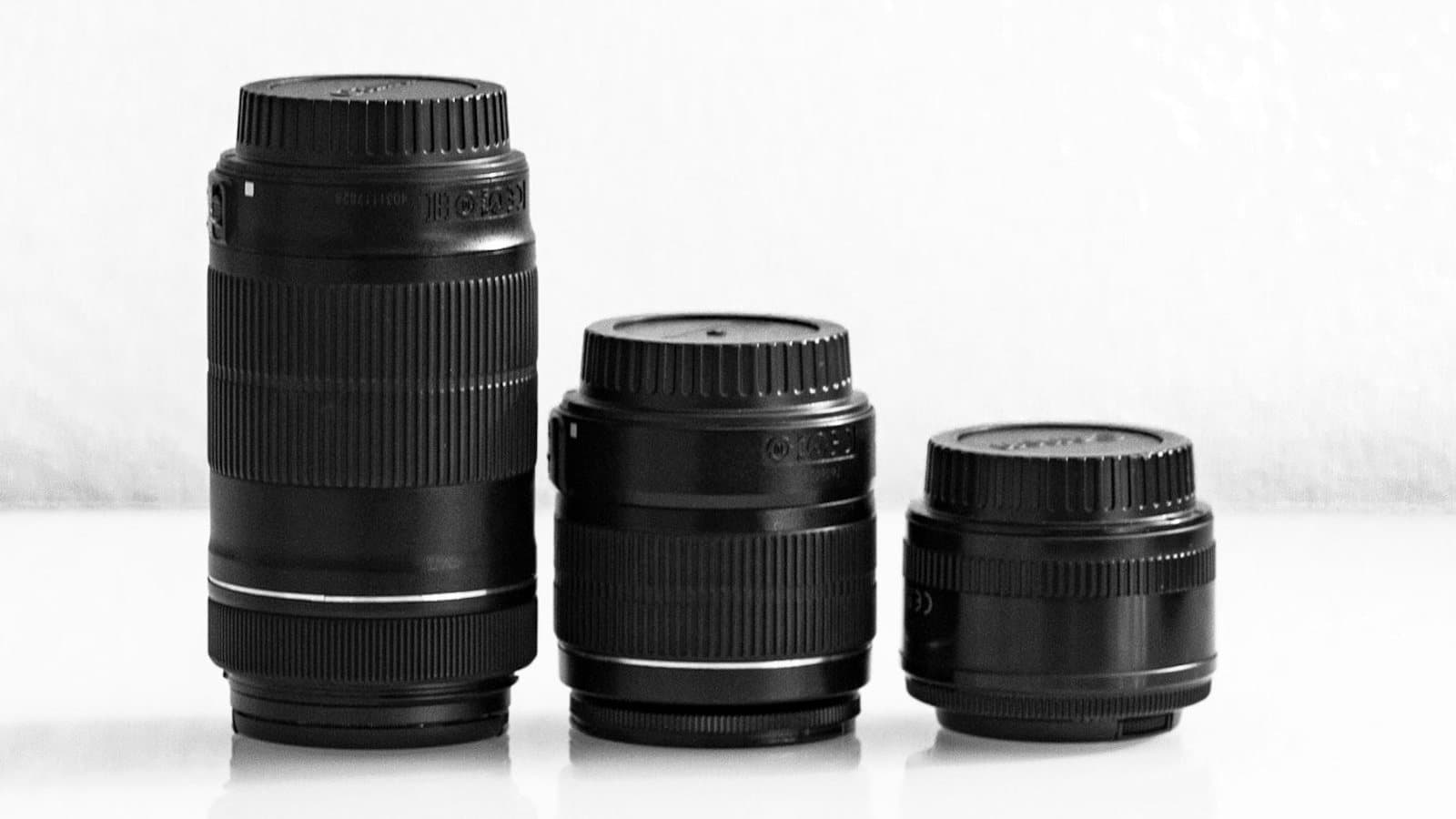
Focal Length Explained: What 24mm, 50mm, 85mm, and 200mm Actually Do
What the millimeter number on a lens changes in the field: angle of view, compression, and working distance. When to reach for 24, 50, 85, or 200mm.
Canon EOS R50 V vs Sony ZV-E10 II: Which Beginner Vlogging Camera Should You Buy?
Canon EOS R50 V is the easier beginner creator kit. Sony ZV-E10 II is the deeper lens-system pick. Compare the practical tradeoffs.
Researched, not personally tested: picks compare specifications, available owner feedback, and established expert sources. As an Amazon Associate I earn from qualifying purchases. We may earn a commission from links here, at no extra cost to you. How we research →