Rules by location
Where can I legally shoot?
Permits, drone airspace, public-space legality, and freedom of panorama, answered location by location. Each guide links to its sources and shows when we last checked it.
- Locations
- 254
- National parks
- 63
- US states
- 50
- US cities
- 41
- Countries
- 100
This is guidance, not legal advice
Related paths
Turn the rule check into a shoot plan
Rules matter most when they connect to the actual job: what you shoot, what gear you bring, and what you can publish.
National Park Photography Permit Rules (2025 EXPLORE Act)
When you need an NPS permit to photograph in a national park after the EXPLORE Act, and when small groups are now exempt.
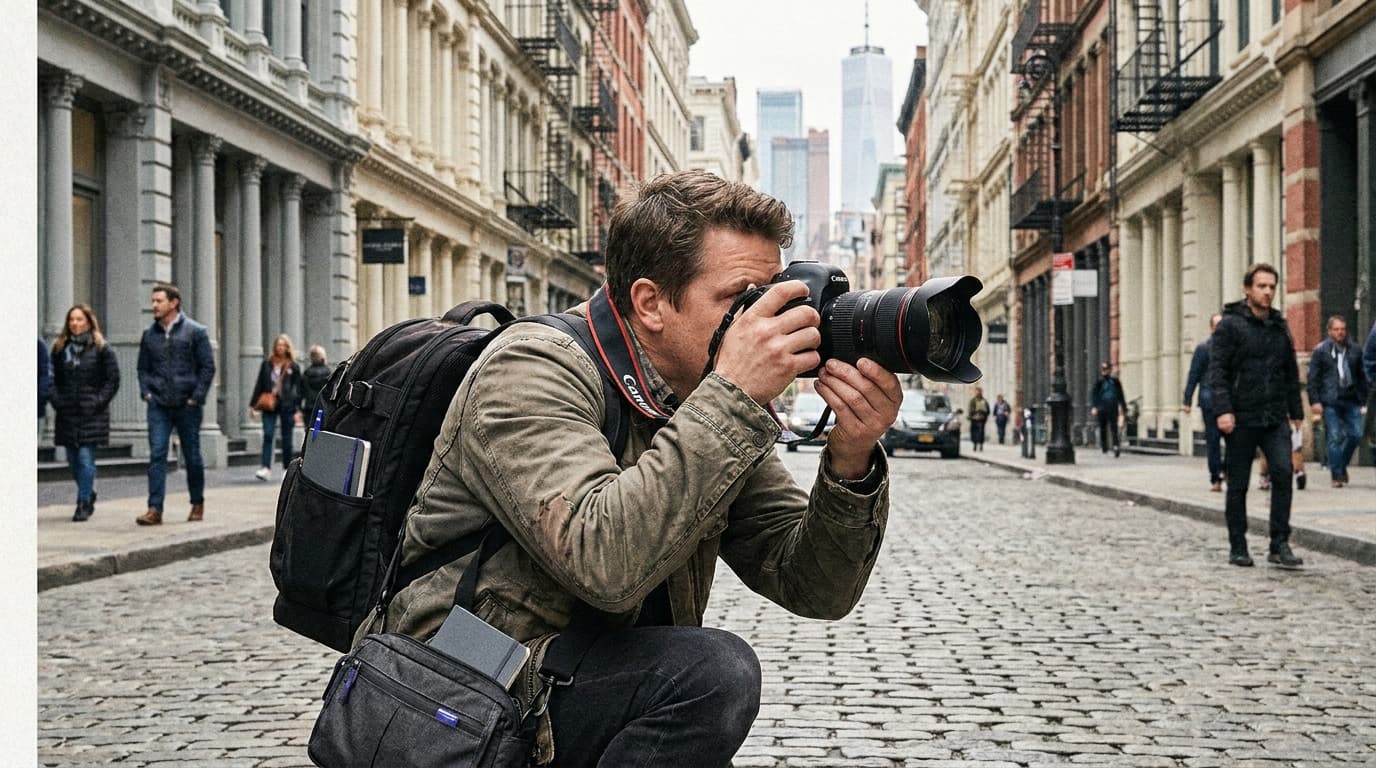
New York City
When NYC requires a film/photo permit, when handheld shooting is exempt, and the insurance requirement that catches people out.
France
Street photography vs France's strong image rights, and why freedom of panorama is restricted when you sell landmark images.
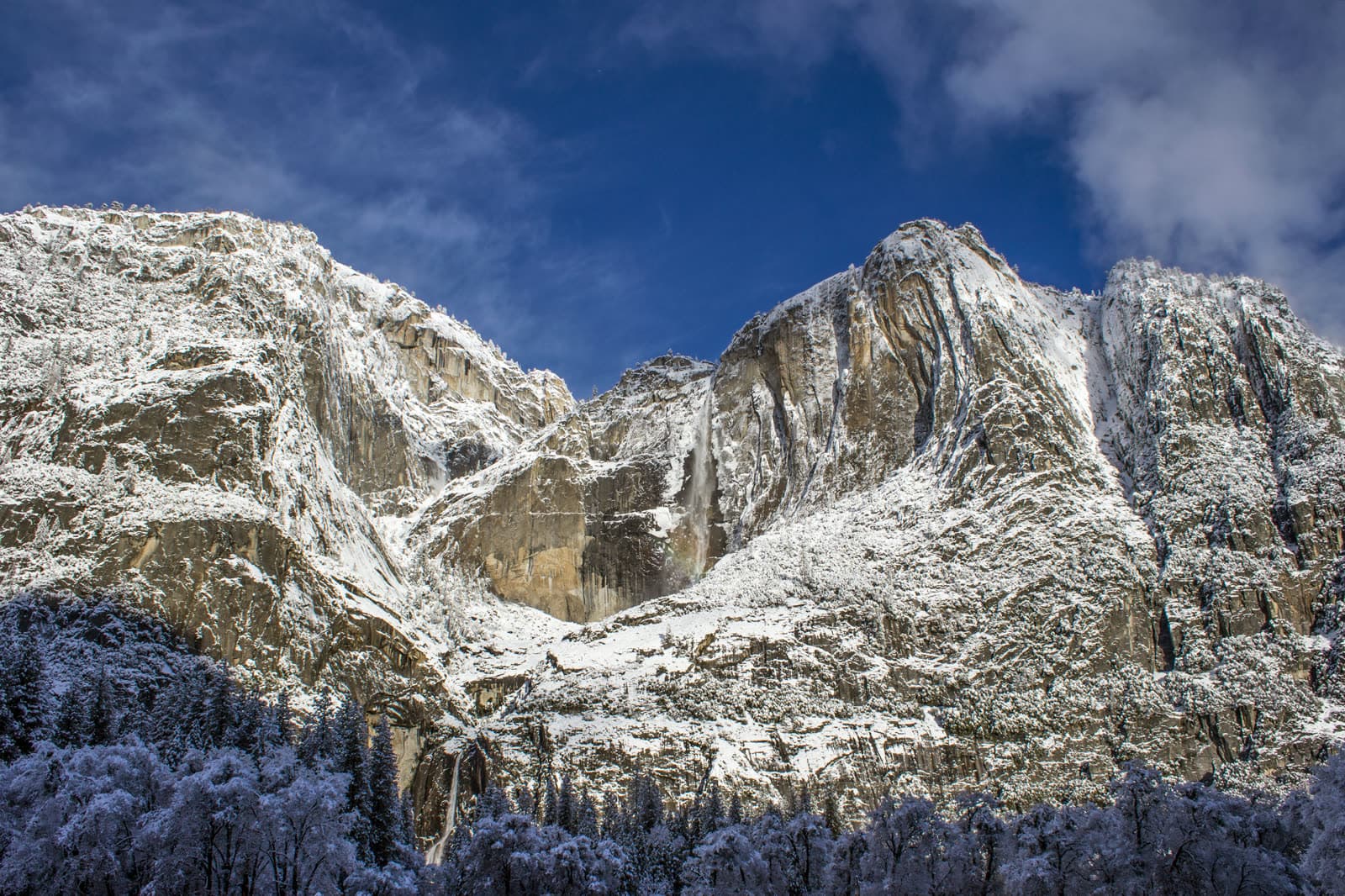
Yosemite National Park
When the EXPLORE Act lets small groups shoot Yosemite without a permit, when larger productions still need one, and the park-wide drone ban.
Yellowstone National Park
Yellowstone's film and photo permit rules after the EXPLORE Act, plus the thermal-area and wildlife-distance rules that constrain where you can set up.
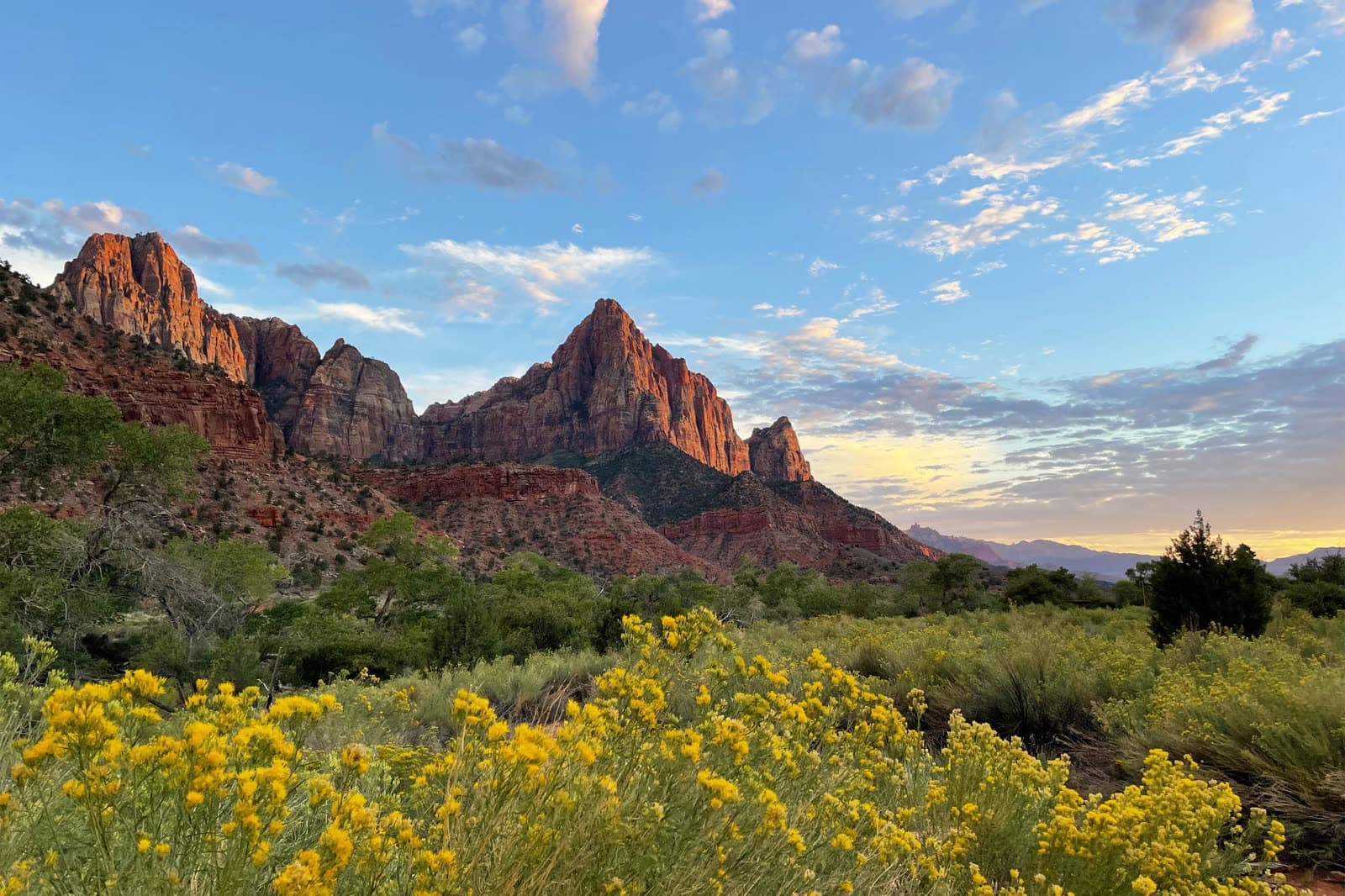
Zion National Park
Zion needs no permit for most still photography, but a permit kicks in when you shoot a model to promote a product or service; here is the line and the fee.
Grand Canyon National Park
Grand Canyon's filming and photography rules after the EXPLORE Act, plus the river and tribal-land boundaries that change who issues the permit.
Great Smoky Mountains National Park
Permit and drone rules for the most-visited US national park, including the parking-tag rule that catches photographers out.
Rocky Mountain National Park
Rocky Mountain's filming and photography rules after the EXPLORE Act, plus the timed-entry reservation that governs when you can even get in.
Arches National Park
Arches needs no permit for ordinary small-group shooting after the EXPLORE Act, but timed entry and the no-climbing-the-arches rules shape every shoot.
Glacier National Park
Glacier's filming and photography rules after the EXPLORE Act, plus the Going-to-the-Sun Road season and vehicle reservations that dictate access.
Acadia National Park
Acadia's filming and photography rules after the EXPLORE Act, plus the Cadillac Mountain sunrise reservation that every photographer hits.
Joshua Tree National Park
Joshua Tree's filming and photography rules after the EXPLORE Act, plus the dark-sky and stay-on-durable-surface rules that affect night and desert shoots.
Los Angeles
When you need a FilmLA permit to shoot in Los Angeles, the personal-photography line, and the insurance that costs more than the permit.
Chicago
Chicago's film permit fee, the $1,000,000 insurance requirement, and when a low-impact photo shoot needs no permit at all.
San Francisco
Film SF's per-day permit fees, the insurance that names the City and the Port, and the personal-photography line.
Miami
Miami spans several film offices; here is who issues permits, the county fee, and the insurance every jurisdiction wants.
Atlanta
Atlanta's Office of Film and Entertainment, the $1,000,000 insurance requirement, and fast turnaround for permits on public property.
Seattle
Seattle's $25-a-day Master Film Permit, when commercial still photography needs it, and the separate parks permit.
Austin
Austin requires a permit to shoot in the public right-of-way; the filming permit itself is free, but you reimburse the city's costs and carry insurance.
New Orleans
Film New Orleans permits, the small per-permit fee, the $1,000,000 insurance, and the rule that even student shoots in Orleans Parish need a permit.
Grand Teton National Park
Grand Teton's filming and photography rules after the EXPLORE Act, plus the 2026 road closures and wildlife-distance rules that shape access.
Bryce Canyon National Park
Bryce Canyon's filming and photography rules after the EXPLORE Act, plus the dark-sky draw and high-elevation winter access.
Sequoia and Kings Canyon National Parks
Sequoia and Kings Canyon filming and photography rules after the EXPLORE Act, plus the giant-grove light and the seasonal mountain roads.
Olympic National Park
Olympic's filming and photography rules after the EXPLORE Act, across a coast, a rainforest, and an alpine ridge with very different access.
Death Valley National Park
Death Valley's filming and photography rules after the EXPLORE Act, plus the extreme heat and dark-sky conditions that dictate when you shoot.
Mount Rainier National Park
Mount Rainier's filming and photography rules after the EXPLORE Act, plus the timed-entry reservations and short alpine season.
Boston
Boston coordinates film permits across several departments; here is the insurance, the security bond, and what counts as a production.
Washington, DC
DC's permit fees by crew size, the personal-use exemption, and the federal-versus-city jurisdiction split that catches people on the National Mall.
Philadelphia
Philadelphia's film office coordinates but does not issue the permit; here is who does, the service fees, and the park and federal traps.
Houston
Houston's film registration and the $1,000,000 insurance requirement, plus the police and parks costs that sit on top.
Dallas
Dallas charges per location, names specific landmarks that need a permit even for B-roll, and wants $1,000,000 to $2,000,000 in coverage.
Denver
Denver's film permit is free and has clear crew thresholds; here is when handheld work is exempt and where drones are banned outright.
Nashville
Nashville's film permit runs through the transportation department, with a separate parks track and $1,000,000 in coverage.
Las Vegas
Las Vegas splits jurisdiction between the city and Clark County, and unusually requires a permit even for revenue-generating solo creators.
San Diego
San Diego registers film and still-photo shoots on city property for free, with longer lead times for closures, drones, and beach work.
Portland, Oregon
Portland splits permitting across streets, parks, and city buildings, and wants $2,000,000 in coverage for right-of-way and building shoots.
Phoenix
Phoenix issues a tiered film and digital media permit with a low-impact option for small crews, and wants $1,000,000 to $2,000,000 in coverage.
San Antonio
San Antonio charges no film permit fee as a Texas Film Friendly community, but every production must carry insurance naming the city.
Detroit
Detroit issues a free general film permit, but insurance is required for every project and extra permits attach for closures.
Minneapolis
Minneapolis splits permitting between the city and the Park Board, and the Park Board wants an unusually high $1,500,000 in coverage.
Savannah
Savannah is permit-free on private property but tightly regulates its Historic District squares, with a $30 plus $325 per-location fee.
Charleston
Charleston runs a film and photography permit through its Office of Cultural Affairs, with a $1,000,000 policy naming the city.
Honolulu
Honolulu's per-day permit covers Oahu city and county land, with insurance only for higher-impact shoots and a separate state permit for state land.
Pittsburgh
Pittsburgh publishes its fees and an explicit handheld exemption, with a low-cost still-photo permit and a separate drone permit.
United Kingdom
The UK has unusually liberal street-photo rights and full freedom of panorama: you can sell images of public buildings freely.
Italy
Italy has no freedom of panorama: commercial use of images of state monuments and artworks needs authorization and a fee.
Spain
Spain has broad freedom of panorama for outdoor public works, but protects a person's image as a fundamental right.
Germany
Germany's Panoramafreiheit allows commercial use of public works, but only their exterior and only from public ground (no drone or balcony shots).
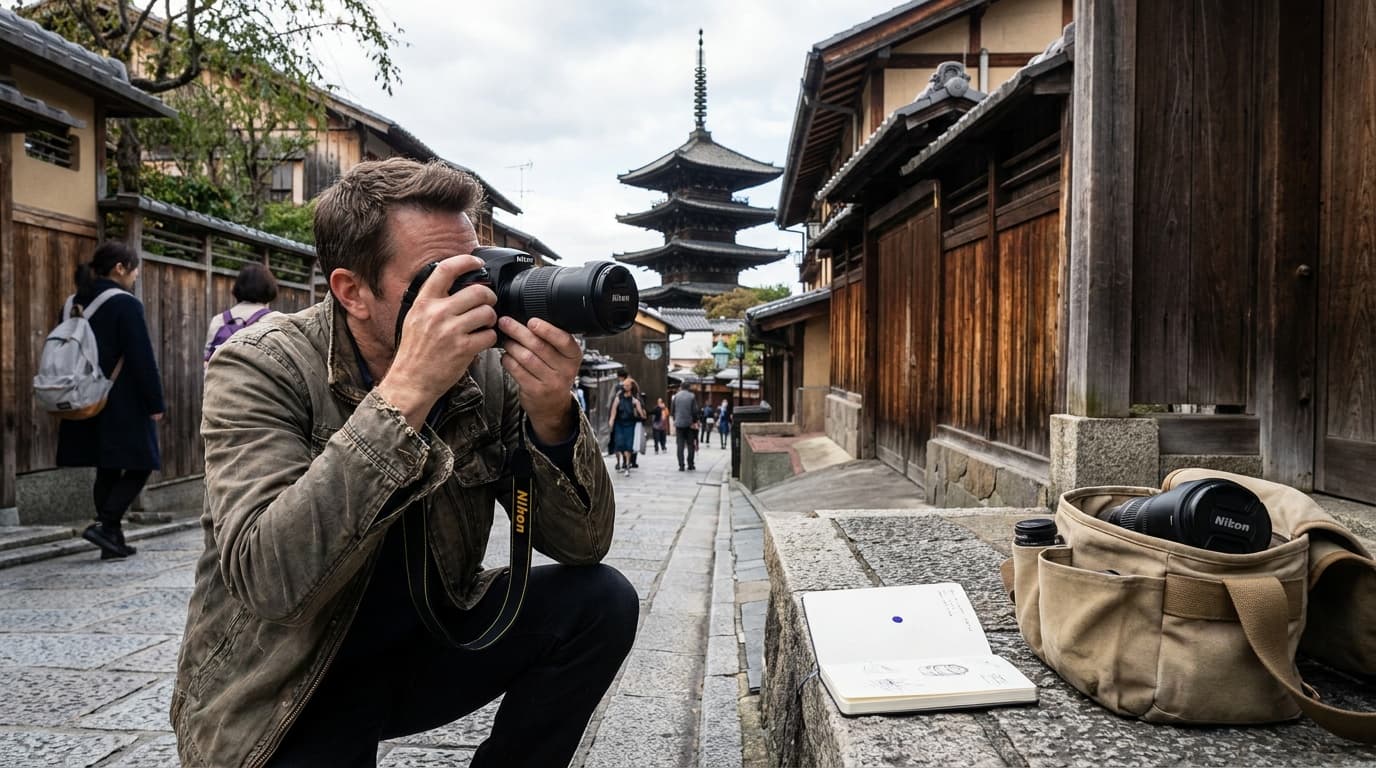
Japan
Japan lets you freely photograph buildings, but selling images where a public artwork is the subject can infringe, and portrait rights apply to people.
Iceland
Iceland's freedom of panorama is non-commercial only: selling an image whose subject is a copyrighted work can owe the creator a fee.
Greece
Greece restricts both modern public art and ancient sites: commercial images of archaeological content owe Ministry of Culture fees.
Mexico
Mexico has liberal freedom of panorama under copyright, but INAH separately controls tripods, drones, and commercial use at archaeological sites.
Canada
Canada has full freedom of panorama nationwide, but Quebec protects a person's image even in non-commercial publication.
Australia
Australia has full freedom of panorama and liberal street-photo rights, but drone shots may fall outside the panorama exception.
Netherlands
The Netherlands allows selling images of public-space works, with the limit that a single copyrighted work must not be isolated as the sole subject.
United Arab Emirates
The UAE is strict: photographing or publishing images of people without consent is a criminal offence, and government and military sites are off-limits.
Switzerland
Switzerland has unusually broad freedom of panorama: you can sell images of public buildings and even murals, but not interiors.
Portugal
Portugal allows selling images of public buildings and art, subject to crediting the creator and the Berne three-step test.
Norway
Norway lets you sell images of buildings freely, but a photo whose main subject is a public sculpture is restricted for commercial use.
Sweden
Sweden is liberal on street photography but a Supreme Court ruling restricts commercial and large-scale online reproduction of public artworks.
Ireland
Ireland has full freedom of panorama for buildings and public sculpture; murals and 2D works are the exception.
Austria
Austria has unusually broad freedom of panorama, extending even to many interiors of public buildings; you cannot re-create the work itself.
Croatia
Croatia lets you photograph and sell 2D images of public works, but not 3D reproductions; watch the Dubrovnik drone zones.
Thailand
Thailand has full freedom of panorama, but its data-protection law makes publishing identifiable people without consent risky.
India
India's copyright freedom of panorama is broad, covering buildings and public sculpture, but ASI permits and security rules are the real constraints.
China
In China you can usually sell building photos, but images featuring public artworks are legally risky, and government and military subjects are off-limits.
South Korea
South Korea lets you photograph public landmarks but generally not sell prints centered on a copyrighted public artwork; its anti-hidden-camera law is strict.
Singapore
Singapore has full freedom of panorama and no general right against being photographed, but protected security sites are strictly off-limits.
Vietnam
Vietnam grants strong image rights and, since 2023, restricts commercial use of public-work images; drones are effectively off-limits to tourists.
New Zealand
New Zealand has full freedom of panorama; the main catches are conservation-land permits and per-person drone consent.
Brazil
Brazil lets you sell images of public monuments in their setting, but isolating a copyrighted artwork on merchandise (the Christ the Redeemer trap) is restricted.
Peru
Peru permits selling images of public monuments, but site-access and antiquities permits (and a Machu Picchu drone ban) are a separate layer.
Argentina
Argentina has no statutory freedom of panorama, so selling images of copyrighted public art is unsafe, and image rights are consent-first.
South Africa
South Africa has no freedom of panorama, so selling images centered on copyrighted public works can need permission; national parks ban drones outright.
Egypt
Egypt allows free personal photos at sites but treats tripods and flash as professional, has no usable freedom of panorama, and effectively bans tourist drones.
Morocco
Morocco has no clear freedom of panorama, strong cultural sensitivity about photographing people, and an effective tourist drone ban.
Turkey
Turkey lets you sell images of outdoor public monuments, but museum and heritage interiors need a Ministry permit, and Cappadocia drone flights need dual sign-off.
Belgium
Belgium gained full freedom of panorama in 2016: you can now sell images of public buildings and art, including the once-restricted Atomium from public space.
Denmark
Denmark lets you sell images of buildings freely, but a photo whose main subject is a public artwork (the Little Mermaid) is restricted for commercial use.
Finland
Finland allows commercial use of building images, but public sculpture as the main subject is limited and 2D public art is excluded entirely.
Poland
Poland has full freedom of panorama for outdoor public works, but a camera-equipped drone of any weight needs operator registration.
Czechia
Czechia has full freedom of panorama for outdoor public works; the catch is that non-resident visitors cannot register a drone locally.
Hungary
Hungary has full freedom of panorama for outdoor works, but since 2014 you generally need consent even to take a photo of an identifiable person.
Russia
Russia lets you sell images of buildings, but a photo whose main subject is a public monument is restricted, and photographing official or military sites is dangerous.
Slovenia
Slovenia is widely assumed to have full freedom of panorama, but it does not: commercial use of images of copyrighted public works is barred.
Indonesia
Indonesia has no freedom of panorama, so selling images of modern landmarks needs permission; the ancient temples are old enough to be public domain.
Malaysia
Malaysia is one of the few Southeast Asian countries with genuine freedom of panorama: the Petronas Towers and other landmarks are safe to sell.
Philippines
The Philippines has no freedom of panorama, but buildings completed before November 1972 were never protected and are free to sell.
Taiwan
Taiwan lets you sell images of buildings, but a print whose main subject is an outdoor copyrighted sculpture is not allowed.
Nepal
Nepal has no freedom of panorama, but its centuries-old temples and stupas are out of copyright; the real constraint is heritage permits and Kathmandu drone bans.
Sri Lanka
Sri Lanka has no freedom of panorama, charges for photography at its ancient cities, and tightly controls drones; the famous monuments are public domain by age.
Cambodia
Cambodia allows only incidental use of public works, but Angkor is far out of copyright, so the real constraint there is the site authority's rules.
Maldives
The Maldives has no freedom of panorama, but its draw is natural scenery rather than architecture, so the bigger constraints are resort drone bans and modesty norms.
Israel
Israel lets you sell images of architecture and public sculpture, but not 2D public art, and military and religious-site rules are the bigger constraints.
Jordan
Jordan has no freedom of panorama for modern works, your Petra ticket does not cover professional shoots, and tourist drones are effectively banned.
Saudi Arabia
Saudi Arabia has no freedom of panorama, and photographing or posting an image of a person without consent is a criminal offence.
Qatar
Qatar has no freedom of panorama, and a 2025 law makes publishing images of identifiable people without consent a criminal offence even in public.
Kenya
Kenya has unusually broad freedom of panorama, but national parks and any commercial shoot need a paid film licence on top of the copyright freedom.
Tanzania
Tanzania's panorama freedom covers video but not still photos, and its safari parks treat any outside photographer as a commercial shoot with daily fees.
Namibia
Namibia has no usable freedom of panorama for stills, requires a film-commission permit for any commercial shoot, and bans drones in Etosha.
Tunisia
Tunisia allows selling images of public buildings and outdoor art, but excludes museum works, and tourist drones are confiscated at customs.
Colombia
Colombia lets you sell images of building exteriors and outdoor monuments, but not works displayed indoors, and protects a person's image as a right.
Chile
Chile has full freedom of panorama for permanent public works, but Rapa Nui and the national parks impose their own commercial-shoot rules.
Costa Rica
Costa Rica's freedom of panorama is non-commercial only, so you cannot freely sell images of copyrighted public works; the draw is its protected nature anyway.
Romania
Romania lets you sell images of public works unless a still-in-copyright work is the main subject; most landmarks are old enough to be public domain.
Malta
Malta lets you sell images of buildings and 3D public sculpture, but not 2D works, and publishing identifiable people needs a GDPR basis.
Ghana
Ghana's panorama exception covers film and TV but not still photos, so selling still images of modern landmarks is restricted; folklore is protected in perpetuity.
Canyonlands National Park
Canyonlands needs no permit for small-group still photography, but permitted shoots run through the Southeast Utah Group office with a steep application fee.
Capitol Reef National Park
Capitol Reef follows the standard EXPLORE Act exemption for small shoots and spells out its model and prop triggers, with a modest two-part permit fee.
Petrified Forest National Park
Petrified Forest applies the EXPLORE Act small-group exemption, but its gated day-use hours are the real constraint on golden-hour and night shooting.
Saguaro National Park
Saguaro follows the standard EXPLORE Act exemption for small shoots; the practical wrinkle is two separate districts and gated loop-drive hours.
Carlsbad Caverns National Park
Carlsbad Caverns routes filming and photography permits through its special use office, and the cave environment adds its own rules on top of the permit question.
Guadalupe Mountains National Park
Guadalupe Mountains handles photography permits as special use permits with a four-week lead time, and organized groups of 20 or more need a permit regardless of cameras.
Big Bend National Park
Big Bend applies the EXPLORE Act exemption for small shoots and requires a $150 application plus $1 million liability insurance once a permit is in play.
White Sands National Park
White Sands' permit page still reflects the pre-EXPLORE framework with a $100 application fee, and missile range closures can shut the whole park without much warning.
Great Sand Dunes National Park and Preserve
Great Sand Dunes follows the EXPLORE Act exemption for small shoots, with extra scrutiny for anything permitted inside its designated wilderness.
Mesa Verde National Park
Mesa Verde applies the EXPLORE Act exemption for small shoots, but the cliff dwellings themselves are only reachable on ticketed ranger tours.
Black Canyon of the Gunnison National Park
Black Canyon shares a permit office with Curecanti, uses NPS Form 10-931 with a $100 fee, and its narrow gorge flips the usual golden-hour logic.
Great Basin National Park
Great Basin has the cheapest application fee in this set at $75, but any serious photography inside Lehman Caves requires a special use permit and an after-hours cave tour.
Pinnacles National Park
Pinnacles folds filming into its general special use permit process, which carries a $350 application fee and a 90-day lead time when a permit applies.
Channel Islands National Park
Channel Islands still publishes pre-EXPLORE permit guidance, wants two weeks and a hard-copy application, and every shoot is shaped by the boat ride out.
Lassen Volcanic National Park
Lassen applies the standard EXPLORE Act exemption for small shoots; the real planning constraint is snow keeping the park highway closed deep into summer.
Redwood National and State Parks
Redwood is a joint NPS and California State Parks operation, so federal land follows the EXPLORE Act exemption while state park land runs a separate permit process.
Crater Lake National Park
Crater Lake needs no permit for small-group still photography, but models, props, closed areas, or crews over eight trigger a permit with a $50 application fee.
North Cascades National Park
North Cascades follows the standard EXPLORE Act eight-or-fewer exemption, with one big local wrinkle: 94 percent of the park is designated wilderness with extra review for filming.
Denali National Park and Preserve
Denali needs no permit for small-group still photography; permitted shoots pay a $200 application fee and the real constraint is the bus-only park road.
Kenai Fjords National Park
Kenai Fjords requires no permit for small-group still photography; most shooting happens from tour boats out of Seward, where the park permit question rarely comes up at all.
Glacier Bay National Park and Preserve
Glacier Bay follows the EXPLORE Act eight-or-fewer exemption with a $200 application fee for permitted filming; the practical gatekeeper is boat access, not the permit office.
Katmai National Park and Preserve
Katmai's bear photography needs no permit for small groups, but permitted productions are capped at 15 people parkwide and 12 at Brooks Camp, and the platforms have their own etiquette.
Lake Clark National Park and Preserve
Lake Clark requires no permit for small-group still photography and no entrance fee at all; the cost of shooting here is the air taxi, not the paperwork.
Wrangell-St. Elias National Park and Preserve
America's largest national park treats small-group still photography as permit-free; special use permits carry a $200 application fee and a 30-day lead time.
Gates of the Arctic National Park and Preserve
Gates of the Arctic has no roads, no trails, and no permit for small-group still photography; permit requirements are imposed case by case under Alaska-specific regulations.
Kobuk Valley National Park
Kobuk Valley needs no permit for small-group still photography, explicitly requires a commercial use authorization for photo workshops, and bans drones outright.
Haleakala National Park
Haleakala needs no permit for small groups, charges $150 to apply when one is required, and the rule photographers actually trip over is the summit sunrise reservation.
Hawaii Volcanoes National Park
Hawaii Volcanoes publishes the friendliest fee line in the system (a $0 per day location fee for one or two people with camera and tripod) but draws hard lines at closed lava areas and wilderness.
National Park of American Samoa
American Samoa's park still publishes the older permit test (models, props, or advertising trigger a permit; hand-carried gear does not), and village protocol matters as much as federal rules.
Virgin Islands National Park
Virgin Islands National Park follows the eight-or-fewer exemption; permitted shoots pay a $50 application fee with about ten business days of processing.
Badlands National Park
Badlands needs no permit for small-group still photography under the EXPLORE Act; permitted shoots pay a $100 application fee plus daily location fees.
Wind Cave National Park
Wind Cave still photography rarely needs a permit above ground, but anything involving the cave itself means a permit and at least 21 days of processing.
Theodore Roosevelt National Park
Theodore Roosevelt follows the standard EXPLORE Act rules: eight or fewer with hand-carried gear means no permit; larger or supported shoots apply through the park.
Voyageurs National Park
Voyageurs needs no permit for small-group photography, but permitted shoots must apply at least 21 days out, and almost everything here happens from a boat.
Isle Royale National Park
Isle Royale splits the rules: small groups need no permit in non-wilderness areas, but permits and fees are required for shoots in the island's wilderness, which is most of it.
Cuyahoga Valley National Park
Cuyahoga Valley needs no permit for small-group photography and explicitly exempts wedding photos; permitted shoots pay a $75 application fee.
Indiana Dunes National Park
Indiana Dunes still photography needs a permit only for closed areas, models and props, or shoots the park must monitor; applications go in 30 days ahead.
Gateway Arch National Park
Gateway Arch states no special use permit is needed for still photography of any group size that meets the EXPLORE Act conditions, and the airspace over the Arch is FAA-restricted.
Hot Springs National Park
Hot Springs follows the standard EXPLORE Act rules; permitted shoots use a short-form application emailed to the park, and the park itself is woven into a working downtown.
Mammoth Cave National Park
Mammoth Cave needs no permit for small-group surface photography; permitted shoots pay a $180 application fee, and anything inside the cave takes extra processing time.
Shenandoah National Park
Shenandoah needs no permit for groups of eight or fewer; permitted shoots pay a $150 application fee, and fall weekends bring hard limits at the Skyline Drive overlooks.
New River Gorge National Park and Preserve
New River Gorge needs no permit for small-group photography; permitted shoots pay a $100 administrative charge, and 1-2 person tripod setups pay no location fee at all.
Congaree National Park
Congaree defers to the NPS-wide EXPLORE Act rules for photography and handles anything bigger through its special use permit office; there is no entrance fee.
Everglades National Park
Everglades needs no permit for small-group photography; permitted shoots pay a $200 application fee through the shared Everglades and Dry Tortugas permit office.
Biscayne National Park
Biscayne needs no permit for groups of eight or fewer; larger or supported shoots go through a special use permit with a $150 application fee, and 95 percent of the park is water.
Dry Tortugas National Park
Dry Tortugas needs no permit for small-group photography; permitted shoots pay a $200 application fee through the shared Everglades office, and the ferry schedule is the real constraint.
Orlando
Orlando's motion photography permit is free, but productions touching city property need one, and the theme parks set their own rules entirely.
Tampa
Film Tampa Bay issues free permits for Tampa and Hillsborough County; commercial shoots on public property need one, with a small-crew exemption in county parks only.
St. Louis
St. Louis has no general film permit; you register with the film office and pull department-specific approvals only when a shoot impacts streets or parks.
Kansas City
Kansas City, Missouri has no citywide film permit, but commercial shoots in any park need a Parks and Recreation permit and the big entertainment districts require their own.
Baltimore
Baltimore requires a film permit for most location shoots, coordinated through the Baltimore Film Office with a certificate of liability insurance up front.
Milwaukee
Milwaukee has no dedicated city film permit; right-of-way impacts go through DPW special events, and the lakefront parks are county-run with their own paid photography permit.
Columbus
Columbus requires a Recreation and Parks film permit for park shoots and street closures; Film Columbus coordinates the rest.
Cleveland
Cleveland does not require a permit to shoot unless you obstruct streets or sidewalks or use city parks; three city permit types cover most film situations.
Indianapolis
Indianapolis routes every production through a Film Indy application; the general permit is free, but parks and right-of-way work carry fees.
Charlotte
Charlotte handles filming through the Charlotte Regional Film Commission's Apply To Film process, which coordinates city, county, and state approvals.
Memphis
Memphis permits are case by case through the Memphis and Shelby County Film Commission, with paperwork due 10 days before shooting on public property.
Salt Lake City
Salt Lake City's film permit kicks in at crews larger than four and costs $142 for up to three locations; Temple Square and the Capitol follow other rules.
Albuquerque
Albuquerque requires a film permit for any production on city property or shooting at night, filed at least 72 business hours ahead.
Sacramento
Sacramento requires a film permit for all commercial filming, public or private property, with insurance required for every production.
Alabama
Alabama has no statewide photo permit; the Entertainment Office coordinates, cities issue permits, and ADCNR clears commercial shoots in state parks.
Alaska
Alaska closed its state film office in 2015; commercial shoots on state land run through DNR, with a dedicated permit for state parks.
Arizona
No single Arizona state permit: register with the state film office, pull free ADOT permits for highways, and apply separately for state parks.
Arkansas
Arkansas has no state-level film permit; the AEDC film office handles registration, and state parks shoots go through the parks department.
California
California is the exception: the California Film Commission itself issues free permits for all state property, including state parks, beaches, and highways.
Colorado
Colorado's film office coordinates but does not permit; Colorado Parks and Wildlife requires permits for commercial photography in state parks, portraits included.
Connecticut
Connecticut runs filming on all state-owned property, state parks and forests included, through one office: DECD's Office of Film, TV and Digital Media.
Delaware
Delaware has no dedicated state film office; the layer that matters is Delaware State Parks, which requires an annual permit for professional portrait photography.
Florida
Florida abolished its state film office in 2023; county film commissions issue permits, and state parks run their own DEP photography permit with fees and insurance.
Georgia
Georgia's film office issues no permits (that is municipal), but Georgia DNR runs a formal film and photography application for state parks with a 200 dollar processing fee.
Hawaii
Hawaii actually has a statewide film permit: the Hawaii Film Office permits all state land, including beaches, state parks, trails, and harbors, with counties covering the rest.
Idaho
Idaho issues no statewide permits and most cities require none; the real rule is the Idaho state parks filming permit with its 100 dollar application fee.
Illinois
The Illinois Film Office issues no permits; municipalities do, Chicago charges per day, and IDNR requires an activity permit plus filming questionnaire in state parks.
Indiana
Indiana has no statewide photo permit; cities issue film permits, the IDOA approves shoots on state property, and Indiana DNR permits commercial work in state parks.
Iowa
Iowa requires no state filming permit; Produce Iowa asks productions to register, and state parks need advance authorization from Iowa DNR.
Kansas
Kansas has no state filming permit; cities and counties permit their own streets, and the Kansas Department of Wildlife and Parks controls commercial shoots in state parks.
Kentucky
Kentucky's film office runs the incentive program, not permits; commercial shoots in Kentucky State Parks need a permit application to the park manager and Central Office consent.
Louisiana
Louisiana permits filming parish by parish; Louisiana Entertainment coordinates state property case by case, and the Office of State Parks controls commercial shoots at parks and historic sites.
Maine
Maine has no general filming permit, just a registration form with the Maine Film Office; state parks go through the Bureau of Parks and Lands, which also bans drones.
Maryland
Maryland's film office markets the state rather than permitting it; commercial shoots on Maryland Park Service land need a permit or right-of-entry agreement under DNR Policy 19-29.
Massachusetts
Massachusetts permits shoot by shoot through towns and agencies; DCR issues the state parks photography and film permits, with a $1 million insurance requirement.
Michigan
Michigan has no statewide film permit; the MFDMO coordinates, MDOT permits highway shoots, and Michigan DNR treats commercial photography as a permitted commercial use of state land.
Minnesota
Minnesota permits locally with a film-friendly posture; DNR state parks require permits for advertising and staged shoots, and the state adds its own MnDOT drone registration on top of Part 107.
Mississippi
Mississippi requires no state filming permits or fees; the film office keeps your location agreement and insurance on file, and state parks arrange commercial shoots park by park.
Missouri
Missouri has no general state filming permit; state parks require a Commercial Production Application a month ahead, and Conservation areas use a free special use permit for large shoots.
Montana
Montana has no statewide photo permit; the film office coordinates, FWP permits state parks, and only Bozeman and Livingston mandate city film permits.
Nebraska
Nebraska's film office registers projects but issues no permits; commercial shoots in state parks need a Game and Parks special occasion permit.
Nevada
Nevada asks production companies to register with the state film office, but real permits come from cities, counties, and a strict state parks photo permit system.
New Hampshire
New Hampshire has no general filming permit at all; the exceptions are state parks (100 dollar special use permit), numbered state highways, and the State House grounds.
New Jersey
New Jersey permitting is municipal; the state film commission smooths the path, and state parks require a special use permit with a long 90-day lead time.
New Mexico
New Mexico's film office issues no permits but is the front door to state property; state parks want film and photo applications 30 days out, and public agencies standardize on 1,050,000 dollars of insurance.
New York
New York State runs no statewide photo permit; OPRHP permits shoots in state parks region by region, and New York City is an entirely separate permitting regime.
North Carolina
The NC Film Office assists but does not permit; commercial shoots in state parks need a two-step film permit through the park superintendent, usually with minimal fees.
North Dakota
North Dakota has no film office and no general filming permit; Tourism handles film inquiries and permitting is local, with federal sites the main exception.
Ohio
Ohio permitting is city by city; the state film office is an incentives and referral shop, and ODNR handles state park shoots through its special activity permit.
Oklahoma
Oklahoma's film office routes you to the right authority rather than issuing permits; state parks require a commercial filming permit by rule, while most still photography is currently fee-free.
Oregon
Oregon Film issues no permits; Oregon State Parks charges published commercial film and photo fees by crew size, and the entire ocean shore is public by law.
Pennsylvania
No statewide photo permit; the PA Film Office coordinates state property access, DCNR agreements cover state parks and forests, and Philadelphia and Pittsburgh run their own permits.
Rhode Island
Unusually for a US state, Rhode Island asks all productions, including still photography projects, to register with the state Film & TV Office; state parks add a professional photography permit.
South Carolina
Few permits statewide, but Charleston, Beaufort, Myrtle Beach and a handful of other jurisdictions require them, and state property shoots carry a $1 million insurance requirement.
South Dakota
No standalone film office anymore; the Department of Tourism points productions to land managers, and Game, Fish and Parks permits all commercial photography in state parks including Custer.
Tennessee
No statewide permit; the Tennessee Entertainment Commission brokers state property access, state parks welcome hobby photography but permit commercial work, and drones in state parks are near-banned.
Texas
No blanket permit; the Texas Film Commission routes you to each property's process, TPWD permits media production in state parks with 90 days lead, and Government Code Chapter 423 restricts drone imaging.
Utah
The Utah Film Commission assists but does not permit; cities, counties, BLM, and Utah State Parks each permit their own ground, and the Mighty 5 gateway state parks all require Special Use Permits for commercial work.
Vermont
No state film office and no general filming permit; you deal with town clerks, and the Department of Forests, Parks and Recreation permits commercial use of state lands.
Virginia
The Virginia Film Office helps but does not permit; VDOT highway filming is the one state-level permit it coordinates, and Virginia State Parks require a special use permit for any paid photography.
Washington
Washington Filmworks acts as the state film office but issues no permits; Washington State Parks require a commercial filming and photography permit with published fees, plus a Discover Pass to drive in.
West Virginia
No statewide permit; the WV Film Office brokers locations, and state park rules prohibit commercial enterprise, photography included, without written DNR permission.
Wisconsin
Wisconsin relaunched a state film office (Film Wisconsin) in 2026 for incentives, not permits; the DNR's $50 per-property Commercial Use Permit is what photographers actually encounter in state parks.
Wyoming
The Wyoming Film Office (Office of Tourism) smooths access but does not permit; state parks and historic sites require a special use permit, and roughly half the state is federal land with its own rules.
Estonia
Estonia allows street photography freely, but its freedom of panorama is non-commercial only: selling images where a copyrighted building or artwork is the main subject needs permission.
Latvia
Latvia permits street photography, but Section 25 of its Copyright Law limits public-space works to personal, news, and non-commercial uses, so commercial sale of copyrighted landmarks needs permission.
Lithuania
Lithuania allows photographing public-space works, but Article 28 of its copyright law blocks commercial use when a copyrighted building or sculpture is the main subject of the image.
Slovakia
Slovakia has full freedom of panorama, including commercial use, under its 2015 Copyright Act, making it one of the friendlier EU countries for selling images of public landmarks.
Bulgaria
Bulgaria allows street photography, but its freedom of panorama covers informational and non-commercial uses only, so selling images of copyrighted public works needs permission.
Serbia
Serbia has freedom of panorama including commercial use for 2D reproductions with attribution, but its drone regime is one of Europe's most restrictive for visitors.
Bosnia and Herzegovina
Bosnia and Herzegovina permits street photography, but its freedom of panorama excludes commercial use, and drones over 249 g must be registered with the BHDCA.
Albania
Albania adopted freedom of panorama in its 2016 copyright law, allowing reproduction of works permanently in public spaces, and its drone rules closely mirror the EU framework.
Montenegro
Montenegro allows street photography, but its freedom of panorama excludes any direct or indirect economic advantage, and drones face registration plus an import-permit quirk.
North Macedonia
North Macedonia's copyright law allows free use of architecture and sculpture permanently in public places, including the Skopje 2014 monuments, but not 2D works like murals.
Cyprus
Cyprus has freedom of panorama for artistic works permanently in public view, including commercial use, but the UN Buffer Zone and military areas are strict no-photography territory.
Luxembourg
Luxembourg has no freedom of panorama: only incidental inclusion of copyrighted works is allowed, so selling images of modern architecture as the subject needs the rights holder's permission.
Monaco
Monaco has no freedom of panorama, requires government authorization for professional shoots, and operates a near-total drone lockdown: professional use only, with prior approval from the Direction de l'Aviation Civile.
Georgia (country)
Georgia is welcoming to photographers and has a film cash-rebate program, but its freedom of panorama is non-commercial only and the boundary lines with Abkhazia and South Ossetia are genuinely dangerous to photograph.
Armenia
Armenia adopted full freedom of panorama in 2013, including commercial use, but a border-photography ban makes filming near the Azerbaijan frontier without an NSS permit illegal.
Kazakhstan
Kazakhstan restricts freedom of panorama to non-commercial uses and treats military, border, and strategic facilities as no-photography zones; drones require state registration.
Uzbekistan
Uzbekistan has liberalized tourist photography, but drones remain effectively banned without government permission and freedom of panorama is non-commercial only.
Mongolia
Mongolia's 2021 copyright law allows photographing and selling images of architecture and statues in public places, and its vast landscapes are largely permit-free, with drone registration through the CAAM.
Ecuador
Ecuador has workable freedom of panorama via the Andean Community, but the Galapagos runs its own strict permit and drone regime.
Bolivia
Bolivia's national copyright law is silent on panorama, but Andean Community Decision 351 fills the gap; camera drones are treated as aerial work.
Uruguay
Uruguay pairs statutory freedom of panorama with a strict portrait-consent rule, and DINACIA requires authorization before tourists fly drones.
Panama
Panama allows commercial images of public works (building exteriors only), while the AAC requires drone permits for most tourist-drawn locations.
Guatemala
Guatemala grants freedom of panorama with an attribution condition, but Tikal bans drones without CONAP authorization and Antigua limits flights over the historic center.
Dominican Republic
The DR has statutory freedom of panorama and a weight-based drone regime: under 2 kg is permit-free, heavier drones register and insure with IDAC.
Jamaica
Jamaica follows the UK freedom-of-panorama model, but the JCAA expects even visiting hobbyists to hold a permit and bans FPV flying outright.
Bahamas
The Bahamas has unusually broad freedom of panorama (including 2D works visible from public places), and a drone regime built around advance CAA-B authorization plus a refundable customs deposit.
Cuba
Cuba welcomes cameras but not drones (confiscated at customs), and photographing military, police, or government sites is prohibited; commercial work runs through ICAIC.
Oman
Oman has no freedom of panorama, licenses recreational drones through a paid CAA platform, and treats aerial photography as separately authorized.
Bhutan
Bhutan bans private drones outright, requires a government filming permit for commercial work, and prohibits photography inside temples including Tiger's Nest.
Laos
Laos allows only incidental use of public artworks (no real FoP), and drones need Ministry of Public Works and Transport licensing, with Luang Prabang's UNESCO core effectively no-fly.
Bangladesh
Bangladesh's 2023 copyright law removed the old UK-style freedom of panorama, and CAAB drone authorization is slow (reportedly 45 days) with security-agency clearances layered on top.
Pakistan
Pakistan's 1962 Copyright Ordinance gives UK-style freedom of panorama, but drones face registration plus security permissions, and military or infrastructure subjects are strictly off-limits.
Fiji
Fiji has UK-model freedom of panorama, but the CAAF wants advance authorization for every drone (even sub-250 g) and caps flights at 200 feet.
Madagascar
Madagascar limits panorama rights to non-commercial use, and a 2025 regulatory overhaul made ACM registration and advance authorization mandatory for nearly all drones.
Rwanda
Rwanda bans photography of government and military sites, requires RDB filming permits for professional work, and makes foreigners route drone registration through a Rwandan citizen or entity.
Botswana
Botswana prohibits drones in all national parks and game reserves (Chobe, Moremi, the Okavango's protected areas), and its copyright law grants no freedom of panorama.
Each guide shows its sources and last-verified date.
Download the rules dataset