We may earn a commission from links on this page, at no extra cost to you. Picks are researched, not sponsored.
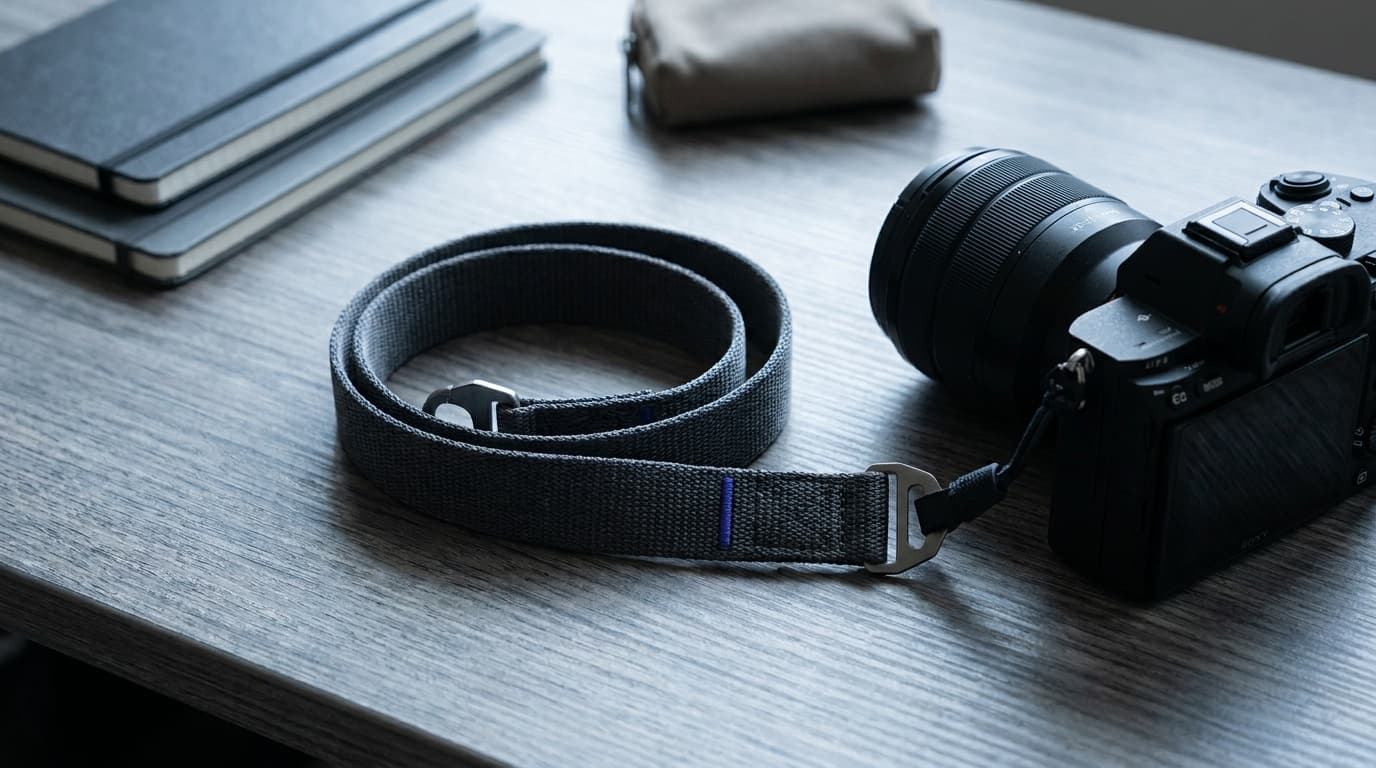
A camera strap is the accessory you touch every time you shoot, and the wrong one quietly ruins a day: it digs into your neck, swings the camera into doorframes, or slows you down when the moment is fleeting. The right one disappears, carries the weight where your body can take it, and brings the camera to your eye without fumbling. That matters most for travel photography, event photography, and any long day on your feet.
A strap is part of a carry system. For where the camera lives when you are not shooting, see our best camera bags guide; the two work together.
How to choose
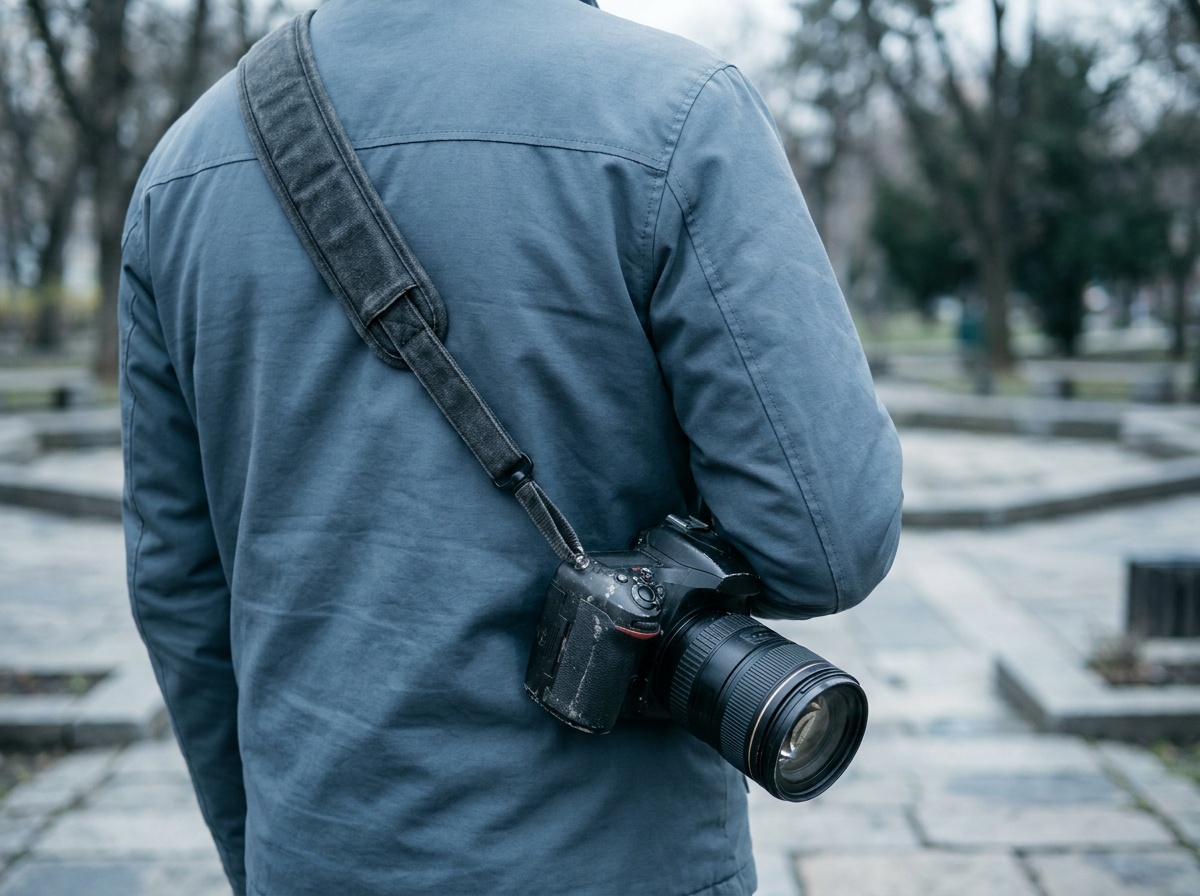
Three things decide a strap. Carry style, whether you want a sling worn across the body (the camera rides at your hip and slides up to your eye), a neck strap (simple, but the full weight hangs on your neck), or a wrist strap (minimal, for light bodies). Width and padding, because a wider strap spreads the load: a heavy body and lens want a broad, cushioned strap, while a small mirrorless body is happy on a thin one. Attachment and quick-release, since a quick-connect anchor system lets you take the strap off in seconds for tripod work or to pack down, and lets you swap straps without tools.
After that, weigh adjustability (a strap you can lengthen and shorten on the fly adapts from over-the-shoulder to across-the-body) and the grip of the underside, which keeps a sling from sliding off your shoulder. As a rough guide, a full-frame body with a heavy zoom wants a wide cushioned strap roughly 45mm across, while a small mirrorless body rides happily on a thin one.
The picks
Best Strap
Peak Design Slide Camera Strap
Shooters who switch between sling and neck carry.
Check price at AmazonThe Peak Design Slide is the best all-around strap for most shooters. It is a wide, seatbelt-style sling with a grippy side and a smooth side, so you flip it to slide the camera up to your eye quickly or to keep it planted on your shoulder. The padding carries a full-frame body with a heavy zoom comfortably for hours, the length adjusts on the fly with two pull tabs, and the quick-connect anchors snap on and off in seconds. For a working kit or a long day, this is the one. It is overkill for a tiny body, but that is what the Leash is for.
Research pick
Peak Design Leash Camera Strap
Mirrorless shooters who want a minimal, packable strap.
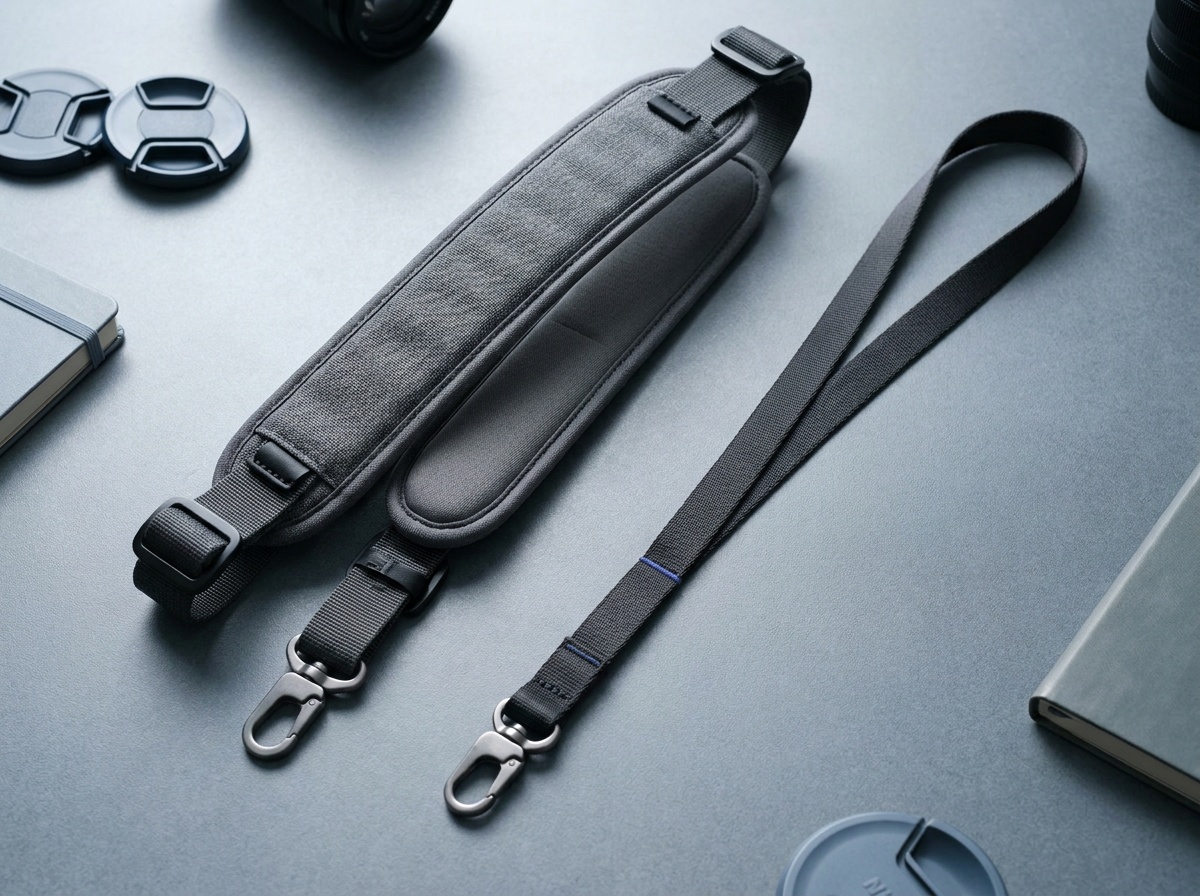
Check price at AmazonThe Peak Design Leash is the minimal, packable pick. It is a thinner, lighter strap that rolls down small and carries a mirrorless body or a light kit with ease, and it shares the same quick-connect anchor system as the Slide, so you can swap between the two depending on the day. It also converts into a tripod strap or doubles in length for cross-body carry. For travel, a light kit, or a backup strap that lives in the bag, the Leash is the smart choice. It is less comfortable than the Slide under a heavy load, which is the fair trade for the low bulk.
Best Dedicated Sling
BlackRapid Blackline I Right Camera Strap
Event and street shooters who want a dedicated sling rather than a convertible strap.
Check price at AmazonThe BlackRapid Blackline I Right is the dedicated sling option. Instead of clipping into strap lugs, it screws into the tripod socket and lets the camera hang upside down at your hip, then slide up the strap when you lift it. That makes it fast and stable for events, street work, and long walkaround days where the camera stays on your body. The tradeoff is tripod friction: if you constantly move between sling carry and a tripod plate, the Peak Design system is tidier. If you mostly handhold and want the camera parked low and ready, the BlackRapid makes more sense.
Common mistakes
The most common one is carrying a heavy kit on a thin strap. A narrow strap concentrates the weight into a line on your neck or shoulder and turns a long day into a sore one; match the width to the load. The second is leaving the strap too long or too short for how you carry; a sling should let the camera rest at your hip and slide cleanly to your eye, so adjust it rather than living with a compromise. The third is trusting a worn or poorly attached strap with an expensive body; check the anchors and connections regularly, because a strap failure is an expensive accident. Pair the right strap with a bag from our best camera bags guide for a carry system that works all day.
Sling or neck strap?
A sling is more comfortable and faster for most shooters: the camera rides at your hip out of the way and slides up to your eye in one motion, and the weight sits across your body rather than hanging on your neck. A neck strap is simpler and lighter to pack, but the full weight pulls on your neck, which tires quickly with a heavy kit. For a long day or a heavy body, choose a sling; for a tiny body or minimal carry, a neck or wrist strap is fine.
Are quick-release anchors safe?
The quality systems are. A good quick-connect anchor (like Peak Design's) is rated well above any camera's weight and locks securely, while letting you remove the strap in seconds for tripod work or packing. As with any attachment, inspect the anchors and cords periodically for wear and replace them if frayed; treated that way, they are both convenient and secure.
Do I need a different strap for each camera?
No. A strap with a quick-connect anchor system lets one strap (or a pair, like the Slide and the Leash) serve every body you own, because the anchors stay on the cameras and the strap clips between them in seconds. Buy one comfortable strap for heavy kits and one minimal strap for light ones, and swap as the day demands.
Compare picks
The short version
Use this to narrow the list before opening the detailed cards.
Scores weigh fit, owner sentiment, build, and value. Affiliate links do not change pick order. Methodology
Buying order
Start with the skip note. A good deal on the wrong camera is still the wrong camera.
Compare verdictsIf you already own lenses, check the system path before buying into a new mount.
Check systemsOnce the fit makes sense, compare current deals and retailer listings.
Check current deals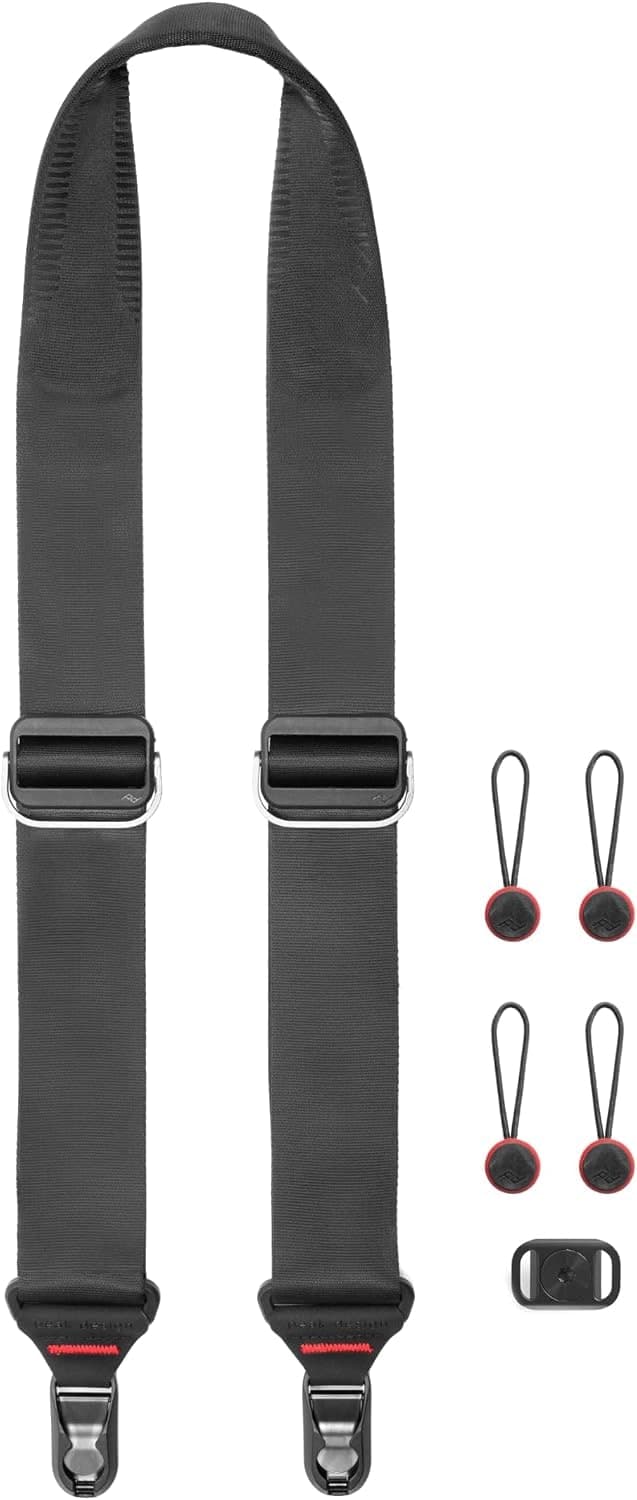
Shooters who switch between sling and neck carry.
Use the retailer for the current price after the tradeoff makes sense. Confirm lens mount, sensor format, battery, charger, and kit contents.
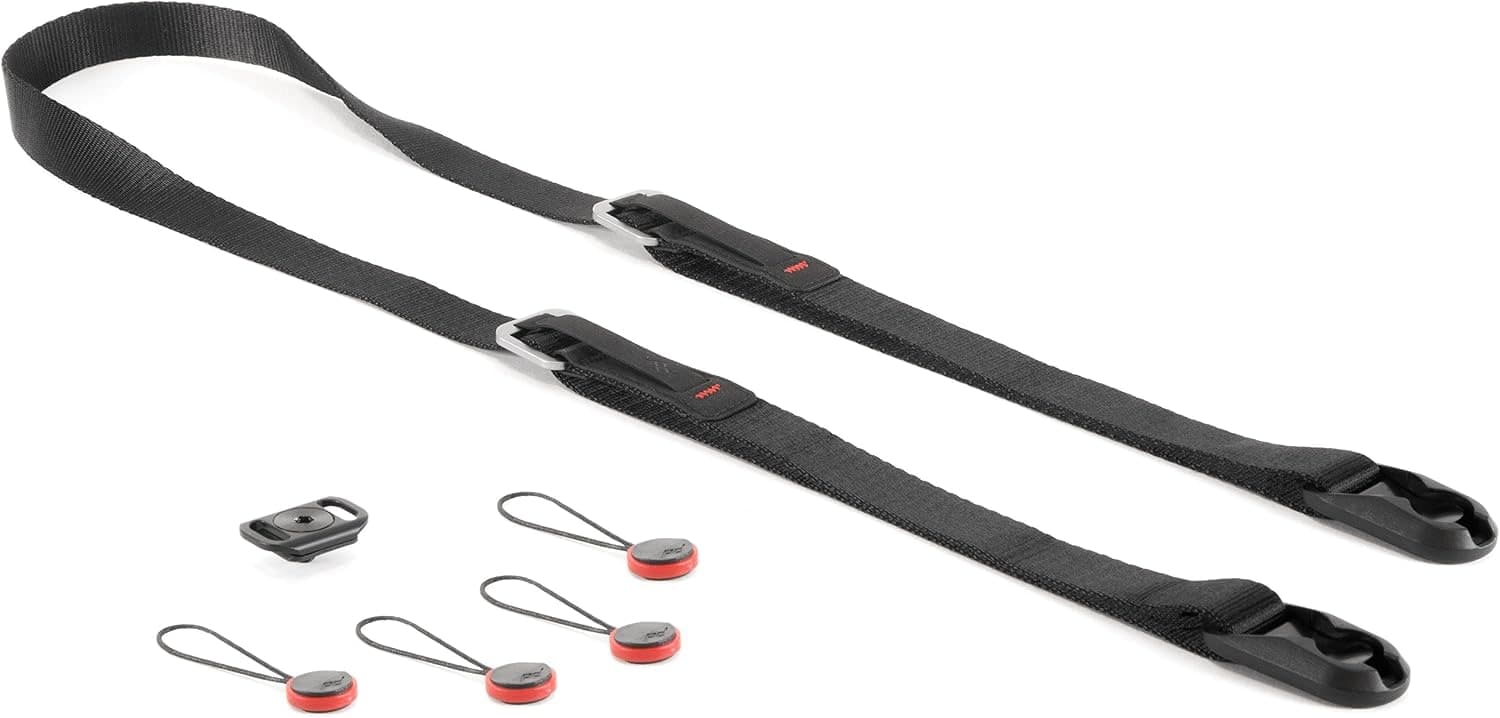
Tradeoff: Thin padding under heavy lenses
Use the retailer for the current price after the tradeoff makes sense. Confirm lens mount, sensor format, battery, charger, and kit contents.
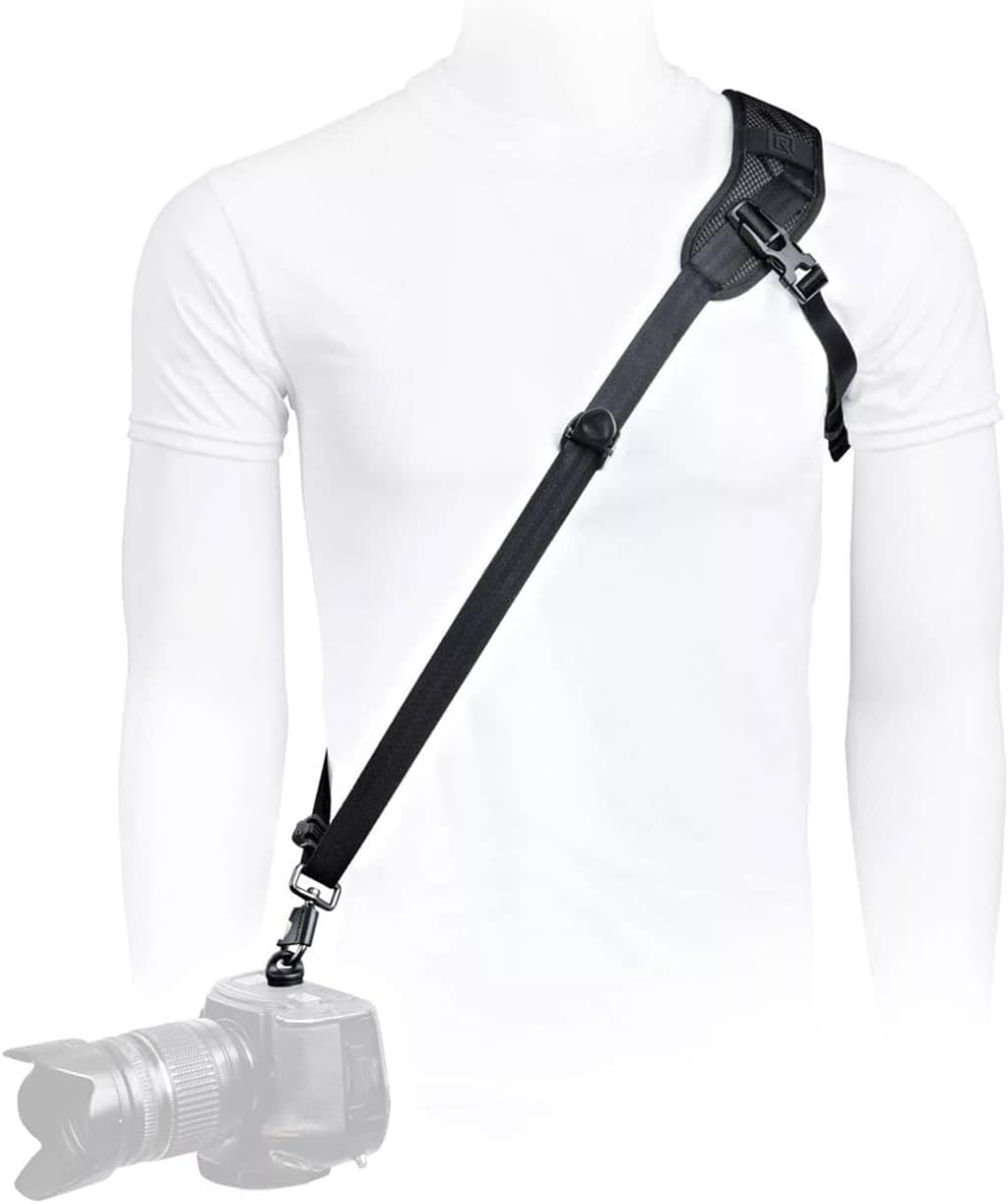
Event and street shooters who want a dedicated sling rather than a convertible strap.
Use the retailer for the current price after the tradeoff makes sense. Confirm lens mount, sensor format, battery, charger, and kit contents.
- Shooters who switch between sling and neck carry.
- Quick-detach Anchor Links
- Wider than some prefer for small bodies
Use the retailer for the current price after the tradeoff makes sense. Confirm lens mount, sensor format, battery, charger, and kit contents.
- Mirrorless shooters who want a minimal, packable strap.
- Light and packable
- Thin padding under heavy lenses
Use the retailer for the current price after the tradeoff makes sense. Confirm lens mount, sensor format, battery, charger, and kit contents.
- Event and street shooters who want a dedicated sling rather than a convertible strap.
- Fast hip-to-eye movement
- Uses the tripod socket
Use the retailer for the current price after the tradeoff makes sense. Confirm lens mount, sensor format, battery, charger, and kit contents.
| Pick | Score | Price | Verdict | Action |
|---|---|---|---|---|
| Best StrapPeak Design Slide Camera Strap | 9.0
| $75 - $85 | Shooters who switch between sling and neck carry. Wins: Quick-detach Anchor Links Skip: Wider than some prefer for small bodies | Check Amazon · $75 - $85 Use the retailer for the current price after the tradeoff makes sense. Confirm lens mount, sensor format, battery, charger, and kit contents. |
| PickPeak Design Leash Camera Strap | 8.7
| $40 - $50 | Mirrorless shooters who want a minimal, packable strap. Wins: Light and packable Skip: Thin padding under heavy lenses | Check Amazon · $40 - $50 Use the retailer for the current price after the tradeoff makes sense. Confirm lens mount, sensor format, battery, charger, and kit contents. |
| Best Dedicated SlingBlackRapid Blackline I Right Camera Strap | 8.6
| $120 - $140 | Event and street shooters who want a dedicated sling rather than a convertible strap. Wins: Fast hip-to-eye movement Skip: Uses the tripod socket | Check Amazon · $120 - $140 Use the retailer for the current price after the tradeoff makes sense. Confirm lens mount, sensor format, battery, charger, and kit contents. |
Shoot kits
Buy around the job, not the spec sheet
Live coverage
Event and wedding kit
$5,967
A dependable hybrid body, fast telephoto, round-head flash, clean audio, fast card, and small carry setup for long days with no second chances.
Best paid-event base kit
Buy order: start with the first piece that makes the job possible, then add the support pieces that remove friction.
Camera: start here. If this piece does not make the shoot easier, the rest of the kit can wait.
Carry: add it after the core setup proves useful.
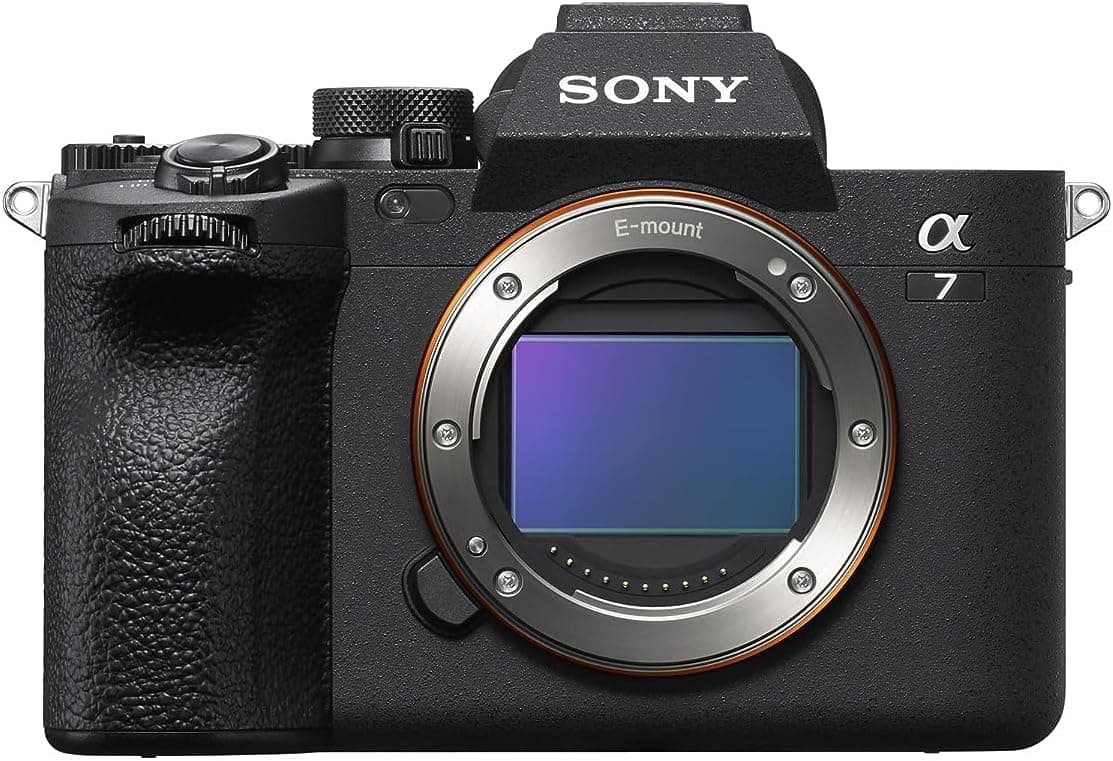
Sony a7 IV
Balanced stills and video, reliable eye autofocus, dual card slots, and enough resolution for delivery crops.
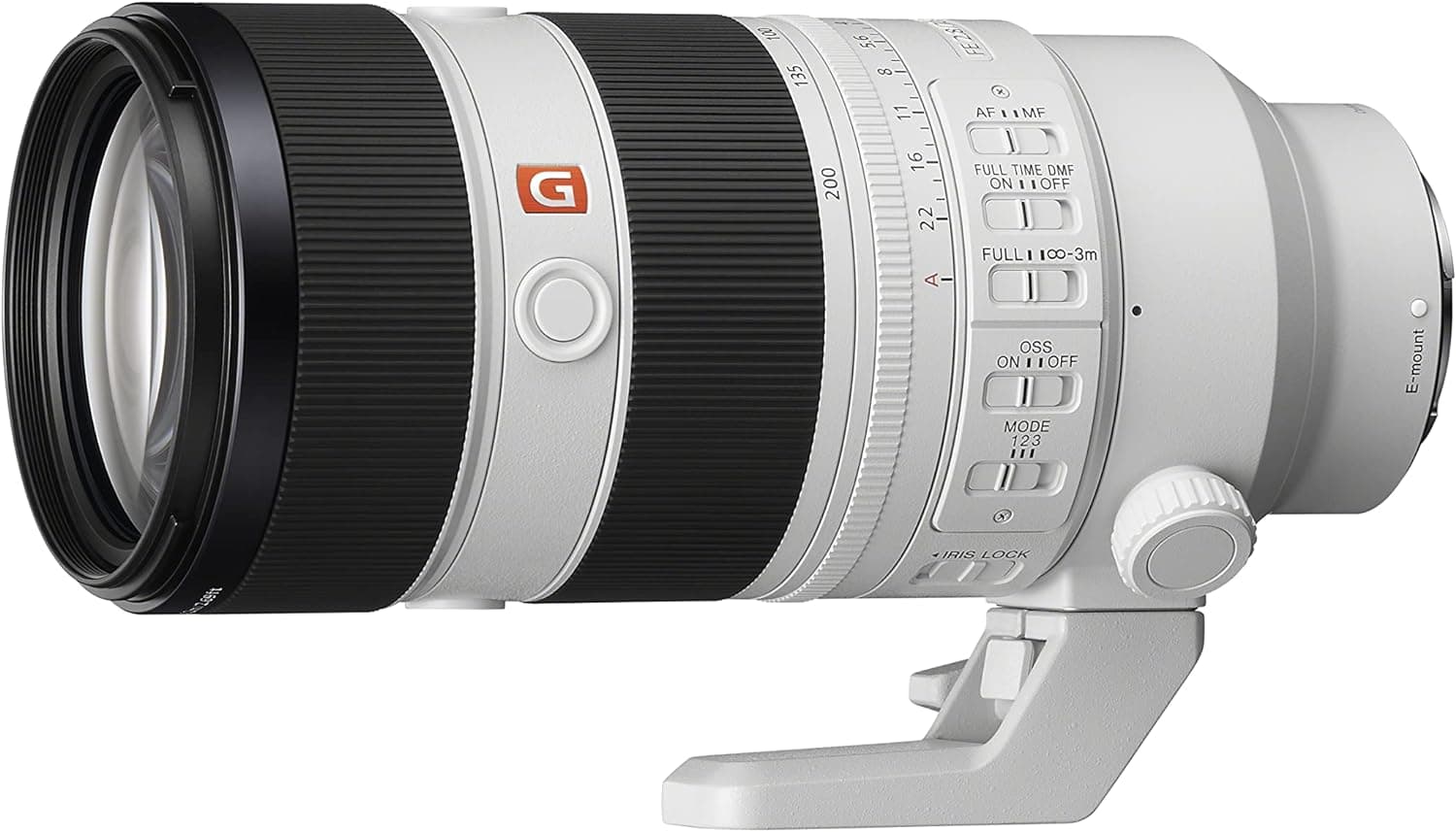
Sony FE 70-200mm f/2.8 GM OSS II
Reach and subject separation for ceremonies, speeches, stage work, and candids from across a room.
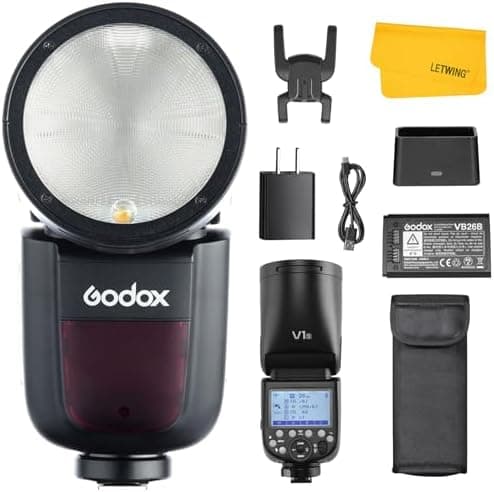
Godox V1
Soft bounce, fast recycle, and the Godox radio system for a first off-camera light.
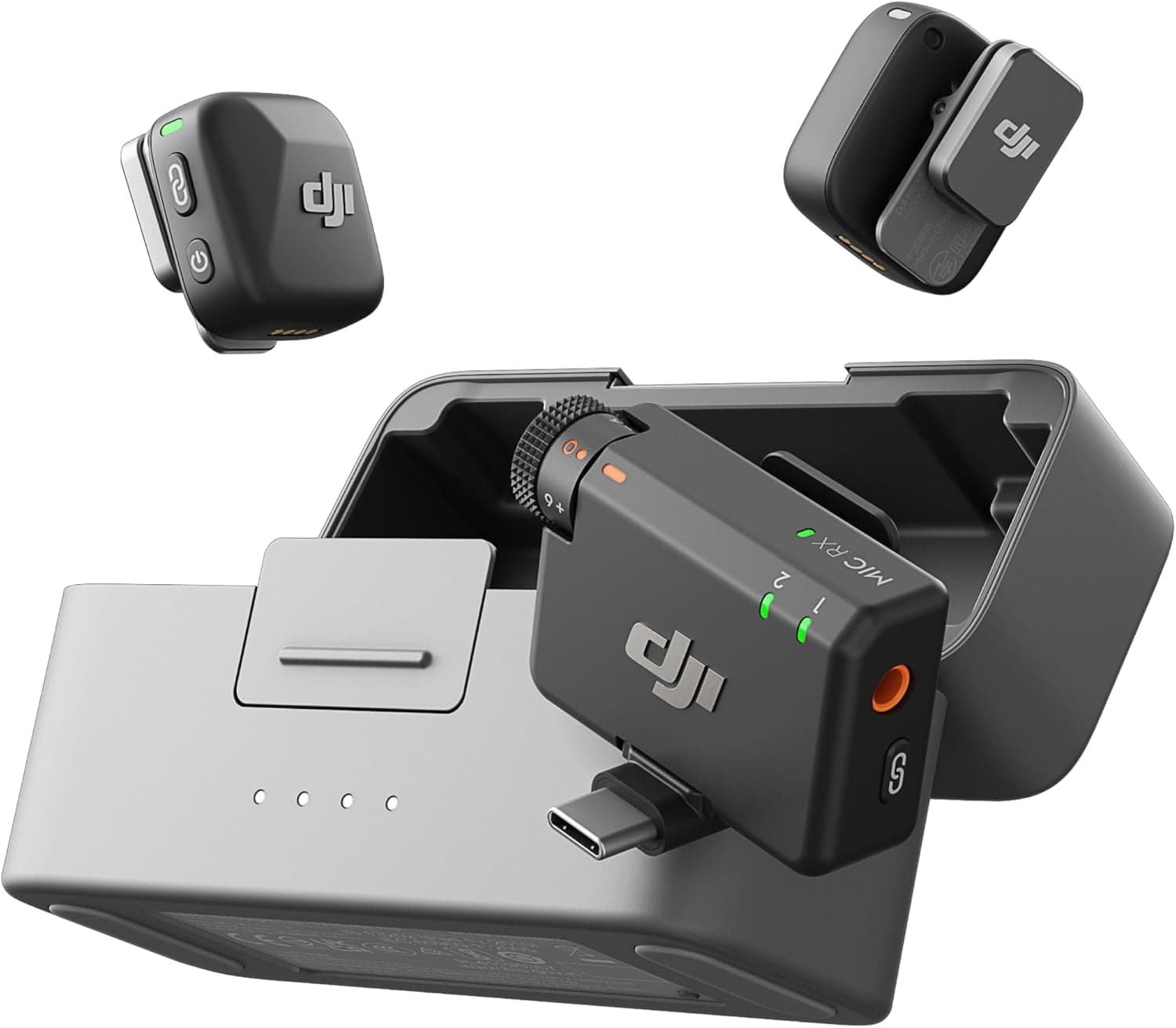
DJI Mic 2
A simple backup for vows, interviews, speeches, and behind-the-scenes clips.
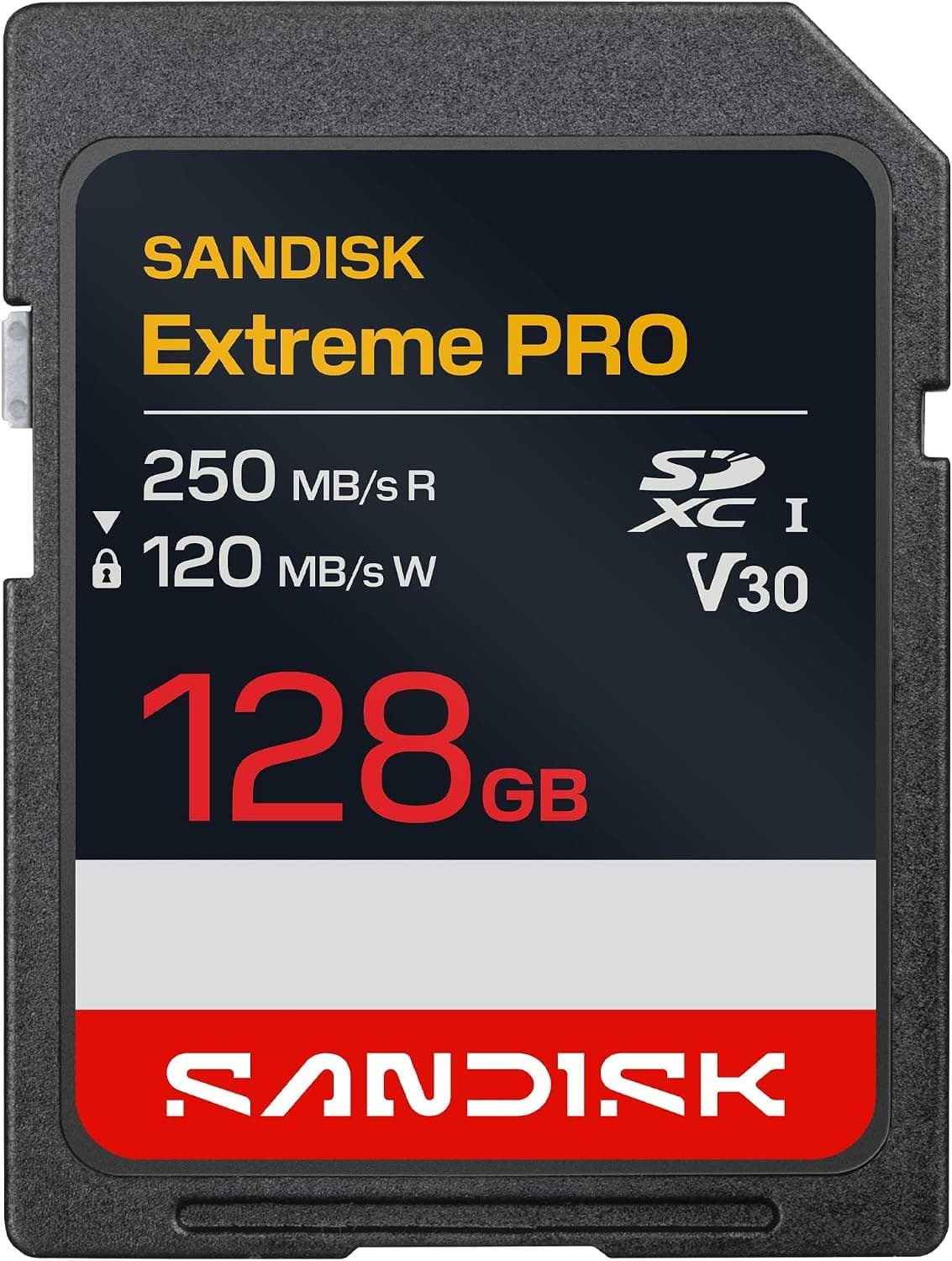
SanDisk Extreme Pro SDXC 128GB
A practical card tier for hybrid bodies shooting stills, bursts, and normal 4K capture.
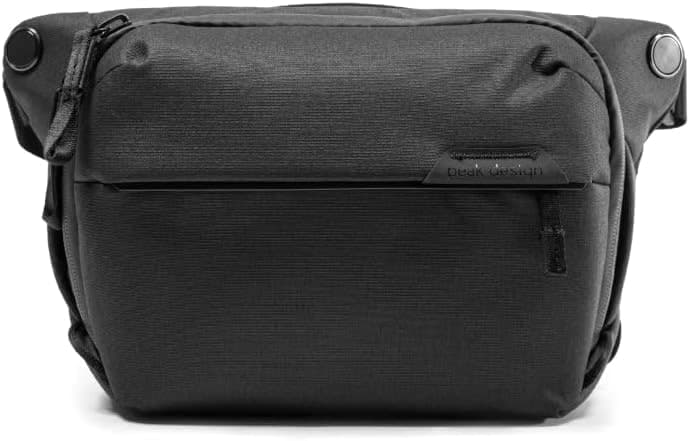
Peak Design Everyday Sling 6L V2
Keeps a body, flash, batteries, and small lens changes close without wearing a full backpack during coverage.
Prices are rough catalog totals. Retailer prices change, and you can swap pieces to fit your system.
Related Gear guides
Insta360 Luna Ultra vs DJI Osmo Pocket 4: Which Pocket Gimbal Should You Buy?
Compare Luna Ultra and DJI Pocket 4 by lenses, video, Log formats, storage, U.S. availability, and the filming jobs each pocket gimbal handles best.
CFexpress 4.0 and VPG Explained: Buy the Card Your Camera Needs
CFexpress 4.0 doubles theoretical bandwidth, while VPG certifies sustained video writes. Learn Type A vs B, VPG classes, and when 4.0 is worth paying for.
Focal Length Explained: What 24mm, 50mm, 85mm, and 200mm Actually Do
What the millimeter number on a lens changes in the field: angle of view, compression, and working distance. When to reach for 24, 50, 85, or 200mm.
Canon EOS R50 V vs Sony ZV-E10 II: Which Beginner Vlogging Camera Should You Buy?
Canon EOS R50 V is the easier beginner creator kit. Sony ZV-E10 II is the deeper lens-system pick. Compare the practical tradeoffs.
Researched, not personally tested: picks compare specifications, available owner feedback, and established expert sources. As an Amazon Associate I earn from qualifying purchases. We may earn a commission from links here, at no extra cost to you. How we research →