We may earn a commission from links on this page, at no extra cost to you. Picks are researched, not sponsored.
Landscape photography rewards a different kind of camera than action does. The scene holds still, so frame rate and autofocus speed barely matter; instead, you want resolution to render fine detail, dynamic range to hold both a bright sky and a shadowed foreground in one frame, and a body that survives wind, dust, and damp on a ridge at dawn. Mount one on a sturdy tripod, add a wide lens from our best wide-angle lenses guide, and you have the core kit.
If you are choosing a system, start with what camera should you buy, and the landscape photography genre guide covers field technique. For balancing a bright sky against a dark foreground, the exposure triangle and our best ND filters guide both help.
How to choose
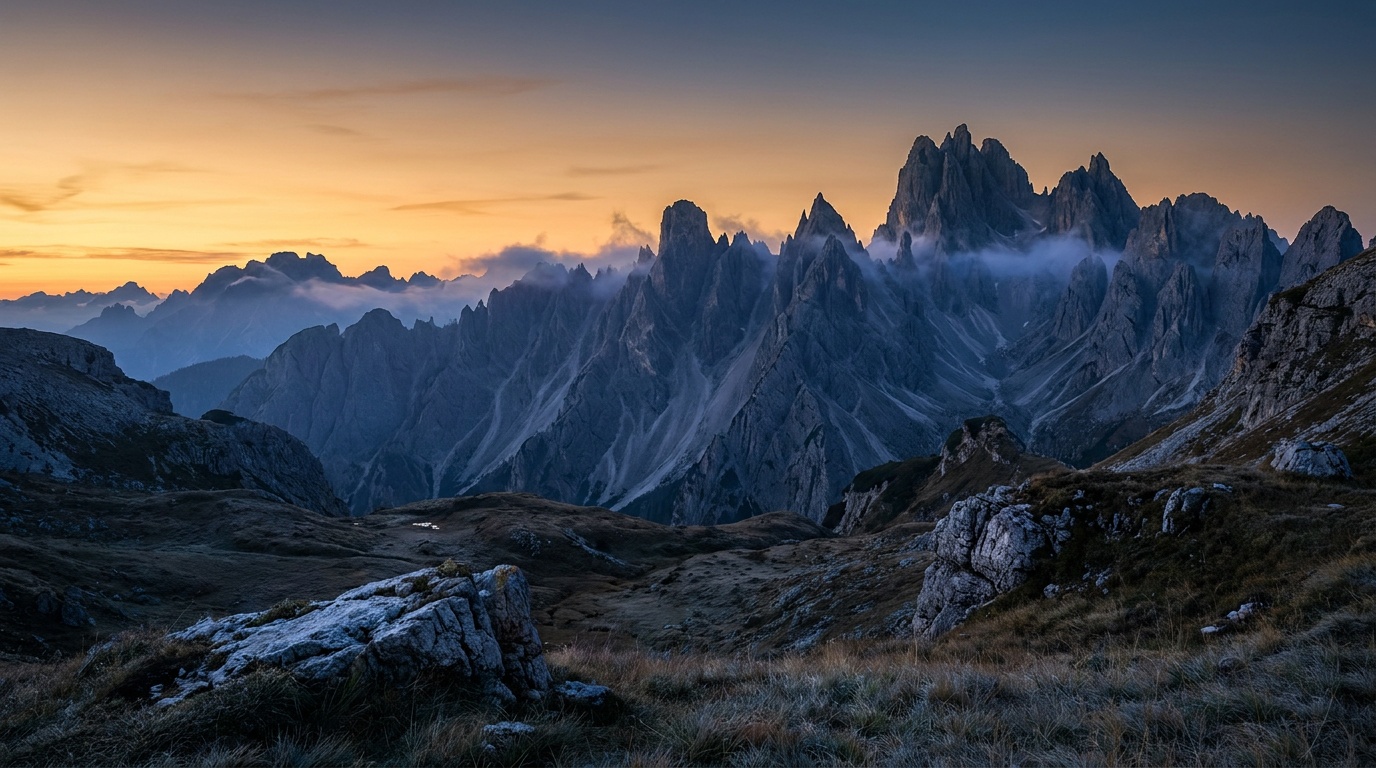
Three things matter most for landscapes. Resolution, because detail is the currency: 40 MP and up resolves distant texture and lets you print large or crop. Dynamic range, the camera's ability to hold highlight and shadow detail in a single exposure, which decides whether a sunrise looks natural or blown out and crushed. Weather sealing and battery life, because landscape work happens in the field, in the cold, far from power, often in conditions that punish unsealed gear.
After that, weigh in-body stabilization (useful for handheld and for high-resolution multi-shot modes), the lens system's wide-angle options, and whether you also shoot subjects that need speed. Our sensor sizes explained guide covers why a larger sensor gathers more tonal range.
The picks
Best for Resolution
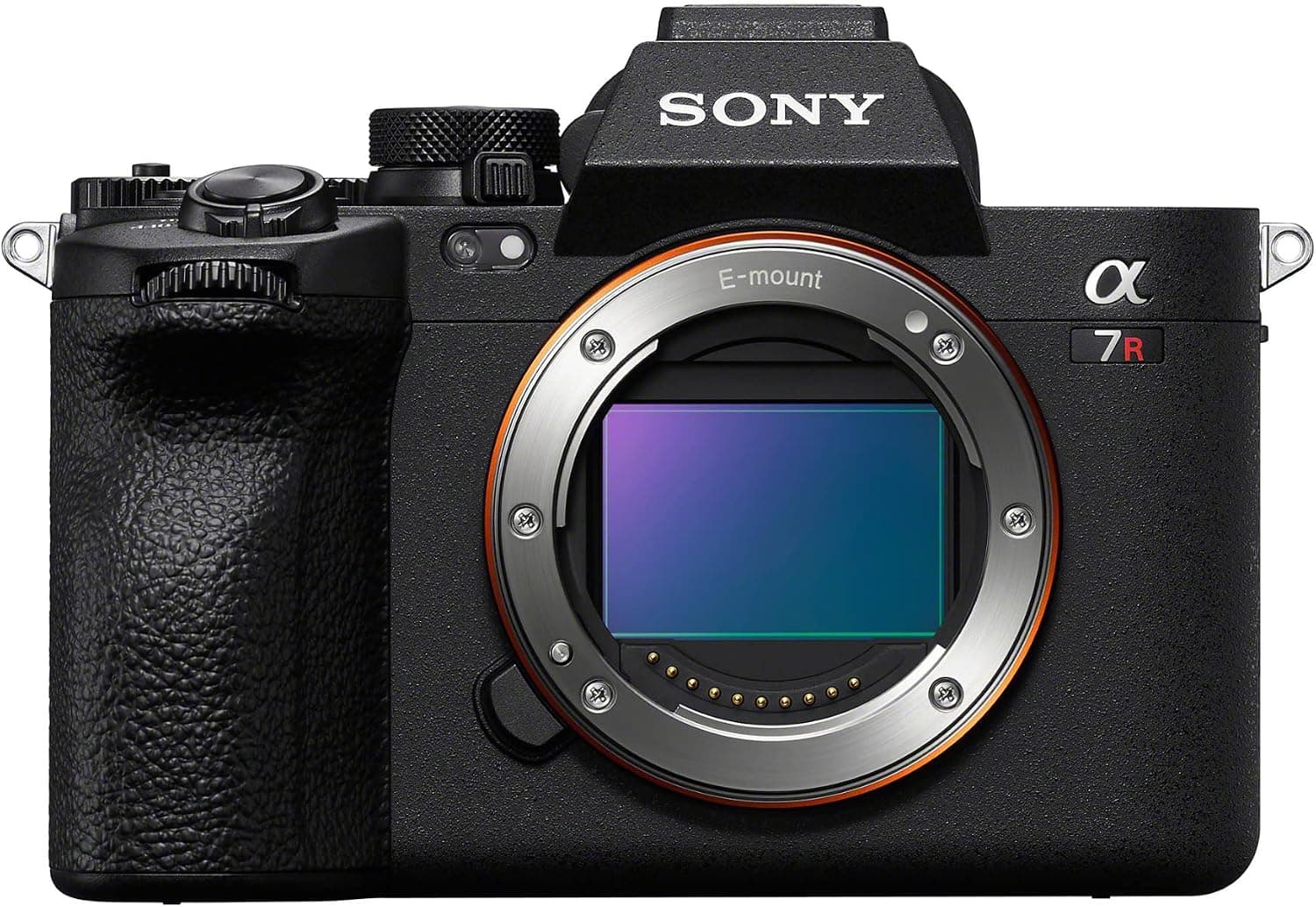
Sony a7R V
Landscape, studio, and commercial photographers who need maximum detail.
Check price at AmazonThe Sony a7R V is the best all-around landscape camera for most people. Its 61 MP sensor leaves substantial room for large prints and crops, and its pixel-shift mode can combine tripod-mounted frames for still scenes. The body has stabilization and a high-resolution viewfinder, while Sony E mount has broad first-party and third-party wide-angle coverage. It is not cheap, but it is a complete high-resolution body for a landscape shooter who wants one camera.
Manufacturer reference: Sony a7R V official specifications.
Research pick
Fujifilm GFX100S II
Landscape and studio photographers who need medium-format detail.
Check price at AmazonThe Fujifilm GFX100S II is the detail king. Its 102 MP larger-format sensor records very fine texture, and its pixel-shift mode can create a 400 MP composite when the camera and subject remain still. It is slower to work with and the lenses are larger and pricier, but it rewards deliberate tripod use and very large output. Choose it when resolution is the goal and you have time to work the scene.
Manufacturer reference: Fujifilm GFX100S II official specifications.
Best for Professionals
Nikon Z8
Professionals who want Z9 performance in a more portable body.
Check price at AmazonThe Nikon Z8 is the landscape pick for shooters who also chase wildlife or want speed in reserve. Its 45 MP stacked sensor delivers high resolution and wide dynamic range with the fast readout and tenacious autofocus of a flagship, all in a weather-sealed body. You give up a little resolution versus the a7R V and the GFX, but you gain the ability to switch from a still mountain to a flying bird without changing cameras. It is the most versatile body on this list.
Manufacturer reference: Nikon Z8 official specifications.
Research pick
Canon EOS R5 Mark II
Professionals who need high resolution plus speed and 8K video.
Check price at AmazonThe Canon EOS R5 Mark II is the balanced hybrid for Canon shooters. Its 45 MP sensor resolves plenty of detail with strong dynamic range, the body is weather-sealed and quick, and the video and autofocus are excellent, so one camera covers landscapes, travel, and motion. For a Canon RF shooter who wants high resolution without giving up speed or video, it is the natural choice and pairs well with the RF wide-angle line.
Manufacturer reference: Canon EOS R5 Mark II official specifications.
Best for Photography
Fujifilm X-T5
Stills photographers who value detail, controls, and film simulations.
Check price at AmazonThe Fujifilm X-T5 is the value standout and the lightweight landscape body. Its 40 MP APS-C sensor resolves a surprising amount of detail for the size and price, the dedicated dials make manual exposure fast and tactile, and the film simulations give finished color in camera. It is weather-sealed and light enough to carry up a peak without a second thought. The smaller sensor gives up some dynamic range and high-ISO headroom versus full-frame, which is the fair trade for the portability and price.
Manufacturer reference: Fujifilm X-T5 official specifications.
Common mistakes
The most common one is chasing megapixels and ignoring technique. High resolution shows every flaw, so a sturdy tripod, a remote or self-timer release, and careful focus matter more than the last few megapixels; a soft 61 MP file resolves less real detail than a sharp 40 MP one. The second is blowing out the sky; meter for the highlights, shoot to the right of the histogram without clipping, and bracket or use a graduated filter when the range exceeds the sensor. The third is leaving the camera at base ISO but a slow shutter without stabilization in wind, which smears foliage; raise ISO a little or wait for a lull. The landscape photography guide and the long exposure photography walkthrough cover the field craft.
Do I need medium format for landscapes?
No, but it is the ceiling for image quality. A full-frame body like the a7R V resolves detail and dynamic range that satisfies almost every landscape shooter and prints large beautifully. Medium format, like the GFX100S II, gathers even more tonal range and detail, which matters for very large prints and the most demanding work, at the cost of size, speed, and price. For most people, a high-resolution full-frame body is the smarter buy.
How much dynamic range do I need?
Enough to hold a bright sky and a shadowed foreground in one frame, which the modern full-frame and medium-format bodies here do well. When a scene exceeds even that range (a sunrise directly into the lens, for instance), you bracket several exposures and blend them, or use a graduated ND filter to darken the sky. Dynamic range buys you latitude, but technique handles the extreme cases.
Is APS-C good enough for landscapes?
Yes, especially the high-resolution crop bodies like the X-T5. You give up some dynamic range and high-ISO headroom versus full-frame, but in good light on a tripod, a 40 MP APS-C body resolves plenty of detail and weighs far less to carry into the field. For travel and hiking landscapes where weight matters, it is an excellent choice; for the most demanding tonal range, full-frame or medium format pulls ahead.
Compare picks
The short version
Use this to narrow the list before opening the detailed cards.
Scores weigh fit, owner sentiment, build, and value. Affiliate links do not change pick order. Methodology
Buying order
Start with the skip note. A good deal on the wrong camera is still the wrong camera.
Compare verdictsIf you already own lenses, check the system path before buying into a new mount.
Check systemsOnce the fit makes sense, compare current deals and retailer listings.
Check current dealsCamera system shortcut
If you already own one of these systems, keep the comparison inside that ecosystem before checking out.
Autofocus hybrid kits
Simple camera paths
Stills-first Z kits
APS-C travel kits
Landscape, studio, and commercial photographers who need maximum detail.
Use the retailer for the current price after the tradeoff makes sense. Confirm lens mount, sensor format, battery, charger, and kit contents.
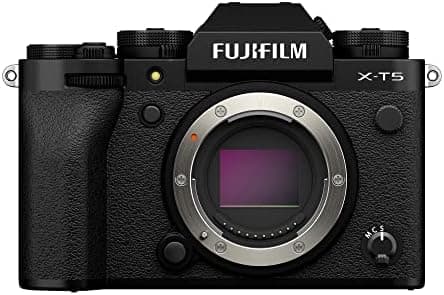
Tradeoff: High pixel count demands sharp lenses
Use the retailer for the current price after the tradeoff makes sense. Confirm lens mount, sensor format, battery, charger, and kit contents.
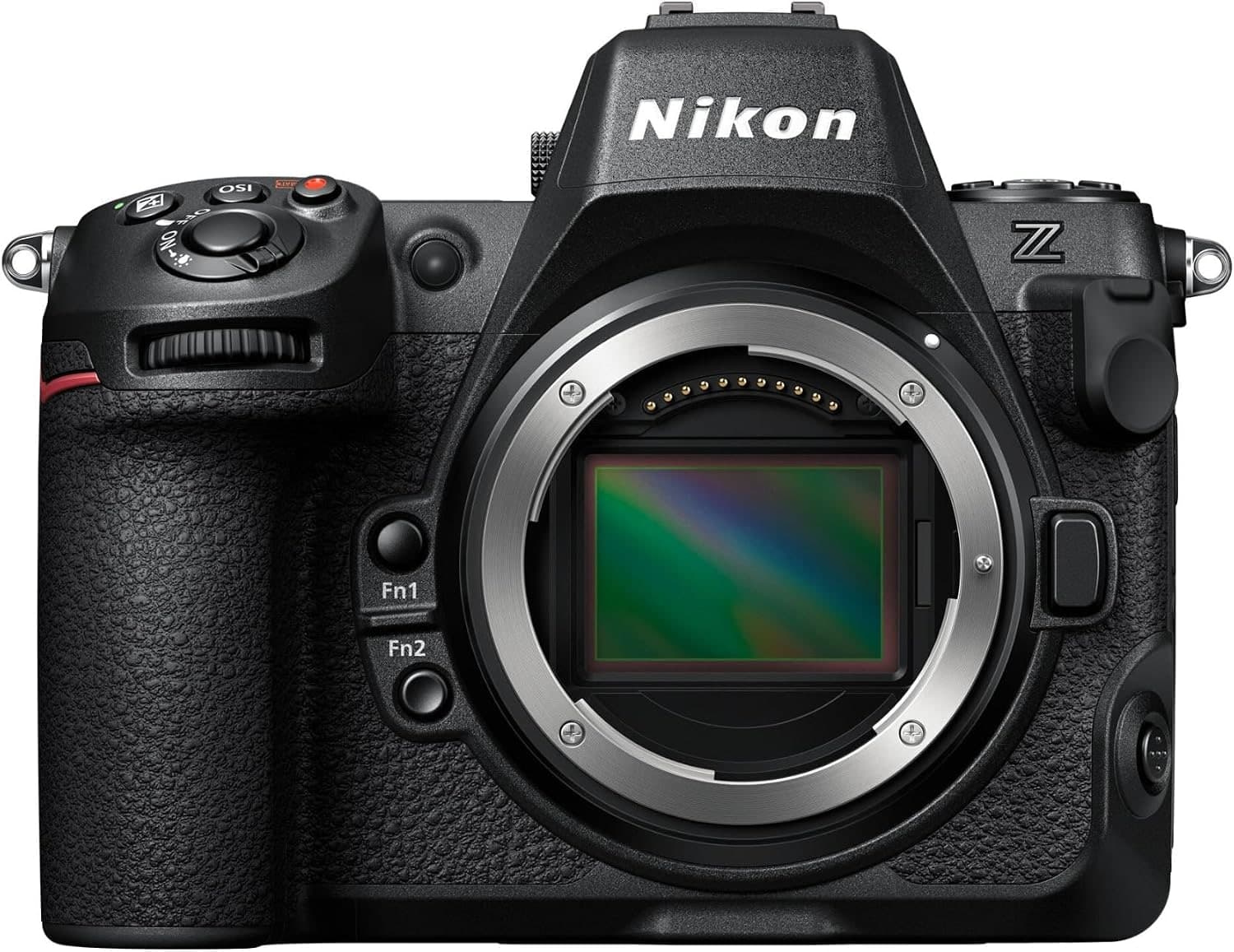
9.4/10 Aperture Score
Use the retailer for the current price after the tradeoff makes sense. Confirm lens mount, sensor format, battery, charger, and kit contents.
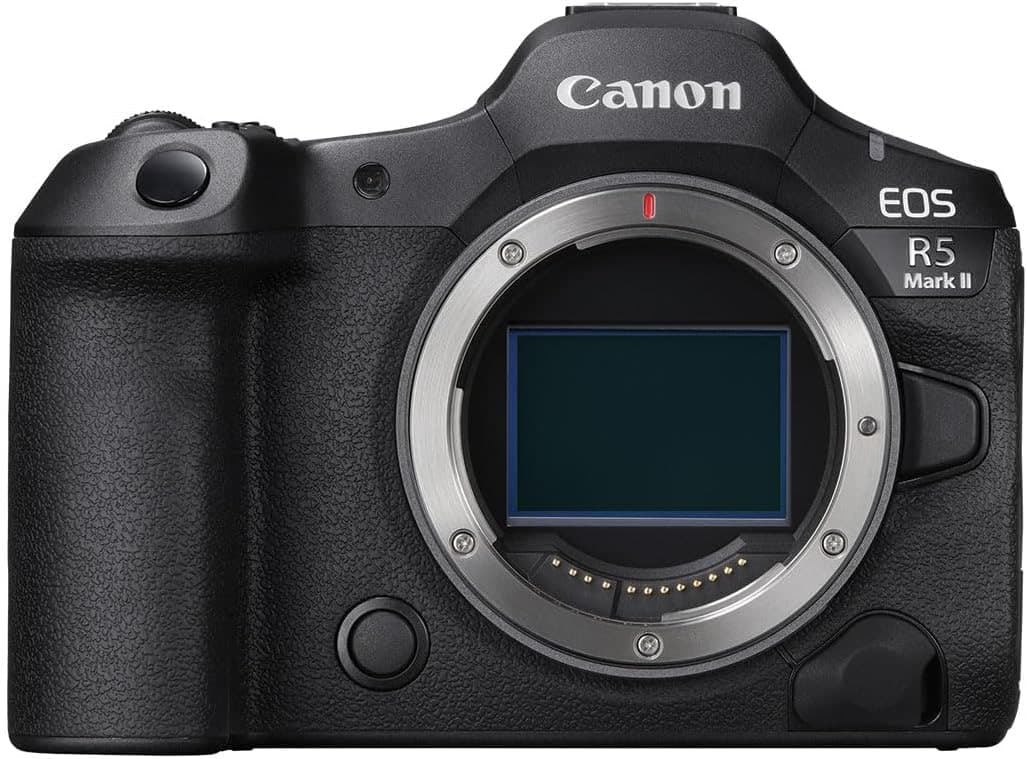
Professionals who need high resolution plus speed and 8K video.
Use the retailer for the current price after the tradeoff makes sense. Confirm lens mount, sensor format, battery, charger, and kit contents.
Price ladder
The useful range here runs from $2,115 to $5,650. Start with the ceiling that matches the assignment.
- Landscape, studio, and commercial photographers who need maximum detail.
- 61 MP files with extensive detail and crop room
- Large files demand fast cards and storage
Use the retailer for the current price after the tradeoff makes sense. Confirm lens mount, sensor format, battery, charger, and kit contents.
- Landscape and studio photographers who need medium-format detail.
- Very high resolution and tonal depth
- Autofocus and burst lag full-frame rivals
Use the retailer for the current price after the tradeoff makes sense. Confirm lens mount, sensor format, battery, charger, and kit contents.
- Professionals who want Z9 performance in a more portable body.
- 45.7 MP stacked sensor with fast readout
- Heavier than entry full-frame bodies
Use the retailer for the current price after the tradeoff makes sense. Confirm lens mount, sensor format, battery, charger, and kit contents.
- Professionals who need high resolution plus speed and 8K video.
- 45 MP stacked sensor with fast readout
- High price
Use the retailer for the current price after the tradeoff makes sense. Confirm lens mount, sensor format, battery, charger, and kit contents.
- Stills photographers who value detail, controls, and film simulations.
- High 40 MP resolution for an APS-C sensor
- High pixel count demands sharp lenses
Use the retailer for the current price after the tradeoff makes sense. Confirm lens mount, sensor format, battery, charger, and kit contents.
| Pick | Score | Price | Verdict | Action |
|---|---|---|---|---|
| Best for ResolutionSony a7R V | 9.2
| $3,298 - $3,498 | Landscape, studio, and commercial photographers who need maximum detail. Wins: 61 MP files with extensive detail and crop room Skip: Large files demand fast cards and storage | Check Amazon · $3,298 - $3,498 Use the retailer for the current price after the tradeoff makes sense. Confirm lens mount, sensor format, battery, charger, and kit contents. |
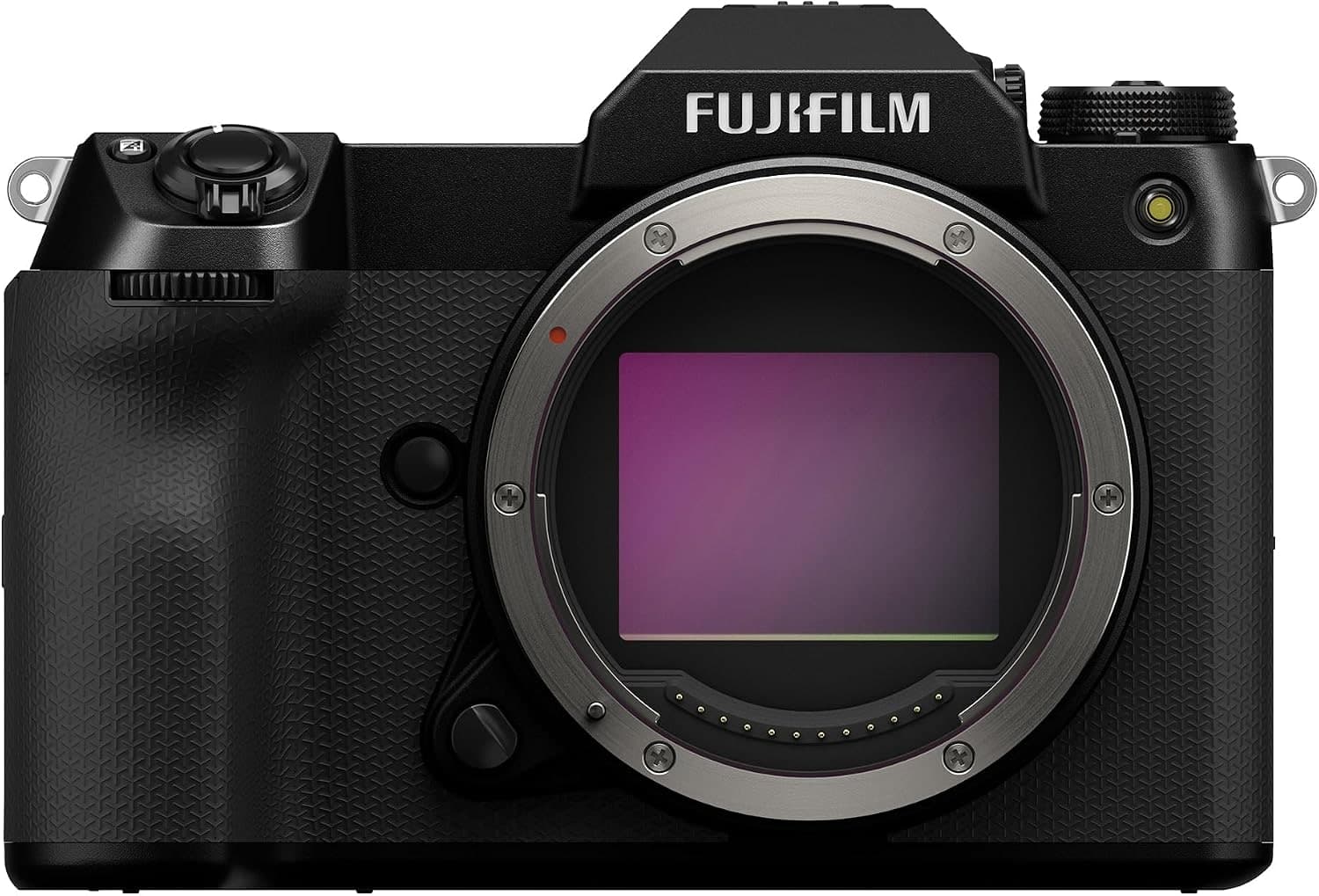 PickFujifilm GFX100S II PickFujifilm GFX100S II | 9.2
| $5,500 - $5,800 | Landscape and studio photographers who need medium-format detail. Wins: Very high resolution and tonal depth Skip: Autofocus and burst lag full-frame rivals | Check Amazon · $5,500 - $5,800 Use the retailer for the current price after the tradeoff makes sense. Confirm lens mount, sensor format, battery, charger, and kit contents. |
| Best for ProfessionalsNikon Z8 | 9.4
| $3,550 - $4,050 | Professionals who want Z9 performance in a more portable body. Wins: 45.7 MP stacked sensor with fast readout Skip: Heavier than entry full-frame bodies | Check Amazon · $3,550 - $4,050 Use the retailer for the current price after the tradeoff makes sense. Confirm lens mount, sensor format, battery, charger, and kit contents. |
| PickCanon EOS R5 Mark II | 9.3
| $4,200 - $4,400 | Professionals who need high resolution plus speed and 8K video. Wins: 45 MP stacked sensor with fast readout Skip: High price | Check Amazon · $4,200 - $4,400 Use the retailer for the current price after the tradeoff makes sense. Confirm lens mount, sensor format, battery, charger, and kit contents. |
| Best for PhotographyFujifilm X-T5 | 9.0
| $1,990 - $2,240 | Stills photographers who value detail, controls, and film simulations. Wins: High 40 MP resolution for an APS-C sensor Skip: High pixel count demands sharp lenses | Check Amazon · $1,990 - $2,240 Use the retailer for the current price after the tradeoff makes sense. Confirm lens mount, sensor format, battery, charger, and kit contents. |
Shoot kits
Buy around the job, not the spec sheet
Travel landscape
Travel landscape kit
$4,465
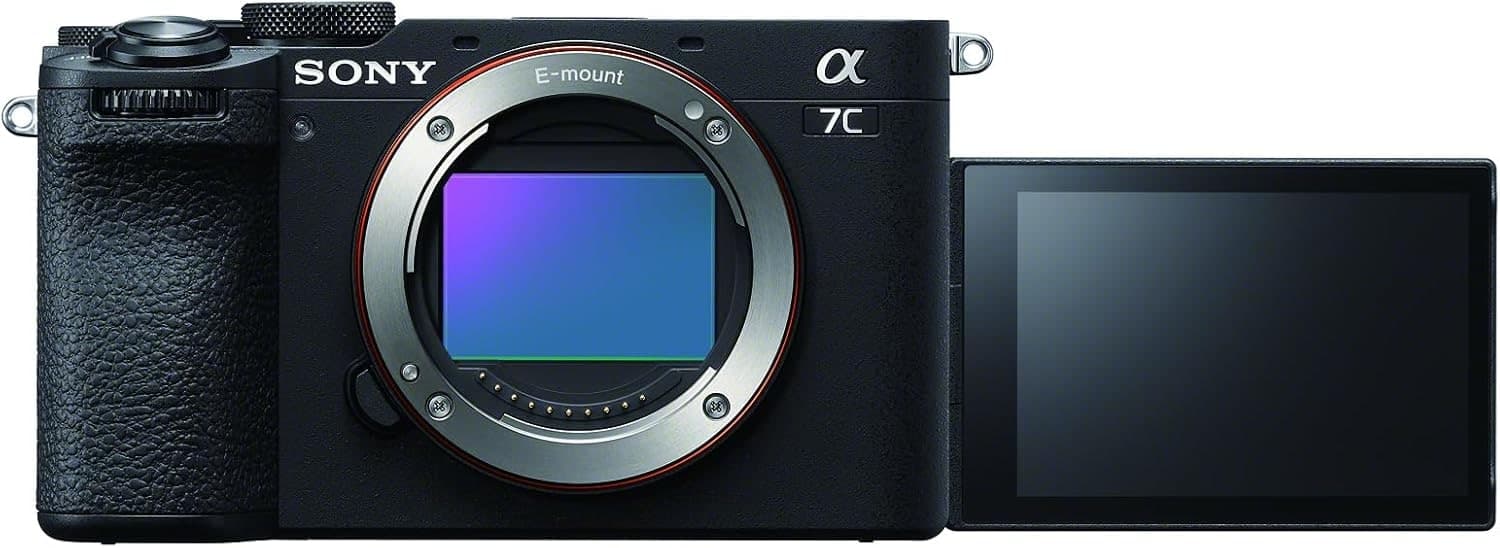
A light full-frame body, wide zoom, serious travel tripod, filters, and a bag that can handle rough days outside.
Light but not flimsy
Buy order: start with the first piece that makes the job possible, then add the support pieces that remove friction.
Camera: start here. If this piece does not make the shoot easier, the rest of the kit can wait.
Carry: add it after the core setup proves useful.
Sony a7C II
Full-frame files in a smaller body, with autofocus and stabilization that travel well.
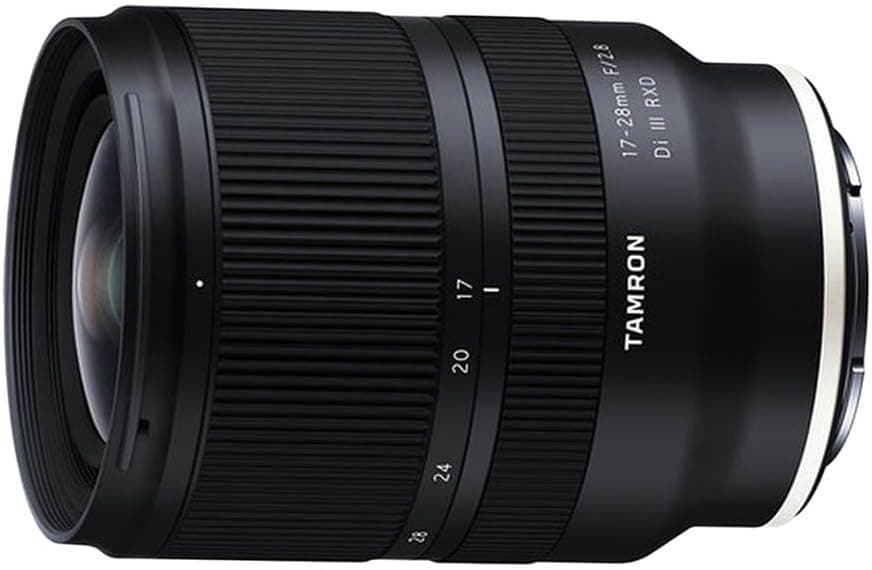
Tamron 17-28mm f/2.8 Di III RXD
Wide enough for landscapes and interiors without the size of a premium 16-35mm.
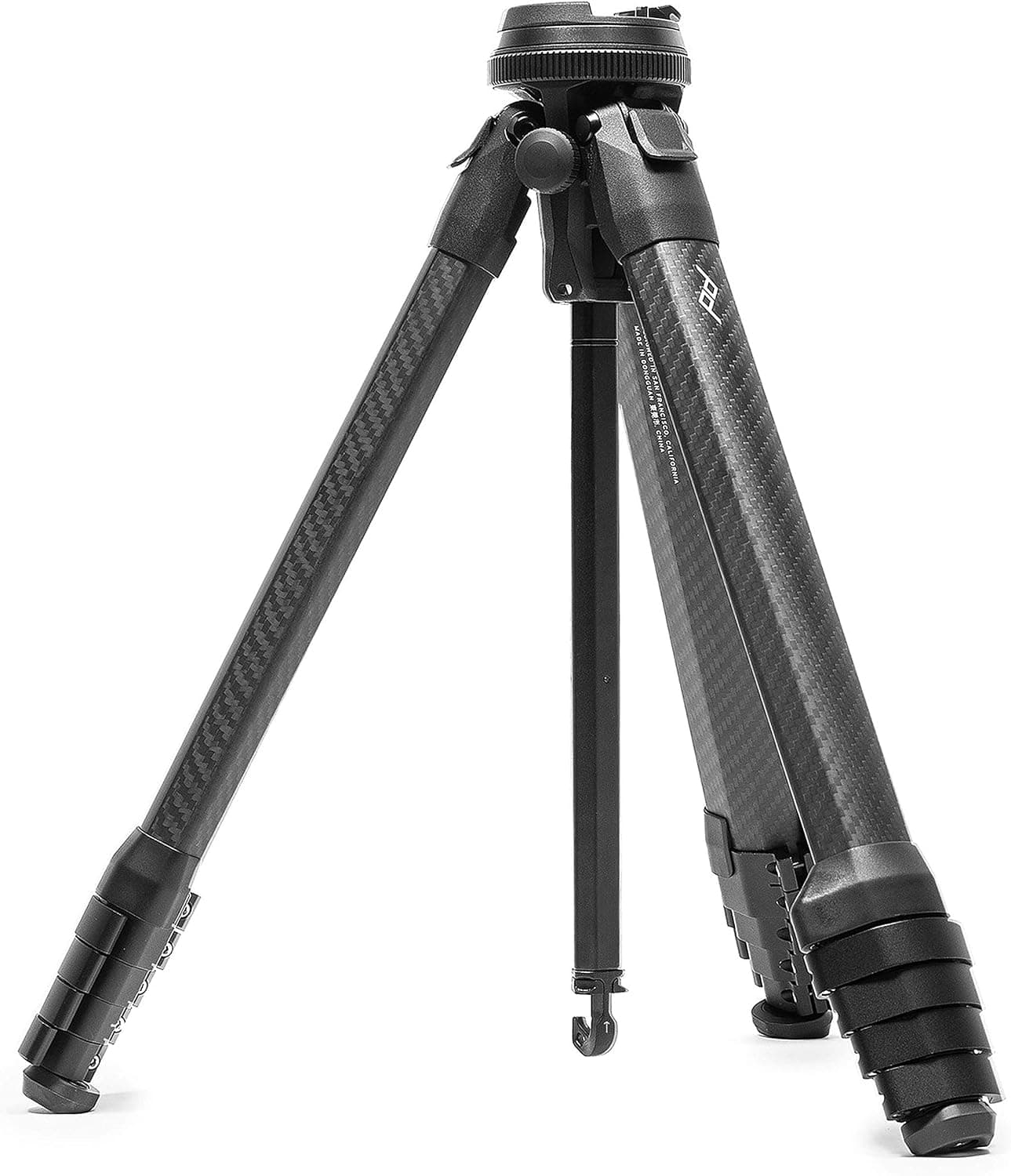
Peak Design Travel Tripod (Carbon)
The point of a travel tripod is bringing it. This one packs small and stays serious.
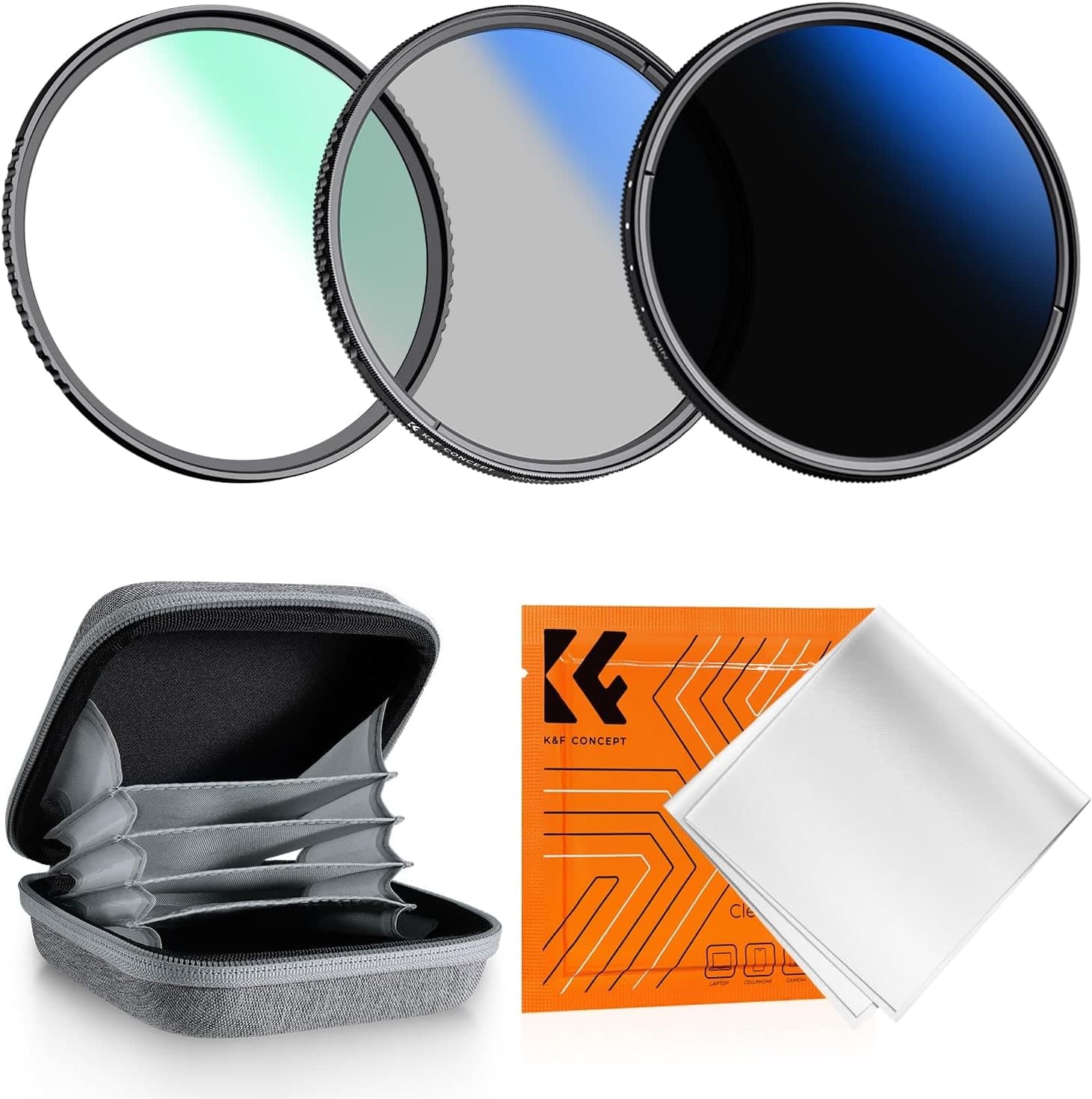
K&F Concept 77mm UV/CPL/ND2-400 Filter Kit
CPL and ND coverage for water, skies, reflections, and slower shutters.
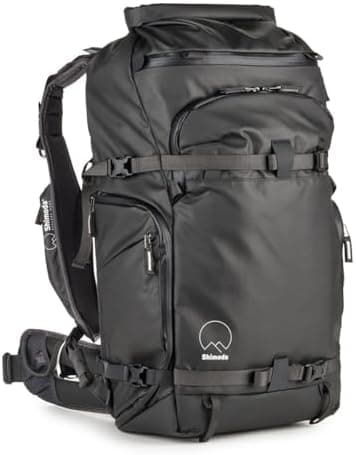
Shimoda Action X30 V2
A real harness matters once camera gear and outdoor layers share the same bag.
Prices are rough catalog totals. Retailer prices change, and you can swap pieces to fit your system.
Related Gear guides
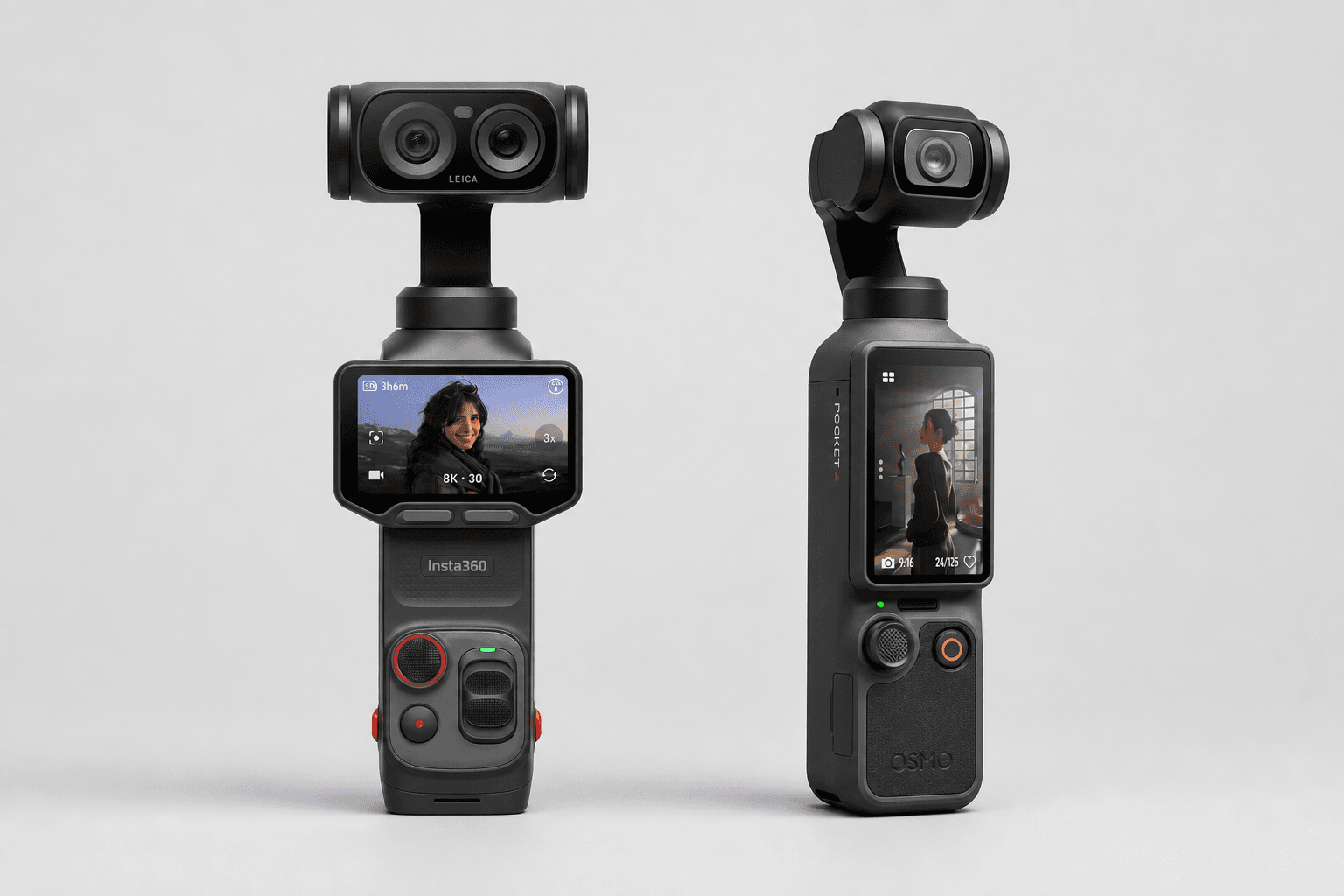
Insta360 Luna Ultra vs DJI Osmo Pocket 4: Which Pocket Gimbal Should You Buy?
Compare Luna Ultra and DJI Pocket 4 by lenses, video, Log formats, storage, U.S. availability, and the filming jobs each pocket gimbal handles best.
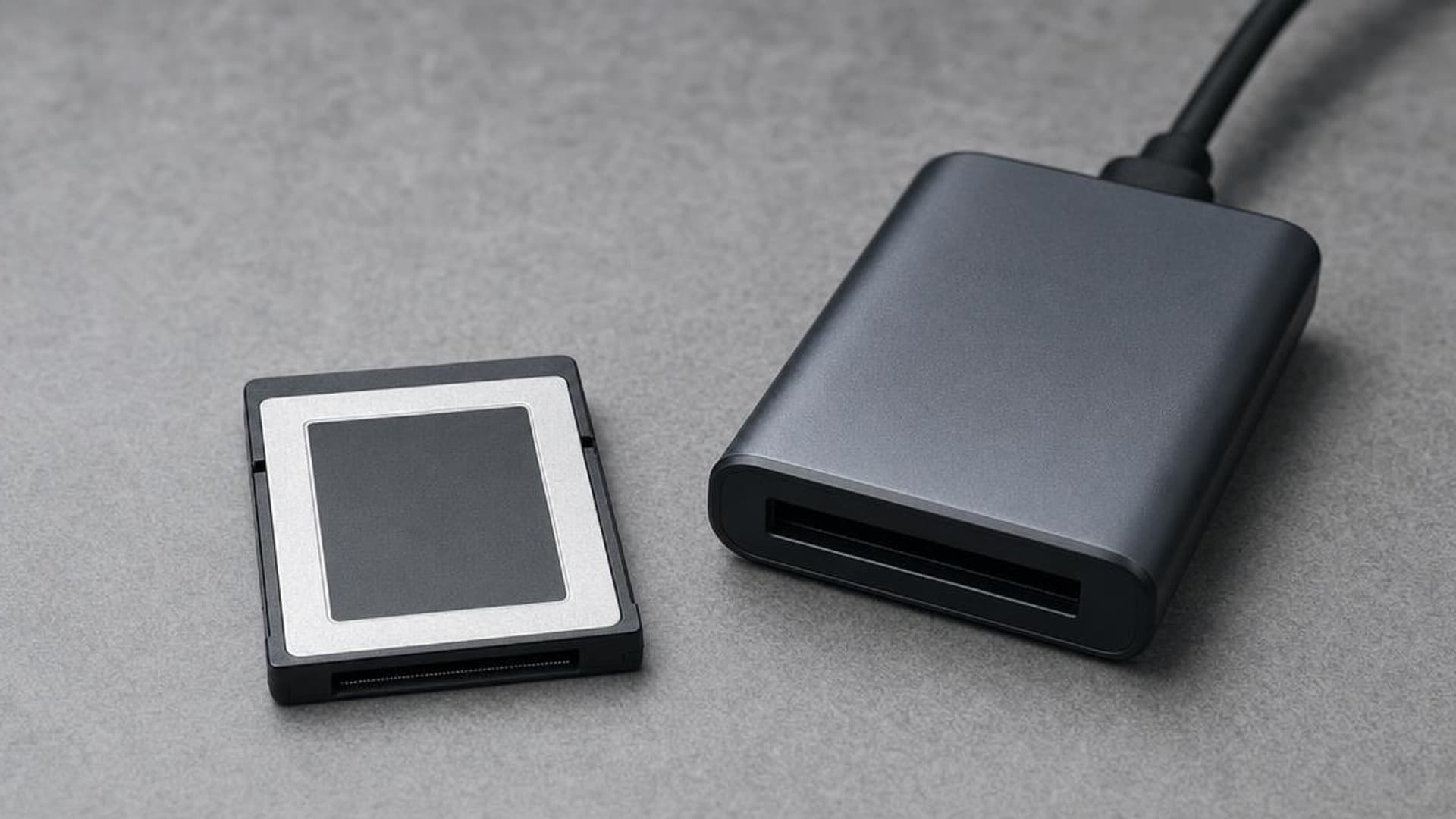
CFexpress 4.0 and VPG Explained: Buy the Card Your Camera Needs
CFexpress 4.0 doubles theoretical bandwidth, while VPG certifies sustained video writes. Learn Type A vs B, VPG classes, and when 4.0 is worth paying for.
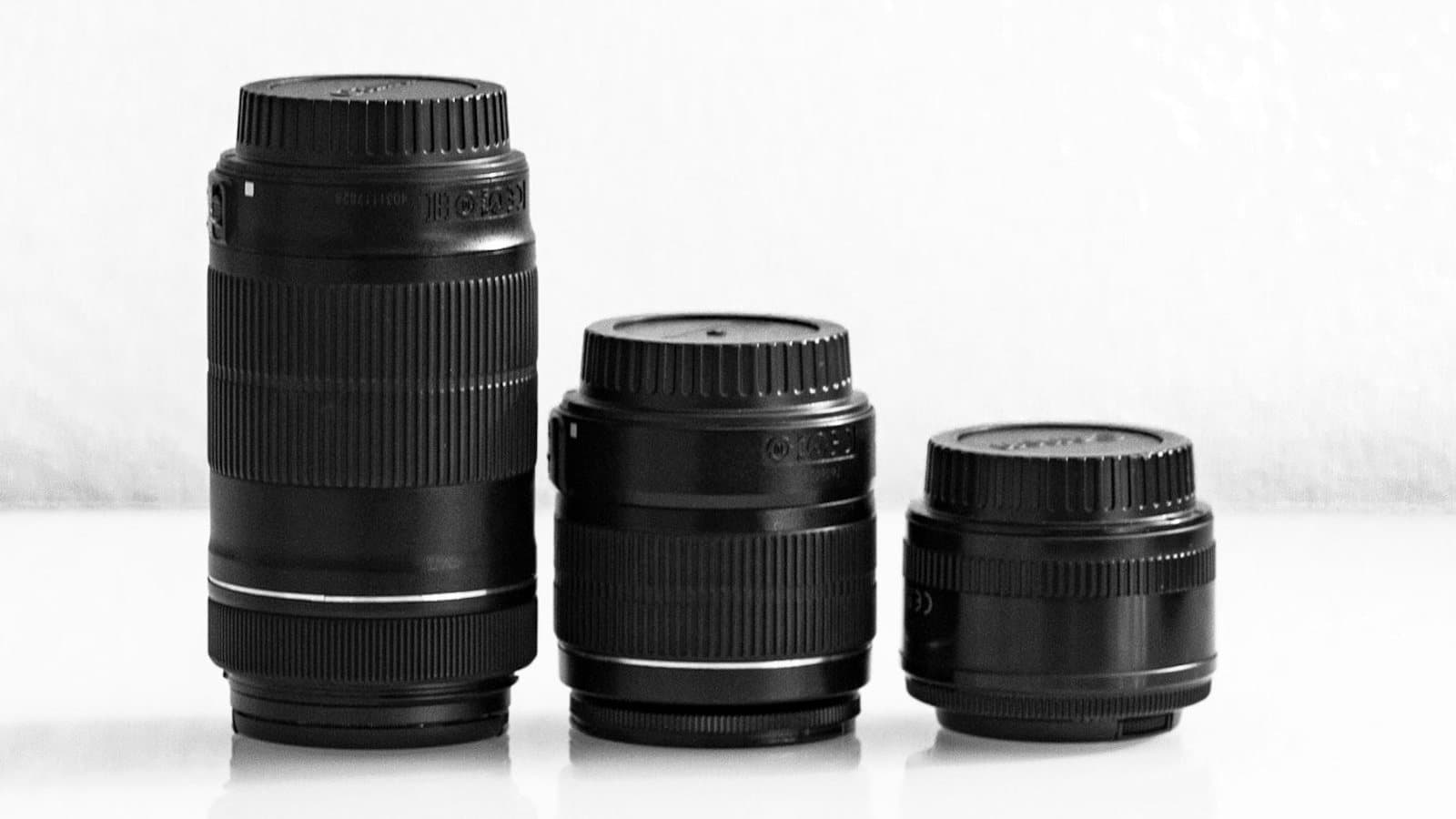
Focal Length Explained: What 24mm, 50mm, 85mm, and 200mm Actually Do
What the millimeter number on a lens changes in the field: angle of view, compression, and working distance. When to reach for 24, 50, 85, or 200mm.
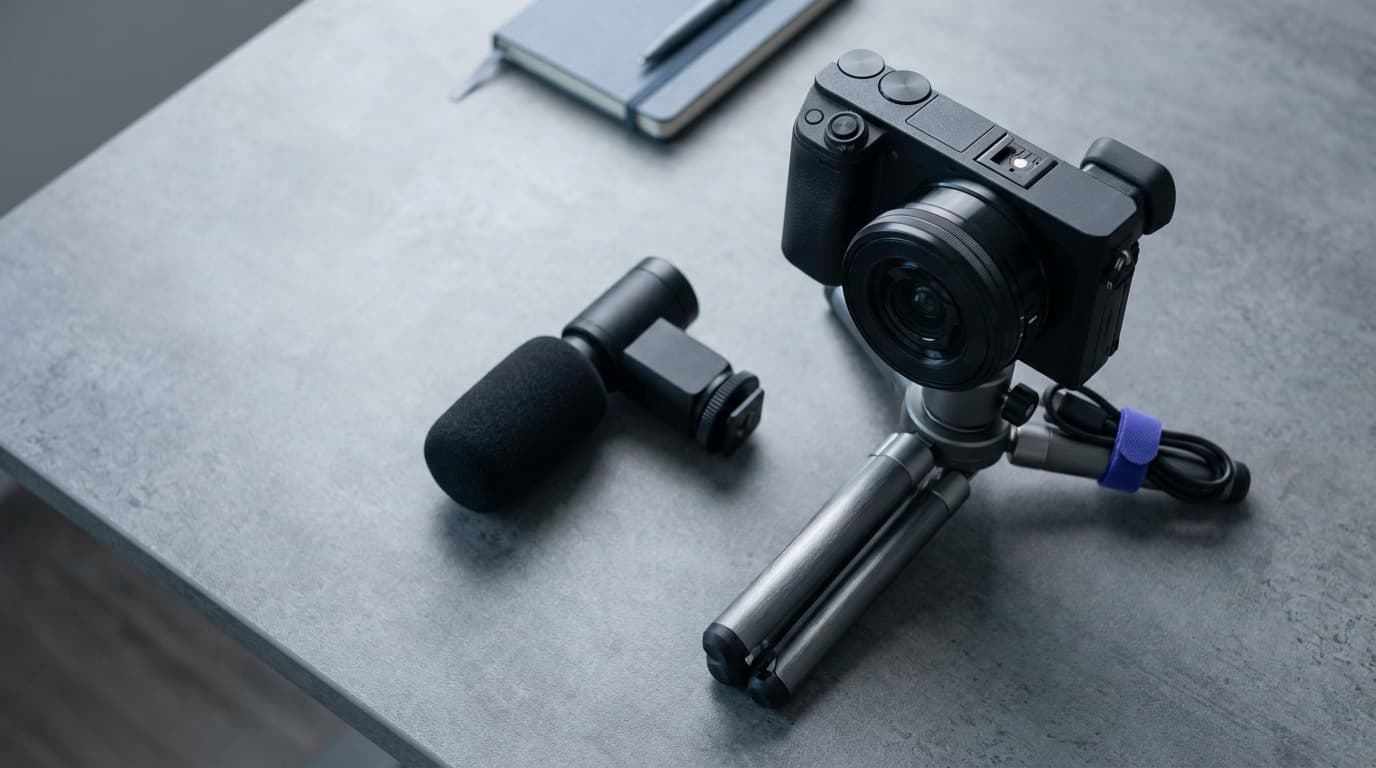
Canon EOS R50 V vs Sony ZV-E10 II: Which Beginner Vlogging Camera Should You Buy?
Canon EOS R50 V is the easier beginner creator kit. Sony ZV-E10 II is the deeper lens-system pick. Compare the practical tradeoffs.
Researched, not personally tested: picks compare specifications, available owner feedback, and established expert sources. As an Amazon Associate I earn from qualifying purchases. We may earn a commission from links here, at no extra cost to you. How we research →