We may earn a commission from links on this page, at no extra cost to you. Picks are researched, not sponsored.
A shotgun microphone is highly directional: it picks up sound from where you point it and rejects much of what comes from the sides. That makes it the standard tool for capturing clean dialogue in video, whether mounted on top of a camera or held just out of frame on a boom pole. The right one depends mainly on how you plan to use it and whether you can supply phantom power.
If audio is new to you, our best field recorders guide covers what records the signal, and our best wireless microphone systems guide covers the clip-on alternative. For settings, the exposure triangle covers the visual side of the same shoot.
How to choose
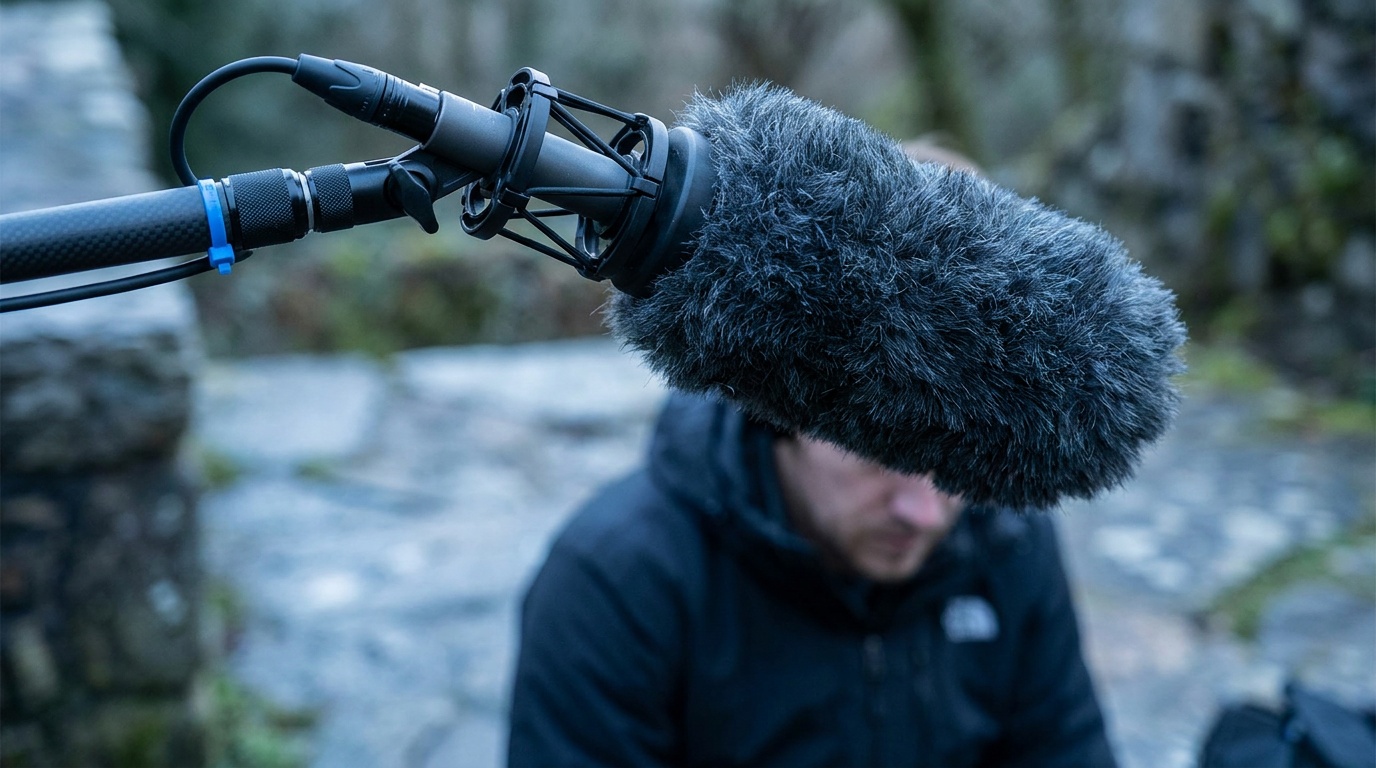
Start with how you will mount the mic. An on-camera shotgun is convenient and self-powered, but because it sits far from the subject it picks up more room sound. A boom shotgun, held close on a pole just out of frame, gives far cleaner dialogue but needs a second person or a stand and a recorder with phantom power. Decide this first, because it points you to different mics.
Then think about powering. Many professional shotguns need 48V phantom power from a recorder or camera with XLR inputs. On-camera mics and some flexible models run on a built-in battery or USB instead, so they work with any camera. If you do not have phantom power, choose a mic that supplies its own.
After that, weigh self-noise and off-axis sound. Self-noise is the quiet hiss a mic adds; a lower figure means cleaner recordings, which matters most for quiet dialogue. Off-axis rejection determines how well the mic ignores sound from the sides; a focused, natural-sounding off-axis response keeps the recording usable. Last, consider weight if you boom: a lighter mic is much easier to hold steady at the end of a pole for a long take.
The picks
Best Overall
Rode NTG5
Booming dialogue and interviews that need broadcast-clean audio.
Check price at AmazonThe Rode NTG5 is the best all-round pick. It weighs 76 grams, uses 48V phantom power, and ships with a location kit that includes a shock mount, windshield, and pistol grip. It does not record on its own, but as a light mic that works on a boom or stand, it covers most dialogue setups well.
Manufacturer reference: Rode NTG5 official specifications.
Best for Boom Ops
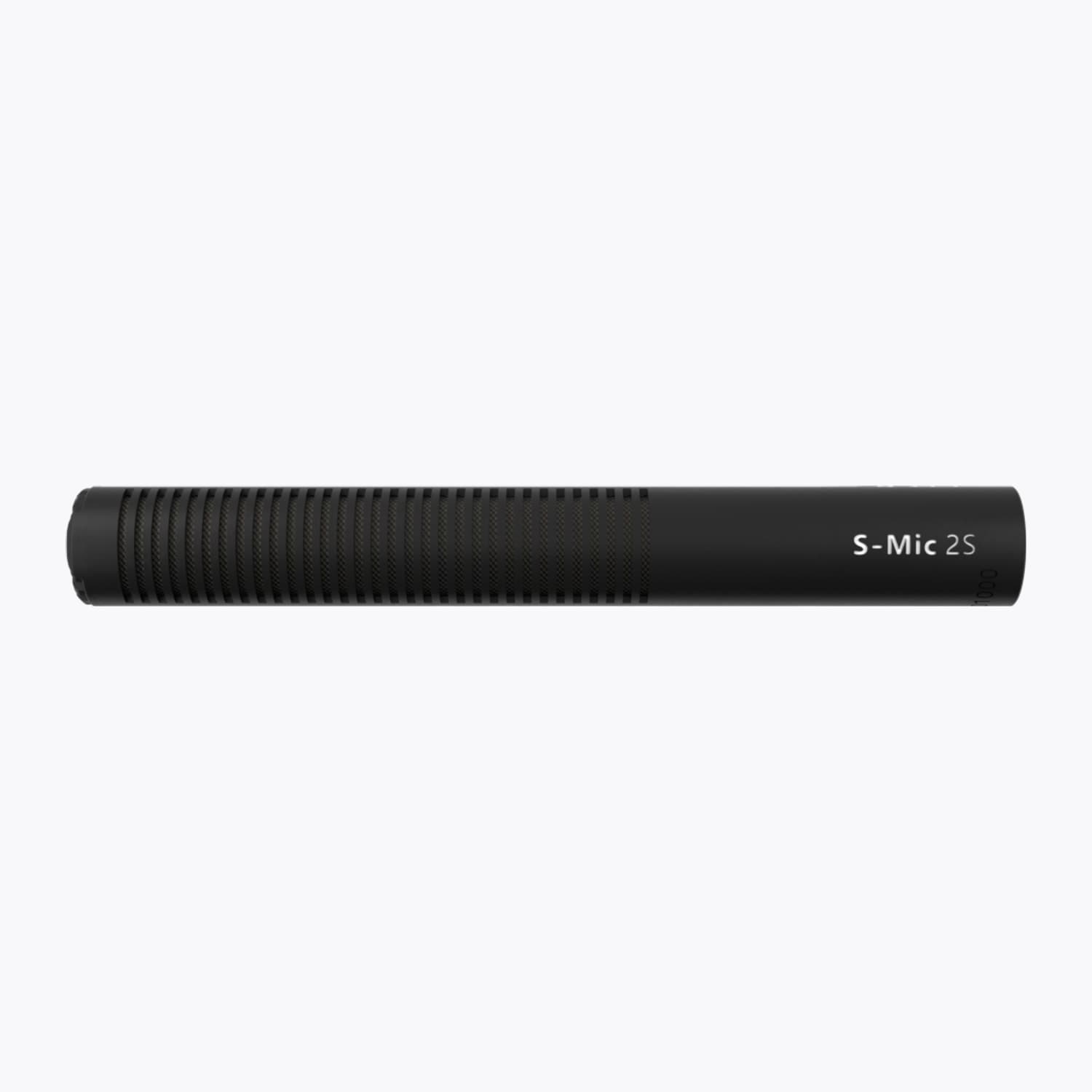
Deity S-Mic 2S
Sound recordists who want clean boomed dialogue for less.
Check price at AmazonThe Deity S-Mic 2S is the value indoor boom pick. Its short body is easier to place in tight rooms, and Deity lists 15 dBA self-noise with a low-coloration off-axis response. It needs phantom power and the accessory bundle is plainer than the Rode, but it is a practical choice for seated interviews and indoor dialogue.
Manufacturer reference: Deity S-Mic 2S official specifications.
Best Professional
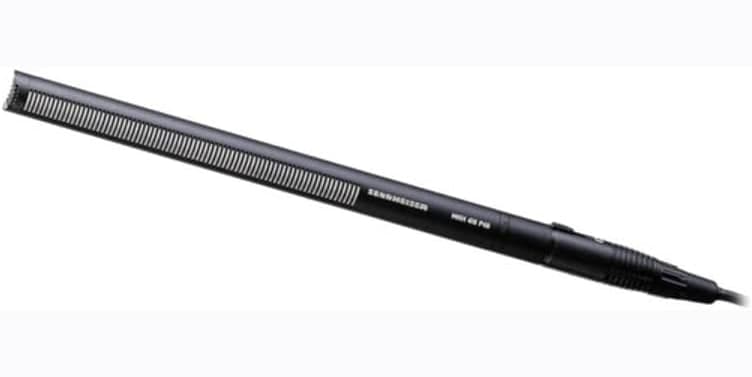
Sennheiser MKH 416
Professional film, broadcast, and voiceover work.
Check price at AmazonThe Sennheiser MKH 416 is the professional benchmark. Sennheiser positions it for film, radio, and television work, and its RF condenser design is built to remain usable in difficult climate conditions. It is expensive, weighs 175 grams, and needs 48V phantom power, but its established production track record makes it the conservative choice for paid location work.
Manufacturer reference: Sennheiser MKH 416 official specifications.
Best On-Camera
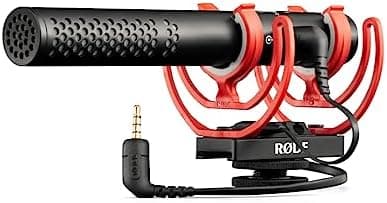
Rode VideoMic NTG
Run-and-gun creators who want pro sound mounted on the camera.
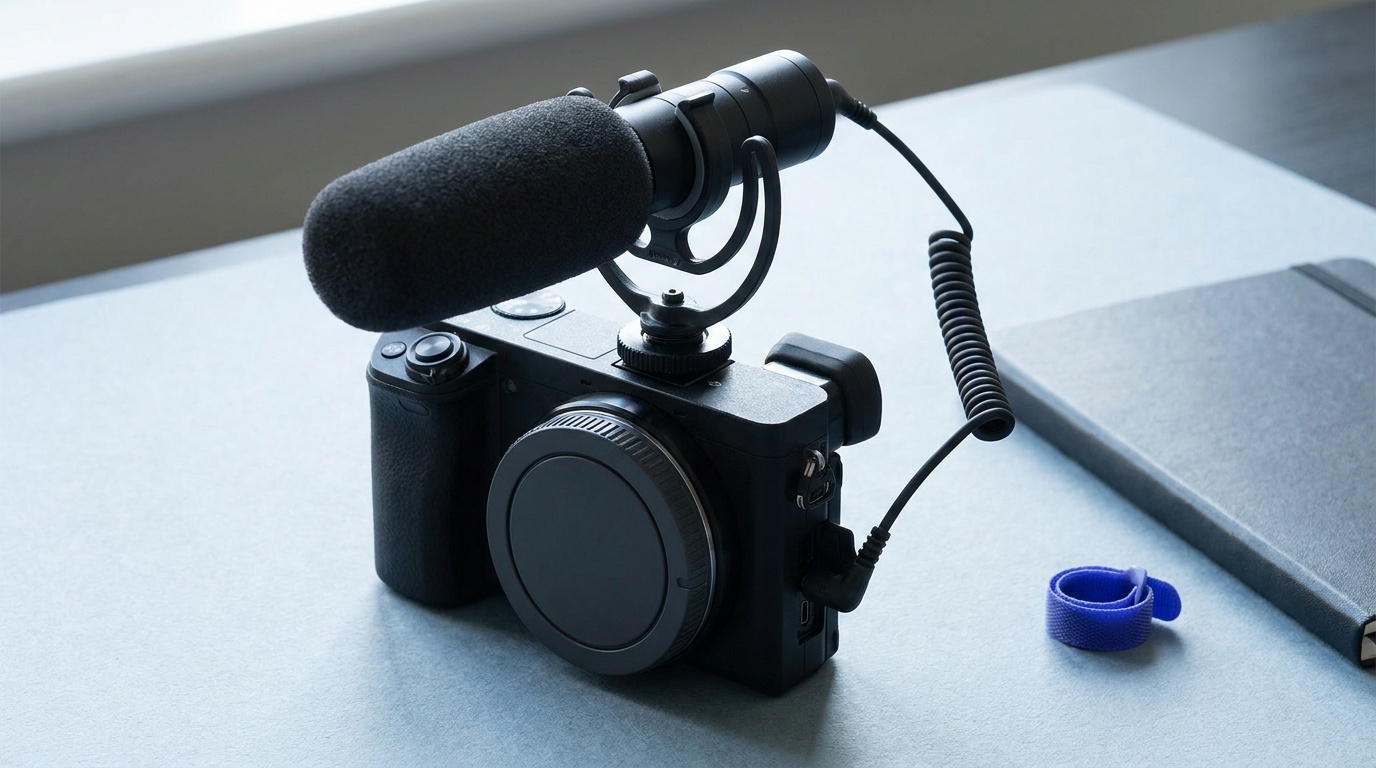
Check price at AmazonThe Rode VideoMic NTG is the best on-camera pick. It runs on a built-in rechargeable battery and outputs over both 3.5mm and USB, so it can move from a camera to a computer without another interface. Rode rates the battery for more than 30 hours. It is larger than a clip-on mic, but its flexible outputs suit solo and run-and-gun work.
Manufacturer reference: Rode VideoMic NTG official specifications.
Best Value
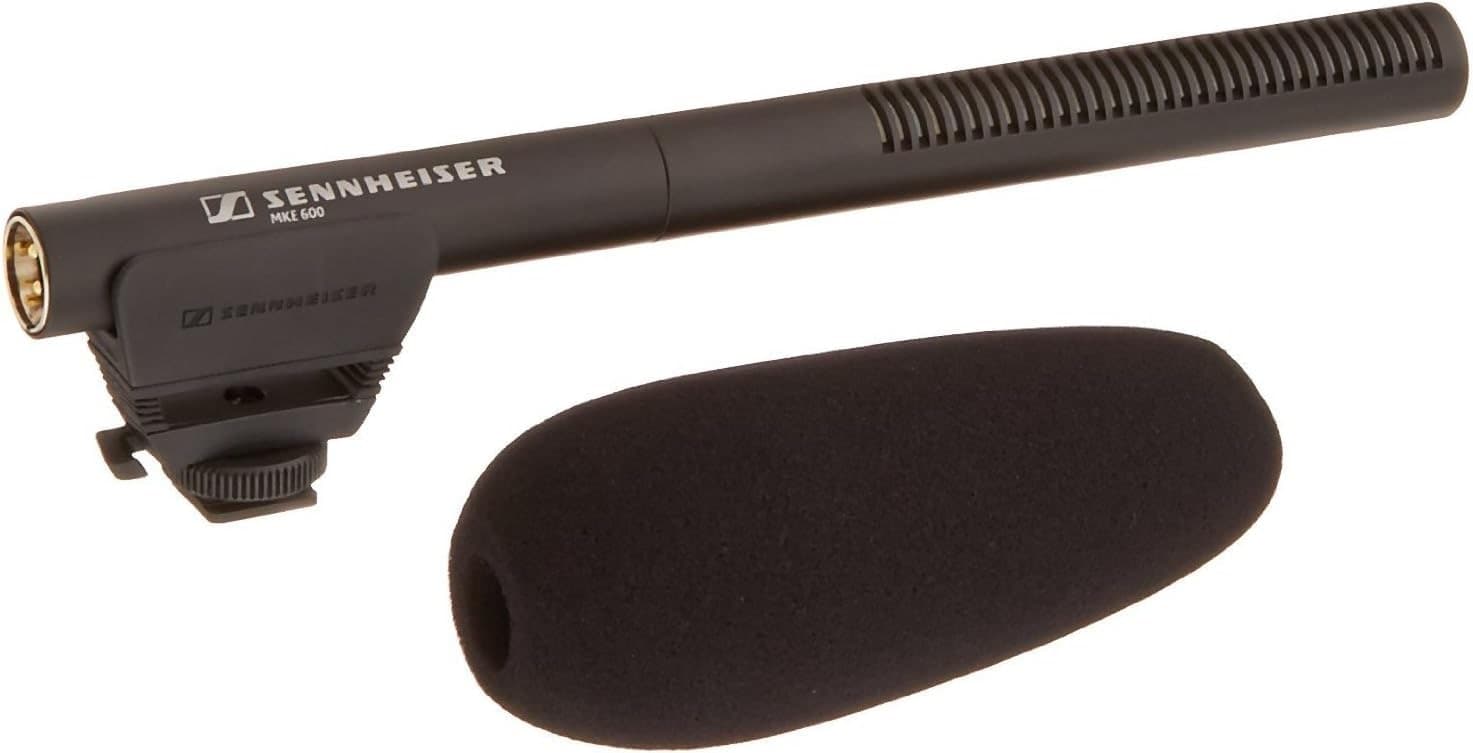
Sennheiser MKE 600
Shooters who want a flexible shotgun that does not always need phantom power.
Check price at AmazonThe Sennheiser MKE 600 is the flexible value pick. It runs on either 48V phantom power or one AA battery, and Sennheiser rates that battery mode for about 150 hours. It also has a switchable low-cut filter. At 128 grams it is heavier than the NTG5, but the dual-power design makes it useful for shooters who move between XLR recorders and simpler camera setups.
Manufacturer reference: Sennheiser MKE 600 official specifications.
Common mistakes
The most common one is leaving an on-camera shotgun far from the subject and expecting clean dialogue; distance is the enemy of good audio, so a boomed mic held close almost always sounds better. The second is buying a phantom-only mic without a recorder or camera that can supply 48V, which leaves the mic silent; check your power before you buy. The third is skipping wind protection. Even a light breeze ruins a recording, so a proper foam or fur windshield is not optional outdoors.
For recording the signal, our best field recorders guide pairs directly with these mics.
Should I put a shotgun mic on the camera or on a boom?
A boom almost always sounds better because it puts the mic close to the subject, which captures cleaner dialogue and less room noise. The trade-off is that you need a second person or a stand and usually a recorder with phantom power. An on-camera shotgun is far more convenient for solo run-and-gun work, but it sits farther away, so it picks up more of the room.
Do shotgun microphones need phantom power?
Many professional shotguns, like the Rode NTG5, Deity S-Mic 2S, and Sennheiser MKH 416, need 48V phantom power from a recorder or camera with XLR inputs. On-camera mics like the Rode VideoMic NTG supply their own power, and the Sennheiser MKE 600 can run on either phantom power or an AA battery. If you do not have phantom power, choose a self-powered mic.
What is self-noise and why does it matter?
Self-noise is the small amount of hiss a microphone produces on its own, before it captures any sound. A lower self-noise figure means cleaner recordings, which matters most when you record quiet dialogue or sound that you will amplify in editing. A noisy mic forces you to clean up the audio later, so low self-noise is worth paying for if you record quiet scenes.
Compare picks
The short version
Use this to narrow the list before opening the detailed cards.
Scores weigh fit, owner sentiment, build, and value. Affiliate links do not change pick order. Methodology
Buying order
Start with the skip note. A good deal on the wrong camera is still the wrong camera.
Compare verdictsIf you already own lenses, check the system path before buying into a new mount.
Check systemsOnce the fit makes sense, compare current deals and retailer listings.
Check current deals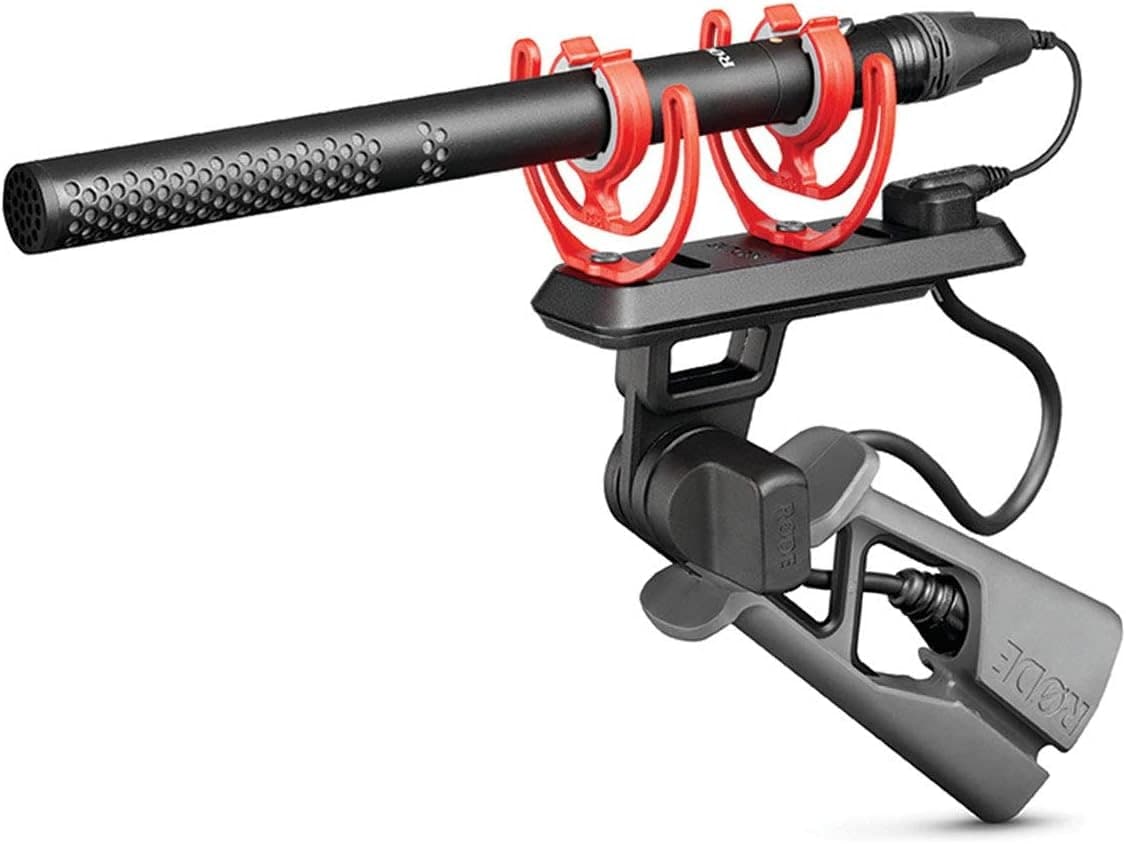
Booming dialogue and interviews that need broadcast-clean audio.
Use the retailer for the current price after the tradeoff makes sense. Confirm connector, recording format, power, and camera or phone compatibility.
Tradeoff: Heavier on a boom
Use the retailer for the current price after the tradeoff makes sense. Confirm connector, recording format, power, and camera or phone compatibility.
9.2/10 Aperture Score
Use the retailer for the current price after the tradeoff makes sense. Confirm connector, recording format, power, and camera or phone compatibility.
$219 - $279
Use the retailer for the current price after the tradeoff makes sense. Confirm connector, recording format, power, and camera or phone compatibility.
Price ladder
The useful range here runs from $249 to $999. Start with the ceiling that matches the assignment.
- Booming dialogue and interviews that need broadcast-clean audio.
- Natural full sound
- Needs phantom power
Use the retailer for the current price after the tradeoff makes sense. Confirm connector, recording format, power, and camera or phone compatibility.
- Sound recordists who want clean boomed dialogue for less.
- Low self-noise
- Needs phantom power
Confirm the exact model, seller, and price before buying. Confirm connector, recording format, power, and camera or phone compatibility.
- Professional film, broadcast, and voiceover work.
- Industry-standard sound
- Expensive
Use the retailer for the current price after the tradeoff makes sense. Confirm connector, recording format, power, and camera or phone compatibility.
- Run-and-gun creators who want pro sound mounted on the camera.
- Broadcast-grade sound on camera
- Needs charging
Use the retailer for the current price after the tradeoff makes sense. Confirm connector, recording format, power, and camera or phone compatibility.
- Shooters who want a flexible shotgun that does not always need phantom power.
- Runs on AA or phantom
- Heavier on a boom
Use the retailer for the current price after the tradeoff makes sense. Confirm connector, recording format, power, and camera or phone compatibility.
| Pick | Score | Price | Verdict | Action |
|---|---|---|---|---|
| Best OverallRode NTG5 | 9.0
| $459 - $529 | Booming dialogue and interviews that need broadcast-clean audio. Wins: Natural full sound Skip: Needs phantom power | Check Amazon · $459 - $529 Use the retailer for the current price after the tradeoff makes sense. Confirm connector, recording format, power, and camera or phone compatibility. |
 Best for Boom OpsDeity S-Mic 2S Best for Boom OpsDeity S-Mic 2S | 8.7
| $339 - $399 | Sound recordists who want clean boomed dialogue for less. Wins: Low self-noise Skip: Needs phantom power | Search Amazon Confirm the exact model, seller, and price before buying. Confirm connector, recording format, power, and camera or phone compatibility. |
| Best ProfessionalSennheiser MKH 416 | 9.2
| $899 - $1,099 | Professional film, broadcast, and voiceover work. Wins: Industry-standard sound Skip: Expensive | Check Amazon · $899 - $1,099 Use the retailer for the current price after the tradeoff makes sense. Confirm connector, recording format, power, and camera or phone compatibility. |
| Best On-CameraRode VideoMic NTG | 8.6
| $219 - $279 | Run-and-gun creators who want pro sound mounted on the camera. Wins: Broadcast-grade sound on camera Skip: Needs charging | Check Amazon · $219 - $279 Use the retailer for the current price after the tradeoff makes sense. Confirm connector, recording format, power, and camera or phone compatibility. |
| Best ValueSennheiser MKE 600 | 8.8
| $299 - $359 | Shooters who want a flexible shotgun that does not always need phantom power. Wins: Runs on AA or phantom Skip: Heavier on a boom | Check Amazon · $299 - $359 Use the retailer for the current price after the tradeoff makes sense. Confirm connector, recording format, power, and camera or phone compatibility. |
Shoot kits
Buy around the job, not the spec sheet
Video rig
Run-and-gun video rig
$4,201
A compact cinema body, fast normal zoom, cage, monitor, gimbal, shotgun mic, and battery for paid video work.
Best upgrade path from creator kit
Buy order: start with the first piece that makes the job possible, then add the support pieces that remove friction.
Camera: start here. If this piece does not make the shoot easier, the rest of the kit can wait.
Power: add it after the core setup proves useful.
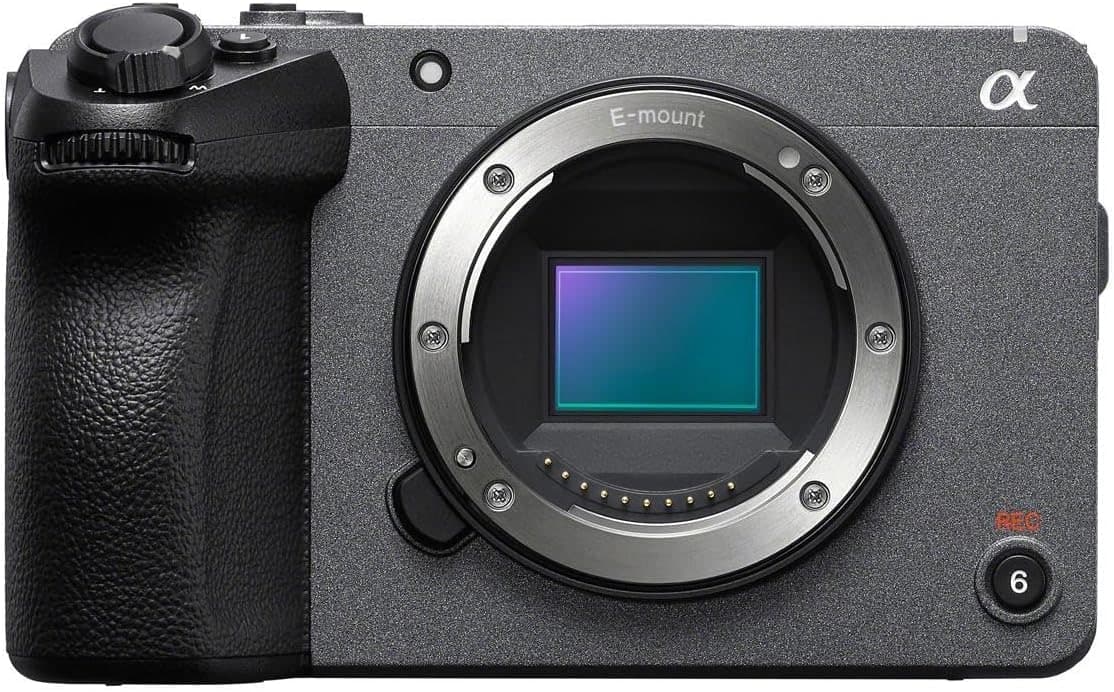
Sony FX30
Cinema-line controls, active cooling, reliable autofocus, and files that grade well without full-frame cost.
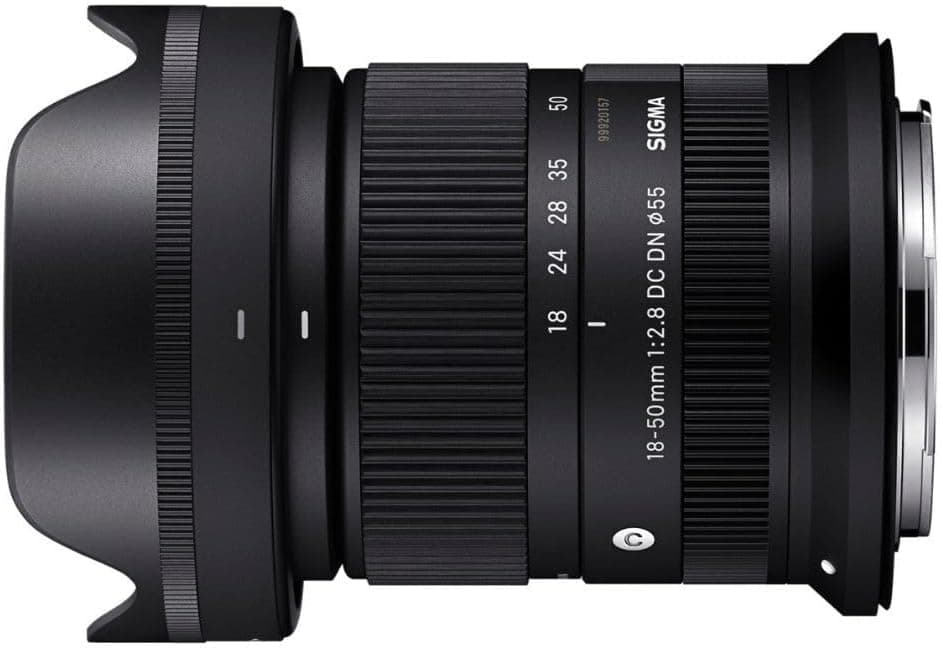
Sigma 18-50mm f/2.8 DC DN Contemporary
A small constant-aperture zoom that keeps an APS-C rig light enough to carry and balance.
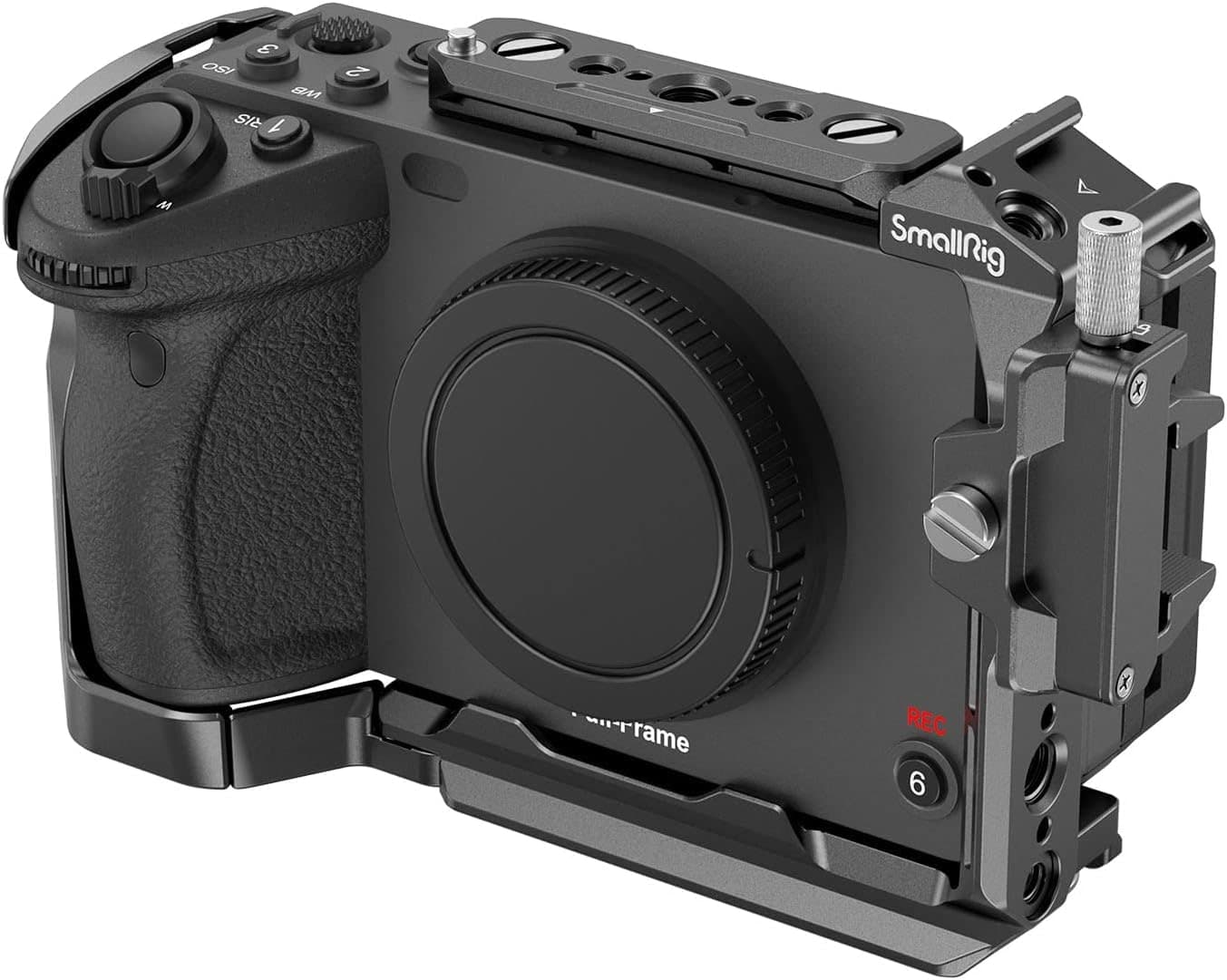
SmallRig Cage for Sony FX3 and FX30
Adds proper mounting points for handles, monitors, mics, and cables without relying on the camera body.
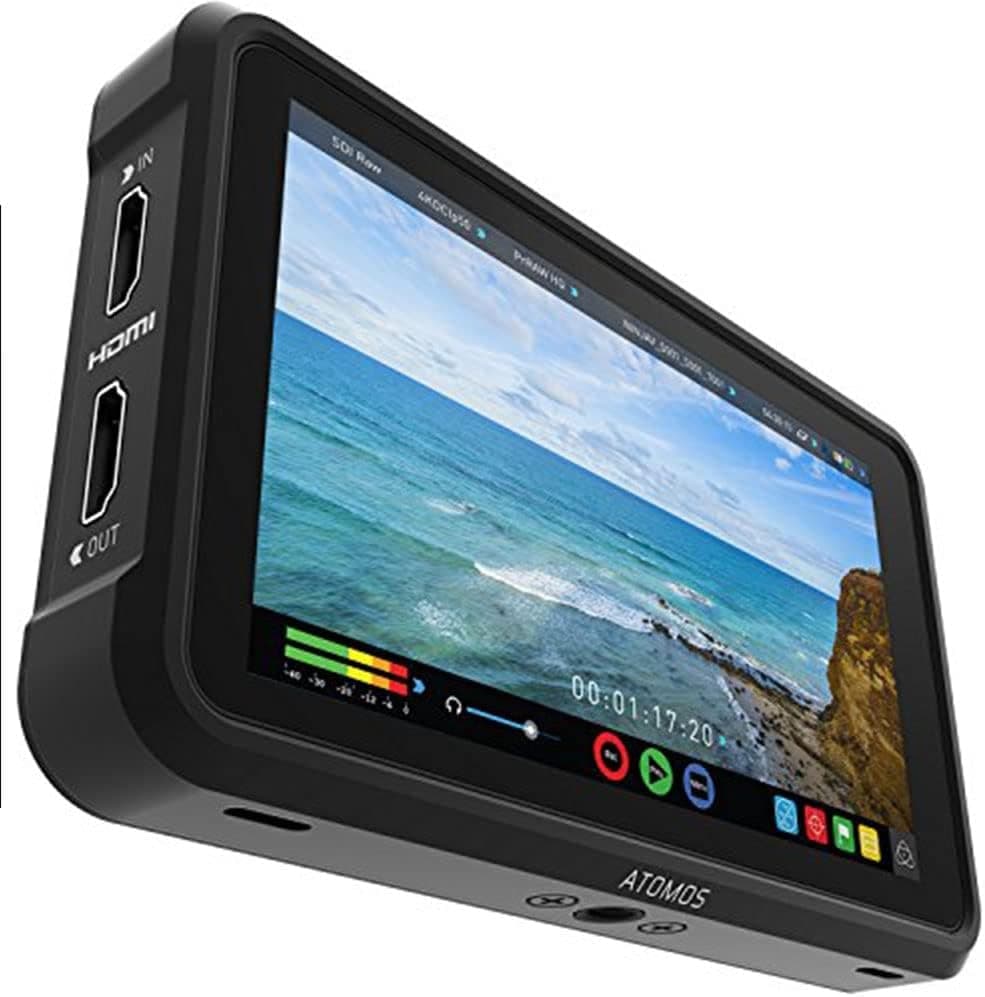
Atomos Ninja V
A bright five-inch screen for focus, exposure tools, LUT preview, and cleaner client monitoring.
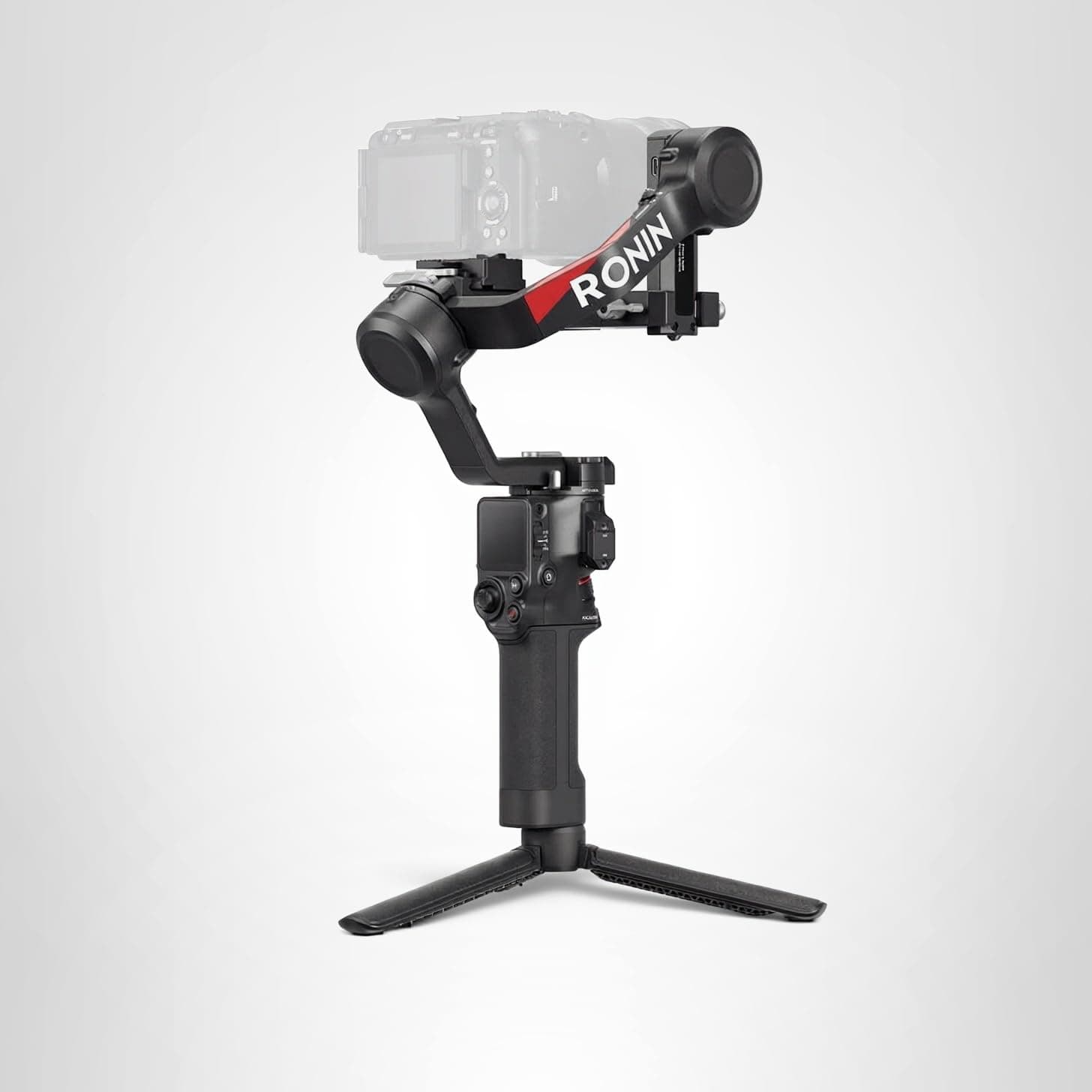
DJI RS 4
The gimbal tier that can handle a built-out mirrorless or compact cinema rig without becoming huge.
Rode VideoMic NTG
A flexible on-camera shotgun that also works as a small USB mic for quick voiceover or desk work.
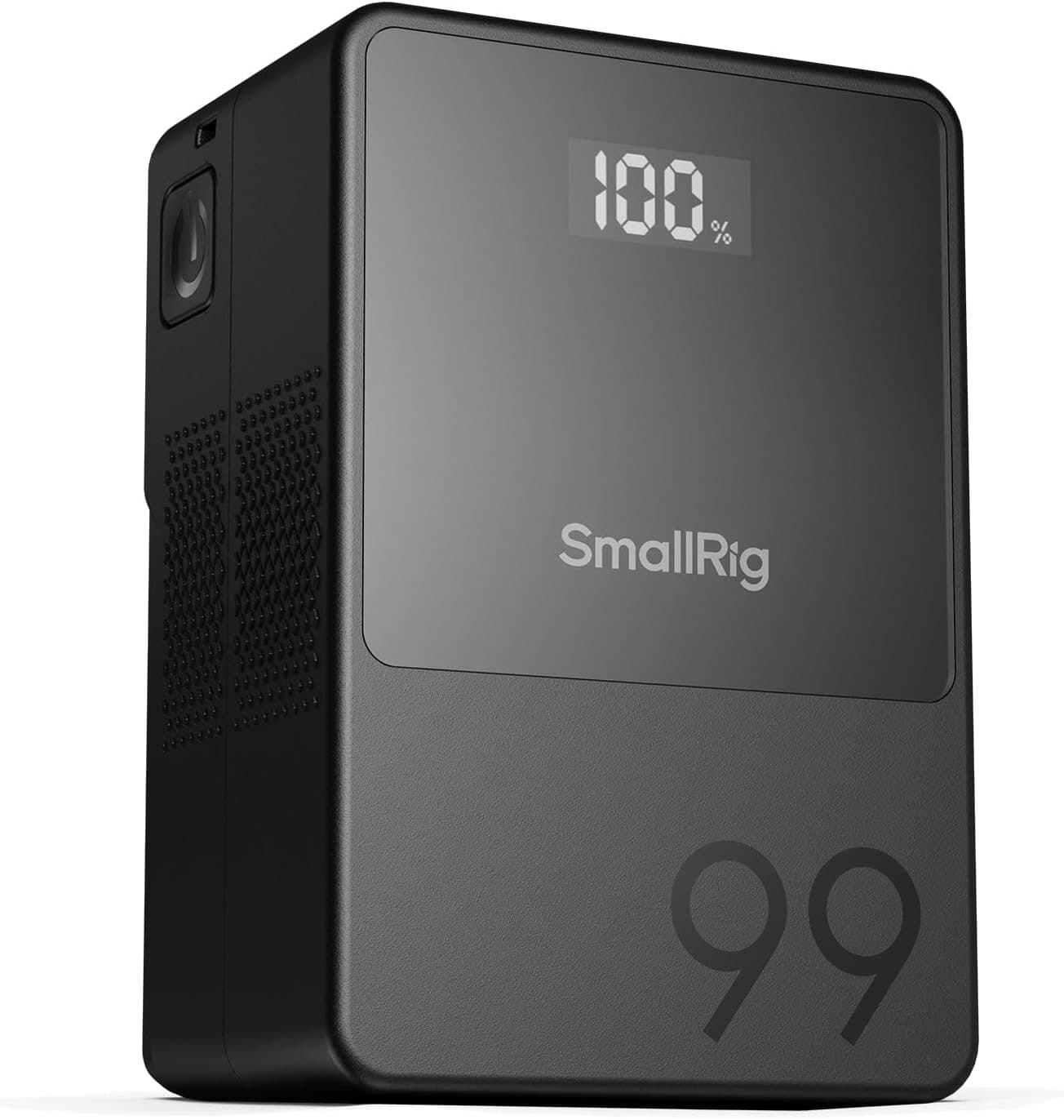
SmallRig VB99
A compact V-mount that can run monitors, lights, or cinema bodies without turning the rig into a brick.
Prices are rough catalog totals. Retailer prices change, and you can swap pieces to fit your system.
Related Gear guides
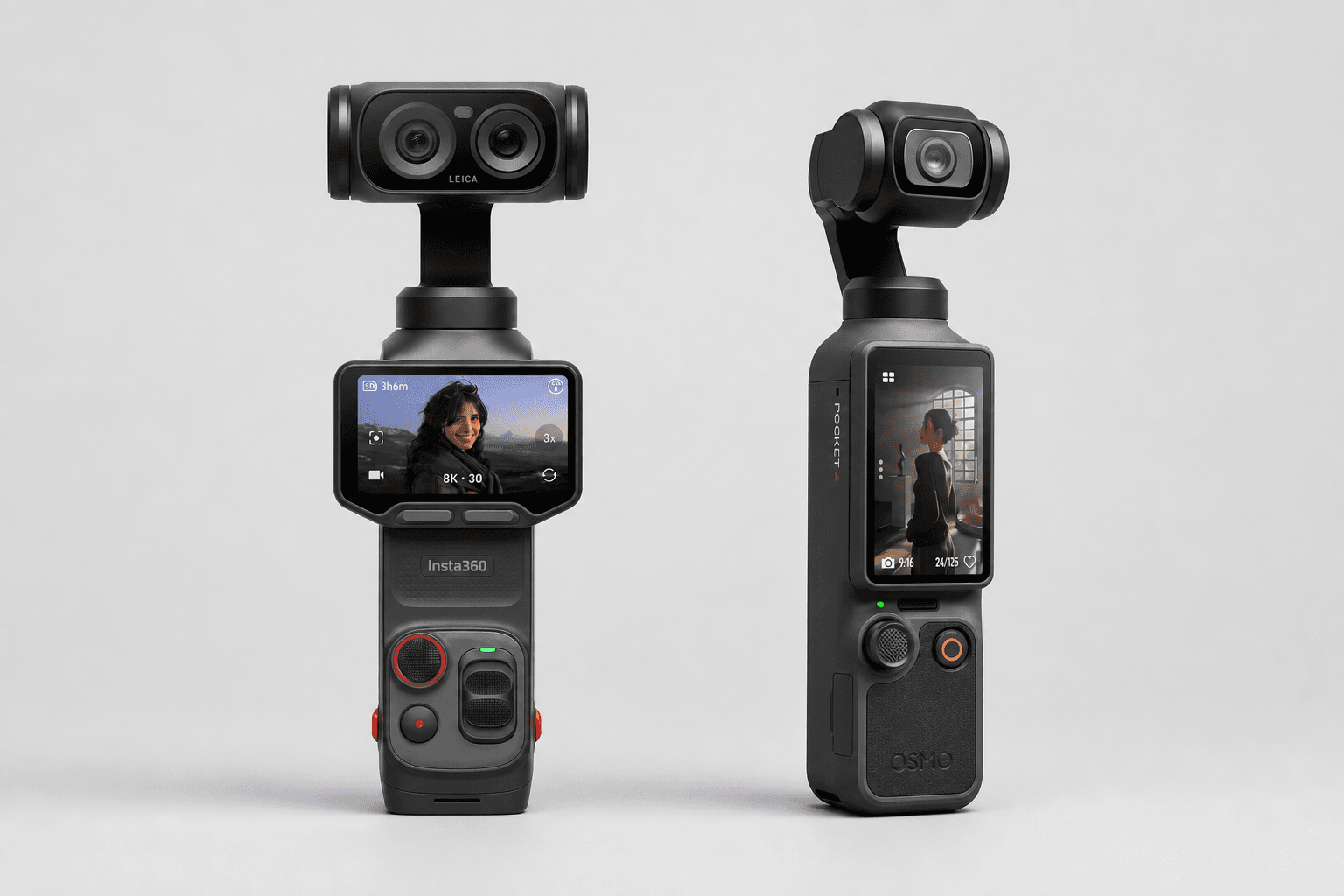
Insta360 Luna Ultra vs DJI Osmo Pocket 4: Which Pocket Gimbal Should You Buy?
Compare Luna Ultra and DJI Pocket 4 by lenses, video, Log formats, storage, U.S. availability, and the filming jobs each pocket gimbal handles best.
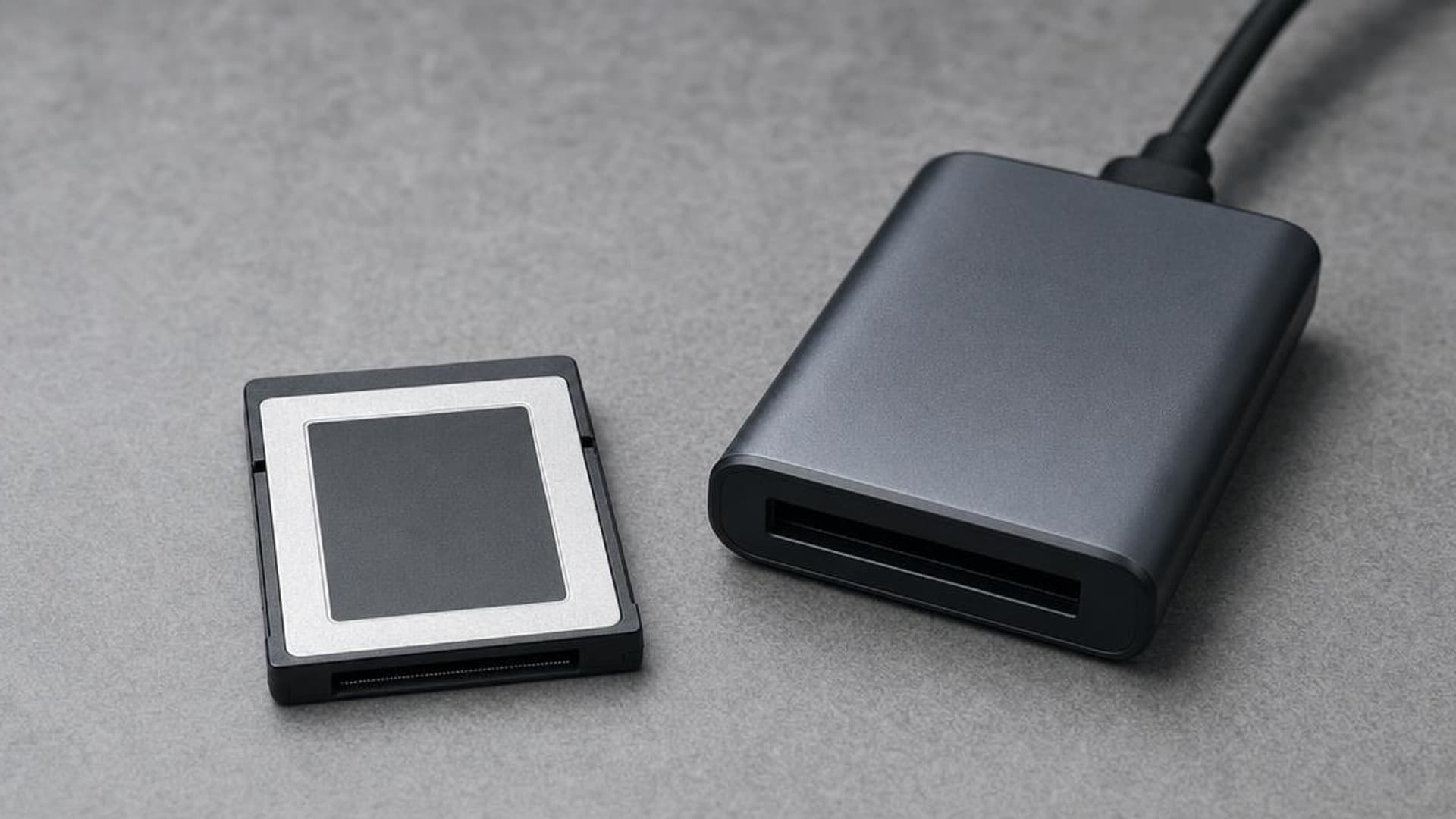
CFexpress 4.0 and VPG Explained: Buy the Card Your Camera Needs
CFexpress 4.0 doubles theoretical bandwidth, while VPG certifies sustained video writes. Learn Type A vs B, VPG classes, and when 4.0 is worth paying for.
Focal Length Explained: What 24mm, 50mm, 85mm, and 200mm Actually Do
What the millimeter number on a lens changes in the field: angle of view, compression, and working distance. When to reach for 24, 50, 85, or 200mm.
Canon EOS R50 V vs Sony ZV-E10 II: Which Beginner Vlogging Camera Should You Buy?
Canon EOS R50 V is the easier beginner creator kit. Sony ZV-E10 II is the deeper lens-system pick. Compare the practical tradeoffs.
Researched, not personally tested: picks compare specifications, available owner feedback, and established expert sources. As an Amazon Associate I earn from qualifying purchases. We may earn a commission from links here, at no extra cost to you. How we research →